School of medicine
A two-semester standalone course, the only one of its kind nationwide that is open to all graduate students, explores the Neurosequential Model of Therapeutics.
The University-Wide Interdisciplinary Research Center focuses on the involvement of community members, organizations and patients as partners in research and interventions with a mission to prevent disease and improve health for all.
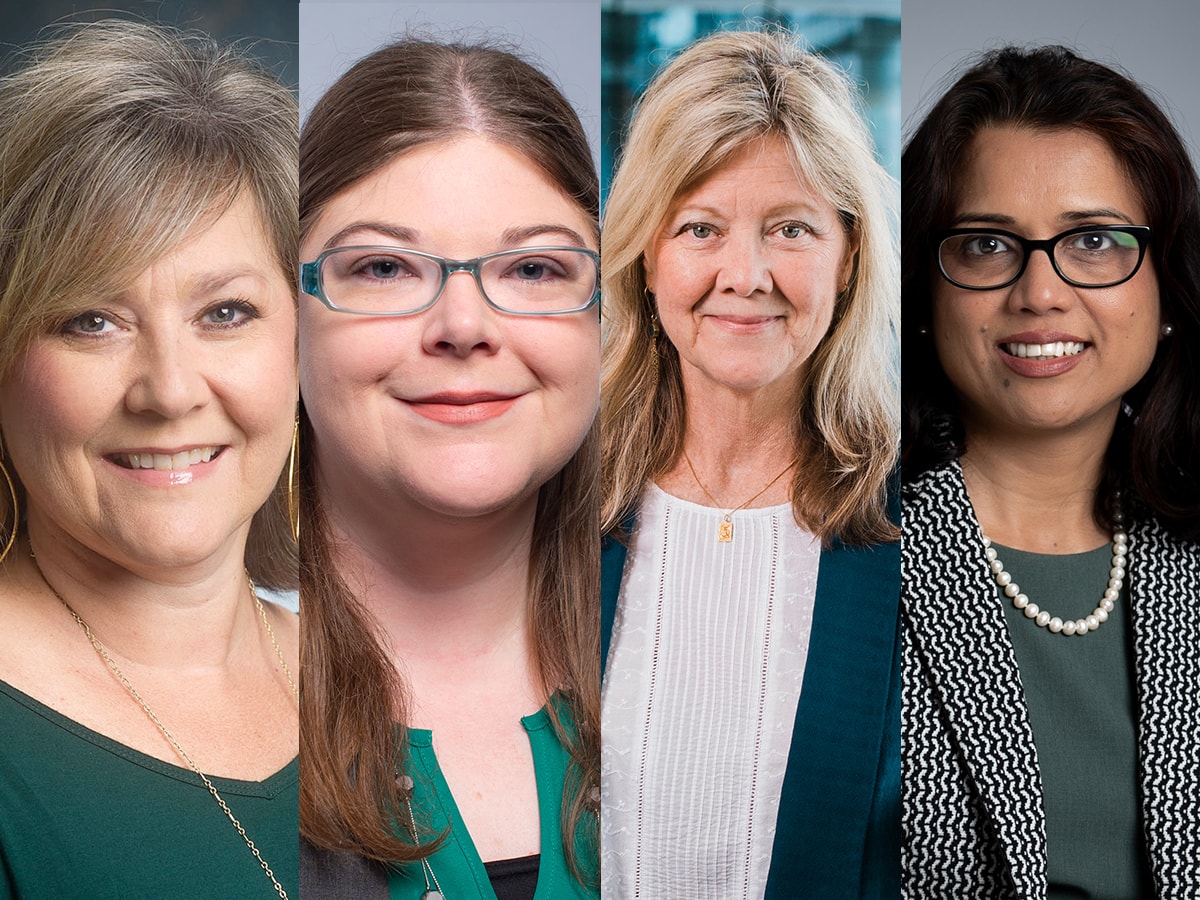
Stacy Moak, Mary Kathryn Sewell-Loftin, Sarah Culver and Samiksha Raut demonstrated extraordinary commitment to engaging undergraduate students in service learning, undergraduate research, education abroad and core teaching.
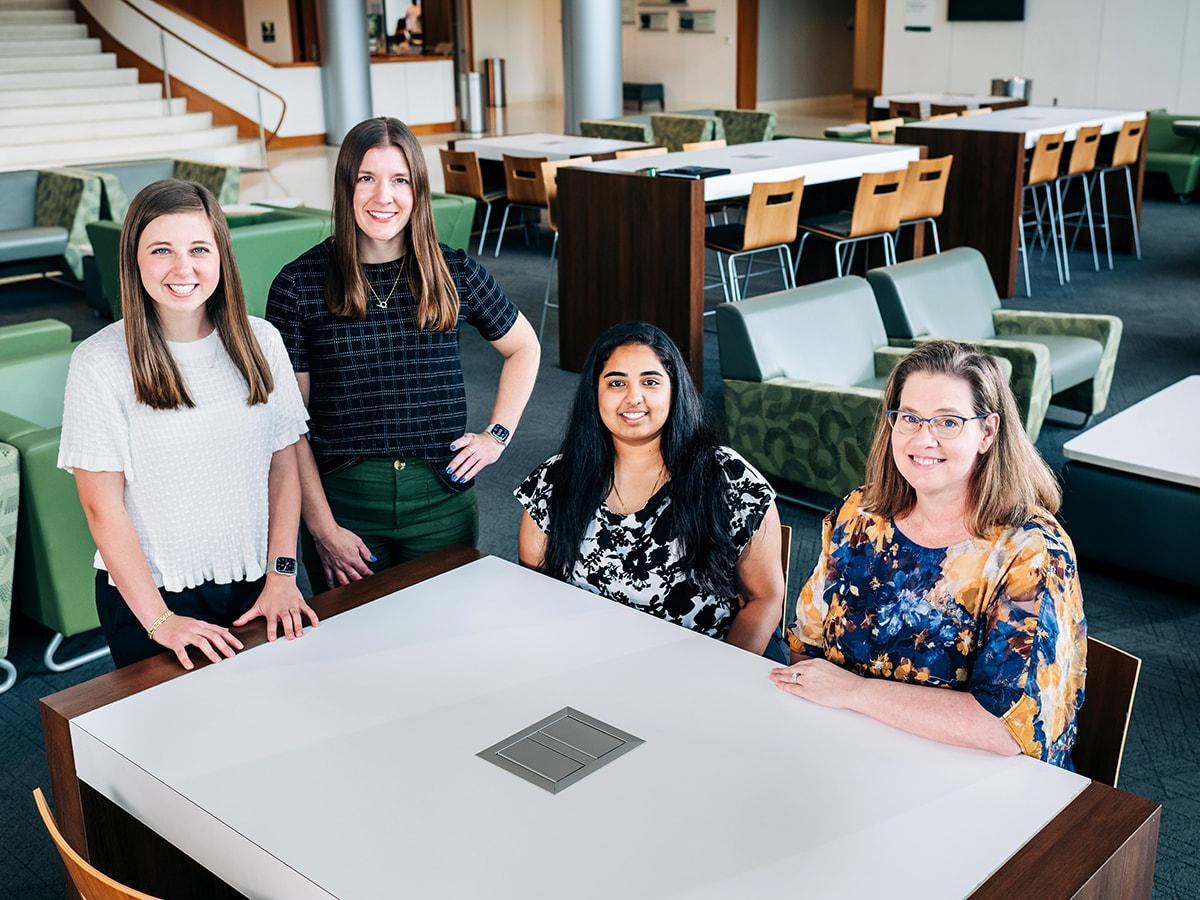
Hear from members of the first cohort of this new program from the Harbert Institute for Innovation and Entrepreneurship. Then check out the beta versions of their software tools for better workplace communication and AI-powered research summaries.

This spring, the University of Alabama System Board of Trustees awarded the rank of Distinguished Professor to five and the rank of University Professor to four faculty members.
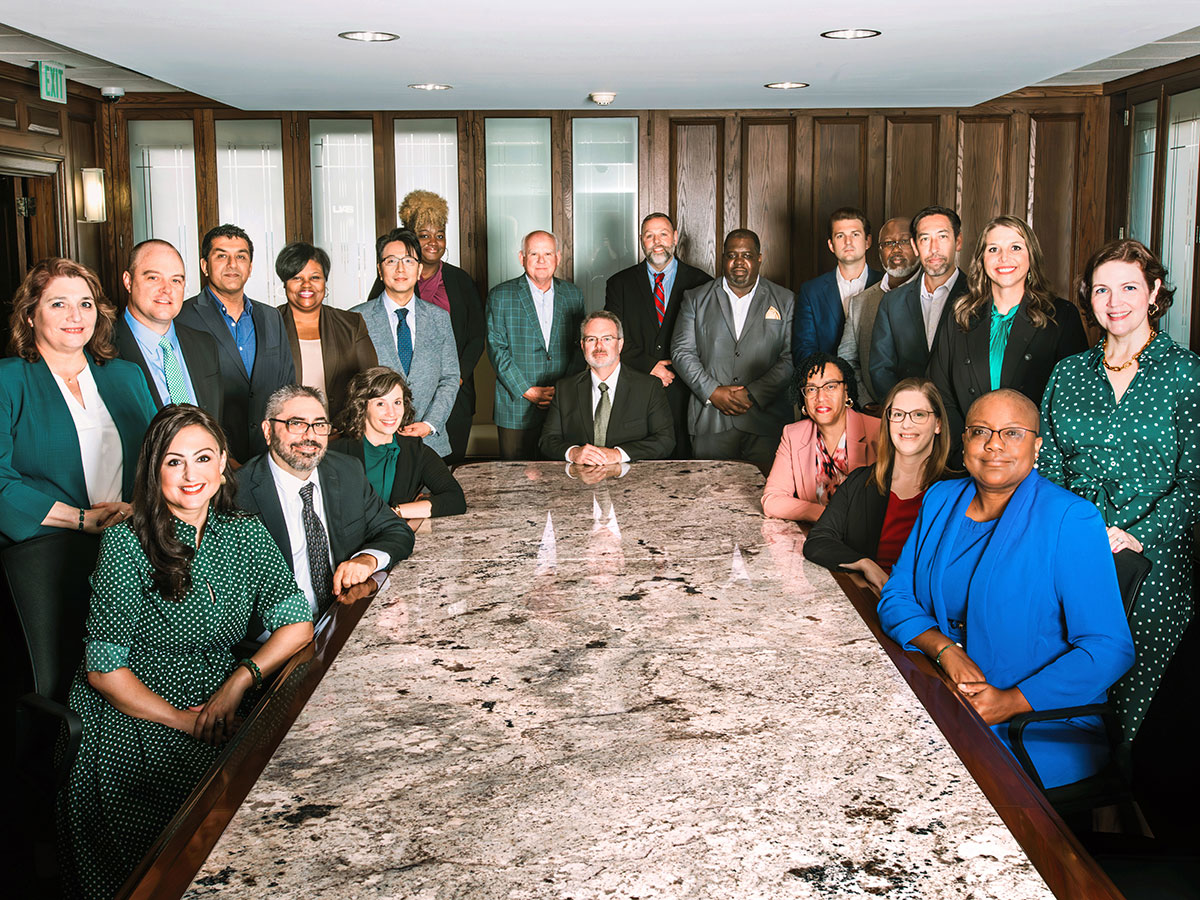
Congratulations to the 19 faculty and staff leaders who completed UAB’s leadership development program this month. Meet the graduates and see the requirements for the 2025-2026 cohort; nominations open in June.

The You Are Not Alone Infertility Support Group launches today at 5 p.m.; learn how the group began as a collaboration between the UAB Employee Assistance and Counseling Center and an employee from the Department of OB/GYN.
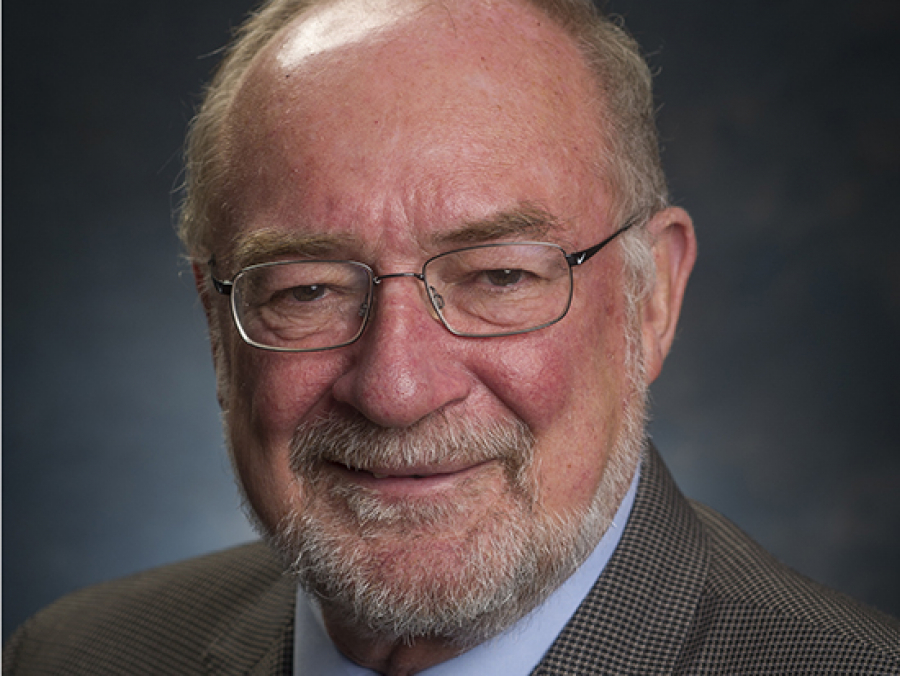
John F. Kearney, Ph.D., Distinguished Professor and Endowed Professor in Immunology in the Department of Microbiology, will be honored for five decades of service to UAB on April 8.
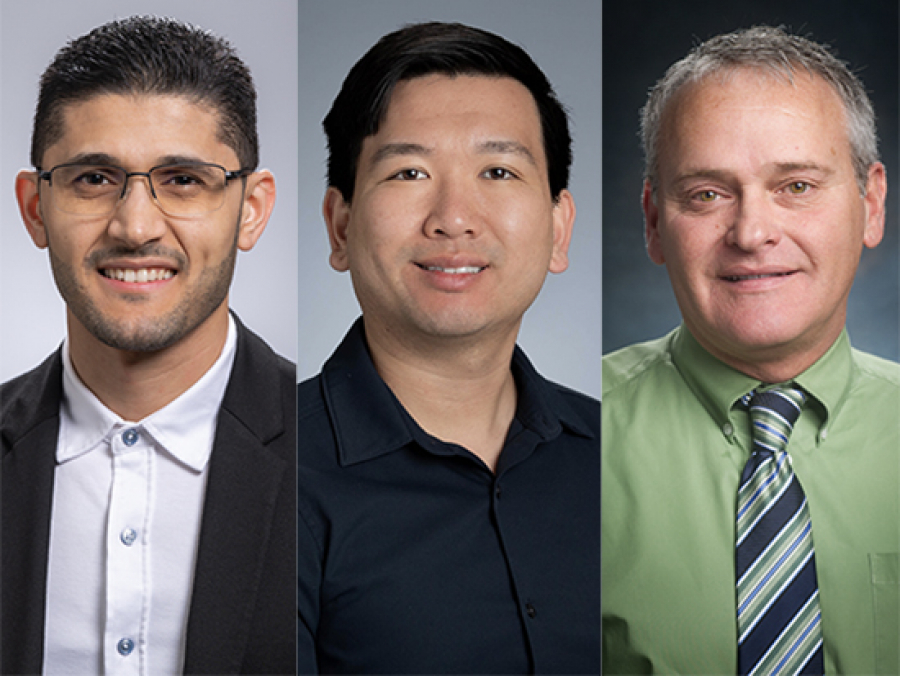
Mahmood Abdul Gahni, Danny Lee and Tim Walker are the first 2025 honorees in the UAB Shared Values in Action Program. Nominations for second-quarter honorees are open through April 16.

Getting a good start is critical, as is exercise, building community and more.
Ronald Lazar, Ph.D., director of UAB’s Evelyn F. McKnight Brain Institute, explains effective interventions, the importance of choice and why you should start where you are.
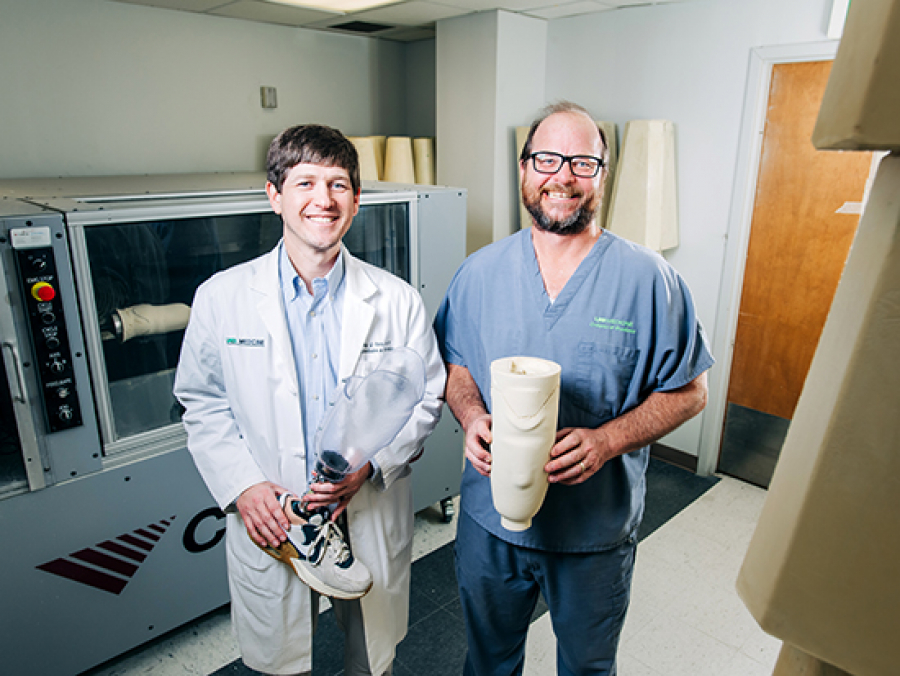
A grant through UAB’s HSF-GEF program is funding the purchase of an advanced 3D printer for the Orthotics and Prosthetics Lab in the Department of Physical Medicine and Rehabilitation, which will make UAB’s Amputee Clinic the first in Alabama, and one of the few nationwide, to offer 3D-printed sockets for prosthetics.
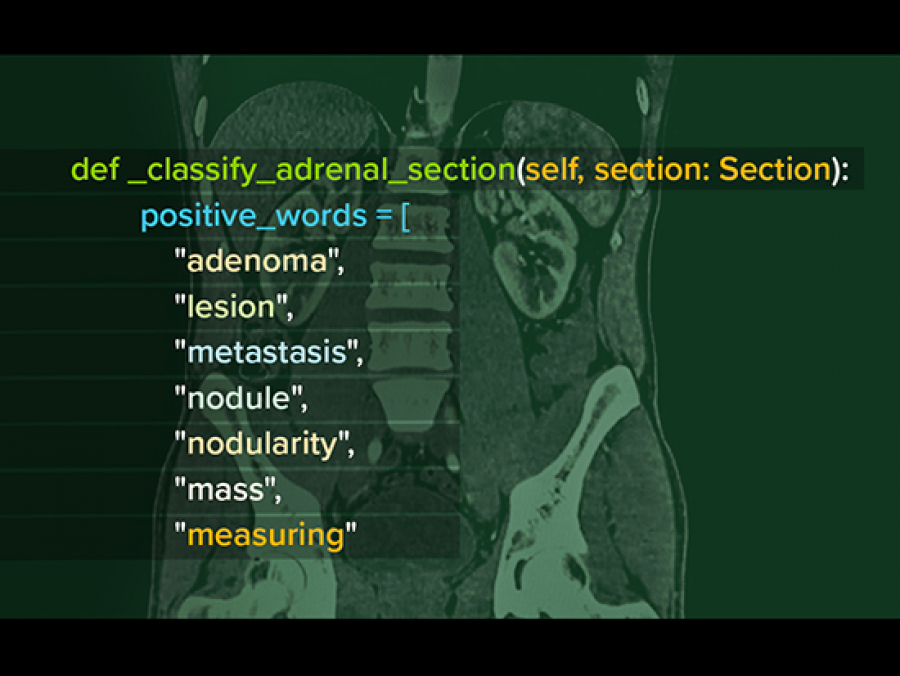
A study published in December 2024 demonstrates how natural language processing techniques, combined with dedicated human personnel, can flag unusual findings in radiology images and connect patients with follow-up care. The work, pioneered in nodules on the adrenal glands, has many applications, the researchers say.
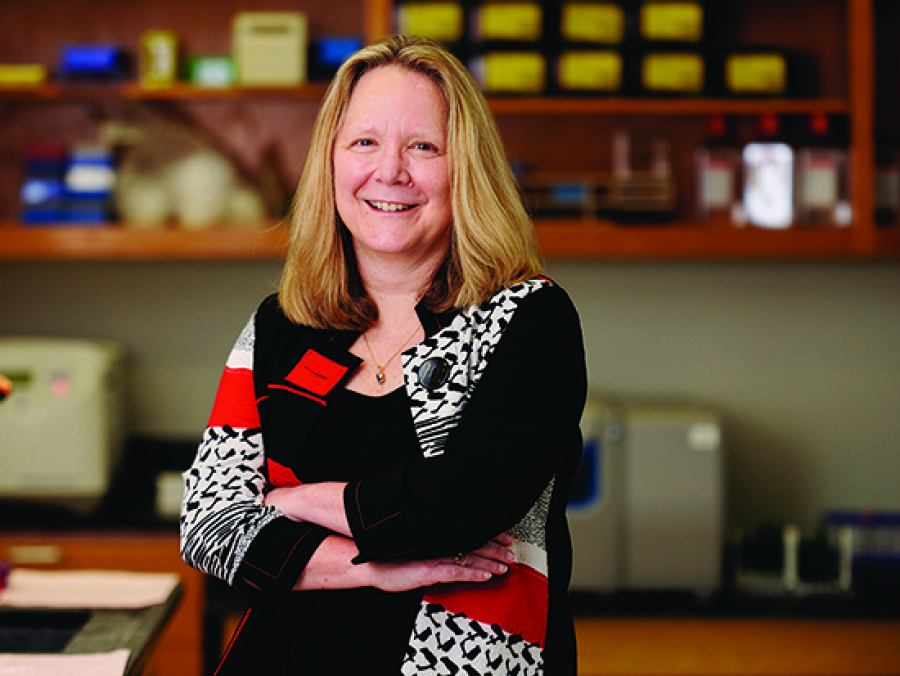
Fran Lund, Ph.D., an internationally recognized scientist who has uncovered crucial additional roles for the immune system’s antibody-generating B cells, has been selected for the academic medical center’s highest faculty honor. Learn more about her career and current work in immune memory in this article.
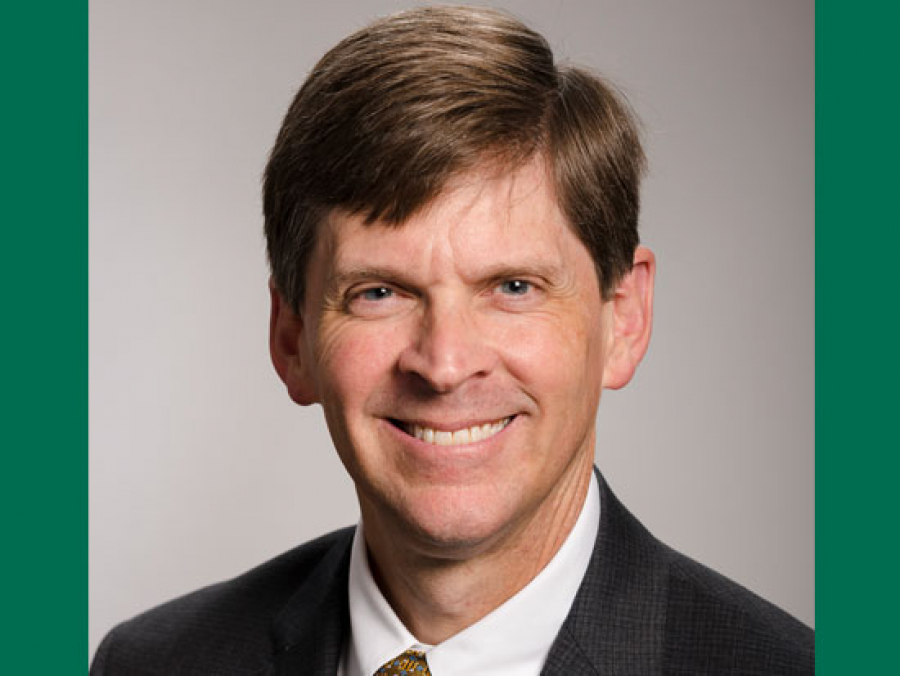
After an extensive national search, UAB has appointed David Kimberlin, M.D., as associate vice president for Clinical Trial Operations, effective Jan. 1, 2025.
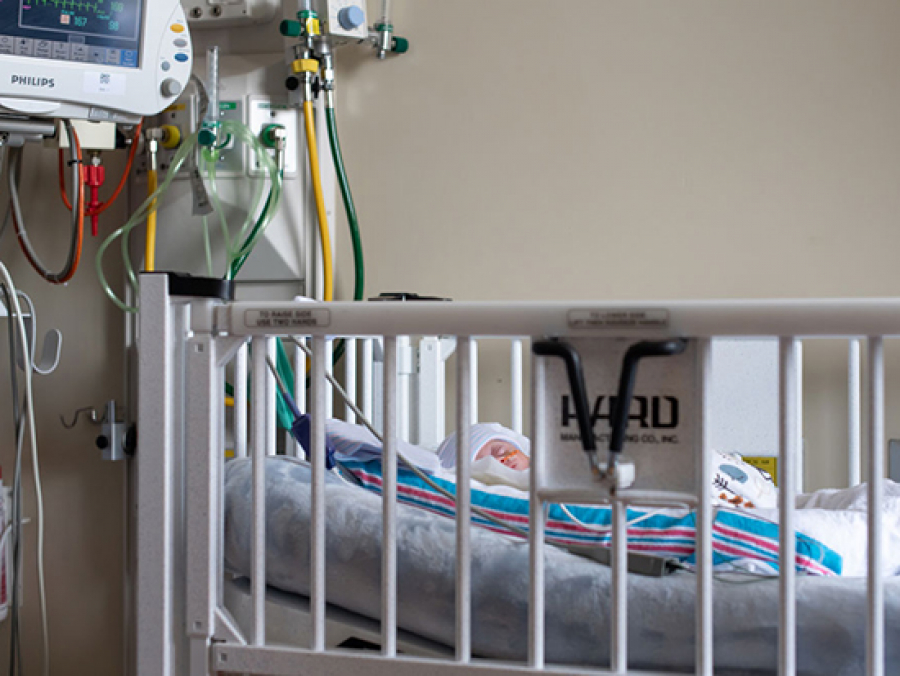
After studying thousands of hours of data from heart rate monitors, UAB clinician-researchers developed algorithms to predict when a baby’s heart rate will drop to unsafe levels in the NICU. With funding from UAB’s Harbert Institute, they will now conduct a clinical trial of a device they have created to intervene automatically.

A 3D printer for prosthetics, navigation for patients on dialysis and a new electron microscope are three of the 11 projects to receive funding. The HSF-GEF faculty grants program is a way for UAB to support innovative ideas from its researchers and clinicians.

About half of the estimated 15.5 million American adults who have ADHD were diagnosed during adulthood. UAB’s Rachel Fargason, M.D., who has specialized in adult ADHD for three decades, explains how she diagnoses the condition, why COVID triggered people to seek help, and why treatment is remarkably effective and life-changing.
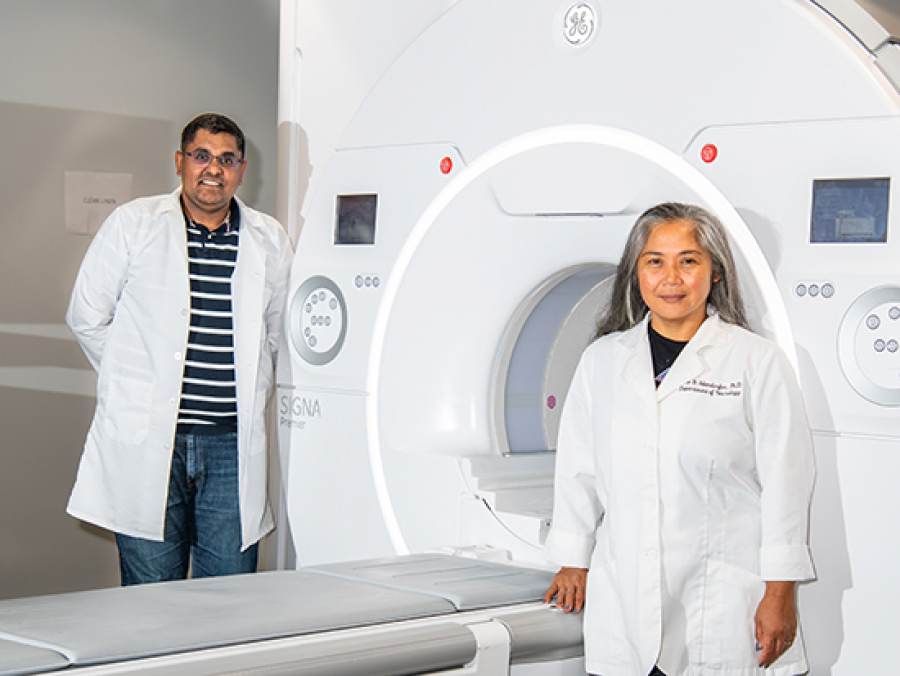
From a 3 Tesla PET/MR to a 0.55 Tesla Freemax, this core facility offers research tools that are crucial to UAB’s neuroscience studies and more, as well as expert advice on the best protocols to use for individual experiments.
The 2024 honorees for the President’s Award for Excellence in Teaching represent each school, the College of Arts and Sciences, the Honors College, and the Graduate School.