School of medicine
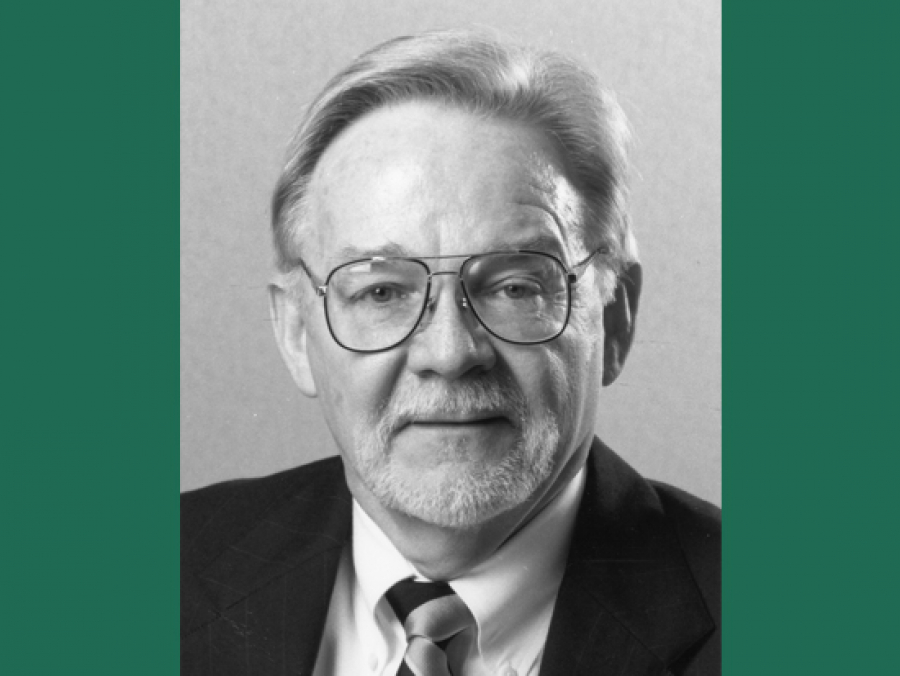
J. Claude Bennett, M.D., who served as UAB president from 1993 to 1996, passed away on Aug. 11, 2024, at age 90.

UAB’s newest spinoff is led by Aaron Fobian, Ph.D., a clinical psychologist whose research-backed treatment for FND has attracted attention from patients and providers around the world. Her company offers the first therapist-centered digital platform that is standardized and tailored to each individual patient’s needs at each individual session.
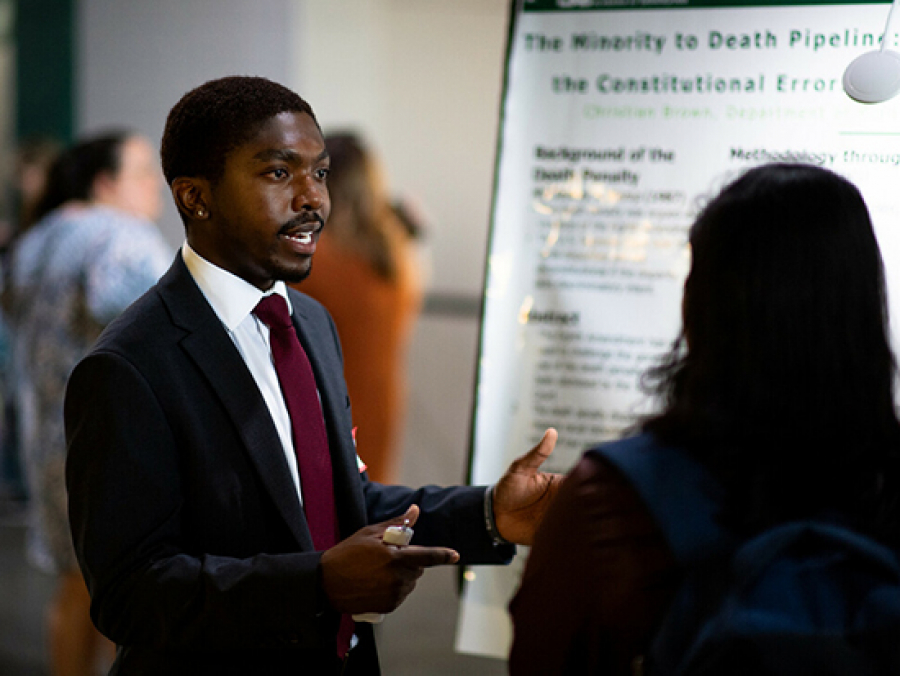
Three students who will present their work at the Summer Expo on Thursday explain the benefits of joining a UAB lab, from peer learning to practicing professional skills and more.
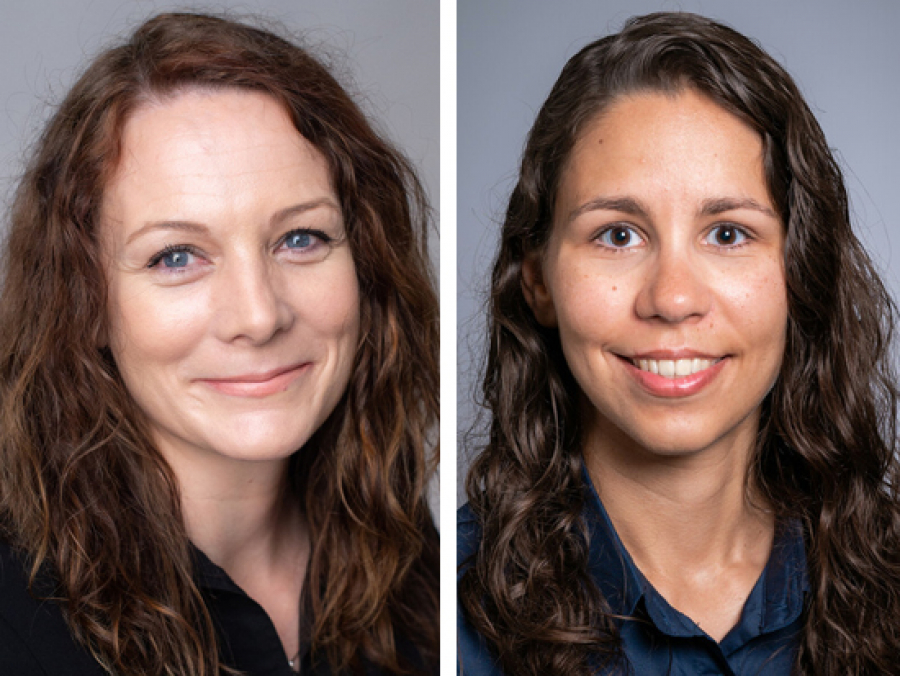
U-BDS specializes in analyzing genomic and transcriptomic data, creating data pipelines, and keeping up with the latest methods and algorithms required for cutting-edge research.
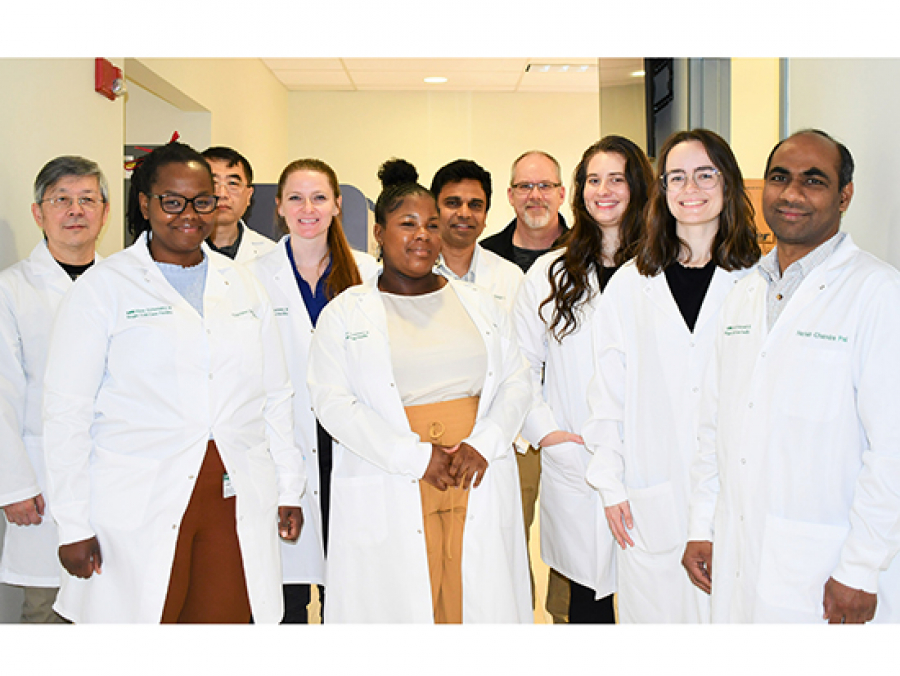
The facility, one of 15 shared resource labs at UAB and among the busiest, is one of a handful of leading labs to be recognized by the International Society for Advancement of Cytometry, or ISAC.

John Huffstutler, Nancy Parsons and Angel Simmons are the second-quarter 2024 honorees of the UAB Values in Action Program. Nominations for third-quarter 2024 honorees are open through July 11.

Clinical psychologist Aaron Fobian, Ph.D., created Retraining and Control Therapy, or ReACT, for patients with functional neurological disorder. It has helped hundreds reclaim their lives and led Fobian to develop an adaptive digital manual to expand use.

David Rogers, M.D., chief wellness officer for UAB Medicine, wrote “Frontline Healthcare Leadership” for employees in challenging, high-stress jobs. Its insights can help any Blazer contribute to making UAB an even better place to work, be healed and learn.

The UA System Board of Trustees awarded the rank of Distinguished Professor to Robert Brunner, Yogesh Dwivedi, Helen Krontiras, Cora Elizabeth Lewis, David M. Morris and Michele H. Nichols and the rank of University Professor to Marie Bakitas, Mirjam-Colette Kempf, Verna Keith, Michael Neiderweis and David Vance during its meeting in April 2024.

Patients at 29 hospitals and free-standing emergency rooms around the state are now being evaluated rapidly for suspected strokes and other conditions by expert UAB neurologists. The program has provided nearly 7,000 consults for patients — many of whom are routed to potentially lifesaving care or saved from expensive transfers away from their home communities.
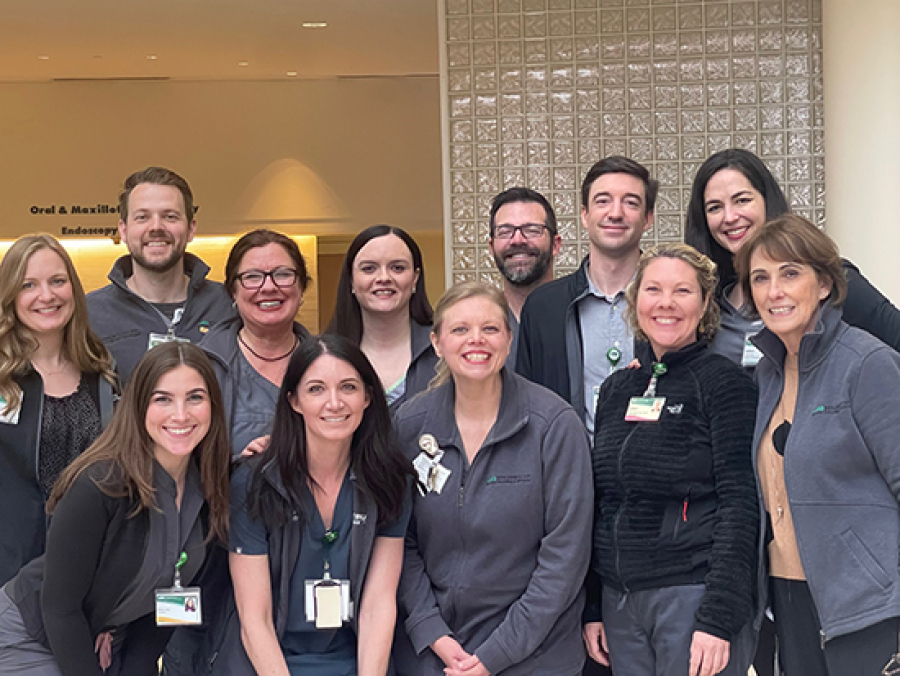
William Boswell, a speech pathologist-voice therapist in the UAB Voice Center, explains some of the innovative treatments available, why patient numbers are rising and what sets UAB apart.
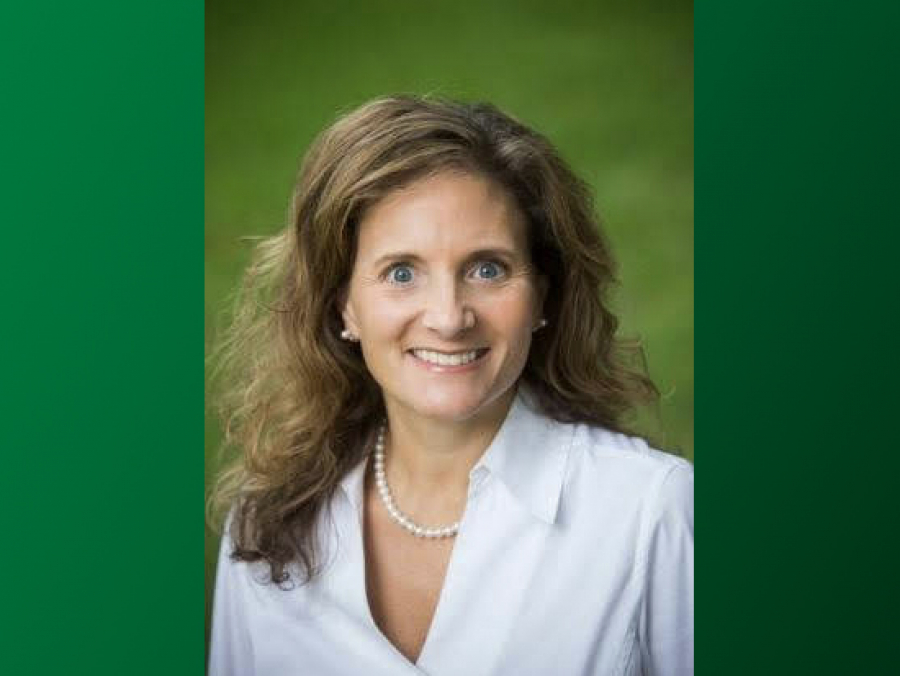
Annalise Sorrentino, M.D., professor in the Department of Pediatrics, will take on the role Oct. 1, 2024. She replaces Frank Messina, Ph.D., professor in the Collat School of Business, who has served as UAB’s FAR since 2008 and is retiring from UAB at the end of September.
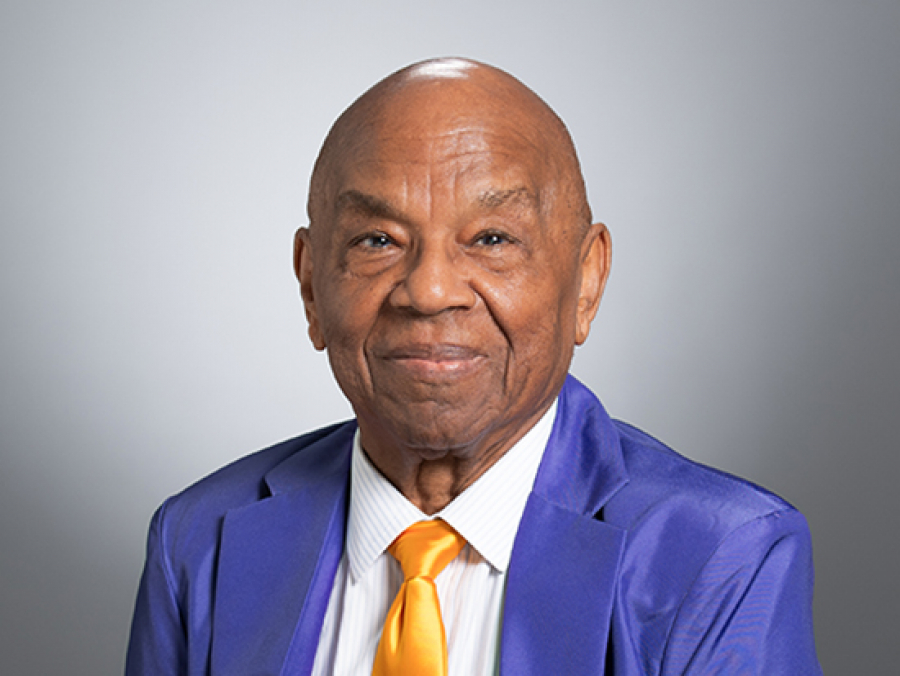
Johnny W. Scott, M.D., Ph.D., professor of nuclear medicine in the Department of Radiology, graduated from the School of Medicine in 1975 and has been a member of the faculty since 1978. Last month, he was honored for 45 years of service.
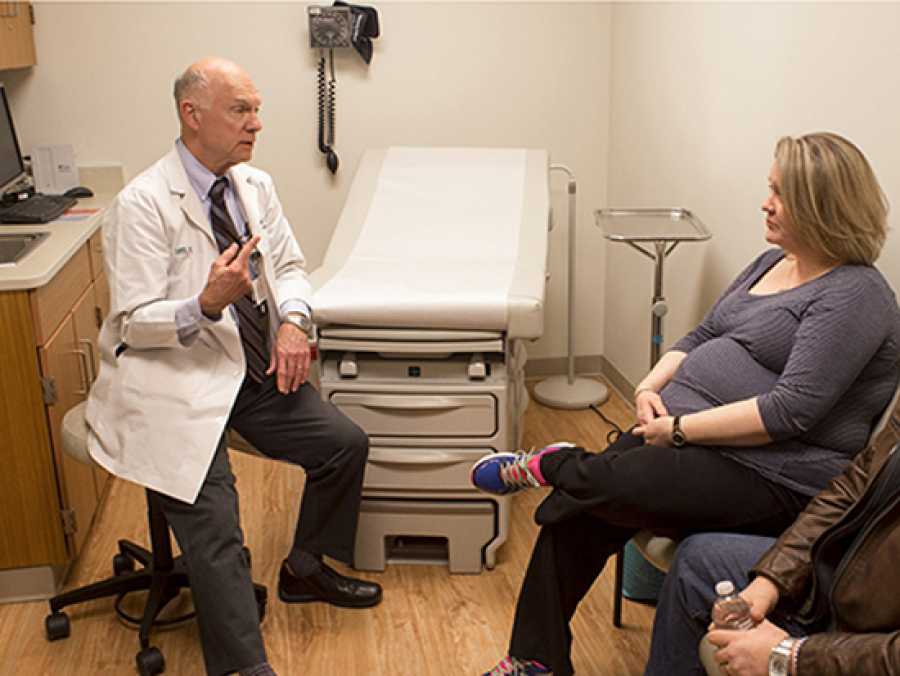
Richard O. Davis, M.D., will be honored for 50 years of service to UAB at the annual Service Awards Program Reception on April 10 in the Hill Student Center.
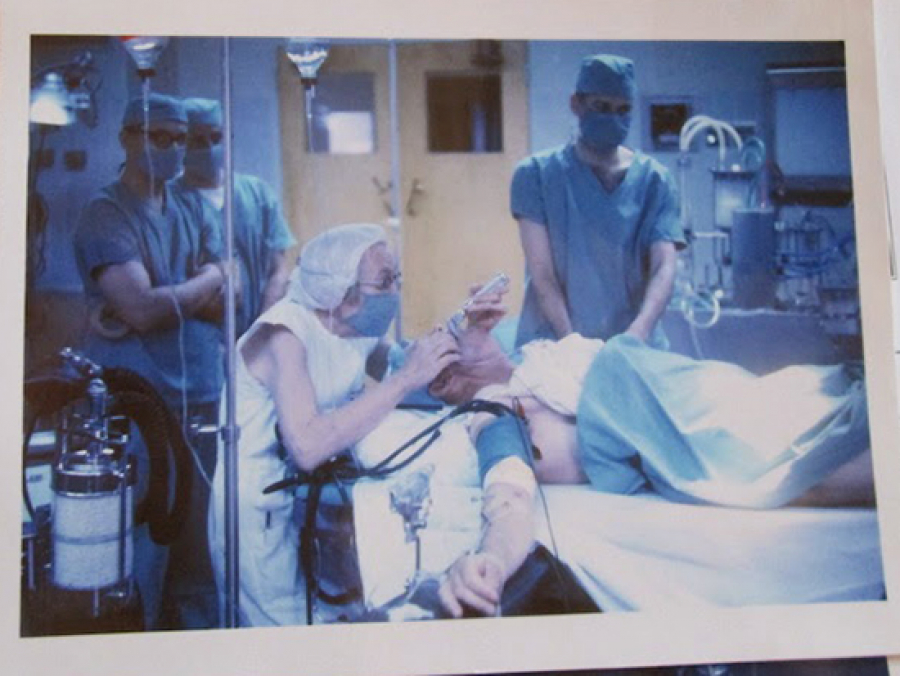
In honor of Women's History Month, a remembrance of Alice McNeal, M.D., founding chair of UAB's Department of Anesthesiology (now the Department of Anesthesiology and Perioperative Medicine) in 1948 and first woman anesthesiologist to be named to the Alabama Healthcare Hall of Fame.

Vern Bush, Kevin Davis and Brittany Martin are the first-quarter 2024 honorees of the UAB Values in Action Program. Nominations for second-quarter 2024 honorees are open through April 24.
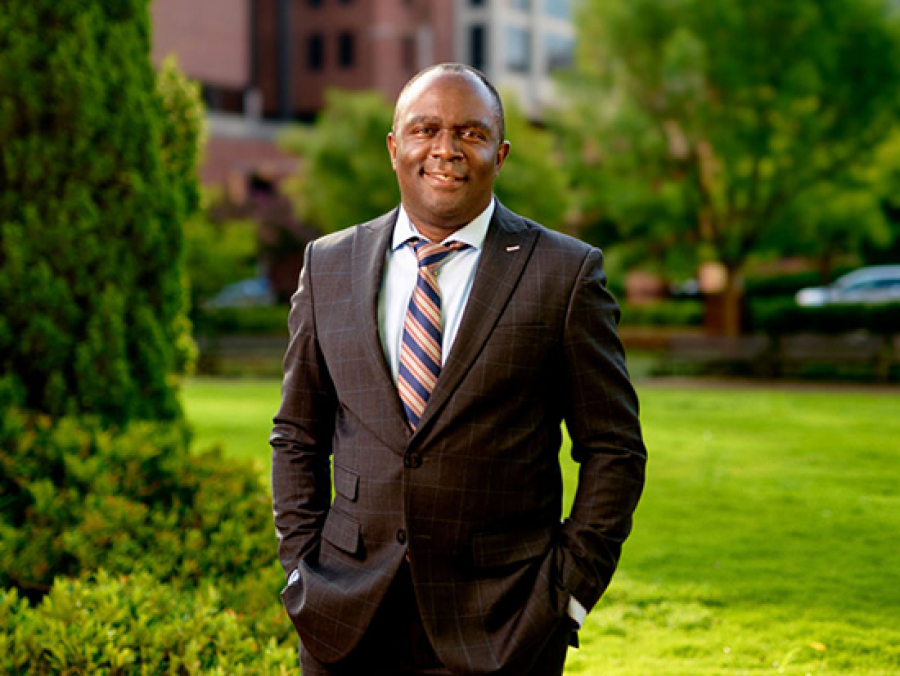
Alan T.N. Tita, M.D., Ph.D., has led some of the most notable clinical trials in recent years in obstetrics and gynecology. Now he has been selected for the academic medical center’s highest faculty honor.
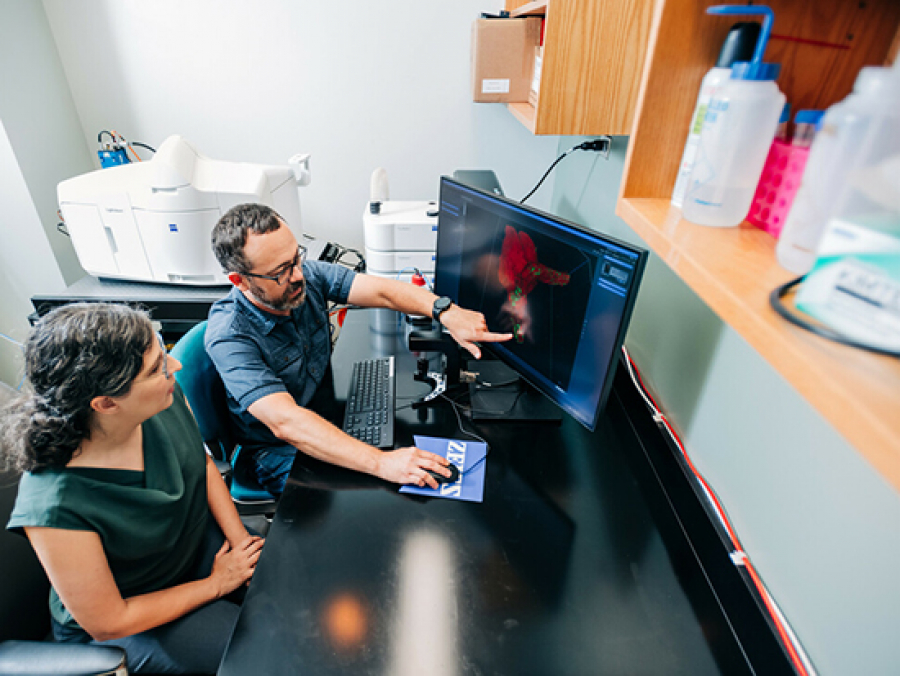
Over its 28 years, this signature program has awarded grants totaling almost $60 million. Meet recipients and see how the HSF-GEF grants make UAB “a place where, if you have a good idea, you can find the support to make it a reality.”
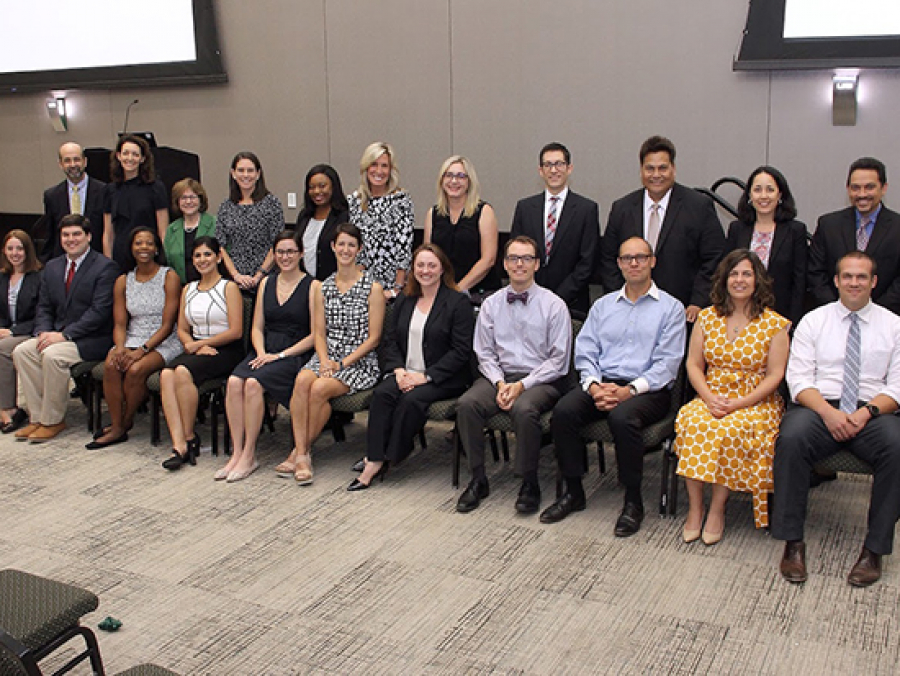
Caroline Harada, M.D., professor in the Department of Medical Education, received HSF-GEF grants to provide mentorship and recognition for junior faculty clinician educators at all six health professions schools at UAB. Participants have been promoted, published research, taken on leadership roles and won teaching awards.
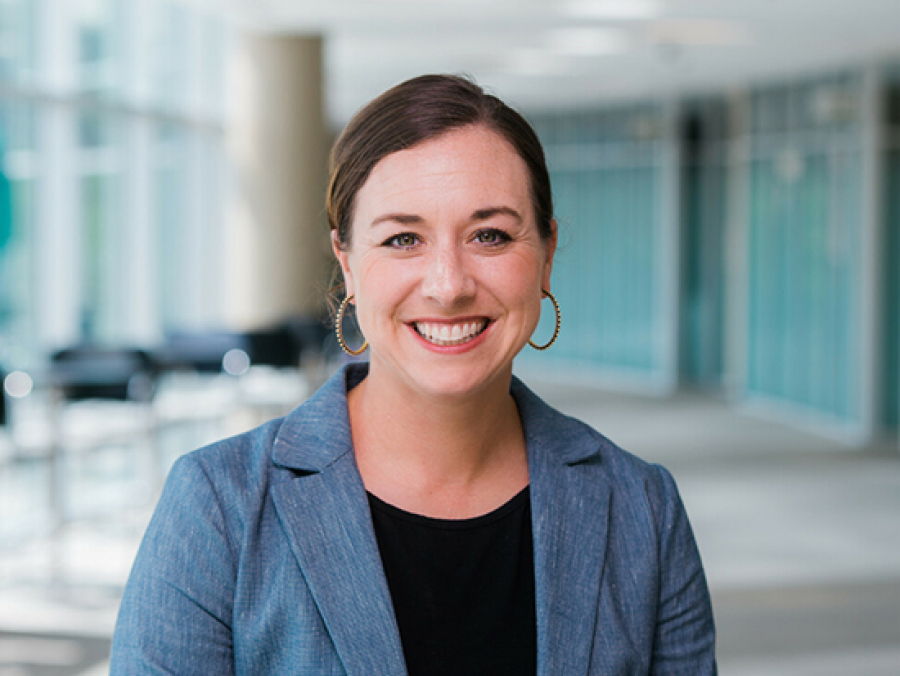
Anna Sorace, Ph.D., core director and associate professor in the Department of Radiology, has leveraged HSF-GEF grants to help grow UAB’s nuclear imaging program.