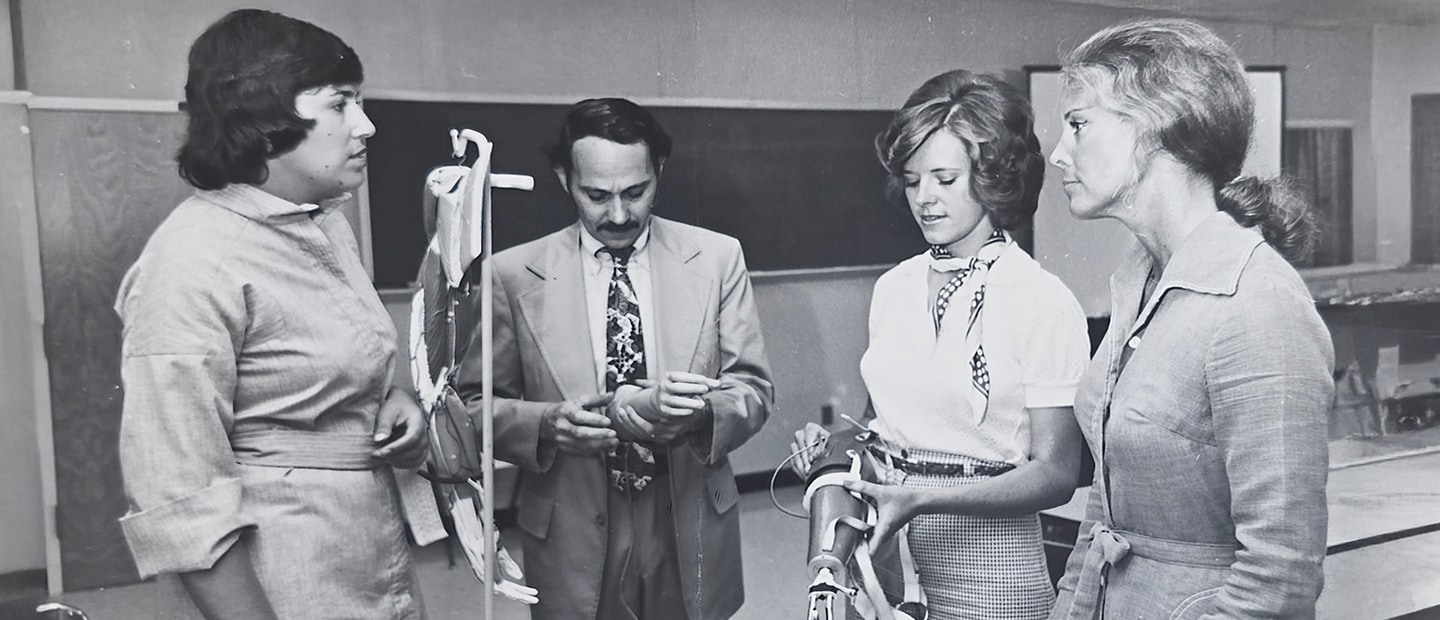



- Three women and a man conversing in a classroom in the 1970s. Picture is black and white.
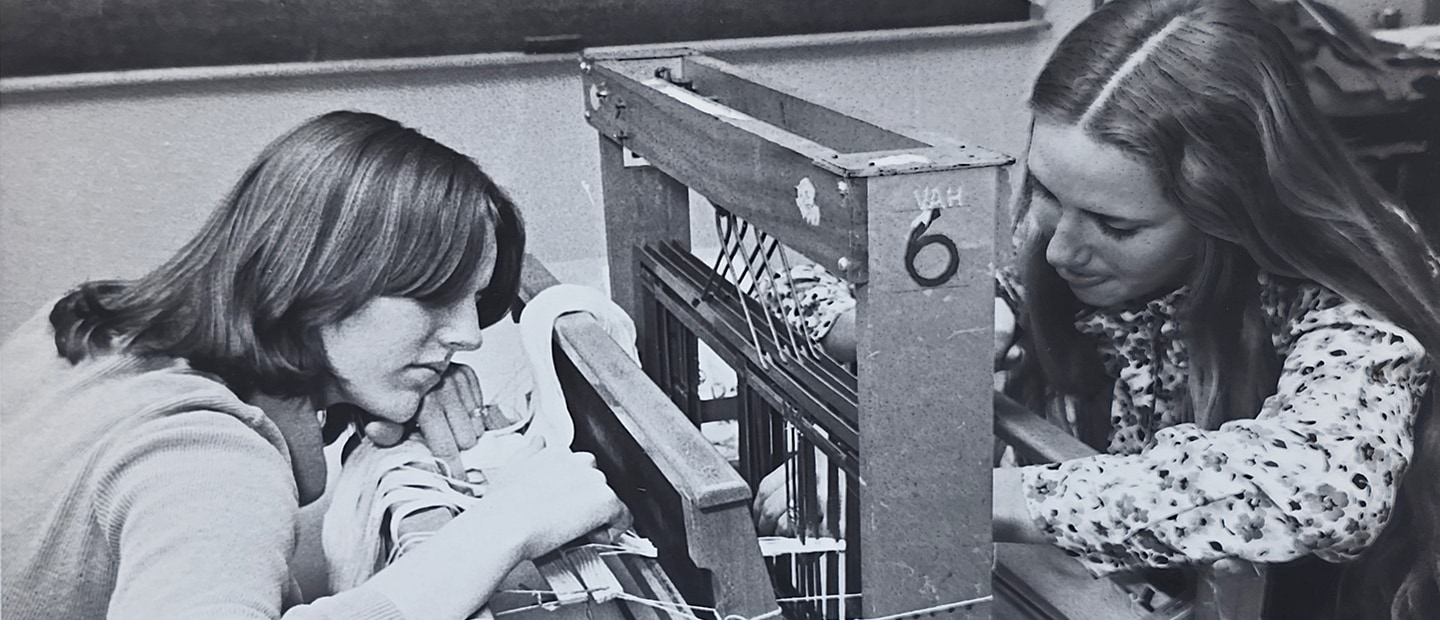
- Two young women working on what appears to be a small loom in the 1970s. Picture is black and white.
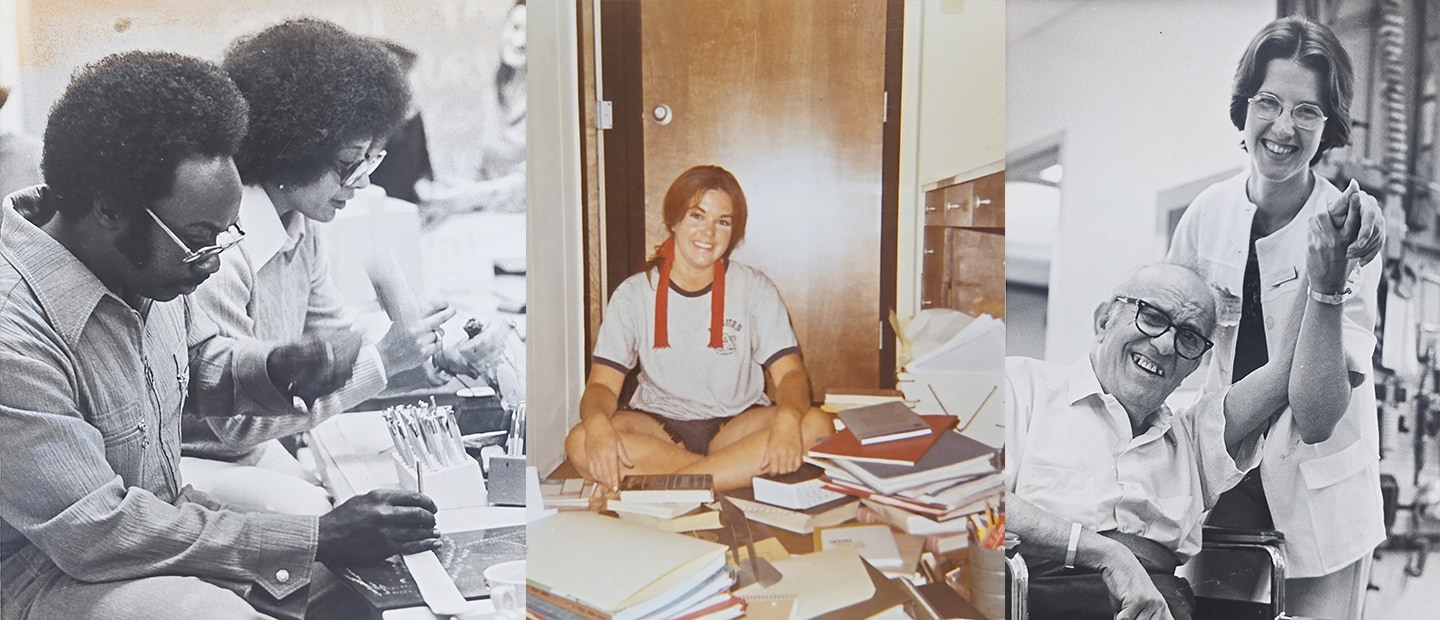
- Multiple pictures from the 1970s, two in black and white.
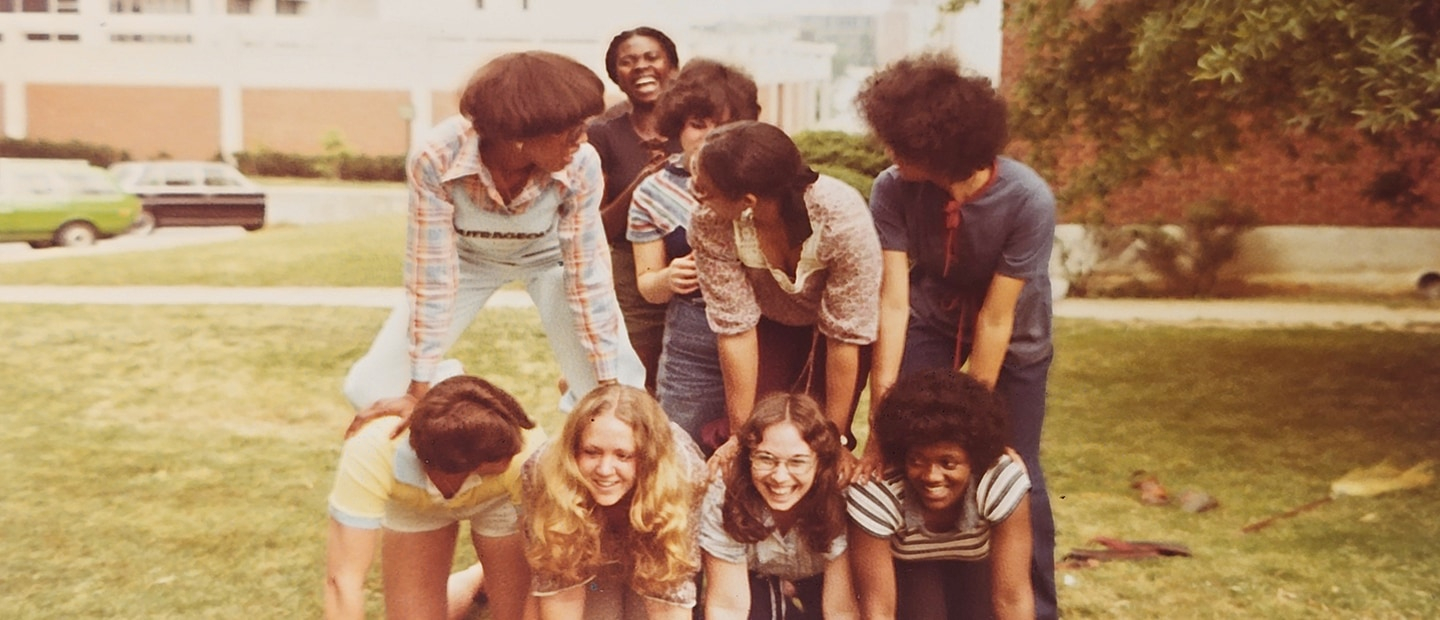
- Students from the 1970s building a human pyramid.
- Students from 1978 wearing Halloween costumes.
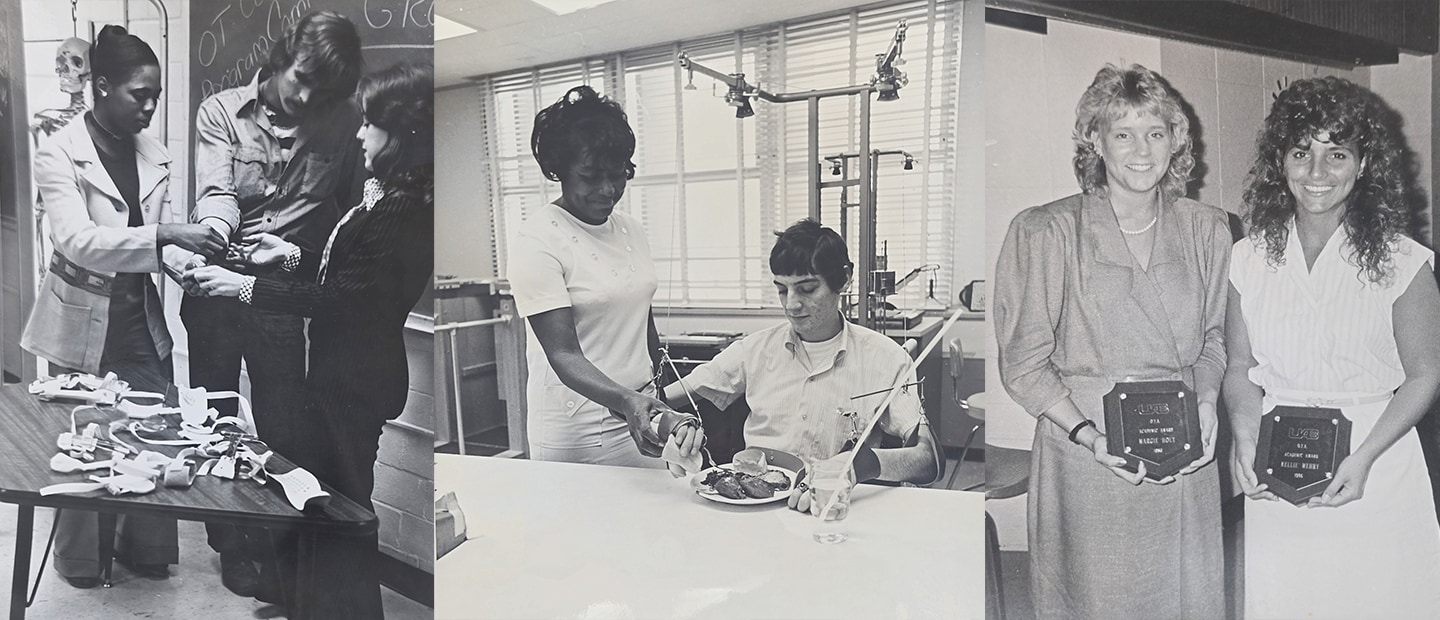
- Multiple images, all in black and white. One is from 1975 while the last is from the 1980s.
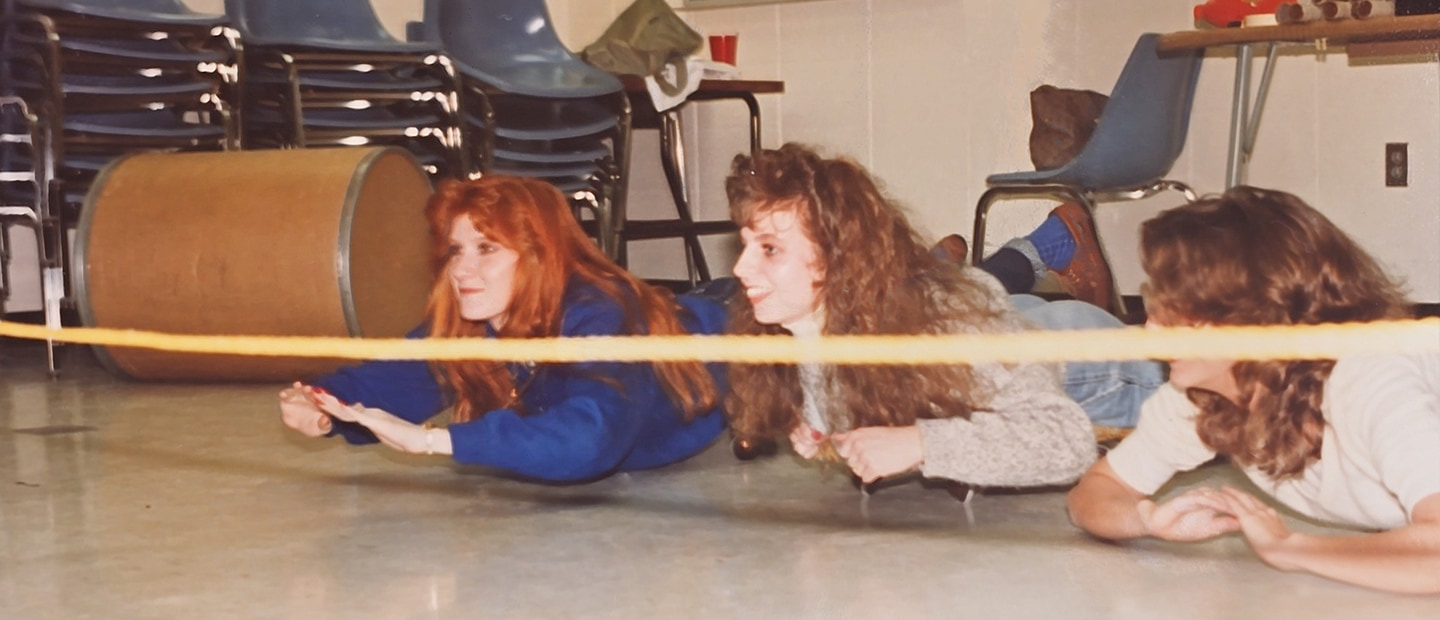
- Three young women from the 1980s lying on their stomachs on the floor in front of a ribbon stretched before them.
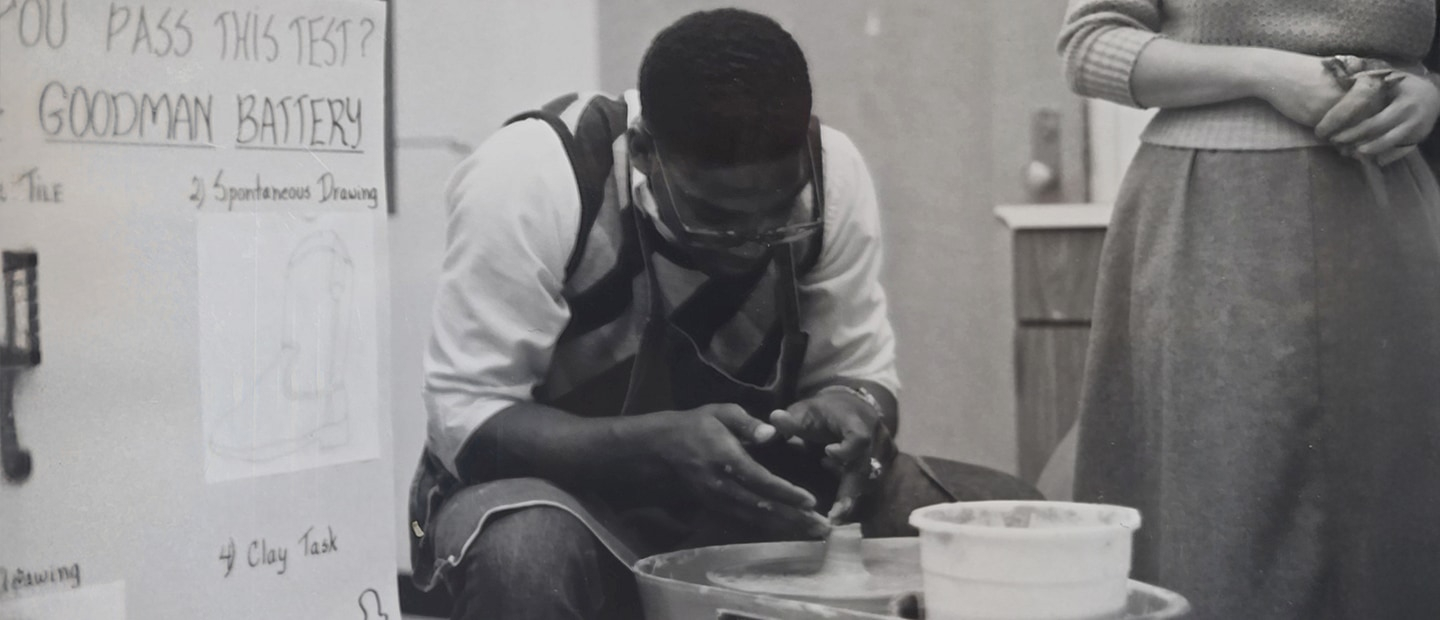
- A young Black man in the 1980s working at a pottery wheel.
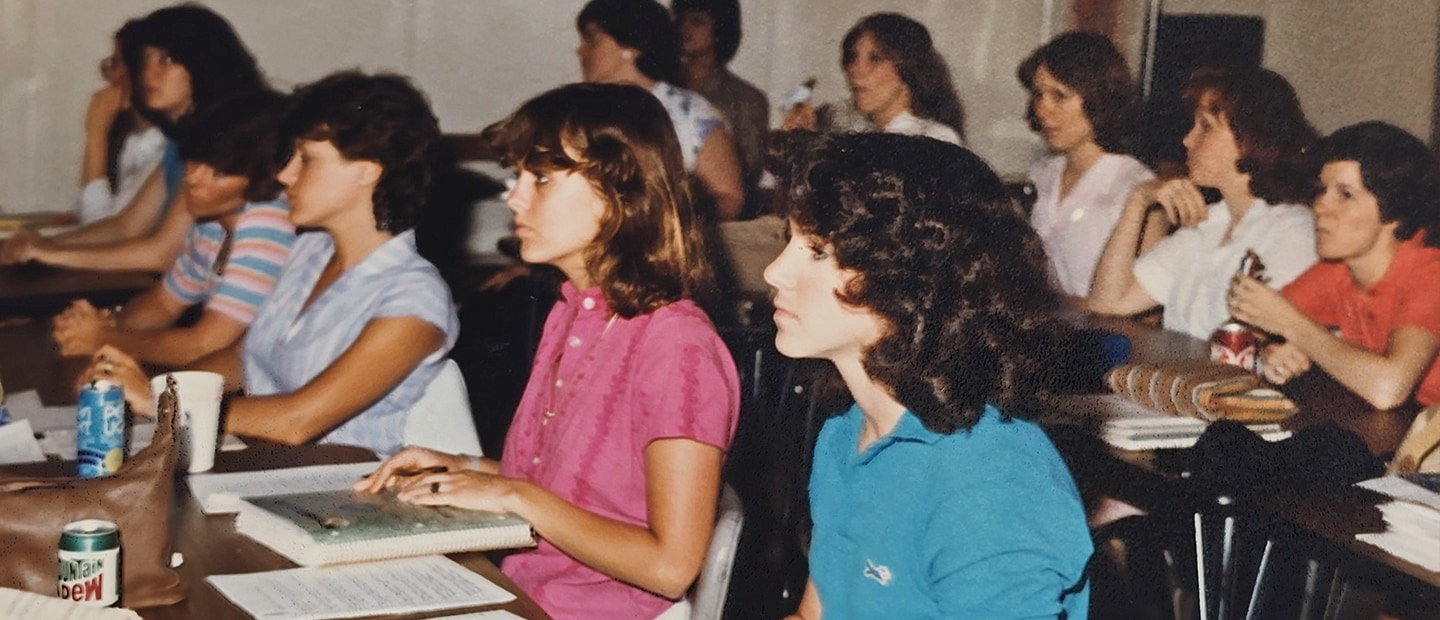
- Students in a class in 1982, sitting at desks. Most are female.
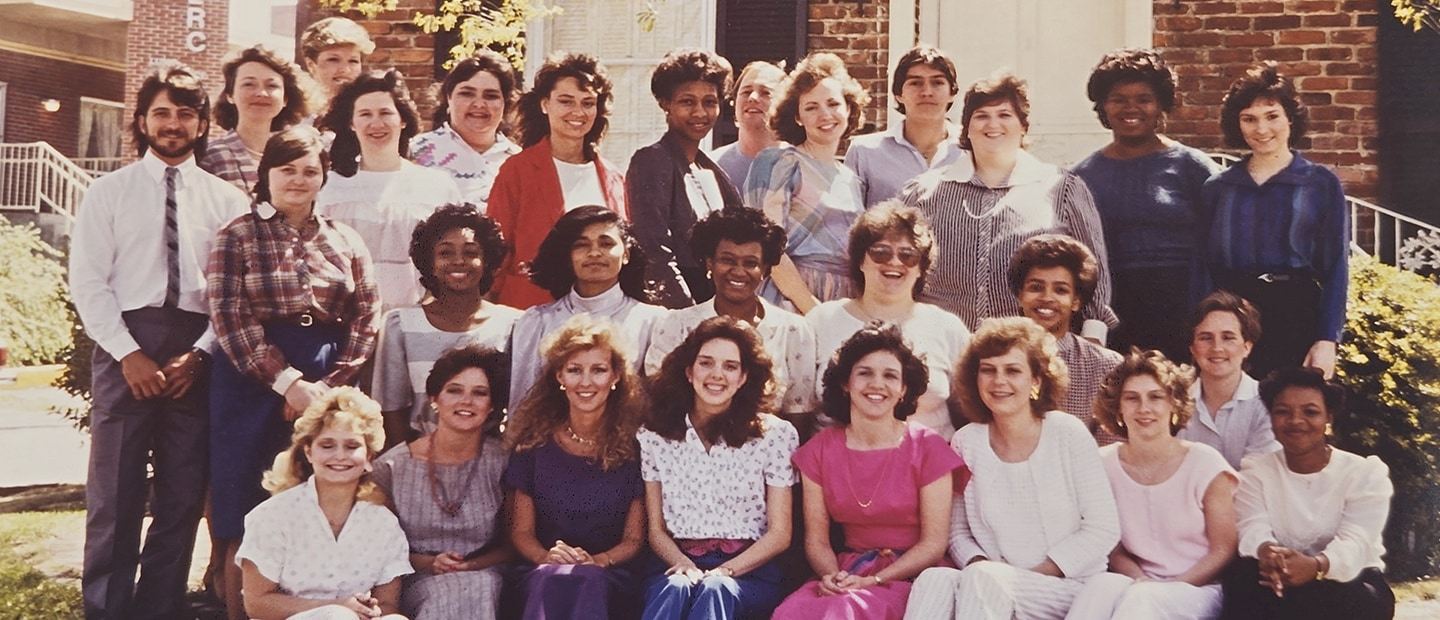
- Group photo of an unknown year of students.
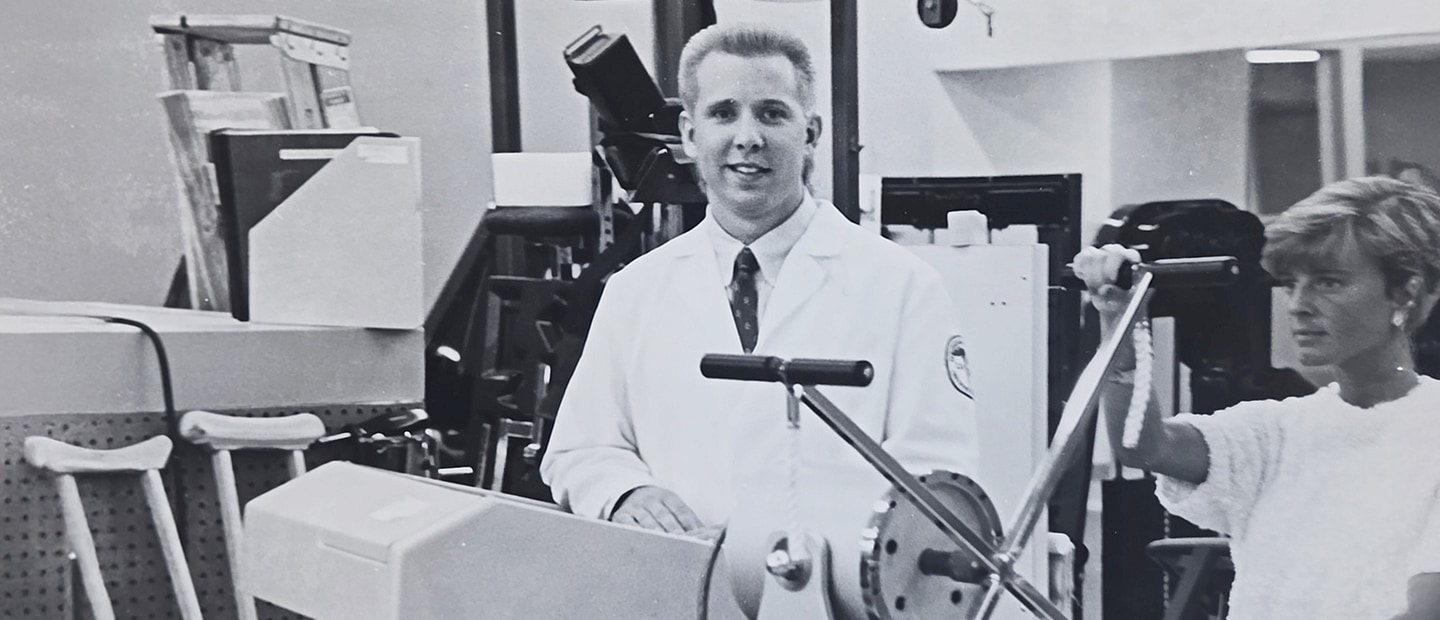
- Image from 1990 of a tall man with short blond hair in a lab, wearing a white coat over shirt and tie.
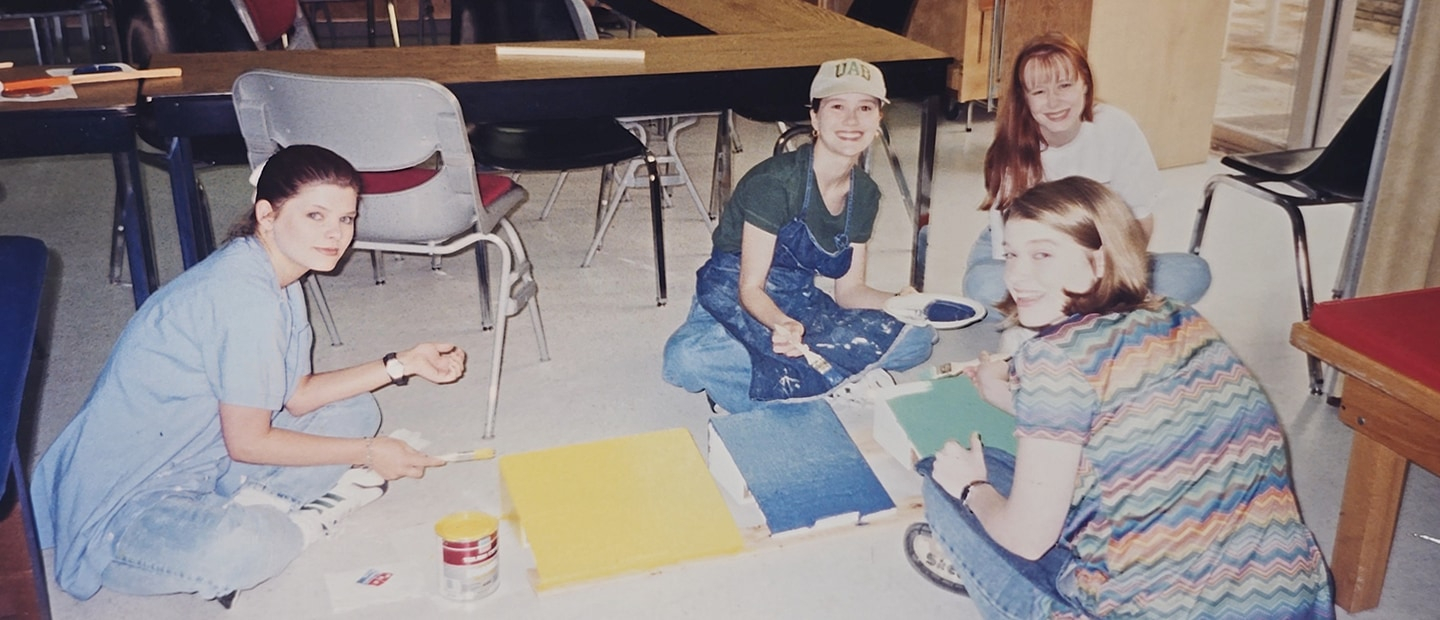
- 4 young women sit on the floor painting posters.
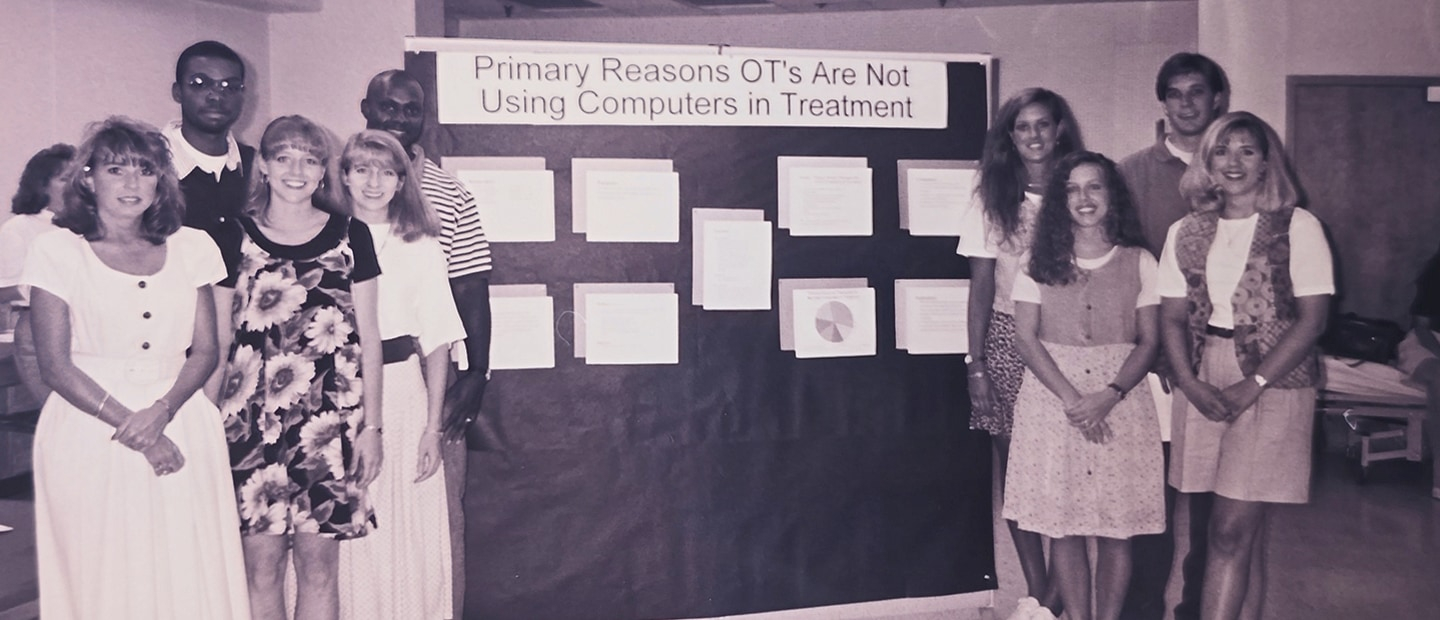
- 1990s image of students standing in front of a display reading "Primary Reasons OTs are not Using Computers in Treatment." Picture is black and white.
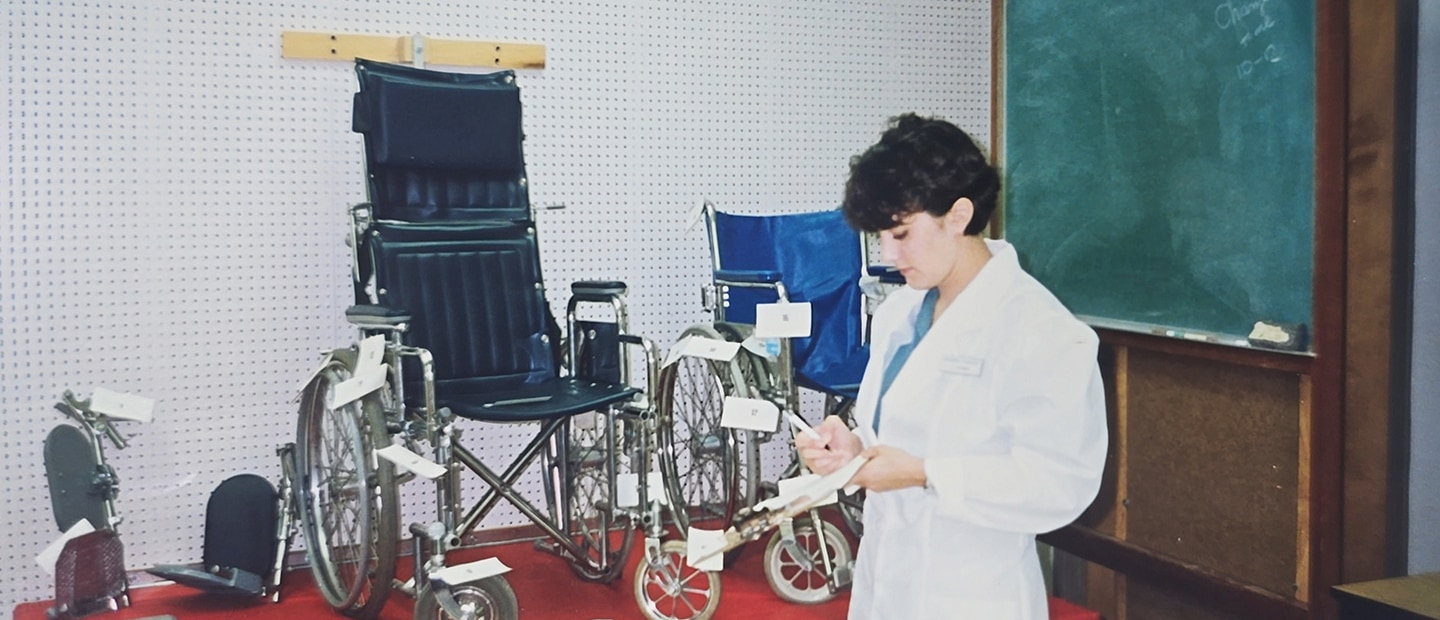
- 1995 image of a woman with short dark hair in front of two wheelchairs.
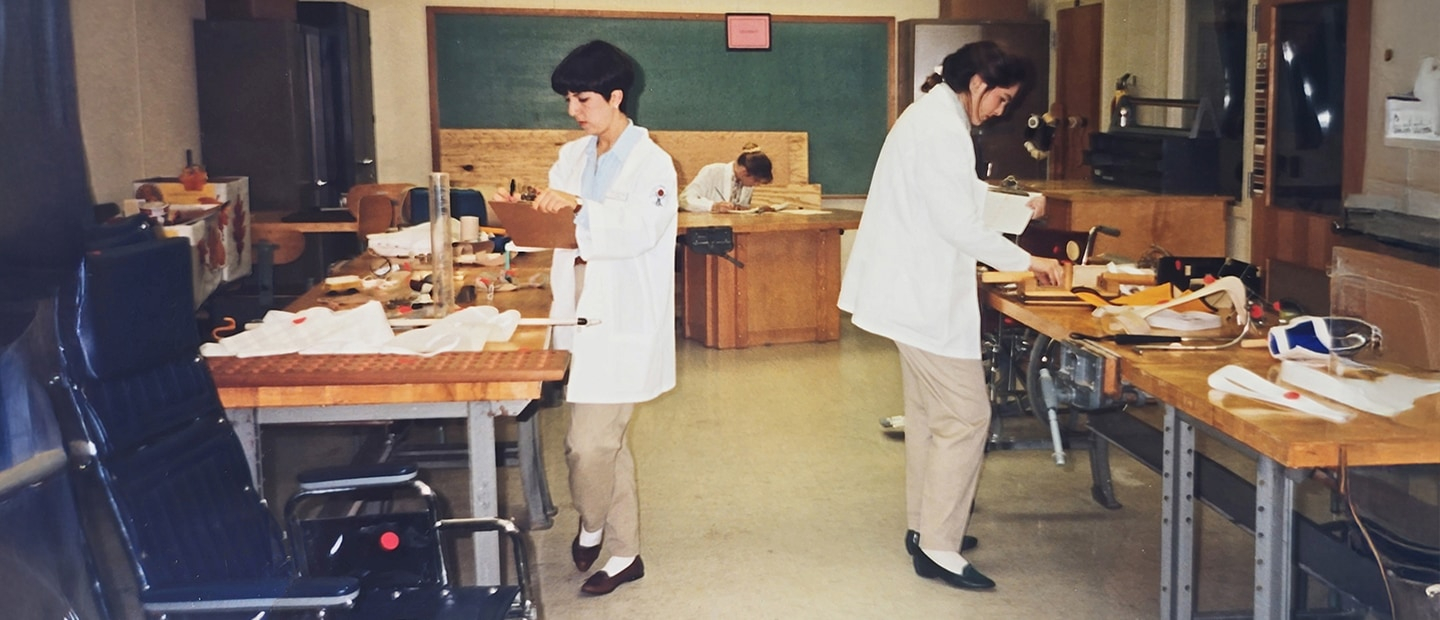
- Two women in a lab in 1995.
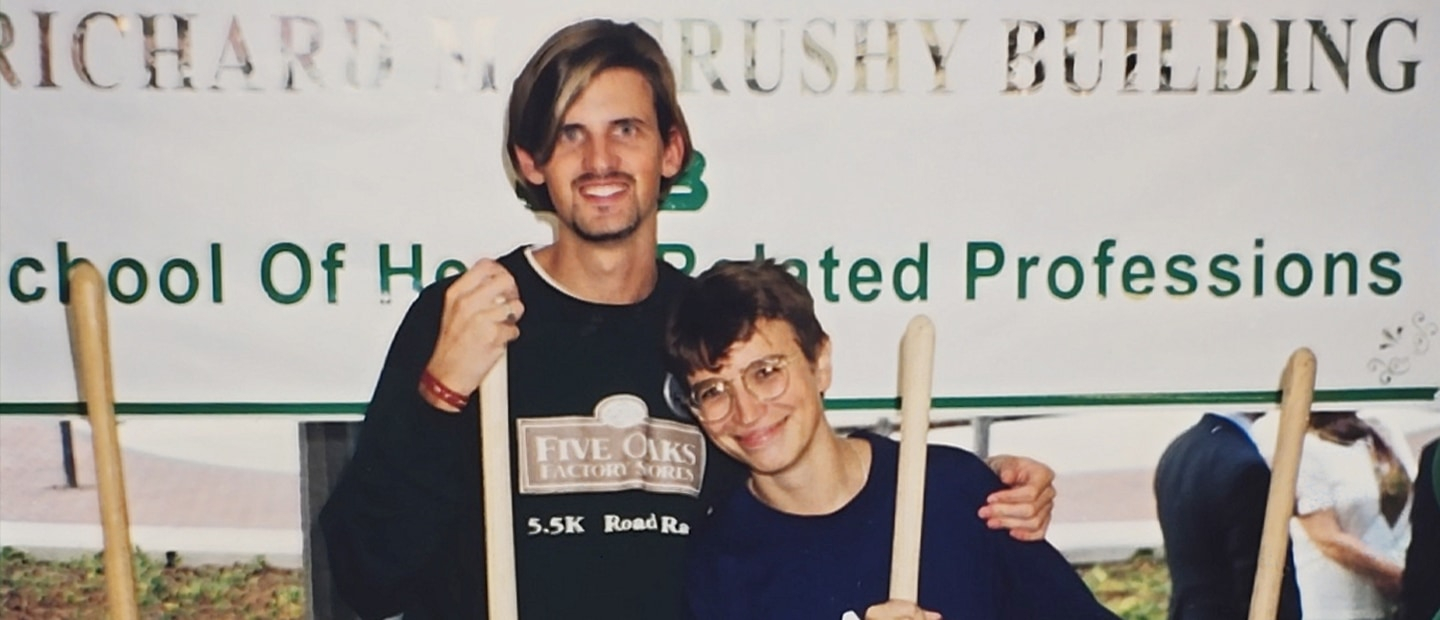
- 1997 picture of an adult and boy at the groudbreaking of the SHP building.
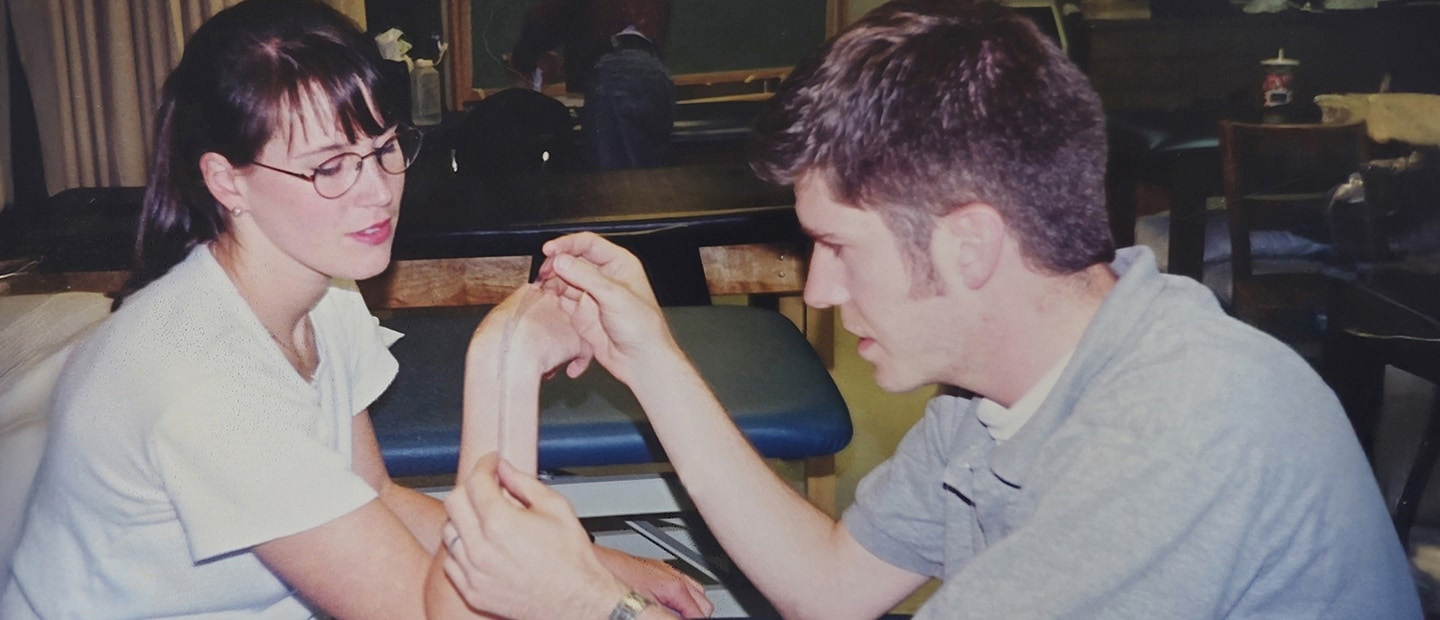
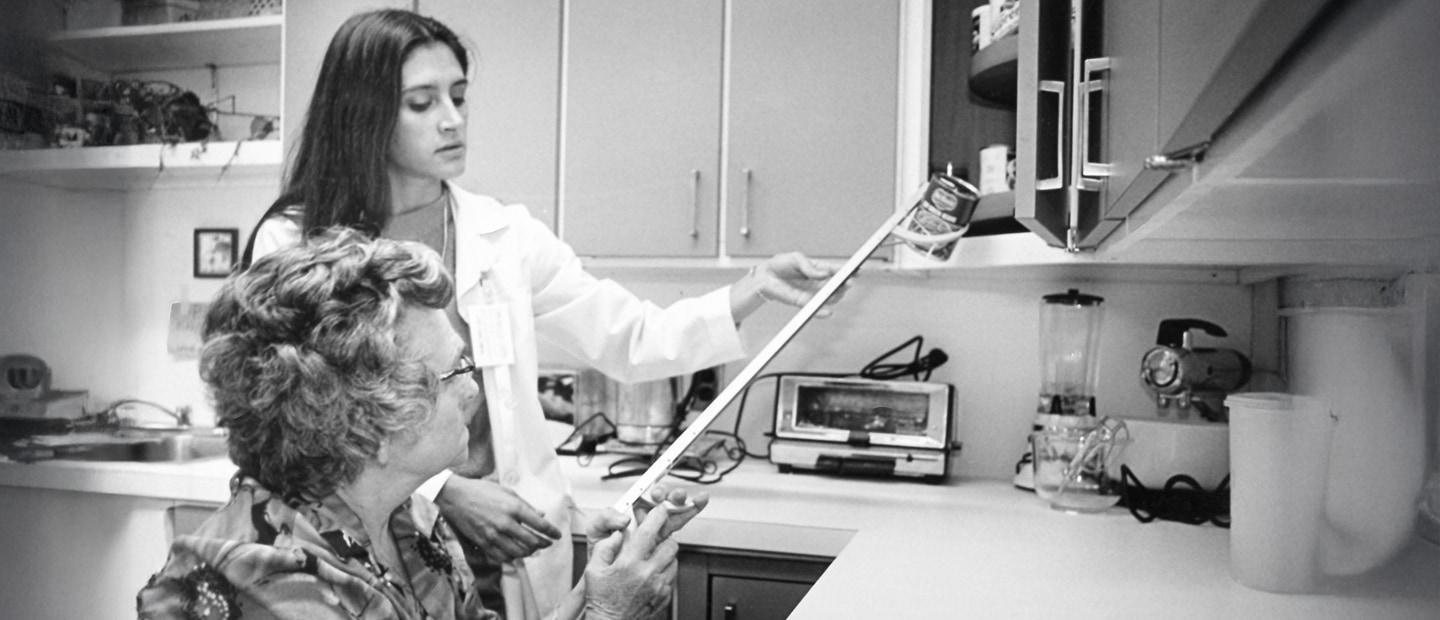
- An OT working with a woman with wrist issues in 1997.
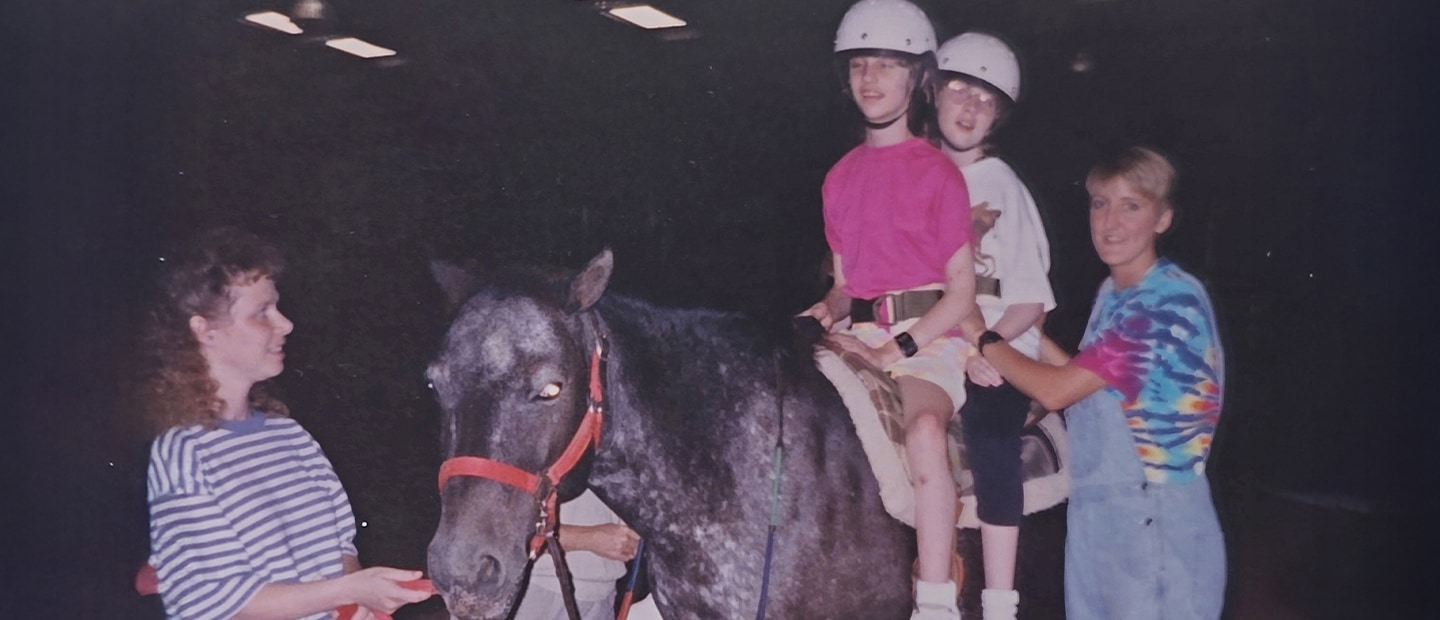
- Two children in safety helmets ride a horse, accompanied by two adult women.
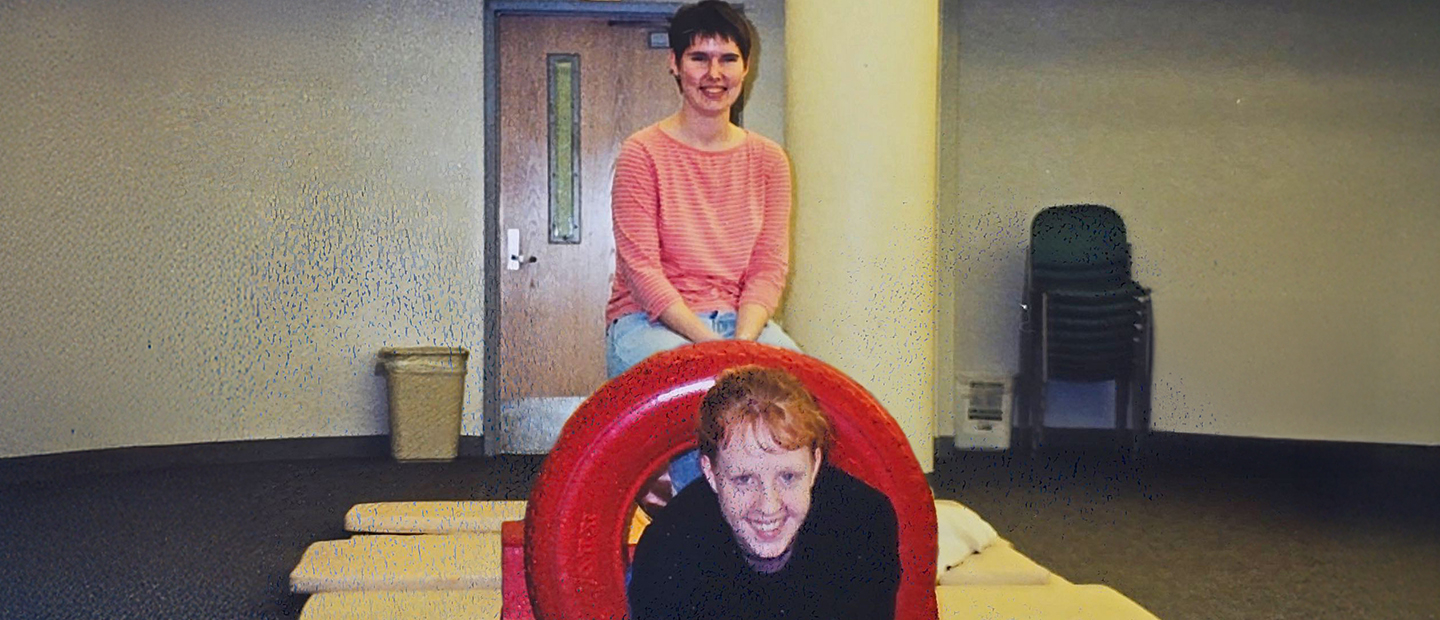
- Two women in some sort of play area in 2001.
- A group of students in 2011 sitting outside, several of them hugging dogs.
- Students decorating the Firehouse Shelter in 2015.
- Unknown 3 OT Timeline Slideshow 1440x620px
Occupational therapy (OT) education and services at the University of Alabama at Birmingham (UAB) began in the 1960s with a certificate training program for hospital staff and a single therapist. Today, UAB’s Department of Occupational Therapy stands at the forefront of both foundational and specialized OT education, having graduated more than 2,700 practitioners from its nationally acclaimed programs.
-
1960s
1960s
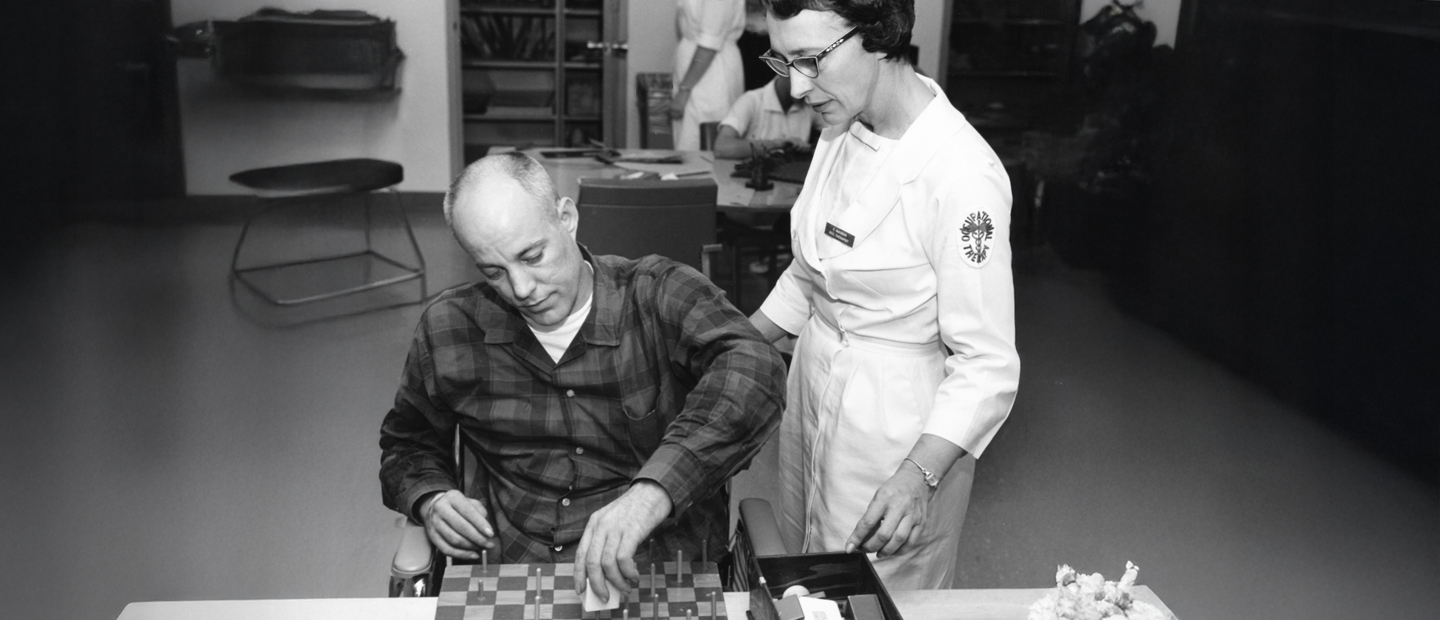
Elsie McKibbin, University Hospital’s first OT, works with a client in 1964. Photo used courtesy of the UAB Archives, University of Alabama at Birmingham.
In the early 1960s, University Hospital, the clinical heart of the medical college and center that would become UAB, formalized paraprofessional allied health units. Certificate-based training programs began in OT, physical therapy, and other specialized services.
- 1963: Elsie Holmes McKibbin, OTR, was hired to launch the first OT unit at University Hospital. As part of the Department of Physical Medicine and Rehabilitation, she became the hospital’s first occupational therapist and was pivotal in developing inpatient and outpatient OT services.
- 1965: Spain Rehabilitation Center, which had opened the previous year, hired OTs to create treatment programs and structured OT curricula. Services included helping individuals return to work after injuries or illnesses.
- 1968–1969: The hospital-based OT certificate training program transitioned to the Bachelor of Science in Occupational Therapy (BSOT) degree, which would prepare much-needed therapists for Alabama’s hospitals and clinics.
- 1969: Dr. S. Richardson Hill, UAB vice president for health affairs, announced the reorganization of the OT and PT departments under a single director. Wilma Lindberg, chair of OT, and Marilyn Gossman, acting chair of PT, took charge of services at all University of Alabama hospitals, as well as of their respective academic programs. A major goal was reducing Alabama’s critical shortage of therapists. At the time, the state had just 1 OT or PT for every 36,343 residents, far below the national average of 1 per 7,743.
National Context
The integration and expansion of OT at UAB during the 1960s paralleled national growth driven by landmark healthcare policies such as Medicare and Medicaid, which emphasized OT’s value in enhancing quality of life for individuals with disabilities.
-
1970s
1970s
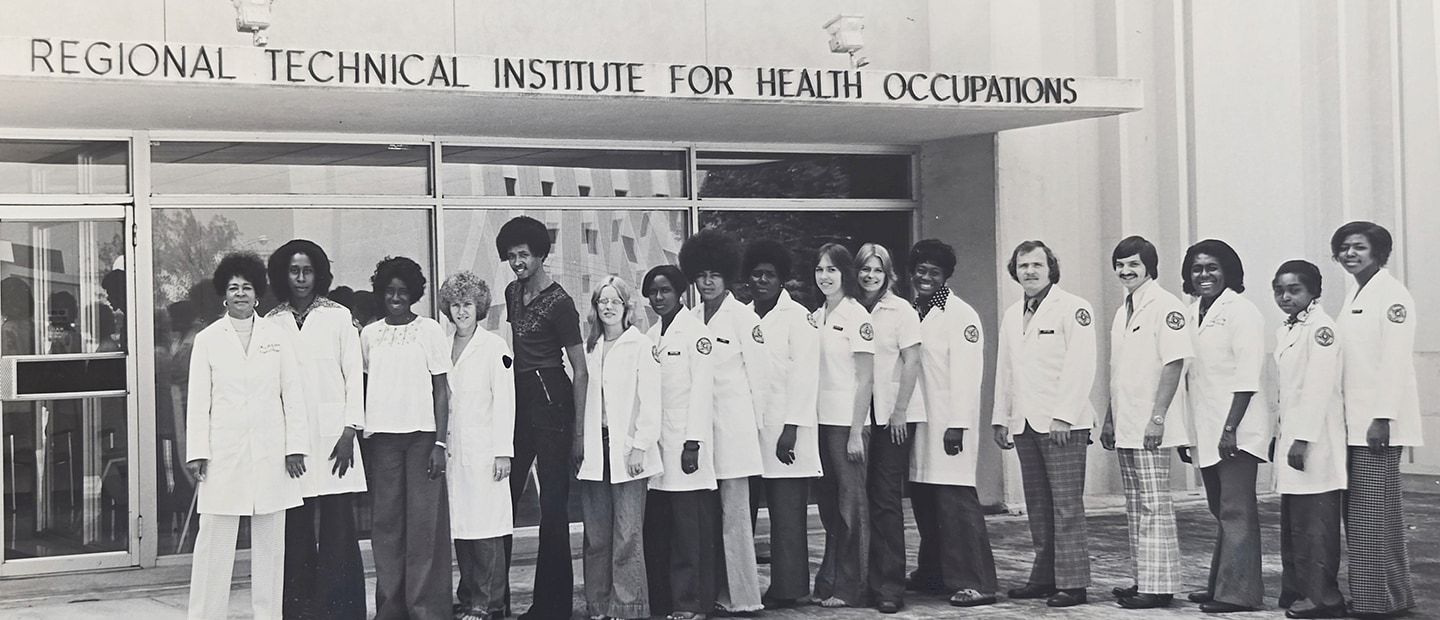
Students outside the Regional Technical Institute for Health Occupations, 1970s. The RTI gave students training as allied health workers a direct pathway into UAB’s degree programs, including occupational therapy.
During the 1970s, UAB OT graduates entered a fast-growing field, as occupational therapy moved beyond hospitals into schools and community settings. By the decade’s end, UAB OT was a leading provider of occupational therapists and occupational therapy assistants (OTAs) in Alabama and beyond.
- 1970: UAB’s BSOT program received national accreditation, the first program Alabama and the third in the Southeast to gain this recognition. Its inaugural class of nine students graduated in June.
- 1974: UAB launched its OTA program to expand access to allied health education and respond to increasing community needs for skilled OT support. Students did general coursework at an Alabama junior college then completed clinical training at UAB, earning an associate’s degree.
- 1975: UAB’s OTA program received national accreditation.
- 1976: UAB faculty and alumni helped found the Alabama Occupational Therapy Association (ALOTA), increasing professional advocacy and statewide collaboration.
National Context
In 1975, the Education for All Handicapped Children Act mandated OT services in public schools, fueling demand for OT services nationwide.
-
1980s
1980s
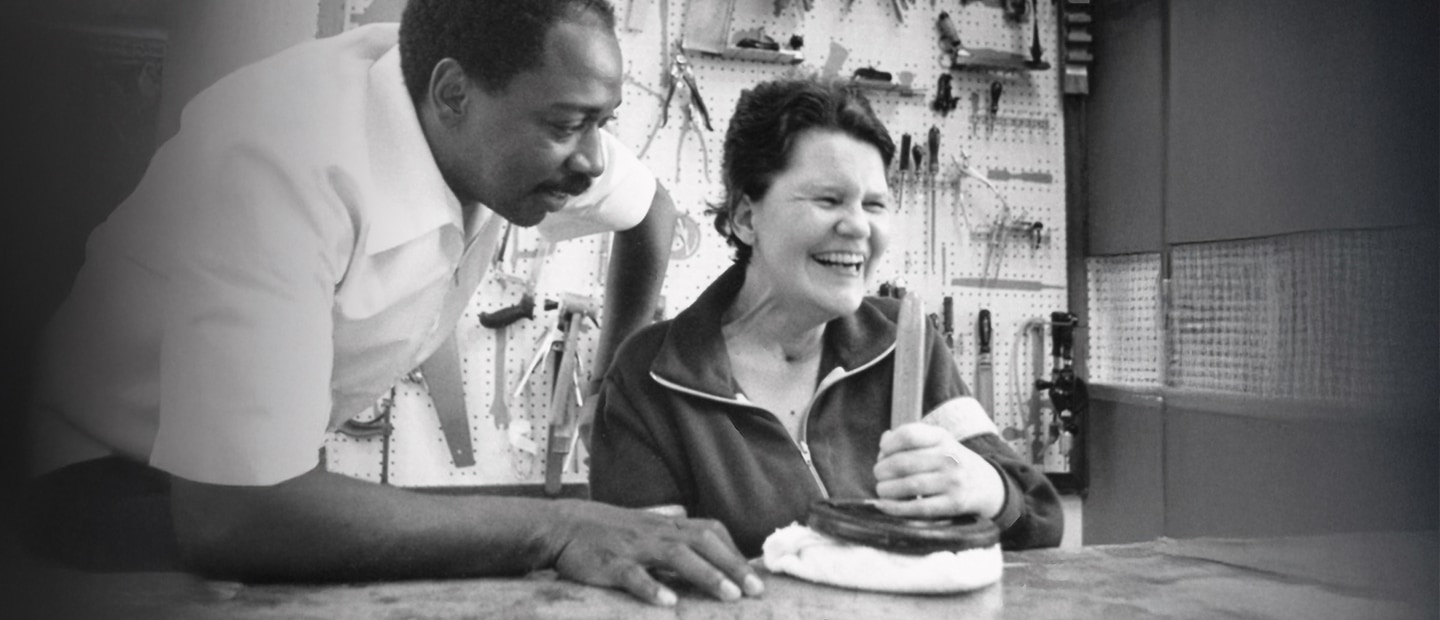
OT Maurice Spencer teaches manual coordination, 1983. Photo used courtesy of the UAB Archives, University of Alabama at Birmingham.
In the 1980s, UAB OT kept pace with advances in the field, enriching its curriculum with emerging theories and techniques and emphasizing evidence-based practice and specialty areas. Faculty expanded research, contributing to the program’s reputation for academic excellence and preparing for the transition to graduate education.
- 1987: UAB renamed its allied health division the School of Health-Related Professions, reflecting a national shift toward advanced degrees, stronger professional identity, and expanded practice roles.
- 1988: The Alpha Beta Chapter of Pi Theta Epsilon opens a new website, the national honor society for OT students and alumni, was founded at UAB.
National Context
Major policy shifts in the 1980s broadened OT’s role in early intervention and care for older adults, increasing the need for specialized skills.
-
1990s
1990s
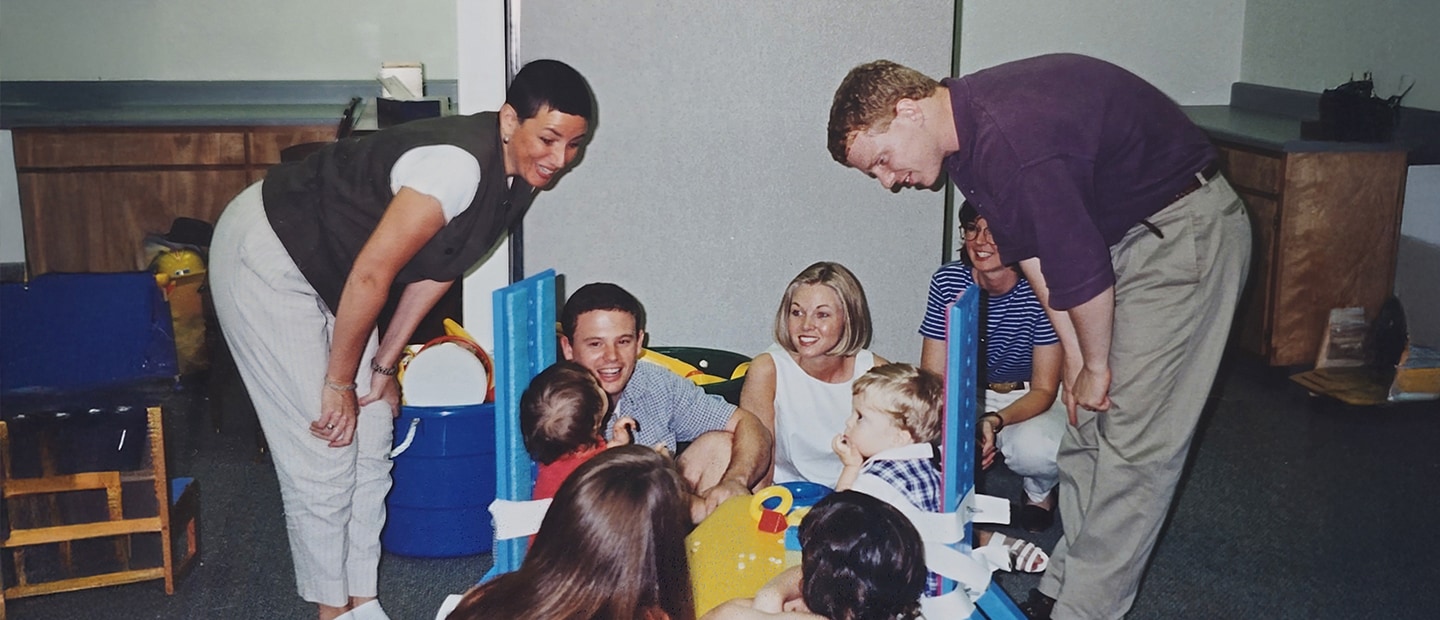
The 1990s marked UAB OT’s full transition to the BSOT and its rapid moves toward graduate-level OT education.
- 1993: ALOTA named its highest honor the Elsie Holmes McKibbin Award, a reminder of McKibbin’s foundational contributions to OT at UAB and in Alabama. UAB OT alumna and faculty member Carroline “Cat” Amari was the award’s first recipient.
- 1994: The final cohort of students completed the OTA program, marking UAB OT’s full transition from associate-level education, which continued through the state’s junior colleges, to baccalaureate programs. Graduate programs were soon to follow.
- 1995: UAB introduced a post-professional MSOT program, allowing practicing OTs to gain advanced clinical skills.
National Context
By the decade’s end, new national accreditation standards required all entry-level OT programs to transition to the graduate level by 2007.
-
2000s
2000s

In the 2000s, UAB led regional efforts to elevate OT education, reaching a pivotal milestone as it adopted the Master of Science in Occupational Therapy (MSOT) as its entry-level standard.
- 2000: The last undergraduate OT cohort was enrolled, and the first MSOT cohort began, placing UAB among early adopters of the new national standard for entry into the profession.
- 2001: UAB established the independent Department of Occupational Therapy, expanding faculty, research, and curricula. Dr. Mary Warren launched UAB’s Low Vision Rehabilitation Graduate Certificate program—the first of its kind in the United States—exemplifying the department’s leadership in specialty practice areas.
- 2007: Dr. Penelope “Penny” Moyers, chair of the Department of Occupational Therapy, was elected president of the American Occupational Therapy Association, underscoring UAB’s influence on the national stage.
National Context
In 2002, CMS began covering low vision rehabilitation, formally recognizing occupational therapists as qualified providers. The shift reflected a growing national focus on vision-related care, an area in which UAB was already leading through its pioneering certificate program, now one of the most recognized of its kind worldwide.
-
2010s
2010s
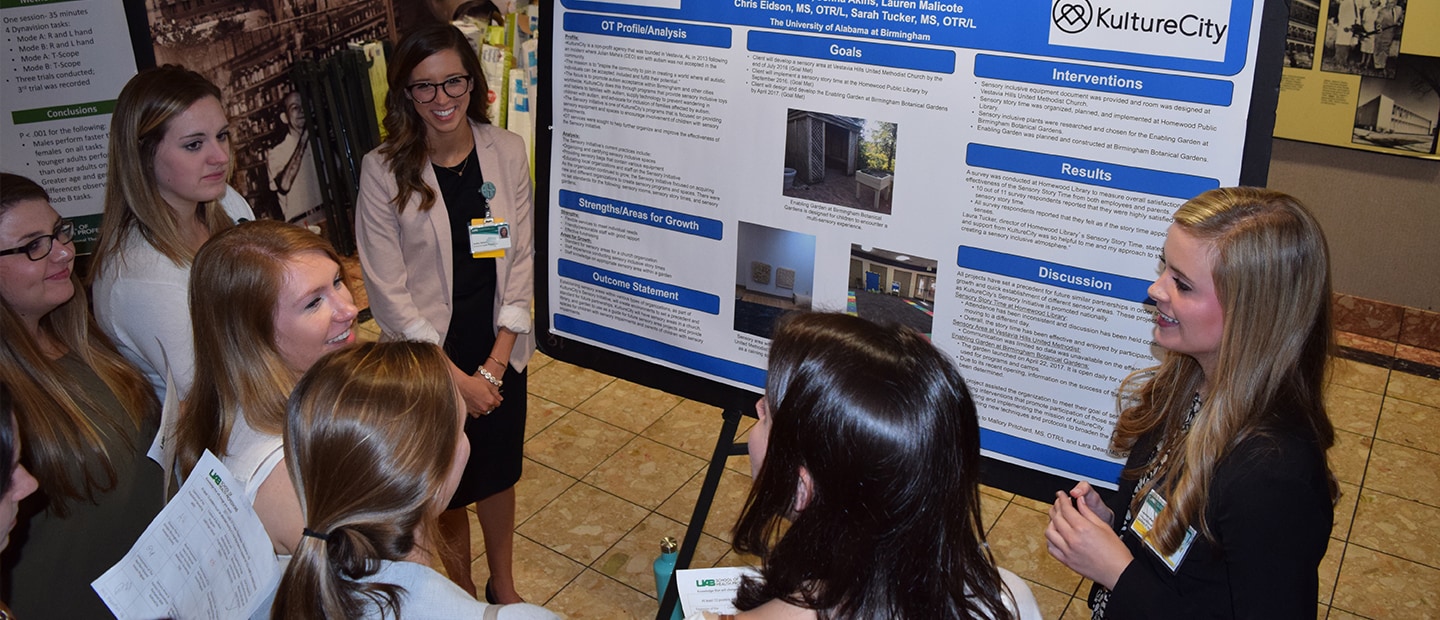
In the 2010s, UAB OT moved decisively toward doctoral education and gained in national recognition.
- 2011: The first cohort of students began the new PhD in Rehabilitation Science, a joint program offered by UAB’s departments of Occupational Therapy and Physical Therapy opens a new website.
- 2017: UAB’s MSOT program was ranked 25th nationally by U.S. News & World Report, placing it among the top 15% of OT schools nationwide.
- 2018: Faculty began developing a three-year entry-level OTD curriculum emphasizing advanced clinical skills, leadership, research, and advocacy.
- 2019: UAB launched its online Post-Professional OTD program, replacing the post-professional MSOT program.
-
2020s
2020s
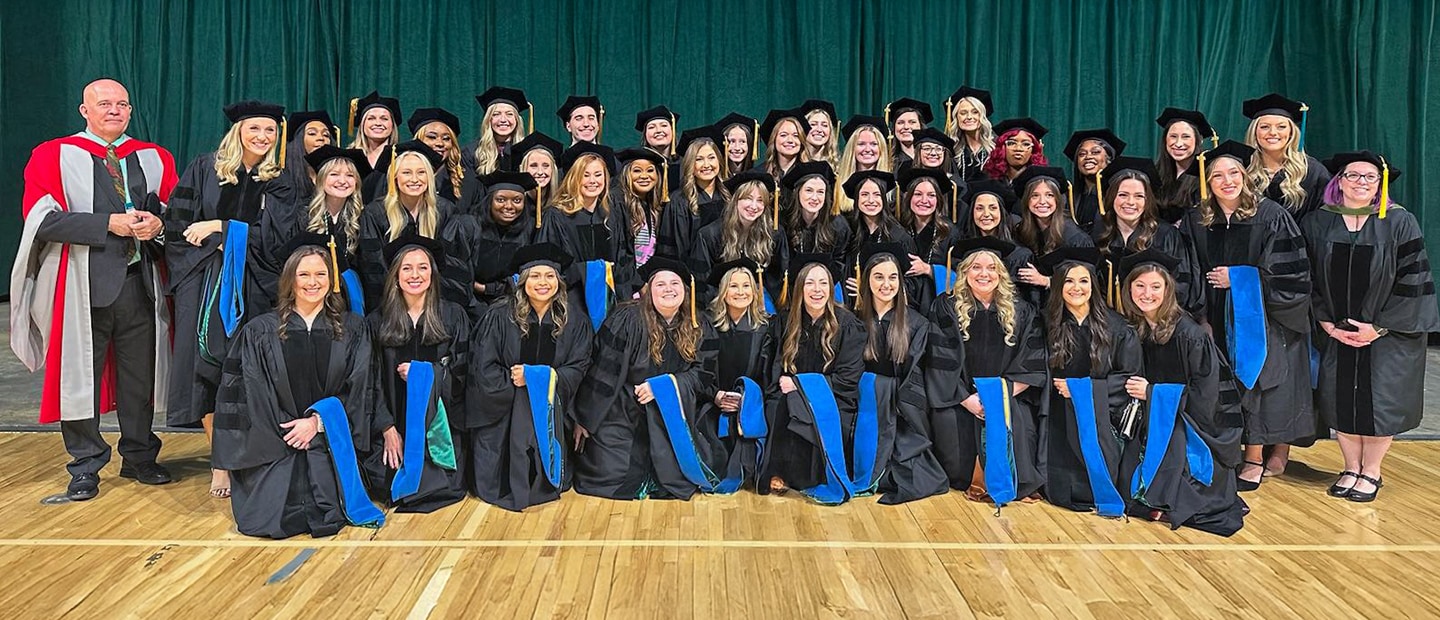
Graduates of the first cohort from the entry-level OTD program in December 2023.
In the 2020s, UAB’s entry-level program completed its transition from the MSOT to the OTD degree, ensuring that graduates enter the workforce with the highest level of preparation in clinical practice, research, and leadership.
- 2020: UAB OT opened applications for its first entry-level OTD cohort and accepted the final MSOT cohort.
- 2021: The first cohort of the entry-level OTD program matriculated in summer 2021, making UAB the first university in Alabama to offer the doctoral degree as an entry credential.
- 2022: UAB introduced a course in blindness rehabilitation as part of its Low Vision Rehabilitation Graduate Certificate program. Taught by Jenice Heck, a blind occupational therapist, the course delivers a rare blend of clinical expertise and lived experience, an offering few programs can match.
- 2023: The entry-level OTD program earned the Accreditation Council for Occupational Therapy Education’s full seven-year accreditation, and its first cohort of 56 students graduated.
- 2024: UAB OT launched the Multitiered Approach to Trauma Graduate Certificate program, equipping professionals to implement trauma-informed practices.
- 2025: U.S. News & World Report ranked UAB’s entry-level OTD program #24 in the nation, making it the seventh highest-ranked program in the South.
-
Today: Excellence, Innovation, Impact
Today: Excellence, Innovation, Impact
Contemporary occupational therapy focuses on the whole person, using evidence-based approaches to help people stay active, independent, and engaged in the activities that matter most to them.
As the field expands into areas like mental health, chronic disease management, and community-based care, UAB is at the forefront. It programs offer innovative training and real-world research that prepares graduates to transform lives through clinical care, advocacy, and discovery.
- Faculty leadership: More than half of UAB OT’s faculty are alumni of its own programs, reflecting the lasting influence of their education and their commitment to advancing the profession. This shared experience fosters meaningful mentorship and teaching, preparing future occupational therapists to lead with vision, compassion, and expertise.
- Student opportunities: UAB entry-level OTD students gain real-world experience through more than 240 national fieldwork partnerships. These immersive learning opportunities span hospitals, rehab centers, schools, and community-based programs, equipping students with the skills and confidence to make a difference in wide-ranging settings.
- Active research: UAB OT faculty have secured more than $4 million in external funding to investigate new ways to enhance daily function and quality of life. Current research explores innovative interventions for individuals affected by multiple sclerosis, spinal cord injury, developmental disorders, and other conditions that significantly affect everyday activities.
- Clinical excellence: UAB OT faculty members help lead specialized clinical practices, including the Neuroplasticity Rehabilitation Program opens a new website and the Adult Comprehensive Behavioral Intervention for Tics (CBIT) at the Children’s of Alabama/UAB Tourette Syndrome Center of Excellence opens a new website. These programs combine advanced neuroscience with proven behavioral strategies to improve outcomes for individuals and families navigating complex conditions.
Our Vision
To advance occupational therapy practice by providing outstanding entry-level and post-graduate education; translate science to deliver exemplary practice; lead innovative and ground-breaking research and train the next generation of researchers and leaders of our profession.
To be recognized as a premier national and international occupational therapy program through excellence in teaching, research and service.
Our Mission
Our mission is to improve the lives of people through innovation in research, education and service. We will focus on our student’s intellectual and social development and prepare visionary and ethical practitioners, leaders, scholars and researchers who are curious about and committed to promoting participation in valued occupations as a means of enabling health and wellness for individuals, groups and populations. Cultivating excellence, interdisciplinary collegiality and inclusive excellence, we will prepare our graduates to be advanced entry-level practitioners able to deliver innovative, culturally responsive, and reasoned practice; to be societal leaders and to pursue research that will benefit society, expanding our capability to discover and share knowledge.
Our Values
The UAB Department of Occupational Therapy is committed to a welcoming environment that reflects our shared values that include collaboration, respect, integrity and excellence. We believe that our department and community are enriched by the contribution and participation of all our people. We are committed to promoting success and transformational academic and professional growth for all of our students.
Department of Occupational Therapy
Kerry McAlpine
205-934-5420
Jewell Dickson-Clayton, OTD, MPH, OTR/L, ATP, FAOTA
205-934-7238
Sarah Tucker, PhD
205-934-8623
Kerry McAlpine
205-934-5420
Rachel Ashcraft, MS, OTR/L, TBRI® Practitioner
205-934-5420
Location
The Department of Occupational Therapy is located on the third floor of the School of Health Professions Building in room 353. Directions to the School of Health Professions Building are available through the UAB campus map.
Mailing Address
SHPB 353
1720 2nd Ave South
Birmingham, Alabama 35294-1212
Physical Address
SHPB 353
1716 9th Avenue South
Birmingham, Alabama 35294-1212
Request More Info

Innovative Programs. Established Impact. Historic Legacy.
The University of Alabama at Birmingham Department of Occupational Therapy offers nationally recognized, graduate-level education for both aspiring and licensed occupational therapists.
Our department emphasizes personalized mentorship, research, and career exploration. Faculty support begins with the admissions interview and continues throughout the student experience.
Programs include:
-
Entry-Level Clinical Doctorate in Occupational Therapy (OTD)
Designed for students who hold or will complete a bachelor’s degree prior to entering the program.
- Ranked among the top 12 public university programs nationally (2025, U.S. News & World Report).
- Fully accredited by the Accreditation Council for Occupational Therapy Education (ACOTE).
- Prepares students to become dynamic, evidence-based practitioners.
- Emphasizes hands-on fieldwork, interprofessional collaboration, leadership, and research.
-
Post-Professional Clinical Doctorate in Occupational Therapy (OTD)
Designed for licensed occupational therapists and occupational therapy assistants with a bachelor’s degree.
- Alabama’s only post-professional doctoral program in occupational therapy.
- Prepares students to contribute to evidence-based practice and serve in academic and consulting roles.
- Focuses on advanced clinical practice, professional leadership, research, and education.
- Flexible, 100% online format.
- Offers in-state tuition rates to all students regardless of location.
-
Low Vision Rehabilitation Graduate Certificate
Designed for occupational therapists, occupational therapy assistants with a bachelor’s degree, and other professionals involved in vision rehabilitation.
- Recognized as the leading low vision rehabilitation program for occupational therapists worldwide. More than half of occupational therapists with the SCLV designation are UAB alumni.
- Taught by faculty who contributed chapters to the AOTA-published textbook Occupational Therapy Interventions for Adults with Low Vision.
- Provides working professionals with advanced training in low vision rehabilitation.
- 15-credit program with all classes online plus a single three-day on-campus seminar.
- Offers in-state tuition rates to all students regardless of location.
Learn more about the Low Vision Rehabilitation Graduate Certificate.
-
Multitiered Approach to Trauma Graduate Certificate
Designed for occupational therapists and professionals in social work, healthcare, education, public health, child welfare, mental health, and policy.
- Prepares students to implement trauma-informed practices across disciplines.
- Combines foundational coursework with application-focused modules tailored to specific practice areas.
- Offers optional phase I training in the Neurosequential Model of Therapeutics™ (NMT).
- 100% online, five-course graduate certificate tailored for working professionals.
- Offers in-state tuition rates to all students, regardless of location.
Learn more about the Multitiered Approach to Trauma Graduate Certificate.
-
PhD in Rehabilitation Science
Designed for students with a bachelor’s or master’s degree in occupational or physical therapy or other health-related professions.
- Interdisciplinary research-focused program sponsored by the departments of occupational therapy and physical therapy.
- Prepares students to become leaders in academic teaching and rehabilitation research.
- Students learn to design research studies, deliver educational content, and apply research to practice.
- Emphasizes a holistic, evidence-based approach to improving rehabilitation outcomes.
- Graduates pursue careers in academia, government, policy, or industry.
Our Purpose and Principles
Our Legacy

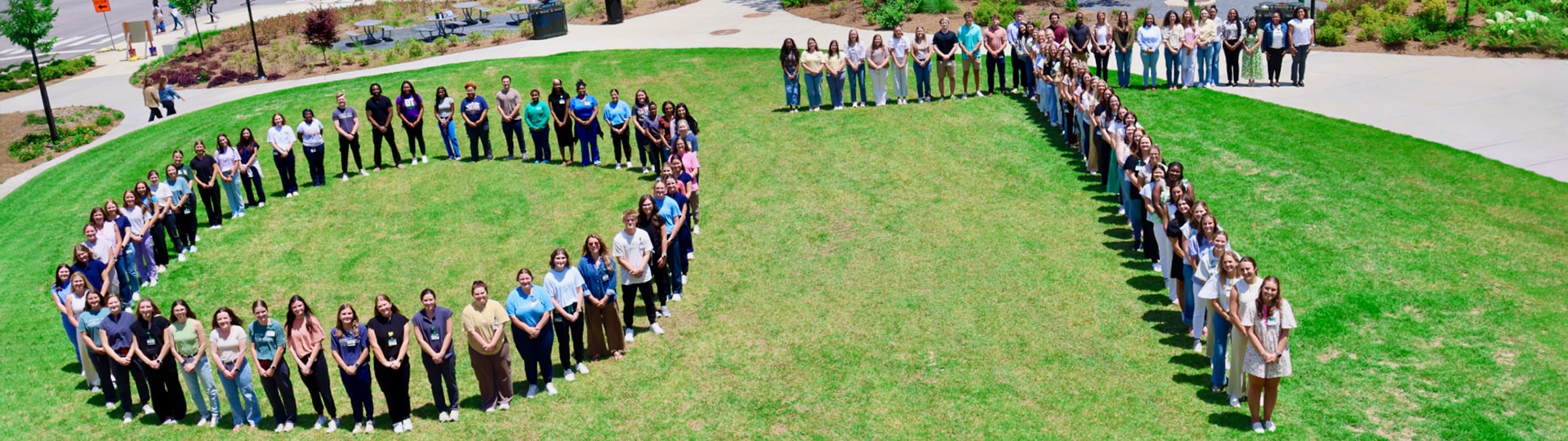
For more than 50 years, UAB’s Department of Occupational Therapy has been a leader in advancing the profession through innovation, education, and service. Our history reflects a longstanding commitment to excellence and a vision for continued impact.
Learn more about our history and milestones.



Ready to Learn More?
The Department of Occupational Therapy website offers a glimpse of how each of our programs can help you further your knowledge and career. If you have any questions, please contact us at 205-934-3568 or