
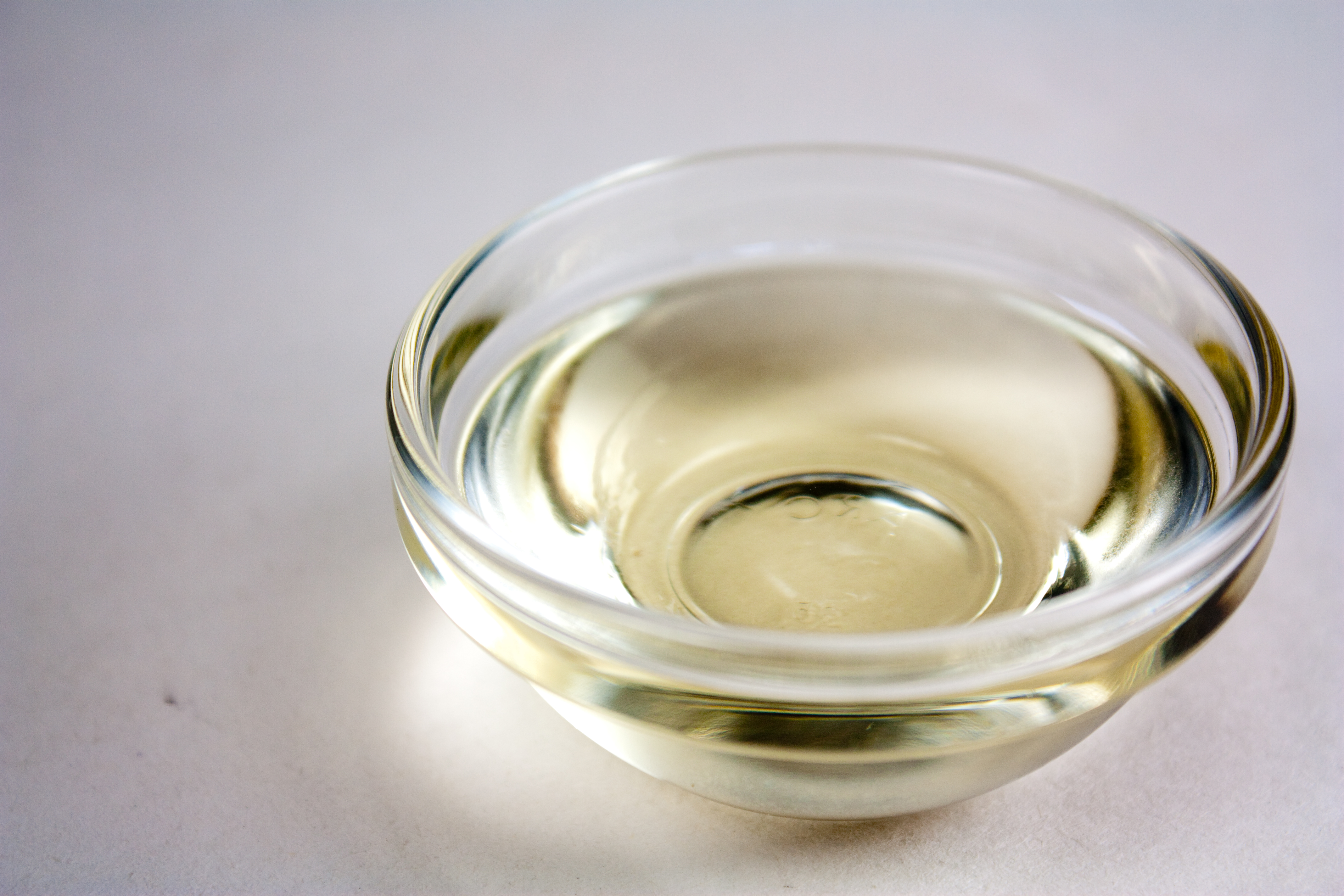
 Coconut oil is one of the more common oils used for this health practice. (Photo from Wikimedia Commons).Jared Jones - Staff Writer
jrdjns@uab.edu
Everyone has their morning routine, from brewing a strong cup of coffee to getting a workout in – if you can get up and pound the pavement at 6 a.m., more power to you. However, lately there’s been buzz around an ancient Ayurvedic, a form of holistic medicine originating in India, technique called “oil pulling” or “gundusha.”
The practice of swishing oil – most people use sesame or coconut – in your mouth for 20 minutes is not new. However, it has caught on in the States in the past few years for the anecdotal evidence that it makes a difference in your oral and overall health.
According to bloggers Wellness Mama and Fashionista, the benefits outweigh the unsightly time spent gargling oil. They believe the oil extracts plaque and bacteria, leading to stronger teeth and a whiter smile. In fact, these benefits aren’t just topical: oil pulling can cure headaches, hangovers and sinus issues.
The philosophy is interesting, but these claims are unfounded. According to the WebMD article “Should you try oil pulling?” there is not enough evidence to support that oil pulling is the wonder-cure people believe it to be.
But don’t let that discourage you. The same article states that oil pulling does in fact help the mouth: coconut oil (which is the preferred oil to use) contains anti-bacterial properties that zap bad breath and gingivitis germs. It also contains a lot of vitamins and minerals – most notably vitamin A and E to help out the immune system – that are good for your body.
So I tried it for a month. And I loved it.
At first it was daunting, carving 20 minutes out of my morning routine to sit and swish seemed impossible. But as time went on, it felt rhythmic, even therapeutic. I set my timer and then began reading morning emails while I gently rocked the oil to and fro in my mouth.
And when the 20 minutes was up, I spit the oil in the trash. Tip: coconut oil solidifies at room temperature, so don’t spit out in the sink. Afterward, my mouth felt the cleanest it has ever felt.
I can’t attest to the extraneous claims that it cures headaches or sinus issues, but I can easily say my breath was pleasant throughout the day – even after wolfing down garlic fries for lunch.
As for whiter teeth? That could be more of a result of spending more time into oral hygiene. But it didn’t stop me from checking out my teeth in every mirror I walked past for the month.
Oil pulling became something I looked forward to, which is not something I thought I would say. 20 minutes is a long time,admittedly, but if it helped me feel cleaner and healthier, as a clean mouth is an integral part of overall health, it was a duty I owed to myself.
It’s important to still follow through with your other oral hygiene practices: don’t stop flossing and brushing. While oil pulling is known to kill bad bacteria, it’s a compliment not a replacement to your conventional, tried-and-true hygiene habits.
I’ve enjoyed the process of oil pulling that I have extended my month-long trial period to a practice I include in my daily routine. It’s an easy and simple addition to my oral health habits that I can do while doing other things (so long as they don’t involve talking).
It’s so painfully simple that anyone can get started: you take a tablespoon of oil and swish it around in your mouth for twenty minutes. And you spit it out. That’s it.
Although the bolstered claims that oil pulling is a godsend for your health haven’t been backed up by scientific data, it’s certainly not a bad idea to try oil pulling.
You might find that you enjoy it.