Strategic Plan: Water
Overarching Aim
To promote water conservation through efficient use and innovative management
Goals
Reduce overall water consumption and develop opportunities for non-potable water use
Educate the campus community about the benefits of water efficiency and conservation
Strategies
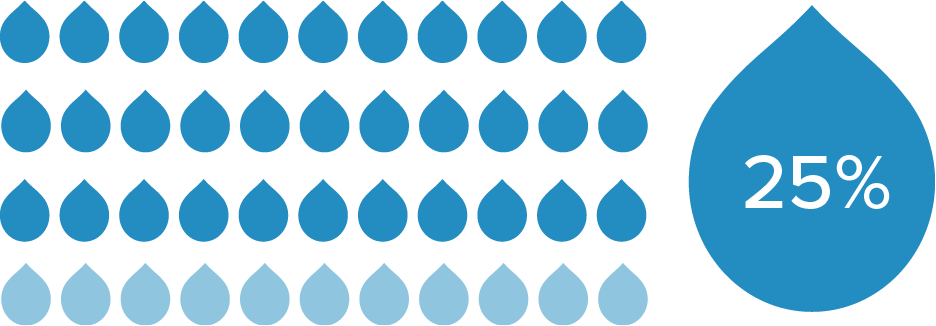
- 1.Develop design standards for rainwater and utility water capture systems in new buildings, to include a cost-benefit analysis
- 2.Use new water resource connections, including wells and industrial water (non-potable), to reduce the use of drinking quality water for utilities and industrial purposes
- 3.Expand the current groundwater and condensate recovery program to meet the level of 25% of utility consumption
- 4.Install smart water metering systems in larger buildings
- 5.Increase deployment of smart irrigation systems
- 6.Draft a sustainable stormwater management plan
Strategic Plan: Food and Dining

Overarching Aim
To support environmentally responsible dining operations, minimize food waste, and support local and sustainable food production
Goals
Prevent food waste through increased operational efficiencies and smart procurement systems
Maximize food waste diversion through composting and food donation
Provide more sustainable and ethical food options on campus
Strategies

- 1.Revise vendor specifications for all university and hospital dining operators to support overall sustainable dining practices, including local and sustainable food sourcing, service material waste reduction, and food waste reduction and diversion
- 2.Track dining purchases to identify and highlight sustainable certifications, including local, fair trade, sustainable, and animal welfare approved
- 3.Implement food waste dehydrators or digesters in all on-site kitchens to mitigate food waste sent to the landfill
- 4.Develop a free food alert app. for leftover food pick-up from events
- 5.Encourage preference for green catering services that use sustainable servingware and local food sources, and reduce food waste for events
- 6.Eliminate the use of plastic straws and Styrofoam in campus dining
- 7.Establish an expanded food truck permit program with guidelines for servingware procurement, waste, and energy use and emissions
Strategic Plan: Air, Climate, and Energy

Overarching Aim
To establish a clean energy standard of 20 percent renewable energy sourcing by 2025 and cut greenhouse gas emissions, improve resiliency, and increase overall energy efficiency
Goals
Build a renewable energy portfolio for the contiguous hospital and campus of at least 20% of overall energy consumption by 2025
Reduce Scope 1 and 2 carbon emissions by 20% by 2025
Create a Green Revolving Fund for investment in projects that improve efficiency and decrease resource use
Establish an annual funding commitment to support the comprehensive energy plan
Strategies
- 1.Collect baseline data assessing the carbon footprint for energy, transportation, and waste for the campus and hospital
- 2.Purchase clean energy and promote actions that incentivize the construction of new clean energy projects
- 3.Develop a roadmap for carbon reduction with key performance indicators and benchmarks
- 4.Investigate opportunities for increasing the amount of energy generated from onsite renewable energy sources
- 5.Institute a Green Revolving Fund (GRF) to invest money in projects that improve efficiency and decrease resource use; cost savings that result from efficiency projects will replenish the GRF, allowing it to return to its original size, or to grow
- 6.Install interactive dashboards in lobbies of all major buildings to educate and engage occupants with energy and water consumption