In recognition of National Nutrition Month®, the Center for Clinical and Translational Science (CCTS) brought together researchers, community leaders, and public health professionals for a Community Engagement Institute (CEI) Perspectives panel, “Discover the Power of Nutrition for Communities,” held March 31, 2026. Grounded in this year’s national theme, “Discover the Power of Nutrition,” the discussion explored how food access, education, and culturally informed strategies can support healthier communities across Alabama, Louisiana, and Mississippi. This event reflects a broader and growing focus across the CCTS Partner Network to advance nutrition through research, training, and community engagement.
A Collaborative Conversation Rooted in Community Impact
Co-moderated by Lori Brand Bateman, PhD, RD, Lead of the CCTS Community & Stakeholder Engagement Module and Multiple Principal Investigator of the Alabama Community Engagement Alliance (CEAL), and Ciara Mitchell, PhD, RDN, LD, Bionutrition Research Dietitian and Program Director with the CCTS Bionutrition Unit, the session brought together academic and community perspectives in a shared discussion. Panelists included:
- Mona N. Fouad, MD, MPH | CCTS Associate Director; Senior Associate Dean for Access and Engagement, Heersink School of Medicine; Chief Executive Officer, Live HealthSmart Alabama; Director, UAB Comprehensive Healthy Living Research Center; Alabama Community Engagement Alliance (CEAL) Lead Multiple Principal Investigator
- Caroline Compretta, PhD | Assistant Vice Chancellor for Research; Associate Professor, Department of Preventive Medicine, University of Mississippi Medical Center; Mississippi Community Engagement Alliance (CEAL) Multiple Principal Investigator
- Michael Wesley, Sr., DMin | Alabama Community Engagement Alliance (CEAL) Multiple Principal Investigator; Pastor Emeritus, Greater Shiloh Missionary Baptist Church
Key Themes from the Discussion
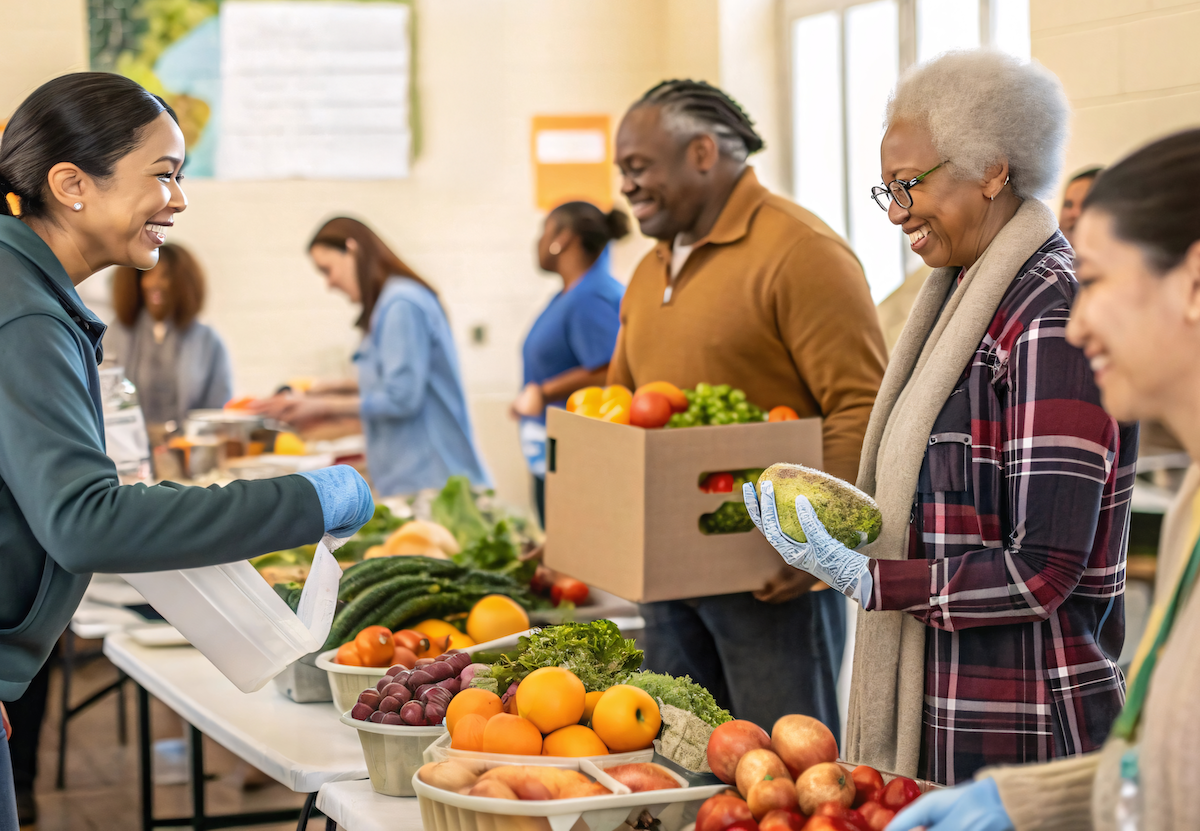 Moderators and panelists highlighted how collaboration and community-informed approaches can translate shared goals into practical strategies that improve nutrition and overall health.
Food Access and Local Context | Improving nutrition begins with understanding the conditions that shape what people can realistically access and afford. Across the region, factors such as rising food costs, limited retail options, and rural geography influence daily food choices. As Dr. Bateman noted, “We also have high rates of food insecurity… limited access to healthy and affordable food… and large rural populations.”
From Guidance to Daily Practice | While nutrition guidance is widely available, applying it in practice remains a challenge. Recommendations developed in clinical settings do not always translate easily into daily life, where cost, availability, and competing priorities influence decision-making. As Dr. Fouad explained, “In the clinic, you can give [food and exercise] prescriptions, but when people go out to their community, they may have barriers to really adhere to those.”
Nutrition and Chronic Disease in the Region | Nutrition plays a central role in chronic conditions such as obesity, diabetes, and cardiovascular disease, which continue to affect many individuals across the region. These conditions highlight the need for sustained approaches that support prevention and long-term disease management. As Dr. Wesley noted, “people living in low-income neighborhoods face many significant barriers… that makes it difficult to push these new healthy behaviors,” pointing to the broader conditions that influence long-term outcomes.
Community-Informed Solutions | Effective strategies are shaped by the people and organizations working directly within communities. These perspectives help identify both challenges and existing strengths, leading to more practical and sustainable approaches. Panelists also highlighted the importance of designing research and interventions that reflect local conditions and priorities. As Dr. Compretta emphasized, “We have to think about what’s realistic for people in their everyday lives—what’s available to them, what they can afford, and what fits within their environment.”
Turning Insight into Action
The discussion made clear that improving nutrition across the region requires coordinated efforts that connect research, clinical practice, and community-based knowledge. Panelists emphasized the importance of designing strategies that reflect real-world conditions, strengthening partnerships with trusted local organizations, and equipping researchers with tools to translate findings into practical applications. By aligning efforts across institutions and communities, there is a growing opportunity to move beyond awareness and toward sustainable improvements in long-term health.
Connecting to a Broader CCTS Nutrition Initiative
This CEI Perspectives session reflects a broader effort across the CCTS to advance nutrition through research, training, and community engagement. As part of this ongoing work, the CCTS In Focus: Bionutrition campaign highlights the role of the Bionutrition Unit in supporting research, education, and practical nutrition strategies.
From controlled feeding studies in the CCTS Metabolic Kitchen to nutrition education, research support, and community outreach, the CCTS Bionutrition Unit provides resources that help investigators and communities apply nutrition science in real-world settings. Recent campaign features, such as “Meal Prep for People Who Hate Meal Prep,” highlight simple, practical ways to support healthier eating habits. Visit go.uab.edu/bionutrition to check out more interesting articles in this popular, on-going campaign.
Expanding Nutrition Efforts Across the CCTS Partner Network

The focus on nutrition continues to grow across the CCTS Partner Network through a range of initiatives spanning research, training, and community engagement:
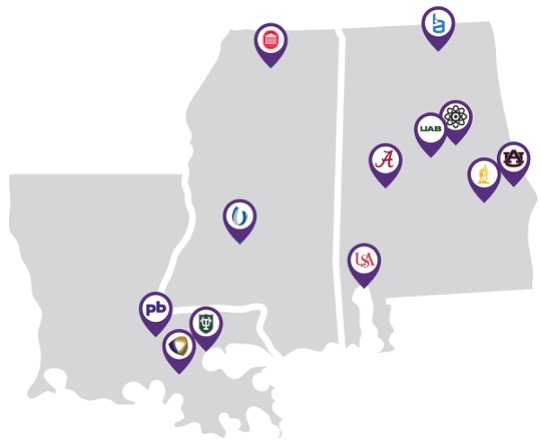 CCTS Parrtner Network Institutions
- Alabama CEAL – Food is Medicine programming, partnering with CCTS-supported chefs to deliver cooking demonstrations in community settings and alongside mobile markets
- Southeast CEAL funding opportunities, supporting academic and community collaborations focused on nutrition and health
- CCTS Bionutrition Unit community outreach, including presentations for local organizations and community groups
- Elevate Health Mental & Growth Summit, where CCTS Engagement of Communities and the Bionutrition Unit highlighted connections between nutrition, mental well-being, and daily habits
- Pennington Biomedical Research Center training programs, offering nutrition and obesity research courses for workforce development
- Greaux Healthy (Pennington Biomedical Research Center), providing tools and support to improve children’s health across Louisiana
- Auburn University Hunger Solutions Institute – Delta Healthy Food Financing Initiative, a multi-state effort to strengthen food systems and retail access
- Nutrition for Precision Health (All of Us Research Program), with participation from UAB, Pennington Biomedical, and LSU Health Sciences Center
- University of Mississippi Medical Center nutrition initiatives, integrating registered dietitians into multidisciplinary care teams across the lifespan
- Goldring Center for Culinary Medicine (Tulane University), providing culinary medicine education for medical students, clinician scientists and community participants
- Louisiana Collaborative for Excellence in Nutrition, a partnership among Dillard, Southern, Tulane, and Xavier Universities supporting nutrition training and community engagement
- CEI Perspectives: Food Insecurity, an event featuring panelists from from UAB School of Public Health, UAB Blazer Kitchen, Jones Valley Teaching Farm, Auburn University Hunger Solutions Institute, Harvest Community Charities, and the Community Food Bank of Central Alabama.
- Metabolic Kitchen facilities at the CCTS Hub (UAB) and Pennington, supporting controlled feeding studies and multi-institutional clinical nutrition research
These efforts highlight how nutrition connects research, education, and community engagement across the CCTS Partner Network and beyond.
Looking Ahead
Although National Nutrition Month has concluded, the conversation continues to build. From community programs to research and training efforts, the CCTS is helping strengthen how nutrition is understood and applied across the CCTS Partner Network. By bringing together researchers, practitioners, and community leaders, the CCTS is supporting practical approaches that help individuals and communities make informed decisions about health.
Stay Connected
If you missed the latest CEI Perspectives event, view the recording and browse past sessions on the CCTS Video Channel. To stay informed about nutrition-related content, explore the CCTS In Focus: Bionutrition campaign and follow the CCTS Bionutrition Unit on Instagram. For additional updates from across the CCTS Partner Network, subscribe to the weekly CCTS Digest and follow CCTS on LinkedIn.