






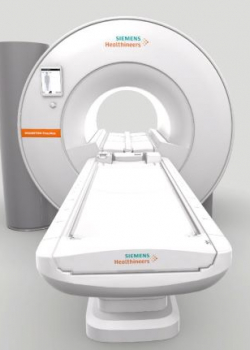
The Prisma is designed to withstand the strains of high-duty cycle sequences and to operate at maximum performance during prolonged experiments, unlike clinical systems. This equipment is based on a super-homogeneous 3T magnet with 80 mT/m, 200 T/m/s gradients and 3rd order shims. This system includes advanced parallel transmit technology for 3D localized excitation, which enables zooming into specific body regions for enhanced image quality and resolution. CINL’s Prisma MRI system also has Multinuclear Resonance Spectroscopy (MRS) capability, extending the functionality of traditional MRI.
PRISMA
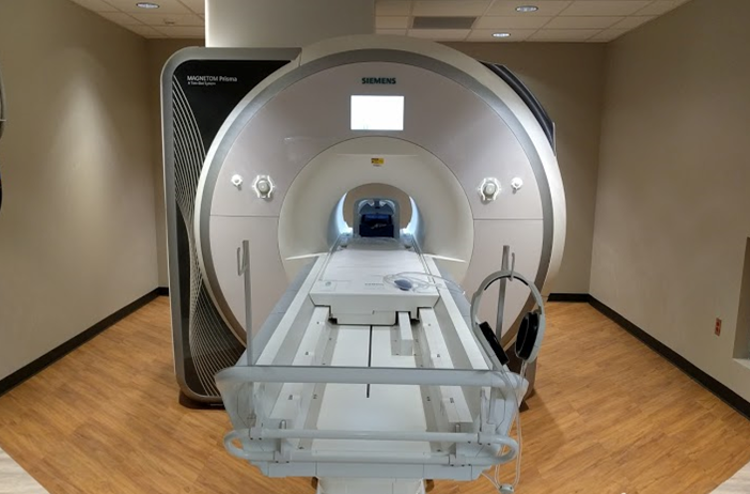
-
Coils
- 64 channel head coil (Siemens)
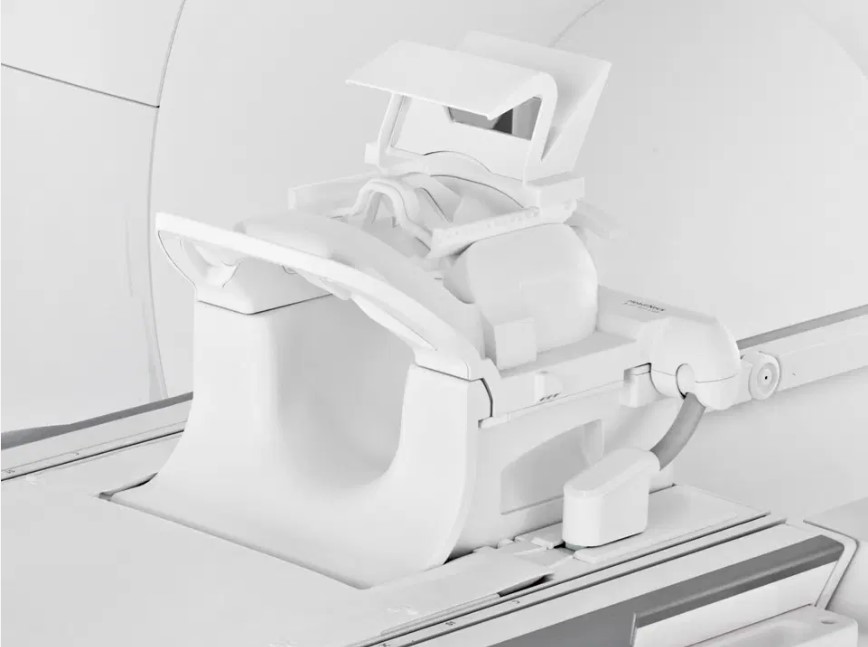
- 32 channel head coil (Siemens)
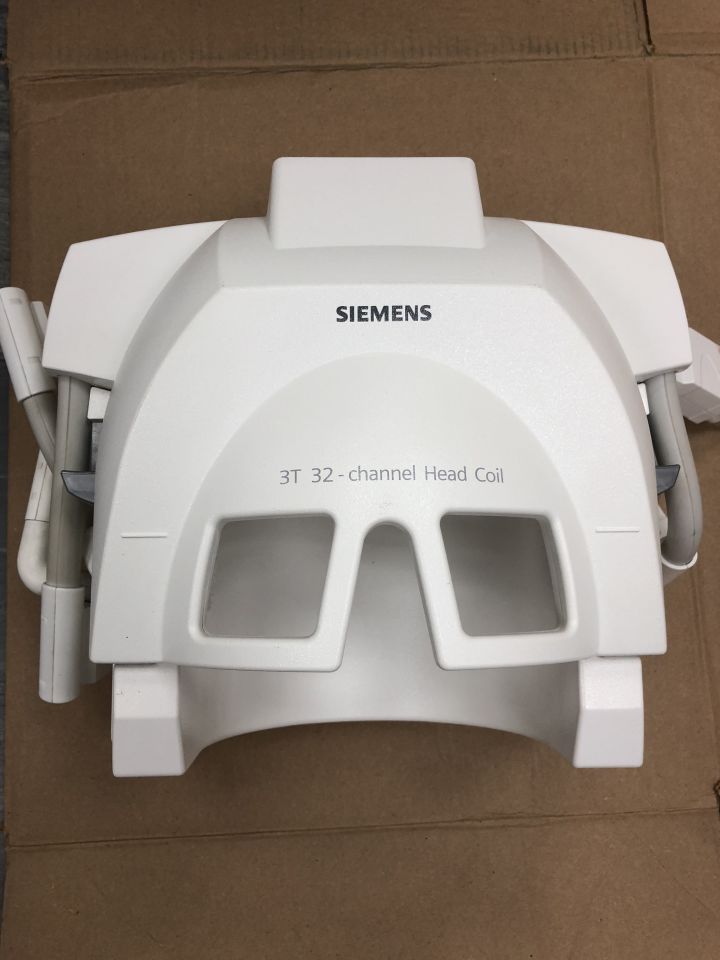
- 20 channel head coil (Siemens)
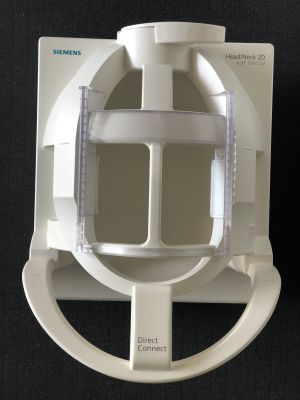
- Body 18 Coil (Siemens)
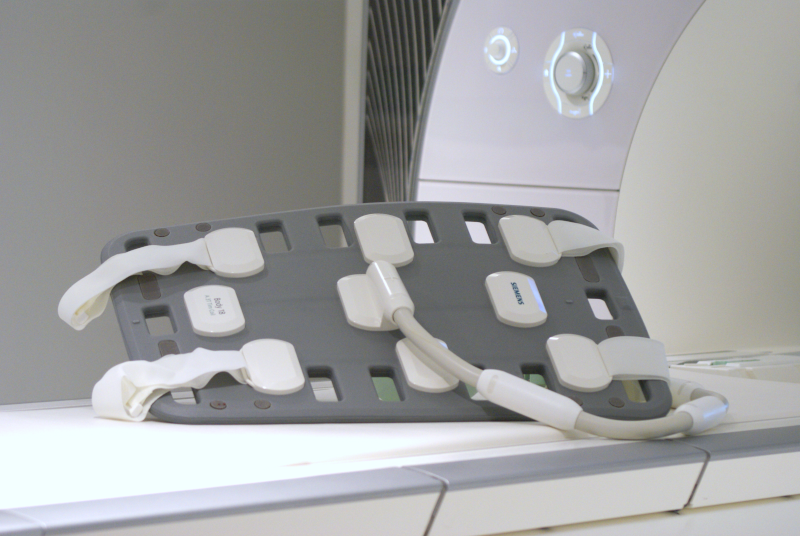
- Flex Large 4 coil (Siemens)
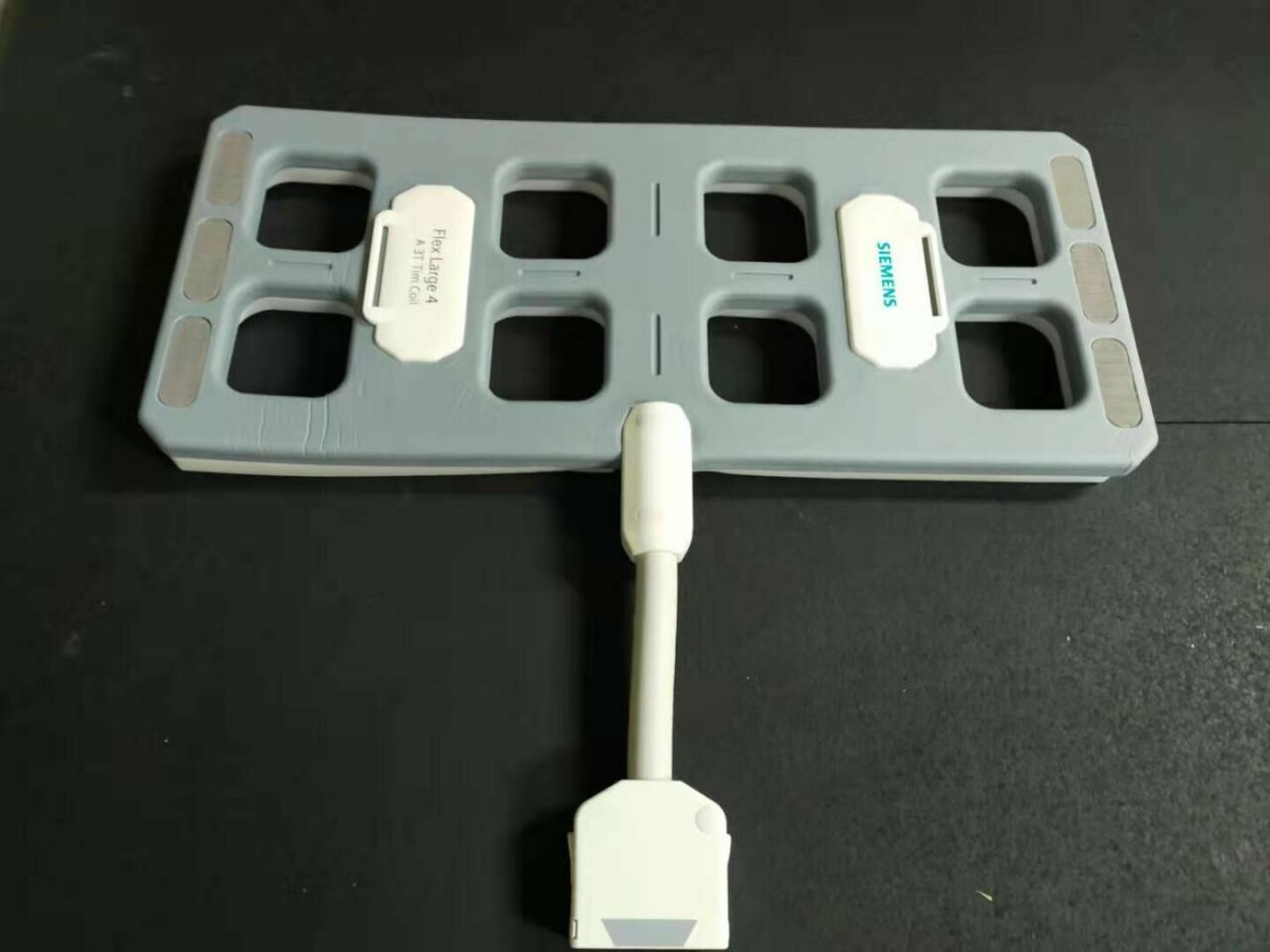
- Flex small 4 coil (Siemens)
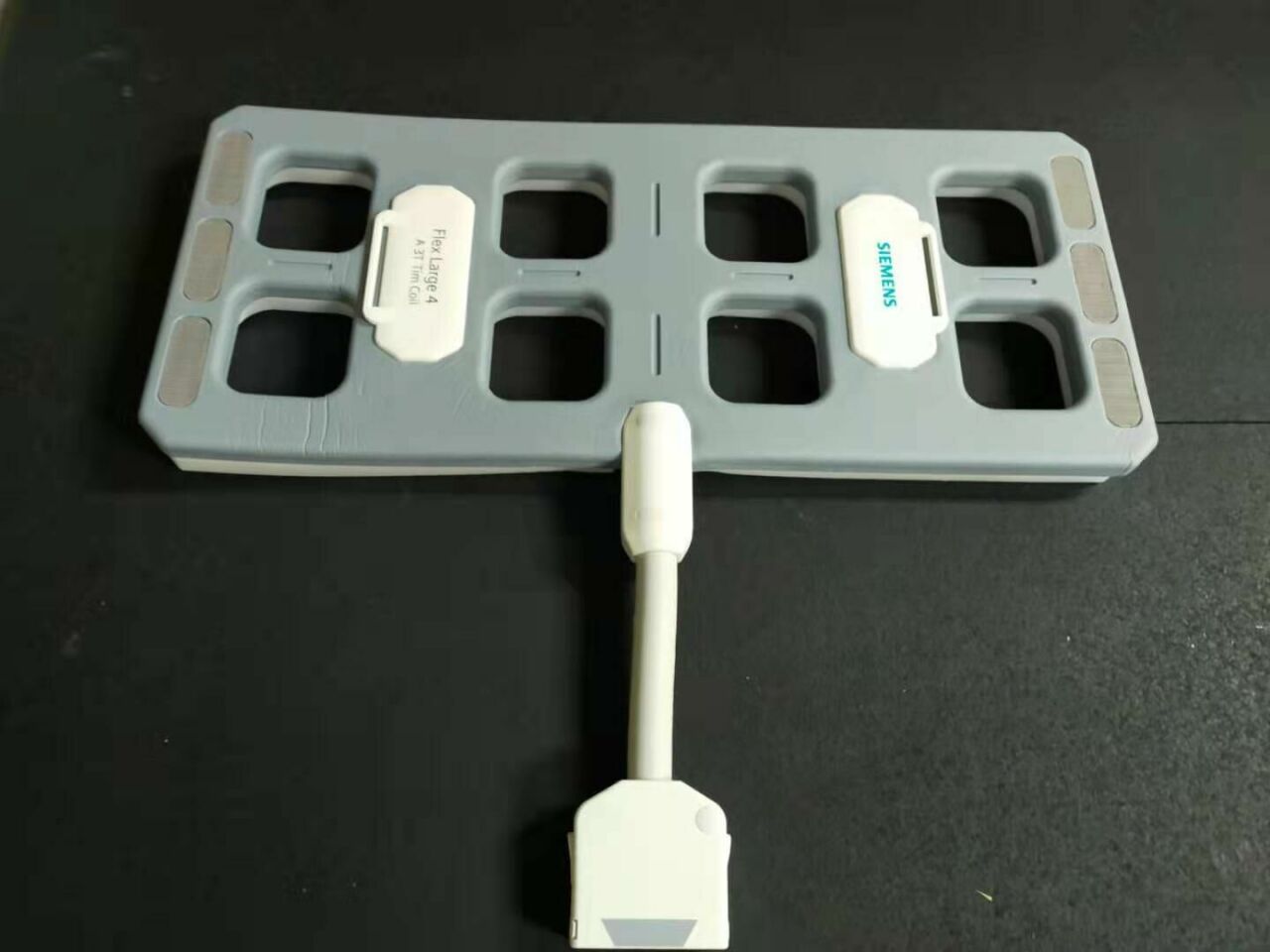
- Shoulder Large 16 Coil (Siemens)
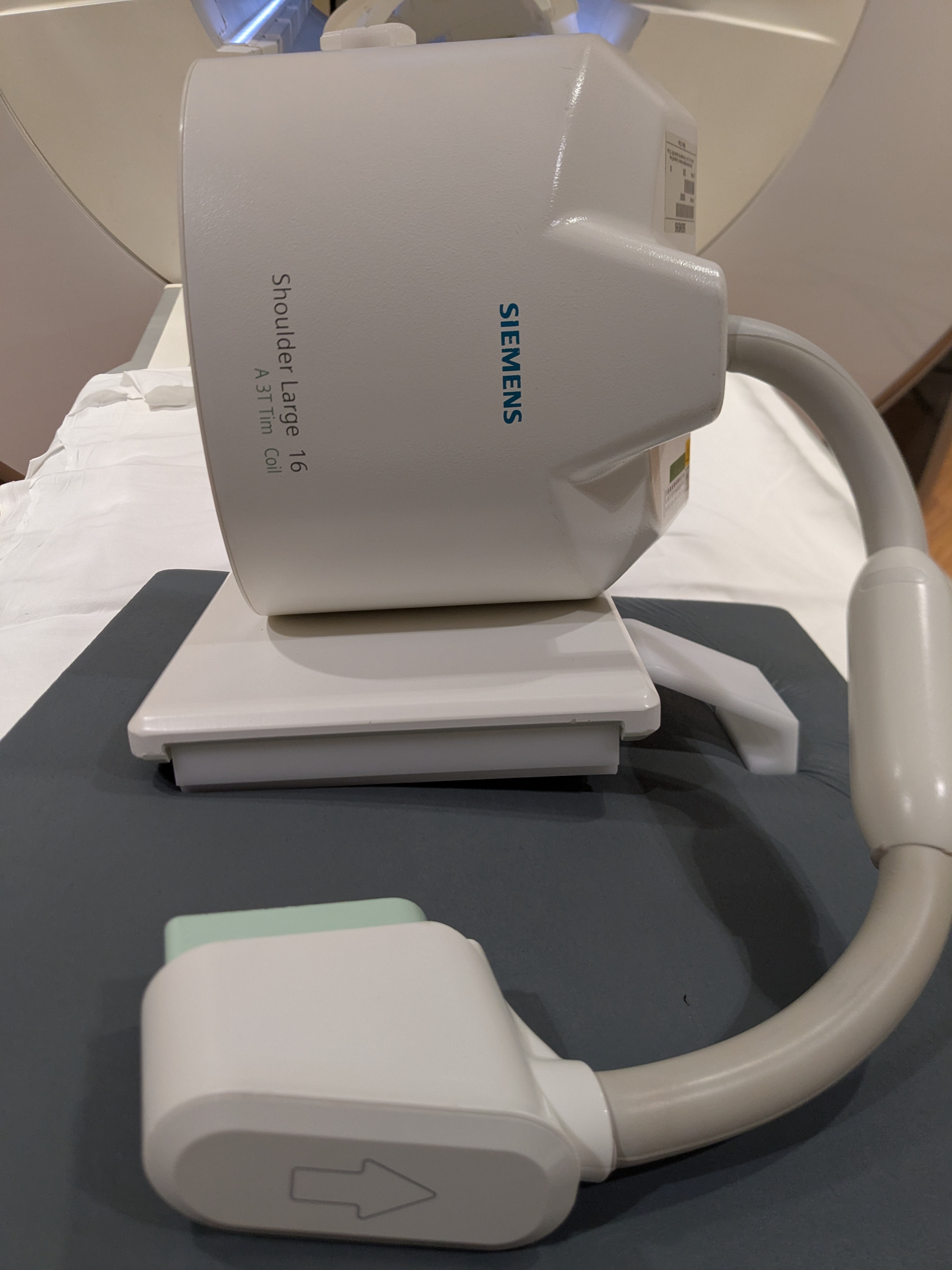
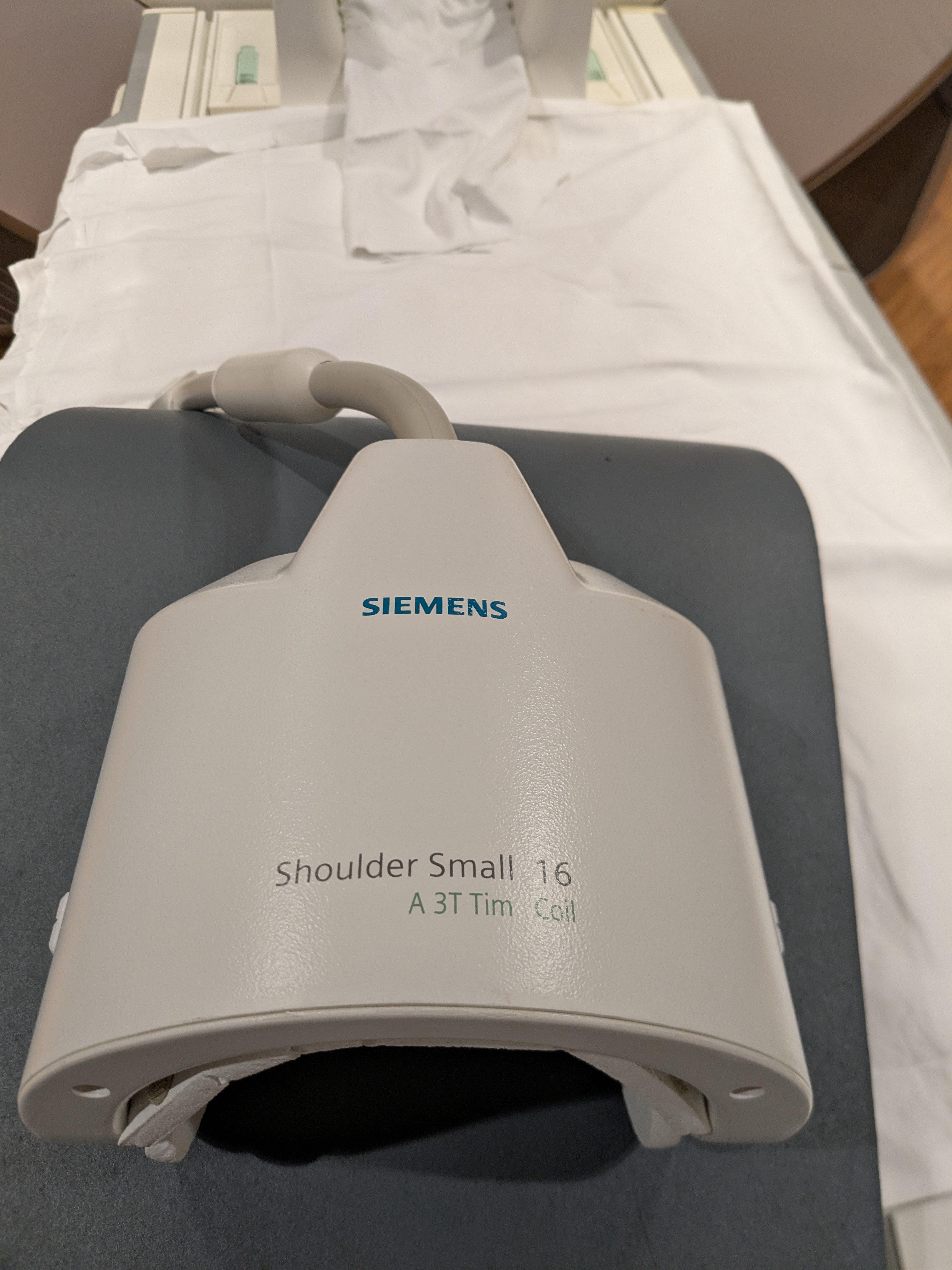
- Shoulder Small 16 Coil (Siemens)
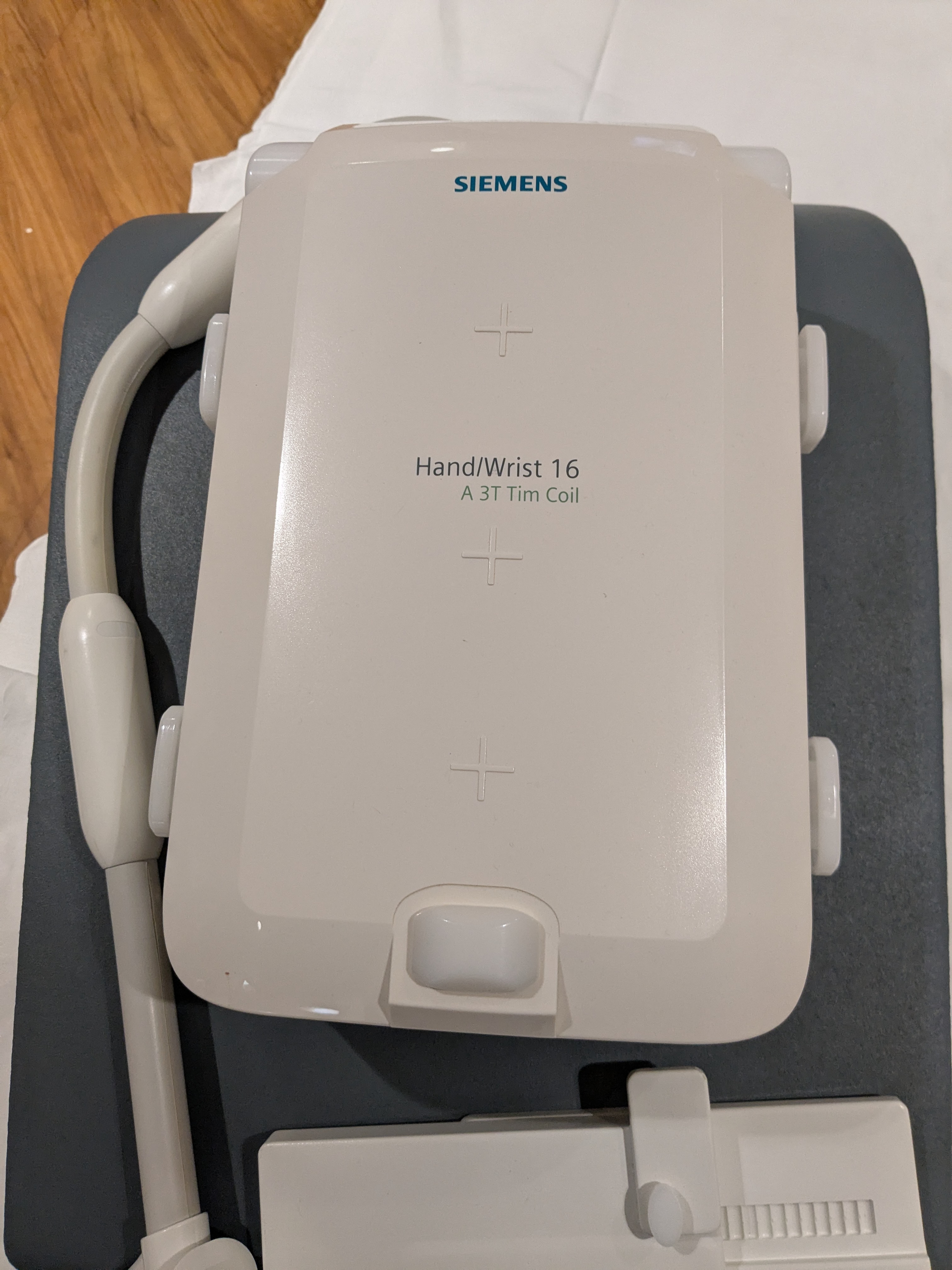
- Hand/Wrist 16 Coil (Siemens)
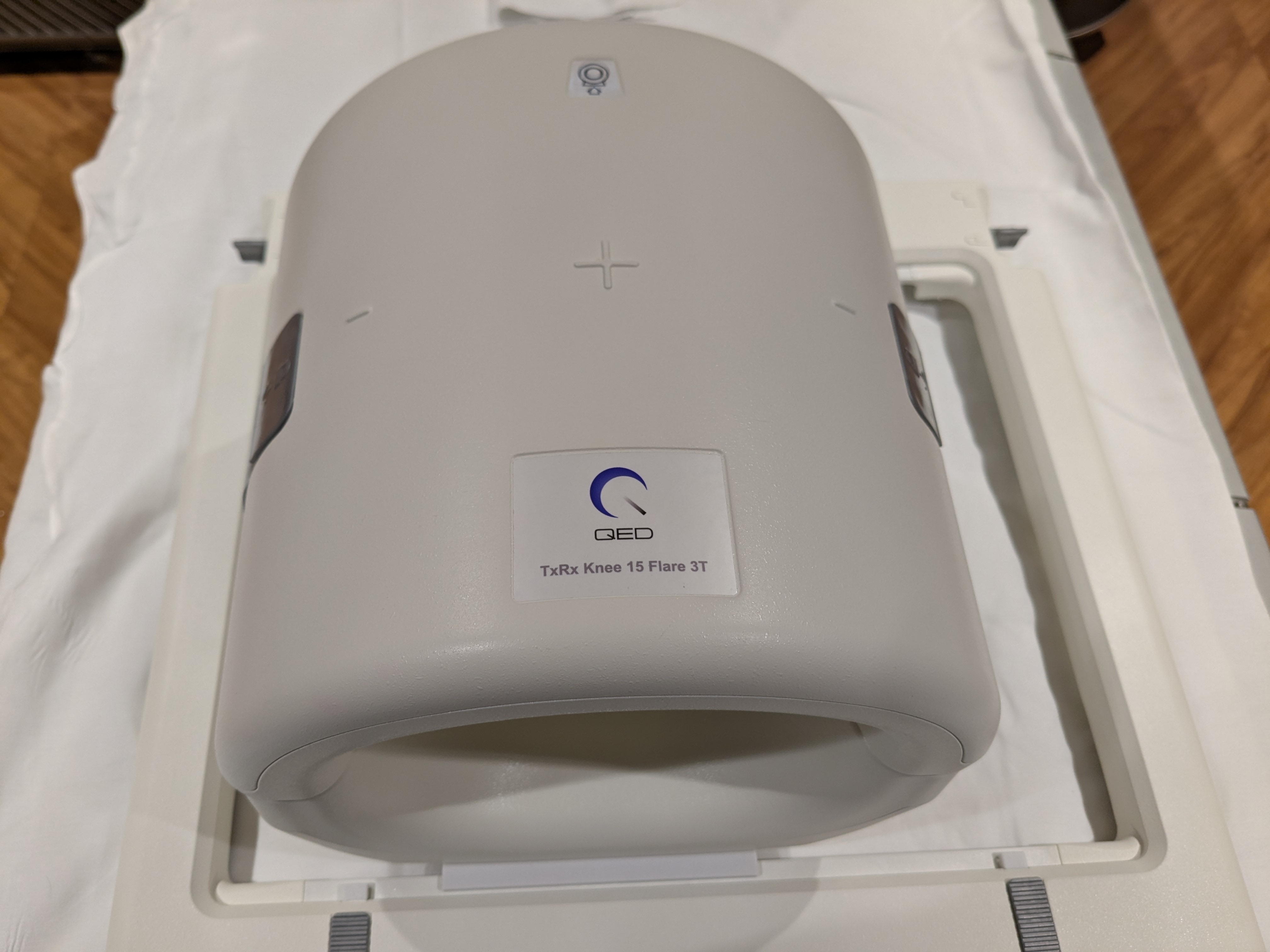
- TxRx Knee 15 (QED)
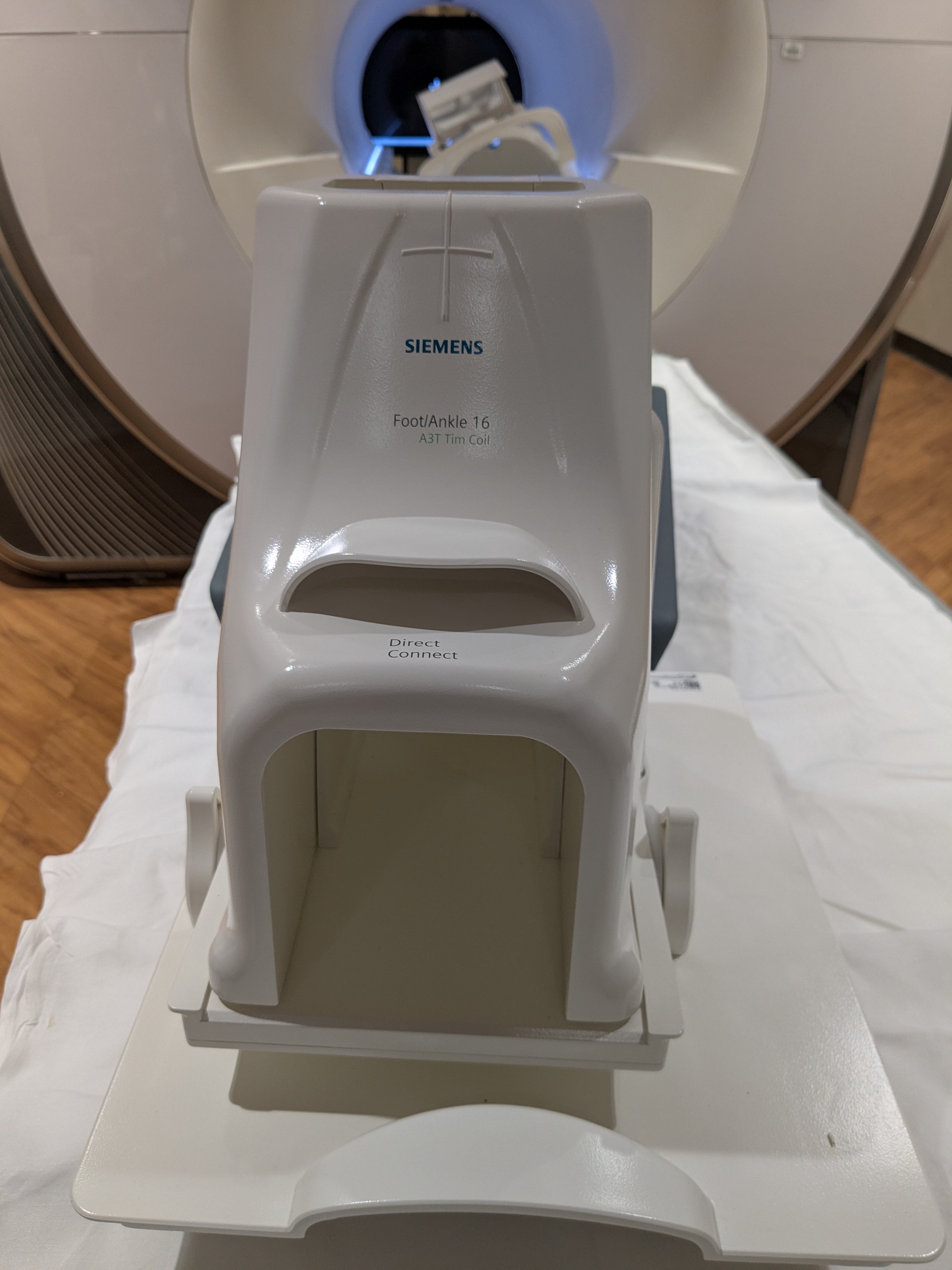
- Foot/Ankle 16 (Siemens)
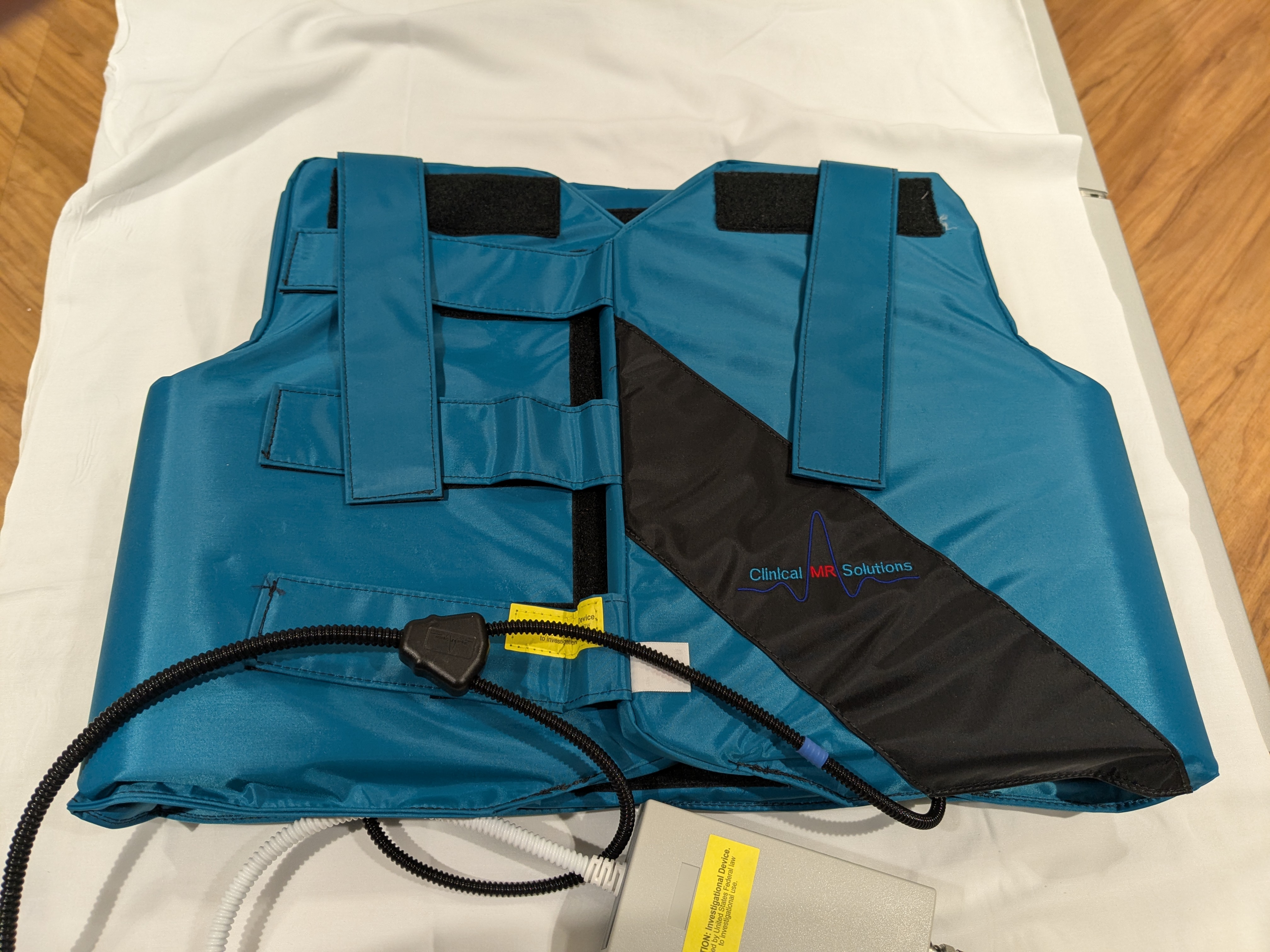
- Multinuclear: Xenon Torso Coil (Clinical MR Solutions)
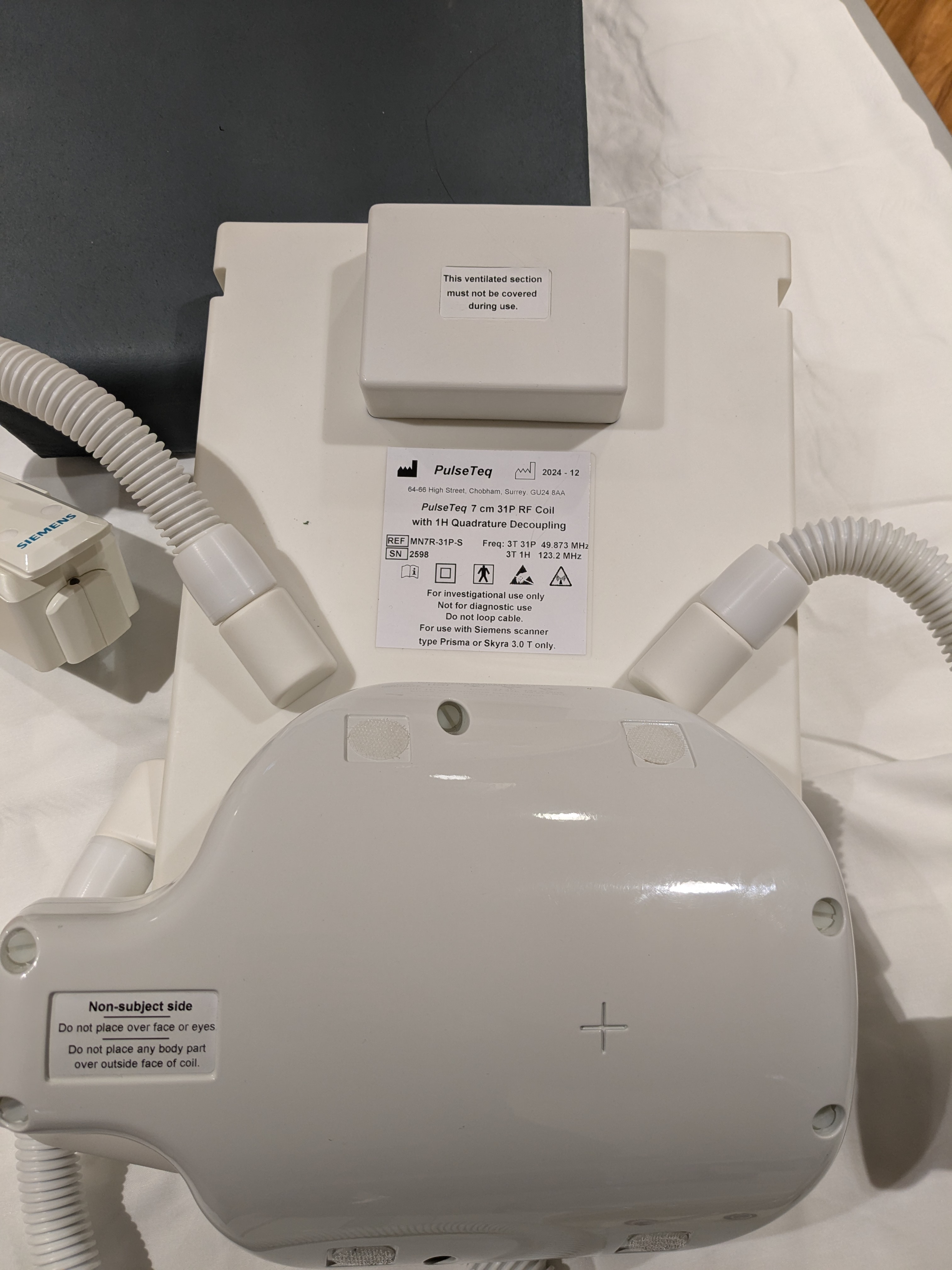
- Multinuclear: Phosphorus (31P) Coil (Pulse Teq)
- Multinuclear: Carbon (13 C) Coil (Pulse Teq)
- 64 channel head coil (Siemens)
-
Stimulus
FORP controller with the following button boxes
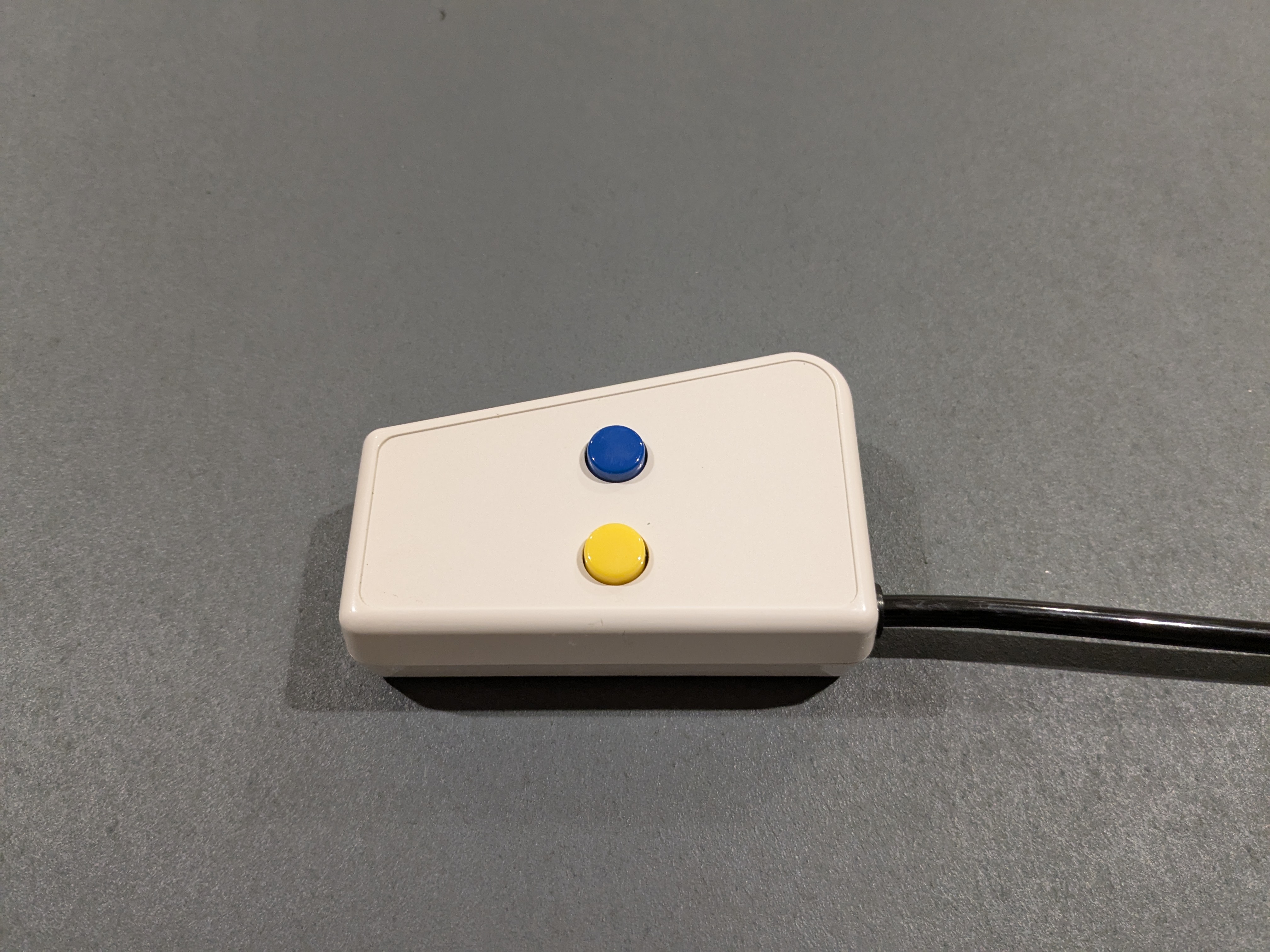
- 2 button box
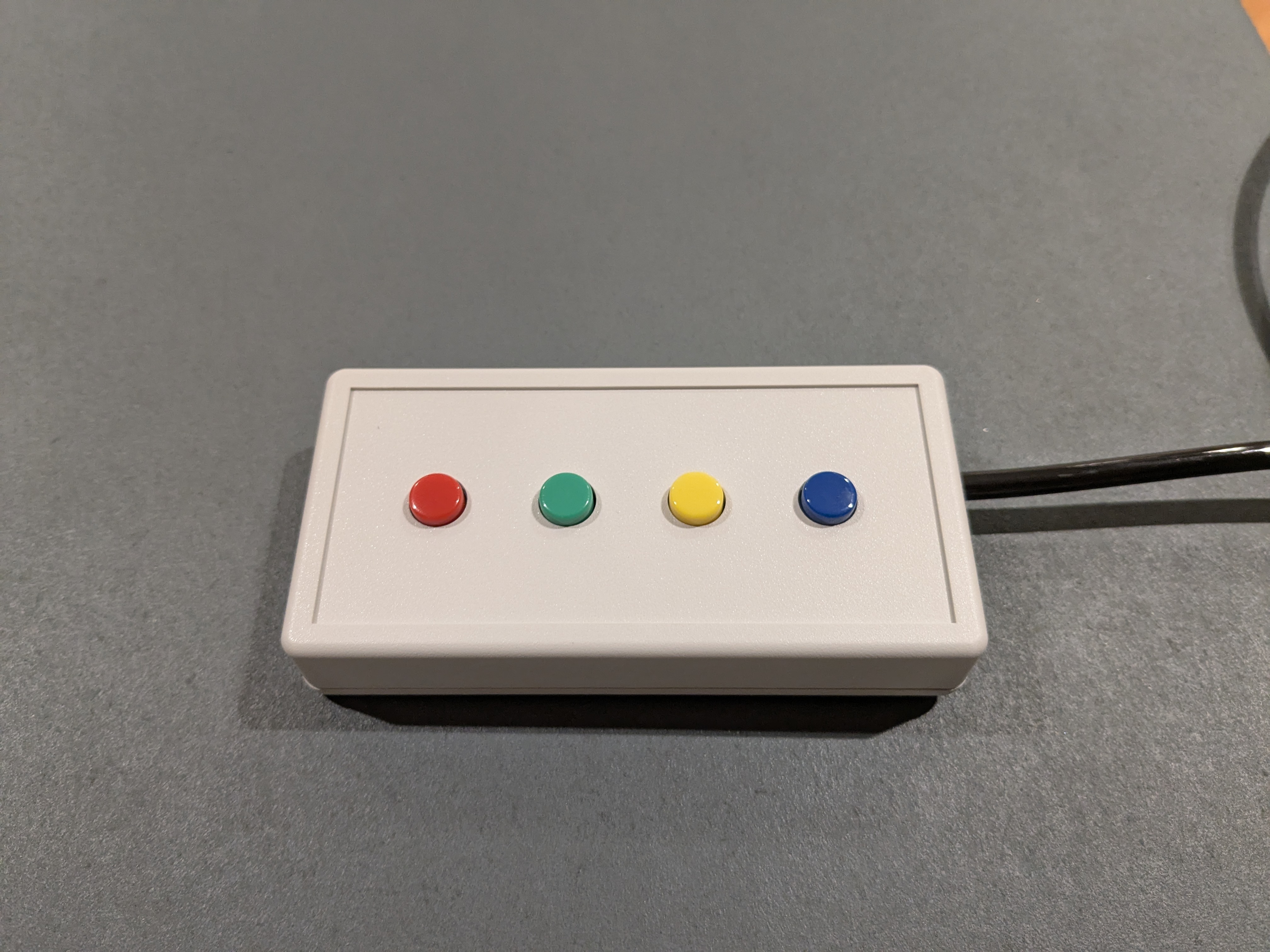
- 4 button box
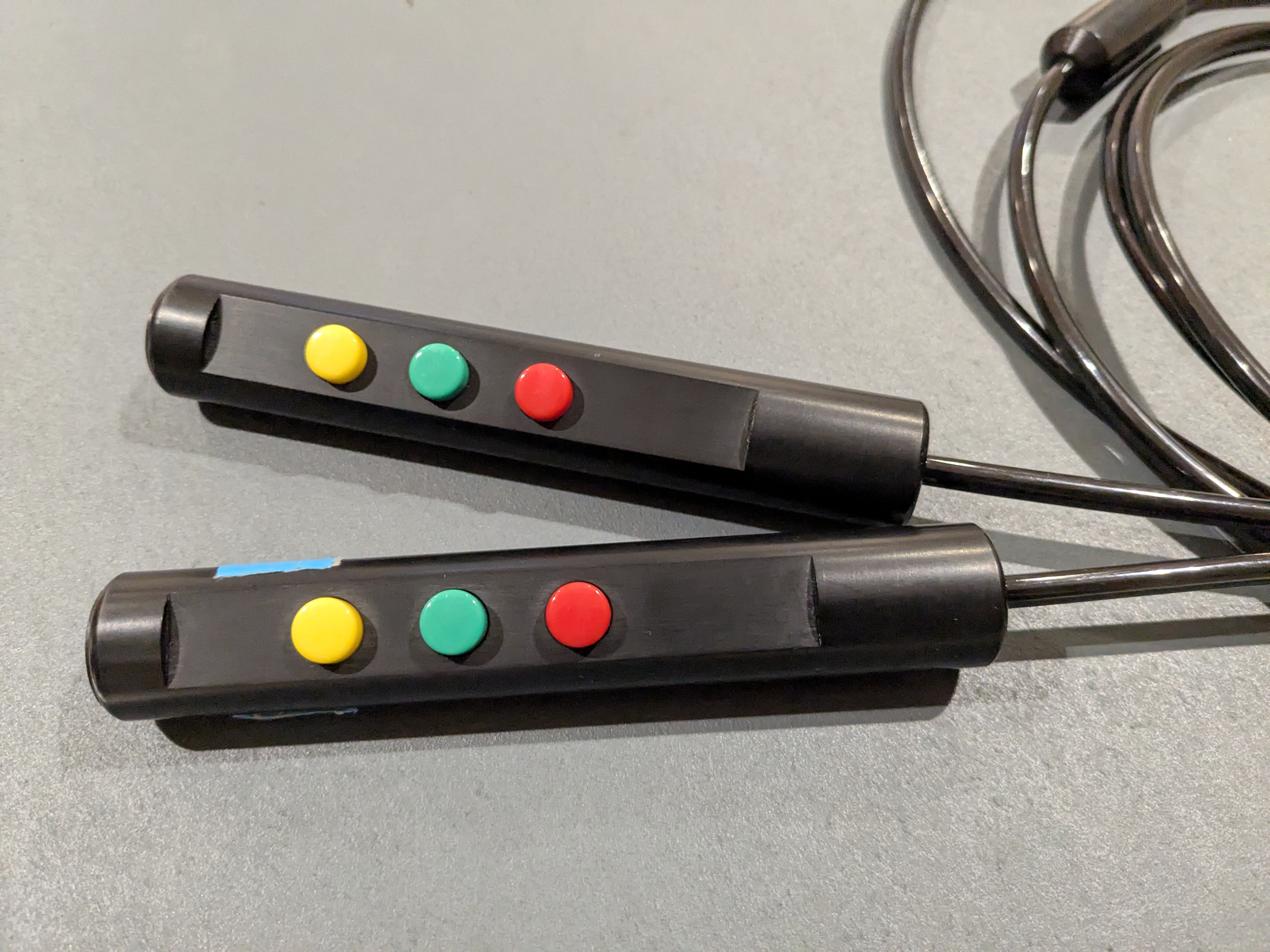
- 4 button cylinder
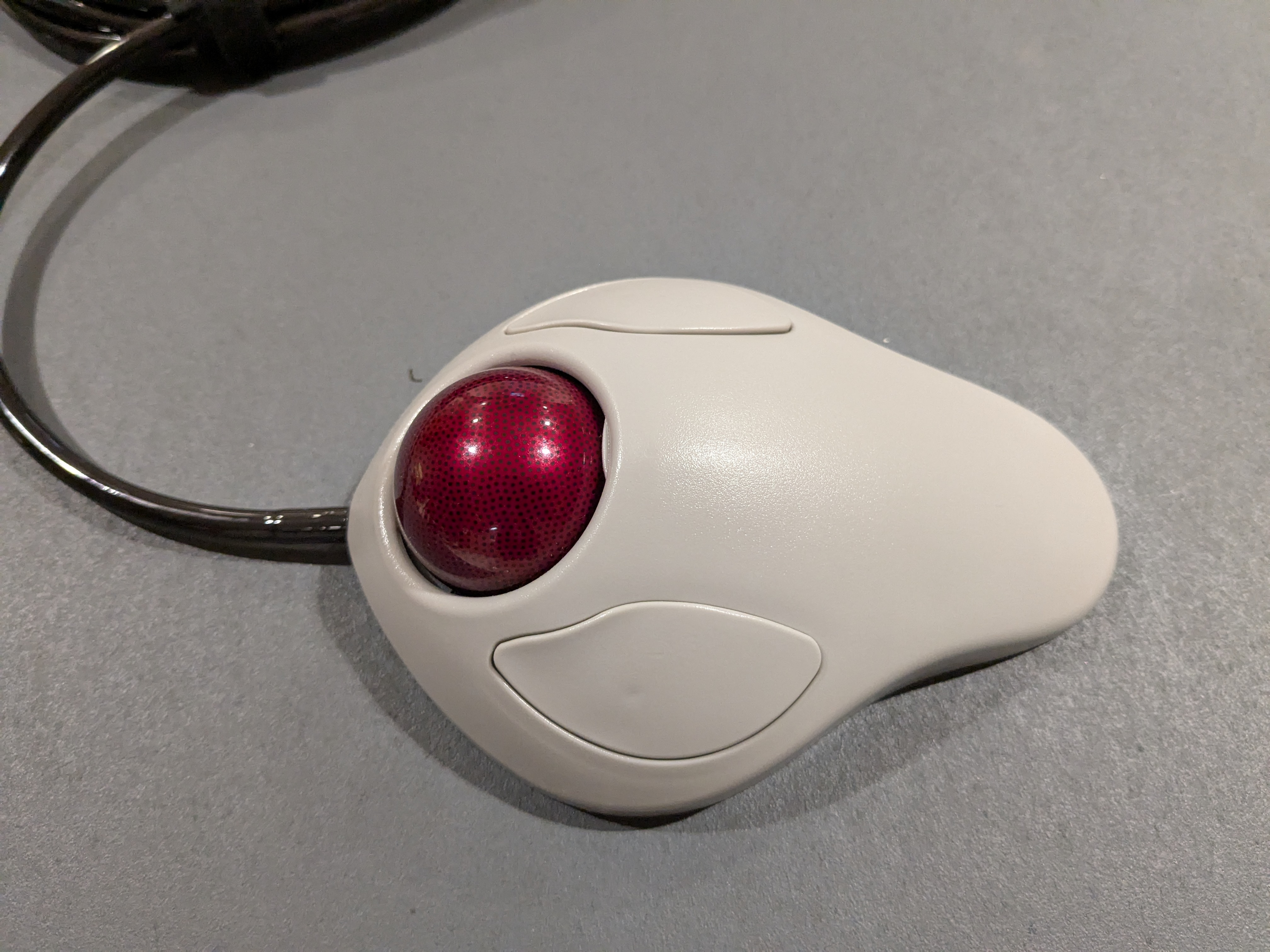
- Tracking ball mouse
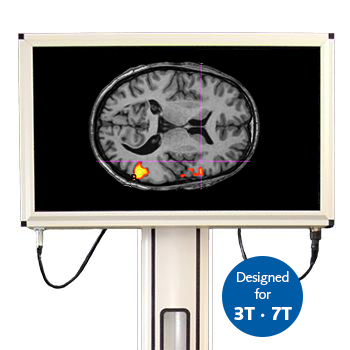
Bold Screen 32
- 2 button box
-
Headphones
- Siemens mono headphones (over-ear)
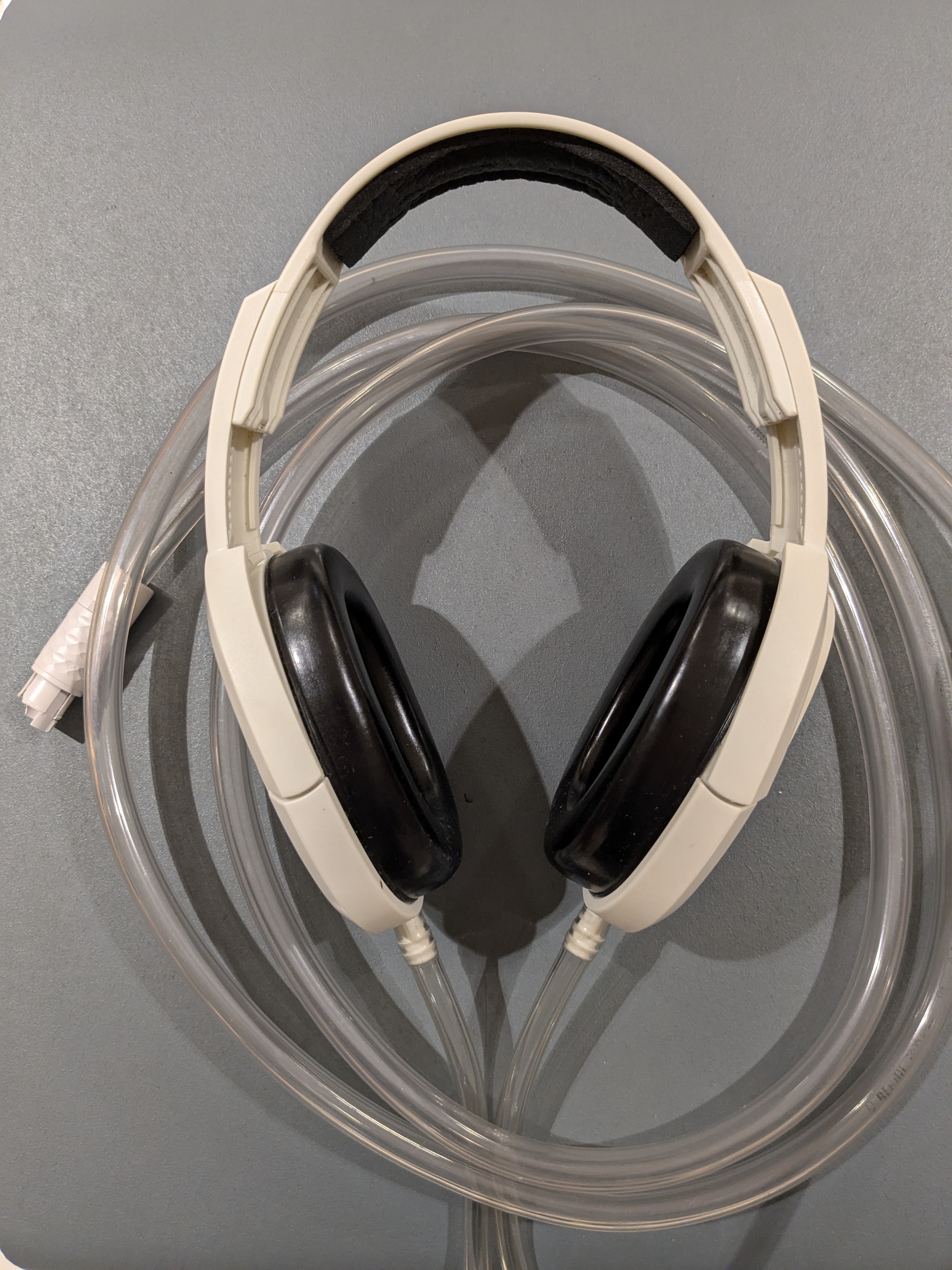
- Aftermarket mono headphones (in-ear)
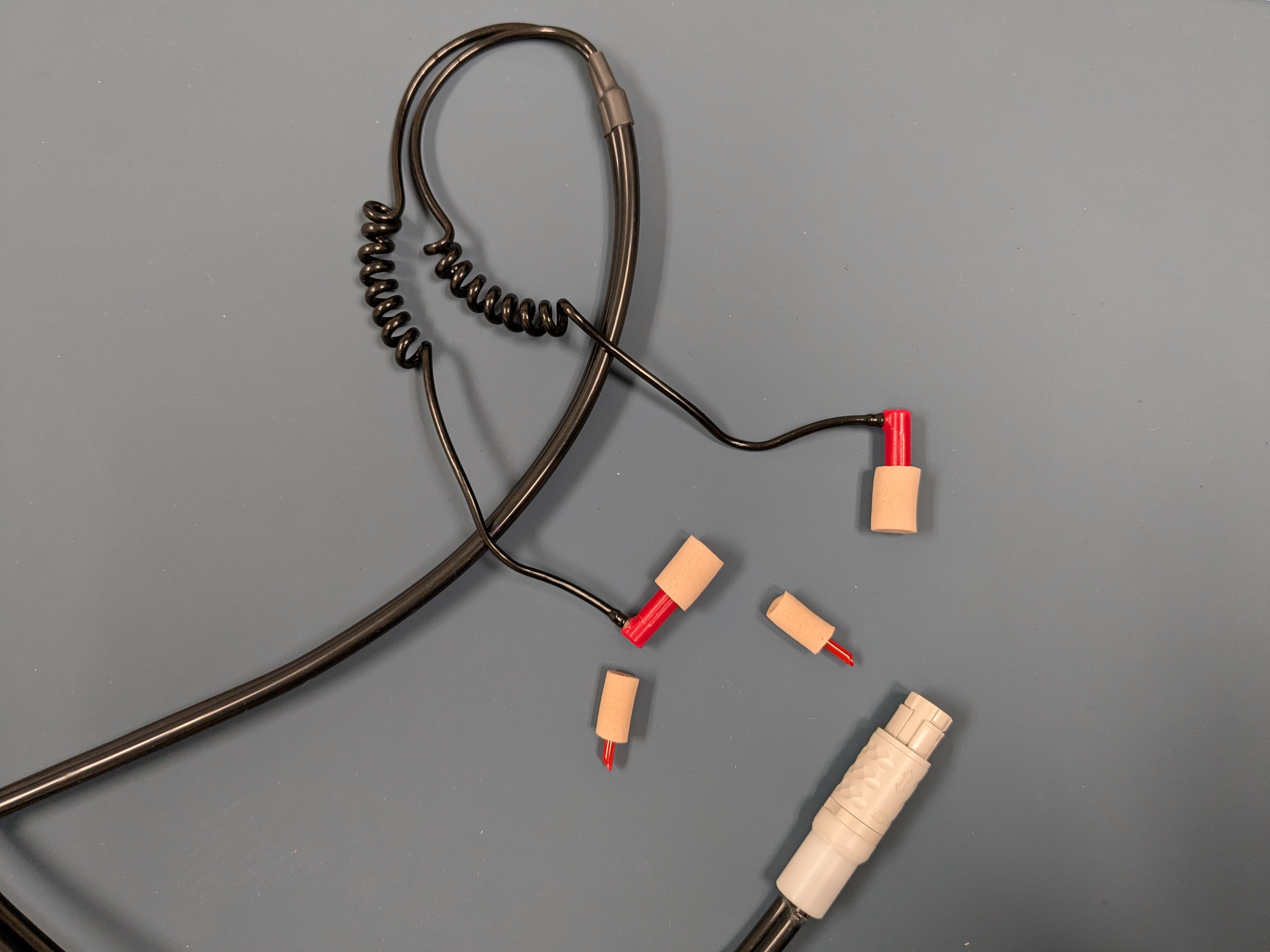
- fMRI stereo headphones (large over-ear)
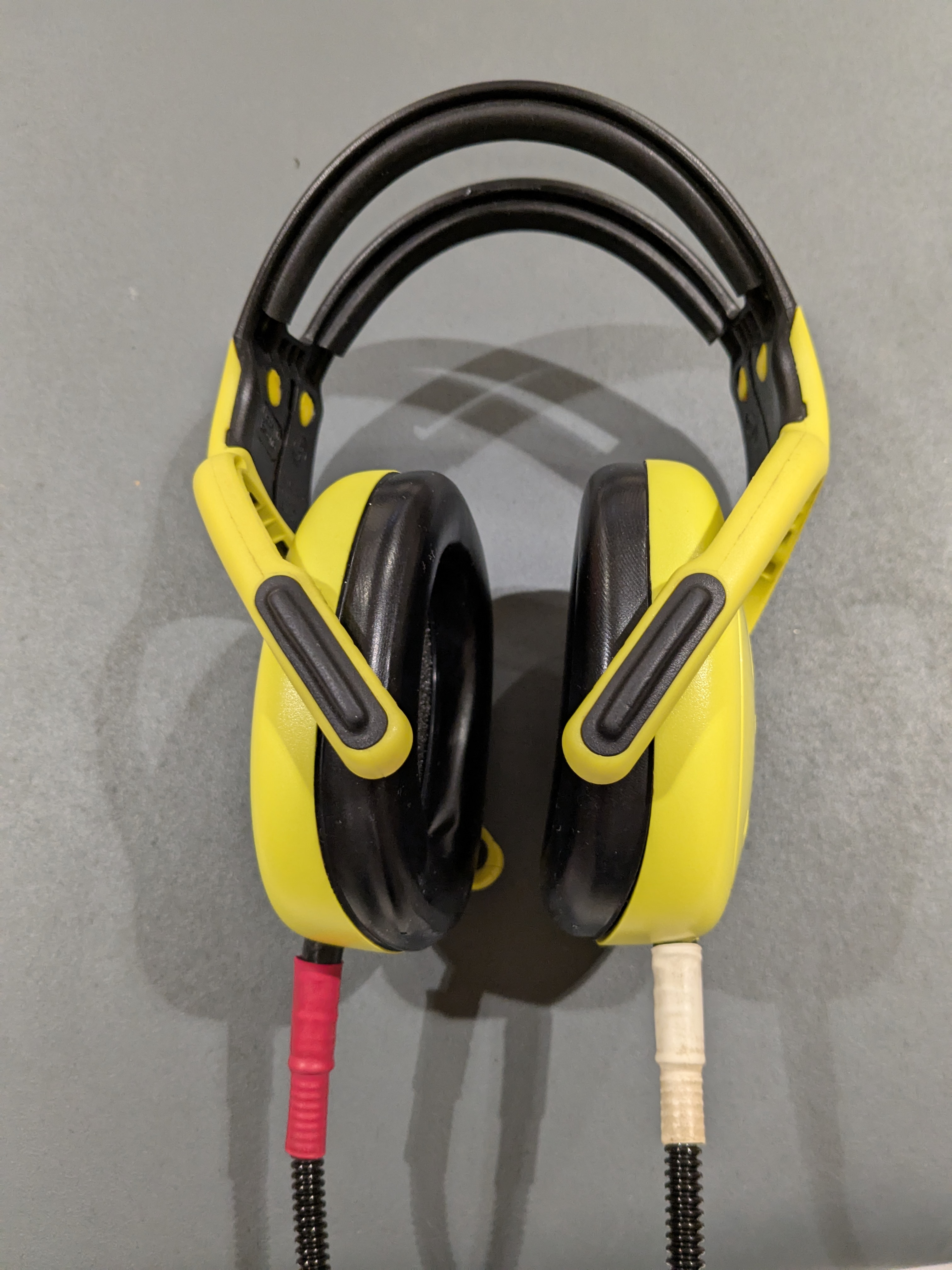
- fMRI stereo headphones (small over-ear)
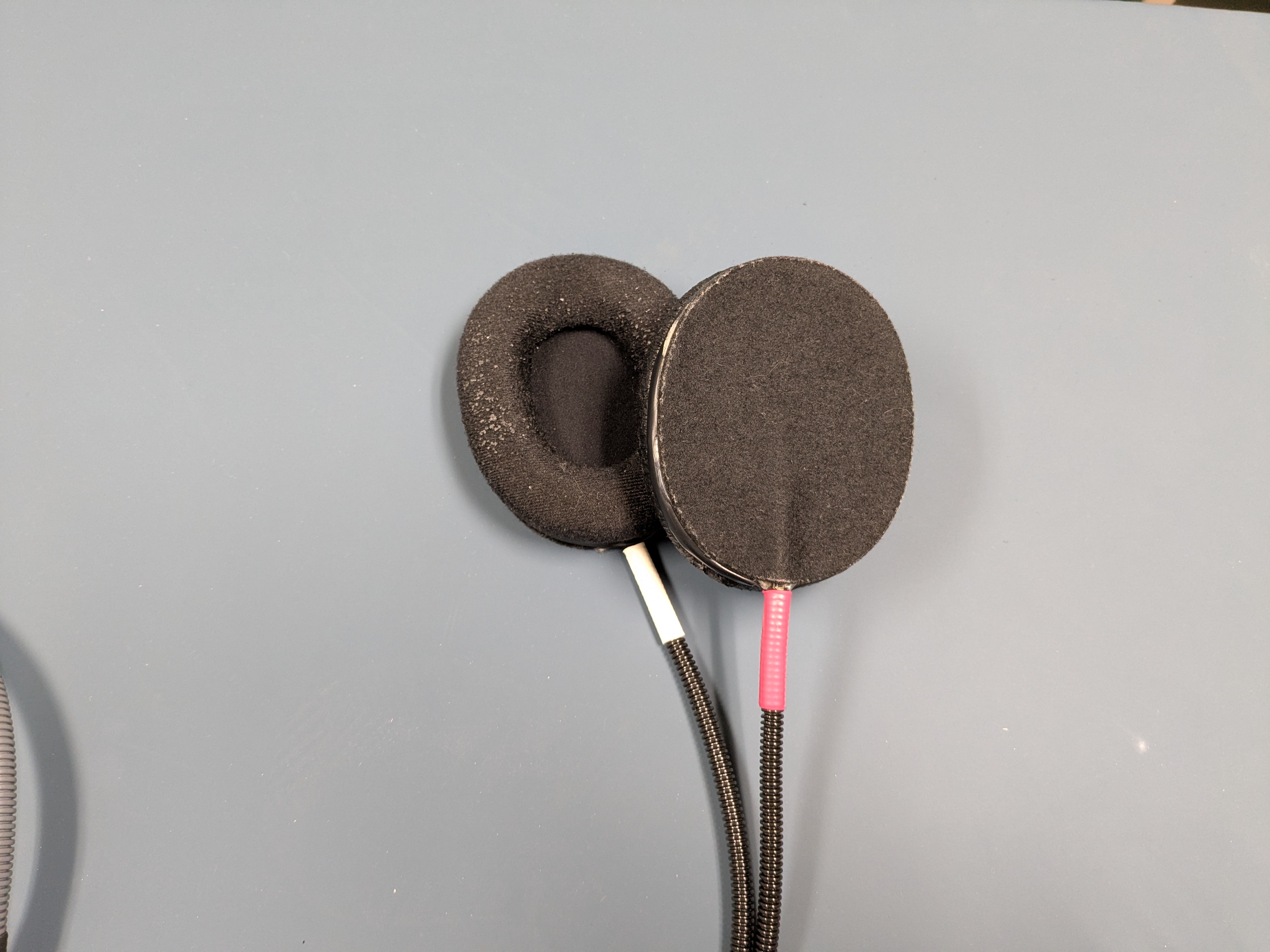
- Siemens mono headphones (over-ear)
-
Observation
- BioPac MP150
- Live Eye Tracker (Cambridge Research Systems )
- Pulse OX (Siemens)
- EKG (Siemens)
- FIRMM tablet
-
Software
- BioPac Acqknowledge
- E-Prime
- Live Track Viewer
- MatLab
- PsychoPy
- Presentation
- Inquisit
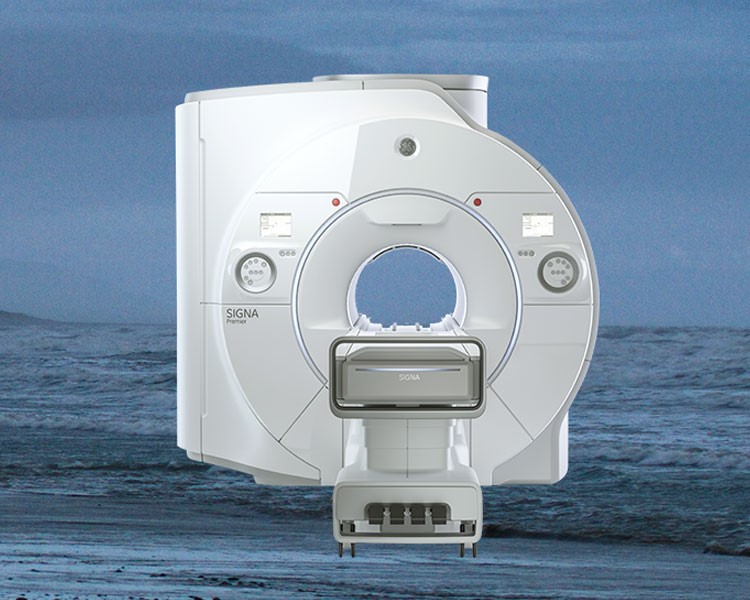
The Premier is a pioneering MRI system for cutting-edge research and supports the most demanding applications, such as Connectome-type studies that require Ultra-short TE diffusion imaging and high-resolution resting state fMRI. The SuperG 80/200 gradients deliver 60-cm performance in a spacious 70-cm bore, ensuring participant comfort and excellent data quality. The 146-channel RF receive chain enables unprecedented acceleration in parallel imaging that can be leveraged for increased resolution, shorter scan times, or both.
PREMIER
-
Coils
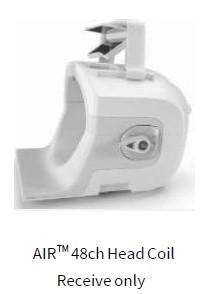
- Air* 48 channel head coil (GE)
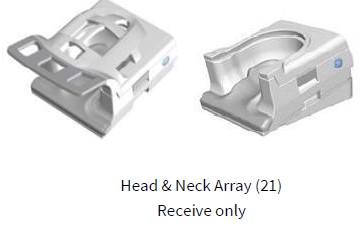
- 21 Channel Head and Neck Array (GE)
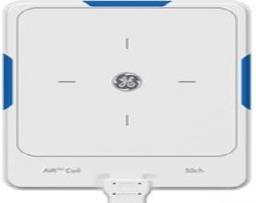
- Air* 30 Channel Anterior Array (GE)
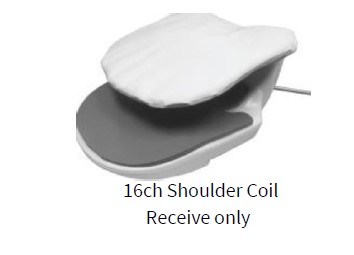
- 16 Channel Shoulder Coil (GE)
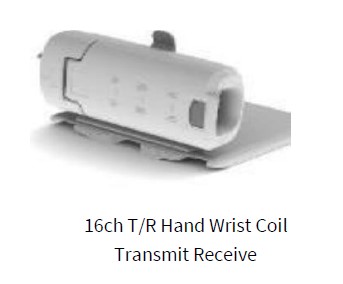
- 16 Channel T/R Hand Wrist Coil (GE)
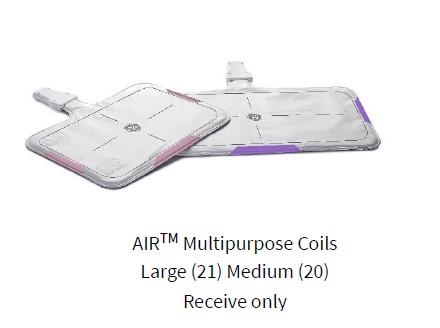
- Air* Multipurpose 21 and 20 Coils (GE)
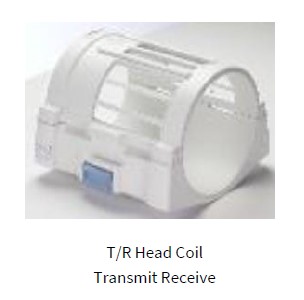
- T/R Head Coil (GE)
- Air* 48 channel head coil (GE)
-
Stimulus
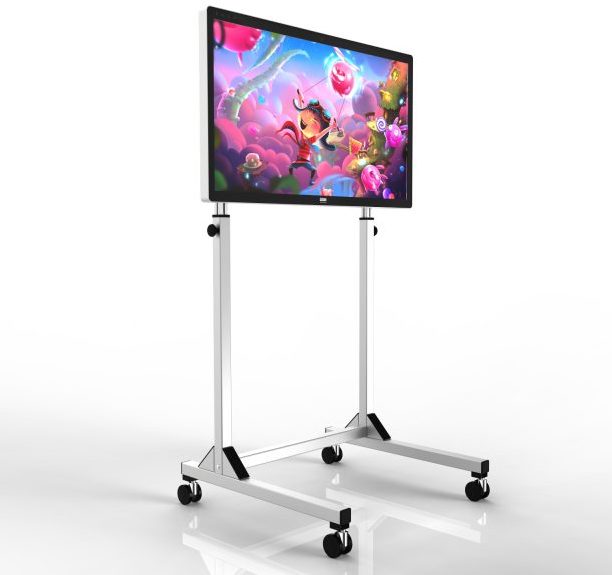
Nordic Neurolab Screen with integrated camera
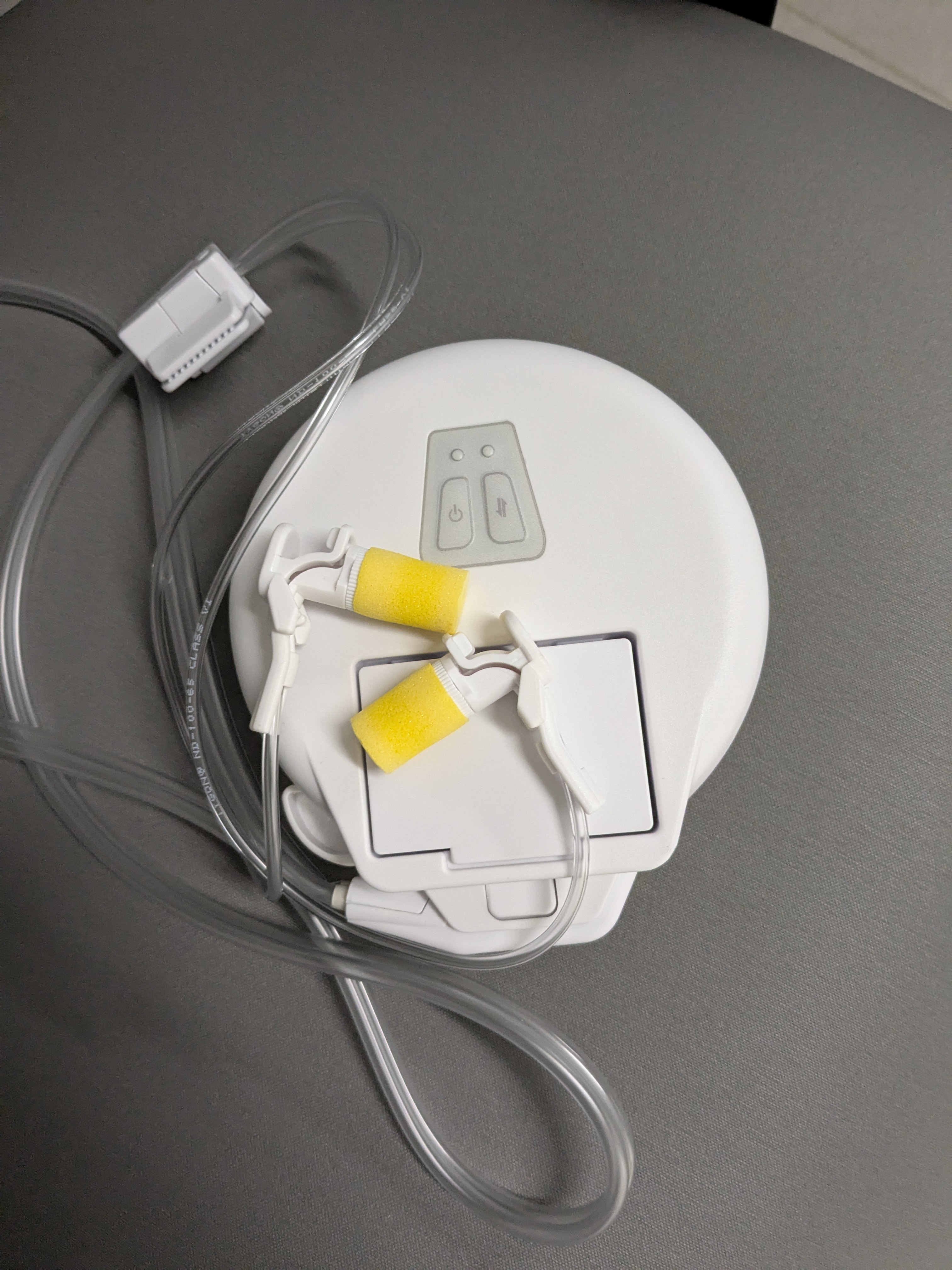
In-ear Headphones
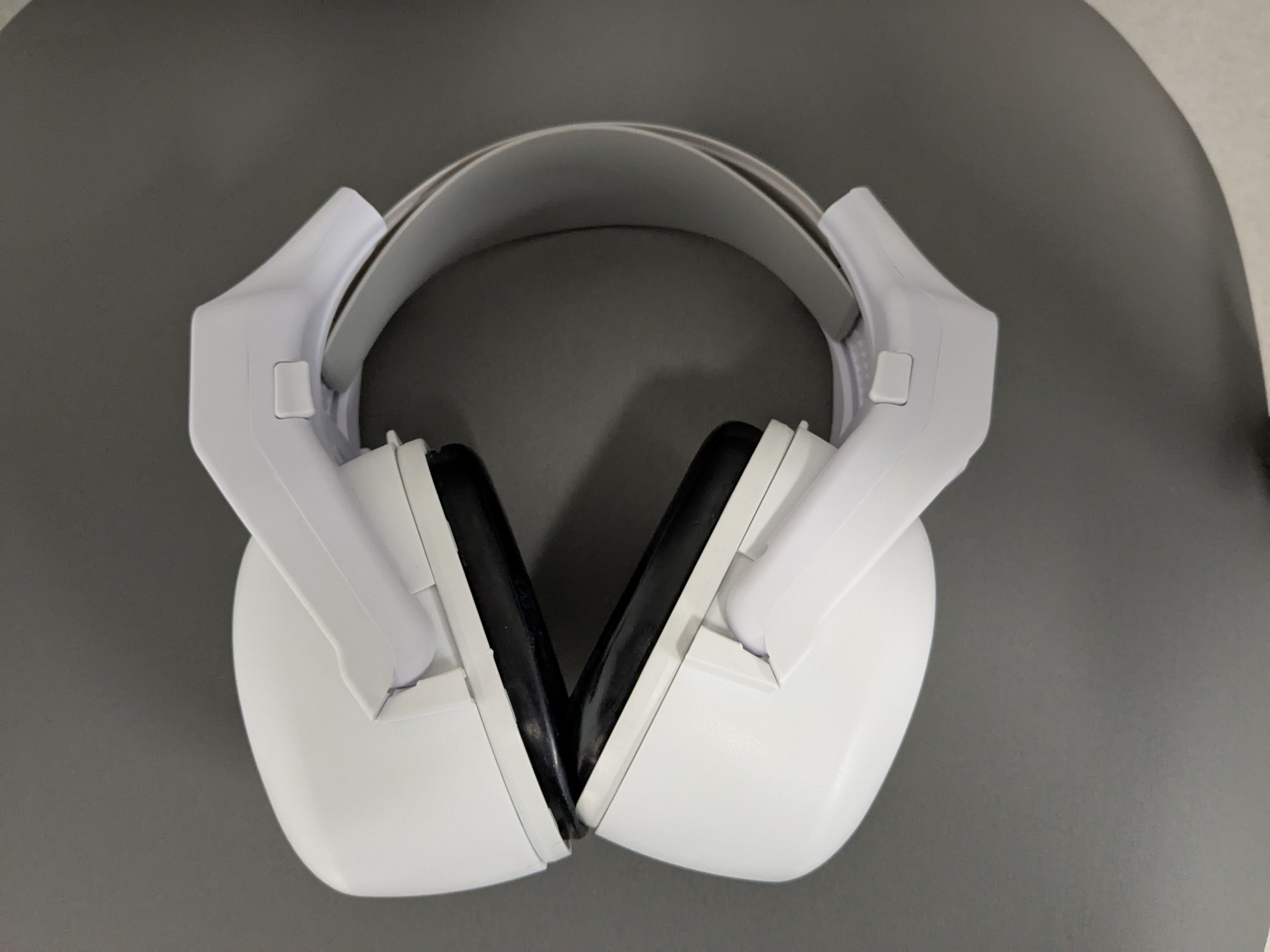
Over-ear Headphones
-
Observation
- Pulse OX (GE)
- EKG (GE)
-
Software
- Coming Soon
Additional Scanners:
Other Equipment:
-
Mock MRI
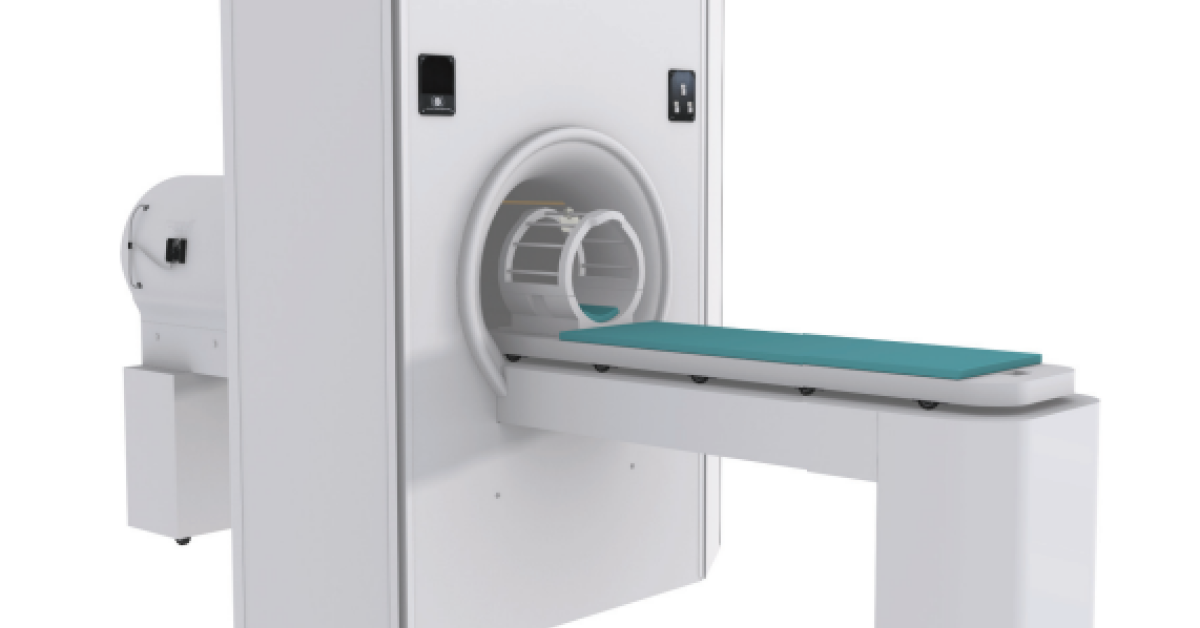
The Vera mock MRI scanner simulates a real MRI experience, including noises a scanner can create during a procedure. It has a bore size of 60 cm, exactly equal to SIEMENS PRISMA MRI scanner, and includes a mock 64-channel head coil that is like the PRISMA MRI scanner. The head coil and the bore size are usually the two most important factors in determining the participant’s adherence to the procedure.
The Vera mock MRI scanner has additional features that mimic a real MRI scanner such as a tapered entry, a front facade panel, a realistic scanner body with steel frame construction, cooling fans, diffused lighting for participant safety and comfort, amplified speakers with subwoofer for realistic scanner noise production and vibration, quiet and motorized participant table with drag sensing, bidirectional audio, and an integrated control panel.
Here are some excellent benefits of our Mock MRI:
- Assess readiness
Child Life Therapists use mock MRI scanners to determine if a child can have an MRI without sedation. - Reduce anxiety
Mock MRI scanners help people feel more comfortable in the MRI environment and reduce anxiety. - Practice tasks
Mock MRI scanners allow people to practice tasks like keeping still or holding their breath. - Collect data
Mock MRI scanners can collect behavioral data and head motion information to help develop tasks that work in the scanner. - Support research
Mock MRI scanners can support pediatric research studies by helping children get comfortable with the MRI environment.
- Assess readiness
-
Functional Near-Infrared Spectroscopy (fNIRS) and the NIRSport2 System
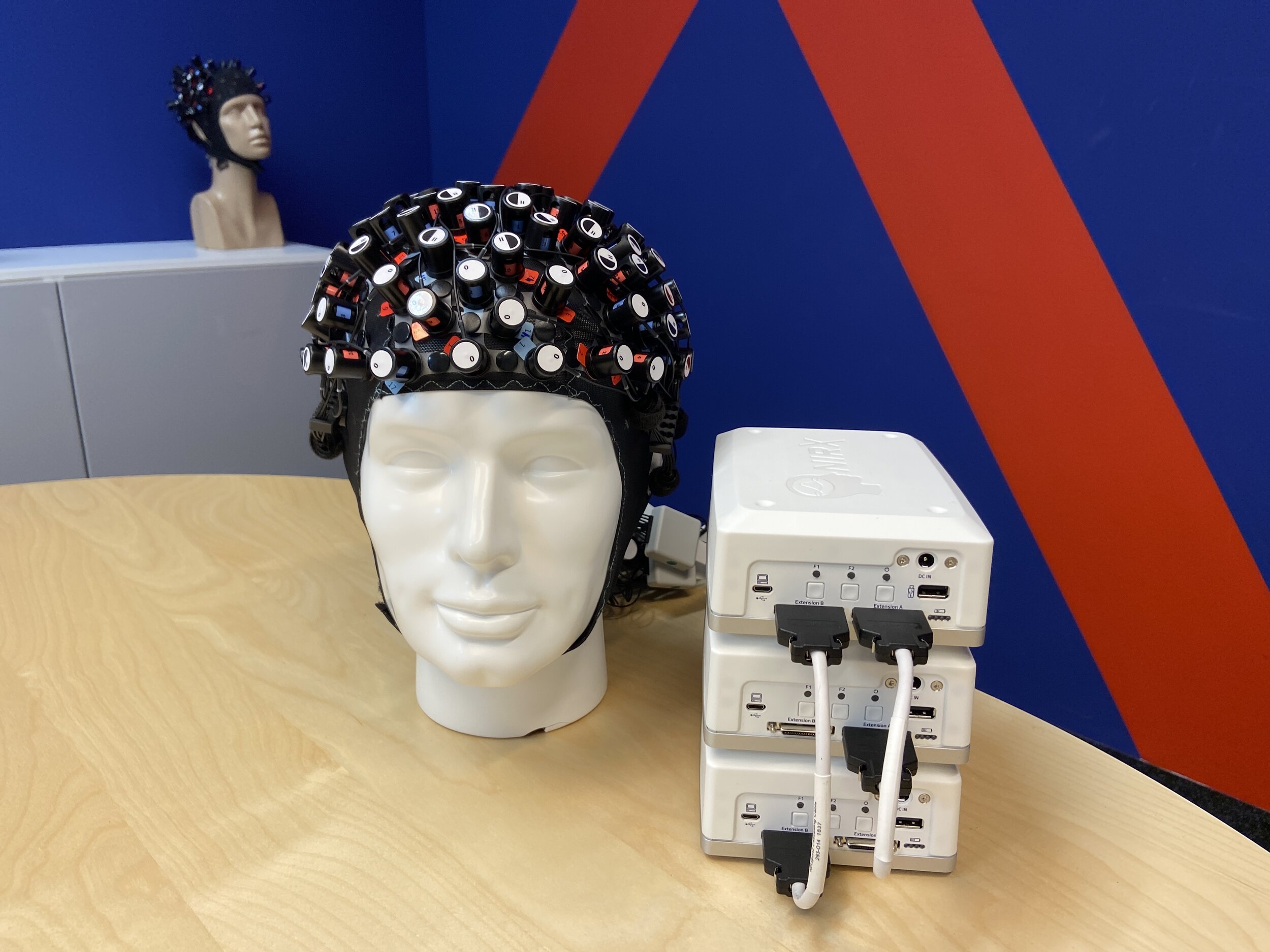
Functional Near-Infrared Spectroscopy (fNIRS) is a non-invasive neuroimaging technique that measures brain activity by detecting changes in blood oxygenation and volume. It operates by emitting near-infrared light into the scalp and measuring the absorption and scattering of that light as it passes through cortical tissue. This allows researchers to infer neural activity based on hemodynamic responses, similar to fMRI, but with key advantages such as portability, cost-effectiveness, and tolerance to movement.
RMRIC’s NIRSport2 system enhances the capabilities of fNIRS research by combining portability, high signal quality, and versatility. Its modular design and integration with advanced software make it a valuable tool for investigating brain function across various settings and populations.
Key features include:
- Modularity and Scalability:
The system supports configurations from 8 to 80 sources and detectors, allowing researchers to tailor the setup to specific study requirements. Up to five devices can be fully synchronized, enabling extensive cortical coverage and high-density measurements. - Portable:
Ability to understand brain functional connectivity under naturalistic conditions. - High Signal Quality:
Equipped with high-powered dual LEDs (up to 32 mW) and optional advanced Avalanche Photodiode (APD) detectors with sensitivity down to 5 fW, the NIRSport2 ensures robust signal acquisition. Variable tension spring holders enhance scalp coupling and participant comfort. - Versatility and Integration:
With a compact form factor (~900 grams) and wireless capabilities, the NIRSport2 is designed for mobility, supporting tetherless recordings. It integrates seamlessly with other modalities such as EEG, VR, TMS, and MRI, facilitating multimodal research approaches. - Advanced Software Support:
The system is compatible with NIRx's Aurora fNIRS software, which offers intuitive setup, real-time data visualization, and automated signal optimization. Integration with the Lab Streaming Layer (LSL) protocol enables multimodal measurements and real-time processing.
- Modularity and Scalability: