
UCEM Associate Director Robert Motl Awarded Grant for Collaborative MS Research Center
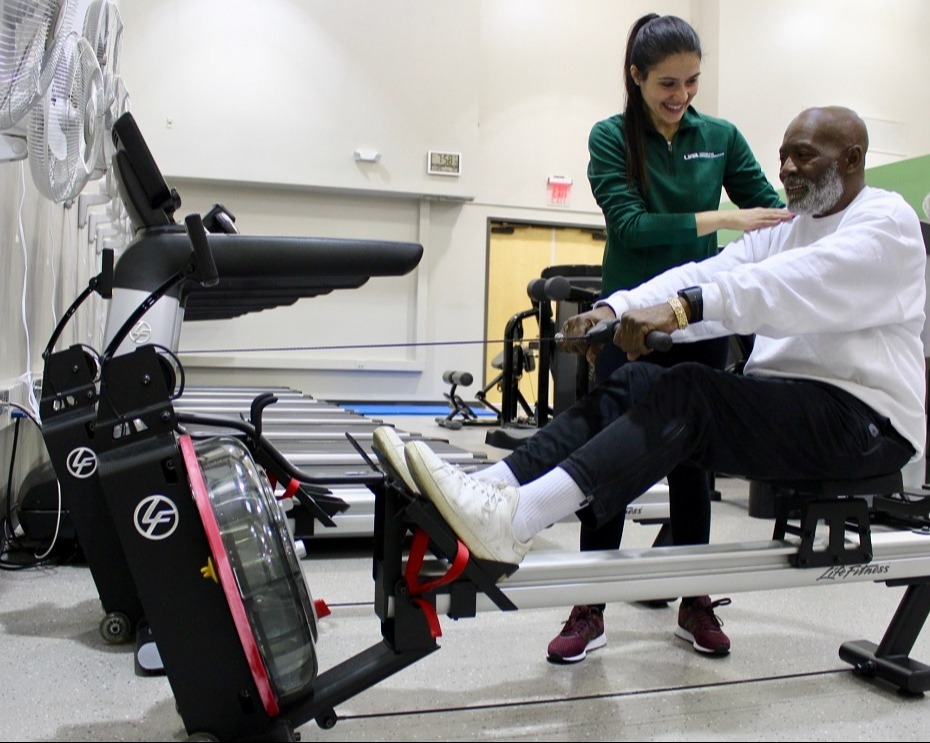
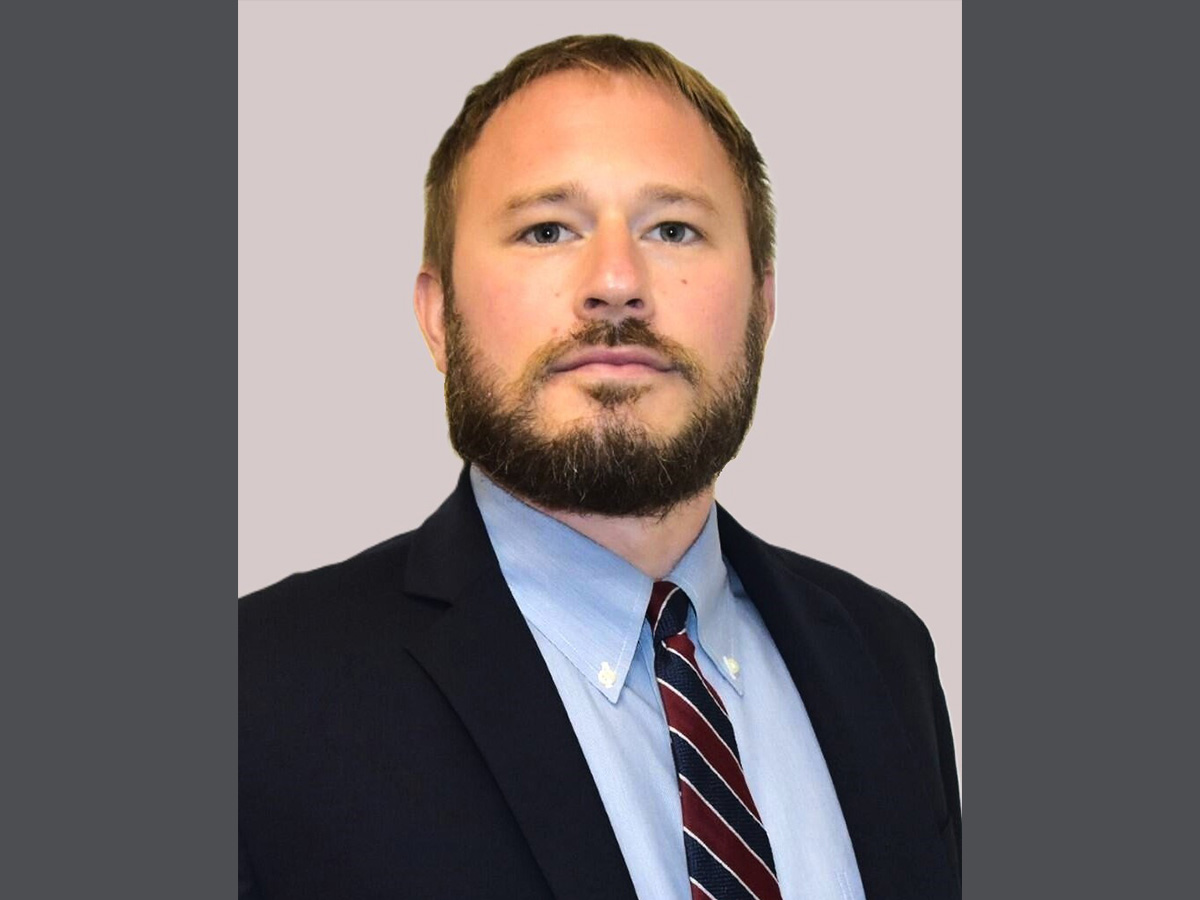
Robert Motl, PhD, Associate Director of the UAB Center for Exercise Medicine (UCEM) and Professor and Director of Research in the UAB Department of Physical Therapy, was recently awarded a new grant (CA-1708-29059) to address the growing cohort of older adults with MS and the normal age-related declines in physical and psychological functioning that are seemingly compounded by the disease and its progression. In addition to his roles within the UAB Department of Physical Therapy and UCEM, Dr. Motl also serves as Associate Director of Research for the UAB/Lakeshore Collaborative, Director of the REACT Mobile Technology Laboratory and Co-Director of the Exercise Neuroscience Research Laboratory.
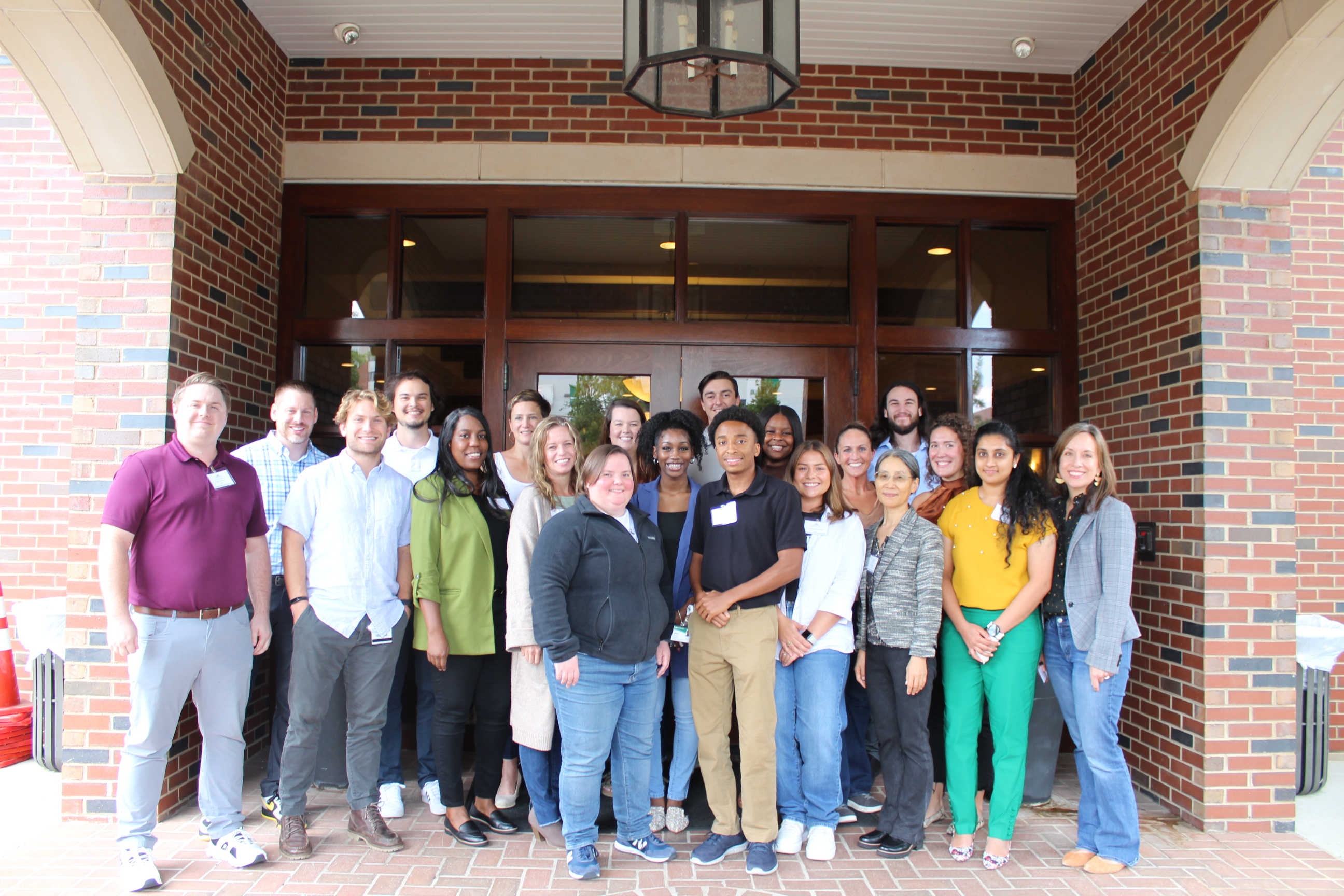
The new collaborative MS research center titled, Healthy Aging through LifesTyle in Multiple Sclerosis: The HALT MS Research Center, will facilitate collaboration among a core of six established MS or gerontology scientists on the UAB campus who will have the expressed mission of stimulating interdisciplinary research on lifestyle and wellness for healthy aging in MS. Other scientists involved in the center along with Motl include: Marcas Bamman, PhD; Cynthia Brown, MD; Gary Cutter, PhD; James Rimmer, PhD; and John Rinker II, MD. Motl stated, "The collaboration of researchers with expertise in MS and aging processes will accelerate the progress toward identifying lifestyle-based solutions for promoting healthy aging with MS." The HALT MS Research Center will represent an incubator that attracts investigators from diverse disciplines across the UAB campus through interdisciplinary, collaborative pilot research grants.
The center will create an exciting opportunity for transforming the lives of older adults with MS through a collaborative, interdisciplinary focus on health, wellness, and successful aging in MS through interventions that target lifestyle behaviors. The focus on lifestyle represents a novel opportunity for transformative research on healthy aging in MS. It will (a) identify behaviors (e.g., physical activity, nutrition, and stress management) that explain rates of decline in functioning and quality of life (QOL) among older adults with MS and (b) facilitate the design and delivery of interventions that target those factors for promotion of healthy aging in MS. This opportunity has untapped potential for exploration and discovery that can be actualized through the interaction and collaboration of experts in MS and gerontology.