
UAB recruits 26-scientist team to supercharge translational research


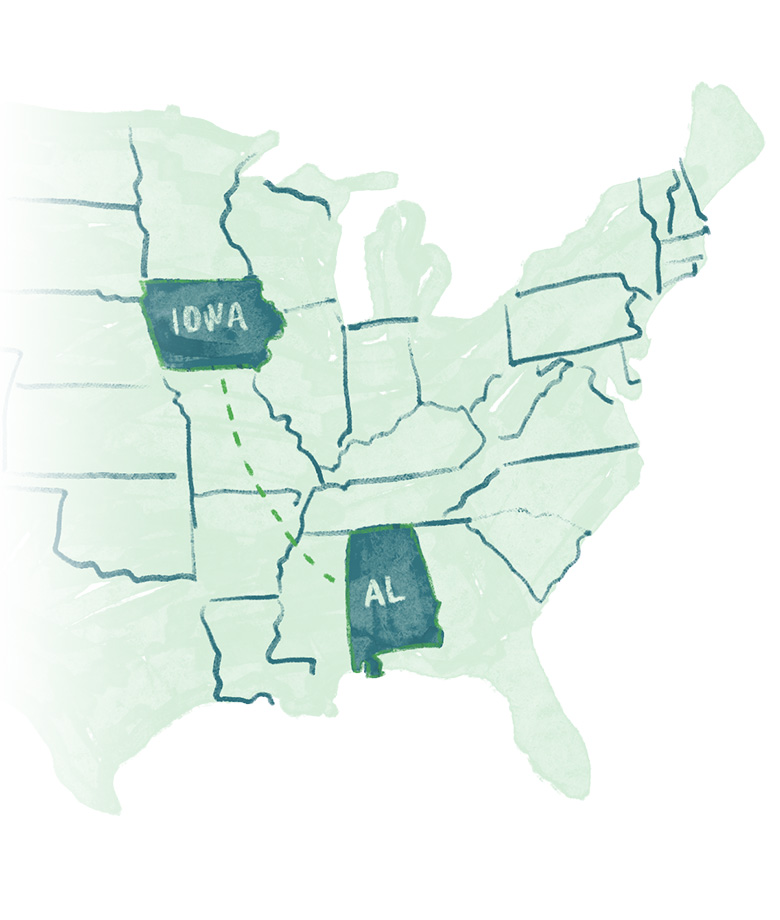
In May 2025, after more than 30 years at The University of Iowa, John Engelhardt, Ph.D., packed up his laboratory and traveled 881 miles to Birmingham to begin a new chapter in advancing cystic fibrosis (CF) and drug development research at UAB. For Engelhardt, the move wasn’t just about his personal success—it was about building something transformative for translational medicine while creating new opportunities for the team he has mentored and worked alongside for decades.
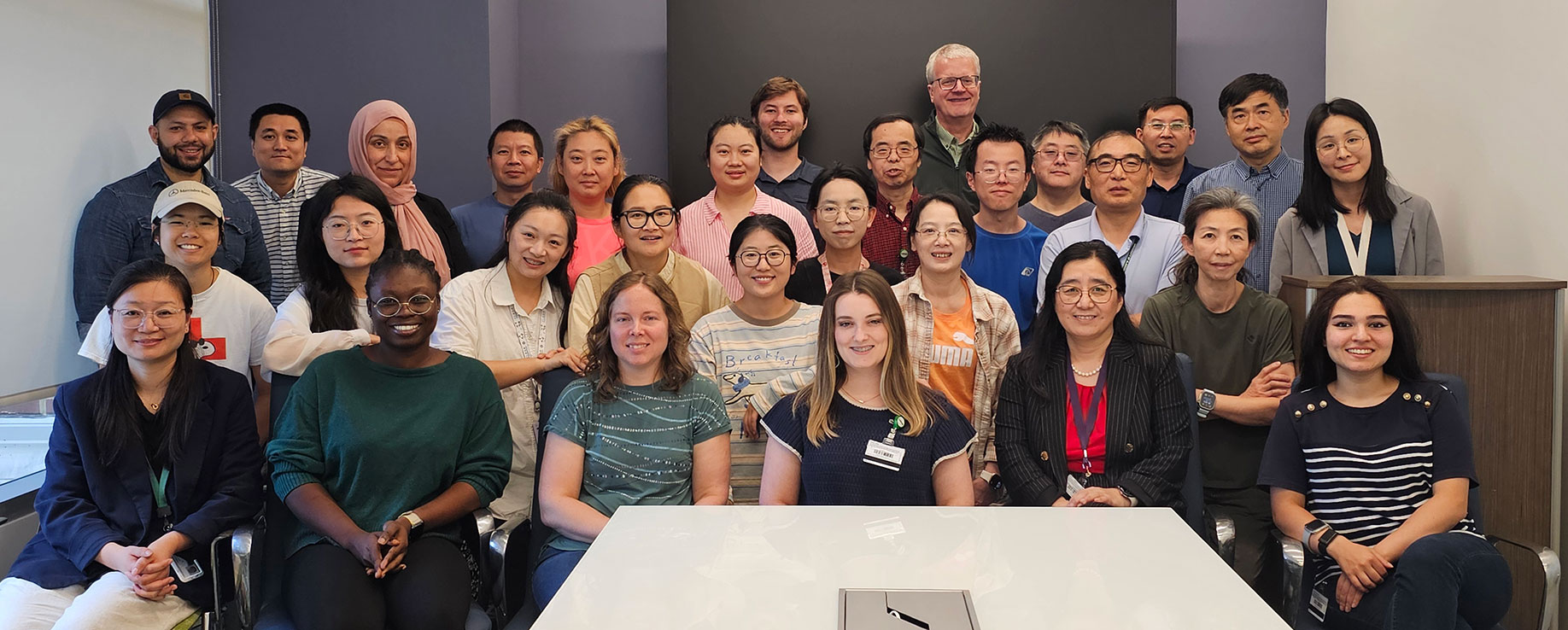
More than a year of negotiations, planning, and coordination culminated in Engelhardt and 25 members of his team relocating to Birmingham, bringing with them decades of scientific expertise and a shared vision for the future of translational research.
The story began in late 2023, when Mark Dransfield, M.D., professor and current chair of the UAB Department of Medicine, who was then the director of the Division of Pulmonary, Allergy and Critical Care Medicine, and Brian Davis, Ph.D., director of the UAB Gregory Fleming James Cystic Fibrosis Research Center, initiated discussions with Engelhardt, a renowned researcher known for his work developing genetically modified research models to study the molecular basis of cystic fibrosis disease pathologies as well as developing gene therapies for a range of disorders.
“We were working on a collaboration with the Cystic Fibrosis Foundation that would enable us to accelerate drug development in cystic fibrosis,” said Dransfield. “John’s success in this area made him the ideal candidate and a critical component of this initiative.”
Leaders across the institution were working to develop the National Therapeutics Resource Institute (NTRI) at UAB, an academic research organization designed to partner with pharmaceutical companies to develop therapies and evaluate how those therapies might perform before entering clinical trials. This new model would strengthen collaboration between the university and the pharmaceutical industry, advance UAB’s research mission, and help accelerate promising therapies more efficiently toward clinical applications.
As discussions progressed, stakeholders decided they wanted more than a cross-institutional collaboration with Engelhardt. They were interested in recruiting him and bringing his substantial research enterprise to UAB—including his team.
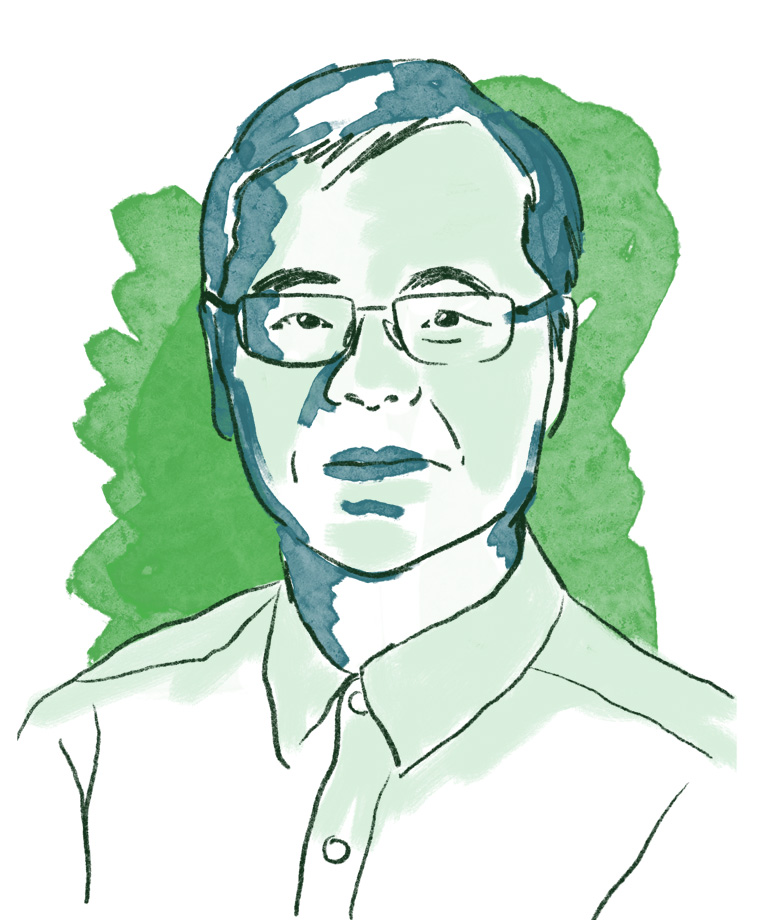
“I never expected to leave Iowa,” Engelhardt said. “But I knew the infrastructure we were trying to build was necessary to advance CF research and therapies and support the next generation of scientific leaders.”
Engelhardt said UAB’s supportive leadership allowed him to rethink and expand his long-term goals while creating new career opportunities for his team. From the beginning, he emphasized that the move would have to be a collective decision.
When Engelhardt introduced the idea to his team, reactions were mixed. Some expressed apprehension, while others viewed the move as a natural next step. “It felt natural for me to move with the lab because I’ve benefited greatly from Dr. Engelhardt’s leadership and mentorship,” said Yaling Yi, a research scientist in the Division of Pulmonary, Allergy and Critical Care Medicine and manager of the NTRI. Like many others, Yi had worked with Engelhardt for more than 20 years prior to the relocation.
Like Yi, many team members saw the move as a continuation of the work, collaboration, and trust they had built together over the years. Still, they had questions about life in Birmingham.
To address their concerns, a group of university leaders, including Dransfield and Davis, traveled to Iowa City to meet with the team in person. UAB later invited them to Birmingham to tour campus, meet potential collaborators, and explore local neighborhoods, schools, and community resources, giving families a firsthand look at life in the city.
Ultimately, the opportunity to expand their research as a team, paired with strong institutional support, convinced more than half of Engelhardt’s team to relocate. With the contributions of multiple operational units, UAB successfully recruited 25 members to join Engelhardt in Birmingham.
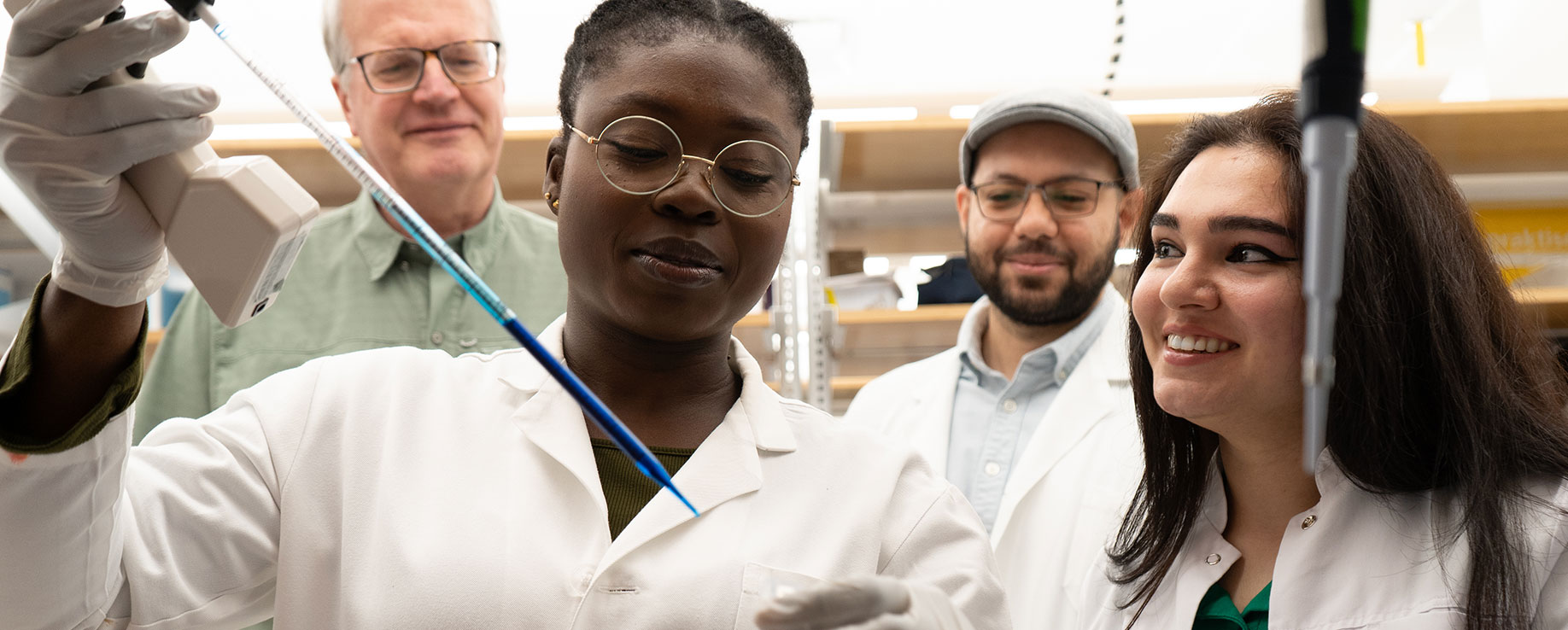
In their first year at UAB, the team has made significant progress toward the goals they set out to achieve, including prioritizing multidisciplinary research. For instance, Feng Yuan, Ph.D., assistant professor in the Division of Pulmonary, Allergy and Critical Care Medicine, whose work focuses on CF and pulmonary biology, has launched his own lab. “My laboratory is affiliated with both the division and the Cystic Fibrosis Research Center, vital to my research focus,” said Yuan.
He has also begun working with the UAB Polycystic Kidney Disease Group, collaborating with researchers like Jack Song, Ph.D., assistant professor in the UAB Department of Cell, Developmental, and Integrative Biology. Yuan said he’s excited to continue pursuing cross-disciplinary partnerships to broaden the scope of his research.
“The fact that UAB recognized that the team’s capabilities go far beyond CF, expanding our impact into areas like neuroscience, cancer, and aging, was an additional important component of the recruitment,” said Engelhardt.
Xingshen Sun, Ph.D., associate professor in the Division of Pulmonary, Allergy and Critical Care Medicine, specializes in developing advanced biomedical research models. He has begun applying those models to endocrine research. “One of the greatest strengths of the environment is the freedom to develop independent ideas,” Sun said, adding that the encouragement to explore disciplines beyond CF has been invaluable to his learning and discovery.
Davis said it has been a delight to observe the team’s many successes since arriving, including publications in respected journals and stellar reviews for National Institutes of Health (NIH) grant applications. “This is an especially stimulating and rewarding time to be at the UAB CF Research Center, witnessing significant growth and recognition,” Davis said.

While Engelhardt continues mentoring his team, he is also overseeing the development of a new research facility within the UAB CF Research Center. The initiative, funded by the NIH, is designed to support fast-paced scientific discovery by making advanced technology more accessible and efficient for researchers. It will include expanded systems, new databases, and updated infrastructure to support the transgenic models.
“Dr. Engelhardt’s impact is already being felt,” said Steven Rowe, M.D., professor in the Division of Pulmonary, Allergy and Critical Care Medicine and executive vice president and chief scientific officer of the Cystic Fibrosis Foundation. “I have no doubt that the teams will continue reaching new levels of scientific impact as we enter a profound era of innovation in genetic medicine.”
Outside the lab, the team has worked just as diligently to learn more about their new city. Many members have embraced the area’s parks. Sun shared a particular fondness for Aldridge Gardens, admiring its walking trails and scenic views. Some have found a sense of tranquility in starting their own gardens.
Others have sampled the city’s cultural arts, including visits to the Alabama Theatre. Team members have also explored Birmingham’s widely praised food scene, with Sun pointing to restaurants such as Epice Birmingham and Stone Age Korean BBQ & Hotpot as favorites.
The heart of this remarkable story underscores exceptional leadership and a culture of trust—qualities that not only made a recruitment of this scale possible, but that team members agree are essential to accelerating and expanding the long-term impact of their research.
For UAB, the team’s relocation marks a major investment in collaborative science and translational discovery. With decades of shared expertise, Engelhardt and his colleagues are helping strengthen UAB’s position as a national leader in cystic fibrosis research, genetic medicine, and the development of therapies that improve the lives of patients with CF and far beyond.
Read more stories from UAB Medicine Magazine.