Department of Pathology
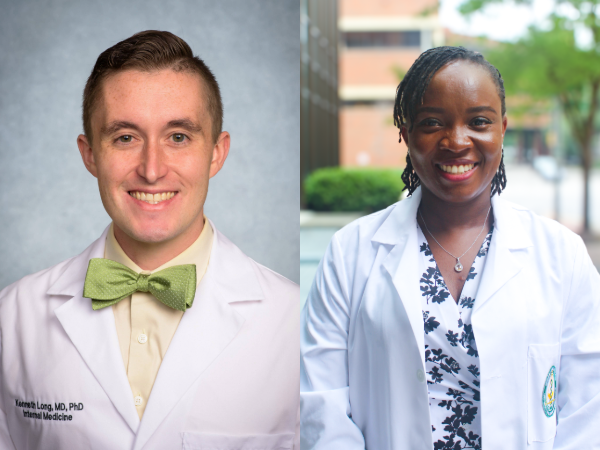
Two trainees in the Department of Pathology received first place for their poster presentations at the 42nd Annual Trainee Research Symposium hosted by the Department of Medicine.
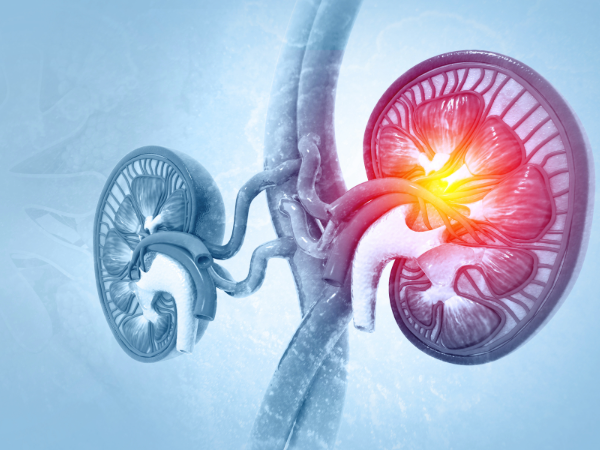
When a patient undergoes an organ transplant, failure to match the donor and recipient can lead to the recipient's immune system attacking the new organ, a process triggered by a specific HLA (human leukocyte antigen) protein. In a recent study published in Immunity, UAB researchers uncovered consistency in how the immune system decides which part of the foreign HLA protein to attack—information that could help improve transplant success.

In March, several of our colleagues were recognized for their years of service working at UAB and the Department of Pathology. The UAB Service Awards honor employees at each five-year milestone who have completed five or more years of service to UAB.

The emergence of Artificial Intelligence (AI) in healthcare has shown robust potential for future utilization. One common application is its ability to provide quality assurance for practitioners in various specialties. This direction is the vision of Daniel Atherton, M.D., an associate professor in the Department of Pathology’s Division of Forensics, who worked with colleagues from the Institute for Biomedical Innovation to develop WoundX, a software tool for gunshot wound classification.
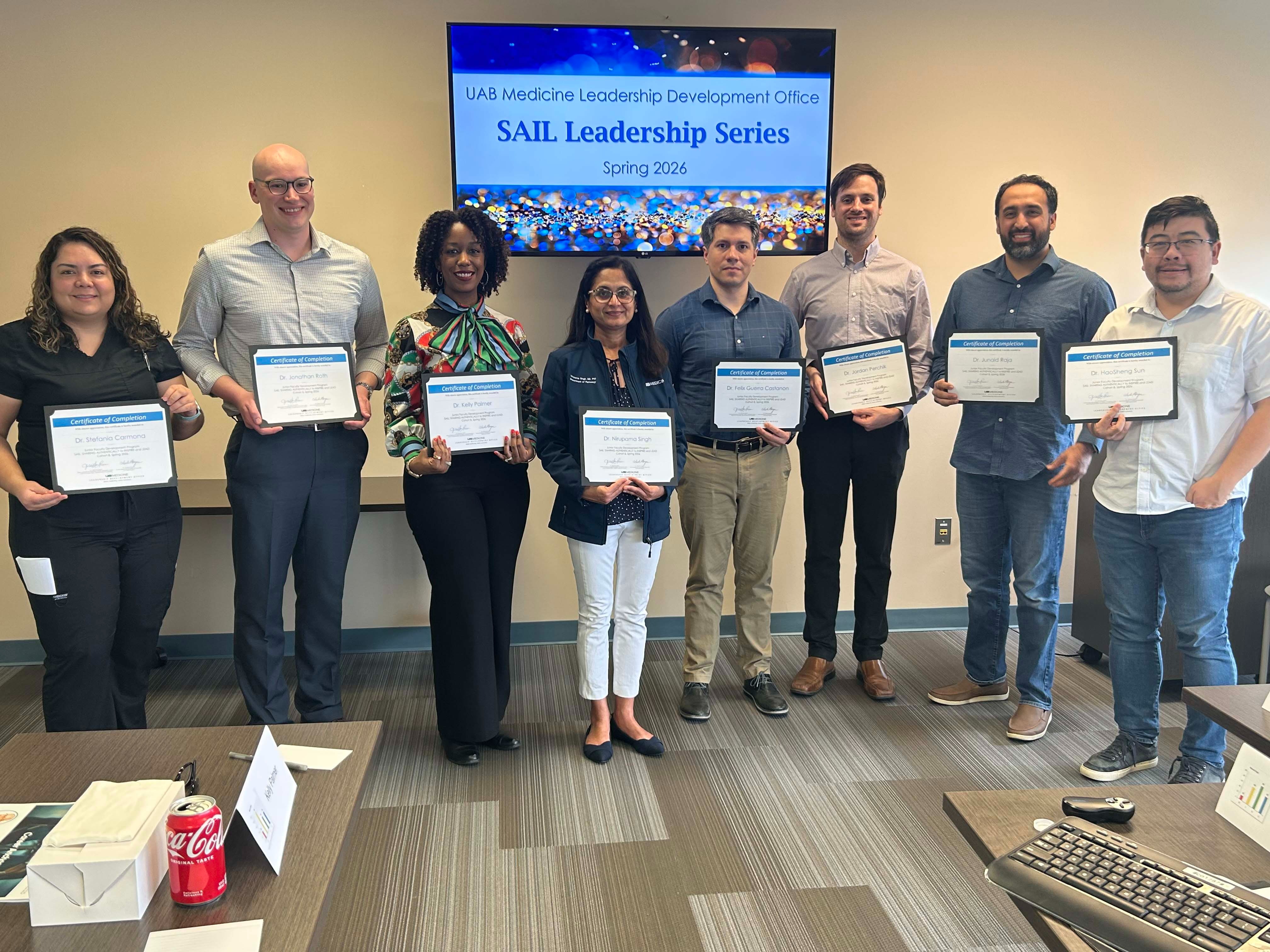
UAB Medicine’s Leadership Development Office (LDO) recognized eight faculty members who graduated from cohort 8 of the SAIL (Sharing Authentically to Inspire and Lead) program for spring 2026. The program supports junior faculty as they develop authentic leadership approaches, strengthen professional networks, and navigate the unique challenges of early academic careers.

Joanne Murphy-Ullrich, Ph.D., a professor emeritus in the Division of Molecular and Cellular Pathology, was recently elected by the British Society for Matrix Biology (BSMB) as its 2026 recipient of the BSMB Medal Award. This award is given in recognition of outstanding contributions to the field of matrix biology through a distinguished career. Murphy-Ullrich will be recognized at the 2026 BSMB Spring Meeting in Manchester.

Peter Anderson, D.V.M., Ph.D., a professor emeritus in the Division of Molecular and Cellular Pathology, has recently been awarded the Edward Patrick Finnerty Lifetime Achievement Award by the International Association of Medical Science Educators (IAMSE). This award is given to an individual who has demonstrated sustained commitment to the advancement of the IAMSE through exceptional contributions to the organization. Anderson will be recognized at the 30th Annual IAMSE Conference in June.
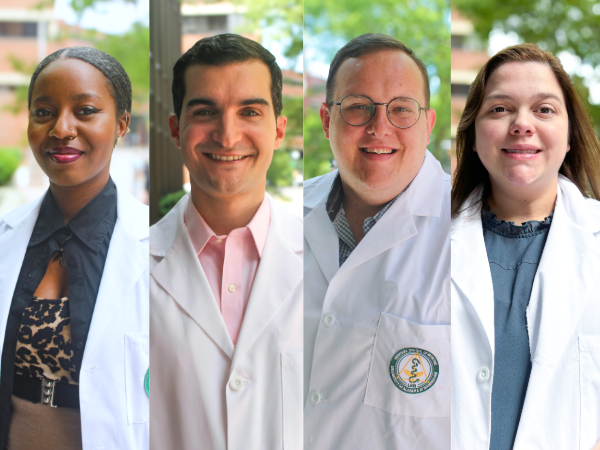
One fellow and three residents were elected to the Alpha Omega Alpha Honor Society (AΩA) in the UAB Heersink School of Medicine. Falone Amoa, M.D., M.S., Gian Piero Carames, M.D., PGY4, Nicholas Eisele, D.O., PGY2, Chief Resident, Education and Outreach, and Alyssa Lee, M.D., M.S., PGY4, were selected to join the Honor society in February.

Craig Mackinnon, M.D., Ph.D., MSHA, Robert B. Adams Endowed Professor, Division Director, Genomic Diagnostics and Bioinformatics, has been named director of the Clinical Laboratory Improvement Amendments (CLIA) Laboratory by UAB Hospitals, effective immediately.
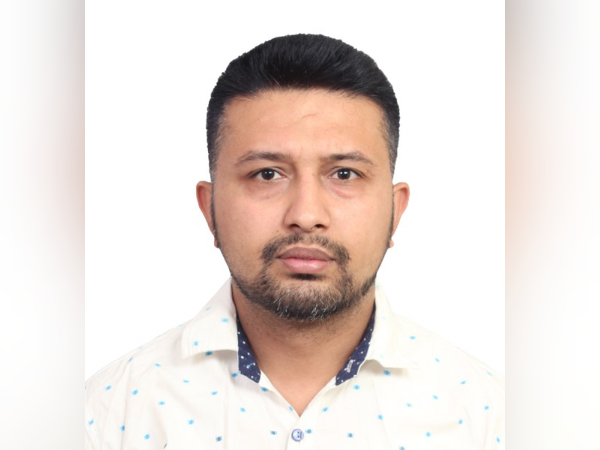
Laxman Poudel, Ph.D., a postdoctoral trainee in the laboratory of Rakesh Patel, Ph.D., Victor Darley-Usmar, Ph.D., Endowed Professor, Division Director, Molecular & Cellular Pathology, is a recipient of the 2026 American Heart Association Postdoctoral Fellowship.
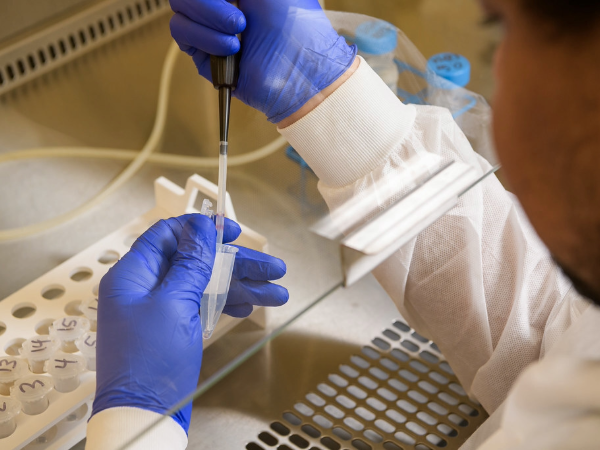
Researchers in the Division of Genomic Diagnostics and Bioinformatics recently developed three new laboratory tests: IDH1 R132 Mutation Analysis, TERT Promoter Mutation Analysis and MLH1 Methylation Analysis by Methylation-Specific PCR and MassArray. These tests help provide more accurate diagnoses and support the development of effective treatment plans.
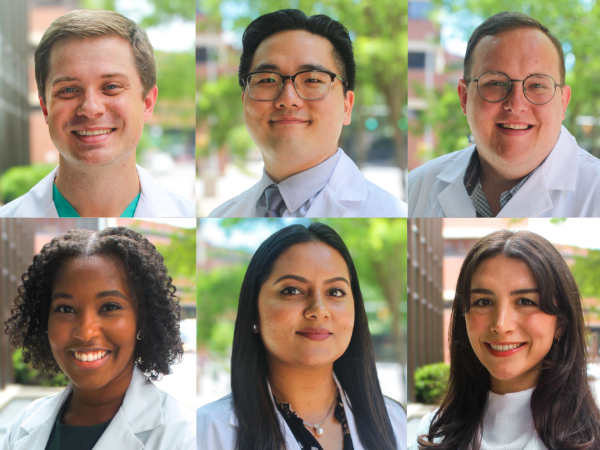
The UAB Department of Pathology is excited to announce our chief residents for the 2026-27 year and thank our 2025-26 chiefs.
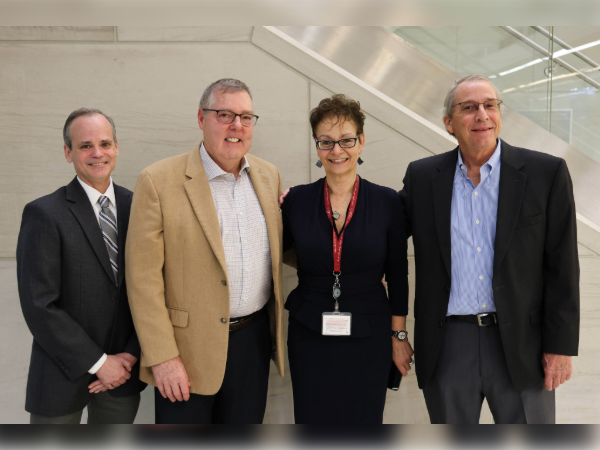
On January 21, the UAB Department of Pathology honored Peter Anderson, D.V.M., Ph.D., Professor Emeritus, Division of Molecular and Cellular Pathology, with a reception celebrating his retirement featuring colleagues, family and friends of Dr. Anderson.

The UAB Department of Pathology launched its digital pathology initiative in November 2024. Today, the effort is only gaining momentum. The program’s implementation is scheduled to be completed by June 2026, but the journey has only just begun.
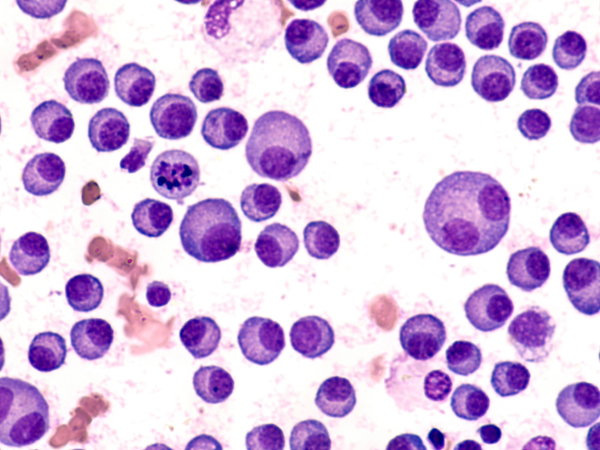
Multiple myeloma is the second most common blood cancer in the United States, and it is more common in men, with an estimated 20,030 new male cases diagnosed in 2025. Multiple myeloma is the accumulation of clonally expanded plasma cells in the bone marrow, with risk factors such as age, race, family history of plasma cell disorder and male sex. It has been unclear why an increased risk of multiple myeloma occurs for men.
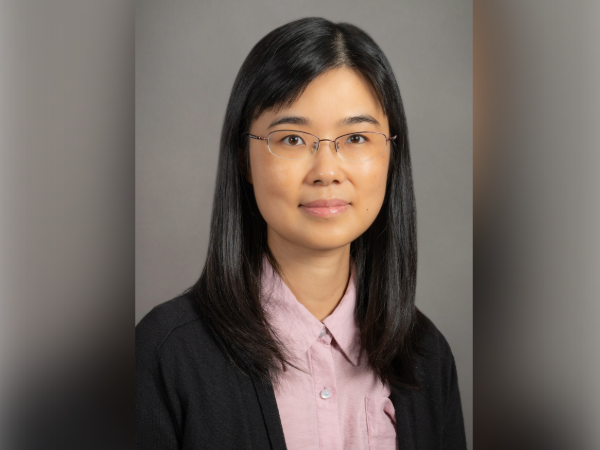
The Department of Pathology is pleased to announce a new faculty member joining our team, effective January 15.
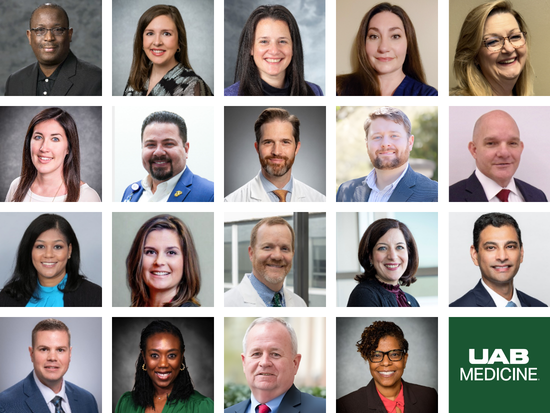
UAB Medicine’s Leadership Development Office would like to welcome 19 individuals in its 12th cohort of the Institute for Leadership in the spring of 2026. The goal of the UAB Medicine Institute for Leadership is to enhance existing personal, leadership, and management competencies while leveraging current leadership strategies and trends. The 6-month program features guest speakers from executive-level leadership positions at UAB, including former graduates of the Institute for Leadership.
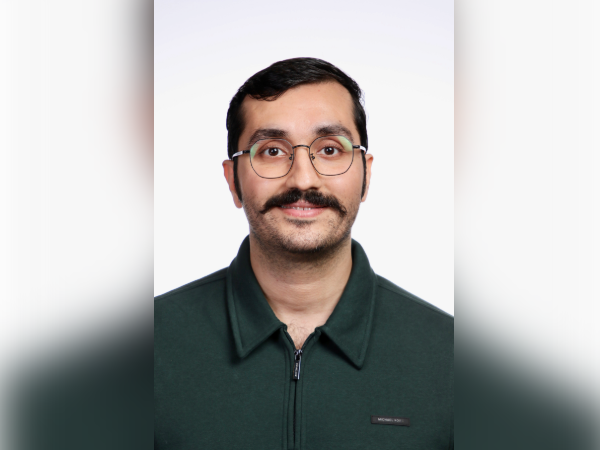
The UAB Department of Pathology recently funded a $500 travel award to Saeed Zakakhosravi, M.S., who presented his research last month.
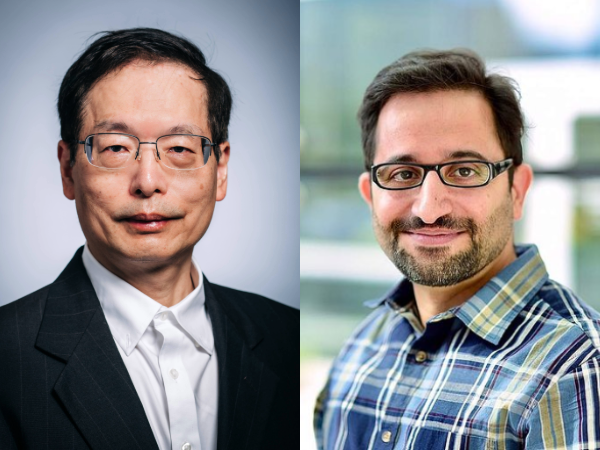
Shu Chen, Ph.D., Ona Faye-Petersen Endowed Professor in the Division of Neuropathology, and Anupam Raina, Ph.D., a postdoctoral fellow in the Chen lab, co-authored a manuscript that was recently selected as an “Editors’ Pick” by the Journal of Biological Chemistry. The paper, titled, “Skin-derived α-synuclein strains from PD, DLB, and MSA induce distinct intracellular pathology and neurodegeneration,” was selected by the editors for its exceptional contribution to the field.
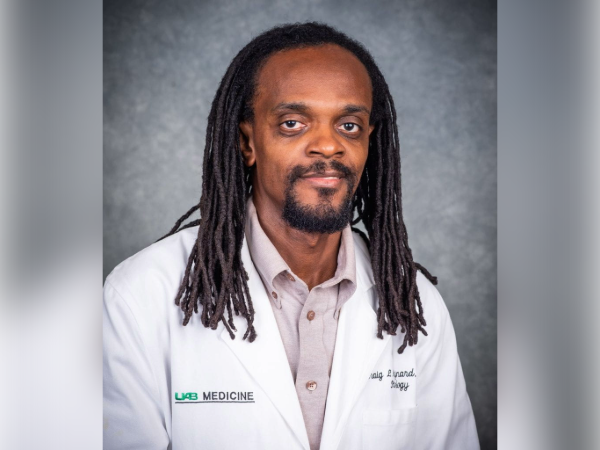
The human intestine is home to trillions of microscopic organisms, including hundreds of species of bacteria. In most people, these bacteria co-exist peacefully and contribute to a mutually beneficial relationship, with both human and bacteria deriving important benefits from the other. In certain individuals, however, specific bacteria are believed to provoke inflammation that characterize diseases such as Crohn’s disease.