Department of Biomedical Informatics and Data Science
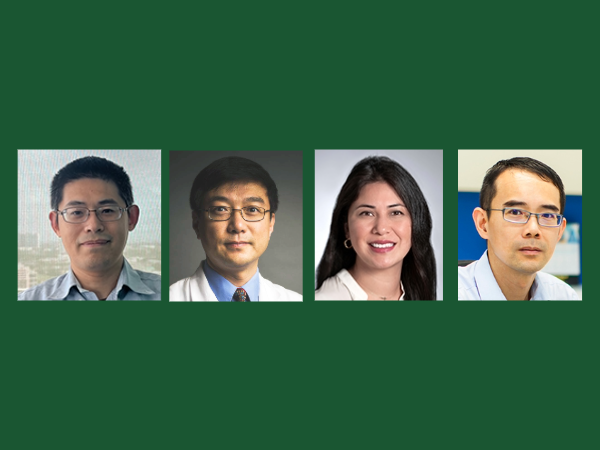
The UAB Comprehensive Diabetes Center (UCDC) has selected four recipients for its 2026 Seed Funding Program focused on Precision Diabetes.
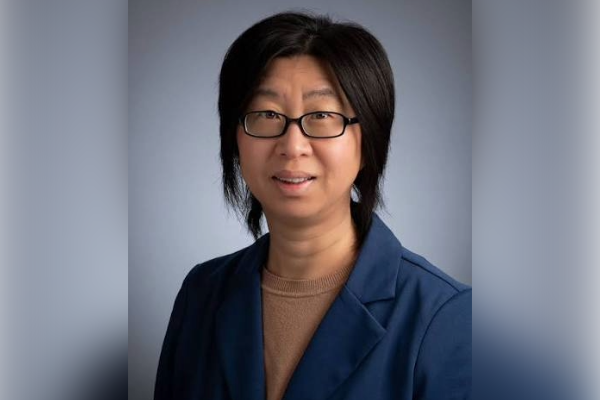
A study led by Lana Garmire, Ph.D., professor and vice chair of research in the Department of Biomedical Informatics and Data Science, was published in Nature Biomedical Engineering. The study introduces HisToSpatialCNV, an artificial intelligence tool that uses a graph neural network model to predict spatial Copy Number Variations (CNVs) directly from routine H&E pathology images, for the first time.

The Zhang Lab has achieved an exceptional milestone with 12 abstract presentations accepted for the American Heart Association (AHA) 2026 Scientific Sessions, highlighting the breadth, productivity, and scientific impact of the laboratory’s research program. The 2026 Scientific Sessions will take place Nov. 6-9, 2026 in Chicago, Illinois.
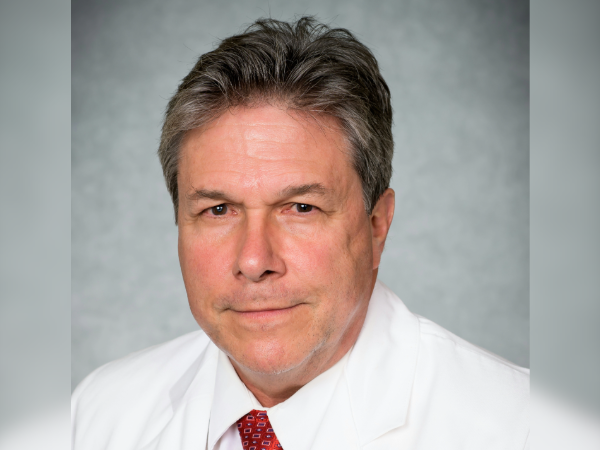
James J. Cimino, M.D., Distinguished Professor of Medicine and chair of the Department of Biomedical Informatics and Data Science, served as a keynote speaker at the 14th International Conference on Intelligent Biology and Medicine (ICIBM 2026).

The UAB Systems Pharmacology AI Research Center (SPARC) has launched the 2026 SPARC Drug Discovery CollaboFest, a collaborative challenge inviting multidisciplinary teams to turn promising biomedical insights into experimentally testable therapeutic strategies.
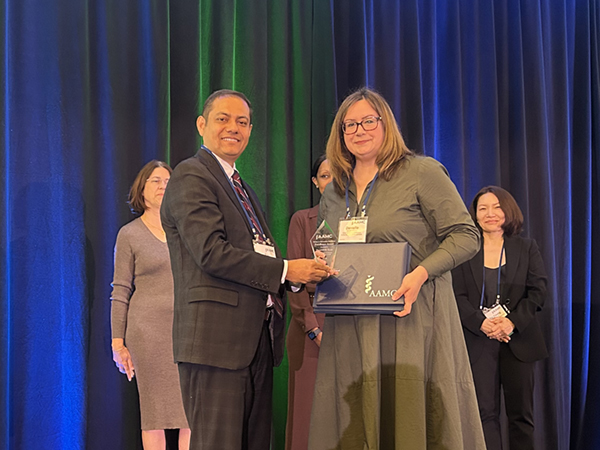
DataLENS, a robust clinical data access tool jointly managed by the Department of Biomedical Informatics and Data Science and the Center for Clinical and Translational Science, was awarded the AAMC Group on Information Resources (GIR) Excellence Award.
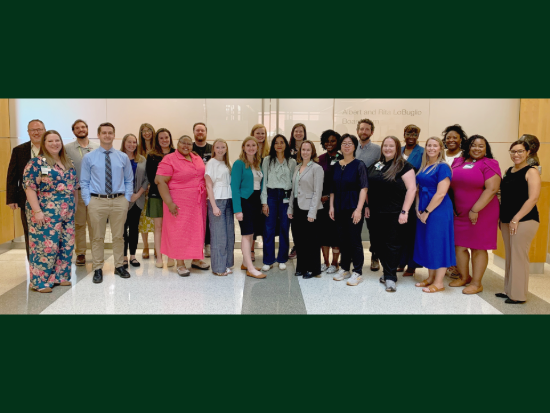
The UAB Medicine Leadership Development Office (LDO) is proud to honor the latest graduates of the Emerging Leaders Series (ELS) — 24 accomplished professionals who represent the breadth and strength of our institution.
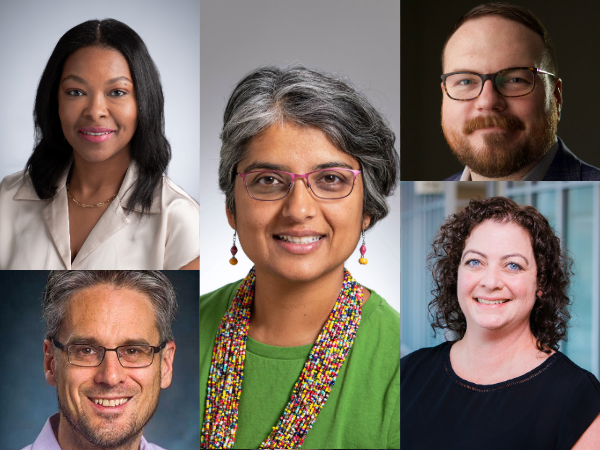
Four projects have been selected as the inaugural awardees of the Dr. Latesha E. Elopre Health Across the Lifecourse (HEAL) Pilot Program, supporting innovative research designed to improve health outcomes across the lifespan.
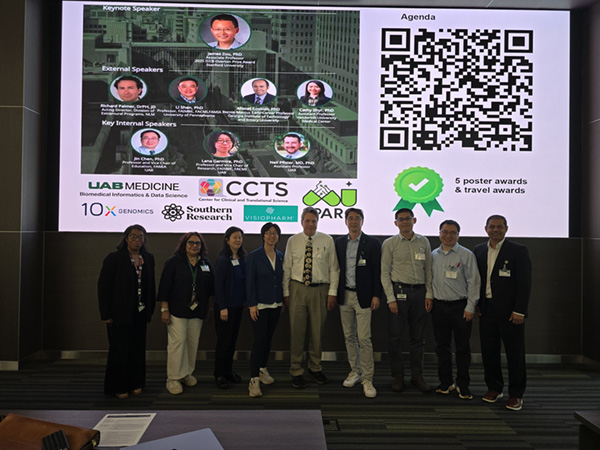
The 10th Annual Translational and Transformative Informatics Symposium (ATTIS) brought together investigators, clinicians, trainees, and industry leaders to explore how artificial intelligence is accelerating discovery and improving patient care.
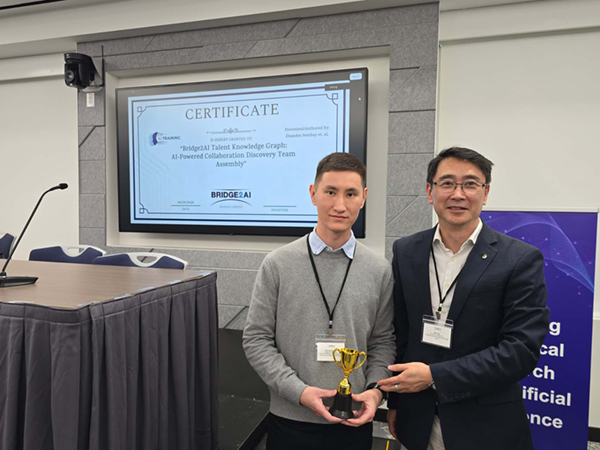
A team from the UAB Systems Pharmacology AI Research Center (SPARC) received a Certificate of Innovation in Biomedical AI at the national Bridge2AI Spring 2026 All-Hands Meeting
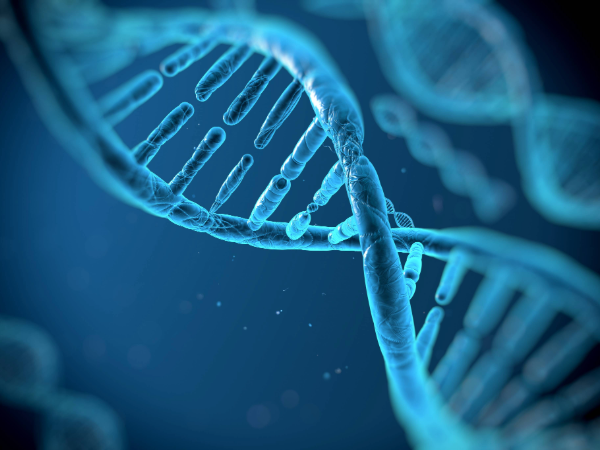
UAB researchers are leading a large national effort to determine whether delivering personalized genetic risk information to patients and their doctors can meaningfully improve preventive healthcare for common chronic diseases
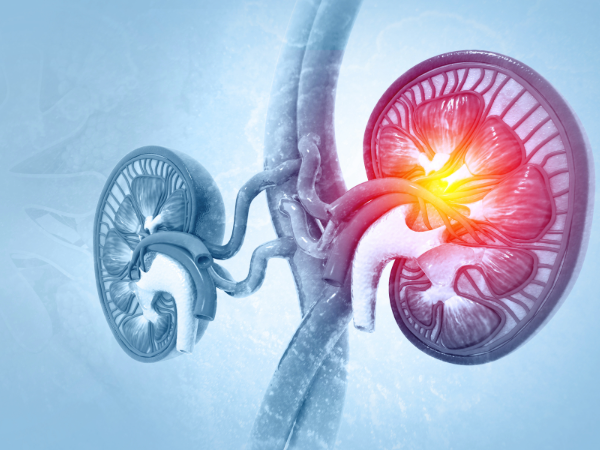
When a patient undergoes an organ transplant, failure to match the donor and recipient can lead to the recipient's immune system attacking the new organ, a process triggered by a specific HLA (human leukocyte antigen) protein. In a recent study published in Immunity, UAB researchers uncovered consistency in how the immune system decides which part of the foreign HLA protein to attack—information that could help improve transplant success.
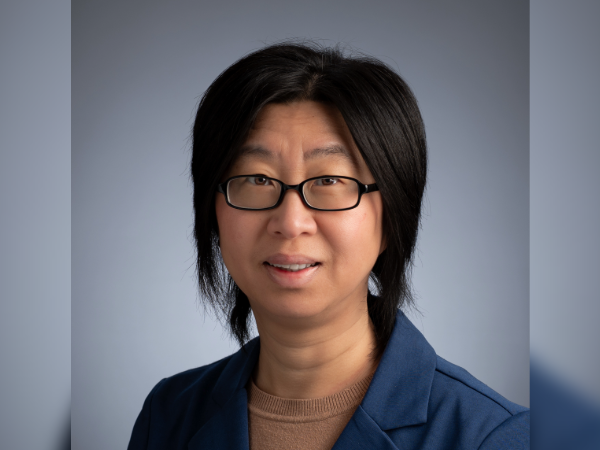
Lana Garmire, Ph.D., professor and vice chair of Research in the Department of Biomedical Informatics and Data Sciences, has been elected a Fellow of the American College of Medical Informatics.
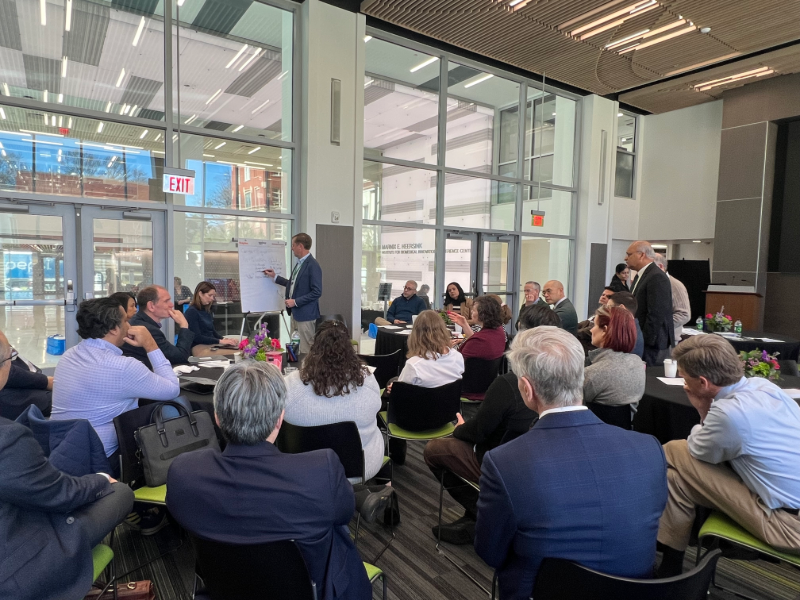
The Department of Biomedical Informatics and Data Science (DBIDS) is spotlighting its expanded leadership team, featuring four vice chairs whose expertise strengthens the department’s mission.
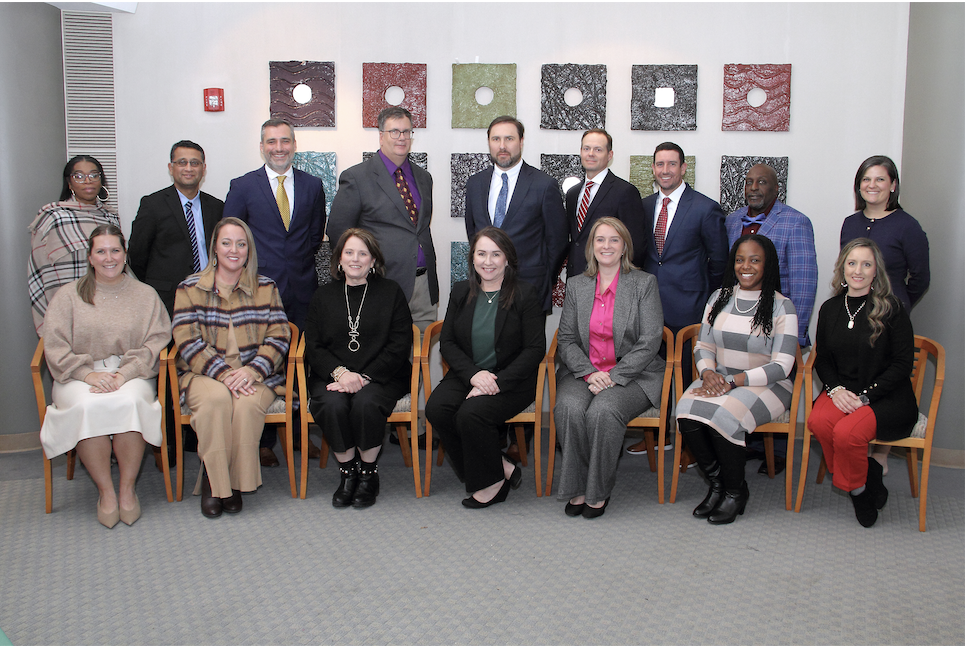
UAB Medicine’s Leadership Development Office (LDO) celebrated the graduation of the 11th cohort from the Institute for Leadership on Thursday, Dec. 4, 2025.
The UAB Systems Pharmacology AI Research Center (SPARC), led by Jake Y. Chen, Ph.D., director of SPARC and professor in the Department of Biomedical Informatics and Data Science, has achieved a milestone recognition at the 1st Open Conference of AI Agents for Science 2025 hosted by Stanford University.
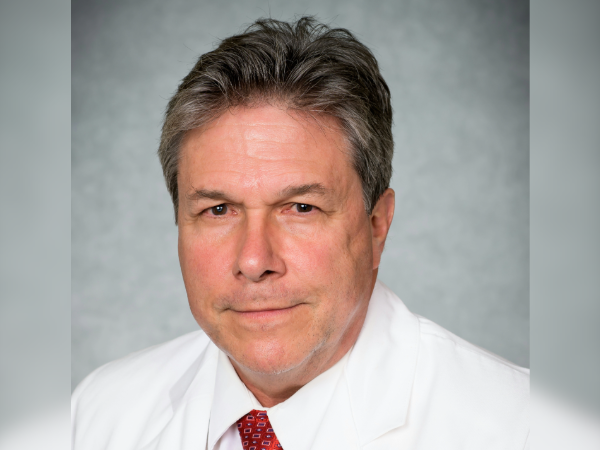
The American Medical Informatics Association (AMIA) 2025 Annual Symposium will conclude with a keynote presentation from James Cimino, M.D., distinguished professor of Medicine and chair of the Department of Biomedical Informatics and Data Science.

UAB’s SPARC center played a leading role at the 2025 BIOKDD workshop. The event featured cutting-edge AI research from UAB’s HySonLab and keynotes from leaders in data mining, highlighting BIOKDD’s ongoing impact on biomedical innovation.
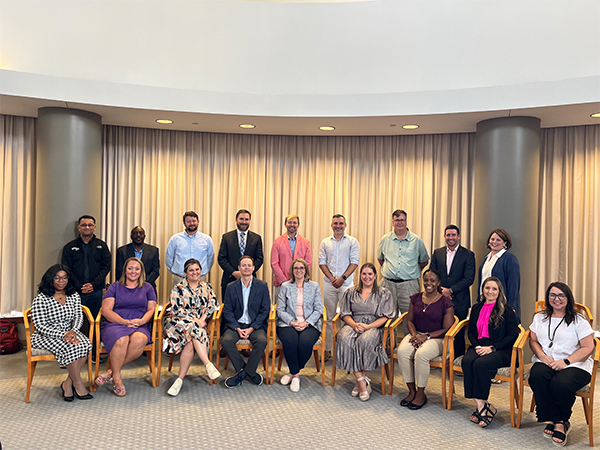
UAB Medicine’s Leadership Development Office welcomed 18 individuals in its 11th cohort of Institute for Leadership in August 2025.

The UAB Systems Pharmacology AI Research Center (SPARC) is redefining decentralized drug discovery by transforming new scientific findings into actionable drug candidates. In response to an April 2025 Cell paper revealing a novel role of PHGDH in Alzheimer’s pathology, SPARC rapidly applied its AI-driven GeneTerrain Knowledge Maps (GTKM) platform to validate the mechanism and generate 18 small-molecule PHGDH inhibitors.
Genomic sequencing is rapidly changing health care and is becoming a routine part of electronic health records (EHRs). But while today’s EHRs can support common clinical decision support (CDS) tools — like medication or allergy alerts — they often fall short when it comes to using genetic information to guide care.
James J. Cimino, M.D., Distinguished Professor of Medicine and chair of the Department of Biomedical Informatics and Data Science, has been invited as a keynote speaker at the prestigious 20th World Congress on Medical and Health Informatics (MedInfo 2025).
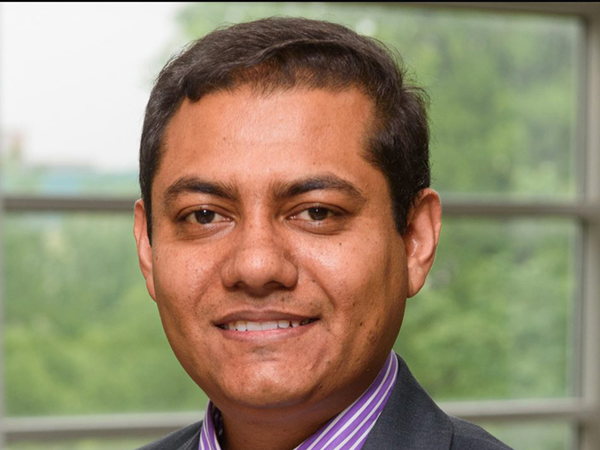
The Department of Biomedical Informatics and Data Science is pleased to announce the appointment of Abu Saleh Mohammad Mosa, Ph.D., M.S., FAMIA, as vice chair for Clinical Research Informatics.
The Department of Biomedical Informatics and Data Sciences is proud to announce the launch of its new Ph.D. program in Biomedical and Health Informatics (BHI-PhD). This interdisciplinary program is positioned to train the next generation of leaders in a rapidly evolving field.
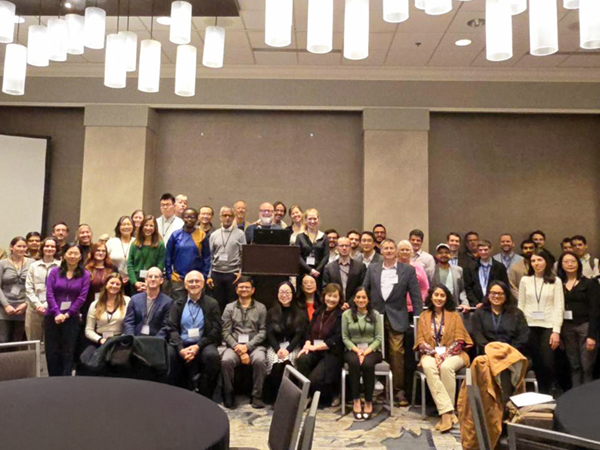
In March, over 100 researchers, data scientists, and program collaborators gathered in Bethesda, Maryland, for the 2025 Common Fund Data Ecosystem (CFDE) spring meeting.
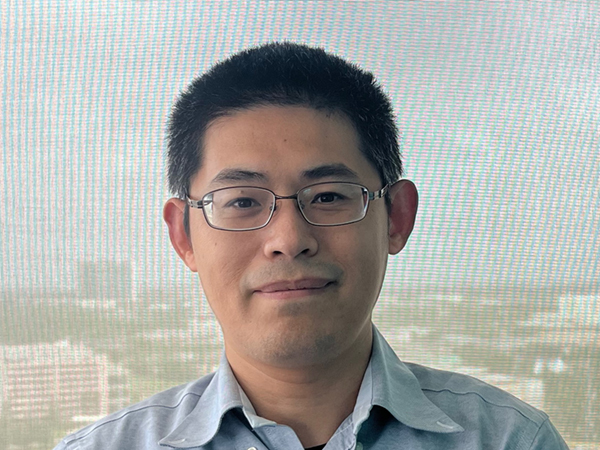
The Department of Biomedical Informatics and Data Science welcomes new assistant professor, Jinzhuang Dou, Ph.D.

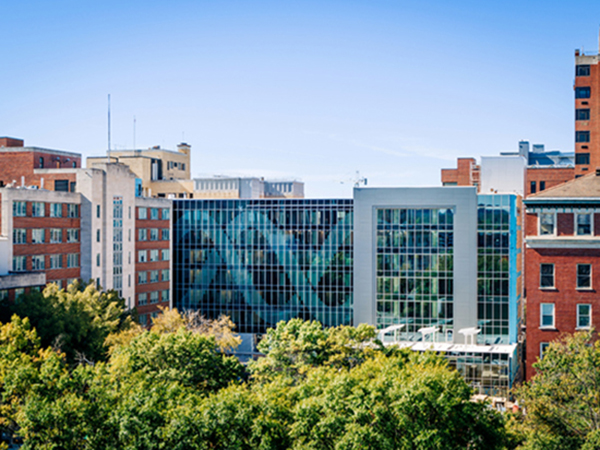
The Annual Translational and Transformative Informatics Symposium, hosted by the Department of Biomedical Informatics and Data Science, marked a key milestone this year by partnering with the Inaugural AI Nephrology Symposium. Held in the newly opened Altec/Styslinger Genomic and Data Sciences Building, this joint event was the first to take place in the state-of-the-art facility.
Each year, the Annual Translational and Transformative Informatics Symposium (ATTIS), hosted by the Department of Biomedical Informatics and Data Sciences, brings together faculty, postdoctoral fellows, and trainees from across the country to share updates and insights into bioinformatics research.

In February, the Department of Biomedical Informatics and Data Science welcomed new faculty Assistant Professor Jiancheng Ye, Ph.D.
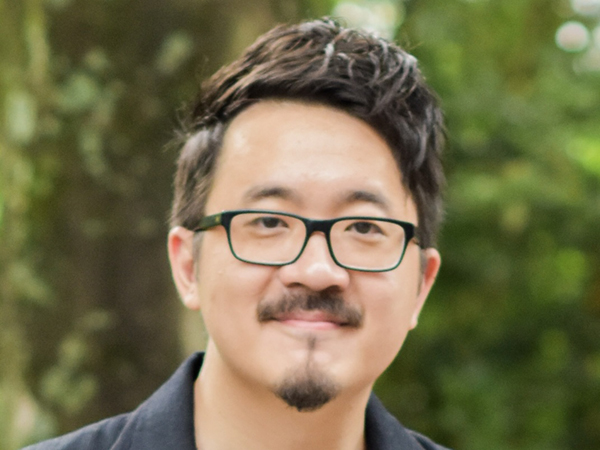
The Systems Pharmacology AI Research Center (SPARC) is excited to announce a new addition to its leadership team, Sixue Zhang, Ph.D.

Jin Chen, Ph.D., vice chair for Education in the Department of Biomedical Informatics and Data Sciences, has been awarded the Priya Nagar, M.D., Innovation Award for Kidney-Related Diseases
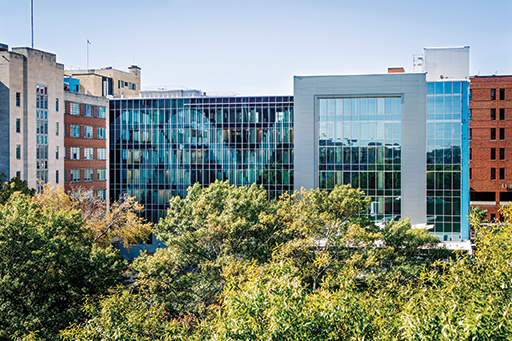
The UAB campus is rapidly being reimagined through numerous new construction and building renovation projects. These include projects that directly support the goals of UAB’s Forging Ahead strategic plan and Research Strategic Initiative: Growth with Purpose, which set a goal of increasing research expenditures to $1 billion, from $774.5 million in fiscal year 2023. Several projects also advance the Heersink School of Medicine’s strategic goals across its mission pillars in clinical care, medical education, and biomedical research.
UAB Heersink School of Medicine is delighted to announce that Tiago Colicchio, Ph.D., has been elected as a Fellow of the American Medical Informatics Association (FAMIA). This prestigious honor reflects his outstanding contributions and dedication to the field of medical informatics.
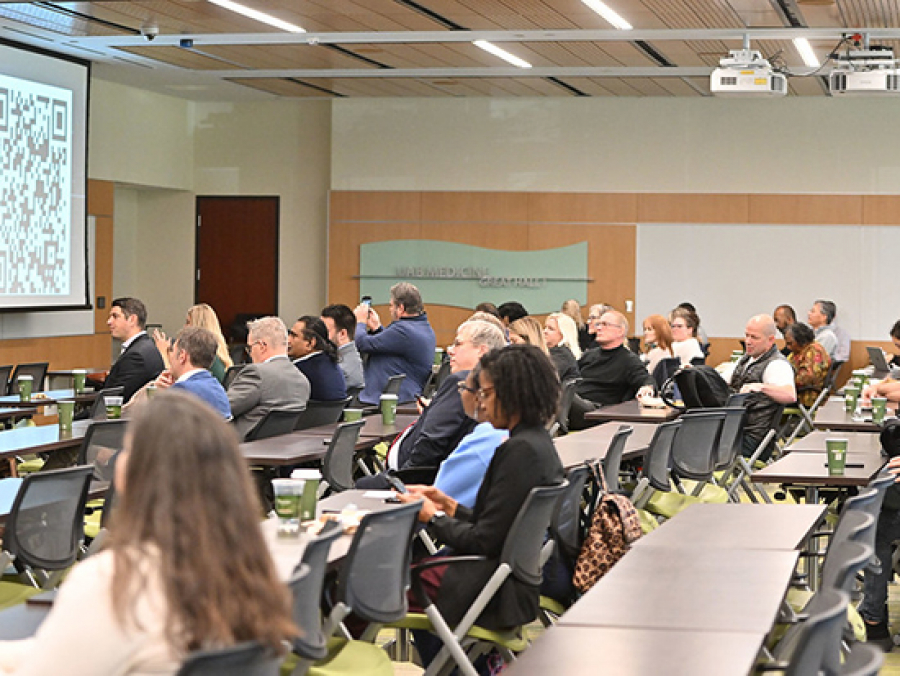
The AI in Medicine and Nursing Symposium, hosted by the UAB Heersink School of Medicine, UAB Medicine, UAB School of Health Professions, UAB School of Nursing, and Maastricht University Faculty of Science and Engineering, concluded successfully, bringing together leading experts, researchers, and industry representatives to explore the transformative potential of artificial intelligence (AI) in health care.
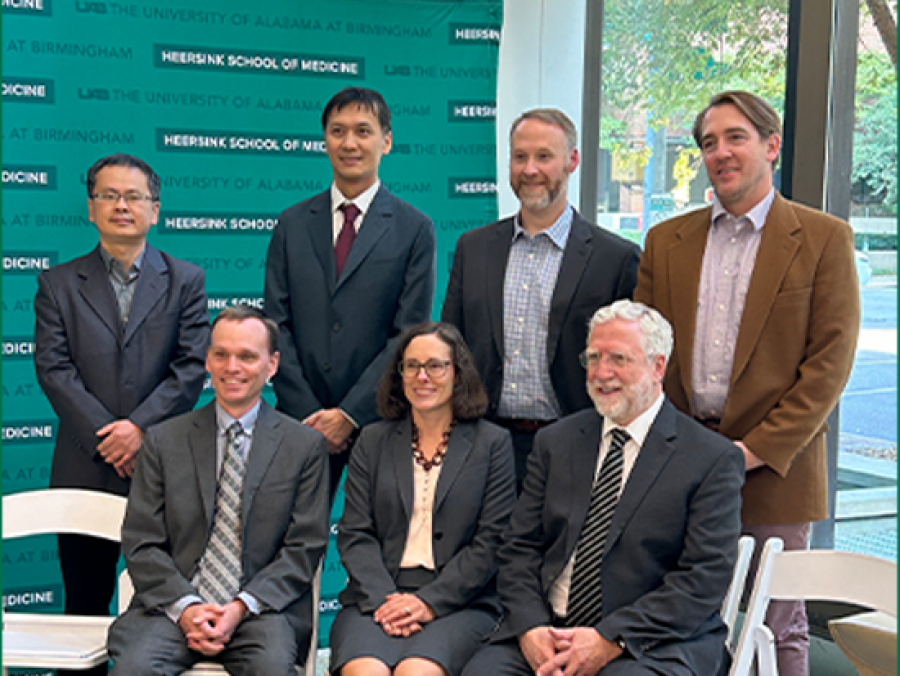
The Heersink School of Medicine honored the achievements of eight esteemed faculty members during the Fall 2024 Endowed Chairs and Professorships Reception, held Oct. 29 at the Wallace Tumor Institute. Families, faculty, and leaders of the Heersink School of Medicine joined the honorees to celebrate their outstanding contributions to medical education and research. Anupam Agarwal, M.D., dean of the Heersink School of Medicine, opened the event by welcoming guests and recognizing the significance of these prestigious appointments.
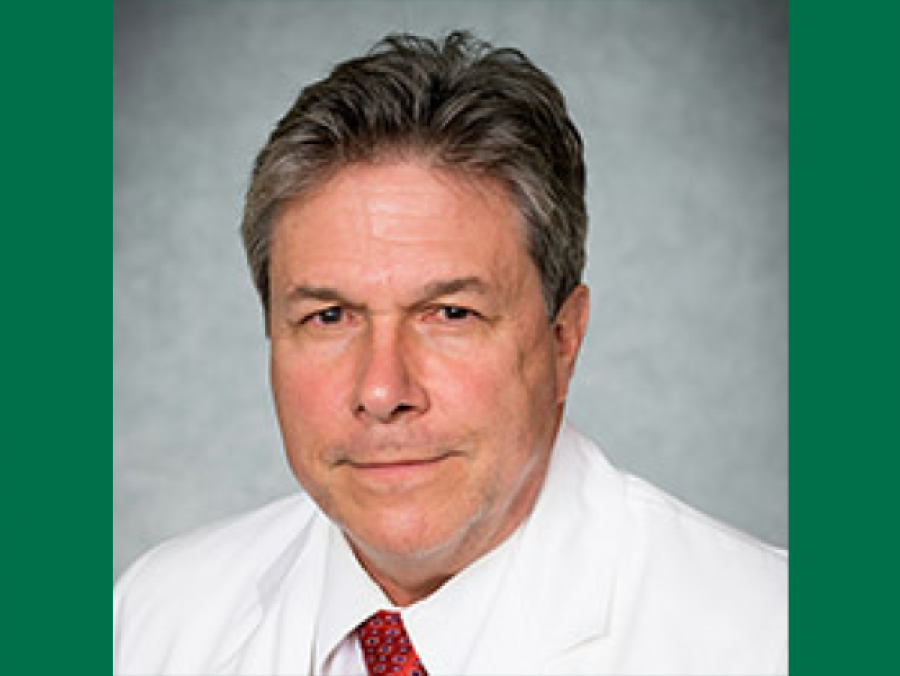
James Cimino, M.D., distinguished professor of Medicine and chair of the Department of Biomedical Informatics and Data Science at the University of Alabama at Birmingham, will deliver the closing keynote address at the prestigious American Medical Informatics Association (AMIA) 2024 Annual Symposium. The event, which will be held Nov. 9-13, 2024, in San Francisco, California, will bring together global leaders and experts in biomedical and health informatics.
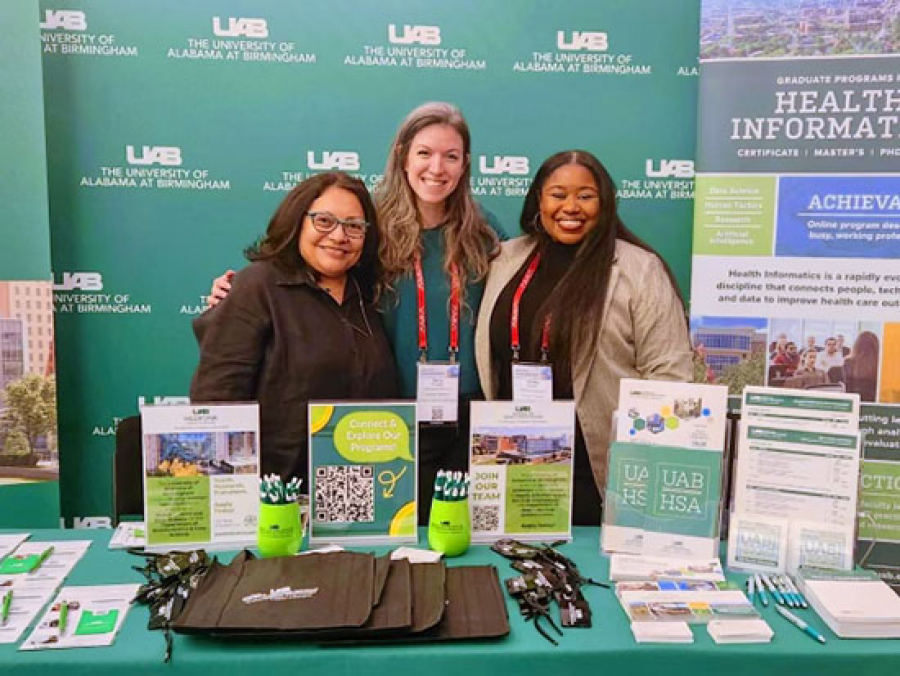
The American Medical Informatics Association (AMIA) 2024 Annual Symposium, held November 9-13 in San Francisco, brought together thousands of leaders, researchers, and professionals in the biomedical and health informatics space to explore current and future topics in the field.
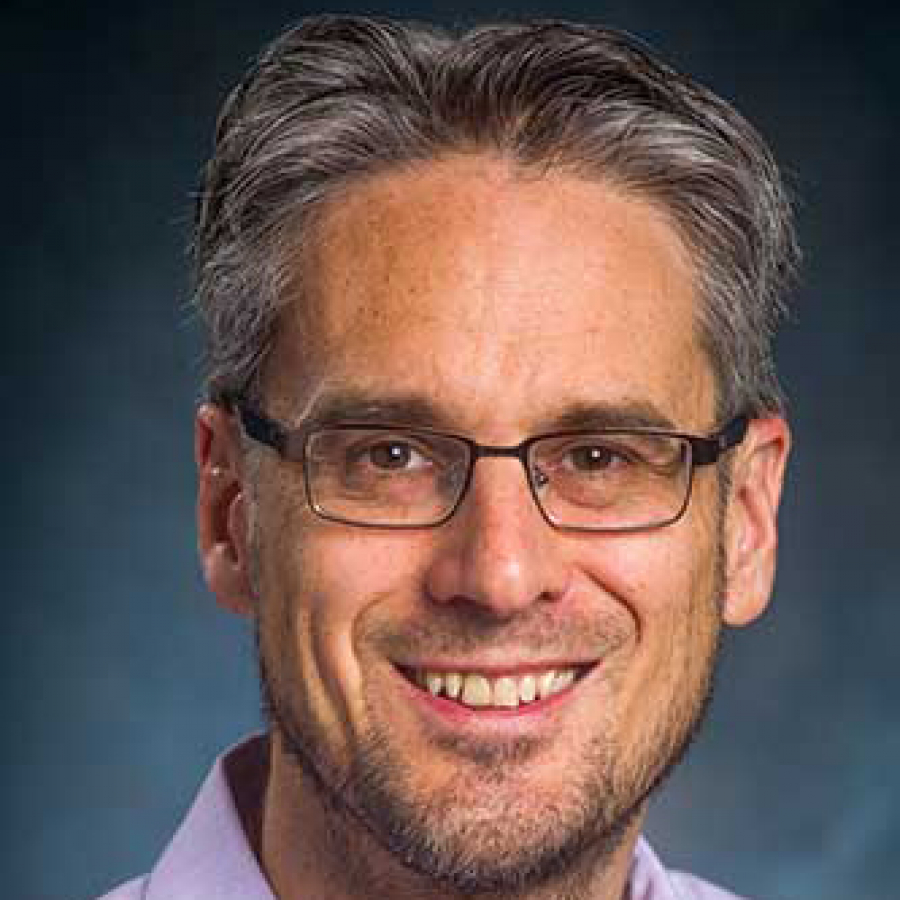
John Osborne, Ph.D., assistant professor of Medicine at the Informatics Institute, recently received a notice of award for a U24 supplement to develop a cancer algorithm predicting the severity of cancer recurrence in patients. The work will build on previously funded work to identify recurrence retrospectively in UAB cancer patients using structured EHR data and clinical text.
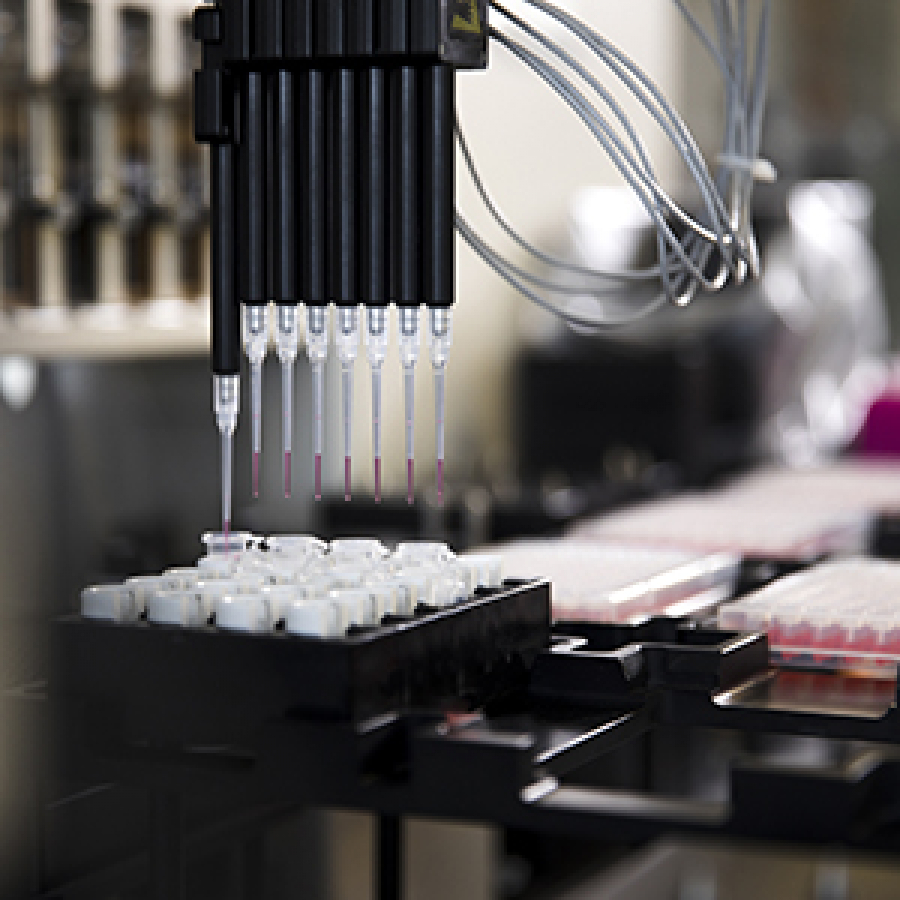
Heersink School of Medicine faculty and leadership recently identified four new research focus areas that will help inform the future direction of research at our Academic Medical Center. Heersink communications is highlighting each area and exploring what it means for our future.
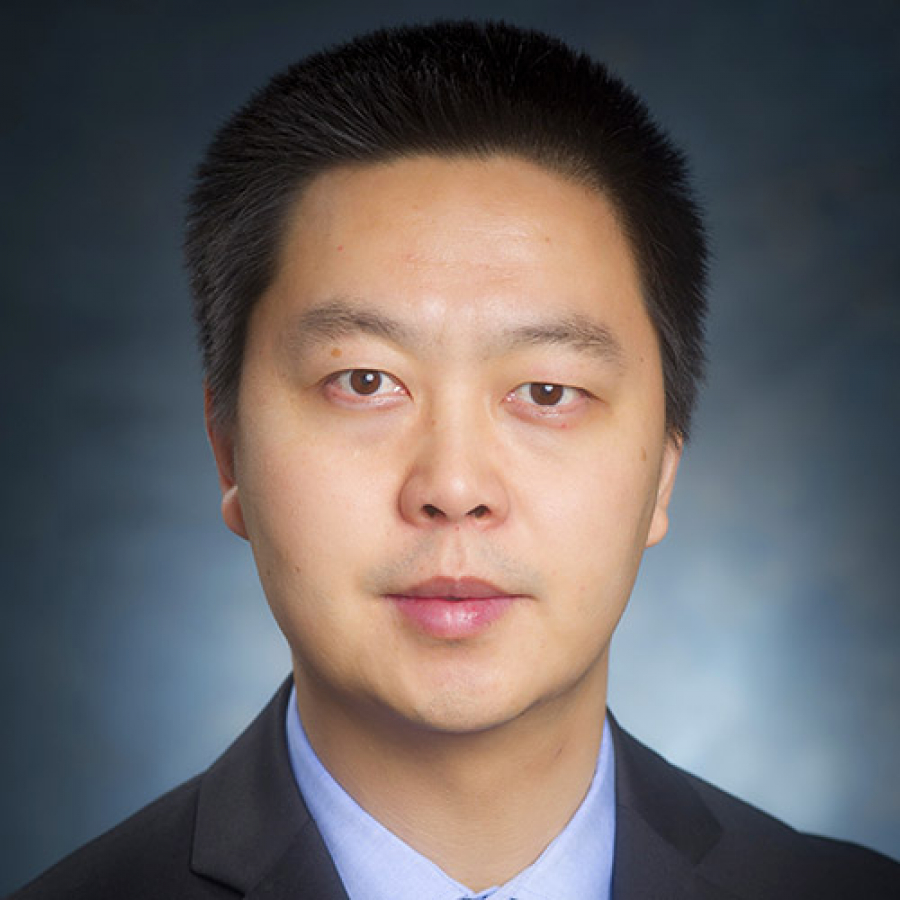
The Heersink communications staff sat down with Dr. Zechen Chong to gain insights about the research of this study, UAB, and the science community.