Resident Research
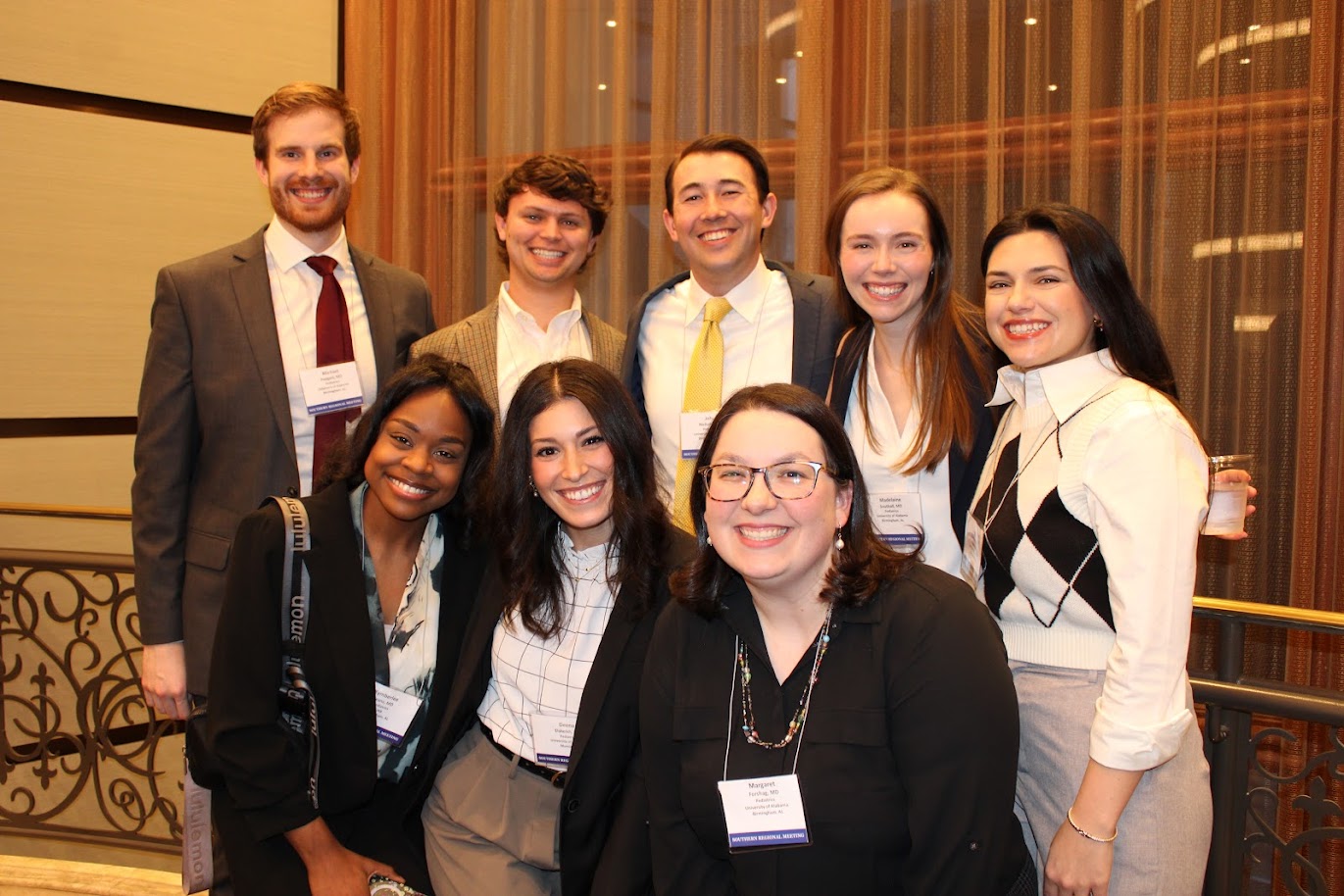
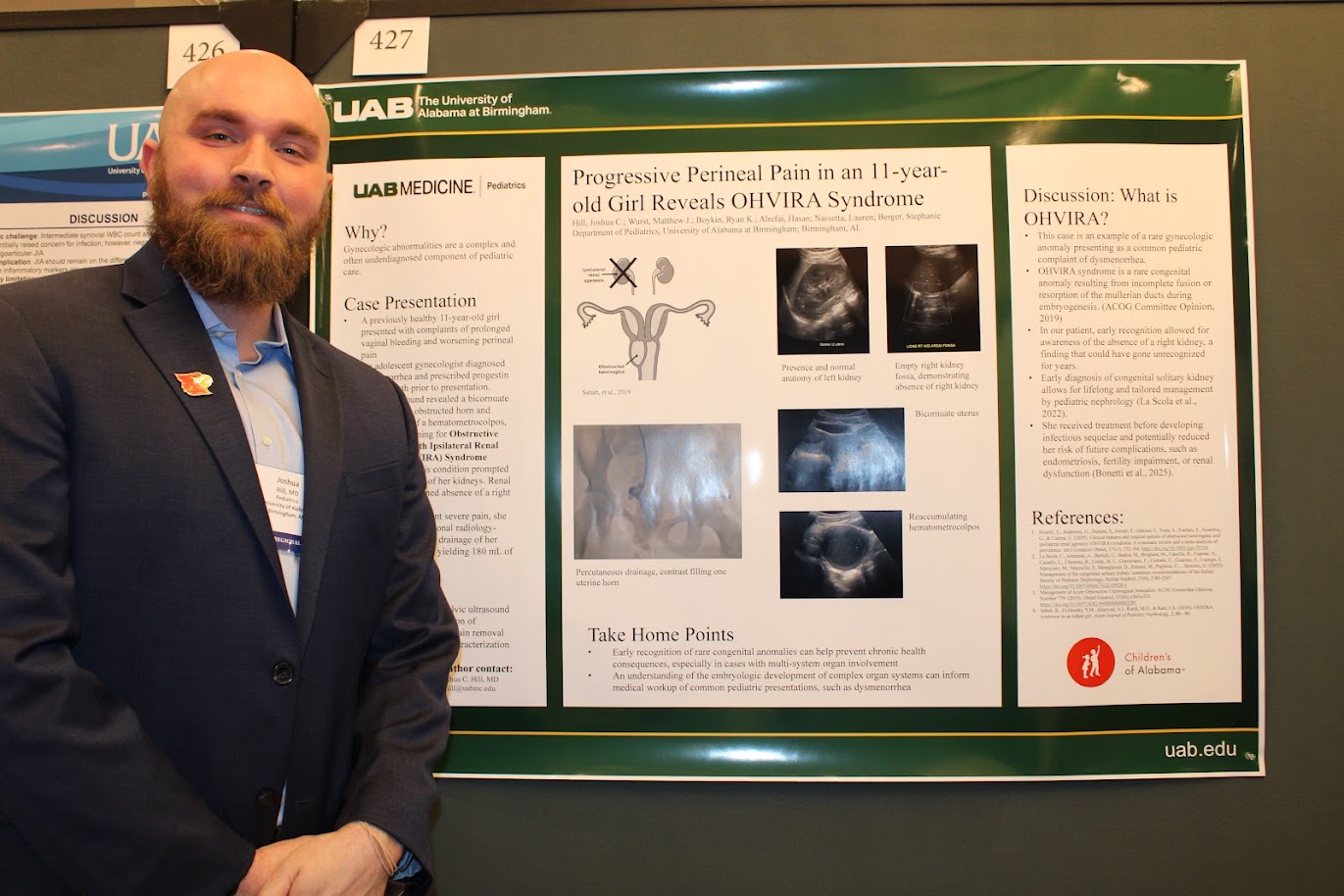
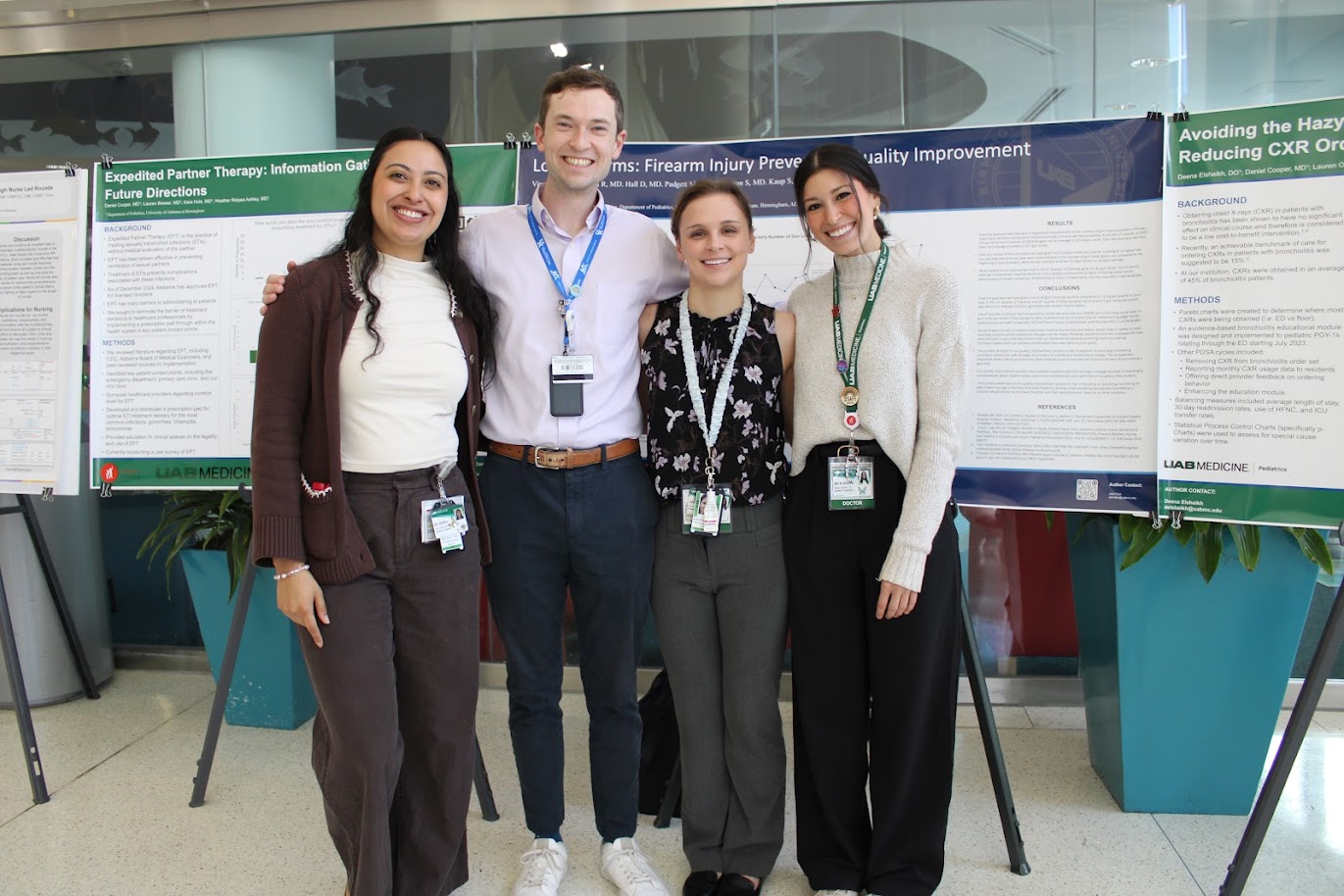
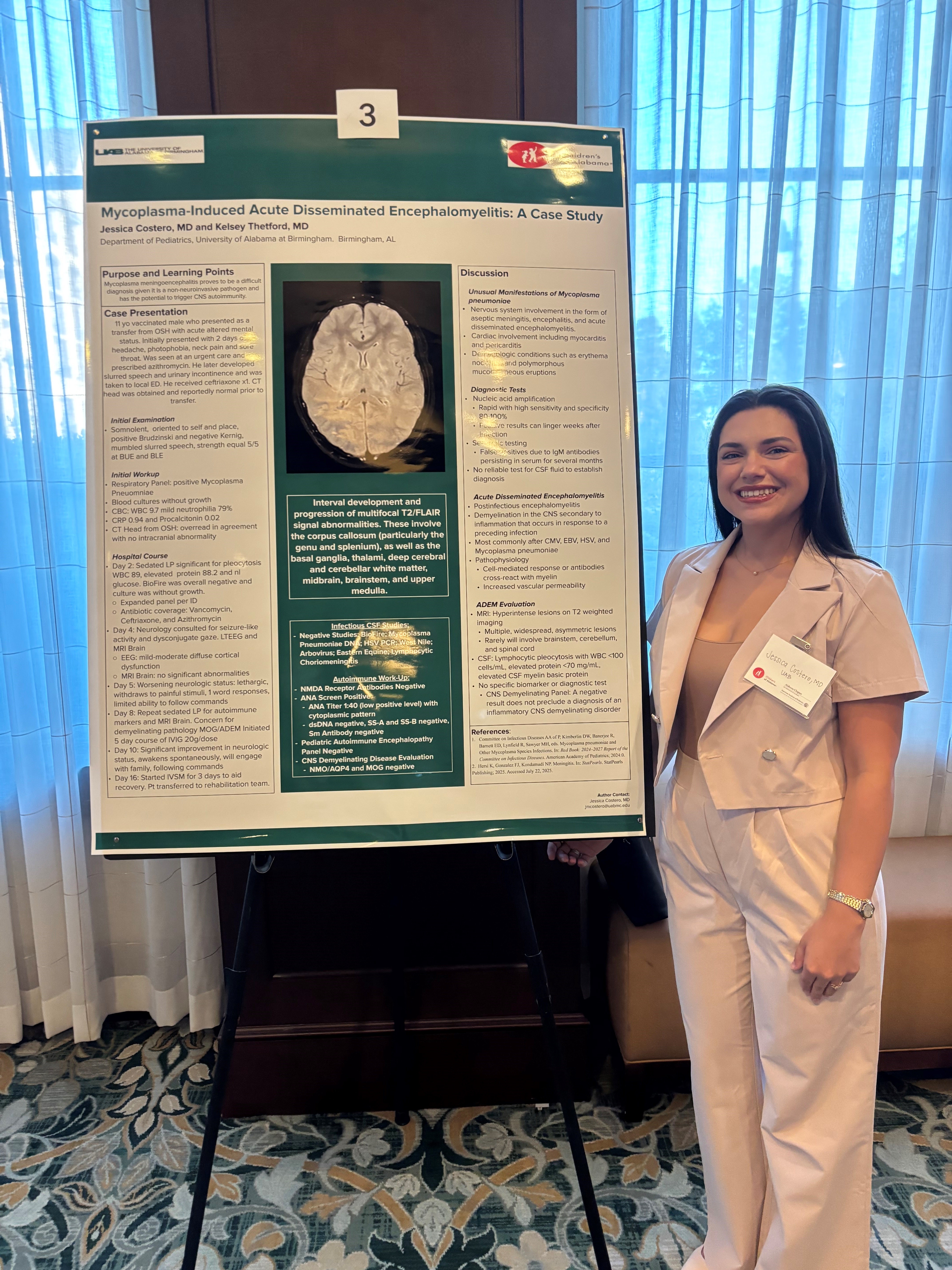
UAB and Children's of Alabama are leading research institutions in the country, placing UAB Pediatrics in the top 20 for NIH funding among pediatric departments. There are various opportunities for research available including bench, clinical, quality improvement, and simulation. We encourage resident participation in local and national meetings to present original research, attend poster sessions, or share interesting case presentations. The department offers reimbursement for conference and travel expenses. Below is a sampling of research and publications from residents over the last few years:
-
Notable Publications
- Rowell SE, Nichols M, Cohen C, King W, McCain J, Monroe K. When the Dog Bites: A 5-Year Retrospective on Canine Bite Encounters. South Med J. 2026 May 4;119(5):220-224. doi: 10.14423/SMJ.0000000000001961. PMID: 42067381.
- Ashley, H. M. R., Stuart, S. K., & Eaton, E. F. (n.d.). Attention-deficit/hyperactivity disorder, autism spectrum disorder, and HIV: Implications for risk, outcomes, and care for neurodivergent people.
- Hebson C, Wolff D, Kane A, Maddox W. Deglutition syncope to gastronomic satiety: a paediatric case report and update on therapeutic options. Cardiology in the Young. 2026;36(4):838-841. doi:10.1017/S1047951126112001
- Hebson C, Escott S, Beltran-Ale G, Dabal R, Andelfinger G, Linscott K. Atrial Septal Defect Surgical Closure Following Trametinib Utilization in Noonan Syndrome-Associated Hypertrophic Cardiomyopathy. JACC Case Rep. 2026 Apr 1;31(13):107006. doi: 10.1016/j.jaccas.2026.107006. Epub 2026 Feb 20. PMID: 41718520; PMCID: PMC13080820.
- Verdi, G., Salman, F., Goodloe, D.H., McClinchey, T.N., & Robin, N.H. (2025). Beyond the cleft: dual diagnoses in patients with cleft lip and/or palate unrelated to orofacial malformations. Current opinion in pediatrics, 37 6, 527-528 .
Founders' Fund
The Founders' Fund was established by the UAB Department of Pediatrics to honor the exceptional lifetime achievements of our department’s founders: Drs. John W. "Bill" Benton, Ralph E. Tiller, and Paul A. Palmisano. Educational grants of $1,000 from this fund support new, innovative educational research or programs related to the curriculum or quality and outcomes research of the residency program. Pediatric residents are eligible and frequently awarded Founders’ Fund grants. To date, 104 grants have been awarded!
-
2026-2027 Founders' Fund Projects
Financial Foundations: A Systems-Based Financial Wellness Curriculum for Pediatric Residents
Michael Padgett, PI
Michele Nichols
William SasserDevelopment of Manikin Prostheses for PedsRheumSim Rheumatology Simulations for Pediatric Residents
Anna Dickson, PI
John Bridges, PI
Nick Rockwell
Chrystal Rutledge
Nancy TofilPrep for Gen Peds
Tabitha Kearns, PI
Kelsey Staggs, PI
Michele Nichols, PI
Candice Dye, PI
Caroline Densmore, PI
Katie Fogle
Jameson RagsdaleImproving Firearm Safety Counseling in Primary Care Clinic
Austin Oslock, PI
Suzannah Patterson
Reba Bosch
Dalton Hall
Michael Padgett
Alyssa Goldman
Shelby KaupImproving Car Seat Screening and Safety in Primary Care Clinic
Jemma Thompson, PI
Danielle Windom, PI
Jeanetta Mistler, PI
Rachel Haley, PI
Kelsey Staggs, PI
Callie GreyWell Child Check That Is Anything but Well: Use of Simulated Standardized Patients to Practice Empathic Care of a Suicidal Teenager
Candice Dye, PI
Increasing Use of Expedited Partner Therapy for Sexually Transmitted Infection Treatment Among Adolescents
Erin Carriker, PI
Daniel Cooper, PI
Lauren Brewer, PI
Kara Huls, PI
Heather Relyea Ashley, PI
Jamie McKinney
Claudette Poole
Deidre SchmidtBaby Shower for Young Mothers Program
Sarah Hicks, PI
Maddie Southall, PI
Terri Coco
Kathy MonroePREP for Fellowship
Sam McCartney, PI
Anna Seidenburg, PI
David W. Taylor, PI
Jordan W. Newman, PI
Michele Nichols, PIBereavement Lactation: Identifying and Targeting Knowledge Gaps in the Acute Care Setting
Julia Boullt, PI
Emily C. Dodenhoff, PI
Emily Johnston
Natalie Harless
Kathleen Hughes
Quality Improvement
To fulfill the ACGME quality improvement requirement, all residents participate in quality improvement projects during three years of residency. With a mentor’s guidance, residents lead and drive these projects through the Plan-Do-Study-Act cycle to obtain hands-on quality improvement experience. The program selects one project each year to receive the Quality Improvement Project Award. This award honors projects that exhibit exceptional quality improvement methods and improve the care of children in Alabama. Recent projects awarded by the program include the following:
-
Quality Improvement Award Winners
JOY PEDS: Joint Optimization for Your Pediatric Experience and Discharge Satisfaction (2026)
Dr. Madelaine Southall
Improving Language Equity for Spanish-Speaking Individuals in the Emergency Department (2025)
Dr. Kevin Roby
Pediatric Research Academic Program (Pediatric RAP)
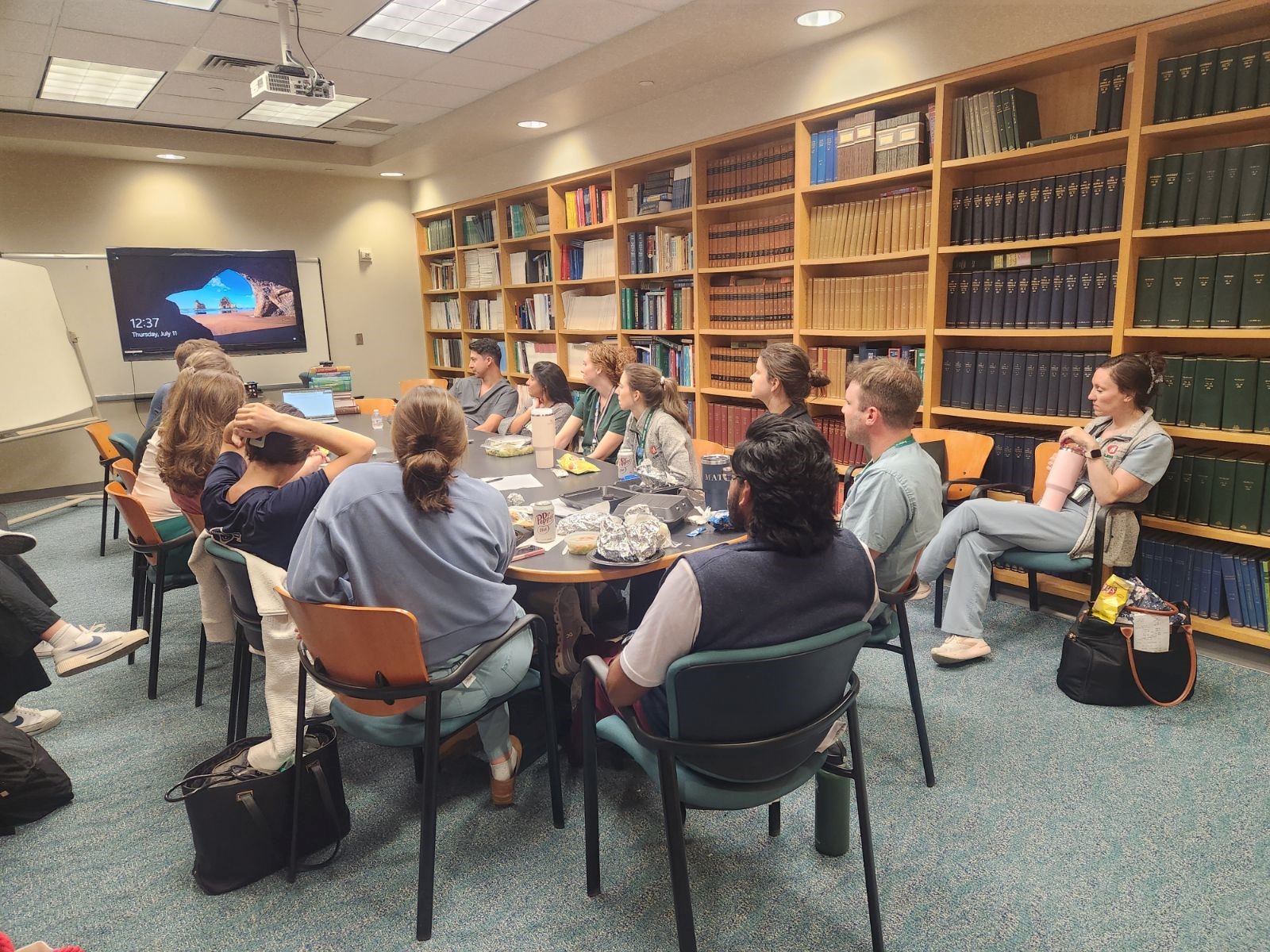
This scholarly group meets monthly to discuss basic research topics, encourage research during residency, practice oral presentations, and network with each other and faculty. All residents are welcome!
Research Pathways
The UAB Pediatric Residency Program also accepts applicants into the two Research Pathways approved by the American Board of Pediatrics.
-
Accelerated Research Pathway (ARP)
-
This pathway is open to candidates who are committed to an academic career with a strong research emphasis. Residents would complete 2 years of General Pediatrics, then complete 4 years of subspecialty training.
-
Candidates MUST be identified no later than 9 months into their PGY I year, but preferably prior to their beginning their PGY I year.
-
This could occur at two different institutions.
-
For questions regarding the curriculum and further requirements, please refer to the ABP website or request further information from our UAB Pediatric Residency Program.
-
-
Integrated Research Pathway (IRP)
-
This pathway is designed to attract young physician scientists who want to sustain their research skills and productivity during Pediatric Residency.
-
This pathway is open to applicants with MD/PhD degrees or equivalent evidence of research experience and/ or commitment.
-
Candidates MUST be identified no later than 9 months into their PGY I year, but preferably prior to their beginning their PGY I year.
-
This pathway must occur at once institution.
-
The pathway duration would be 3 years with two years of general pediatrics (clinical) and up to one year of research.
-
For questions regarding the curriculum and further requirements, please refer to the ABP website or request further information from our UAB Pediatric Residency Program.
-
Additional Research Opportunity
The UAB Pediatric Residency Program also offers a “Research Gap Year,” which ideally would occur from July to the following June (12 months). If a resident has identified a mentor with whom he/she would like to complete a research project using protected time, the Department of Pediatrics will review the proposal and approve projects that meet requirements necessary for financial support and protected time. The resident would resume his or her pediatric residency responsibilities at the completion of the twelve months or project (or whichever comes first).
Stimulating Acess to Research in Residency (StARR)
The NIH NIAID R38-funded UAB StARR Program provides resident investigators with the opportunity to conduct mentored research related to infection, immunology and/or allergy and to participate in career development activities (in areas such as research methodology, scientific writing and team science) over a 12-month period during residency. The program aims to prepare resident investigators for a successful transition towards a career as an independent physician scientist that includes research that supports the NIH NIAID mission.
Click here for more information and application.