"Jerry and Friends" Raise Over $7000 for UAB-ILD
Jerry McEwen and the Asbury United Methodist Church (AUMC) hosted a successful fundraiser for the UAB Interstitial Lung Disease (UAB-ILD) Program on August 6, 2016. This fundraiser, the “Jerry and Friends” concert, was a rousing success. The concert consisted of musical performances by McEwen and AUMC members and drew over 200 attendees. The event raised over $7000 for the UAB-ILD research program in the division of Pulmonary, Allergy, and Critical Care Medicine.
McEwen, a patient of Dr. Victor Thannickal, Division Director, first noticed his symptoms over a year ago. After a persistent, year-long cough, McEwen sought medical assistance at the Kirklin Clinic before his referral to Pulmonary, Allergy, and Critical Care Medicine’s UAB-ILD Program. The UAB-ILD Program conducts research into interstitial lung diseases to create novel evaluation and treatment options for ILD patients, educates physicians on the most effective forms of ILD evaluation and treatment, and interacts with the Birmingham-area community to enhance ILD awareness.
After his referral, McEwen was diagnosed with idiopathic pulmonary fibrosis (IPF). IPF is a chronic, progressive lung disease characterized by a disabling shortness of breath, declining exercise capacity, and the formation of lung scar tissue, or fibrosis. The illness has an estimated prevalence of 40 cases per 100,000 people. IPF currently has no known cause and no definitive treatments or cures. 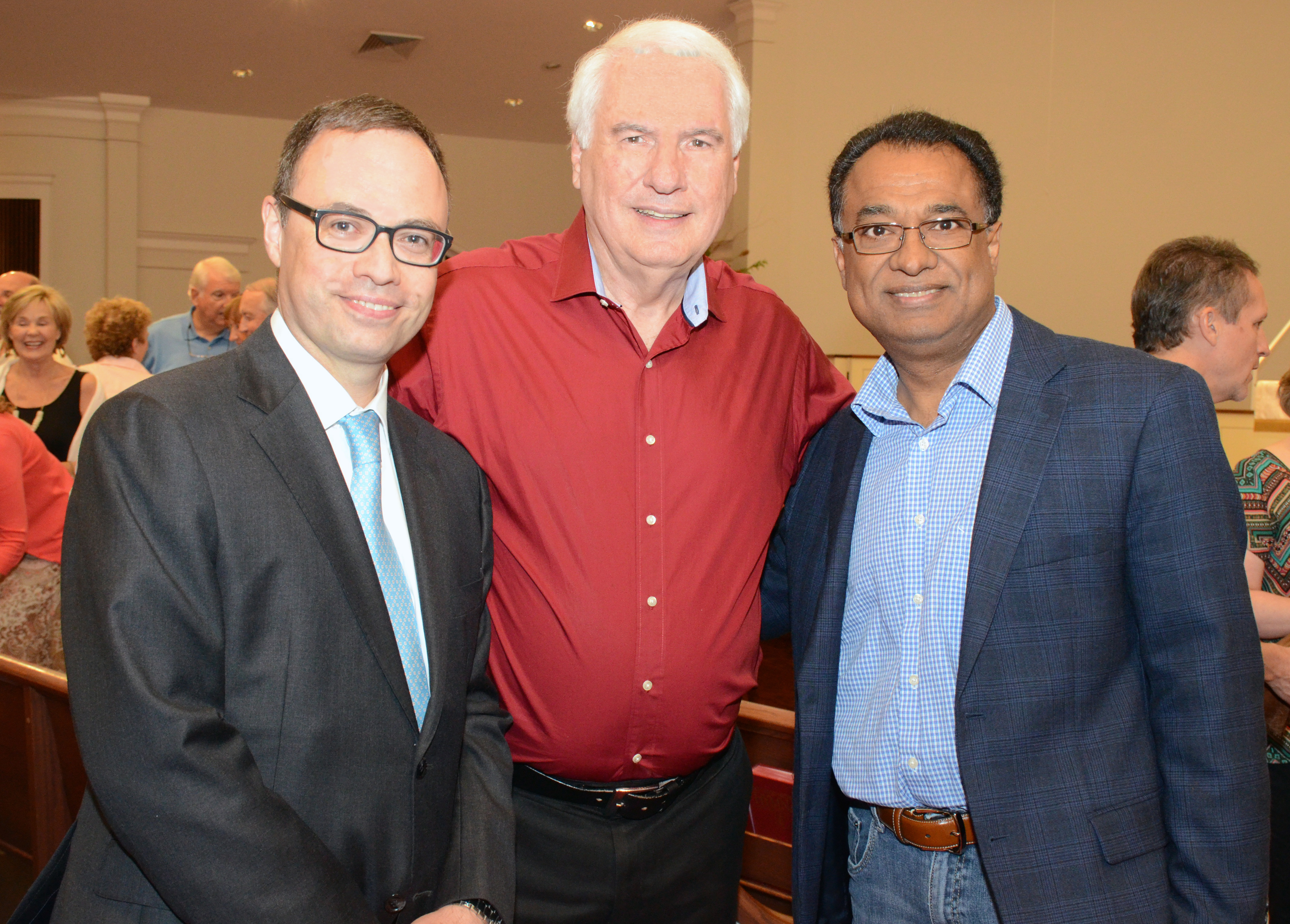
After his diagnosis, McEwen discovered there were several AUMC members with friends and family affected by IPF. Each of these members felt a strong desire to assist those with IPF in any way they could. McEwan and AUMC then organized the “Jerry and Friends” concert to assist the UAB-ILD Program. McEwan was extremely appreciative of the generosity of the attendees and the work done by UAB’s ILD Program.
“Thank you for coming and for giving so generously to this great cause,” McEwen said. “We appreciate the cutting edge work that Dr. Thannickal, Dr. Joao de Andrade, and others at UAB do to help find a cure for this disease.”
“We are deeply grateful for Jerry’s generosity in contributing to this cause,” Dr. Thannickal said. “When confronted with a difficult disease, rather than being depressed or down, he converted a challenge into an opportunity to help others in similar circumstances.”
If you are interested in donating to the UAB-ILD Program or any of the other Pulmonary, Allergy, and Critical Care Medicine programs, please visit the UAB Pulmonary, Allergy, and Critical Care Medicine Giving Homepage or The Campaign for UAB.
Ben Branscomb, Pioneering Pulmonary Physician, Passes Away at 92
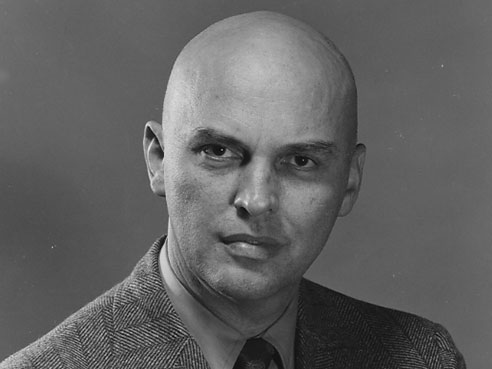
Ben Vaughan Branscomb, M.D., University of Alabama at Birmingham professor and pioneer of pulmonary medicine, passed away July 4, 2016.
Born in Durham, N.C., in 1924, Branscomb entered Duke Medical School at 17 due to the need for medical practitioners during World War II. After his residency training, he was recruited to the Medical College of Alabama by Dr. Tinsley Harrison in 1955 and joined the faculty of what would become UAB. While at UAB, Branscomb founded UAB Division of Pulmonary, Allergy and Critical Care Medicine, acting as division chair for 15 years.
Branscomb pioneered pulmonary function research as the first National Institutes of Health pulmonary physician. Branscomb’s NIH work illuminated fundamental breathing aspects, leading him to publish the first descriptions of the flow volume loop, an integral part of modern pulmonary medicine. His research also established substantive links between lung disease, smoking and air pollution.
A 1962 American Lung Association grant allowed Branscomb to mount a flow volume loop machine of his own design in a specially equipped bus to provide mobile testing and increased awareness of newly recognized pulmonary diseases like emphysema and COPD. He tested over 200 members of the 88th United States Congress on the Capitol steps in July 1963. National media coverage of the event challenged the safety claims of tobacco companies and highlighted the impact of emphysema.
Branscomb’s treatment of nonsmoking patients with breathing problems made him an advocate for clean air. He was the first physician on the state’s inaugural Air Pollution Control Board, and led efforts to establish governmental enforcement of the Clean Air Act in Alabama. He was also a founding member of the Greater Birmingham Alliance to Stop Pollution (GASP), an air-quality activist group.
Branscomb was one of the first UAB researchers to be appointed to an endowed chair, assuming what is now known as the Ben Vaughan Branscomb Chair of Medicine in Respiratory Disease. He was the clinical director of the Spain Rehabilitation Center until 1977 and medical director of the Spain Respiratory Care Unit until 1989, when he retired from clinical practice. He continued teaching until 2006.
“Ben Branscomb is widely recognized as one of the founding fathers of modern pulmonary medicine. He was an innovative leader who contributed not only to building one of the top pulmonary divisions in the country, but to improving the health of all citizens by championing the Clean Air Act of 1970,” said Victor Thannickal, M.D., the UAB Division of Pulmonary, Allergy and Critical Care Medicine director.
“Dr. Branscomb was one of the first pulmonologists to widely utilize spirometric testing to screen for emphysema and chronic lung disease. His clinical acumen and his teaching of medical students, residents and fellows are legendary,” Dr. Thannickal continued. “He took time from his busy schedule to educate local schools in Birmingham and the public at large of the hazards of cigarette smoke and environmental pollution. He was a friend and enduring supporter of our division, the Department of Medicine and UAB. He will be dearly missed.”
2nd Annual Vanderbilt-UAB Research Summit
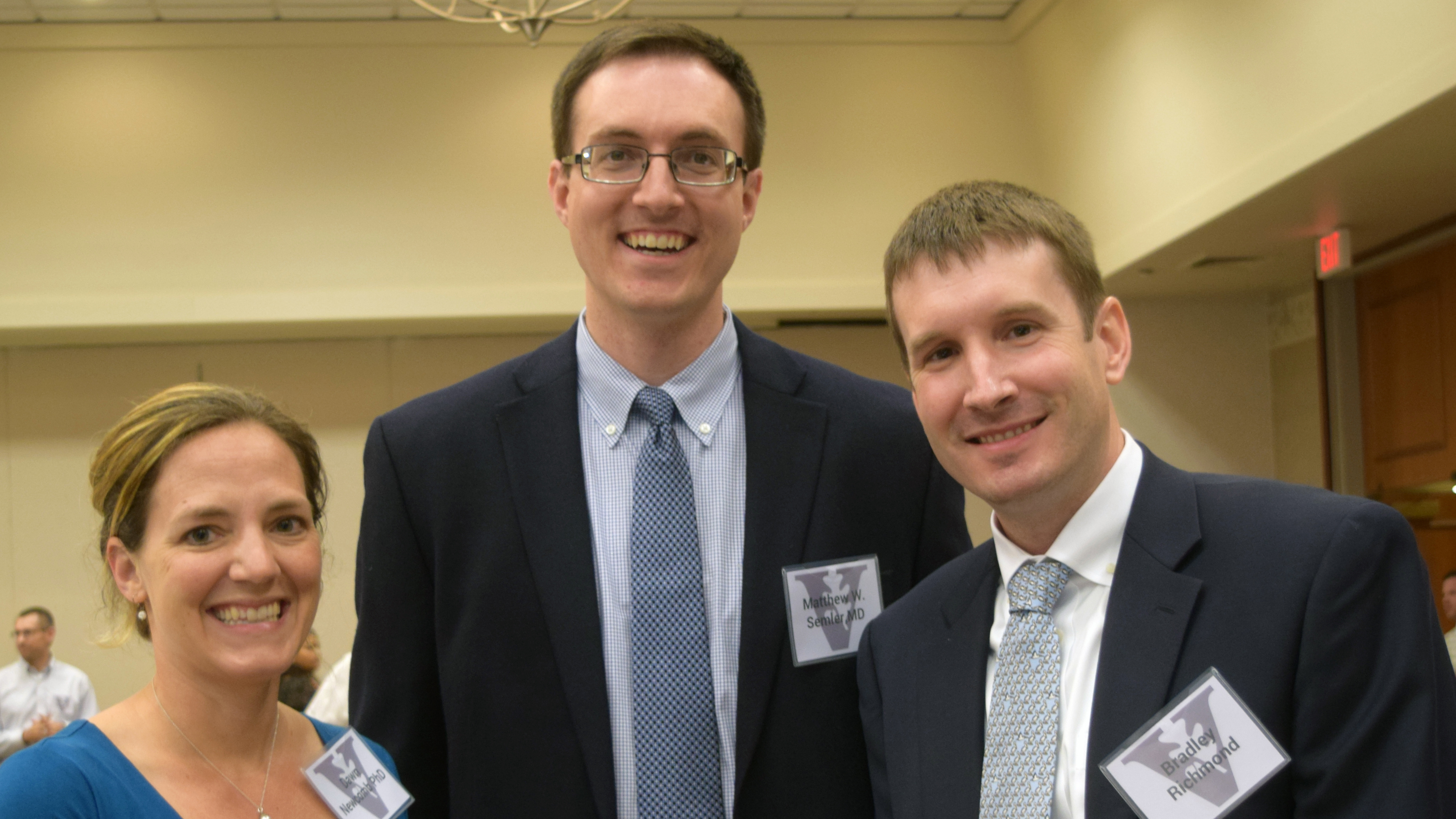
The UAB Division of Pulmonary, Allergy, and Critical Care Medicine hosted its 2nd Annual Vanderbilt University-UAB Pulmonary Research Summit on June 24 and 25. This summit, held in downtown Birmingham, provided a collaborative environment for over 100 researchers, clinicians, fellows, and students from Vanderbilt University and UAB to present and discuss a variety of pulmonary medicine research topics.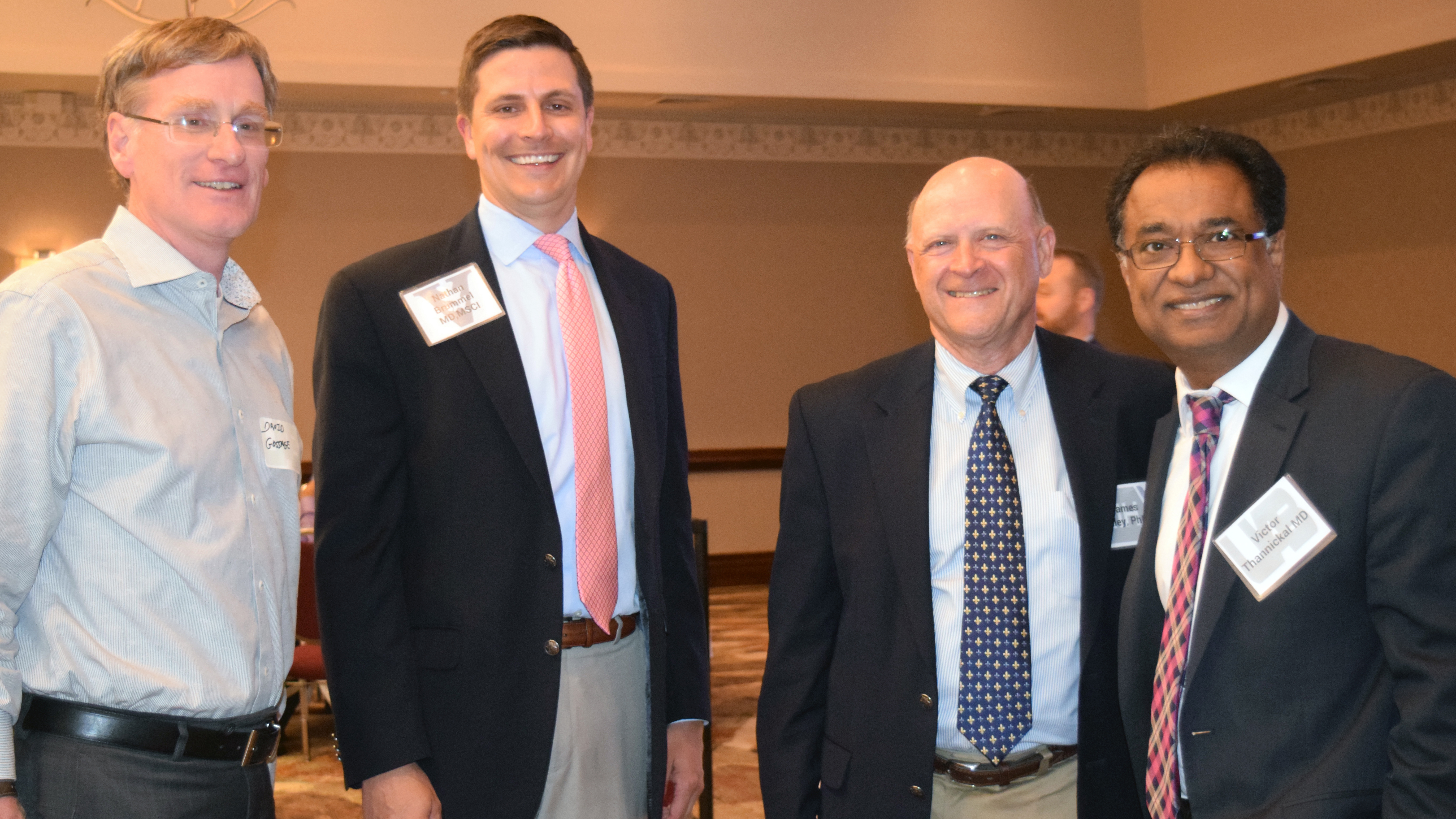
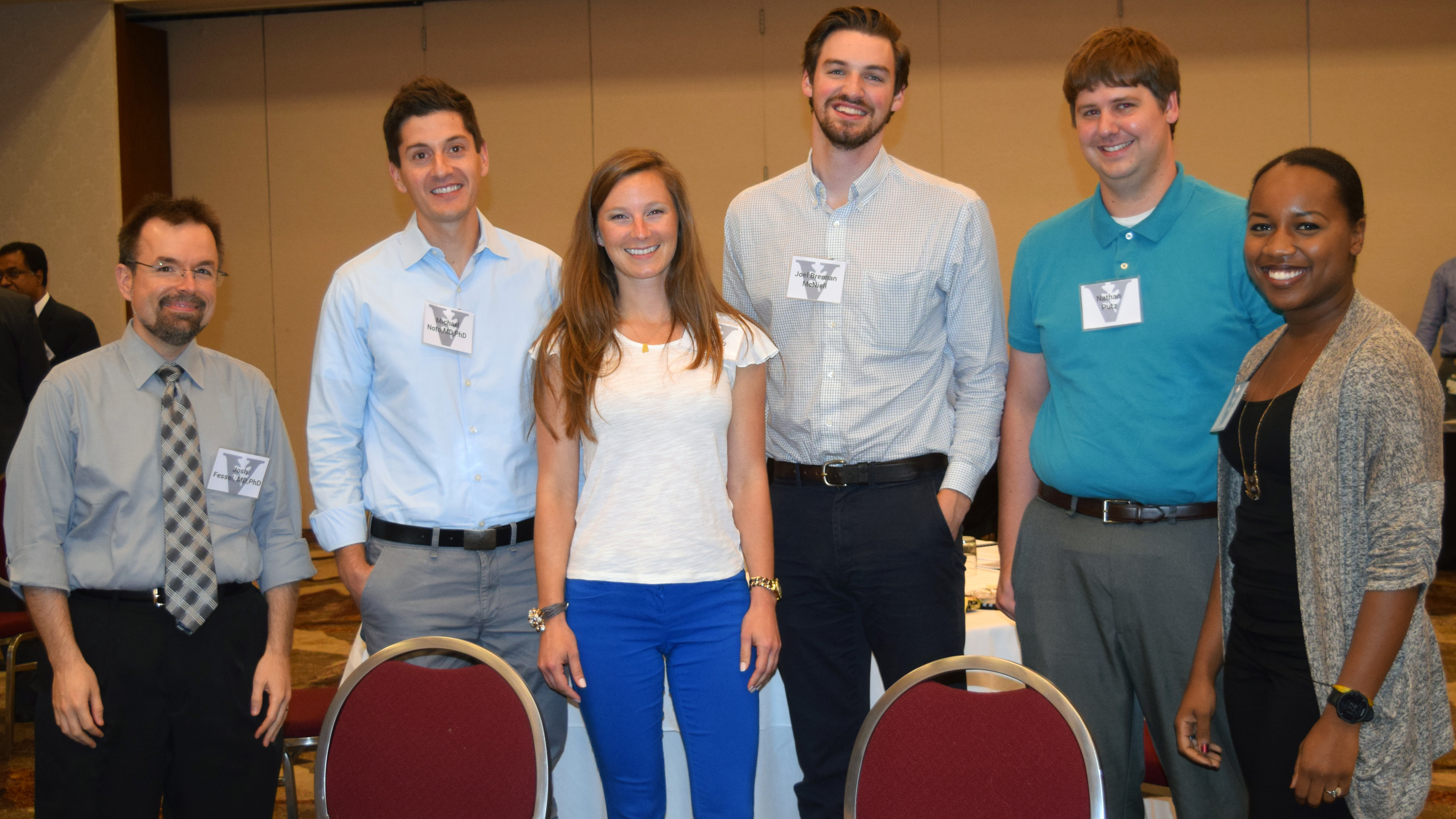
The summit was divided into smaller talks and sessions, each focused on a unique aspect of pulmonary medicine. The scientific session on the 24th was focused on this year’s highlights in pulmonary research from both institutions. James Kiley, PhD, the Director of the National Heart, Lung, and Blood Institute (NHLBI) delivered an invigorating keynote speech for this session. Dr. Kiley spoke on the NHLBI’s strategic vision for ongoing and future pulmonary research. This was followed by a well-attended poster session focused on pulmonary research. Timothy Blackwell, MD, chair of the Pulmonary Division of Vanderbilt University spoke at the summit, highlighting the important steps and strategies for building a successful medical research career.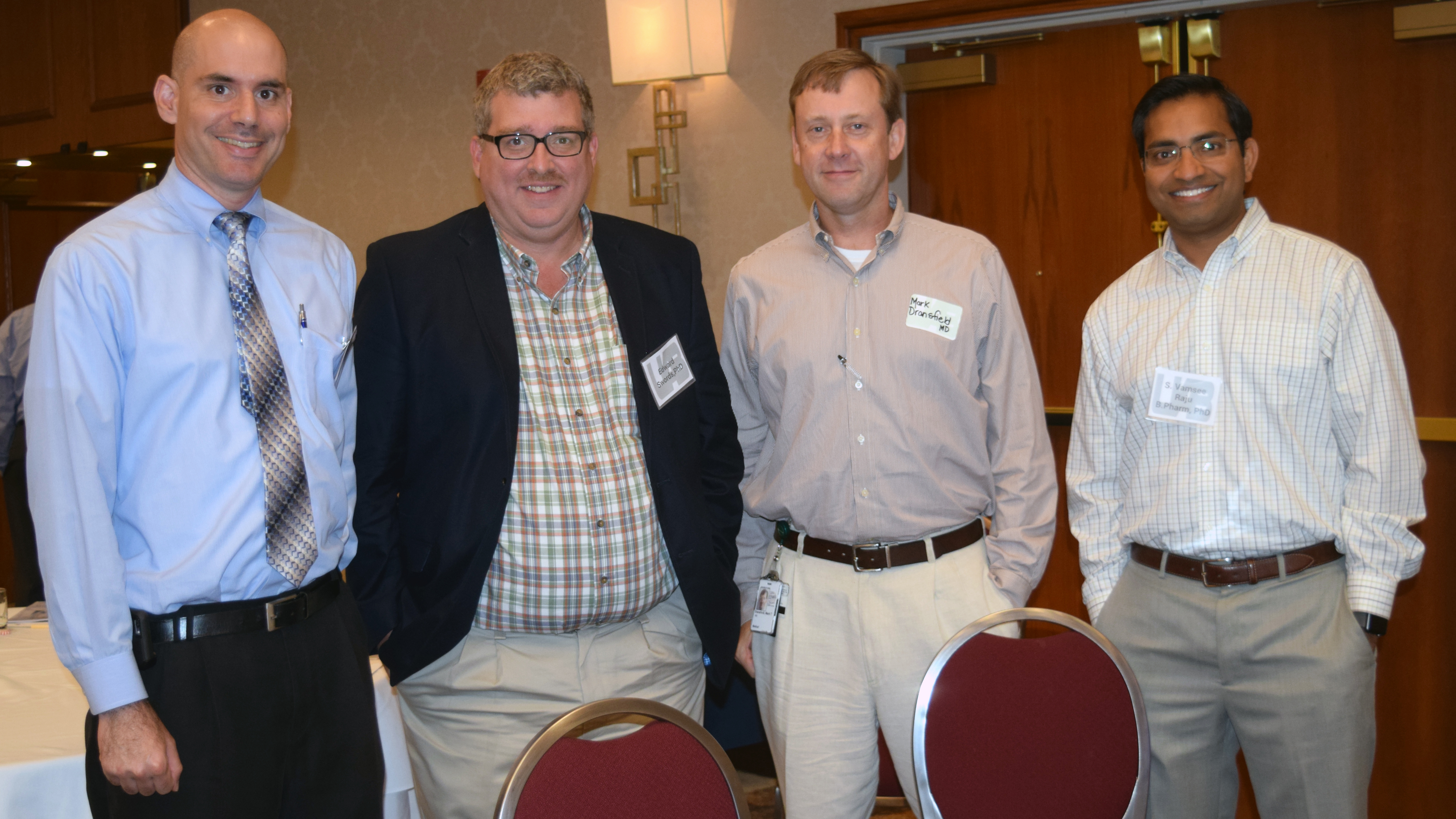

The scientific sessions on second day of the summit included talks on matrix biology, fibrosis, cancer, airway diseases, and the mechanisms of metabolism and oxidative stress and their implications on critical care medicine. These annual research summits represent emerging pathways for fruitful collaborations in pulmonary research between the two institutions.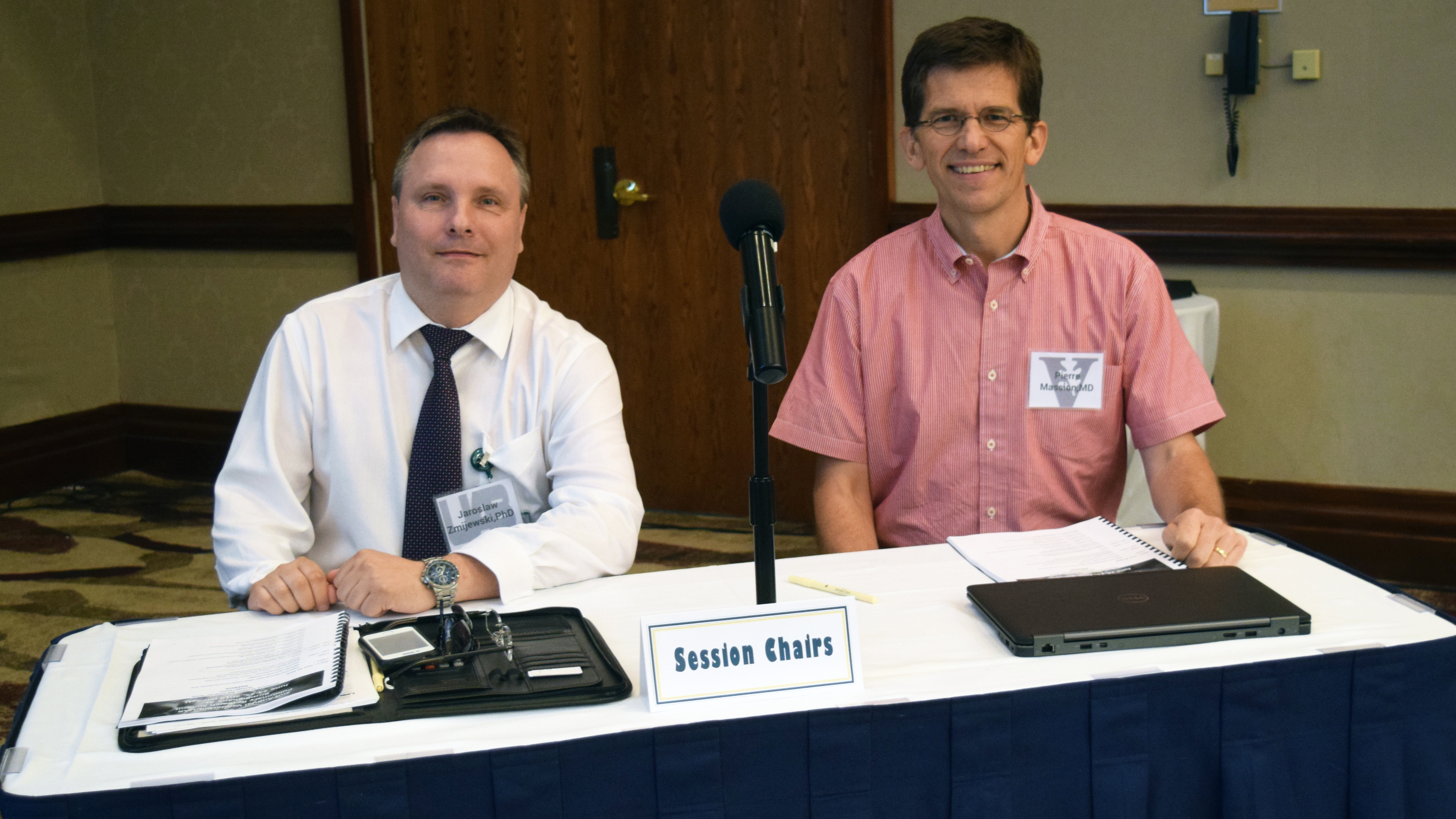
Women in Pulmonary Medicine Symposium
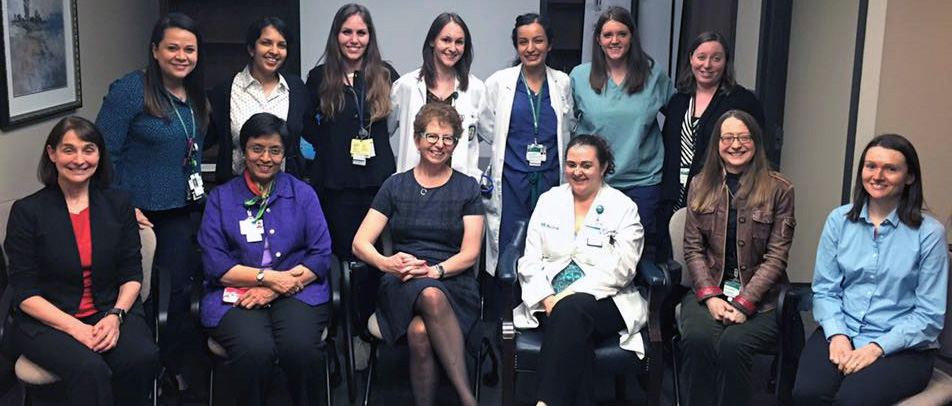
UAB’s Division of Pulmonary, Allergy, and Critical Care Medicine recently held its first Women in Pulmonary and Critical Care Medicine symposium. This symposium, which hosted a lecture by Medical University of South Carolina’s Dr. Lynn Schapp, focused on the unique issues faced by women in pulmonary medicine. These issues included professional promotion and networking, work-life balance, the overall position of women in pulmonary medicine, and the value of professional social bonds.
“The symposium was quite good. The discussion was honest and reinforcing,” professor emeritus Nancy Dunlap, MD, PhD said. “The symposium also reinforced how we can help others, get involved, and make our voices heard.”
“We covered topics including assembling a strong NIH bio sketch or CV and strategies to be successful in professional requests” said Jennifer Trevor, MD. “We discussed a lot of very practical and sound career advice that could be used by anyone.”
A sizable portion of the symposium was dedicated to balancing the difficulties of pulmonary medical practice and life outside of the hospital.
“There was a very good discussion on the importance of balance,” Dr. Dunlap said. We made sure to discuss how to balance our never-ending medical work with a healthy personal and home life.”
“While we touched on issues like having children and the impact that can have on your work, the speaker did not emphasize this topic.” Dr. Trevor elaborated. “I appreciate that it was not emphasized because I think doing so continues to reinforce a stereotype.”
Symposium attendees also discussed the position of women in pulmonary medicine, as well as the future role of female pulmonary physicians.
“Pulmonary medicine is widely held as a male-dominated profession. I have a few ideas as to why that is,” Dr. Trevor said. “Typically, pulmonary fellows and practicing physicians have long hours and lots of active work. That can mean a loss of personal time. Many women who want to enter medicine either don’t want to lose that time or are discouraged from doing so. ”
“When I came up through the ranks, pulmonary physicians had a reputation for being very tough, very strong, and very uncompromising. They did the work that others couldn’t,” Dr. Dunlap explained. “Pulmonary medicine has always been seen as a very intense, physical specialty, with a lot of active, physical treatment therapies and procedures. Women aren’t usually encouraged to practice that kind of intense, physical medicine.”
Both Dr. Dunlap and Dr. Trevor believe that the number of women in pulmonary medicine will increase. They see this increase as both inevitable and necessary.
“Medical school enrollment numbers have only recently started to balance between men and women. I think as more women enter medicine as a whole, there will be more women going into pulmonary medicine as a result,” Dr. Trevor said.
“A division attracts the most qualified women when it has good female representation in your faculty. It’s easy to assume that if there are no women in a division’s faculty, then that division is not welcoming to women,” Dr. Dunlap remarked. “Having role models who show that there are women clinicians who can do the work and maintain their personal lives is essential for recruiting and motivating women to work in this specialty.”
Dr. Dunlap sees growing the number of young faculty members in leadership positions as essential.
“I do believe that there is a tendency in every professional field to believe that women, particularly when they have families, would have balance issues. As a result, women aren’t put in leadership positions and fall behind their male peers,” Dr. Dunlap said. “If you haven’t held those leadership positions at a certain point, you fall behind professionally and can’t catch up. That’s why it is very important to nominate young faculty members to professional organizations.”
Dr. Dunlap and Dr. Trevor also believe that increasing the presence of female pulmonary physicians will lead to more robust, helpful, and open social bonds.
“If you don’t have a strong group of women in the same age group supporting you, you don’t have the avenue to talk about unique issues. For example, when I was pregnant, it was the first faculty pregnancy in the division,” Dr. Dunlap said. “There was nobody to talk with about that. I had experiences that my male colleagues never really felt stressed by. It would have been nice to have a group that understood those issues.”
“We don’t have many women in our faculty, so it’s nice for the women that are here to form stronger social bonds,” Dr. Trevor said. “As our female representation grows, we get more chances to form those social bonds and the more important it becomes to promote those bonds.”
This symposium, which both Dr. Dunlap and Dr. Trevor hope is the first of many, displays UAB Pulmonary’s dedication to reflection and self-improvement. For a first-time event, this symposium was impressively successful. The symposium drew many attendees, with physicians, fellows, and medical students all in attendance. This level of interest, combined with the important topics the symposium discussed, suggests a strong future for this symposium.
Pulmonary, Allergy, and Critical Care Medicine Faculty Honored with Emeritus Status
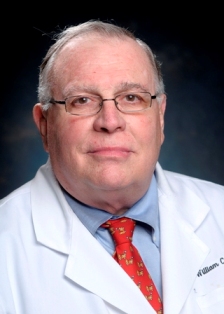
Dr. Bailey served in the UAB faculty for 42 years, with 36 of those years in the Division of Pulmonary, Allergy, and Critical Care Medicine. He is the founding director of the UAB Lung Health Center, which has been integral to studies of asthma, smoking cessation, chronic obstructive pulmonary disease, and tuberculosis.
He has been honored throughout his career with many awards, including the NHLBI Preventive Pulmonary Academic Award, the Max Cooper Award for Research Excellence, and the Tinsley Harrison Award for Teaching Excellence.
Dr. Bailey has consistently demonstrated his passion for teaching and his dedication to students, serving as an invaluable and influential mentor to over fifty mentees. In 2014, he was the first recipient of the aptly-titled “Dr. William C. Bailey Outstanding Mentor Award.”
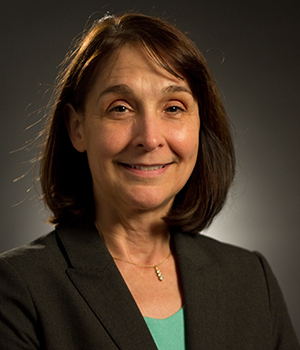
Dr. Dunlap served as a faculty member for 26 years. She provided leadership for the Department and the Health System in truly extraordinary ways, including overseeing the operations of the Kirklin Clinic, Patient Services, MIST, HealthFinder, Physician Services, and the Office of Data Resources.
She has served as a content expert on health issues for the US House of Representatives on the Committee on Energy and Commerce Health Subcommittee. She also served as Physician-in-Residence for the National Governors Association Center for Best Practices. In addition to these prestigious positions, Dr. Dunlap has also received the NIH Physician Scientist Award and the NIH Tuberculosis Academic Award.
Dr. Dunlap and Mr. John D. Johns established the Pulmonary Faculty Development Endowed Fund. This fund honors Drs. Ben Branscomb, J. Durwood Bradley, Dick D. Briggs, and William Bailey. Her gift not only supports and honors her colleagues, but also leaves a lasting impact on the Division, the University, and the field of pulmonary medicine.

Dr. Harding served as a faculty member for 27 years. During her service, she was Medical Director for the UAB Respiratory Care Polysomnography Program and the Medical Director of the UAB Sleep/Wake Disorders Center. Under her Directorship, the Sleep/Wake Disorders Center has been continuously accredited by the American Academy of Sleep Medicine and has remained a referral center for Birmingham and surrounding regions.
She provided expert consultative services to a number of state and national agencies including the Alabama Department of Public Health, the Alabama Tobacco Use Prevention and Control Task Force, the Agency for Healthcare Research and Quality, and the Office of the Inspector General.
Dr. Harding is also an active contributor to sleep medicine’s development, holding leadership roles in the American Thoracic Society, the American Academy of Sleep Medicine, the American Board of Internal Medicine, and the American Board of Sleep Medicine, as well as writing on the necessary knowledge and best practices for sleep medicine professionals.
We would like to extend our deepest appreciation to Dr. Bailey, Dr. Dunlap, and Dr. Harding for their dedication and service to this division, the University of Alabama at Birmingham, and to the people of this state and nation.