New procedure rooms for interventional pulmonology will provide increased capacity and expedited care
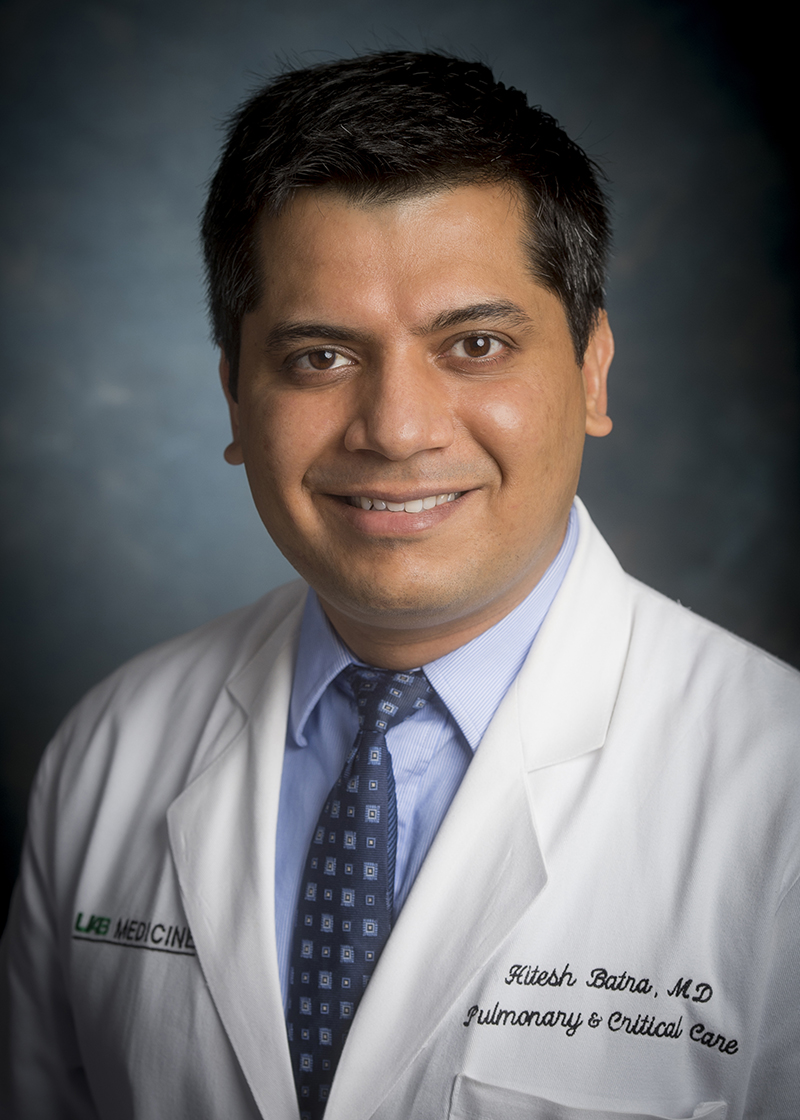 Hitesh Batra, M.D., M.B.A.
The UAB Interventional Pulmonology (IP) program will begin expansion to a new space in Fall 2024 to improve their clinical practices later in the year.
This new space, located in Jefferson Towers, will offer advanced diagnostic bronchoscopy, robotic bronchoscopy, rigid bronchoscopy, medical thoracoscopy, pleural biopsies, and other essential IP procedures.
The UAB IP program, the first such program in Alabama, offers a comprehensive and multidisciplinary approach to a wide range of pulmonary and pleural diseases including lung cancer, central airway obstruction lung mass, mediastinal lymphadenopathy, pneumothorax, malignant pleural effusions, and undiagnosed exudative pleural effusions.
UAB IP offers the full range of interventional pulmonology procedures such as flexible/rigid bronchoscopy, fiducial marker placement, silicone, metallic, and hybrid airway stents, and pleural biopsy.
“These procedures will be new for the Jefferson Towers suite. With the new rooms, we will have anesthesia available. This will allow us to do all those procedures that we currently do in the OR which need general anesthesia,” Batra said.
“Our fundamental philosophy is that all patients with thoracic malignancies or complications thereof deserve prompt attention. We expect the expanded capacity to significantly shorten wait times and expedite care for our patients with lung cancer and other thoracic malignancies,” Hitesh Batra, M.D., M.B.A., explained.
“The biggest advantage to these new procedure rooms will be more space and therefore more availability to do these procedures and less wait times,” Batra said.
UAB Pulmonary Fellowship Fosters Individualized Learning
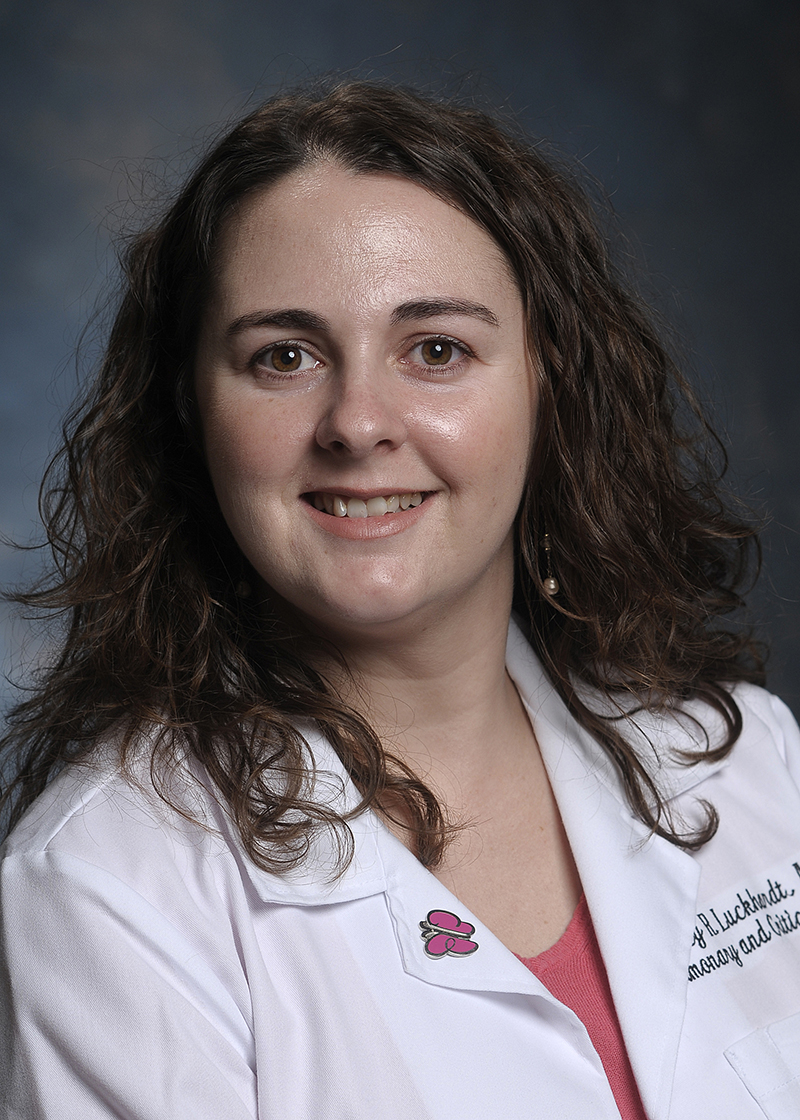 Tracy Luckhardt, M.D.
As the field of pulmonary medicine has evolved dramatically since 2020, faculty at UAB have revamped the fellowship training experience to better meet the needs of its learners. Its primary goal? To provide more individualized training for future pulmonologists.
“We wanted to expand our fellowship program to let our fellows see the breadth of our subspecialty. We also wanted to be able to train fellows for a variety of different careers—physician-scientists, clinician-educators, master clinicians and community doctors,” said program director Tracy Luckhardt, M.D.
The general pulmonary fellowship is led by Luckhardt, a Professor in the Division of Pulmonary, Allergy and Critical Care Medicine. George “Marty” Solomon, M.D. serves as associate director of the program.
"We re-wrote the curriculum to be a more faculty-driven, didactic program," Solomon explained. "Fellows can see the full spectrum, from research to clinical care, for a particular condition."
The trainee experience is divided into roughly equal parts of master clinician/didactic type case-based lectures and fellow-led presentations of either journal clubs, case conferences, or didactic talks of their choice. While training, fellows experience programs in environmental medicine, COPD, interstitial lung disease, cystic fibrosis, and lung cancer, from both a research and patient care perspective.
“We have also launched a critical care medicine fellowship and an interventional pulmonary fellowship,” Luckhardt said.
The Critical Care Medicine Fellowship, led by Program Director Sheetal Gandotra, M.D., trains physicians in procedures like airway management, paracentesis, basic bronchoscopy, percutaneous tracheostomy, and arterial access. Critical Care fellows train in the hospital ICU, while also rotating on ECMO, VA, and tele-ICU services.
“Dr. Gandotra led an initiative a year ago to develop a multidisciplinary critical care curriculum,” Luckhardt said. “Now, we have two hours a week dedicated to this multidisciplinary critical care curriculum, which is attended by our pulmonary critical care fellows, our critical care fellows, anesthesia critical care, neurocritical care, and sometimes trauma critical care.”
The UAB Interventional Pulmonology program, directed by Hitesh Batra, M.D, offers a multidisciplinary approach to a wide range of pulmonary and pleural diseases. IP fellows work in close collaboration with medical oncologists, radiation oncologists, thoracic surgeons, ENT surgeons, pathologists, and radiologists, which allows for well-rounded training.
“We are unique in that we have the facilities and expertise to offer the full range of interventional pulmonology procedures and provide comprehensive and expedited diagnosis, treatment, management of complications, and thorough follow-up care,” said Batra.
The division’s fellowship programs are not only expanding in terms of medical information and training, but also in demographics and representation.
“Our current first-year class has two fellows who are underrepresented in medicine out of six. Our incoming class matched four women out of six available spaces, in a field where only about 30% of your applicants are female,” Luckhardt said. “I am excited to have a class that is predominantly female coming in.”
This fellowship program’s quality is best exemplified by doctors like Jonathan Kalehoff, M.D., former fellows who stay at UAB after their fellowship training is complete.
“UAB has the best of all the worlds that you're looking for. You don't have to choose between research, clinical work, or education,” said Kalehoff.
“While I was a fellow, Dr. Solomon and Dr. Luckhardt would constantly contact me about resources they thought would help me in my individual training. They helped me build my program from the ground up,” Kalehoff said. “The program has a policy of fostering your interest and excitement.”
The personalization of training is being carried on to future generations, as seen in recent training developments helmed by Kalehoff.
“We are bringing in new mechanical ventilation training rather than sending our fellows out for training. We’re also putting together a global health curriculum,” Kalehoff explained. “I think in the next few years, we'll be taking fellows with us to some of our partner sites in Kenya.”
Our fellowship directors boast that the UAB Pulmonary Fellowship programs position them as a leader in the field. "We can compete with any of the top-tier programs in the country,” Luckhardt said. “As we remain proactive and continue to provide what the fellows need, we’ll continue to grow and improve.”
UAB Medicine Launches Nontuberculous Mycobacterial Disease Program
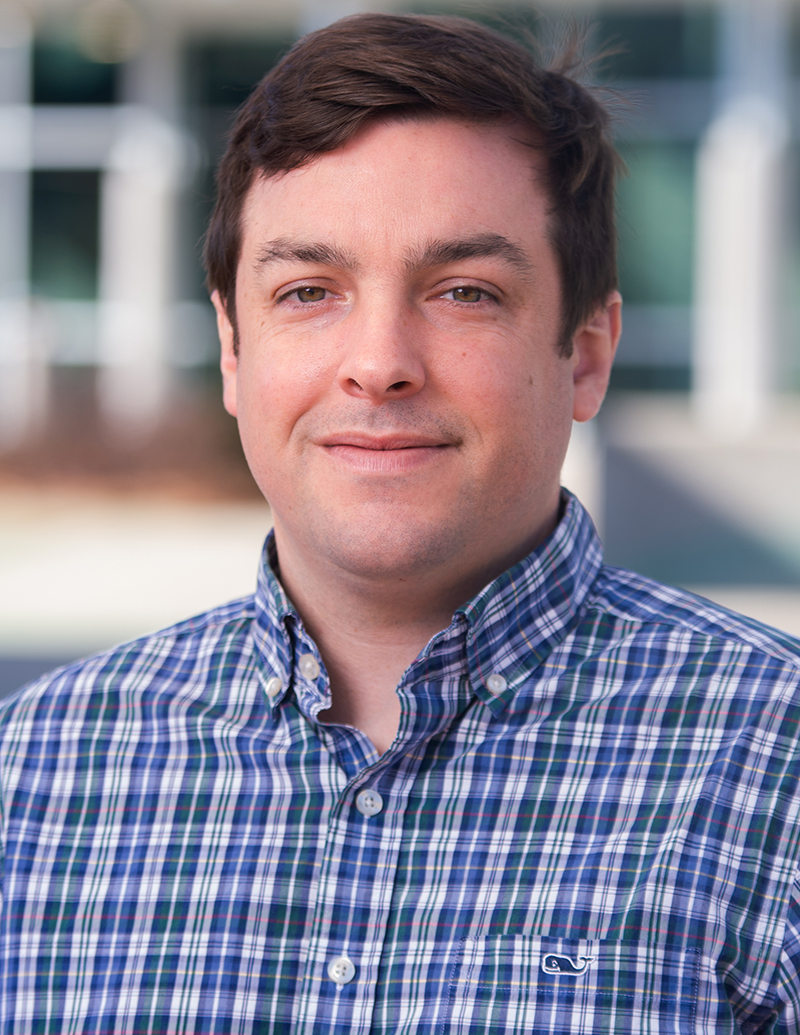 Bryan Garcia, M.D.
According to the American Lung Association, the number of people living with Nontuberculous Mycobacterial (NTM) lung disease is on the rise, especially among women and older age groups. This bacterial infection can be especially difficult to diagnose, requiring the expertise of a multidisciplinary team the UAB Medicine Nontuberculous Mycobacterial (NTM) Disease Program.
NTM infections arise from organisms commonly found in soil and water, and typically affect those with underlying lung diseases such as COPD or a weakened immune system, causing chronic cough, fatigue, fever, and night sweats. While NTM infections most commonly arise in the lungs, they can also appear in skin or soft tissue infections, lymph nodes, or other organs.
“Some states require public health reporting of NTM infections, but Alabama is not one of them,” said Bryan Garcia, M.D., medical director of UAB’s NTM program. “As a result, this is an under-represented infection at a clinical level and an epidemiologic level.”
The NTM Disease program team is comprised of Garcia, German Henostroza, M.D., and Angela Thomas, Nurse Coordinator.
“The number of NTM patients currently in the United States is around 80,000 patients,” Garcia explained. “The more elderly patients we have living with chronic lung disease, the more that we will see this infection. Because the organism is so ubiquitous, I tell patients that they will encounter these bacteria no matter what. We see patients with these infections anywhere in their bodies, but 95% of our patients have pulmonary infections.”
“There must be a lung infection confirmed either twice in sputum or once in bronchoscopy, radiographic evidence of the disease and symptoms attributed to the infection and that are significant enough that treatment is justified,” said Garcia. “Treatment is difficult, typically multiple antibiotics every day for 18 months or longer. That means side effects and drug interactions that must be considered.”
Community physicians can refer a patient to UAB Medicine by calling the MIST line at 1-800-UAB-MIST. For more information on resources available at UAB Medicine, visit uabmedicine.org/physician
UAB Pulmonary Launches Environmental Lung Disease Clinic
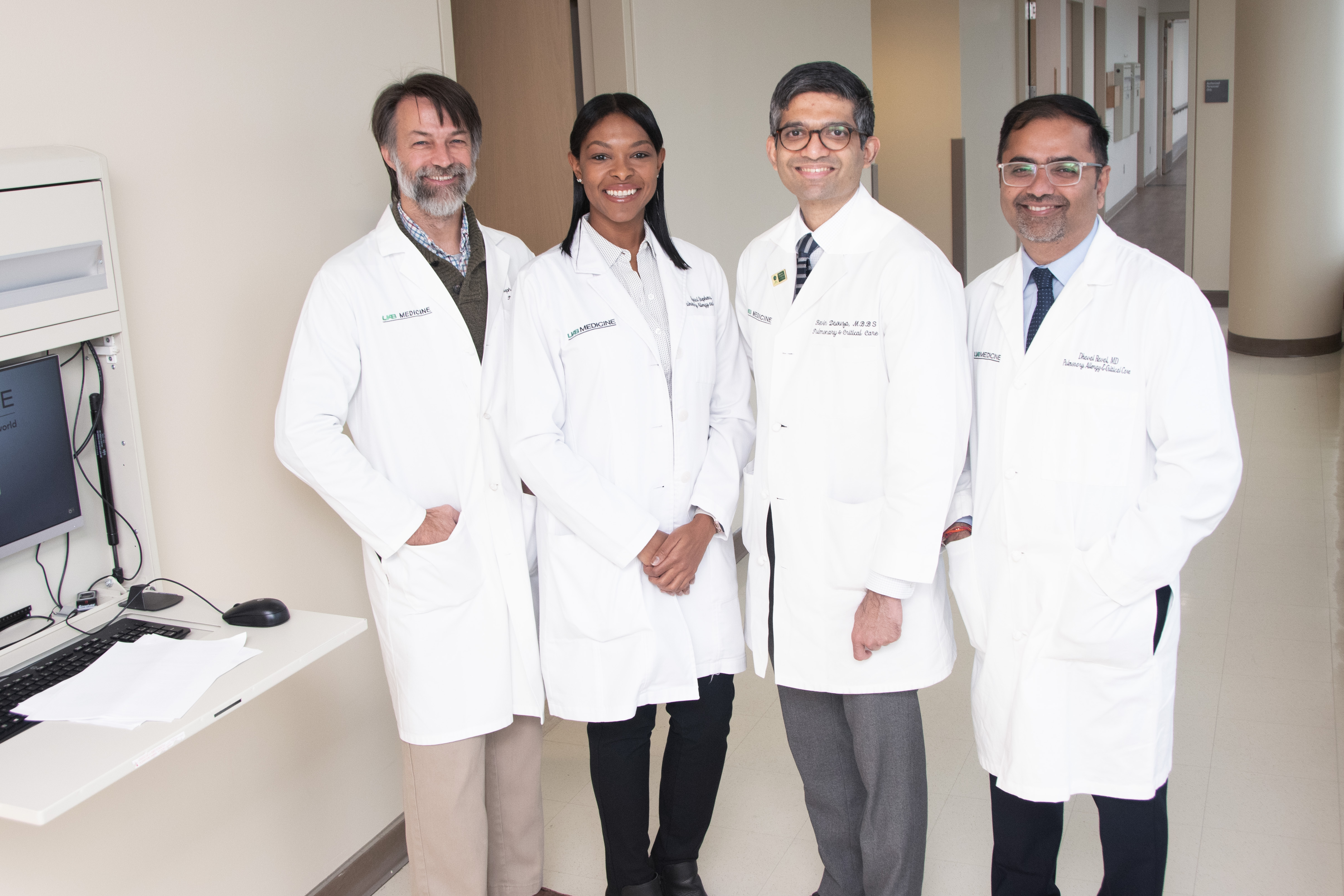 Joseph Barney, M.D., Crystal Stephens, CRNP, Kevin Dsouza, M.D., and Dhaval Raval, M.D.
Joseph Barney, M.D., Kevin Dsouza, M.D., Dhaval Raval, M.D., and Crystal Stephens, CRNP have launched a new ELD clinic at UAB. Their goal is to provide "comprehensive evaluations for patients from Alabama and the Southeast with respiratory conditions related to work exposures, environmental hazards at home and in workplace settings, and geographic areas of heightened risk."
This practice includes increasing access to care for the state's 3,600 coal workers. They also aim to provide treatment for exposure to other environmental toxins (cadmium, etc.) as the clinical extension of the Superfund Research Center.
Clinic will be every Friday afternoon. The clinic will staff at least two providers each week, so will see between 12 to 14 patients depending on complexity.
The clinic staff expects to see patients with occupational and environmental exposures like coal mine dust, silica, beryllium, and asbestos. These providers decided to start this clinic because there is no similar clinic dedicated to lung disease in the state. Their goal is to help patients with these exposures and to partner with the UAB School of Public Health to expand and improve environmental health research in Alabama.
Bodduluri Educates UAB in AI Paradigm
 Sandeep Bodduluri, Ph.D..
Artificial intelligence (AI) is poised to revolutionize medical practice, and assistant professor Sandeep Bodduluri, Ph.D., will ensure UAB’s pulmonary physicians are ready for this transformation.
Bodduluri leads two courses (Foundations of AI in Medicine and Applications of AI in Medicine) for a new graduate certificate program, Artificial Intelligence in Medicine, to provide doctors with foundational knowledge on AI’s practical and ethical uses in medicine.
“We want clinicians to be able to understand fundamental concepts of AI and be able to lead teams of AI engineers and data scientists,” Bodduluri says.
The benefits of using AI in pulmonary medicine have been seen with AI-based patient monitoring, which can help pulmonologists note wheezes, snoring, coughs, and crackles when patients are at home, at work, or asleep1. With Surya Bhatt, M.D.’s lung imaging lab, Bodduluri has developed an AI-based screening tool to diagnose COPD directly from CT scans2. The team has also demonstrated the utility of spirometry beyond COPD diagnosis, by applying AI algorithms to detect CT-derived structural disease directly from spirometry curves3.
This makes understanding AI a priority for clinicians and researchers, and instruction in this emerging technology is a vital learning mandate.
“COPD, cystic fibrosis, and lung cancer are among the diseases most able to use AI methodologies for early disease examination and detection,” Bodduluri said. “Additionally, CT and micro-CT scans can be processed and used to develop diagnostics and processing workflows much more effectively and efficiently with AI than by human examination alone.”
The certificate requires five courses, two of which Bodduluri teaches. The courses currently take 18 months to complete. All courses are hybrid, delivered on weekday evenings to accommodate the typical work hours of medical professionals. Bodduluri is designing a curriculum to facilitate graduate certification into a stand-alone master’s degree for AI in Medicine. To learn more about the AI in Medicine Graduate Certificate, visit the Marnix E. Heersink Institute for Biomedical Innovation website.
1. Kraman SS, Pasterkamp H, Wodicka GR. Smart Devices Are Poised to Revolutionize the Usefulness of Respiratory Sounds. Chest. 2023 Jun;163(6):1519-1528. doi: 10.1016/j.chest.2023.01.024. Epub 2023 Jan 25. PMID: 36706908.
2. Amudala Puchakayala PR, Sthanam VL, Nakhmani A, Chaudhary MFA, Kizhakke Puliyakote A, Reinhardt JM, Zhang C, Bhatt SP, Bodduluri S. Radiomics for Improved Detection of Chronic Obstructive Pulmonary Disease in Low-Dose and Standard-Dose Chest CT Scans. Radiology. 2023 Jun;307(5):e222998. doi: 10.1148/radiol.222998. PMID: 37338355
3. Bodduluri S, Nakhmani A, Reinhardt JM, Wilson CG, McDonald ML, Rudraraju R, Jaeger BC, Bhakta NR, Castaldi PJ, Sciurba FC, Zhang C, Bangalore PV, Bhatt SP. Deep neural network analyses of spirometry for structural phenotyping of chronic obstructive pulmonary disease. JCI Insight. 2020 Jul 9;5(13):e132781. doi: 10.1172/jci.insight.132781. PMID: 32554922
New Leadership Joins Lung Health Center
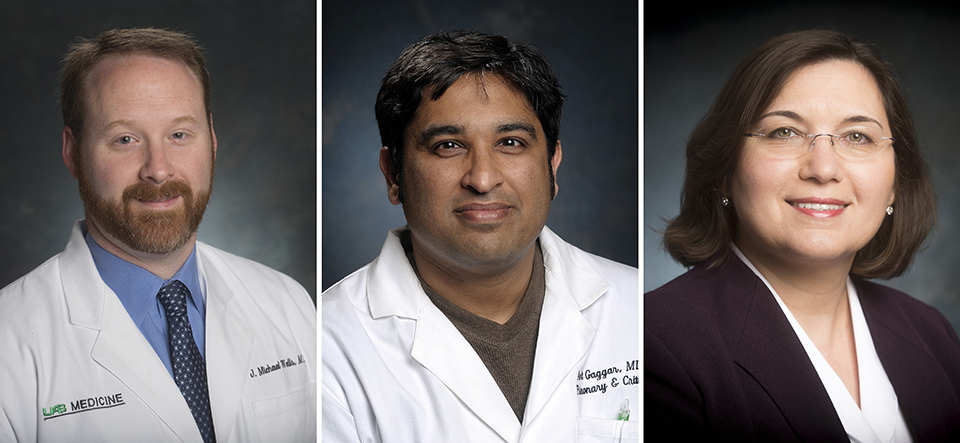 MIcheal Wells, M.D., Amit Gaggar ,M.D., Ph.D., and Gabriella Oates, Ph.D.
The UAB Lung Health Center has appointed three new pulmonary leaders to advance the treatment and study of lung health: Mike Wells, Amit Gaggar, and Gabriela Oates.
Mike Wells, M.D. (Associate Professor, Pulmonary, Allergy and Critical Care) will assume the role of Medical Director, overseeing operations and clinical research. Wells is a distinguished pulmonologist with expertise in chronic obstructive pulmonary disease and alpha-1 antitrypsin deficiency.
Amit Gaggar, M.D., Ph.D., (Professor, Pulmonary, Allergy and Critical Care) will serve as Scientific Director, leveraging his extensive experience directing programs in protease and matrix biology, pulmonary biology, and two medical startups in this position.
Gabriela Oates, Ph.D., (Associate Professor, Pulmonary, Allergy and Critical Care) will expand community outreach initiatives and research focused on social determinants of health, health disparities, and patient-centered outcomes as Director of Population Health Sciences.
The new leadership triad will build on the innovative work of Drs. Mark Dransfield and Ed Blalock who led the Center for nearly 15 years as medical and scientific director respectively. Under their leadership, the Center grew from three extramurally funded investigators to over 20, and its research portfolio grew from less than $5 million to more than $20 million in extramural funding.
Founded by Emeritus Professor William Bailey in 1986, the UAB Lung Health Center pursues key program areas spanning interstitial lung disease, critical care, lung transplantation, thoracic oncology, pneumonia, asthma, and COPD.
Surolia Recieves R01 Grant for Environmental Cadmium Study
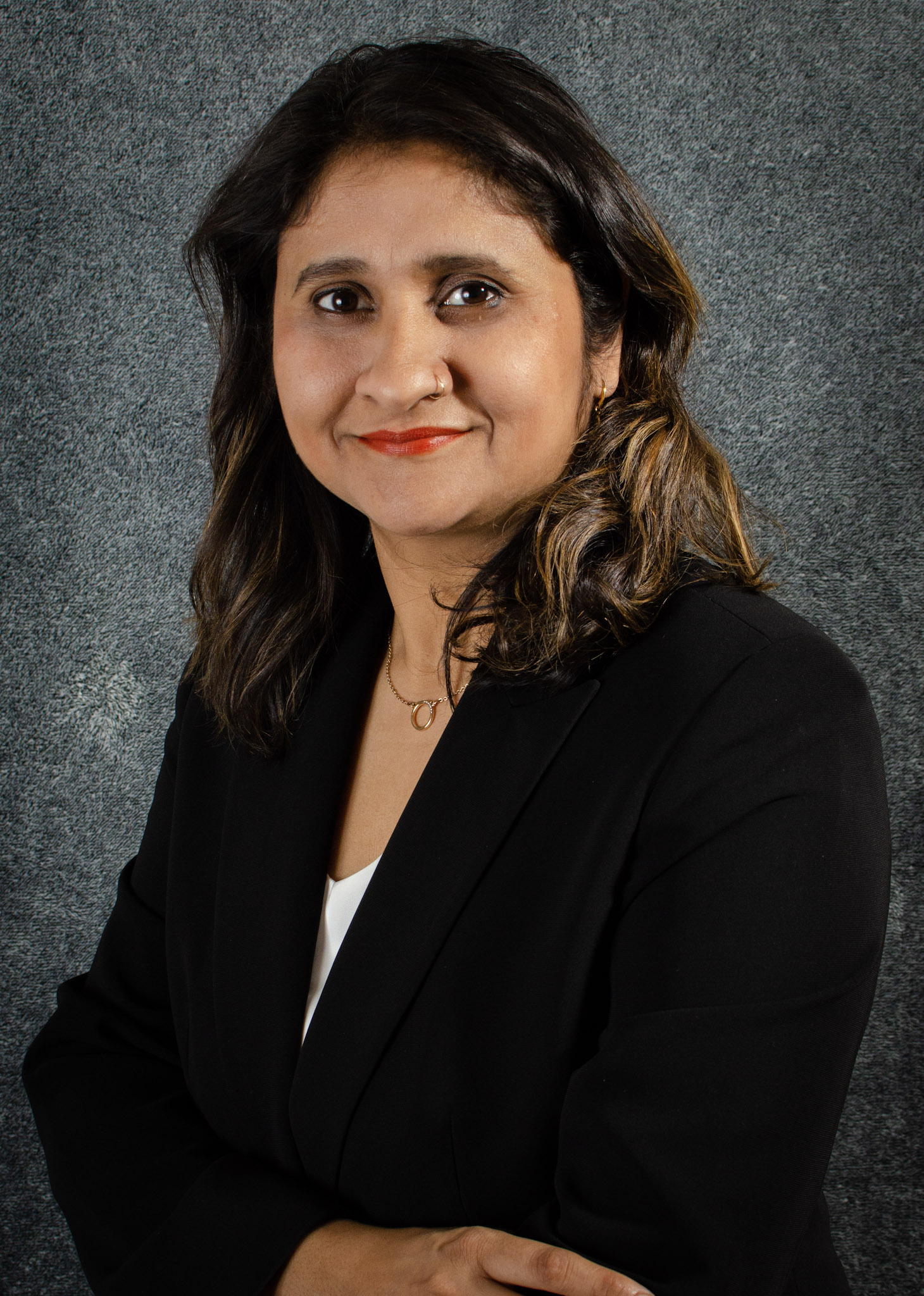 Ranu Surolia, Ph.D.
Ranu Surolia, Ph.D., assistant professor in the UAB Division of Pulmonary, Allergy, and Critical Care Medicine, has received an R01 grant for the project, “Environmental cadmium, persistent inflammation, and airways disease.” Surolia’s grant builds on her past work as part of the National Institute of Environmental Health Sciences P42 Superfund Award project, “Impact of Airborne Heavy Metals on Lung Disease and the Environment.” This project will investigate how cadmium toxicity is responsible for persistent inflammation and airway remodeling.
Cadmium is a heavy metal pollutant that has no biological function in the human body. Cadmium is emitted from sources like smelters, coal-fired plants, coke factories, and forest fires. Environmental cadmium is associated with a higher risk of development of small airway diseases like COPD and Asthma, however, the mechanism by which this happens remains unclear.
Surolia’s laboratory research has found that biological samples from UAB Superfund Site residents have high levels of cadmium in their lung tissue, along with twice the incidence of chronic airway diseases than the general population. Environmental exposure to cadmium can induce dysregulated resolution pathways related to persistent inflammation, which may be a reason for the increased incidences of airway diseases.
Surolia observed that the Cadmium exposed alveolar macrophages demonstrated decreased efferocytosis ability, the presence of increased protein arginine deiminase 4 (PAD4), and citrullinated calcium-calmodulin-dependent protein kinase II (CaMKII). Her research team will investigate cadmium toxicity-mediated effects of PAD4-related downstream pathways for impaired efferocytosis for the persistent inflammation and airway remodeling. Surolia's research team hopes to determine if cadmium-exposure-mediated dysfunctional efferocytosis is associated with airway disease in vivo animal models and ex-vivo organoid models. She will expand the outcomes of these mechanistic studies to corelate with dysfunction of efferocytosis in the biological samples from patients with COPD and North Birmingham residents at the Superfund Site.
For full details on this project, please visit the NIH RePorter.
Bhatt Investigates Impact of Dupilumab on COPD with Type 2 Inflammation
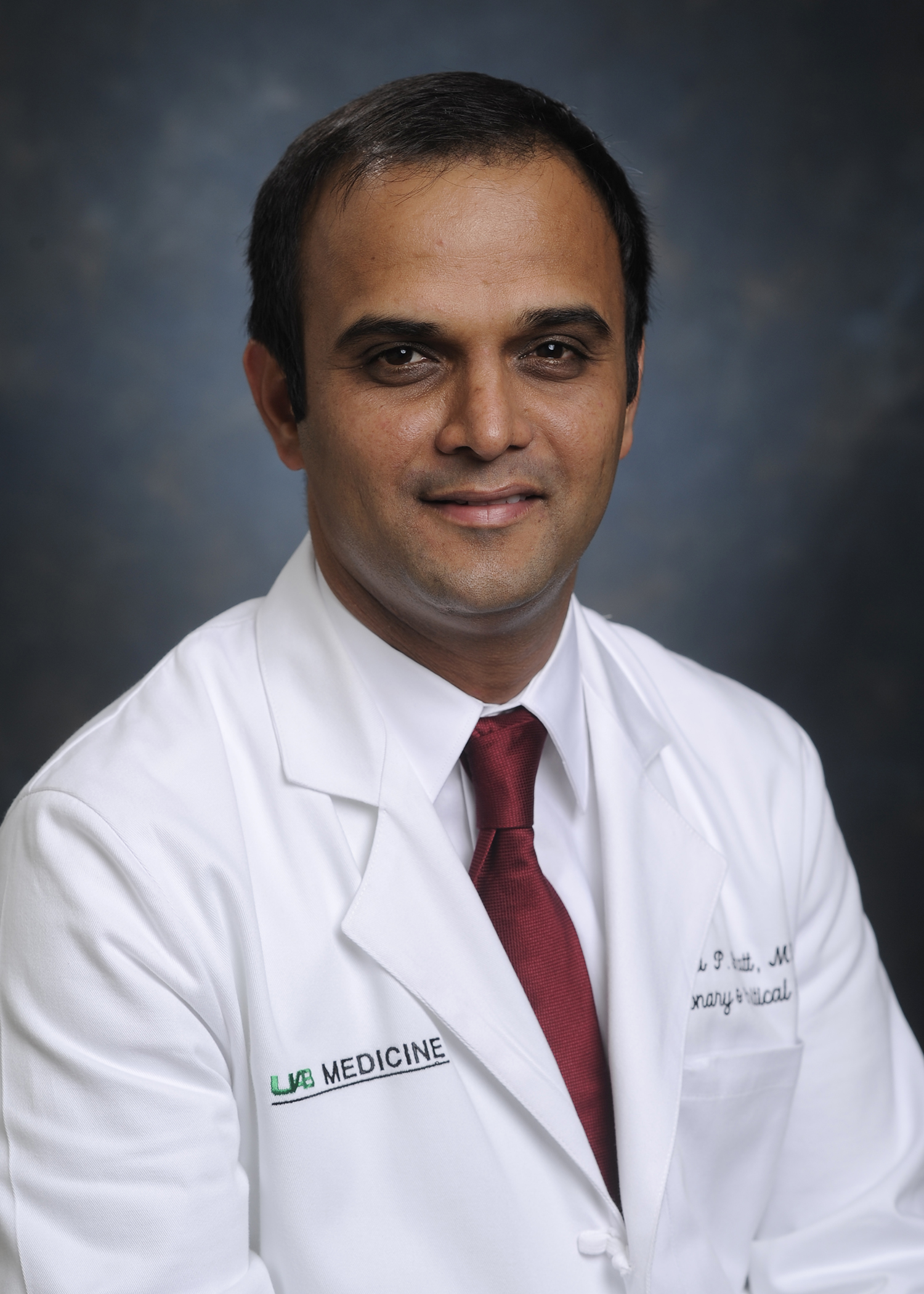 Surya Bhatt, M.D.
Surya Bhatt, M.D., an associate professor in the UAB Division of Pulmonary, Allergy, and Critical Care Medicine, reported in the New England Journal of Medicine that patients with COPD and type 2 inflammation who received the biologic agent dupilumab had fewer exacerbations, better lung function, and less severe respiratory symptoms than those who received a placebo. This is the first time a biologic product, rather than a conventional drug, has been shown to be effective in treating COPD.
Regardless of severity, COPD flares lead to a poorer quality of life, increased hospitalizations, and an increased risk of death. Type 2 inflammation is associated with a higher risk of COPD exacerbations and may be indicated by elevated blood eosinophil counts. Between 20% and 40% of patients with COPD have evidence of type 2 inflammation. Dupilumab, a fully human monoclonal antibody, blocks the shared receptor component for two key drivers of type 2 inflammation, interleukin-4, and interleukin-13.
Type 2 inflammation is associated with several pathologic processes in COPD, including airway hyperreactivity and fibrosis, airway remodeling, mucociliary dysfunction, and mucus hypersecretion. In the study, Bhatt looked at patients with a blood eosinophil count of at least 300 cells per microliter who were at an elevated exacerbation risk despite standard triple inhaler therapy. He assigned them to two groups to receive either subcutaneous dupilumab or placebo once every two weeks. The study's primary endpoint was the annualized rate of moderate or severe flares.
Dupilumab was associated with a 30% reduction in the rate of COPD flares over the 52-week course of the study. The biologic was also associated with meaningful improvements in lung function and health-related quality of life, as well as fewer severe respiratory symptoms compared to placebo. These improvements were observed within 2 to 4 weeks after the initiation of dupilumab and were sustained throughout the 52-week trial period.
The clinical improvements associated with dupilumab observed in this trial confirm the role of interleukin-4 or interleukin-13 (or both) in the pathologic pathways of this COPD subpopulation with type 2 inflammation—a role that extends beyond the role of interleukin-5 and eosinophils. The reduction in the frequency of exacerbations and the improvement in lung function with dupilumab were more pronounced among patients who had a fractional exhaled nitric oxide (FeNO) level of 20 ppb or higher at baseline.
"Dupilumab has the potential to impact the vicious cycle of exacerbations and lung function decline in patients who have COPD with type 2 inflammation and high exacerbation risk, who are already on optimal inhaled triple therapy," said Surya Bhatt, M.D. "Dupilumab significantly improves respiratory symptoms and also helped improve health-related quality of life measures."
Bhatt Researches New Measure of Airflow Obstruction
Surya Bhatt, M.D.
Considerable controversy exists on the best methods to diagnose airflow obstruction. Most of the discrete ratio thresholds used to define airflow obstruction are insensitive to early and mild disease. Although several efforts have been made to develop other measures for detection of airflow obstruction, these have not resulted in clinically useful measures with sufficient discrimination from normal. Additionally, demographics like age can influence currently-used airflow obstruction measures, complicating diagnostic threshold selection for airflow obstruction.
To combat this, a research team led by Surya Bhatt, M.D. proposed a new airflow obstruction metric Parameter D. In the current work, Dr. Bhatt and team evaluated the influence of demographics on Parameter D and showed that this new measure is minimally influenced by most demographics. In addition, the team reported new diagnostic thresholds for parameter D based on normal population that could aid in the early identification of more individuals with airflow obstruction.
Bhatt’s research team analyzed the spirometry data of normal subjects enrolled in the 2007-8, 2009-10 and 2011-12 NHANES cohorts and calculated Parameter D using the expiratory volume-time curve. Relationships between demographics and lung function (FEV1, FEV1/FVC, and Parameter D) were assessed using generalized linear models in NHANES and UK Biobank. Based on concordance between the lower-limit-of-normal (LLN) for FEV1/FVC and the Parameter D threshold, four groups were found: Normal (no airflow obstruction by either criterion), D+COPD (positive by Parameter D only), D-COPD (positive by LLN only), and COPD (positive by both criteria). Any associations with structural lung disease, exacerbations, and mortality were assessed using multivariable analyses.
The variance of Parameter D explained by each demographic feature is very low, in contrast to FEV1. FEV1 is significantly influenced by body size and its correlates of height, sex, and race. Age-related loss of lung elasticity also has a negative impact on FEV1. In contrast, it is plausible that in the case of Parameter D, the rate of volume change reflects proportions of the preceding segments of the curve, meaning the impact of lung size is negligible. The FEV1/FVC ratio, by including lung size in the denominator, is minimally influenced by height but decreases substantially with advancing age. Parameter D, in contrast, is not influenced by age.
Based on the frequency distribution of Parameter D in a representative healthy community dwelling population, the research team also discovered a threshold that results in the identification of additional individuals with a substantial amount of structural lung disease and respiratory symptoms. Over 25% of those with airflow obstruction identified by Parameter D alone were found to have airflow obstruction by traditional criteria 5 years later. When this is compared with 8% of normal, this suggests that this metric can also find airflow obstruction earlier.
These advantages are especially noteworthy at a time when the inclusion of demographics such as race and ethnicity in reference equations is more present than it has ever been. With race/ethnicity based equations, there is potential for misdiagnosis in the minority populations with implications for delayed diagnosis, withheld treatments, and lower access to disability benefits. The work has been conducted in collaboration with Dr. Sandeep Bodduluri (UAB Pulmonary), Dr. Arie Nakhmani (UAB Electrical Engineering), and led by Dr. Surya Bhatt (UAB Pulmonary).
Iyer Champions Palliative Care in Pulmonary Settings
While 92% of Americans say it’s important to discuss their wishes for end-of-life care, only 32% have had such a conversation.1 As an intensivist and pulmonary assistant professor, Anand Iyer, M.D., knows this quite well. He’s been having conversations about serious illness with patients and their families for over a decade.
Early in his training, Iyer began integrating palliative care principles into his rotations in the ICU. Now, he is parlaying those efforts into a blended #pallipulm approach to the full tripartite mission: research, education, and care.
“People living with serious respiratory illnesses, such as COPD, suffer with many significant symptoms, like progressively debilitating breathlessness, and have poor prognostic awareness about the future. Over half of adults with COPD will be older than 75 years in the next decade, and many of them have significant care needs like functional issues, difficulty with mobility, and social isolation,” Iyer explains. “Plus, it’s really hard for them as they get older to lug a heavy oxygen tank around, which makes things like walking to the mailbox a difficult experience. COPD is much more than inhalers, and a patient’s family really feels the burden, too.”
Recognizing how often this chronically ill population experiences a chaotic end of life with frequent hospitalizations, Iyer joined forces with UAB Center for Palliative and Supportive Care to support UAB’s observance of National Healthcare Decision Day.
On April 16, patients across both UAB Hospital campuses were invited to learn more about how to begin those important conversations prior to an emergency or end-of-life crisis. Each one was given a simple booklet to guide them in thinking about future goals of care and serve as a reference when health decisions need to be made.
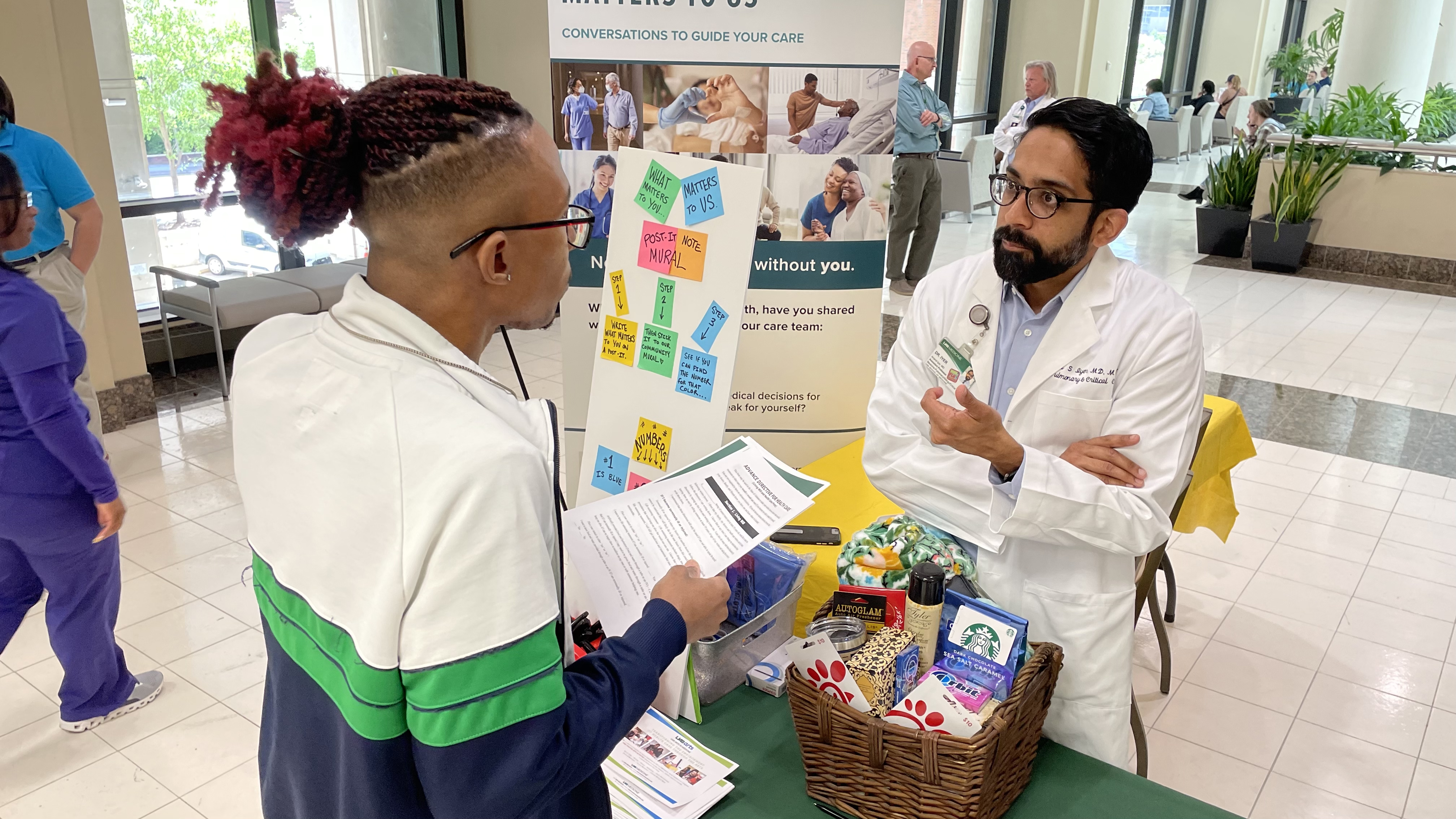 Anand Iyer, M.D. discusses end-of-life care plans with a UAB employee.
And that’s just the tip of the #pallipulm iceberg. As a Beeson Scholar and Emerging Leader in Aging, Iyer recently designed a #pallipulm intervention for patients and their families. “EPIC: Early Palliative Care in COPD,” is a first of its kind #pallipulm program that uses telephonic palliative care nurse coaching to guide patients living with COPD and their families through a curriculum of problem solving, symptom recognition and management, aging well with COPD, and planning for the future.
Iyer is now testing EPIC through a pilot randomized controlled trial at UAB. He hopes that EPIC can help patients and their families learn skills they need to take more control over their COPD, improve quality of life, grow older more successfully, and have those important conversations about the future long before the end of life.
“The population of older adults is growing fast, and we all need to be thinking outside the box on ways to help them plan for the future and live well, especially with complex serious respiratory illnesses that limit their quality of life,” Iyer says.
If you didn’t join the national observance of Healthcare Decision Day, it’s not too late to start the conversation. Visit theconversationproject.org to find plenty of resources for patients and providers alike.
1. The Conversation Project National Survey, 2018
Kulkarni Joins REMAP-ILD Project
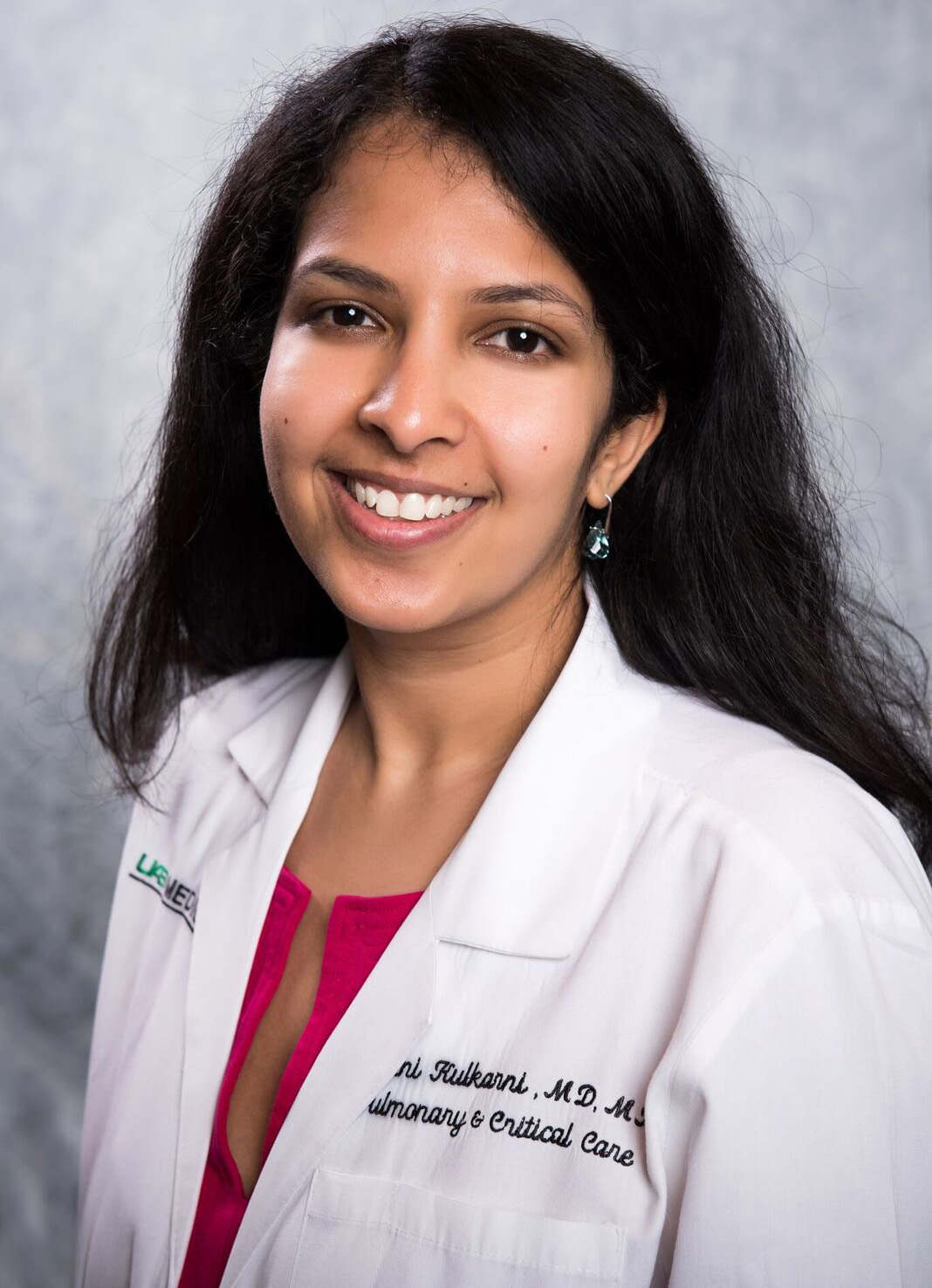 Tejaswini Kulkarni, M.D., M.P.H.
Tejaswini Kulkarni, M.D., M.P.H., the Director of the Interstitial Lung Disease (ILD) Program at UAB, champions efforts to provide quality clinical care to patients with ILD at her center. Dr. Kulkarni is currently principal/co-investigator on clinical trials studying new therapeutics for ILD, and her research focuses on developing imaging biomarkers to predict and assess response to therapy among these patients.
ILDs represent a group of fibro-inflammatory disorders that occur following variety of exposures, in association with systemic diseases, typically autoimmune conditions, or, in some cases like idiopathic pulmonary fibrosis (IPF), without known cause. Currently approved antifibrotic therapies are expensive, have numerous side effects and have limited efficacy. Other therapies, including immunosuppression, are largely based on retrospective studies, except for scleroderma-related ILD and progressive pulmonary fibrosis. Thus, there is an urgent need for new therapies and adaption of innovative clinical trial platforms for fibrotic ILDs.
As UAB’s ILD Program Director, Dr. Kulkarni has joined as a key member of an international collaborative effort to design, plan, and develop the REMAP-ILD clinical trial. REMAP-ILD, or the Randomized, Embedded, Multifactorial, Adaptive Platform Trial for Interstitial Lung Disease, is a new global network of leading experts, institutions and research networks invested in advancing care for patients with fibrotic ILDs. REMAP-ILD’s goal is to design an international adaptive platform clinical trial, which can accelerate the assessment of therapies for fibrotic ILD patients by testing multiple interventions within multiple patient strata simultaneously; potentially improving outcomes in patients with Lukusa-Sawalenith fibrotic ILDs.
UAB Sarcoidosis Joins as a Founding Member of the Global Sarcoidosis Alliance
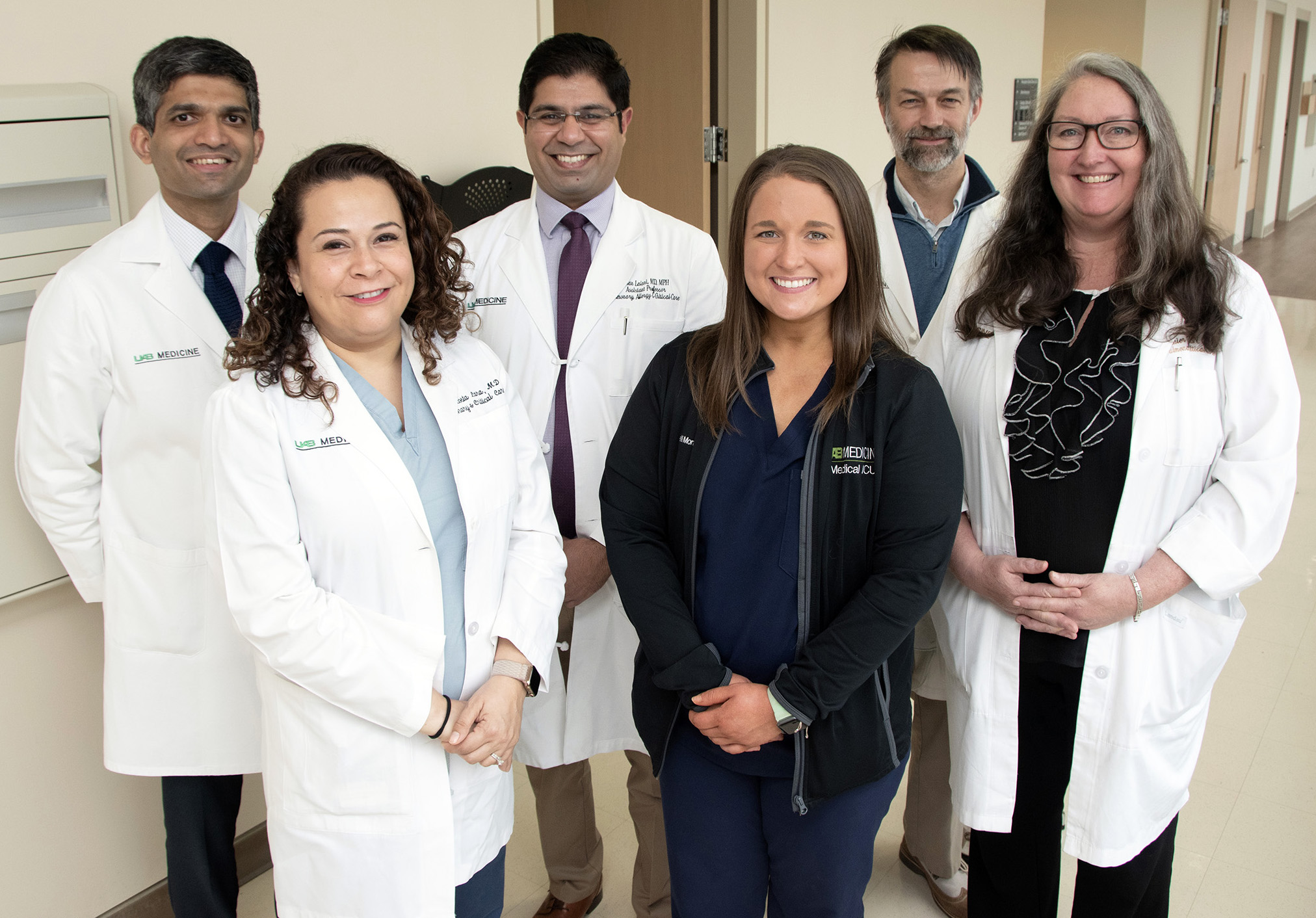 Left to right Kevin G. Dsouza, M.D.; Ishan Lalani, M.D., MPH; Joseph B. Barney, M.D.; Maria del Pilar Acosta Lara, M.D.; Kelli Montz, BSN, RN; Lanier O'Hare, Ph.D.
The University of Alabama at Birmingham’s Multidisciplinary Sarcoidosis Clinic has joined the Foundation for Sarcoidosis Research (FSR) as a founding member in their Global Sarcoidosis Alliance (GSA). This new network of specialty clinics in the United States and globally creates a robust network for patient and clinician education, innovates sharing of information to advance new therapies for treatment of sarcoidosis, and creates collaborative referral networks to connect patients with complex sarcoidosis with specialists familiar with their disease. Sarcoidosis is an inflammatory disease characterized by the formation of granulomas in one or more organs of the body.
When left unchecked, chronic inflammation caused by granulomas can lead to fibrosis. This disorder affects the lungs in approximately 90% of cases, but it can affect almost any organ in the body. Despite increasing advances in research, sarcoidosis remains difficult to diagnose with limited treatment options and no known cure.
Disease presentation and severity varies widely among patients. In some cases, the disease goes away on its own. In others, the disease may not progress clinically but individuals will still suffer from some symptoms that challenge their quality of life. The rest of patients—up to a third of people diagnosed with the disease—will require long-term treatment. It’s estimated that the prevalence of sarcoidosis in the US ranges between 150,000 and 200,000 (Baughman, RP et al), with an estimated 1.2 million individuals with sarcoidosis worldwide (Denning, DW et al.). The FSR Global Sarcoidosis Clinic Alliance brings together sarcoidosis clinics and hospitals committed to finding a cure and offering evidence-based, patient-centric care for those living with sarcoidosis. Alliance members will benefit from innovative resources, sustainable programming, and tools to accelerate treatment, research and the continuum of patient care.
“FSR believes in the power of many to join forces for true game-changing results in sarcoidosis care and research. The FSR Global Sarcoidosis Clinic Alliance will ensure every patient in every community across the world has access to education, care, and support, leading to improved patient outcomes,” says Mary McGowan, FSR CEO. “The quality of life of approximately 1.2 million sarcoidosis patients impacted by sarcoidosis world-wide depends on a true global collaborative and that’s exactly what this Alliance is all about.” “We are excited to contribute to this new alliance and push the margin forward in understanding and eventually curing sarcoidosis for thousands of patients in Alabama and worldwide,” said Joseph Barney, M.D., professor in the UAB Division of Pulmonary, Allergy and Critical Care Medicine and director of UAB’s Multidisciplinary Sarcoidosis Clinic.
“We were initially motivated to join the alliance to foster collaboration between other providers from other clinics in the United States,” said Pilar Acosta Lara, M.D., a member of the UAB Multidisciplinary Sarcoidosis Clinic.
“Since joining the alliance, we have been fostering working collaborations with other clinics in the US,” Dr. Acosta Lara said. “Our patients share the same barriers as those in other alliance clinics - access to care, support care network geared towards patients, and access to clinical trials. This alliance will expand all of our efforts to improve the care of sarcoid patients”
LCS Program Improves Cancer Screening Among Veterans
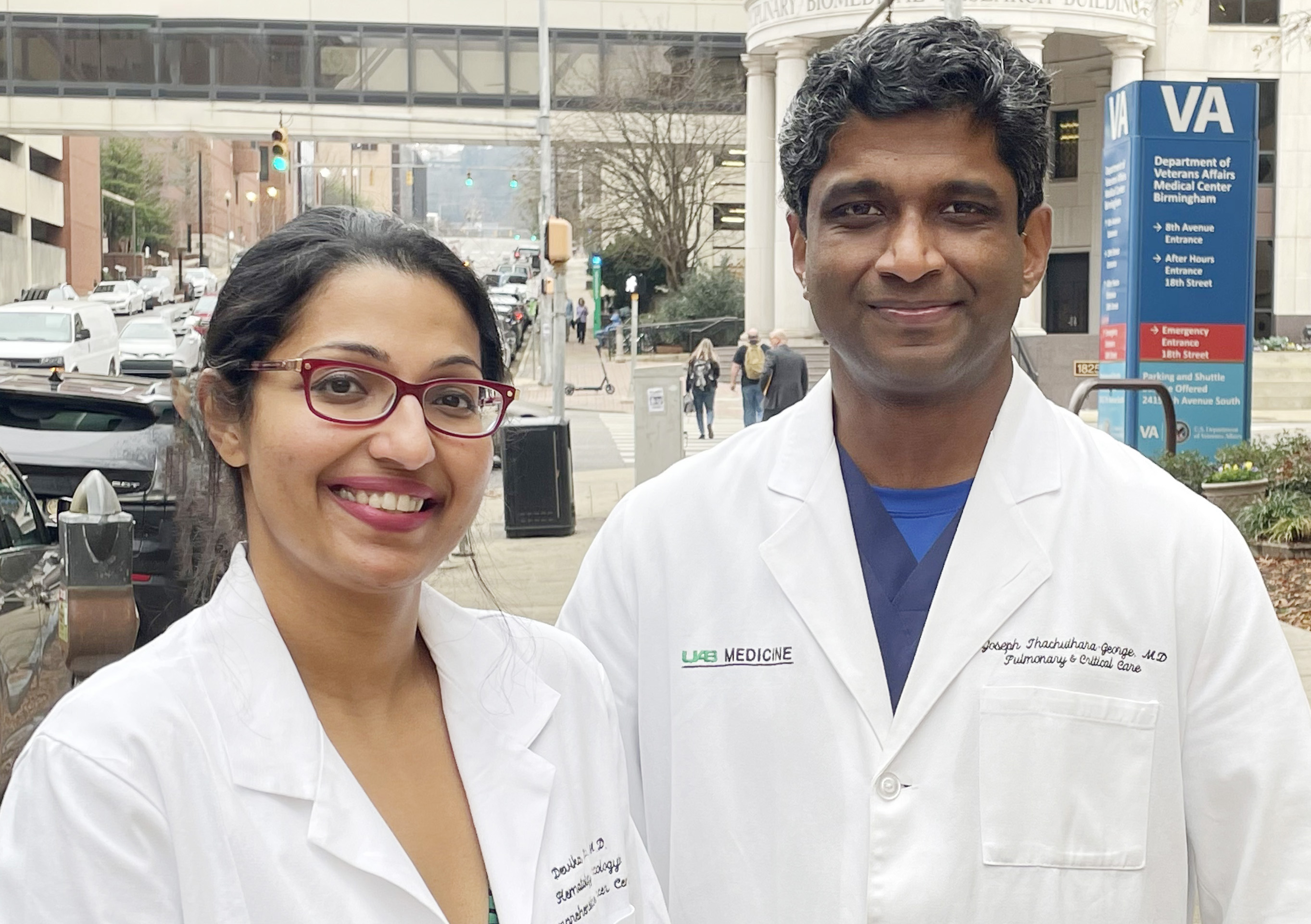 Devika Das, M.D. and Joseph Thachuthara-George, M.D.
In Alabama, the rate of lung cancer cases is significantly higher than the national rate. Southern veterans often come into the program’s clinic with unique environmental and occupational exposures. The Lung Cancer Screening (LCS) Program aims to improve lung cancer screening among Veterans, whose cancer often goes undetected until later stages, in an effort to connect them to clinical trials. Early discovery is essential, as it can increase a patient’s five-year survival rate to nearly 80%.
In 2021, Dr. Devika Das, BVAMC Section Chief Hematology/Oncology, and Dr. Mark Dransfield, Director of the UAB Division of Pulmonary, Allergy, and Critical Care, received a $1.3 million grant to develop a Lung Precision Oncology Program at the Birmingham VA Health Care System. The LCS program is now being piloted at the Birmingham VA Women's Clinic and will slowly expand to other BVAHCS Clinics.
“This is team science at its best,” Dr. Das says. “Everyday, we learn something.” This program is centered around a structured, nurse-driven lung cancer screening, offered not only in Birmingham, but in nearby Tuscaloosa. To serve patients across the Southeast, the LCS program sees patients from Mississippi in Tuscaloosa clinic locations before referring them to UAB.
Potential patients are examined by interventional pulmonology specialist Joseph Thachuthara-George, M.D., whose advanced bronchoscopy skills and latest technology expedite patients to treatment. Dr. Thachuthara-George began his work with the LCS in December of 2021.
“Once a suspected lesion is noted on screening CT, we perform further evaluation which includes risk stratification of the nodules as well as diagnostic and staging procedures,” Dr. Thachuthara-George says. “We have increased the number of clinics and have doubled the number of patients receiving advanced procedures to keep up with the increase in lung cancer screening,” he continues.
The LCS program has recently increased the scope of its screening and testing efforts, with recent supplemental funding used to start a mobile screening program in Anniston along with clinical trials to predict early risk for lung cancer through less invasive methods like nasal swabs.
To learn more about the LCS program, contact program coordinator Sasha Smith BSN, RN, at (205) 933-8101 (ext. 334199) or sasha.smith@va.gov.
Inhaler Plus Usual Care Decreases Asthma Exacerbations Among Black, Latinx Patients
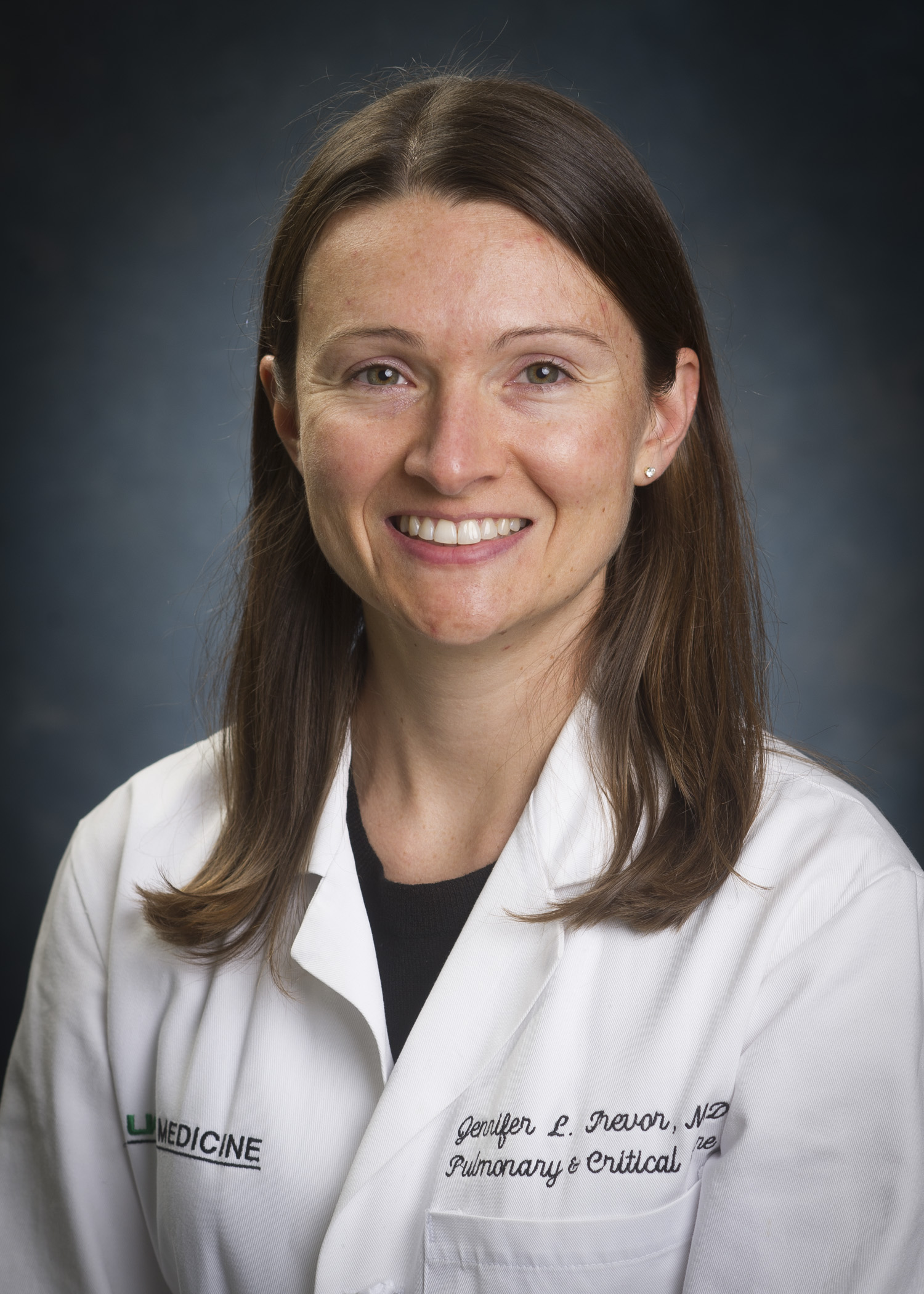 Jennifer Trevor, M.D.
Jennifer Trevor, M.D., associate professor in the UAB Division of Pulmonary, Allergy, and Critical Care Medicine, directs the Severe Asthma Clinic at UAB. In order to provide her patients with access to the latest treatments for asthma, she serves as the Principal Investigator on several Phase III clinical trials.
Trevor recently contributed to research published in the New England Journal of Medicine aimed to reduce severe asthma exacerbations, based on studies in Black and Latinx patient populations.
Efforts to reduce the disproportionate morbidity of Black and Latinx patients with COPD have been mostly unsuccessful, and guideline recommendations have not been based on studies in these populations. In a pragmatic, open-label trial, the research team randomly assigned Black and Latinx adults with moderate-to-severe asthma to use a patient-activated, reliever-triggered inhaled glucocorticoid strategy plus usual care or to continue usual care. Participants had one instructional visit followed by 15 monthly questionnaires.
The trial’s primary endpoint was the annualized rate of severe asthma exacerbations. Secondary end points included monthly asthma control as measured with the Asthma Control Test, quality of life as measured with the Asthma Symptom Utility Index, and participant-reported missed days of work, school, or usual activities. Safety was also assessed.
Among Black and Latinx adults with moderate-to-severe asthma, provision of an inhaled glucocorticoid and one-time instruction on its use, added to usual care, led to a lower rate of severe asthma exacerbations. This presents an alternative approach to single maintenance and reliever therapy for U.S. prescribers.
N Engl J Med 2022; 386:1505-1518 Reliever-Triggered Inhaled Glucocorticoid in Black and Latinx Adults with Asthma
Bhatt Evaluates Targeted Lung Denervation in COPD
 Surya Bhatt, M.D.
Dr. Surya Bhatt, associate professor in the Division of Pulmonary, Allergy and Critical Care Medicine, is leading one of 33 U.S. sites in evaluating a novel bronchoscopic procedure: targeted lung denervation, or TLD. The clinical trial, known as AIRFLOW-3, aims to assess effectiveness of TLD in decreasing the rate of moderate or severe exacerbations in patients with chronic obstructive pulmonary disease (COPD).
Millions across the world suffer from COPD, facing flare-ups on a regular basis. COPD flare-ups often cause breathing to become extremely difficult which can be stressful and even frightening for patients. While medications can help with COPD, they do not always effectively control flare-ups.
The TLD procedure is performed through a standard bronchoscope. Once in place, the denervation device delivers targeted radiofrequency energy to the nerves located on the outside of the airways. This permanently disrupts pulmonary nerve input to the lung, reducing the neural hyperactivity that drives flare-ups. The procedure takes about one hour with most patients returning home the same day.
Information about the trial and enrollment is available at www.airflowtrial.com and https://clinicaltrials.gov/ct2/show/NCT03639051.
McDonald Recognized for COPD Cachexia Research
 Merry-Lynn McDonald, Ph.D., MSc
Merry-Lynn McDonald, Ph.D., MSc, assistant professor in the UAB Division of Pulmonary, Allergy, and Critical Care Medicine and director of the Integrative ‘Omics Program, was named a “2022 Rising Star of Research” by the American Thoracic Society’s (ATS) Assembly on Respiratory Cell and Molecular Biology (RCMB). Dr. McDonald is a genetic epidemiologist with expertise in the analysis of complex conditions and diseases including COPD cachexia, sarcopenia, and osteoarthritis. Her latest investigations have focused on cachexia—a condition that involves loss of body weight, muscle wasting, and weakness.
Recognizing that cachexia is common among patients with COPD as well as patients with cancer, she began searching for a shared genetic etiology. Using change in BMI as a proxy for cachexia among cancer and COPD cases, she discovered a variant in the DOCK1 gene is associated with change in BMI among both GI cancer and COPD cases. “I am deeply honored to receive this award from the Assembly on Respiratory Cell and Microbiology (RCMB) Science Assembly Planning Committee of the American Thoracic Society,’ said McDonald. “I could not have done it without the support of mentors including Dr. Mark Dransfield who nominated me for this award. I am emboldened to continue to make significant findings to help patients suffering from COPD cachexia.”
Originally from Canada, Dr. McDonald received her undergraduate degree from the University of Waterloo, her MSc from the University of Saskatchewan and her Ph.D. from Baylor College of Medicine in Houston, TX. She completed post-doctoral training at Brigham and Women’s Hospital/Harvard School of Medicine. McDonald was recently awarded her first R01 supporting her research program on genomics of COPD cachexia. ATS RCMB Assembly “Rising Stars” are recognized for their outstanding scientific achievement, mentorship, and leadership potential in the field of Respiratory Cell and Molecular Biology. McDonald received her award on May 15 as part of the ATS 2022 conference in San Francisco, CA, where she presented her research in the ATS Science and Innovation Center.
Post-COVID Treatment Program
While the complete ramifications of COVID-19 infection are not fully known, it is estimated that up to 30% of patients may experience persistent symptoms after initial recovery, even if their disease was mild. In some cases, patients who had no symptoms when first infected with the virus can develop post-COVID symptoms, or they may experience different symptoms than ones they had during the early phase of infection.
“Symptom-wise, the most common respiratory concerns we see are breathlessness after exertion and cough,” notes Dhaval Raval, M.D., Clinical Assistant Professor in the division. “Some of the common diagnoses we see are interstitial lung disease reactive airway disease, respiratory failure, and flare-ups from previous of underlying lung issues like asthma and COPD.”
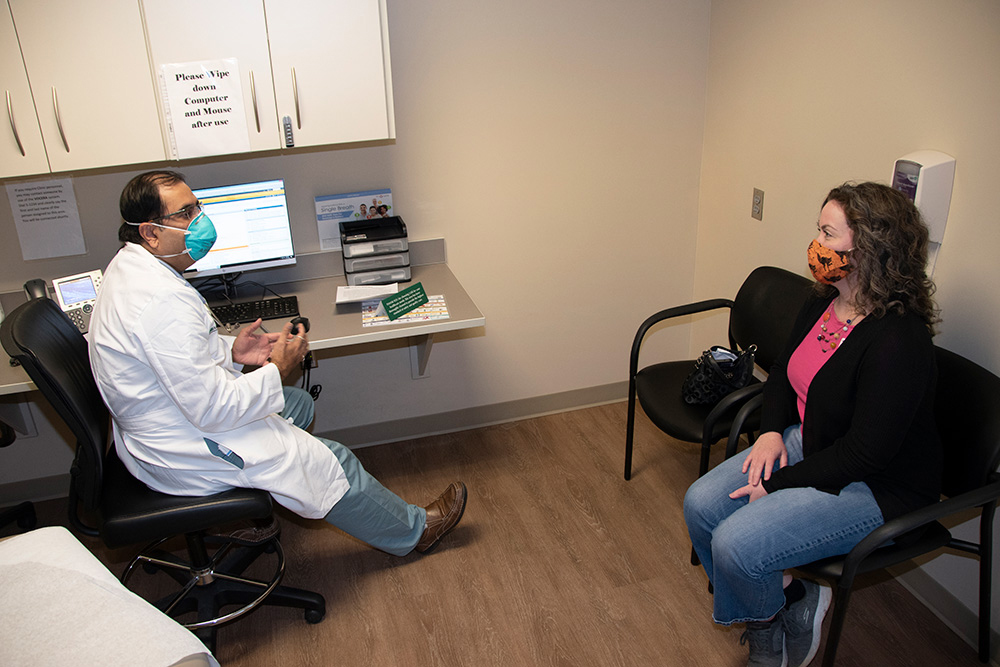
The program accepts referrals for any patient needing further medical evaluation related to post-COVID symptoms experienced four weeks or more after first being infected with the virus. From the clinic’s inception in November 2020 through the end of February 2022, the full team has seen nearly 2,000 patients, with the UAB Division of Pulmonary, Allergy, and Critical Care Medicine managing roughly 65% of the total referrals.
“We have 3 half-day pulmonary post-COVID clinics per week on Tuesday, Wednesday and Friday afternoons. Along with me, we have two nurse practitioners and two other physicians who rotate in,” Raval explains. “UAB internal providers refer patients to us frequently. We also get referrals from both primary care doctors and other pulmonologists from outside UAB, including from other states like Mississippi and Florida.”
“Last November and December, we were planning to keep working with this specific program three times a week, then moving down to two times a week, then one time a week, then thinking we’d be done in March,” continues Raval. “One month later, we were having to deal with the Omicron variant. Now, we’re expecting to run this service through at least May or June, depending on whether any new variants emerge.”
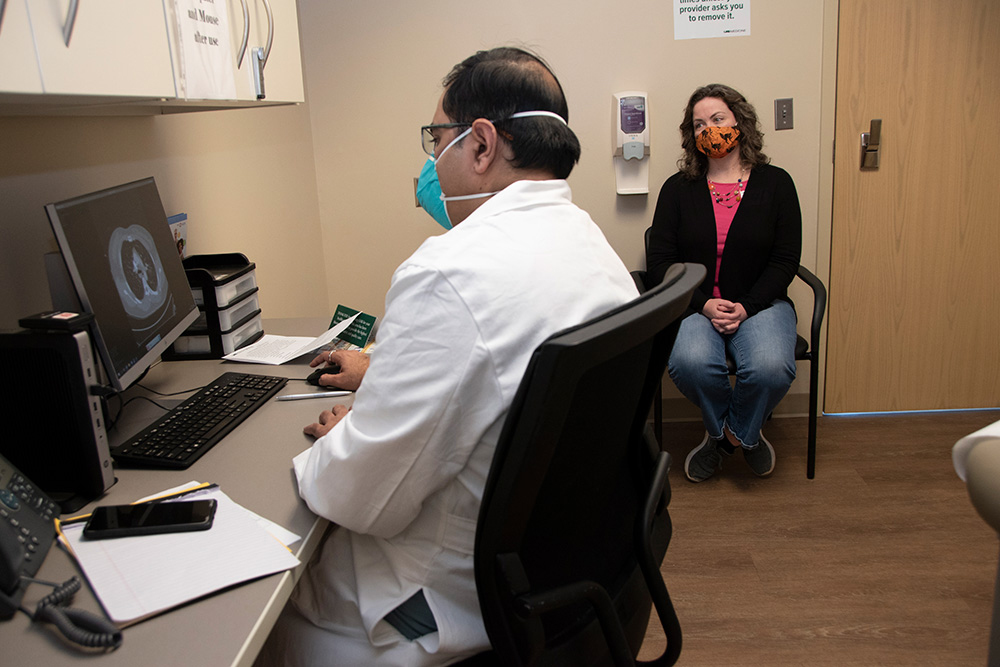
“During our planning meeting end of last year, we planned to continue 3 half day clinics per week till end of March and then decrease it to twice a week for few months and then go down go once a week, hoping that demand for post COVID program will go down,” continues Raval. “One month later, we saw a big surge in post COVID patients as Omicron variant caused a spike throughout our country. Now we’re expecting to continue current structure through at least May or June, depending on whether any new variants emerge.”
For additional information on post-COVID medical treatment, affected parties can review a series of educational videos at www.uabmedicine.org/postcovid. Additional information on COVID-19 can be found at www.uabmedicine.org/covid.
UAB Tele-ICU Reinforces Rural Health Care in Alabama

While UAB couldn’t spare beds, it could share its expertise. From an operations center in Birmingham, UAB’s critical care pulmonologists can video into rooms in Demopolis, conducting remote exams of patients on ventilators in coordination with local hospitalists. The UAB tele-ICU operations center is part of a partnership between UAB and telehealth company Hicuity Health, which has 10 other operations centers that provide tele-critical care to more than 100 hospitals.
When a patient is admitted to Whitfield’s ICU, its hospitalists can call for a consultation with one of UAB’s tele-specialists, who usually pipes into the room via a rolling cart. As the Whitfield team conducts a physical exam, the remote doctor pivots the cart’s camera to see the patient and bedside monitors. After establishing the initial care plan, UAB’s doctors will call in every day to make rounds on certain patients, circling back to make recommendations and adjust settings on equipment.
“These are good hospitals, providing really good care,” said Steve Stigler, M.D., associate professor of medicine in the UAB Division of Pulmonary, Allergy, and Critical Care Medicine, medical director of the UAB Medical Intensive Care Unit, and leader of the UAB Tele-ICU operations center. “But if you need certain specialists, this expertise is not always available in some hospitals. That's a real limitation.”
In April 2021, Whitfield and UAB announced that the regional hospital would increase focus on tele-critical care: By early 2022, Whitfield will become Alabama’s first full external tele-ICU. Whitfield’s ICU will be outfitted with sensor-laden rooms that enable a team of remote nurses to monitor patients’ vital signs around the clock, managing their care and calling in hospitalists or remote critical care doctors when needed.
“With Tele-ICU and other UAB Telemedicine services such as nephrology, our team was able to care for many patients in Demopolis during the pandemic,” said Stigler. “I think for those patients who are especially critical and need different types of life-support, this is a good way to make sure we are continuously providing that high-quality care.”
Taking on this new treatment strategy was not a development either Whitfield or UAB expected, but this practice born from necessity suggests that even post-pandemic, tele-critical care could be an essential element to help develop rural hospitals and their patients.
Later this year, Whitfield will become the first ICU in the state outside of the UAB and UAB Highlands hospitals to have each room wired with cameras and monitored remotely by UAB nurses and doctors. This extra level of monitoring will support the care being provided by in-person clinicians.
“It made a lot of sense with Whitfield having moved to take care of patients who were a lot sicker than they were when we first started the tele-ICU,” said Stigler. “Whitfield also does its best to keep patients close to home, and that’s part of what made them the obvious partner for this program. Partnerships like this have been used elsewhere, and typically the impact is positive. We’re eager to see where it goes.”
Source: Katie Palmer, October 2021 https://www.statnews.com/2021/10/05/telemedicine-icu-covid19-hospitals/
UAB Pulmonary Welcomes New Lung Transplant Medical Director
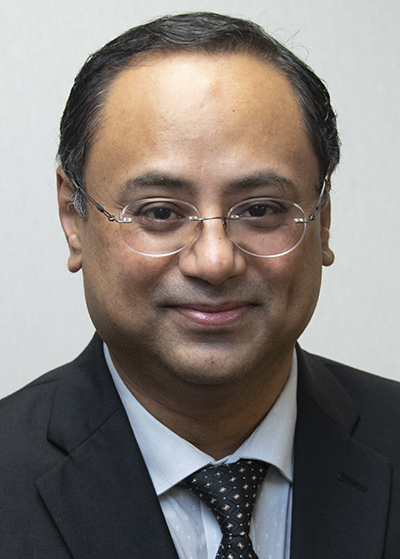 Thomas Kaleekal, M.D., has joined the UAB Pulmonary Faculty as our new Associate Professor of Medicine and Medical Director of Lung Transplantation and Advanced Lung Diseases. Coming to us from Newark Beth Israel Medical Center, Dr. Kaleekal has over 22 years of medical experience. Dr. Thomas Kaleekal received his medical training from the All-India Institute of Medical Sciences in New Delhi, India in 1998. He completed his residency training in Internal Medicine at SUNY Health Sciences Center in Brooklyn, NY, and spent an additional year as Chief Medical Resident in the program. In 2005, Dr. Kaleekal completed his fellowship in Pulmonary, Critical Care, and Sleep Medicine from Baylor College of Medicine in Houston, TX.
Dr. Kaleekal went on to hold faculty positions as Assistant Professor at the Medical College of Wisconsin in Wisconsin and Houston Methodist Hospital in Texas. From 2013 to 2018, Dr. Kaleekal served as the Medical Director for Lung Transplantation at Houston Methodist Hospital and was also the Medical Director of the Lung Transplant program at the Newark Beth Israel Medical Center in New Jersey from 2018 to 2020.
Dr. Kaleekal’s clinical and research interests relate to advanced lung failure therapies, with a particular focus on lung transplantation and extracorporeal membrane oxygenation support. Dr. Kaleekal has published and presented work on lung transplant outcomes and survival as well as chronic lung allograft dysfunction (CLAD), chronic obstructive pulmonary disease (COPD), and acute respiratory distress syndrome (ARDS).
UAB Pulmonary Welcomes New Interim Director
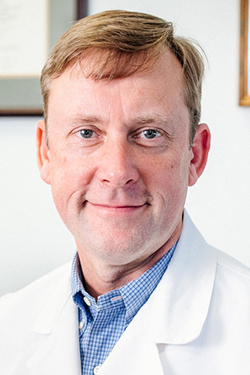
In January 2021, Dr. Victor J. Thannickal will undertake a new leadership challenge as Chair of the Department of Medicine at Tulane, after spending 11 years at UAB as director of the Division of Pulmonary, Allergy and Critical Care Medicine.
In the interim, Dr. Mark Dransfield will provide transitional leadership for the division. A graduate of the UNC School of Medicine, Dr. Dransfield trained in medicine and in pulmonary and critical care medicine at UAB, where he served as Chief Fellow. Dr. Dransfield serves as Professor of Medicine and the medical director of the UAB Lung Health Center. He holds the William C. Bailey Endowed Chair in Pulmonary Disease in honor of retired Professor William C. Bailey, the Founder of the UAB Lung Health Center. An elected member of the American Society for Clinical Investigation, Dr. Dransfield is the principal investigator for multiple clinical trials at the Lung Health Center, including the NIH-sponsored COPD Clinical Research Network, COPDGene, and SPIROMICS.
As Interim Director, Dr. Dransfield will lead the Division in sustaining and growing its superlative clinical programs in pulmonary medicine and critical care as well as its programs in education and research. The Department of Medicine has begun a national search for the next Director of the Division.