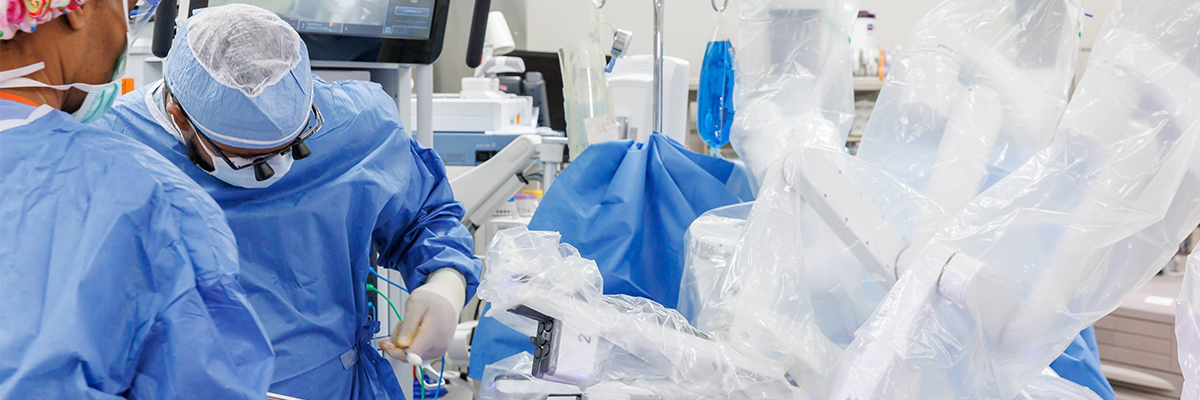
At the University of Alabama at Birmingham (UAB), we are proud to be a leading tertiary care academic institution committed to advancing clinical care, education, and research.
The UAB Department of Urology, established in 2012, has experienced consistent growth in both clinical and research domains, earning national recognition for excellence in patient care and ranking among the top 15 departments for NIH funding. Our department is repeatedly designated as “high performing” for clinical care and is dedicated to training the next generation of urologists through robust educational opportunities. This commitment is exemplified by our successful training of two endourology fellows—Dr. Kyle Wood and Dr. Joe Crivelli—who now serve as faculty members and mentors within the department.
The endourology fellowship at UAB is led by an esteemed team of NIH-funded surgeon-scientists. Dr. Kyle Wood, Vice Chair of Research., oversees the program and guides fellows in both clinical and research pursuits, with a focus on advanced kidney stone surgery and the comprehensive metabolic and genetic workup of stone disease, including rare conditions like primary hyperoxaluria. Dr. Thomas Chi, the newly appointed UAB Endowed Chair of Urology, brings national leadership experience and expertise in innovative kidney stone and BPH treatments, further enhancing the fellowship’s academic and surgical training. Dr. Joseph Crivelli, an Assistant Professor with a research focus on kidney stone epidemiology and clinical trials, collaborates closely with Drs. Wood and Chi to expand fellows' research acumen and surgical expertise. Together, this faculty team ensures that the fellowship provides a rich and comprehensive learning environment for future leaders in endourology.
The UAB Endourology Fellowship is funded in part with generous support from Novo Nordisk, Boston Scientific, and Calyxo.
Overview
Program Highlights
Duration: 1 year or 2 year
Number of Fellows: 2
Accreditation: The Endourology Fellowship is accredited through the Endourological Society.
Curriculum Overview: Fellows will gain comprehensive training and hands-on experience in advanced endourologic and minimally invasive procedures, including ureteroscopic and percutaneous surgical management of urolithiasis. The curriculum also includes endoscopic and robotic surgical treatment of benign prostatic hyperplasia, with dedicated exposure to holmium laser enucleation of the prostate (HoLEP). In addition, fellows will develop expertise in metabolic stone evaluation and long-term medical management to support effective, evidence-based prevention of recurrent kidney stone disease.
Regularly Performed Procedures:
- Percutaneous access techniques – ultrasound and fluoroscopic
- Percutaneous nephrolithotomy (standard, mini PCNL, ECIRS)
- Complex/advanced ureteroscopy
- HoLEP
- Robotic-assisted laparoscopy
- Reconstructive procedures
- Other BPH treatments
How to Apply
Our program participates in the Endourology Fellowship Match in collaboration with the American Urological Association (AUA). All applications must be submitted through the AUA’s online match system, available at: https://medmatch.auanet.org/
In addition to completing the online match application, applicants are required to submit the following materials:
- Three letters of recommendation
- Cover letter
- Curriculum vitae (CV)
- Endourology AUA Match Application (PDF format)
- Headshot photograph (JPEG format)
All required documents should be submitted after completing the application through the match system.
Please submit all materials to the program coordinator, Jordan Favors, at jordanfavors@uabmc.edu
Certification
Applicants may choose between the following two program options, each culminating in a certificate awarded by the Endourological Society upon completion:
- A one-year Advanced Clinical Training Certificate
- A two-year Advanced Clinical and Research Training Certificate
Curriculum
1‑Year Clinical Endourology Fellowship
Program Purpose & Core Activities
- High-volume clinical training with mentored clinic participation and operative experience
- Core procedural exposure encompassing ultrasound- and fluoroscopy-guided percutaneous access, PCNL (standard, mini, and ECIRS), complex ureteroscopy, HoLEP, and other BPH therapies
- Active teaching role, with fellows instructing residents in both clinic and operating room settings
- Completion: Endourological Society Advanced Clinical Training Certificate
General Overview
| Clinical Emphasis | Competencies | Scholarship & Teaching |
|---|---|---|
| URS foundations; intro PCNL (prone/supine); observe HoLEP | Perc access basics (simulation + supervised); safe case selection; perioperative pathways | Pick 1–2 QI ideas; IRB if needed; outline abstract; begin resident mentorship |
| HoLEP graduated participation; mini‑PCNL; ECIRS exposure | Enucleation steps & laser settings; access in difficult anatomy; complication recognition | Submit abstract #1; mid‑year review; draft manuscript outline |
| BPH mix (HoLEP/TUBE exposure); complex URS/PCNL | Independent enucleation segments; OR efficiency; radiation safety leadership | Resident teaching; data analysis; manuscript drafting |
| High‑complexity stones; consolidation & transition to practice | Independent portions: PCNL access/URS/HoLEP; complication management | Present at meeting; submit manuscript; capstone talk; career planning |
2‑Year Clinical/Research Endourology Fellowship
Program Purpose & Core Activities
- Two-year training sequence integrating protected research time with advanced clinical experience
- Teaching responsibilities, with fellows actively instructing residents in both clinic and operating room settings
- Program completion culminates in the Endourological Society Advanced Clinical & Research Training Certificate
- Completion: Endourological Society Advanced Clinical Training Certificate
Year 1 (Research Emphasis) General Overview
| Clinical Emphasis | Competencies | Scholarship & Teaching |
|---|---|---|
| Research onboarding; 1 clinic + 1 OR day/wk (URS/PCNL/HoLEP fundamentals) | Protocol design; scientific critique; IRB readiness | Finalize ≥1 IRB; begin data collection; research meeting presentation |
| Database/bench collaboration + biostatistics consults | Interim analysis; data quality control | Submit abstract #1; outline manuscript #1 |
| Continued analysis; graduated OR participation | Apply stats; refine methods | Draft manuscript #1; submit abstract #2; present regionally/nationally |
| Project consolidation; plan follow‑on | Scientific writing; grant planning | Submit manuscript #1; outline grant/follow‑on study; poster/oral presentation |
Year 2 (Clinical Emphasis) General Overview
| Clinical Emphasis | Competencies | Scholarship & Teaching |
|---|---|---|
| High‑volume stones & BPH; complex URS/PCNL | Independent portions: PCNL access & URS | Update Year‑1 project (revise/resubmit or second paper); mentor residents |
| HoLEP leadership; ECIRS; revisional cases | Lead enucleation segments; complication management | Present at national meeting; progress QI project |
| Consolidation across PCNL/HoLEP/URS | Independent performance across core procedures | Complete QI project; draft final manuscript(s) |
| Transition to practice | Practice‑readiness; case review and oral boards prep | Portfolio (case logs, complications, teaching, publications); certification paperwork |
Clinical Training
Clinical training is designed to provide comprehensive exposure to advanced endourologic care within a high-volume academic medical center. Fellows develop expertise across the full spectrum of stone disease and benign urologic conditions through a combination of operative experience, ambulatory clinic exposure, and multidisciplinary collaboration. The program emphasizes technical proficiency, clinical judgment, and patient-centered communication to prepare fellows for independent practice.
Upon completion of the fellowship, fellows will be able to:
- Discuss the epidemiology, natural history, risk factors, and genetic basis of urinary stone disease.
- Describe the roles of both surgical and medical management for urinary stone disease and benign prostatic hyperplasia (BPH).
- Evaluate complex tertiary referral patients and recommend appropriate diagnostic and treatment strategies while effectively managing a high-volume clinical practice.
- Demonstrate the surgical knowledge, clinical judgment, and technical skills required to independently perform complex endourologic procedures, while recognizing the benefits and limitations of surgical intervention.
- Evaluate and manage complications related to surgical treatment.
- Independently perform and teach advanced endourologic procedures.
- Collaborate within the OHF Care Center and understand the complexities involved in managing patients with primary hyperoxaluria.
Research Training
At the completion of fellowship, the fellow will be able to demonstrate knowledge of scientific methodology, design, biostatistical analysis, and reporting of basic, translational, and clinical/epidemiologic urinary stone research. The fellow will demonstrate the integration of these techniques through the presentation of his or her work at scientific meetings and the publication of the work in reputable journals.
- Research design skills are demonstrated during research meetings and observed through the observation and critique of presented research at local, regional and international scientific meetings;
- Study design and biostatistics is demonstrated as an integral portion of the research experience and is discussed during protocol review meetings. Biostatistical support is available at the program, as are resources for protocol development and grant writing; and
- The thoughtful critique of scientific grants and manuscripts will be demonstrated by fellows through protocol review conferences as well as the initial review of selected manuscripts from their research mentor.
Conferences and Didactics
Academic and didactic education is a core component of the Endourology and Minimally Invasive Urological Surgery Fellowship. The program offers a structured and comprehensive curriculum that includes weekly lectures, multidisciplinary case conferences, departmental Grand Rounds, and Morbidity and Mortality (M&M) conferences. These educational activities are designed to foster a rigorous academic environment that emphasizes guideline‑based practice, critical appraisal of the medical literature, and evidence synthesis.
Departmental Grand Rounds are held every Tuesday morning and provide exposure to a broad range of urologic topics, visiting faculty lectures, and institutional updates. Morbidity and Mortality (M&M) conferences are conducted monthly and focus on case review, quality improvement, and patient safety, with active trainee participation. Fellows also participate in monthly journal club sessions, during which a selected peer‑reviewed scientific article is critically analyzed and discussed with faculty, emphasizing study design, methodology, and clinical applicability.
Through regular participation in these didactic forums, fellows are encouraged to integrate evidence‑based principles into the management of complex endourologic conditions. Discussions frequently highlight multimodal treatment strategies, clinical decision‑making, and continuous quality improvement. These activities support the development of advanced clinical reasoning skills and ensure fellows remain current with evolving standards of care in endourology.
Didactic Conference Schedule
| Conference Type | Frequency | Typical Schedule | Educational Focus |
|---|---|---|---|
| Grand Rounds | Weekly | Tuesday mornings | Broad urologic education, invited speakers, department-wide learning |
| Morbidity & Mortality (M&M) | Monthly | Designated monthly session | Quality improvement, patient safety, complication review |
| Journal Club | Monthly | Designated monthly session | Critical analysis of urology-related scientific journals |
Program Directors
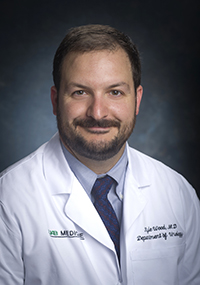
Kyle Wood, M.D., MBA
Fellowship Director Co-Director
Associate Professor
Vice Chair of Research
kwood@uabmc.edu
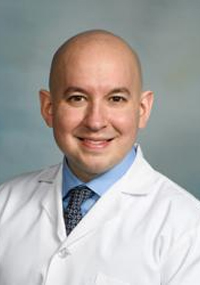
Joseph Crivelli, M.D., MSPH
Fellowship Director Co-Director
Assistant Professor
jcrivelli@uabmc.edu
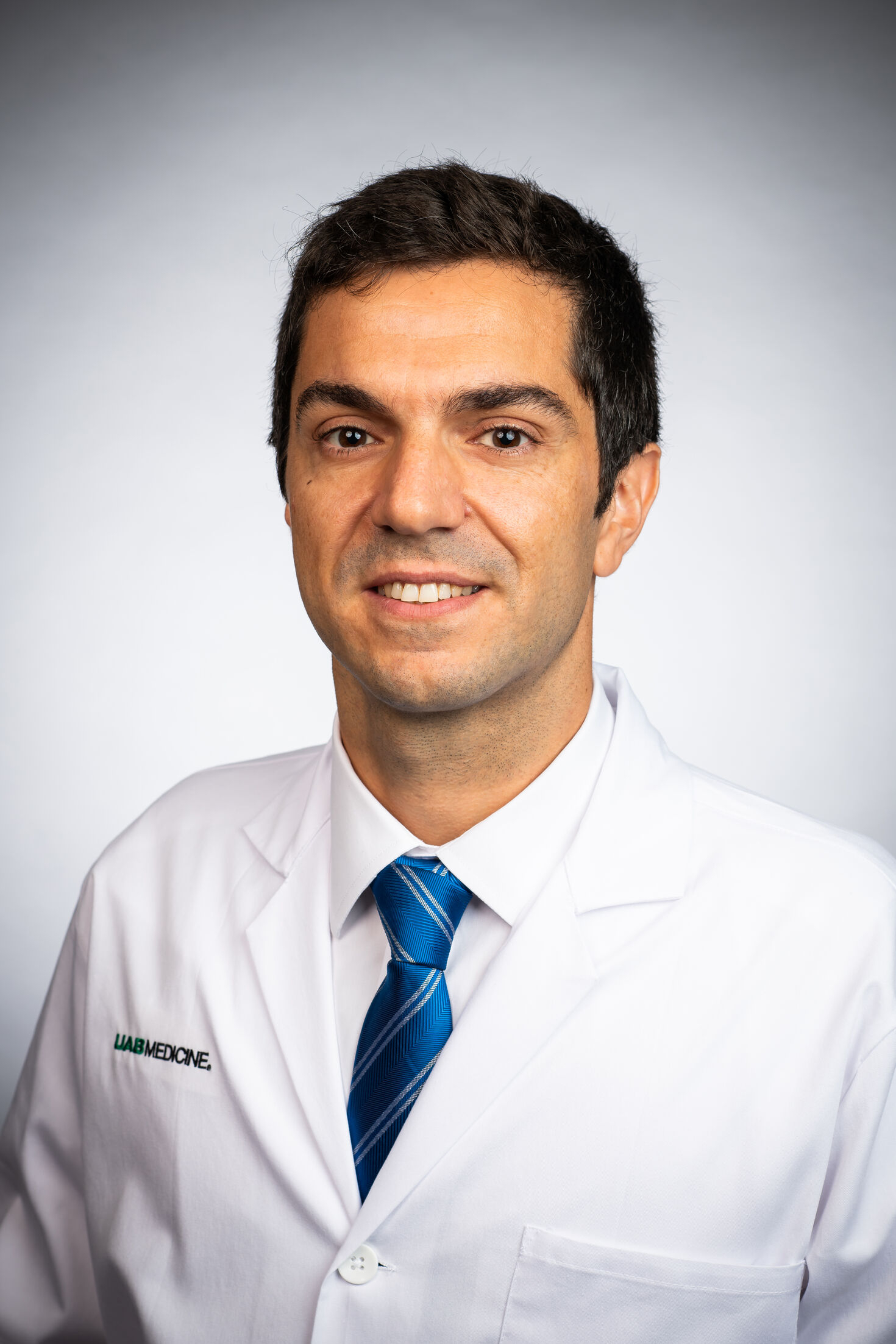
Current Fellows
Faculty
| Name | Title |
|---|---|
| Jeffrey Nix, M.D., MSHA, FACS | Professor |
| Kazumi Taguchi, M.D., Ph.D. | Associate Professor |
| Joel Funk, M.D., FACS | Associate Professor |
| Adam Baumgarten, M.D., MBA | Associate Professor |
Contact Us
We look forward to hearing from you. For more information, please call, email, or write to:
Jordan Favors, MS
Program Manager I
Phone: 205-975-5604
Email: jordanfavors@uabmc.edu