Key Insights
UAB experts explain how diabetes can affect pregnancy, why blood sugar management matters and how coordinated care can help protect the health of mothers and babies.
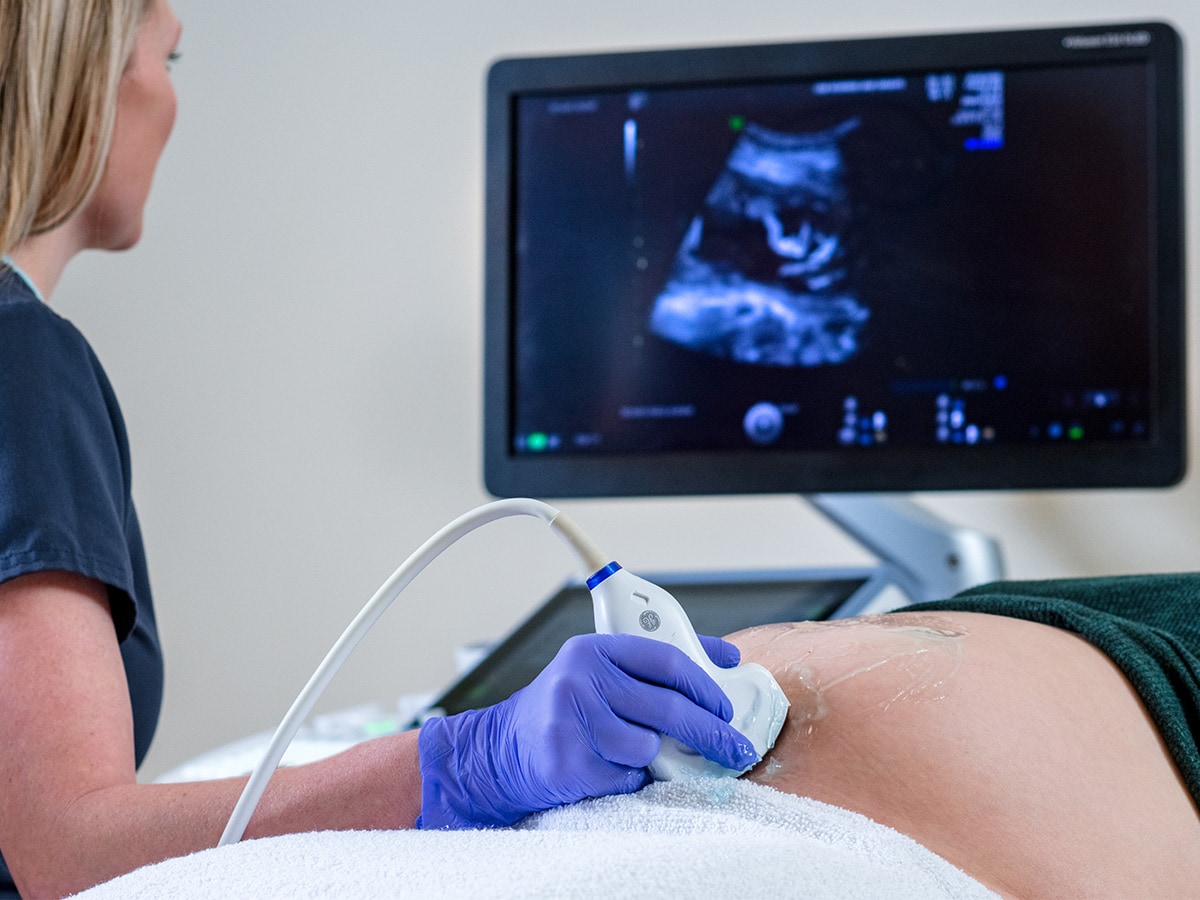 UAB experts explain how diabetes can affect pregnancy, why blood sugar management matters and how coordinated care can help protect the health of mothers and babies.Diabetes during pregnancy can increase the risk of complications for both mother and baby, making early detection, blood sugar management and specialized prenatal care essential. Experts at the University of Alabama at Birmingham explain what expectant mothers should know about managing diabetes and maintaining a healthy pregnancy.
According to the Centers for Disease Control and Prevention, gestational diabetes affects approximately 5 to 9 percent of pregnancies in the United States each year. However, not all diabetes during pregnancy is gestational.
Brian Brocato, D.O., associate professor in the UAB Division of Maternal-Fetal Medicine, explains that diabetes during pregnancy falls into two categories: pregestational diabetes, which includes Type 1 and Type 2 diabetes diagnosed before pregnancy, and gestational diabetes, which typically develops during the latter half of pregnancy.
Gestational diabetes often causes no noticeable symptoms, making routine screening particularly important. Pregnant women are generally tested between 24 and 28 weeks through a glucose tolerance test. Risk factors include being overweight, having prediabetes, a family history of Type 2 diabetes or a history of gestational diabetes in a previous pregnancy.
Hormonal and metabolic changes during pregnancy can also make blood sugar management more challenging for women with pre-existing diabetes.
“The normal hormonal changes that occur in every pregnant woman can alter how the body handles carbohydrates or sugar,” Brocato said. “In simple terms, blood sugar levels tend to rise during pregnancy in women who are diabetic.”
Managing blood sugar during pregnancy
Maintaining healthy blood glucose levels is critical to reducing complications and supporting fetal development. Alexandra Dodd, M.D., assistant professor in the UAB Division of Endocrinology, Diabetes and Metabolism, says blood sugar targets are generally stricter during pregnancy.
“For example, a common HgbA1c target in non-pregnant adults is less than 7 percent, but the goal is less than 6 percent in pregnancy,” Dodd said.
Recommended blood glucose targets during pregnancy generally include:
- Fasting: 60-95 mg/dL
- One hour after meals: Less than 140 mg/dL
- Two hours after meals: Less than 120 mg/dL
These targets may vary depending on individual health needs, making regular monitoring and communication with health care providers essential.
Some women may need to adjust their diabetes medications during pregnancy. When dietary changes and physical activity are insufficient to control blood sugar, insulin may be recommended. Continuous glucose monitors and insulin pumps may help certain patients maintain more precise glucose control.
Coordinated care for a healthy pregnancy
Because diabetes increases the risk of pregnancy complications, women may require more frequent prenatal appointments and specialized monitoring. Iram Moledina, M.D., assistant professor in the UAB Division of Endocrinology, Diabetes and Metabolism, emphasizes the importance of coordinated care among obstetricians, endocrinologists, primary care providers and maternal-fetal medicine specialists.
“Collaboration between an OBGYN and an endocrinologist is particularly important in coordinating care for high-risk situations, such as potential complications that may arise from gestational diabetes or pre-existing diabetes,” Moledina said.
Depending on individual needs, patients may undergo blood glucose reviews every one to two weeks, detailed ultrasounds and fetal echocardiograms to monitor the baby’s heart development.
“Your doctor will likely monitor your blood sugars every 1-2 weeks, as maintaining good blood sugar control can help reduce the risk of complications,” Brocato said.
Although most women with diabetes can deliver with their regular obstetrician, some may require a maternal-fetal medicine specialist. Delivery may also be scheduled before the due date to minimize potential complications. For women with pre-existing diabetes, discussing pregnancy plans with a healthcare provider before conception can help identify risks, adjust medications and establish an individualized care plan.
“Many women with diabetes fear pregnancy due to the associated risks or because they’ve heard of or experienced poor outcomes,” Brocato said. “Partnering with your provider can be empowering and help you feel more in control, improving your chances of a healthy pregnancy.”