Division of cardiovascular disease

A UAB expert is offering some of their top tips on how to avoid holiday heart syndrome and enjoy a heart-healthy holiday season.

UAB researchers conducted a study in end-stage heart failure patients with cardiogenic shock that revealed that B-type natriuretic peptide levels were elevated in end-stage heart failure but did not predict clinical outcomes.
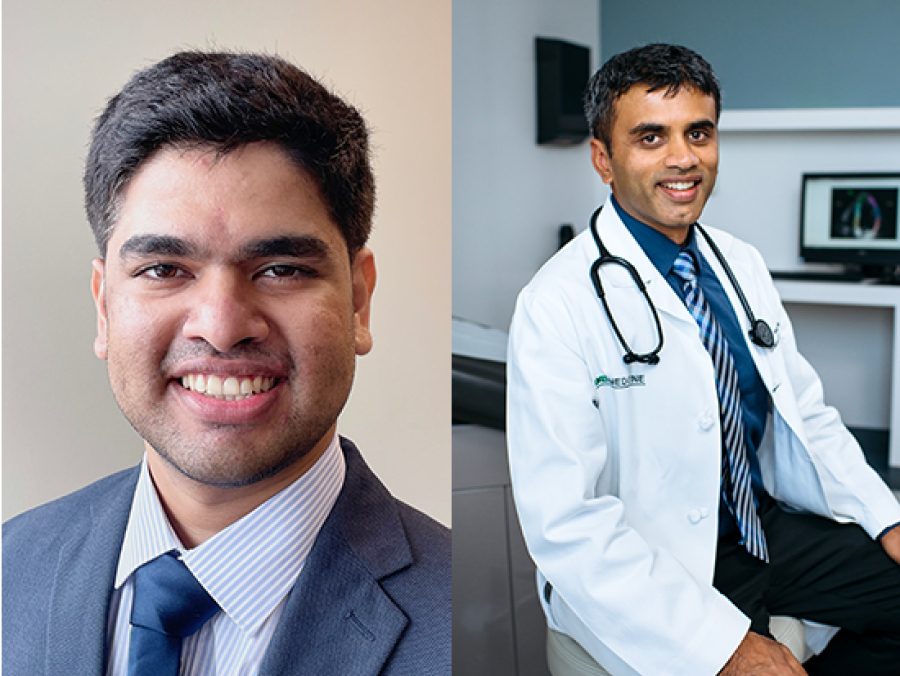
UAB researchers conducted a study including approximately 20,000 left ventricular assist device recipients and found that women had worse clinical outcomes compared with men across social and clinical subgroups of interest.

UAB experts discuss changes women should be aware of as their bodies mature and what exams they should receive during different time periods.

Experts say it is never too late for women to know their risk factors and take steps to prevent heart disease.
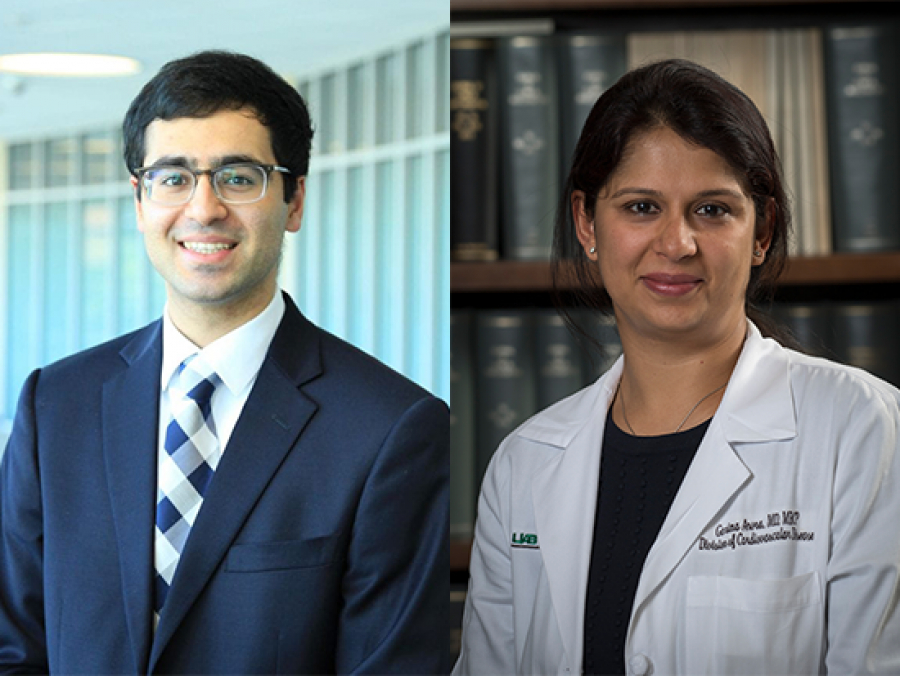
The research team analyzed the clinical outcomes of more than 12,000 patients who had a TEE-guided percutaneous transcatheter intervention and found that, over the past decade, 3.6 percent of patients who had this procedure had complications.

Learn what broken heart syndrome is, who is at risk for it, how to prevent it and more.

UAB’s research and reputation land it among the top institutions in the world.
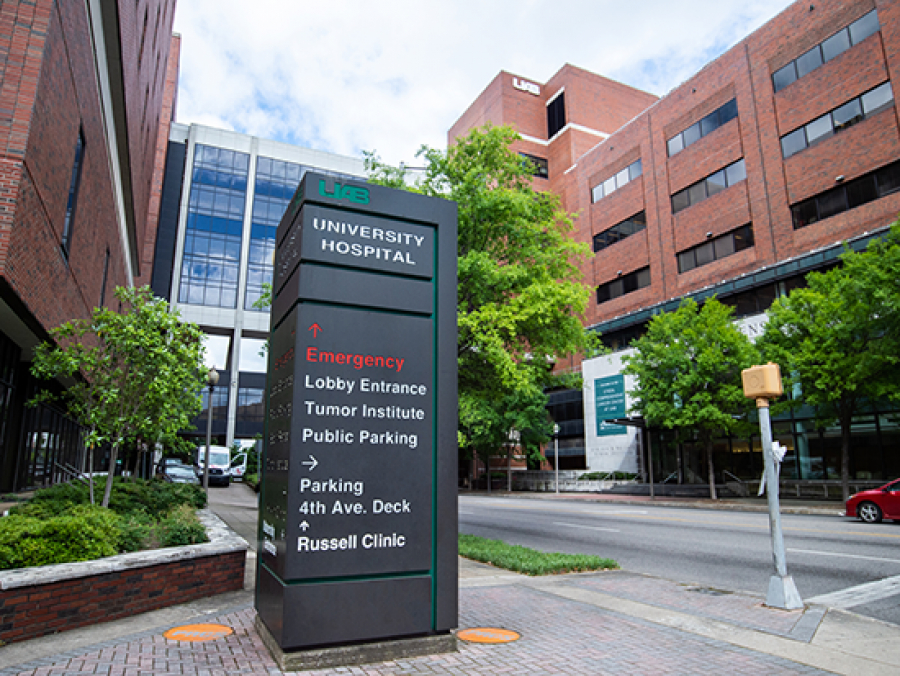
AHA recognizes the UAB Cardiovascular Institute’s dedication to ensuring all heart failure patients have access to best practices and lifesaving care.
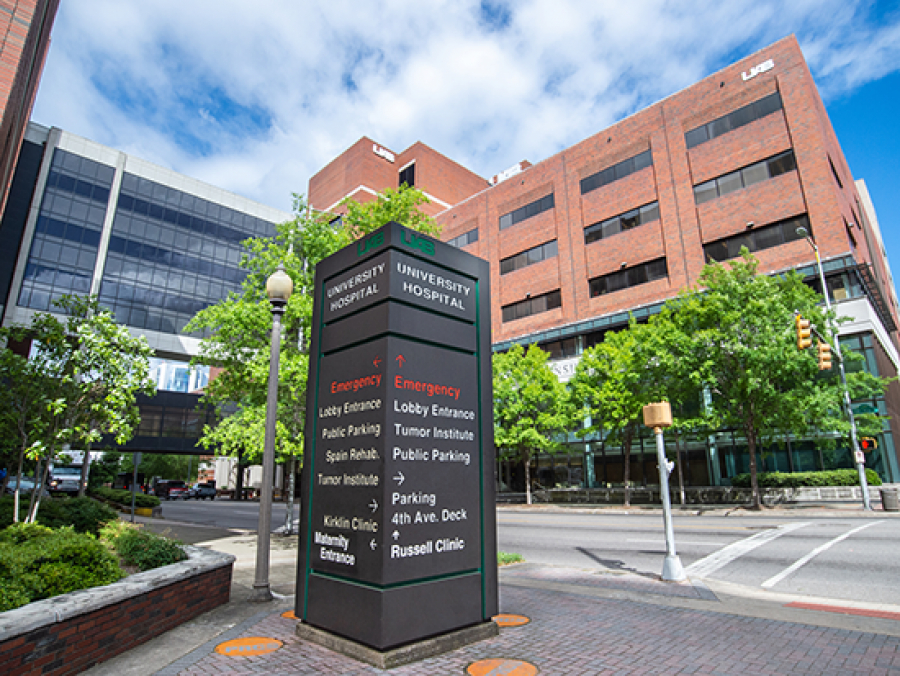
U.S. News & World report named UAB Hospital as the best hospital in Alabama.

This therapy, using sustained release of nitric oxide, may be a novel, efficient and safe way to prevent and treat multiple metabolic diseases.
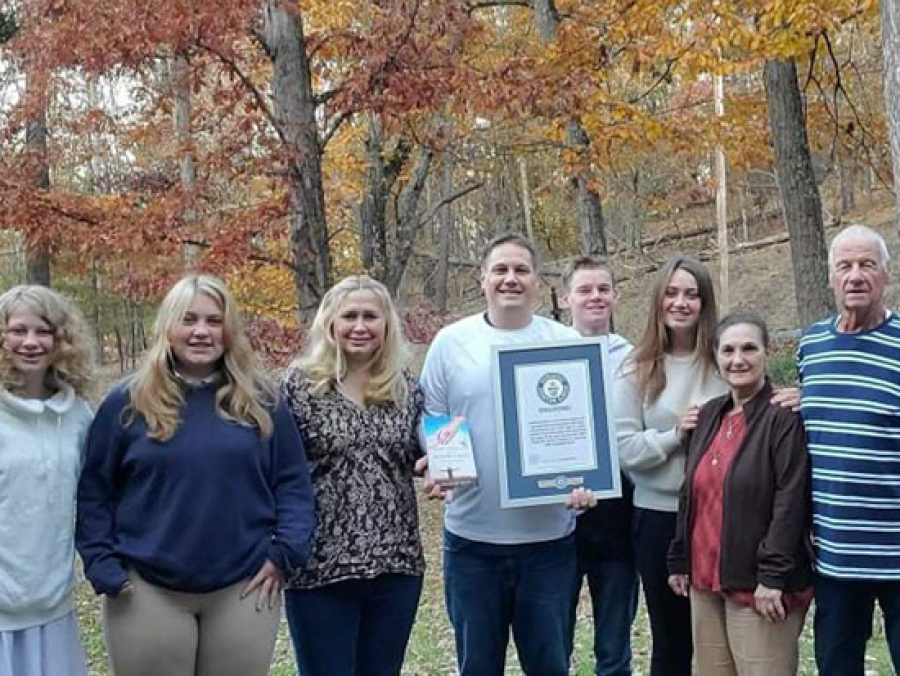
Seth Wharton, 44, received a double heart-valve replacement at UAB in 1990.

The UAB Cardiogenomics Clinic provides genetic testing and counseling for a gene variant associated with a risk of heart failure and death.

Traditional markers of cardiometabolic health may be lower in Black individuals, but the development of diabetes is more common in those with African ancestry.
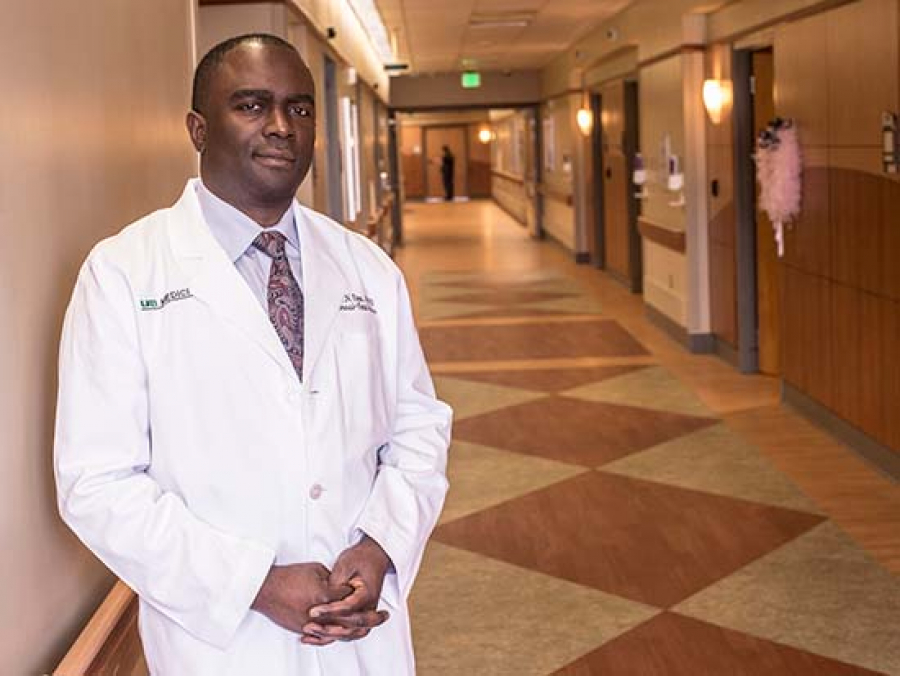
Consortium led by UAB researchers in the UAB Heersink School of Medicine and School of Public Health received additional funding to further study chronic hypertension and preeclampsia epigenetics participants enrolled in the CHAP trial.
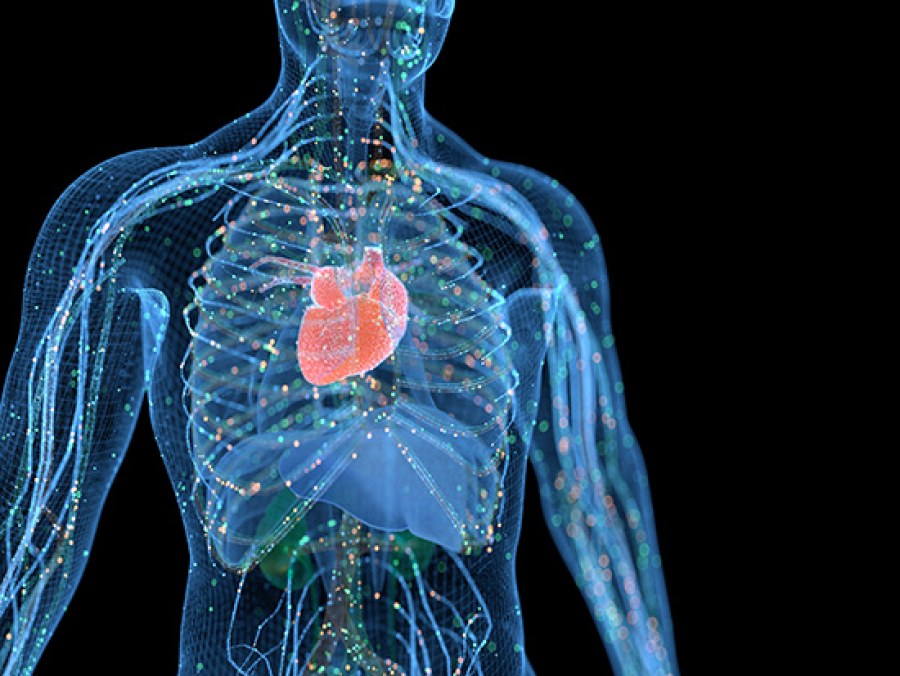
The Cardiogenomics Clinic uses a patient’s genetic history to help develop a personalized treatment plan based on their genetic results.

For those who had COVID-19, lingering heart problems can complicate their recovery. UAB experts address common concerns that people have with their heart health after COVID-19.
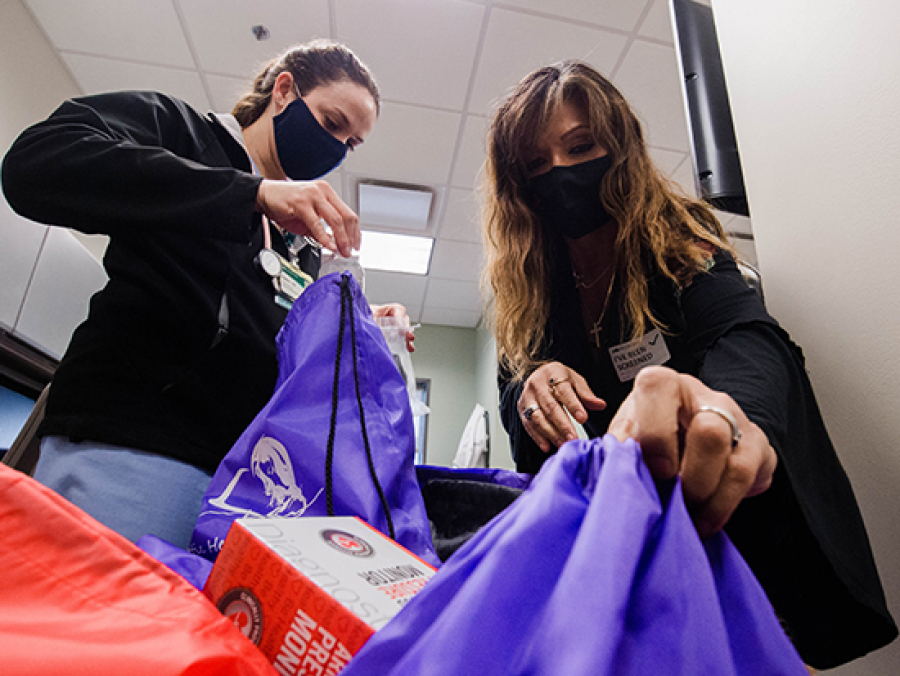
Diane Bishop creates care packages for other aortic patients to equip them with the supplies they need to take control of their health.

Research in animal models shows better formation of the fistulas, which are a lifeline for kidney failure patients as the connection site to dialysis machines.

A study conducted by UAB researchers found that insulin resistance, a precursor to fatal cardiovascular events, is common among young adults.