Department of cell developmental and integrative biology

A UAB researcher says resilience to warming temperatures starts at the smallest scale.

UAB researchers review how senescent “zombie” cells contribute to skeletal muscle weakness with aging and disease, outlining emerging therapies such as senolytics and senomorphics that could help preserve muscle health and extend health span.

While there is no causal link between energy drinks and cancer, indirect factors like high sugar content can contribute to obesity, a known cancer risk factor. Overconsumption of these ingredients is often a cause for concern.

A rise in research funding within UAB’s Department of Family and Community Medicine highlights its expanding research impact.

UAB researchers share a discovery that could pave the way for non‑addictive alternatives to opioid painkillers amid an era of rising overdose deaths.

These models are crucial to understanding disease mechanisms and identifying new treatment opportunities.

A UAB professor discusses the effects cold weather has on the body at a cellular level.
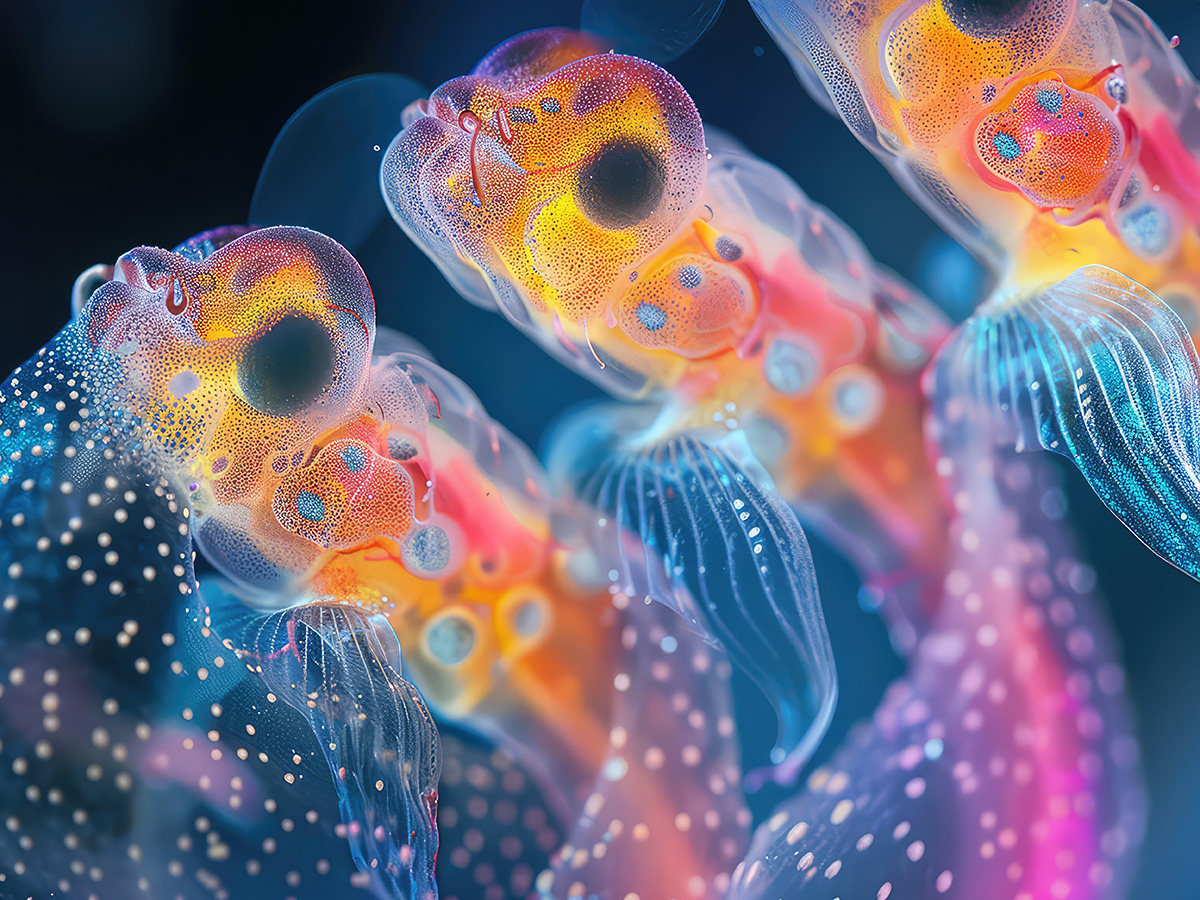
To continuously produce neurons in the nose, a unique toggle switch generates transient cellular neighborhoods that integrate signaling at multiple scales — from single cells to groups of cells, to entire organs.

A UAB cell biology expert emphasizes the importance of protecting the skin from harmful UV rays.

XMEA is a recessive, genetic disease that causes progressive muscle weakness.
The National Institute on Drug Abuse award is designed to stimulate innovation and potentially transformative research from early stage investigators.
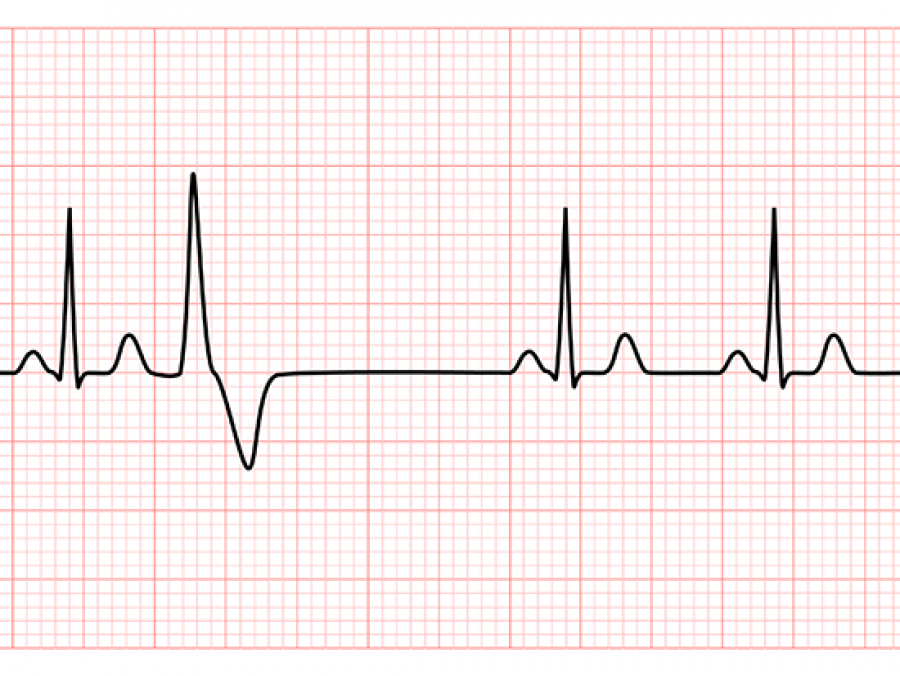
These findings in zebrafish and human heart muscle cells have clinical implications for patients with atrial fibrillation.

The Goldwater Program received 1,353 nominations from 446 institutions this year, and the winners will receive a scholarship covering tuition, housing, fees and books.
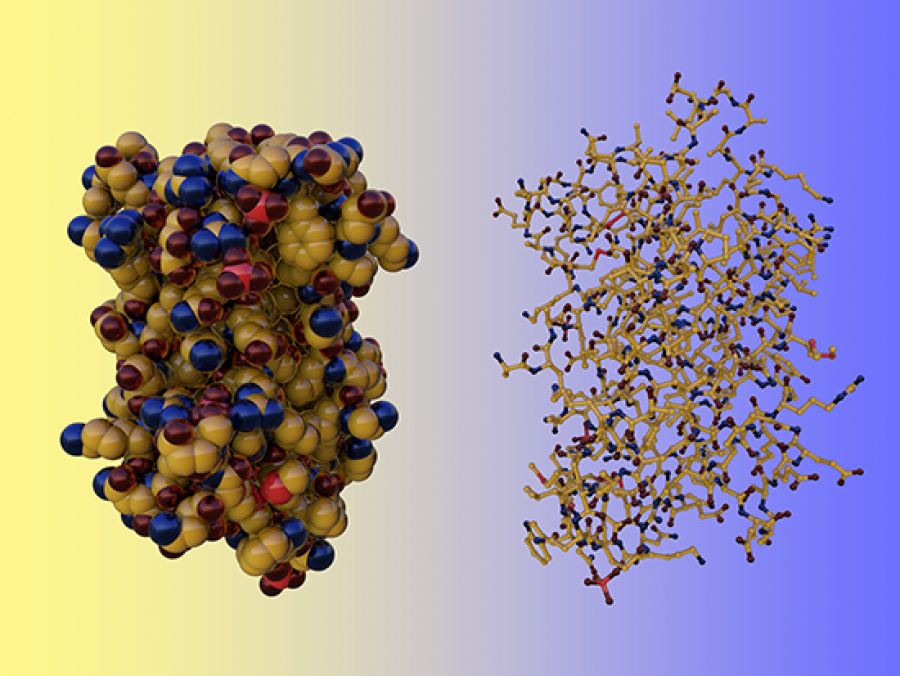
Knowledge of this previously unrecognized mechanism may aid therapy for patients with interleukin-6 signaling mutations and hyper-IgE Syndrome, or HIES.
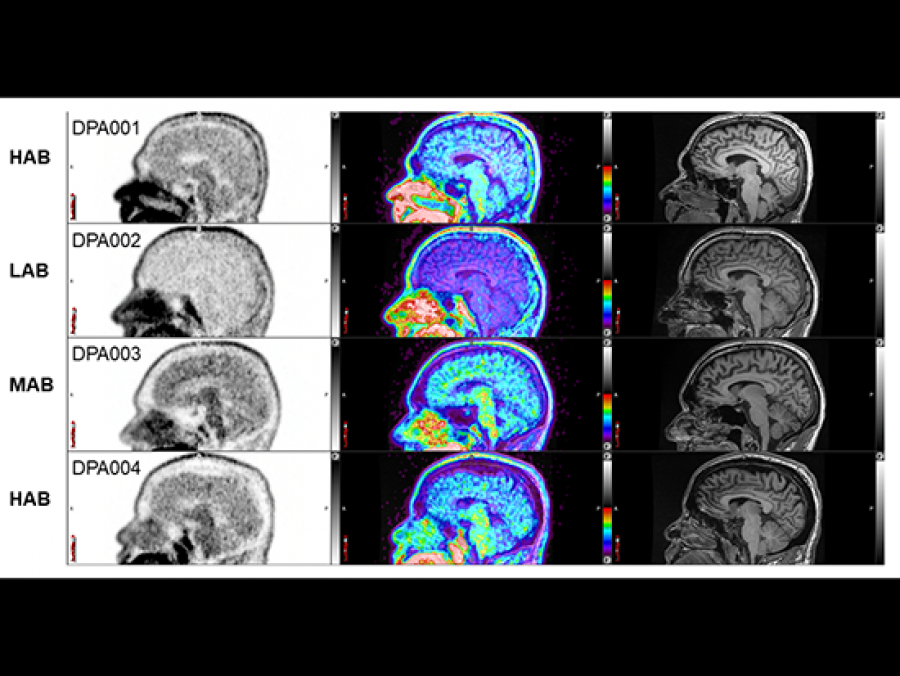
The findings indicate that inflammation is present in the brain early in the disease’s progression, but how inflammation affects disease progression remains unknown.
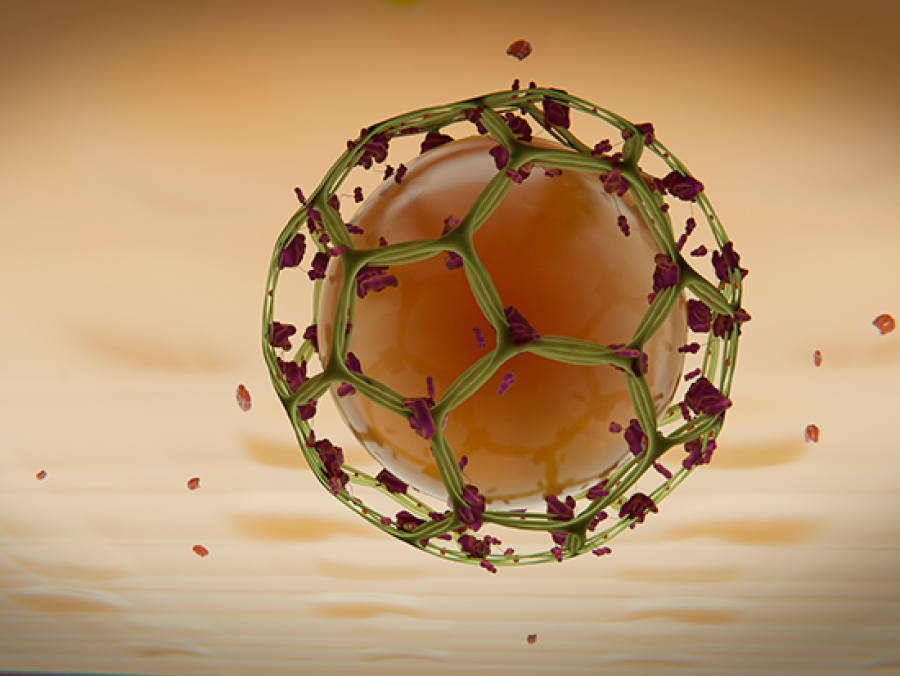
Surprisingly, several competing models for this clathrin-mediated endocytosis all appear to function in two cell lines tested.
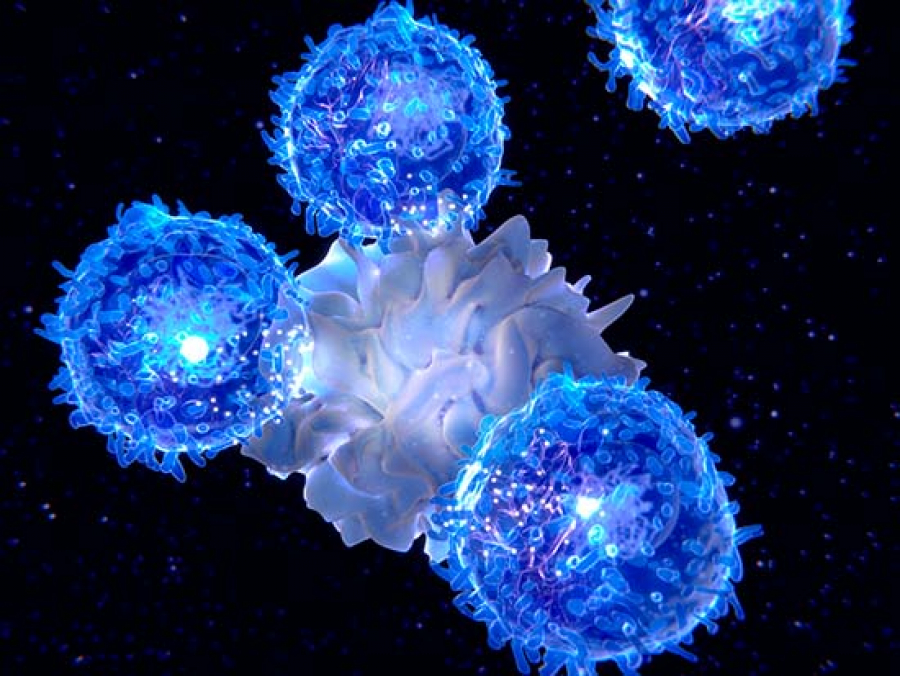
In response to a viral infection, intrinsic IL-2 production by effector CD8 T cells affects IL-2 signaling, leading to different fates for two subsets of those cells — the one producing IL-2 and the one not producing IL-2.
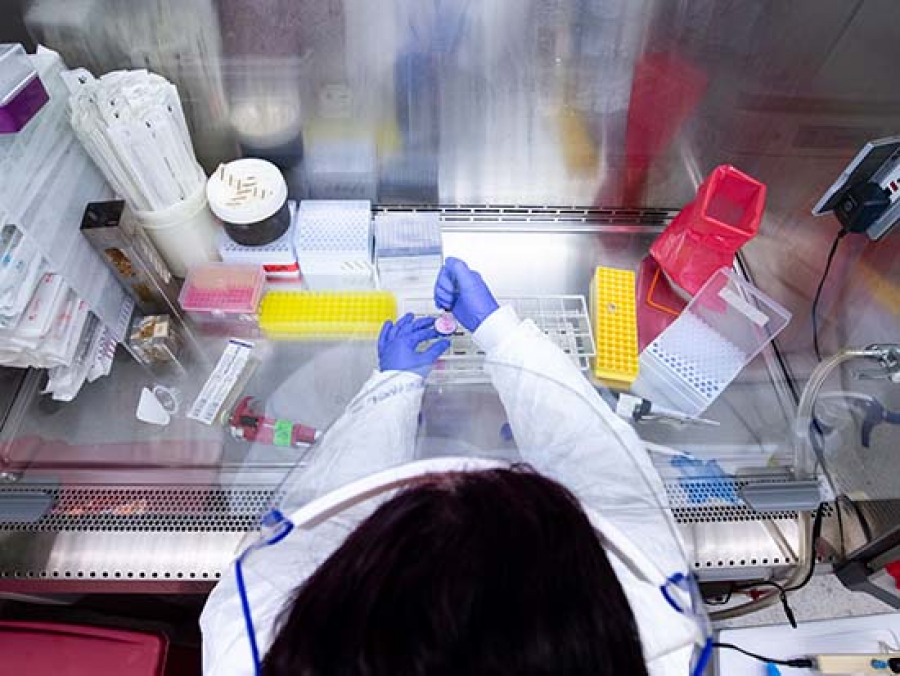
Early research internships allow students to discover careers of interest they may not otherwise experience, providing an effective way to set them up for success, study suggests.
Record $95 million Heersink lead gift to advance strategic growth and biomedical innovation.

This research suggests that a path to treat currently untreatable cases of cystic fibrosis is clearly achievable.