Immunology institute

David G. Standaert, M.D., Ph.D., chair of UAB’s Department of Neurology, joins the inaugural Advisory Council on Parkinson’s Research, Care, and Services to work toward a world without Parkinson’s disease.

UAB researchers are advancing cancer prevention and treatment through lifestyle-based survivorship care, adaptive molecular therapies and precision biomedical engineering.

Scientists identify an immune switch, NFAT, that is crucial to successful pregnancies, offering new insights on the causes of preeclampsia, implantation problems and inadequate blood supply.

UAB scientists discovered an oral drug stopped weight rebound after discontinuation or cessation of GLP‑1 treatment in preclinical studies, opening the door to a new approach for maintaining weight loss.

UAB researchers say this study shows passive antibody therapy can dramatically reduce Zika virus infection in critical tissues that could potentially lead to decreased transmission of virus through sex and from pregnant mothers to their babies.

Digestion is often thought of as a simple process confined to the stomach; but the reality is far more intricate, as one UAB researcher shares.
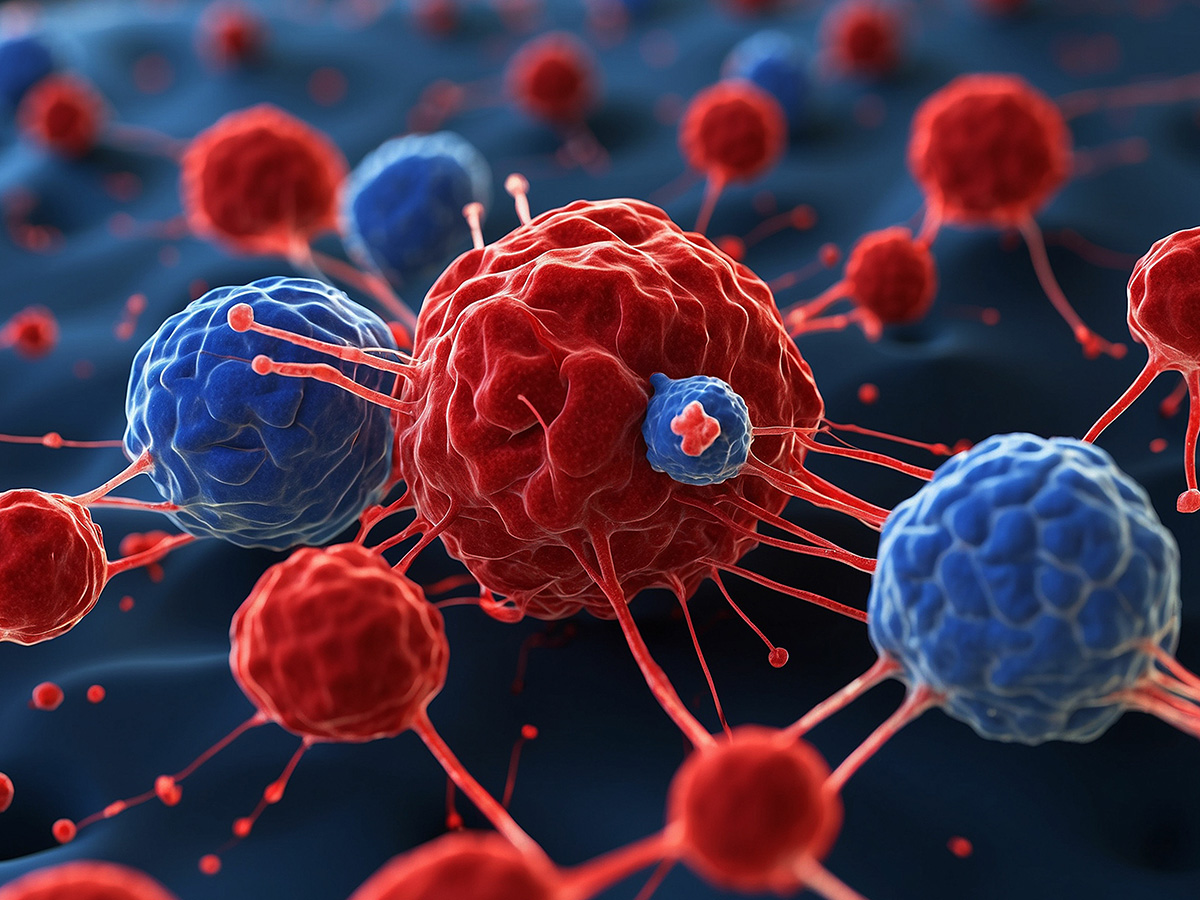
T-bet expression is required for persistence of memory B cells that have rapid differentiation potential to become antibody-producing plasma cells in response to a second infection.

The understanding of how macrophages regulate their response to toxic particles via two independent pathways could uncover therapeutic opportunities to quell inflammation.
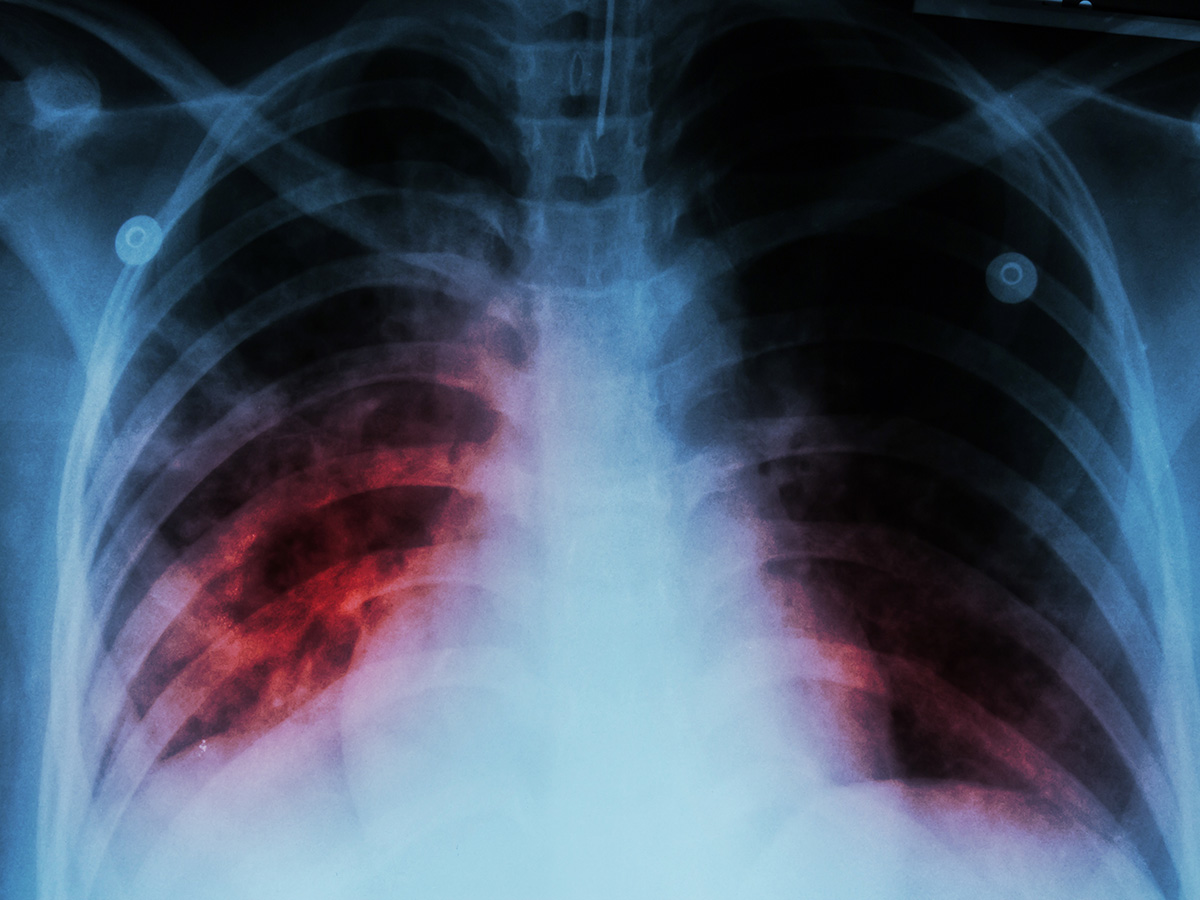
Besides their normal role, pump overexpression confers drug resistance. Knowing the structure is a step to disabling the pumps with inhibitors.

UAB is a stronghold at finding patients for studies, but healthy controls were harder.
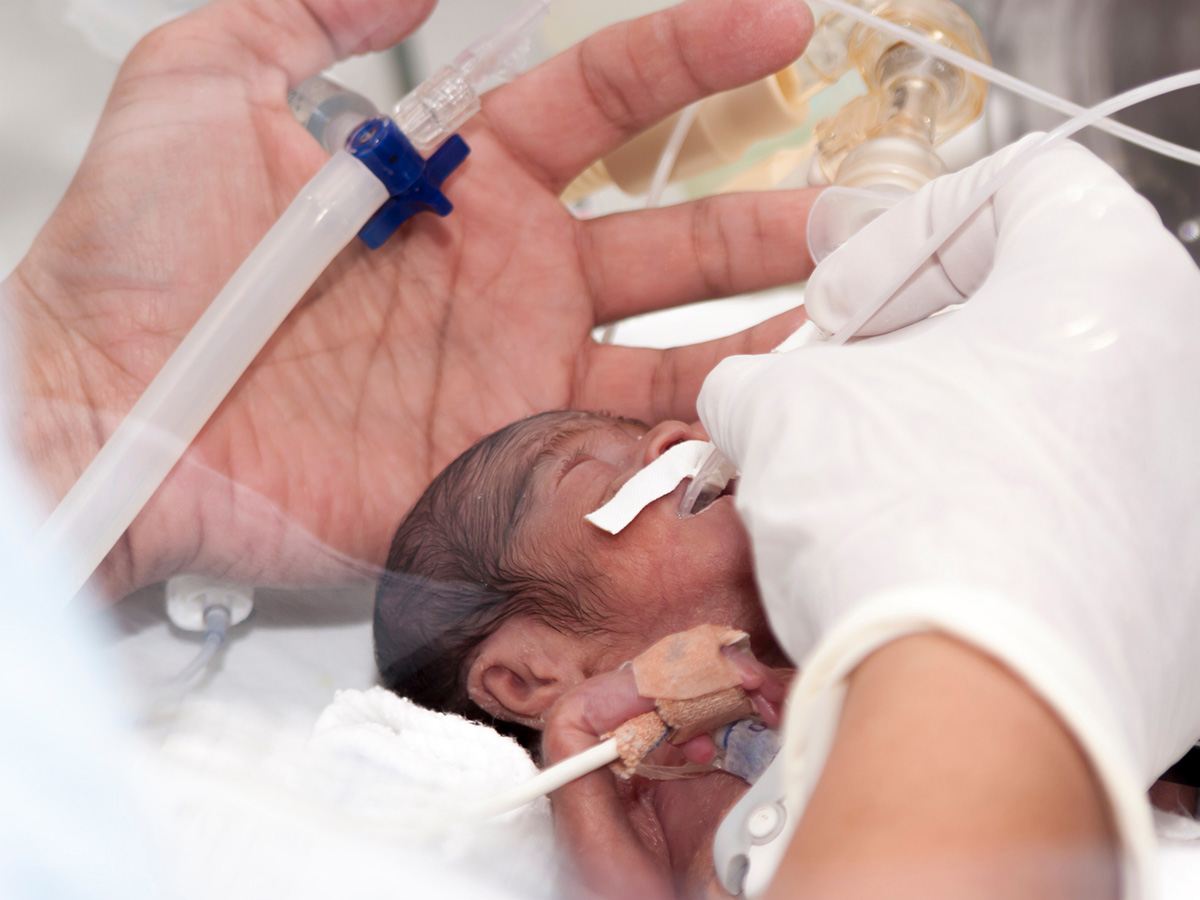
Very-low-weight newborns need extra oxygen and can develop deadly bronchopulmonary dysplasia. Differences in gut fungi predict getting, or not getting, BPD.
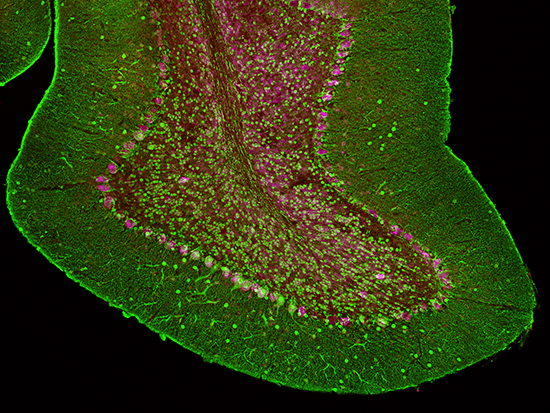
UAB’s new Lunaphore COMET multiplex immunofluorescent platform can hyperplex up to 40 antibodies on a single pathology tissue sample.

Researchers identified that the dominant B cell epitope of Lachnospiraceae flagellins and the utilization of the flagellin peptide cytometric bead array can potentially advance the diagnosis and prognosis of Crohn’s disease.

Michael Niederweis, Ph.D., and Cynthia Owsley, Ph.D., who collectively hold 23 patents, have been recognized for approaches to DNA sequencing and detection of impaired dark adaptation, respectively.
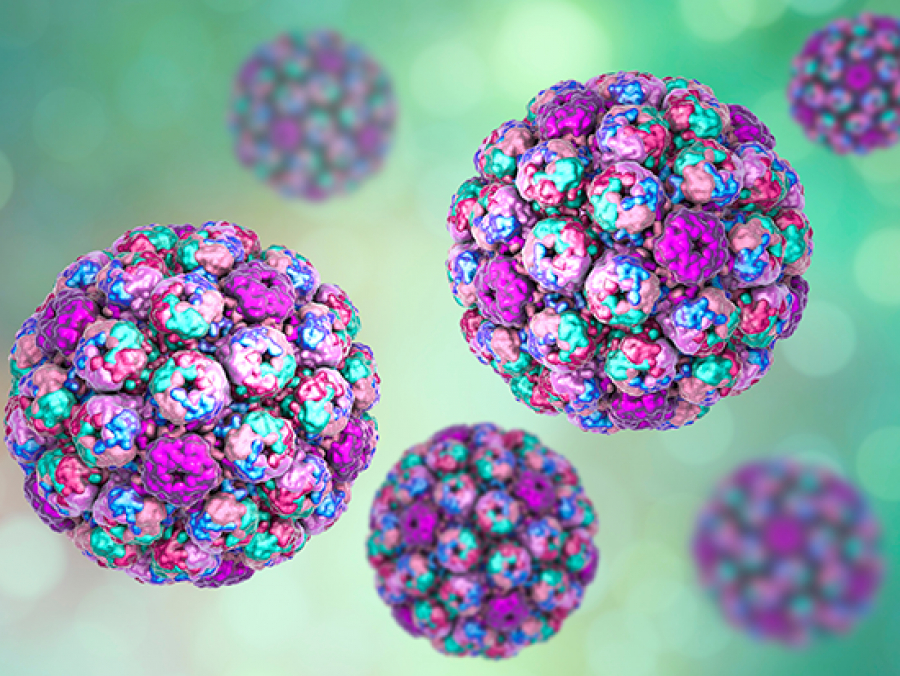
There are no effective antivirals against BK polyomavirus in transplanted kidneys. A better understanding of its replication will offer new ways to protect those kidneys.

UAB researchers uncover that interaction between proteins CD2:CD58 can be disrupted to mitigate the expression of genes and proteins that trigger HS pathogenesis.