By Pareasa Rahimi
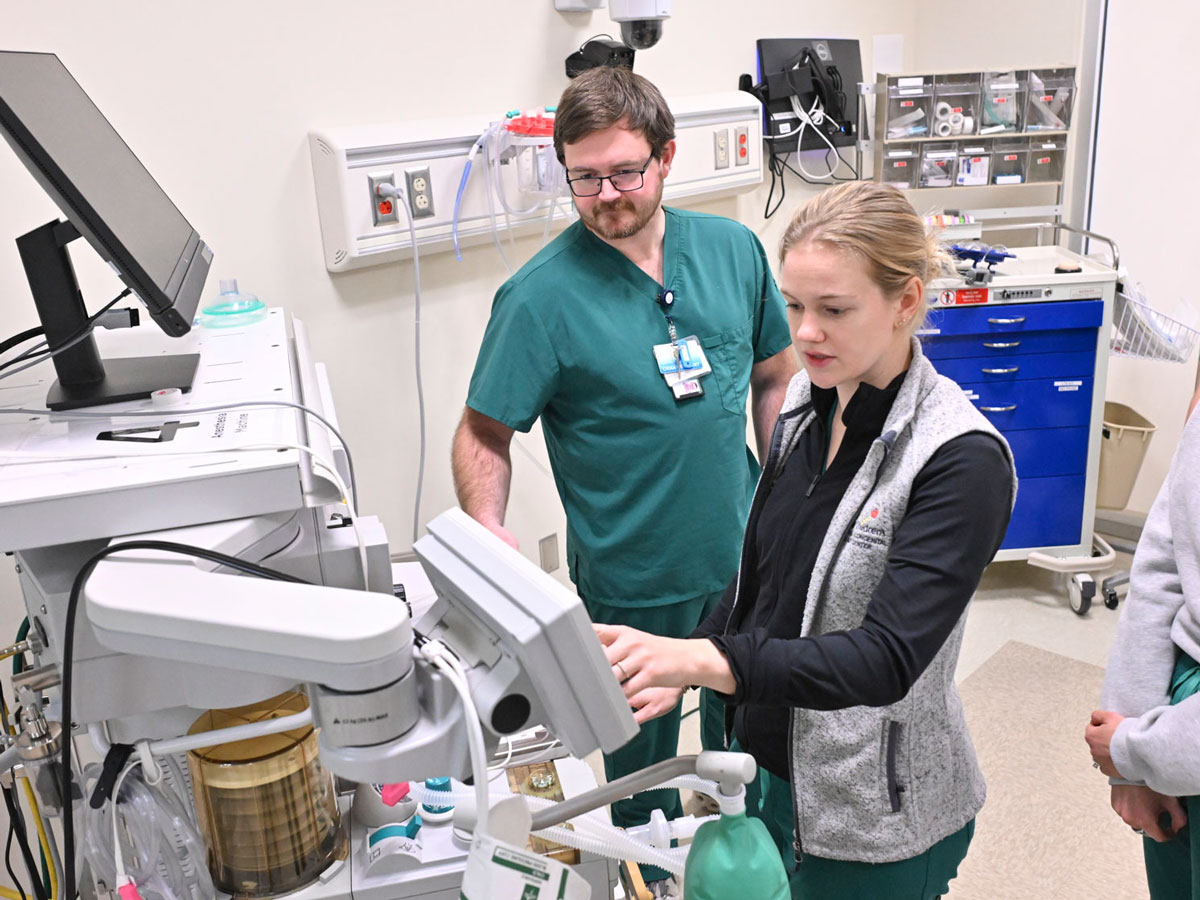
Students in the University of Alabama at Birmingham School of Nursing’s Doctor of Nursing Practice Nurse Anesthesia Pathway complete a high-level science and advanced nursing doctoral curriculum followed by a rigorous 20-month clinical rotation and residency, where they learn to deliver all forms of anesthesia. Graduates enter the workforce prepared to promote evidence-based practice, patient safety and quality in health care and demonstrate leadership skills in today's health care setting.
Alabama’s leading nurse anesthesia program
The UAB School of Nursing continues to have the highest-ranked DNP Nurse Anesthesia Pathway in Alabama, ranking No. 19 among all schools nationally, a ten-spot increase from its previous ranking in 2024 as No. 29. The pathway is one of only seven programs in the nation, and one of 13 programs in the world with full accreditation status by the International Federation of Nurse Anesthetists with the highest and most prestigious level of recognition from IFNA, highlighting the program’s strengths in academics, clinical experiences and faculty expertise and leadership on a global level.
“This recognition highlights our daily priorities of rigorous preparation, exceptional clinical training and outcomes that translate to safe, practice-ready graduates,” said Assistant Professor and Interim Director of the Nurse Anesthesia Pathway Amy Yerdon, DNP, CRNA, CNE, CHSE, FAANA (MNA 2011). “Being ranked among the nation’s top programs and receiving the highest level of IFNA recognition affirms the strength of our faculty, clinical partnerships and our commitment to developing nurse anesthetists who are ready to lead and deliver high-quality anesthesia care from day one.”
Investing in growth and clinical training
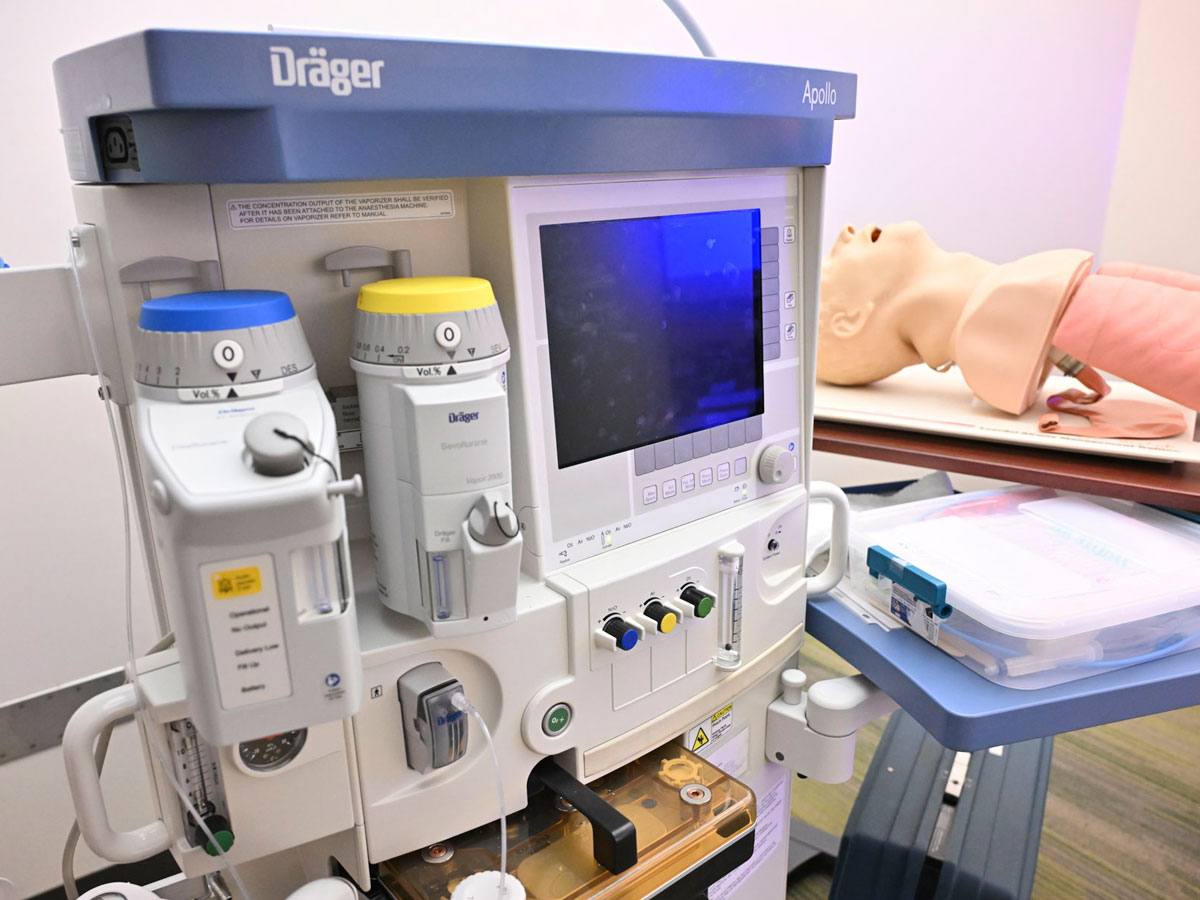
Recognizing the demand for nurse anesthesia providers in Alabama and across the country, the pathway has expanded its enrollment once again. The incoming 2026 cohort will include 68 students, following last year’s increase from 55 to 65. Additionally, the pathway has added a new Dräger Apollo anesthesia machine to support continued growth and strengthen clinical preparation.
“The addition of the machine to our equipment curriculum will enable students to gain hands-on experience with all major anesthesia machine platforms they are likely to encounter in clinical training,” said Assistant Professor Katie Woodfin, DNP, CRNA, CHSE (MSN 2014, DNP 2022). “This comprehensive exposure will facilitate smoother transitions across multiple clinical sites and enhance efficiency, confidence and readiness for both students and the CRNA clinical preceptors who train them.”
Among the nation’s top pass rates
First-time pass rates among graduates taking the National Certification Examination continue to exceed national pass rates and reflect the depth and quality of the education students receive in the program. The first-time pass rate for the 2025 graduating class was 96 percent, and the overall pass rate was 100 percent for the third consecutive year.
“Our continued high pass rates reflect a curriculum and board review program built on depth, consistency and accountability,” Yerdon said. “These results come from strong faculty mentorship and a rigorous, proven process. We coach students to trust this process, work consistently and let repetition build mastery.”
Developing future leaders in nurse anesthesia
Students in the DNP Nurse Anesthesia Pathway have opportunities develop their skills before stepping into practice. The School is working with nine other leading colleges and universities in the Leadership Excel and Achievement Program (LEAP)—a program designed to optimize the diversity of the nurse anesthesia workforce by providing access and support for success. LEAP is a one-year, remote curriculum that focuses on increasing student proficiency and competitiveness in science, scholarship, testing, mentorship and professional socialization. Students who complete the program are then automatically admitted into one of the 10 LEAP-affiliated CRNA programs.
Nationwide, nurse anesthesia admissions are highly competitive and many students who meet admission requirements often do not get in. The LEAP Program supports aspiring nurse anesthetists with a strong work ethic and passion for nursing by providing a focused preparatory program designed to enhance their competitiveness and success. The goal of the LEAP program is to increase the number of nurse anesthetists and improve patient care in Alabama and across the nation.
The School was among the first five inaugural schools of the LEAP Program and has six LEAP students in the DNP Nurse Anesthesia Pathway. UAB’s first LEAP student, Angeleah Syers, DNP, CRNA (DNP 2025), graduated in April 2025, and one additional LEAP student will be admitted to the pathway in Summer 2026.
“The School has always been a leader in the field of nursing, so it’s no surprise that they were a part of the inaugural cohort of LEAP,” Syers said. “LEAP has allowed previously overlooked candidates prove what they already knew—that they deserve to be here—while showing up, leading and shining with confidence, grace and humility. LEAP students are not only proving to be leaders within their program but also on the state and national levels.”
Syers was the recipient of the School’s Nancy Smith Award for Excellence in Learning in 2025, rewarding hard work and perseverance in a student’s pursuit to become a nurse.
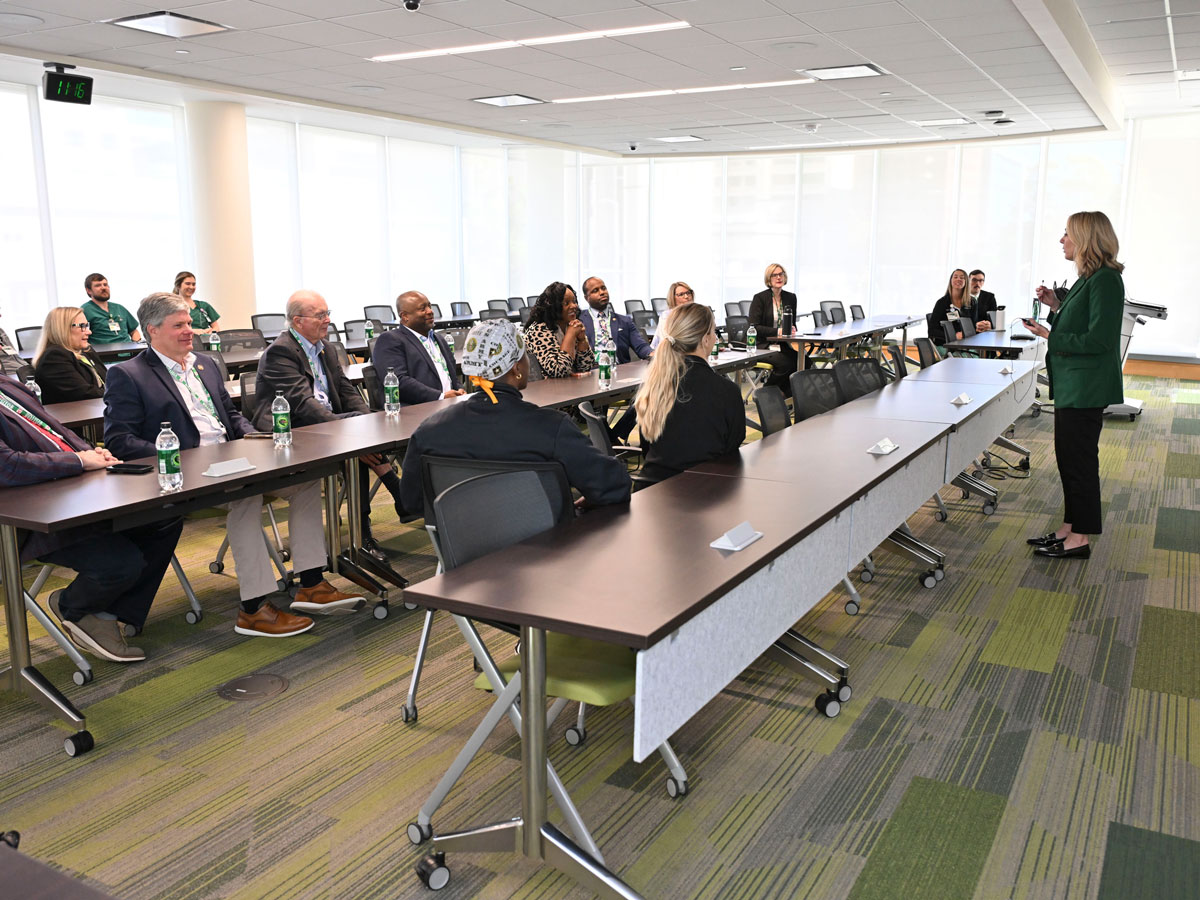
Advocacy also is central to the pathway, empowering students to lead on behalf of their profession and the patients they serve. In October 2025, the School welcomed eight Alabama legislators to observe a crisis resource management simulation that showcased the critical role of certified registered nurse anesthetists in maintaining safe, high-quality anesthesia care, particularly in rural and underserved communities. During the visit, students and faculty delivered a presentation on CRNA education, training and scope of practice, emphasizing the importance of CRNAs in expanding access to anesthesia care across Alabama.
“The legislators’ visit served as both an educational experience and an advocacy platform, reinforcing the importance of CRNAs in delivering safe, high-quality and cost-effective anesthesia care across the state,” Yerdon said. “The immersive training allowed legislators to observe students managing complex, high-stakes clinical scenarios requiring critical thinking, teamwork and rapid decision-making. The experience offered a first-hand understanding of the depth and rigor of CRNA education, the scope of practice and the critical role CRNAs play in meeting Alabama’s health care workforce needs, particularly in rural areas.”
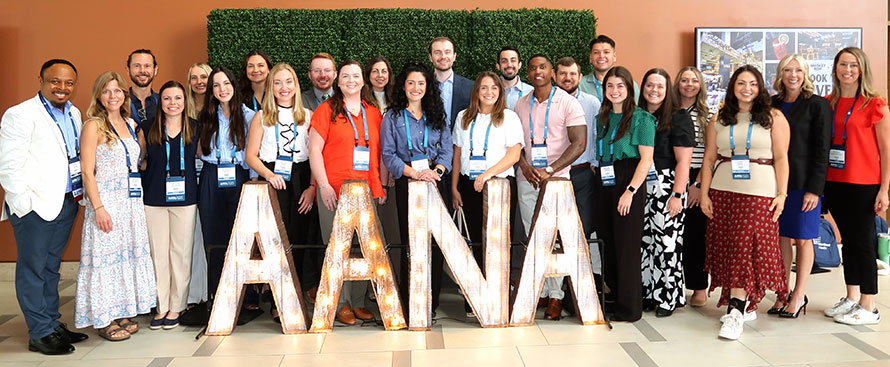
Students also expand their professional skills through participation in continuing education and professional development conferences. In 2025, 26 students attended the American Association of Nurse Anesthesiology Annual Congress in Nashville, Tennessee. Their travel was supported through funds raised from faculty-led lectures hosted at the School.
“By attending events like the AANA Annual Congress, students experience the profession at a broader level, connect with mentors and peers, and develop essential skills, such as professional identity, networking, advocacy and leadership,” Yerdon said. “They return with ideas that enhance both their practice and our program. To remove financial barriers, we use funds raised through the faculty-led continuing education conference to support student travel. Proceeds from the 2025 UAB Nurse Anesthesia conference will help support student travel to the 2026 AANA Annual Congress in Boston.”
Supporting student well-being
The School and nurse anesthesia faculty are dedicated to ensuring the best possible academic support and wellness resources for students. The pathway recently implemented the WellPro Path, a wellness and professional development plan for incoming students. The plan supports and sets students up for success prior to starting the program and helps ensure all have access to the same resources provided by faculty and current students. Resources range from being academic-focused, including learning and test-taking strategies, to covering areas of wellness and community, involving support groups and a mentorship program between upperclassmen and new students. The class of 2028 was the first to receive the WellPro Path before starting the program.
“We received encouraging feedback from the group after surveying them at the end of their first semester to gauge how beneficial the resource had been,” Woodfin said. “35 percent reported using it, 63 percent found it helpful and many offered thoughtful suggestions for future improvements or additions. The input will play an important role as we continue to refine the plan.”
Growth in faculty
Assistant Professor and Interim Director of the Nurse Anesthesia Pathway Amy Yerdon, DNP, CRNA, CNE, CHSE, FAANA (MNA 2011), served as Director on the Alabama Association of Nurse Anesthetists Board of Directors from 2022-2024 as well as Chair of the Professional Development Committee for the ALANA. In 2025, she was inducted as a Fellow of the American Association of Nurse Anesthesiology. She also was selected to be part of the National League for Nursing’s 2026 LEAD cohort. She is a current member and Vice Chair of the AANA Practice Committee. Additionally, she is currently serving on the Professional Practice Analysis Panel and previously served as a CPC-A exam item writer for NBCRNA.
Learn more about our DNP Nurse Anesthesia Pathway
Join us for an in‑person or virtual open house to connect with our faculty and staff, explore the DNP Nurse Anesthesia Pathway and discover what sets it apart.
Register todayOpens an external link.Professor and Interim Assistant Dean for Research and Scholarship Edwin Aroke, PhD, CRNA, FAANA, FAAN, has been nationally recognized for his research and scholarship regarding epigenetics and chronic lower back pain. Through a $1.7 million R01 grant, Aroke seeks to fill gaps in knowledge and improve practice. Aroke is Editor-in-Chief the AANA Journal, the bi-monthly publication of the American Association of Nurse Anesthesiology, and has authored more than 70 publications and served as a manuscript reviewer for multiple peer-reviewed journals. In 2024, he received the International Society of Nurses in Genetics Founders’ Award for Excellence in Nursing Genomic Research. He also was named as an American Association of Nurse Anesthesiology Foundation Board of Trustee in 2024. He was named 2021 Researcher of the Year by the American Association of Nurse Anesthetists Foundation and serves as President of the Association of Cameroonian Nurse Anesthetists in America.
Clinical Assistant Professor Thomas Baribeault, DNP, CRNA, is President of the Society of Opioid Free Anesthesia and a board member of the Society of Obstetric Nurse Anesthesiologists and Researchers. He was inducted as an AANA Fellow in 2025 and serves as Editor for the Journal of Nurse Anesthesia Education. He also is a member of the Anesthesia Patient Safety Foundation Opioid Related Harms Workgroup and the American Association of Nurse Anesthesiology Foundation Ultrasound Interest Group.
Clinical Assistant Professor Elliot Barnwell, DNP, CRNA (BSN 2014, DNP 2021), practices as a CRNA at the Mayo Clinic Hospital in Jacksonville, Florida. In 2023, he was the recipient of the Rising Star in Nurse Anesthesia Award, recognizing alumni who demonstrate excellence as a clinical practitioner and contribute to the nurse anesthesia profession. Barnwell’s clinical specialty is cardio thoracic anesthesia in adults with an interest and opportunity at Mayo Clinic for heart and lung transplants. He previously taught pathophysiology as an adjunct faculty member in the Nurse Anesthesia program before joining on as faculty in 2023.
Clinical Assistant Professor Jacob Bonner DNP, CRNA (BSN 2018, DNP 2023), is a two-time alumnus of the School. As a student in the pathway in 2023, he and his team published a quality improvement project on electronic dashboards as a means for tracking quality metrics. In 2024, he received the Rising Star in Nurse Anesthesia Award. He teaches Pathophysiology I, II, Obstetric Anesthesia and Theory of Writing for Nurse Anesthetists. His main focuses are the mental wellness of his students and improving quality of care in obstetrics and women's health. He currently is serving on the ALANA public relations committee for the 2025-2026 term, which focuses on increasing CRNA advocacy and career promotion.
Clinical Assistant Professor Merrilee Coby, DNP, CRNA (MNA 2003, DNP 2019), joined the faculty in 2024. She maintains an active clinical practice at DeKalb Regional Medical Center in Fort Payne, Alabama, and also serves as a locum tenens contractor at facilities throughout the state. Coby has served on the Board of Directors and as Nominating Chair for the Alabama Association of Nurse Anesthetists. Her academic interests include the use of high-fidelity simulation to enhance the education and clinical training of nurse anesthesia students.
Clinical Assistant Professor Austin Conn, DNP, CRNA (BSN 2016, DNP 2022), has been a member of the Nurse Anesthesia faculty since November 2024. Conn contributes to the clinical education of graduate nurse anesthesia students, instructs students through simulation and supports their transition into advanced practice roles. Prior to his anesthesia career, he served ten years in the United States Army National Guard with roles ranging from Medical Service Officer to Army Nurse within a Role 2 medical facility, gaining experience in operational medicine and high-reliability systems under resource-limited conditions.
Clinical Assistant Professor Zachary Conn, DNP, CRNA (BSN 2016, DNP 2022), has been a member of the Nurse Anesthesia faculty since 2024, instructing students in both the simulation and clinical settings, with a focus on translating high-fidelity simulation experiences into safe, effective anesthesia practice. Conn also brings over a decade of service in the United States Army, with experience ranging from brigade-level medical planning as a Medical Services Officer to providing nursing care in Role 2 medical treatment facilities. He values hands-on teaching, mentorship and supporting student development throughout their clinical training.
Clinical Assistant Professor Kesha Thurston, DNP, MSHQS, CRNA (BSN 1998, MNA 2006, DNP 2019), was inducted as an AANA Fellow in 2025 and is among the 2026 cohort of UAB Medicine’s Institute for Leadership. She received the 2024 Mary Hanna Memorial Journalism Award from the American Society of PeriAnesthesia Nurses. She also was recognized in 2023 as a UAB Medicine Clinical Excellence in Nursing Award recipient.
Associate Professor and Vice Chair of the Department of Acute, Chronic and Continuing Care Bryan Wilbanks, PhD, DNP, CRNA, FAANA, FAAN (DNP 2012, PhD 2016), is Vice Chair of the American Association of Nurse Anesthesiology Foundation Board of Trustees. As an active member of AANA, he has worked on studies, served as a reviewer for grants and is on the Fellows Selection Committee. In 2021, he joined the AANA Foundation Board and was named an inaugural AANA Fellow. Most recently, he was selected for the National League for Nursing’s 2025 LEAD cohort.
Assistant Professor Katie Woodfin, DNP, CRNA, CHSE (MSN 2014, DNP 2022), is the Simulation Coordinator for the program. She teaches didactic courses, develops simulations and helps create wellness initiatives for the students. She was recognized for her innovative simulation efforts, receiving the Dean’s Teaching Award for Innovation in Simulation Instruction in 2022 and 2023. Woodfin also is the 2024 recipient of the Nancy Smith Memorial Award for Excellence in Teaching.
Assistant Professor Ryan Richey, DNP, CRNA, CHSE (MNA 2005, DNP 2022), is Clinical Coordinator for the program and was a Site Coordinator for the Pathway for a number of years before joining the faculty, during which he was recognized as Clinical Preceptor of the Year. He develops simulations, teaches students in the clinical setting during his faculty practice and helps create student wellness initiatives. He was recognized for his innovative simulation efforts, receiving the Dean’s Teaching Award for Innovation in Simulation Instruction in 2022 and 2023.
Clinical Assistant Professor Kerry Varner, DNP, CRNA, joined the faculty in 2024. He has served on numerous committees throughout his career, with both the national and state chapters of the AANA Health and Wellness Committee Varner also has served on the Board of Directors with the ALANA for two terms and have served on the Professional Development Committee as well. He has been a clinical site coordinator and preceptor at Southeast Health in Dothan, Alabama since 2020. He has been recognized as the 2020 UAB Clinical Preceptor of the Year, the 2022 Florida State University Clinical Preceptor of the Year and the 2024 Samford University Preceptor of the Year. He has a passion for working with students and residents in the clinical setting, as well as teaching in the classroom.
Instructor Amanda Waguespack, DNP, CRNA (BSN 2006, MNA 2010, DNP 2023), has served as a student clinical education preceptor for UAB SRNAs since 2010. She is a clinical expert in all forms of anesthesia and teaches Anesthesia Pharmacology I & II, as well as Anesthesia Principles and other courses within the DNP Nurse Anesthesia Pathway. She currently serves on the ALANA Professional Development Committee.