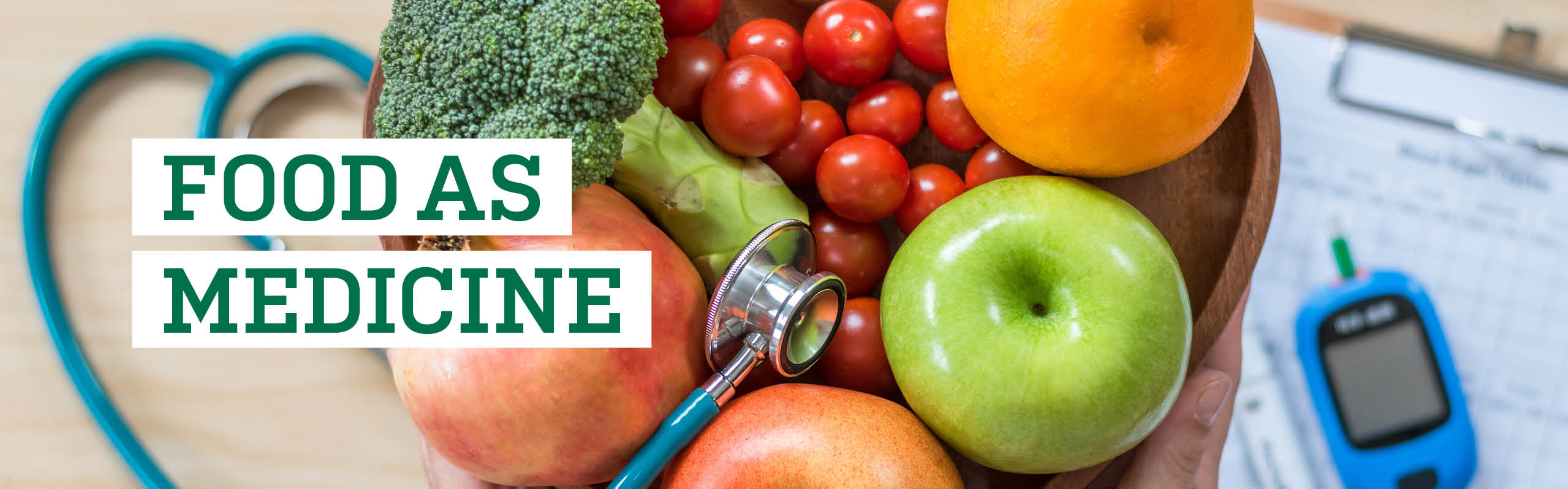
The MS in Nutrition Sciences program was designed to offer a comprehensive experience for students, including coursework and experiences in how to save lives, prevent disease, and improve quality of life.
Study the clinical side in the heart of Alabama’s top medical center surrounded by UAB Hospital, Birmingham VA Medical Center and Children’s of Alabama. Participate in multi-professional research initiatives in basic, clinical, and translational research at the UAB Cancer Prevention and Control Training Program or at any of three NIH-funded centers on campus: the Nutrition Obesity Research Center, the Diabetes Research Center or the Comprehensive Cancer Center.
The MS in Nutrition Sciences offers several degree tracks including:
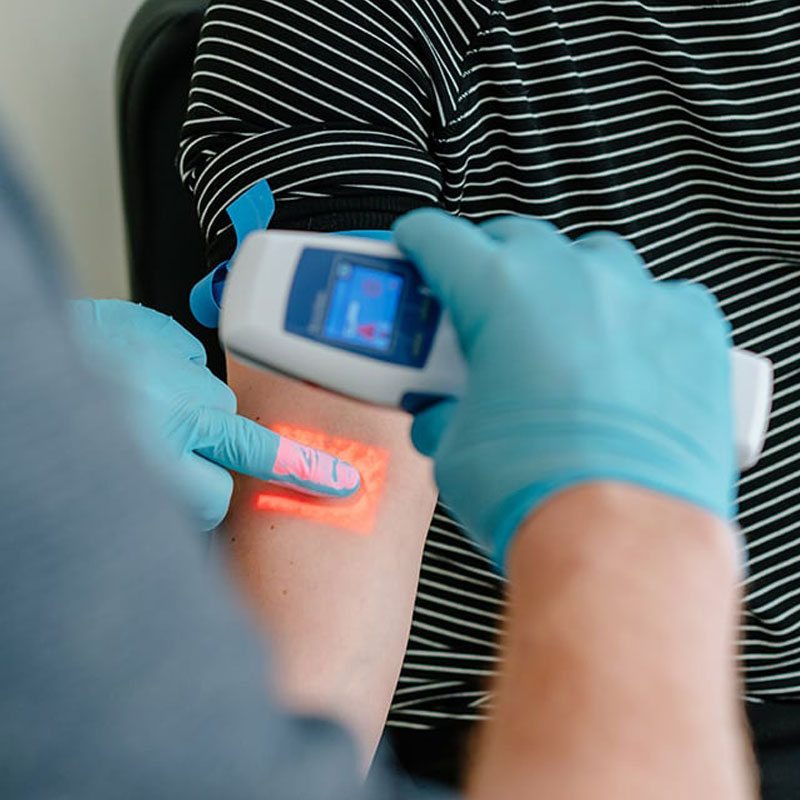
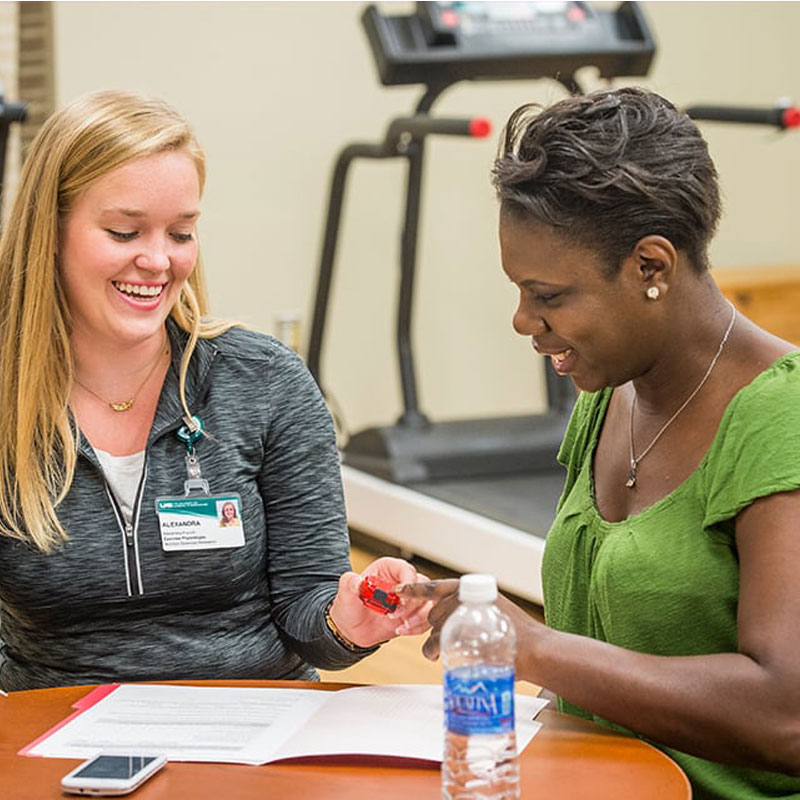

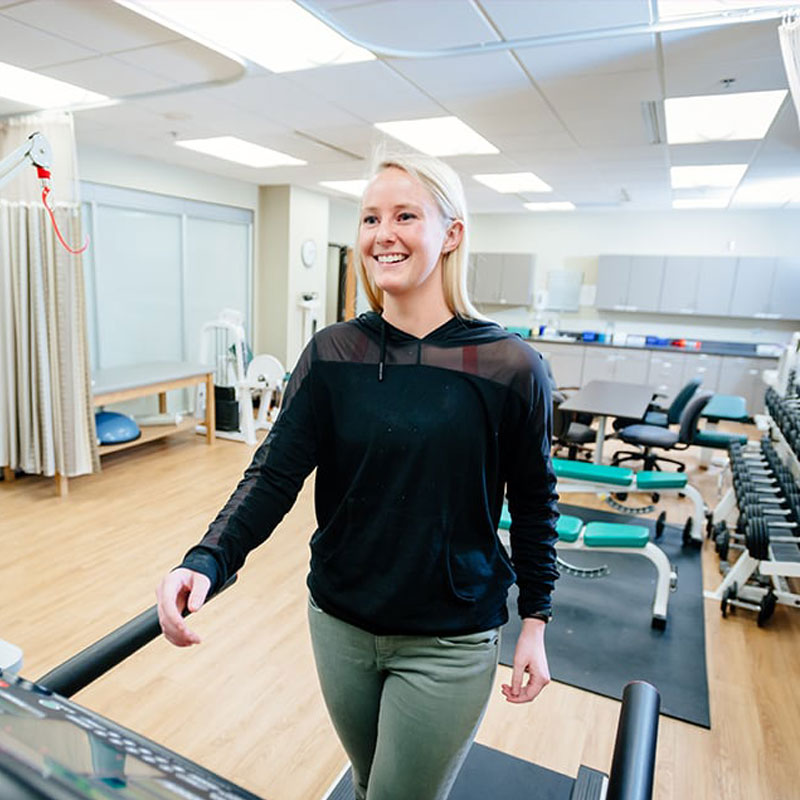
Still not sure which masters track is right for you?
We've created a decision tree to help you navigate our various tracks and opportunities.
Request More Info
The PhD in Nutrition Science at UAB provides training and research experiences in basic and translational nutrition science. You will have the opportunity work alongside experts in the field and in two NIH-funded research centers.
As a student in the PhD program, you will learn the science of nutrition as it relates to maintaining the health of individuals and populations, as well as the biochemical basis and application of nutrition to promote health and prevent disease. Possible areas of study include experimental design, nutritional biochemistry, energy requirements, body composition, geriatric nutrition, community nutrition, and disease prevention.
Open House
You can view our last virtual open house that was held September 10, 2025. The session, led by director, Dr. Paula Chandler-Laney, provides information about applying, admissions, curriculm, funding and FAQ's.
Request More Info
The University of Alabama at Birmingham’s Department of Nutrition Sciences is recognized globally for our ongoing contributions to the field of nutrition science. Researchers within the department are exploring the role nutrition plays in obesity, diabetes, cancer, and more using animal models (such as fruit flies and mice) as well as clinical, community, and population research. Our students come from all over the country and the world to learn.
We are proud to offer an undergraduate major and minor in Nutrition Sciences. Our graduate programs include multiple master’s degree tracks with clinical and research focuses, as well as a Ph.D. in Nutrition Sciences. With support from two NIH-funded research centers on-site, UAB’s Nutrition Obesity Research Center (NORC) and Diabetes Research Center (DRC), graduate students have the opportunity to work one-on-one with faculty and gain exposure to a wide range of topics in the field.
Our department is dedicated to – and excited about – training the future leaders in our field. If you’re passionate about nutrition science, join us!
Alumni Speak
Our students hail from different countries, cultures, and socioeconomic backgrounds. Their unique life experiences create an enriched learning environment that elicits the development of skills and compassion that benefit each other beyond UAB.



-
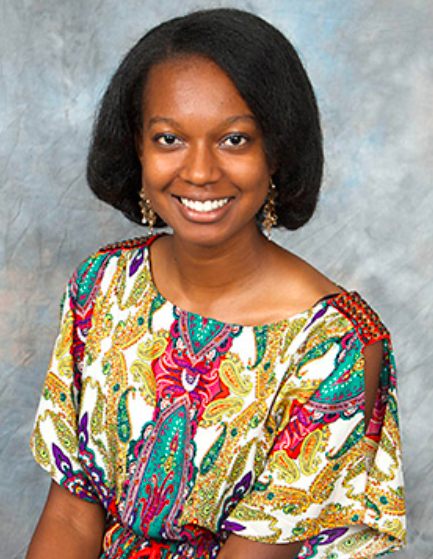
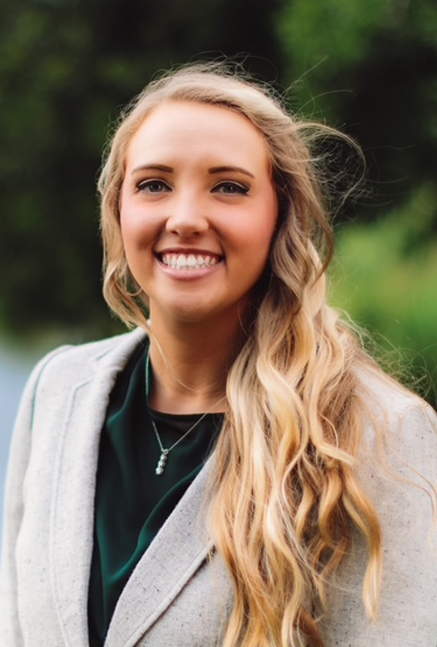
Razel Gargollo
BS in Biobehavioral Nutrition and Wellness, current MS student
Razel Gargollo, from Gulf Shores, Alabama, graduated from UAB with a BS degree in Biobehavioral Nutrition and Wellness (now Nutrition Sciences) in 2024 and is now in the Dietitian Education Program (DEP). “I chose nutrition sciences because we’re realizing now more than ever how critical nutrition is to our overall health,” Razel says. “What I enjoyed most about the undergraduate program was the opportunity to explore so many different areas of nutrition. UAB really encourages students to expand their knowledge and step outside their comfort zones. I also loved the nutrition faculty and staff. They truly care about their students’ success and go above and beyond to support us both academically and personally.”
-
Jesse Perry
BS in Biobehavioral Nutrition and Wellness, current PhD student
Jesse Perry, from Kimberly, Alabama, graduated from the BS in Biobehavioral Nutrition and Wellness program (now Nutrition Sciences) in spring of 2025 and joined UAB’s Nutrition Sciences doctoral program in the fall. “The program at UAB gave me insight into many areas of nutrition that I had never considered before,” Jesse says. “My favorite classes all came from the nutrition program because of how engaging and interesting they were.” He says he chose to pursue a PhD because “I really enjoyed the process of working to find answers for the gaps in knowledge. I was also fortunate to be matched with a research experience that confirmed I was headed in the right direction. This is where my interest in nutrition research began, and the best place for me to continue to grow as a student and researcher was through UAB’s PhD program.”
-
Jacqui Adan, MS, RDN, LDN
MS in Nutrition Sciences, Lifestyle Management and Disease Prevention + Dietitian Education Certificate
Jacqui Adan is from Pelham, Alabama, and earned her undergraduate degree in biomedical sciences from UAB. She completed her MS in Nutrition Sciences, Lifestyle Management and Disease Prevention + Dietitian Education Certificate (DEP-C) and is now a research dietitian in the UAB Department of Nutrition Sciences metabolic kitchen. “My DNS degree was instrumental in helping me become a registered dietitian, equipping me with the essential skills and knowledge needed for clinical and research practice,” Jacqui says. “During my time in the DEP-C, I gained exposure to diverse areas of nutrition and had valuable opportunities to engage in nutrition research and build professional connections.”
-
Leandra Durham, PhD, RDN
MS in Nutrition Sciences, Dietitian Education Program; PhD in Nutrition Sciences
Leandra Durham is from Tucson, Arizona, and earned her undergraduate degree from the University of Arizona. She completed her MS in Nutrition Sciences in the Dietitian Education Program (DEP) in 2021 while living in Virginia, passed the RD exam, and then came to Birmingham to pursue a PhD in Nutrition Sciences, which she completed in 2025. Leandra currently serves as a dietitian in the United States Air Force Reserve. Asked what she liked best about the DEP, Leandra says, “the focus and push for critical thinking to better prepare you as a clinician, as well as the flexibility and support with the internship and being able to get opportunities to work in my areas of interest.” About the PhD program, she says, “The mentorship! I cannot say enough good things about the guidance I received throughout this program.”
-
Harleen Kaur, PhD
PhD in Nutrition Sciences
Harleen Kaur earned her undergraduate degrees in chemistry and nutrition science from the University of Texas at Austin before coming to UAB to pursue her PhD in Nutrition Sciences. Following graduation in 2024, Harleen joined the Sylvester Comprehensive Cancer Center in the Miller School of Medicine at the University of Miami as a postdoctoral scholar in the South Florida Cancer Control Training in Disparities and Equity (C-TIDE) T32 Training Program. “My PhD program exceptionally prepared me for my career through a comprehensive combination of rigorous research training, advanced coursework, and invaluable networking opportunities,” Harleen says. “The research training I received honed my investigative skills, while the diverse courses I took deepened my knowledge in critical areas. My PhD director provided continuous support, offering guidance and ensuring my goals were both realistic and ambitious.”
-
Charita Lewis, MS, RDN, LD, CNSC
MS in Nutrition Sciences, Dietetic Internship
Charita Lewis is from Dothan, Alabama, and earned her undergraduate degree from Samford University. She completed the Dietetic Internship track of UAB’s MS in Nutrition Sciences program in 2016 and is a clinical dietitian at the Cancer Treatment Centers of America in Atlanta, Georgia. “Students enrolled in the UAB DI program will be well equipped to work professionally when they leave,” Charita says. “This program has a high emphasis on critical thinking and application. Come prepared to be stretched and to learn. It is an intense year of study and learning how to practice, but it is all worth it.”
-
May Pendergrass, MS, RDN, CDCES
MS in Nutrition Sciences, Dietetic Internship
May Pendergrass is from Huntsville, Alabama, and earned her undergraduate degree in Nutrition and Dietetics from Lipscomb University in Nashville, Tennessee. She completed the Dietetic Internship track of UAB’s MS in Nutrition Sciences program in 2018 and is now clinical services manager for Insulet Corporation in Nashville. “UAB’s dietetic internship gives students the opportunity to rotate through a wide variety of experiences, from clinical and wellness to food management, that help the students become well rounded,” May says. “Experiencing such a wide variety of opportunities in the field of nutrition and dietetics helped me narrow down what I would be interested in doing as a dietitian. Through the internship, I really saw myself grow professionally and become more confident in my skills and abilities.”
-
Courtney Thompson, MS, RDN, LD
MS in Nutrition Sciences, Dietetic Internship
Courtney Thompson is from Birmingham, Alabama, and earned her bachelor’s degree in nutrition and dietetics from Samford University. She completed the Dietetic Internship track of UAB’s MS in Nutrition Sciences program in 2021 and now works for Morrison Healthcare as a clinical nutrition manager at Vanderbilt Wilson County Hospital in Lebanon, Tennessee. Courtney says, “I was looking for a program that was a little more clinically minded and would give me the opportunity to work at a larger hospital. With my experience at UAB hospital, I felt well equipped and needed minimal training starting my first job, which helped me to quickly rise to the great job I have now. UAB allowed me to pursue my love of clinical nutrition and dive deeper into the areas of nutrition that interested me the most.”
National Council for State Authorization Reciprocity Agreements (NC-SARA)
UAB participates in NC-SARA, which streamlines authorization for interstate distance education, but California is not a member. As a result, UAB cannot enroll California residents in any program requiring supervised experiential learning, including the MS in Nutrition Science/Dietitian Education Program (DEP). California students may enroll in the online Lifestyle Management and Disease Prevention program, but they cannot add the DEP-C certificate to their plan of study.
Request More Info