
Beas Lab
The mission of the Beas Laboratory centers on elucidating the neuronal processes that guide motivation.

Crowder Lab
The Crowder lab uses molecular, cellular, and pharmacological approaches to better understand cellular communication, development, and neurological signaling.

Cummings Lab
The Cummings Lab uses several multidisciplinary cutting-edge approaches to gain a more comprehensive understanding of how the brain acquires and stores memories. Our ultimate goal is to use this knowledge to better understand and treat some of the most devastating neuropsychiatric disorders.
Day Lab
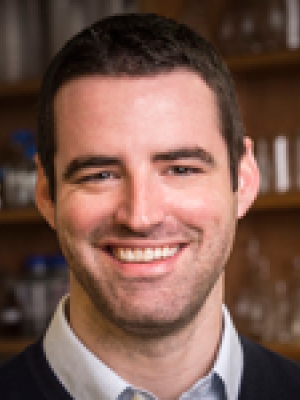
The Day lab's goal is to understand how experience alters the brain, and how those changes drive future behaviors. We approach this broad topic at diverse levels of analysis that integrate molecular, genetic, and epigenetic tools with techniques that probe the function of single neurons and entire neuronal circuits. Our current research falls into the specific categories outlined below.

Lubin Lab
The Lubin lab's research is directed at characterizing the role of epigenetic mechanisms, such as histone methylation, DNA methylation, non-coding RNAs, and the interaction of the NF-kB signaling pathway with chromatin to determine how these molecular changes participate in the regulation of gene expression related to the normal process of learning and memory and how they are deranged with cognitive deficits.
Luikart Lab
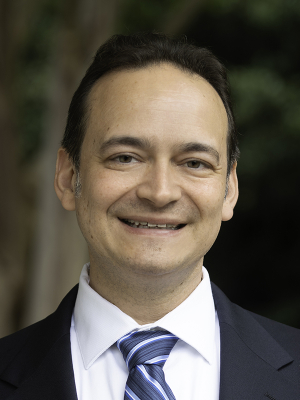
The Luikart lab focused on performing stable, precise, and well characterized genetic manipulations in mice.

Peters Lab
The Peters Lab uses preclinical models of addiction along with systems neuroscience tools including optogenetics, chemogenetics, and in vivo fiber photometry, to interrogate neural circuit function.
Wadiche Labs
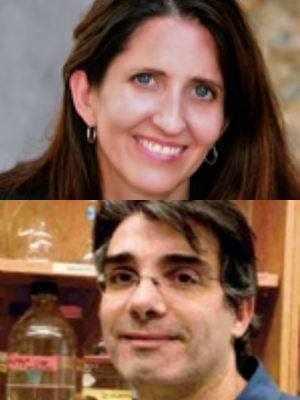
The Wadiche labs study fundamental mechanisms of synaptic transmission and inhibitory and excitatory neurons of the dentate gyrus, a brain region with continued neurogenesis in adulthood.