
Asif shares advances that have transformed family medicine and primary care at UAB and across Alabama
As Alabama grapples with persistent physician shortages and growing healthcare needs, the demand for family physicians and primary care providers has never been greater. Across rural and urban communities alike, these clinicians serve as the front door to the healthcare system, improving access, coordinating care, and helping address chronic disease before it becomes crisis care.
This September marks the eighth anniversary of Irfan Asif, M.D., as chair of the UAB Department of Family and Community Medicine. Under his leadership, the department has experienced remarkable growth and earned statewide and national recognition for innovation in research, workforce development, and community engagement.
To mark the occasion, Asif, who also serves as associate dean of primary care and rural health and the Heersink Endowed Professor in Sports and Exercise Medicine, reflects on the eight milestones he believes have most shaped the department's journey and its mission to improve health in Alabama and beyond.
-
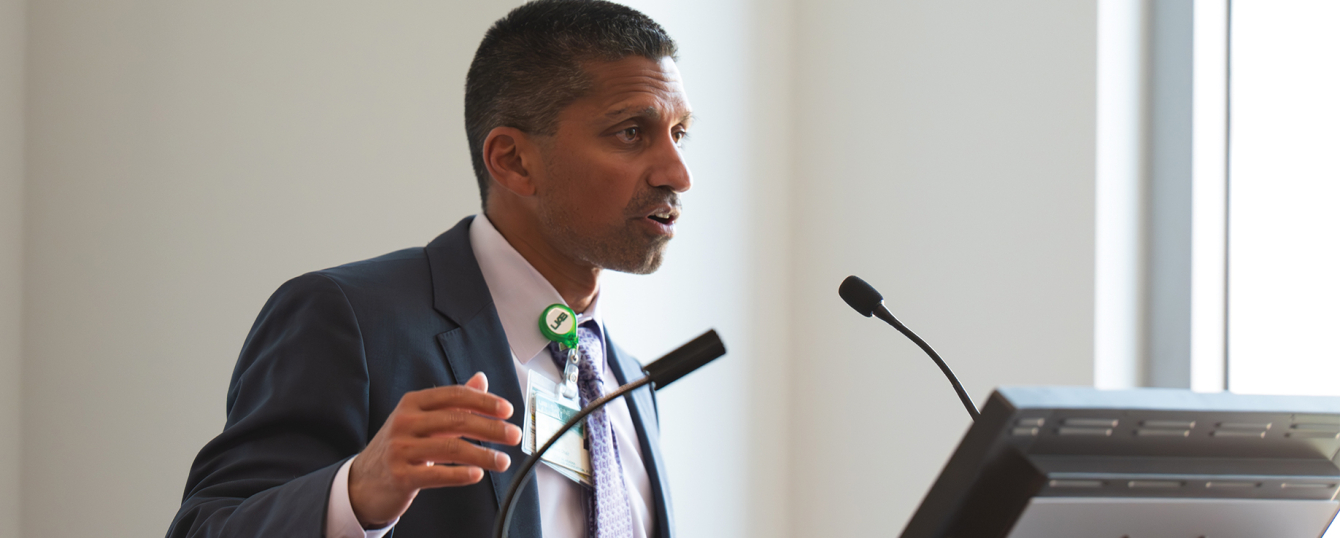 Irfan Asif speaking at a podium in the Marnix E. Heersink Institute for Biomedical Innovation Conference Center.
 -
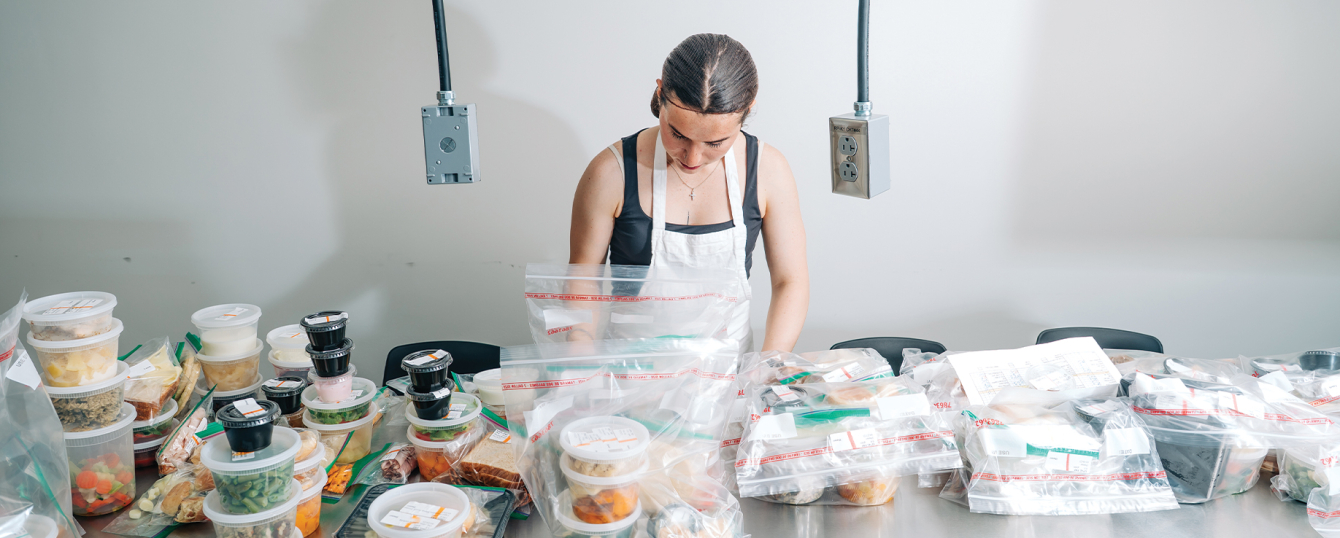 Nutrition as medicine has increasingly become a focus of the Department of Family and Community Medicine’s clinical, research, and medical education efforts.
 -
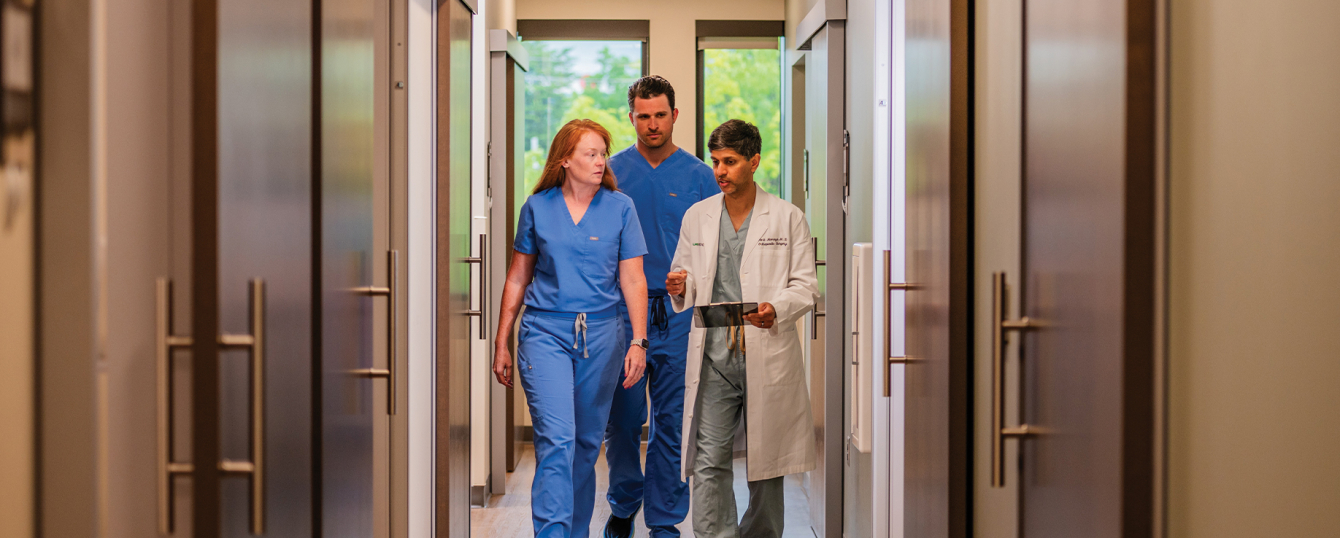 Orthopedic surgeon Amit Momaya, M.D., walks with nurses in the UAB Sports and Exercise Medicine Clinic.
 -
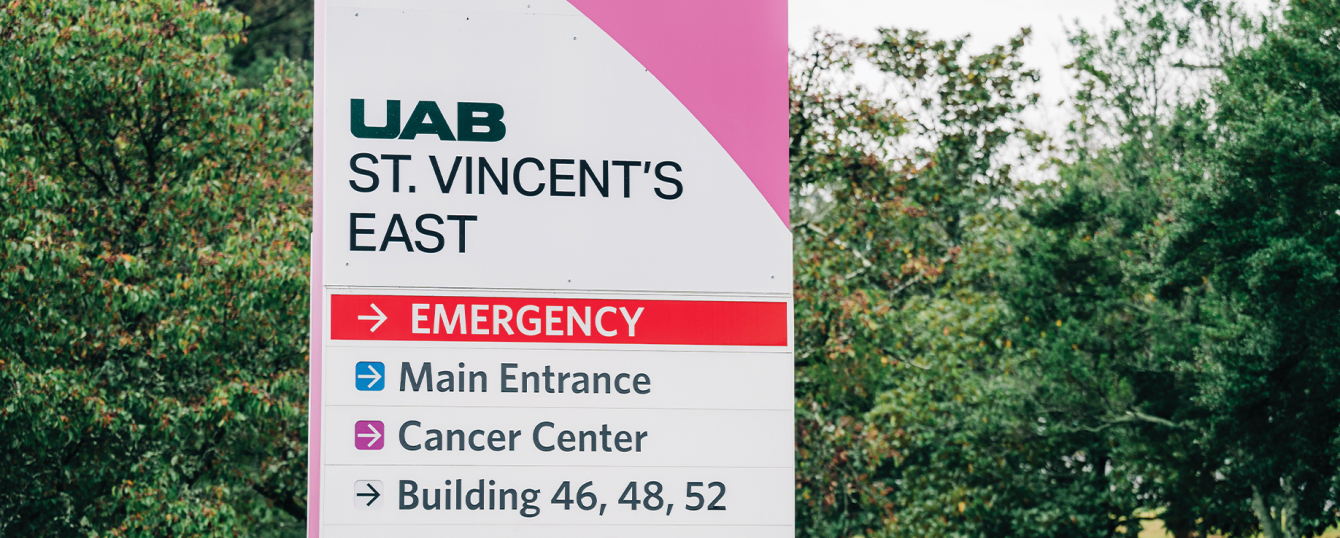 UAB Family Medicine East opened at UAB St. Vincent’s East in August 2025, offering full-spectrum care—including preventative health screenings, pediatrics, chronic disease management, and physical exams—as well as treating acute conditions.
 -
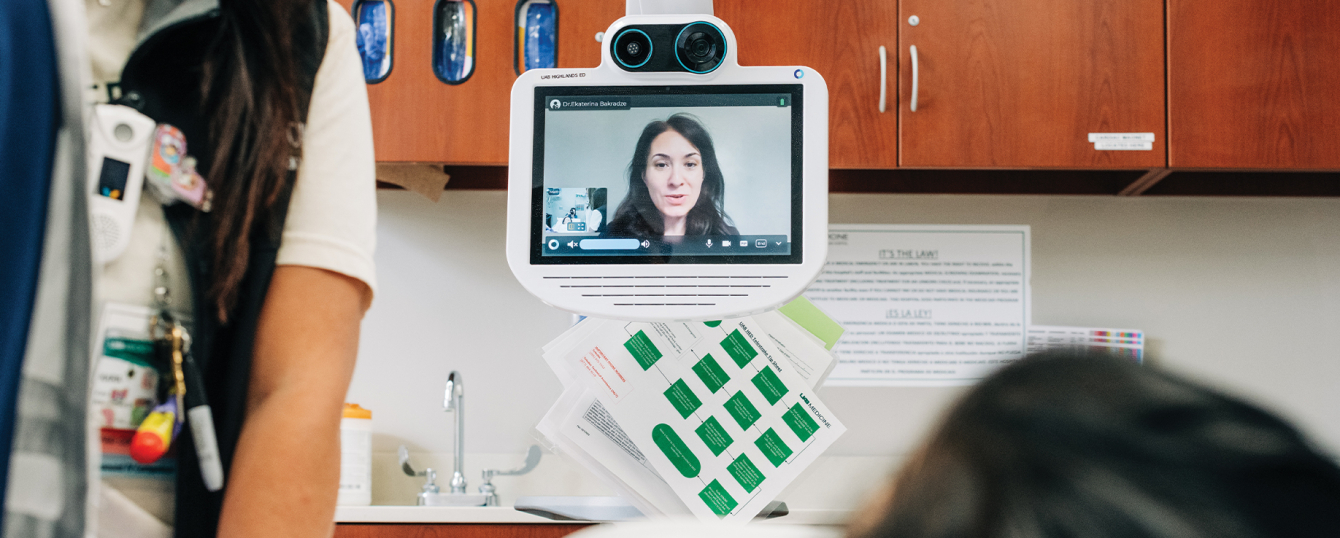 According to Asif, “Telehealth has become a critical tool for overcoming geographic barriers to care.”
 -
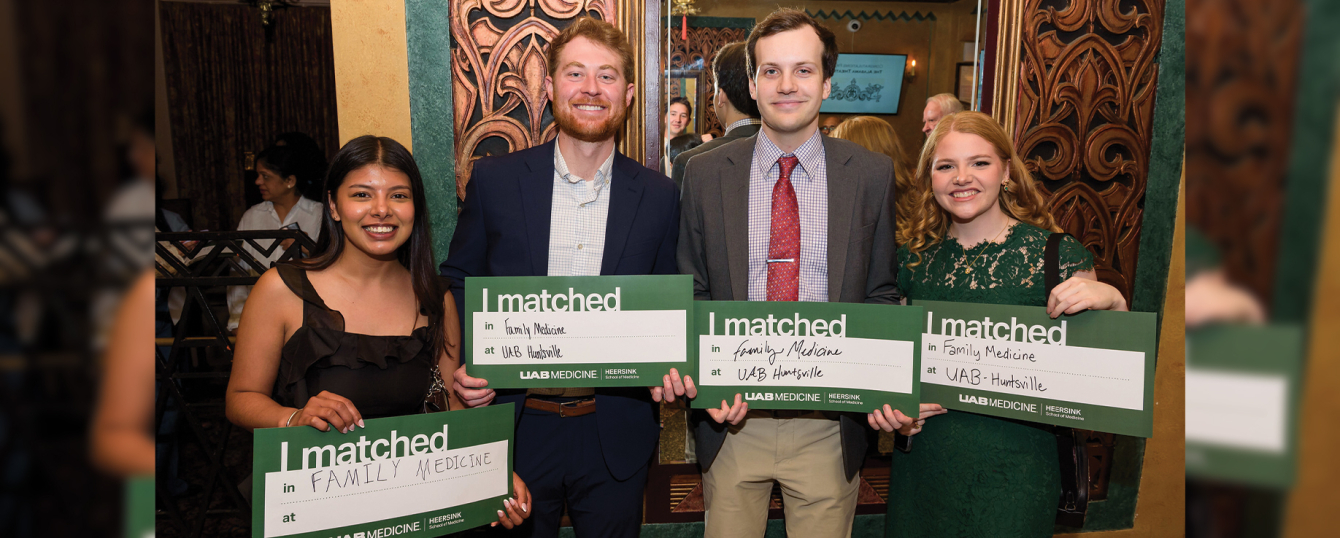 Across the first three graduating cohorts, 81 percent of students who participated in the department’s Comprehensive Urban Underserved and Rural Experience (CU2RE) program matched into primary care fields.
 -
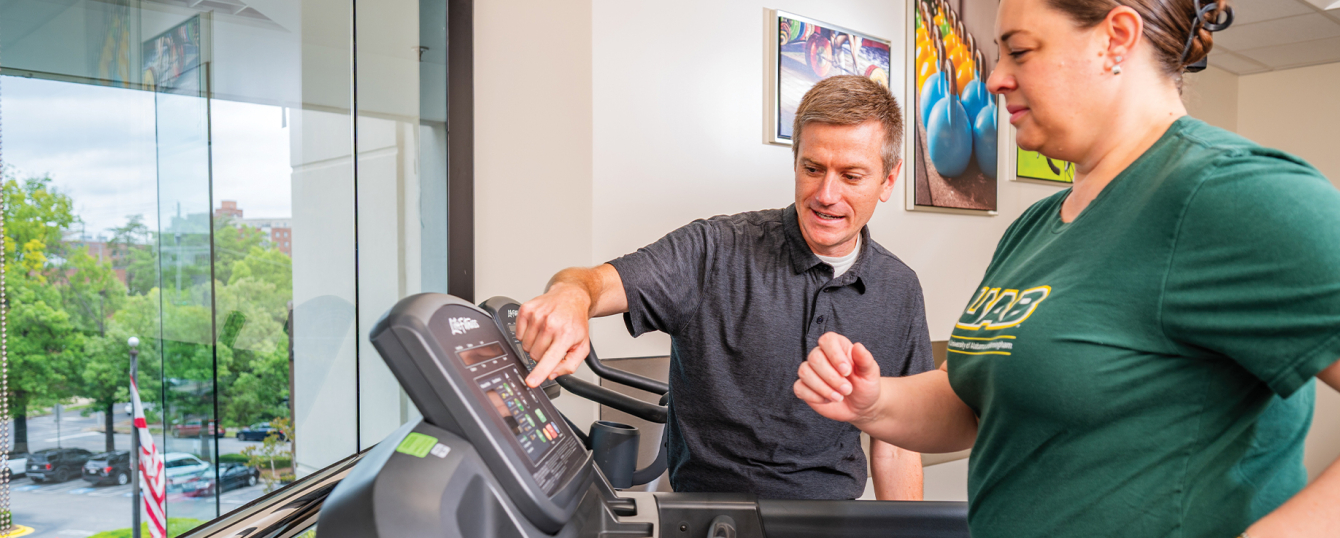 A specialist conducts a treadmill test on a patient in the UAB Sports and Exercise Medicine Clinic.
1. Improving access to primary care
“We've spent a lot of time on the word ‘access.’ How can we get patients in? How can we address the needs of patients with chronic disease? These questions have guided much of our work. We've expanded our clinical footprint with new locations across the region, grown our faculty and advanced practice provider workforce, and built truly team-based care models that integrate behavioral health and nutrition services.
“At the same time, we have dramatically reduced and, in some instances, essentially eliminated appointment wait times with same-day/next-day appointments for current patients and by expanding walk-in clinics and telehealth options. Plus, our clinics have maintained exceptionally high patient satisfaction. We’ve also advanced value-based care and helped establish the UAB Primary Care Service Line alongside internal medicine and med-peds. Improving access to high-quality primary care has been the department's most tangible impact on patients and the health system.”

2. Building Alabama's primary care workforce
“We've worked to build a true pipeline-to-practice model for the primary care workforce, starting with K-12 programs through the Alabama Area Health Education Centers (AHEC) Network, continuing through medical school, and extending into residency, fellowship, and long-term practice. The cornerstone of that work has been the Health Resources and Services Administration (HRSA)-funded Comprehensive Urban Underserved and Rural Experience (CU2RE) program, which transformed how we prepare future health professionals. Through CU2RE, we have expanded clinical training, provided millions of dollars in scholarships and stipends to reduce the medical student debt burden, and enhanced nutrition education.
“These efforts have yielded results, and students who participate in these programs choose primary care. Across the first three graduating cohorts, 81 percent of CU2RE students matched into primary care fields, and over 11 years, 78 percent of our Dean's Primary Care Scholars Program graduates have entered primary care specialties.
“We're also expanding family medicine residency and fellowship opportunities throughout Alabama. There are around 100 UAB-affiliated family medicine training positions across our communities, with ACGME approval on additional programs expected in the future. These are encouraging outcomes, but success will be measured over decades.”
3. Transforming family medicine education
“Our team reimagined how we teach across the continuum, creating more engaging, technology-enabled, and learner-centered experiences for medical students, residents, fellows, and faculty. That includes innovative clerkship curricula that connect learners across campuses, expanded simulation and virtual reality experiences, educational podcasts, gamified learning for every family medicine residency program in the state, and free modules allowing anyone in the world to explore exercise and nutrition as medicine.
“One of our most transformative initiatives has been POCUS (point-of-care ultrasound). Through CU2RE, we have been able to provide every Heersink student with access to a handheld ultrasound device and build a longitudinal curriculum. The department didn’t just purchase the devices—we have trained more than 600 students, faculty, and providers, and distributed this equipment to campuses and clinics across the state.
“Family and Community Medicine has also fostered a culture of educational innovation. Our faculty and learners are contributing to the national conversation about medical education while developing scalable teaching models for an even larger impact.”
4. Advancing rural health across Alabama
“Rural communities face steep access challenges, and our role is to help build lasting solutions. Through its five regional centers, the Alabama AHEC Network reaches all 67 counties, creating pathways into health professions. We're expanding rural residency training in places like Camden, Marion, and Selma, strengthening partnerships with rural hospitals and local organizations, and bringing leaders together through forums like the annual Rural Primary Care Summit.
“Telehealth has become a critical tool for overcoming geographic barriers to care. Through the Telehealth Outreach and Policy for Rural and Underserved Populations (TOP-UP) Center, the nation's first telehealth rapid-response center, and TOP-RURAL, a study focused on rural adults with uncontrolled diabetes and hypertension, we're helping primary care teams use remote monitoring, health coaching, and nutrition support to improve outcomes and extend care beyond the clinic.
“Additional RHTP funding will modernize rural clinics and expand telehealth access, ensuring patients can conveniently connect with specialty care. The $10 million investment from Mike and Gillian Goodrich to create the Goodrich Rural Innovation and Training (GRIT) Initiative advances a broader vision for rural health by connecting workforce development, rural residency training, scholarships, and sustainable clinical practice. Combined with community-engaged efforts through the UAB Comprehensive Healthy Living Research Center, these investments are strengthening local health systems and addressing the chronic disease burden that affects many rural communities. I'm thrilled that we are impacting health outcomes and access in some of our most vulnerable areas.”

5. Building a nationally recognized Sports and Exercise Medicine program
“By bringing together the departments of Family and Community Medicine, Orthopaedic Surgery, and Physical Medicine and Rehabilitation alongside behavioral health experts and registered dietitians, we have created a truly integrated model of care. This allows us to offer the full spectrum of musculoskeletal, concussion, and lifestyle medicine services for everyone from active individuals to elite athletes.
“We have also invested heavily in education. Launched in 2019, our two-year Sports and Exercise Medicine fellowship combines advanced sports medicine training with a master's degree and emphasizes exercise medicine, nutrition, and research. Fellows leave prepared not only to care for patients, but to lead multidisciplinary teams and advance the field. Our graduates now practice across the country, extending UAB's impact nationwide.
“Our team also bridges clinical care, education, and discovery. Whether it's the groundbreaking research focused on para-athlete health, or serving athletes in the Birmingham City Schools, UAB has created a program using movement and exercise as powerful tools to improve quality of life.”

6. Caring for athletes from local fields to the world stage
“It's been rewarding watching UAB Sports and Exercise Medicine grow from a strong regional program into one with national and international impact. We care for athletes at every level, from Birmingham City Schools, UAB Athletics, Birmingham Legion FC, and the Birmingham Bulls to the NFL Players’ Association. Our faculty, fellows, athletic trainers, and physical therapists have become trusted partners for organizations across the country. We've provided care for the world champion Team USA Wheelchair Rugby team, supported Team USA athletes, served as providers for major events including the 2022 World Games, 2024 Transplant Games, and 2025 World Police and Fire Games, and expanded our work with adaptive athletes through both clinical care and research. During the World Police and Fire Games alone, the team supported over 8,600 athletes from 70 countries across 22 venues. That kind of effort reflects the culture of service, teamwork, and commitment we’ve built.
“Our faculty are shaping conversations on athlete health and safety while bringing leading experts to Birmingham to learn, teach, and collaborate. We've also been intentional about advancing care for vulnerable populations. One example is the development of the nation's first adaptive CPR training video for athletes with disabilities. The resource was later used to prepare medical providers for the Milano Cortina Paralympic Games. These opportunities to learn and grow also allow us to better care for patients here at home.”
7. Elevating family medicine research to national prominence
“In four years, UAB Family and Community Medicine has grown from having no formal research infrastructure to a thriving enterprise of eight faculty investigators and more than 20 research staff and learners, which ranked No. 13 in the 2025 Blue Ridge Rankings. For a young team like ours, this is exceptional.
“Our research strategy has always been clear: to develop partnerships and innovate in primary care in ways that advance prevention and management of chronic conditions. Today, our faculty are earning competitive federal grants and leading significant research spanning chronic disease prevention, hunger and nutrition, cancer screening, obesity, digital health, and telehealth. By integrating patient-centered and community-engaged research within clinical practice, we’re redefining how primary care can improve access, support vitality, and build healthier communities.”

8. Launching the Primary Care HEART-NET
“The Primary Care HEART-NET (Health Enhancement through Access and Research in Transformative Networks) represents the future of primary care research and positions UAB as a national leader in translating research into community practice. Through the NIH CARE for Health initiative, UAB has partnered with institutions in Arkansas and Mississippi to develop a research model that integrates discovery directly into clinical settings. By connecting academic medical centers, practice-based research networks, and more than 45 clinics across the Deep South, HEART-NET is building the infrastructure needed to accelerate research in communities that have historically had limited opportunities to participate in clinical studies. We're working alongside clinicians to rapidly implement evidence-based solutions in primary care clinics, integrate research into clinic workflows, and leverage technology to reduce barriers to participation. And we are engaging patients and community partners in setting priorities. Rather than asking patients to travel to us, we are bringing research closer to home and focusing on the chronic conditions that matter most to the communities we serve.”