Department of medicine
Patients who received the additional therapy showed a higher likelihood of surviving at both one month and three months after treatment.
New research from UAB shows a structured expert panel approach can accurately and reliably measure delirium severity in patients with and without Alzheimer’s disease and related dementias.
UAB has been a national leader in Fabry disease care and research for more than two decades.

Cardiovascular disease is the second leading cause of death among cancer survivors, second only to cancer itself

More than 9,400 people are on the waiting list for a liver transplant in the United States. UAB’s new living-donor liver transplant program aims to help that number decrease.
UAB scientists discovered an oral drug stopped weight rebound after discontinuation or cessation of GLP‑1 treatment in preclinical studies, opening the door to a new approach for maintaining weight loss.

The MajesTEC-3 clinical trial shows that using a new two-drug immunotherapy regimen can lead to long-lasting remission for patients with multiple myeloma. Over 83 percent of patients enrolled in the trial are alive and progression-free three years after therapy.

Martin Young, Ph.D., says moving the clocks ahead one hour in March is associated with a 10 percent to 24 percent increase in the risk of having a heart attack the following Monday.

In February 2026, UAB performed its first NKR-facilitated transplants, opening a new era of expanded donor options beyond the program’s historically internal swap and chain database.

A new UAB and Alabama CEAL initiative aims to improve health by empowering neighborhoods.

In a study published in the New England Journal of Medicine, long-acting injectables proved to be a more effective treatment in maintaining consistent administration for those living with HIV and facing barriers to taking daily oral medications.
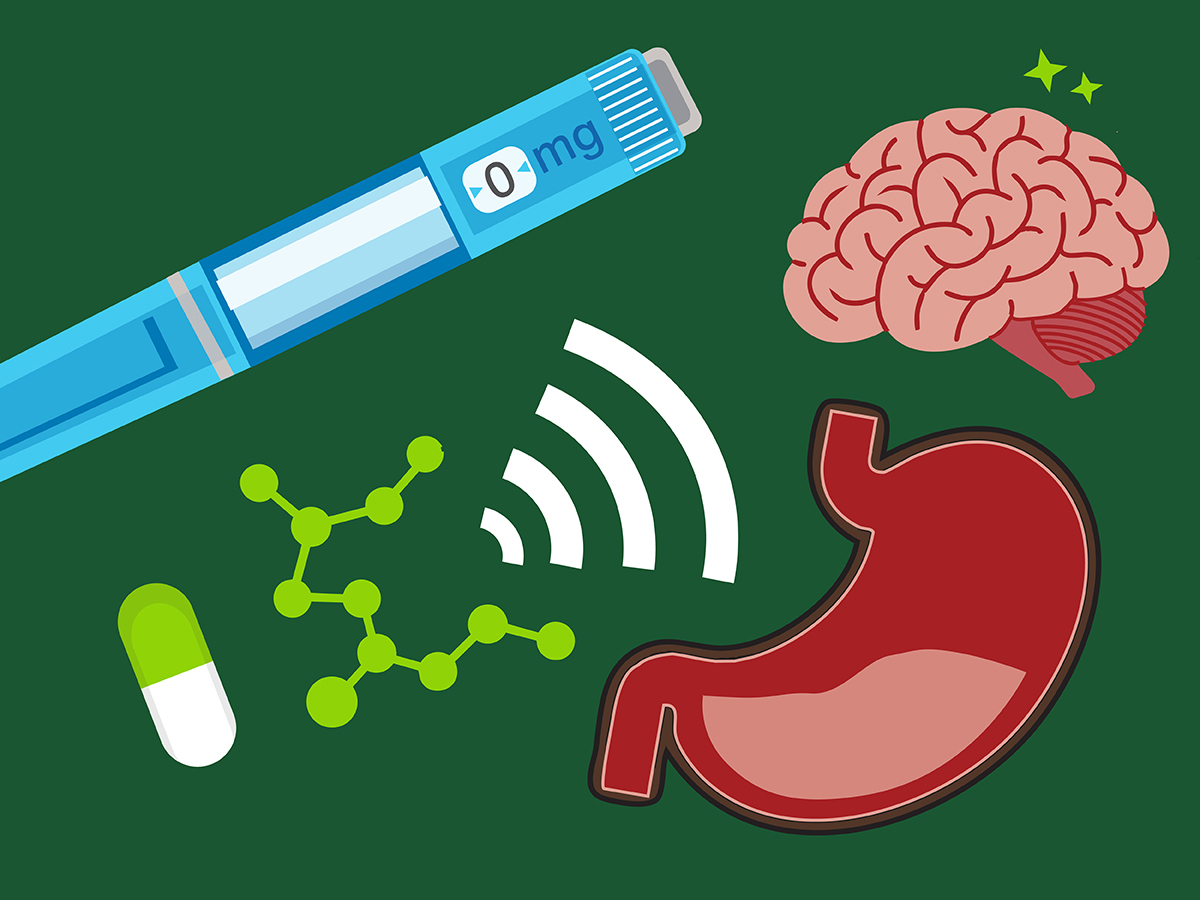
As UAB researchers continue to study how these drugs work and what comes next, their findings are helping move the conversation beyond hype, while working toward a clearer understanding of one of the most significant medical breakthroughs of the past decade.

Obstructive hypertrophic cardiomyopathy is a leading cause of heart-related disability in younger adults and the most common cause of sudden death in young athletes.

Experts at the UAB Cardiovascular Institute and UAB St. Vincent’s say it is never too early or too late for women to begin protecting themselves from heart disease.

Veterans who experienced homelessness and received care in H-PACTs were more likely to consistently see the same primary care provider.

A registered dietitian provides advice for helping children who may be choosy about what they eat enjoy mealtime without pressure or frustration.
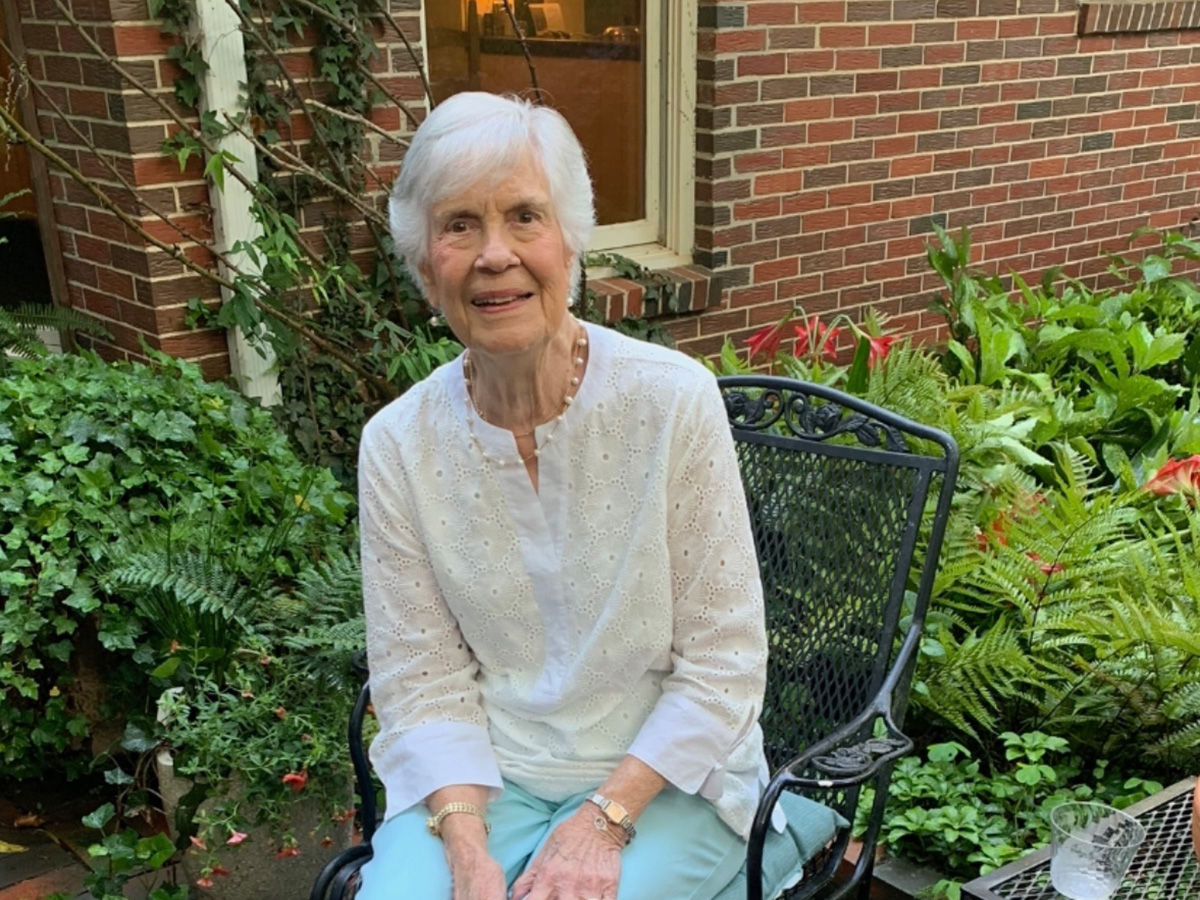
Cynthia Jones says her recovery time was minimal, and she was able to get back to her normal routine very quickly.

The brain grows fastest in the first three months of life, and this rapid growth makes early experiences and interactions especially important.
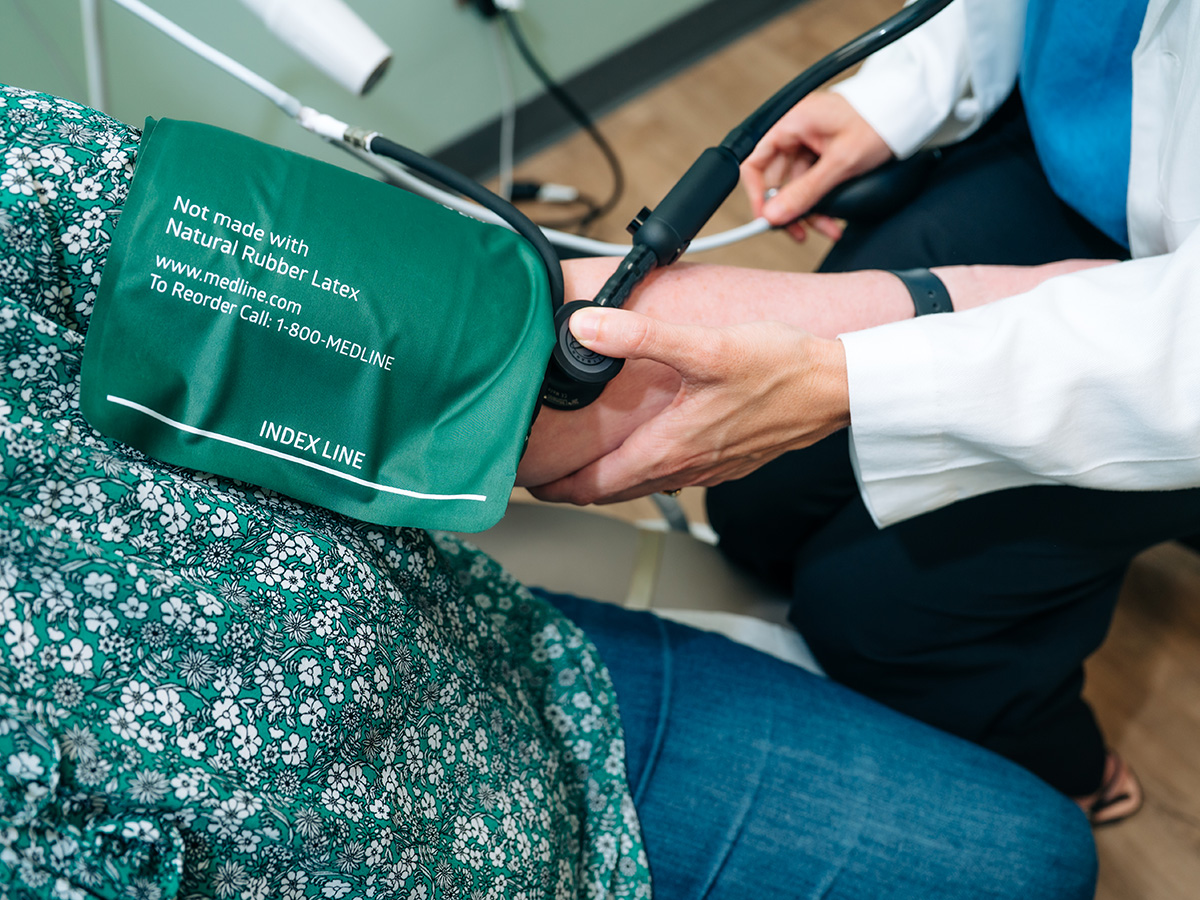
Doctors at UAB and Northwestern propose six strategies for caretakers to cultivate better patient experiences from the bedside and improve the quality of patient care and medical student education.

A rare fungal sinus infection that used to affect mostly people in tropical countries is now showing up in the Southeastern United States, and doctors are learning how to better recognize and treat it thanks to new research from UAB.