Department of medicine

As the inaugural participant in the Heersink Student Mobility Program, McMaster University graduate student Dua Khan spent 10 weeks at UAB exploring community health, cancer disparities research and clinical medicine, gaining a broader understanding of how research, patient care and community engagement intersect to improve health outcomes.

A UAB expert encourages getting a flu shot in September, October or early November to reduce the risk of illness, prevent severe flu complications and protect vulnerable individuals throughout the winter months.

UAB researchers and collaborators built a multi-ancestry genetic risk score for hypertrophic cardiomyopathy that sharpens risk prediction across diverse populations, identifying people at markedly higher risk of developing the disease and of suffering complications, including those whose standard genetic tests are inconclusive.

A UAB startup is advancing lung care with AI-powered spirometry and imaging technologies that enable faster, more precise assessment of lung health, improving diagnosis, monitoring and prediction of COPD, asthma and other respiratory diseases.

Why do some people suddenly feel old? A UAB aging expert explains the biological and lifestyle factors behind aging, common triggers such as stress and illness, and practical strategies to maintain strength, resilience, independence and quality of life.

Within the past three years, four pivotal clinical trials co-led by UAB’s Dana Rizk, M.D., have completely changed the treatment landscape for IgA nephropathy. “Many of the patients who took part in the trials here had tried and failed many other treatments,” Rizk said. “To know that they now have these new drugs available to them is remarkable.”

A study reveals that T cells help develop diverse anti-carbohydrate antibodies after early microbial exposure, offering new insights into immune defense, autoimmune disease, asthma and future therapeutic development.
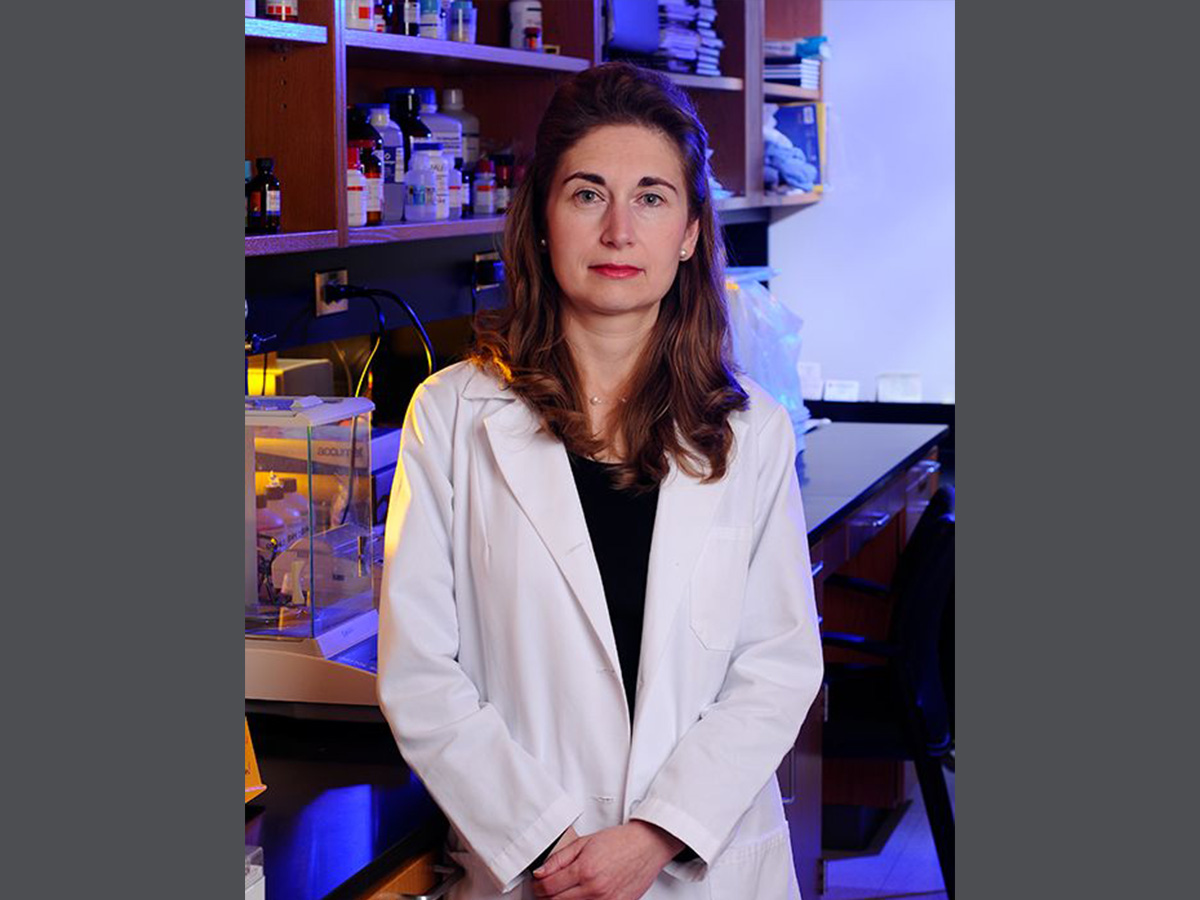
UAB startup TIXiMED advances TIX100, a novel oral Type 1 diabetes therapy, into Phase 1b clinical testing. The TXNIP-targeting drug aims to protect insulin-producing beta cells and address disease progression beyond blood sugar management.
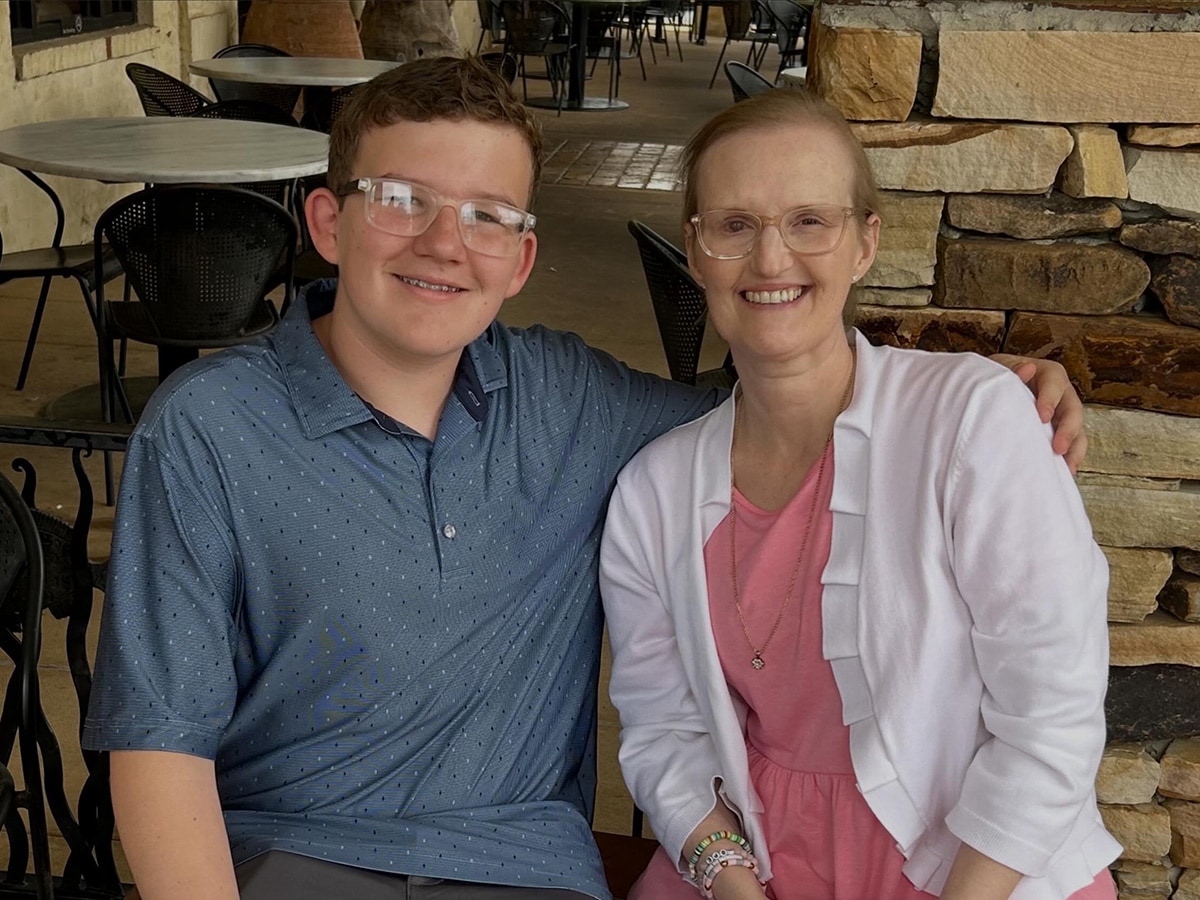
Rebecca Hall was diagnosed with leptomeningeal metastasis and was weeks from passing, until she enrolled as the first patient in a clinical trial.

The investigators strongly recommend that new mothers interested in a chrononutrition approach should discuss it with their healthcare providers.

The study provides doctors and researchers with a more accurate way to identify patients at the highest risk of early relapse and may help guide earlier use of newer immunotherapies.

Without intervention, physician Edwin Villarreal’s prognosis was 100 percent mortality; but he is alive and well after receiving treatment for an often-fatal condition, HLH.

UAB researchers report Phase 1 trial results showing a novel immunotherapy was well-tolerated and doubled the progression-free survival time in glioblastoma patients, offering new optimism for improving survival and quality of life.

The largest genetic study of NT-proBNP uncovers nine new genomic regions and reveals how common and rare DNA variations shape levels of a key heart hormone across diverse populations.
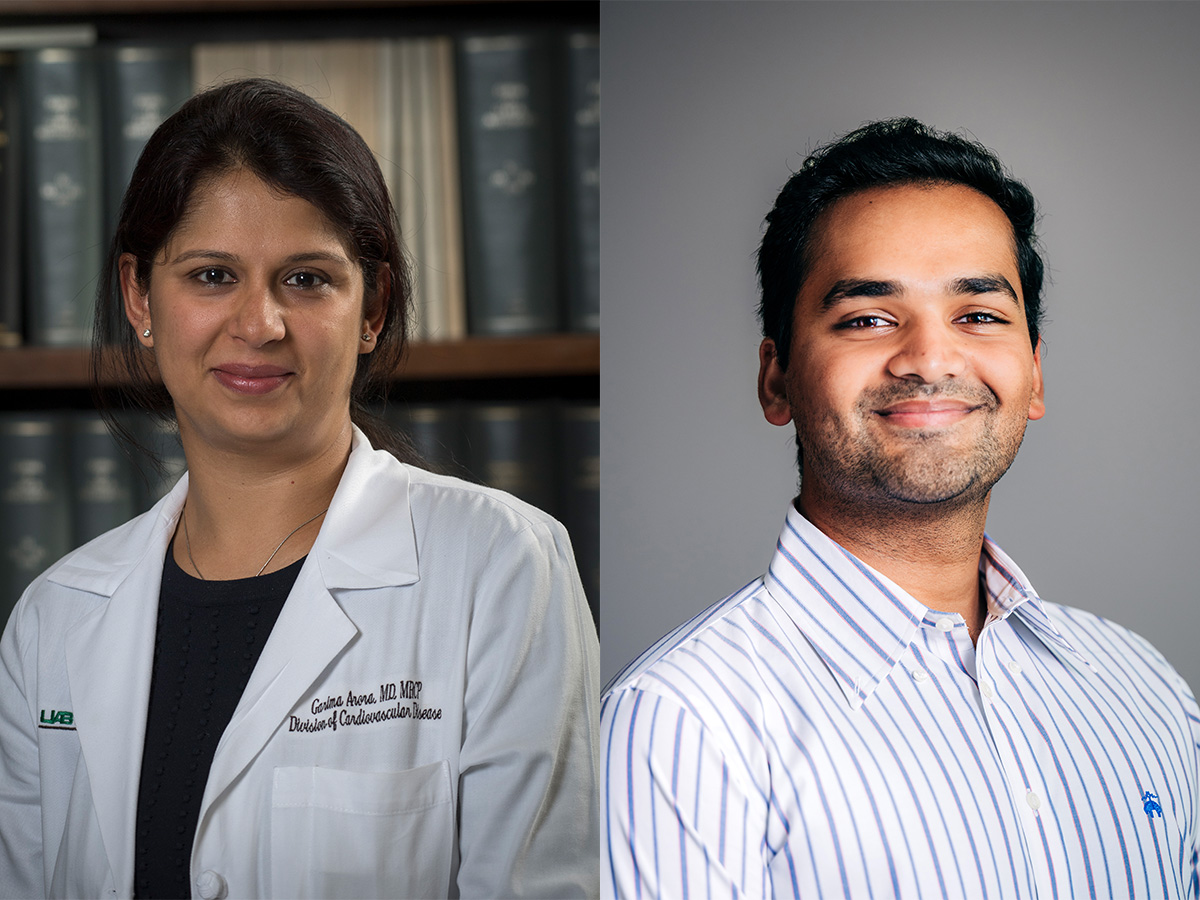
Heart-healthy habits like exercising, eating a healthy diet and avoiding tobacco and alcohol consumption during pregnancy can benefit both women and their babies.

Few centers in the Southeast offer this procedure, and the national allocation system does not typically prioritize patients with colorectal metastases — meaning extended waits on the transplantation list for these patient populations.

UAB researchers review how senescent “zombie” cells contribute to skeletal muscle weakness with aging and disease, outlining emerging therapies such as senolytics and senomorphics that could help preserve muscle health and extend health span.
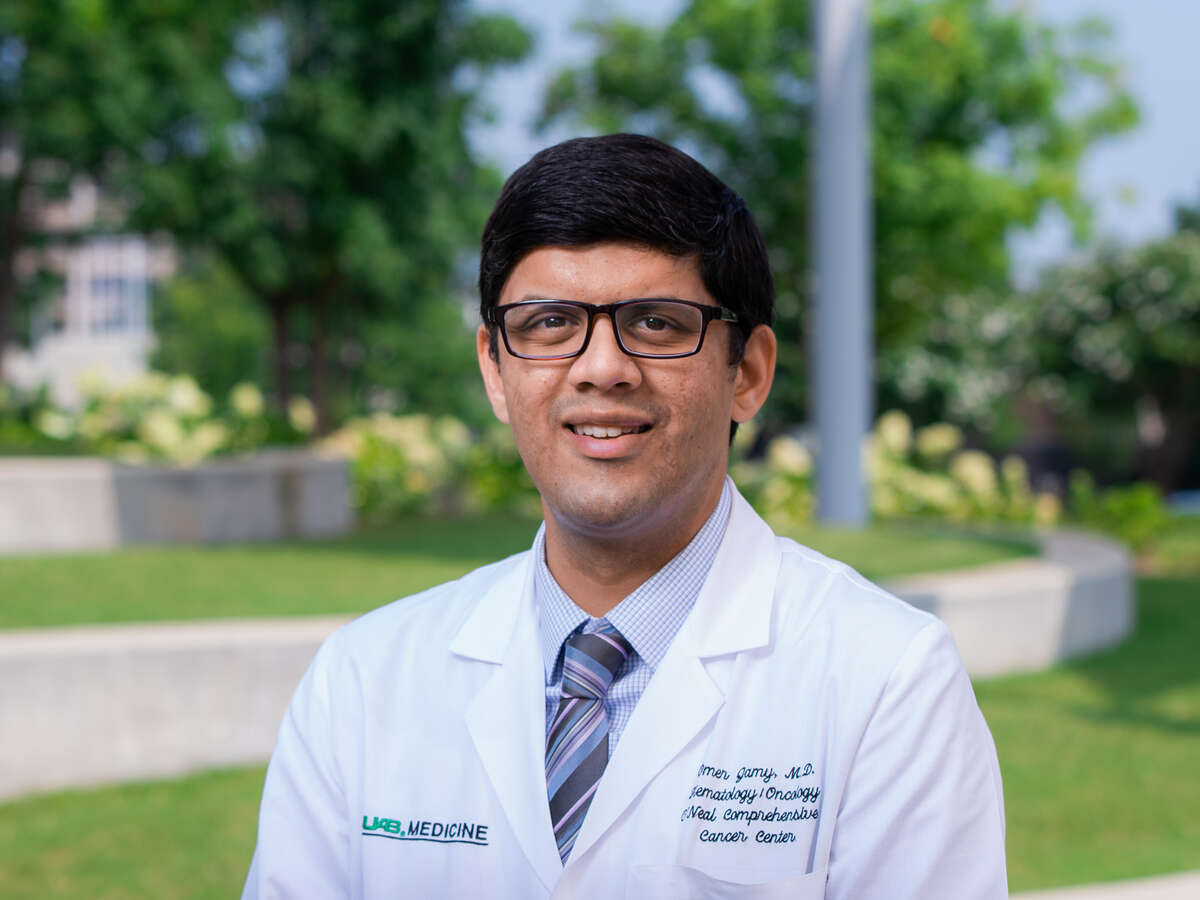
The transplant offers a new treatment option for the more than 18,500 Americans yearly who are diagnosed with blood cancers and need a bone marrow transplant.

UAB researchers demonstrated that GLP-1 receptor agonist use is associated with a lower risk of heart failure, dangerous heart rhythms and major cardiovascular events in patients with non-obstructive hypertrophic cardiomyopathy.

The collaborative project was selected from a rigorous pool of 400 letters of intent and 87 applications, with the Birmingham Veterans Affairs team being the only VA-funded awardee.