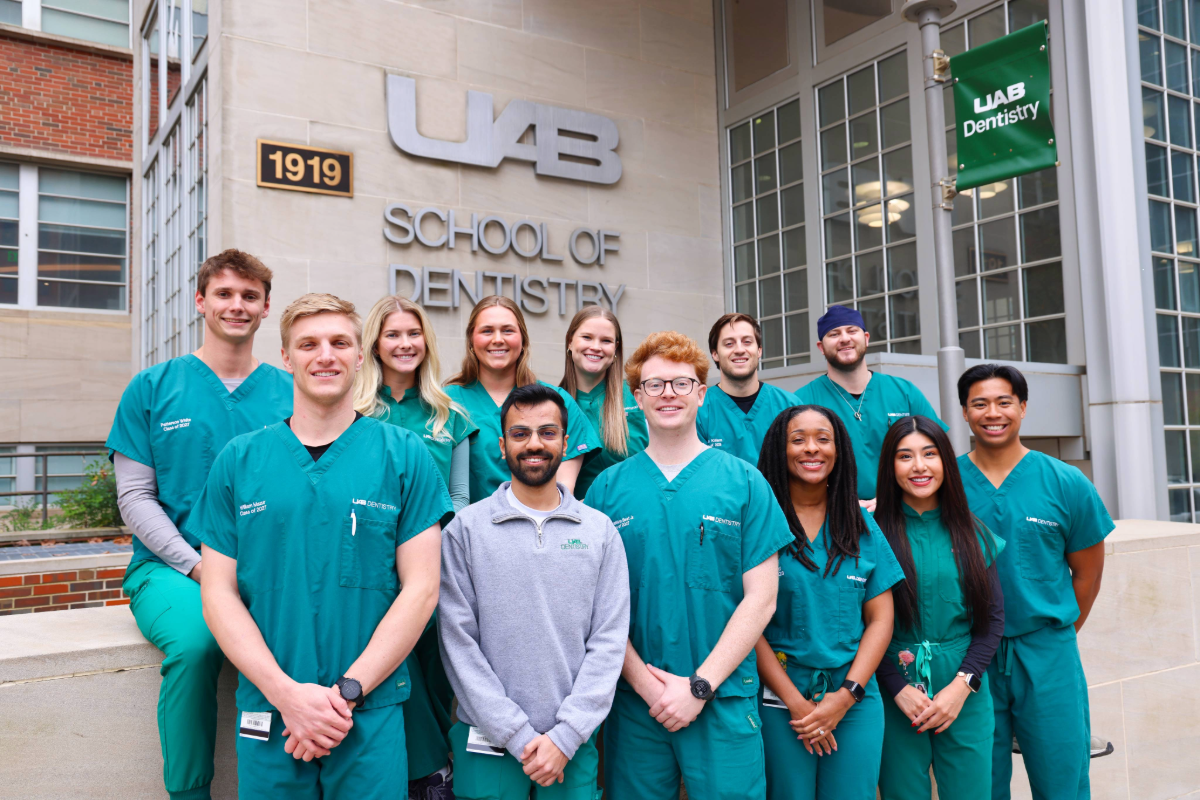
 Rural Dentistry Club When second‑year dental students Guy Best and Tanner Jackson talk about rural dentistry, they speak from personal experience. Both grew up in communities where neighbors routinely drove hours for basic dental care, and where delayed treatment was often the only option. Those early realities shaped a shared belief: access to oral health care should never depend on geography.
“Everyone deserves access to care.” – Guy Best
That conviction led to the creation of the Rural Dentistry Club at the UAB School of Dentistry. What began as conversations among classmates has quickly evolved into a student-led organization aligned with the school’s broader mission to address health access and workforce challenges across Alabama.
Best says the motivation comes from the places that shaped him. He grew up in Orangeburg, South Carolina, a town of fewer than ten thousand residents, where limited access to care was a fact of life. Geography, he says, should never determine whether someone can receive treatment.
Jackson’s perspective developed through a different lens. Having attended schools in both deeply rural and more urban settings, he saw firsthand how sharply oral health awareness and access can differ between communities and began asking why those gaps exist in the first place.
“It opened my eyes to the discrepancies in how communities value oral health.” – Tanner Jackson
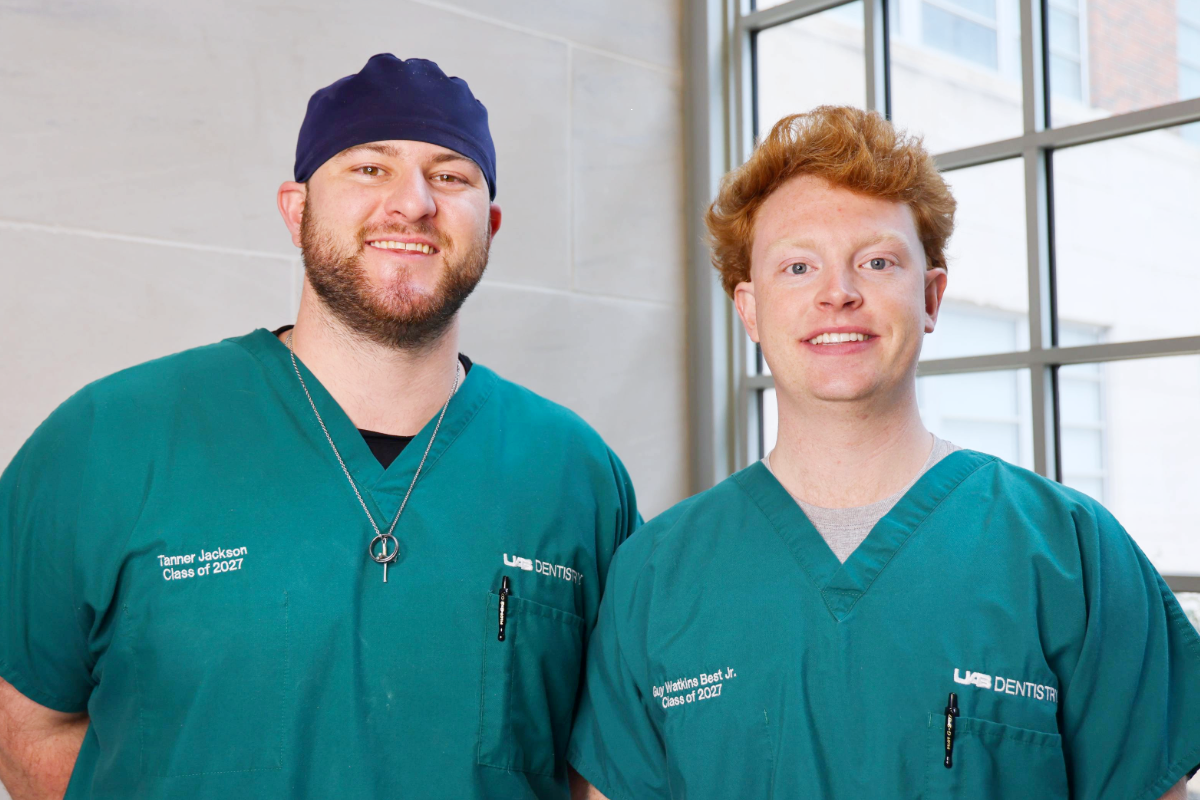 Tanner Jackson and Guy BestBoth students received the rural health scholarship, which deepened their interest in practicing outside major metropolitan areas. Still, they say the idea for a club needed encouragement to take shape. They credit Dr. Carly McKenzie for helping move the concept forward and providing the support needed to bring it to life. From the outset, their goal was to build something lasting: a hub for students interested in rural dentistry, service in underserved communities, and a deeper understanding of the systemic factors that shape access to care.
The club’s goals are both practical and aspirational. Members plan outreach visits to schools in surrounding counties this spring, where they will provide oral health education and resources. They also aim to help classmates navigate opportunities such as the rural health scholarship and to connect students with dentists who have spent their careers in small towns.
“One of our primary goals is to serve as a resource for the rural dental scholarship and to encourage students to consider practicing in rural Alabama.” – Guy Best
Jackson notes that hearing directly from experienced providers is essential, offering students insight into both the rewards and realities of rural practice.
The club has already begun expanding its leadership team, bringing together students from each class alongside dedicated committee chairs. Faculty sponsor Dr. Charles Banks, a longtime rural dentist, brings decades of experience to the group and will speak at the club’s next meeting, giving students a candid view into long-term practice in underserved areas.
For many members, the mission is deeply personal. Vice President Seth Killam, a second-year student from rural Florida, remembers frequent round-trip drives just to receive routine dental care. While his family was able to make those trips, he remains mindful that many others could not, a reality that continues to shape his goals.
“Not everybody has the option to travel for the care they need, and that stays with me.” – Seth Killam
The Rural Dentistry Club is open to all students, regardless of where they plan to practice. Best and Jackson emphasize that the goal is not recruitment, but awareness. By learning with and from communities that are often overlooked, students gain a clearer understanding of what equitable care truly requires. And by building a network of mentors, peers, and future practitioners, the club reflects the School of Dentistry’s ongoing commitment to ensuring that every community in Alabama has access to the skilled, compassionate dental care it deserves.