The 2019-20 school year is off to a strong start in the Department of Biomedical Engineering, which ushered in students, faculty and staff with a celebration that included introductions to department leadership and to resources that are available for research. On Wednesday afternoon, August 28, the department—which is a joint department in the UAB Schools of Engineering and Medicine—hosted a 2019 welcome mixer.
The event, held in the Hill Student Center Ballrooms, had a great turnout with more than 100 attendees. This included more than 80 students, both undergraduate and graduate, and more than a dozen faculty. The department has 188 undergraduate students registered for the fall 2019 semester.
The UAB School of Engineering’s Senior Associate Dean Timothy Wick, Ph.D., introduced himself and welcomed new students and visitors, followed by Jay Zhang, M.D., Ph.D., Chair of the Department of Biomedical Engineering. Other BME faculty joined in welcoming the group, including:
- Jack Rogers, Ph.D., Professor and Graduate Program Director
- Andrew Pollard, Ph.D., Professor and Undergraduate Program Director
- Alan Eberhardt, Ph.D., Professor, Associate Chair for Education
- Gangjian Qin, Ph.D., Professor, Vice Chair of Research
- Joel Berry, Ph.D., Associate Professor
A poster session highlighted the research of faculty in and working with the department, with 17 total presentations introducing attendees to their labs and their work, representing opportunities for collaboration. They are as follows:
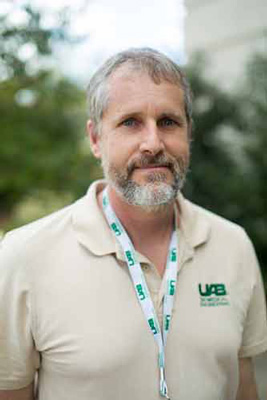 Jack Rogers, Ph.D. "Mechanical Stretch is Not a Major Cause of Ectopic Activation during Early Stage Regional Ischemia in an Isolated Left-Ventricular Working Heart Model"
Research in the Rogers lab centers on cardiac electrophysiology (the system that triggers and synchronizes each heart beat) and electromechanics (the interaction between the heart’s electrical system and its function as a muscle). They work in similar themes in the gastrointestinal system. Toward these ends, the laboratory develops new instruments and software for recording, analyzing, and understanding electromechanical function.
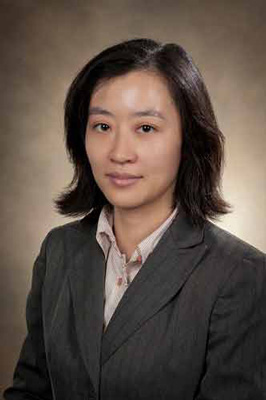 Xiaoguang (Margaret) Liu, Ph.D. “Novel targeted therapy to treat triple negative breast cancer”
X. Margaret Liu worked in the biopharmaceutical and biotechnology industries for seven years before joining academia research. Liu’s research group has established several monoclonal antibody-based targeted cancer therapies to treat TNBC, NET and malignant meningioma; two targeted mitochondrial gene therapies to treat GBM, TNBC, NET and other cancers; targeted drug delivery using exosomes and AAV; and biomanufacturing platform of hiPSC-CM, AAV and exosomes. Liu is funded by the NIH with R01 and R21 grants, with multiple pending applications in 2019.
 Yabing Chen, Ph.D., (Professor and Vice Chair, Faculty Development and Education, Pathology) “Regulation of Vascular Aging by Runx2 Transcriptions Factor”
Research in the Chen laboratory focuses on studying the molecular and cellular mechanisms underlying phenotypic modulation of vascular smooth muscle cells (VSMC) and their contributions to the pathogenesis of vascular diseases, including: atherosclerosis, arterial stiffness, diabetic vasculopathy, and other major vascular complications during aging. Funded by grants from the NIH and VA, her research uses comprehensive approaches including translational animal models for human diseases and cutting-edge technologies to uncover novel molecular mechanisms and therapeutic targets of vascular complications in disease and aging.
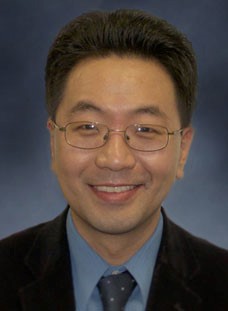 Harrison Kim, Ph.D., MBA, Associate Professor, Radiology
“Quantitative Imaging Laboratory” Location Volker Hall G082
Kim’s Quantitative Imaging Laboratory (QIL) in the Department of Radiology focuses on developing novel prognostic and surrogate imaging biomarkers for cancer, COPD, cystic fibrosis, and polycystic kidney disease. The QIL has three pending patents and has developed three copyrighted software packages for automated image processing and analysis. Dr. Kim recently received a UG3/UH3 grant to develop a disposable point-of-care portable perfusion phantom (P4) for accurate DCE-MRI measurement allowing early therapy response assessment of pancreatic cancer.
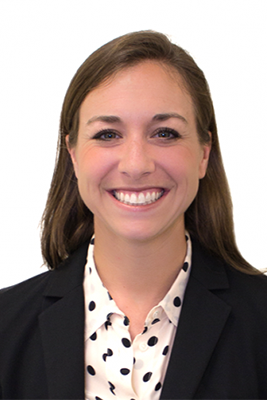 Anna Sorace, Ph.D. “Personalizing oncology treatment through imaging”
This lab’s broad research interests include multimodality, non-invasive quantitative imaging to improve detection, monitoring and therapy of cancer in both preclinical and clinical cancer research. The lab’s research goals include identifying biomarkers for early response to neoadjuvant and adjuvant cancer treatment and utilizing quantitative imaging to improve combination drug delivery of current therapies in cancer.
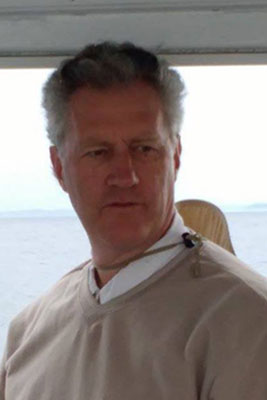 Allan Dobbins, Ph.D. “Something Old/Something New: How A Classical Visual Illusion Provides Deep Insight into the Function of the Visual System”
Dobbins studies the neural basis of visual function using a variety of methods including experiments and modeling. He is also collaborating with other experts on the response of the brain to impacts.
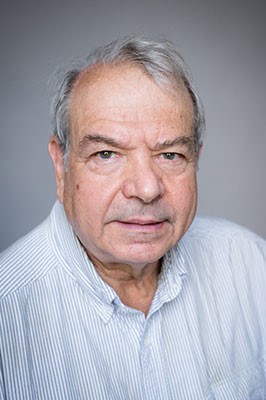 Franklin R. Amthor, Ph.D., Professor, Optometry
“Novel Blind Aid: the Parallax Telecane” and “Electrical Brain Stimulation”
The Amthor lab is interested in electrical brain stimulation for treatment/amelioration of neurological and psychological dysfunctions. They have used tDCS (Transcranial Direct Current Stimulation) to modify eating habits in some subjects with eating disorders. The lab has also tested the effects of tDCS directly on neurons by recording its effects on retinal ganglion cell firing in experimental animals.
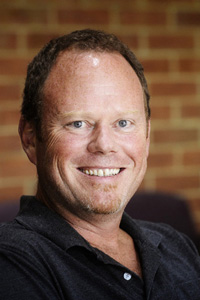 Alan Eberhardt, Ph.D. “The Experimental Biomechanics Core”
The mission of the Experimental Biomechanics Core (EBC) is to provide collaborating investigators with state-of-the art equipment and trained personnel to facilitate mechanical testing and measurement of mechanical properties of biological and man-made materials, structures, and constructs.
 Prasanna Krishnamurthy, Ph.D. “Molecular mechanisms of heart disease and repair”
The overall research theme in Krishnamurthy's laboratory is understanding the mechanisms of cardiovascular diseases and to develop innovative therapeutic strategies using technologies in modern medicine. The lab focuses on several broad research areas: I) to study the molecular mechanisms involved in the progression of cardiovascular diseases II) understand how diabetes influences cardiovascular pathophysiology III) develop novel therapeutic strategies to enhance stem cell therapeutic benefits and to promote cardiac regeneration and repair.
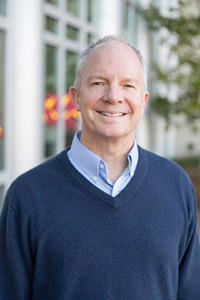 Joel Berry, Ph.D. “The Effect of Oscillatory Forces in the Progression of Epithelial Ovarian Cancer”
Cancer mechanotransduction is an emerging area in the study of signaling pathways that are responsible for drug response. Little is known about how epithelial ovarian cancer (EOC) responds to these forces. EOC is the most common cause of death among gynecological malignancies. Early symptoms of EOC are hard to identify and 60% of tumors have already metastasized at diagnosis. This cancer is subject to mechanical forces that change as the cancer progresses, and these forces may be time-varying and as a result of externally applied stress to the tumor tissue (arterial pulse pressure, body movement, etc.) or growth induced forces. The role of mechanical forces in the development of EOC remains a question to be answered. This work sought to understand the influence of oscillatory tension on 2 subtypes of EOC, clear cell and high-grade serous.