
-
Graduate Committee
Because of the interdisciplinary nature of the program, the graduate study committee (dissertation committee) is important. The committee will oversee the selection of courses and direction of research. Students must form a graduate committee within the first year of study and must meet with the committee no less than once per academic year. Committees must have at least five members selected from at least two different Schools/Colleges, with a minimum of two faculty with primary appointment in the School of Engineering.
-
Coursework
The IE PhD promotes a research-based curriculum with a set of core courses required of all students in the program. Additional coursework is directed by the student's graduate study committee based on the student's area of interest. The planned curriculum must result in training in two or more disciplines, which is defined as courses offered outside the School of Engineering.
Students entering the IE PhD program with a baccalaureate degree must, in keeping with UAB Graduate School policies, complete at least 48 hours of coursework prior to admission to candidacy. Up to 16 of the 48 credits can be non-dissertation research, and up to 10 credits can be a combination of laboratory rotations, seminars, and directed study.
Students entering the PhD program with a Master’s degree in a related field, MD, DMD, etc., must complete at least 27 credit hours of coursework prior to candidacy. Up to 6 credits of the 27 can be non-dissertation research credits, and up to 6 credits can be as lab rotations, seminars, or directed study credits.
For all students, at least 24 hours of dissertation research are required and must be taken over at least two semesters after admission to candidacy
Students entering with a baccalaureate degree must complete the following:
Requirements Hours Journal Club* - 4 enrollments of 1 hour each (*EGR 796 Journal Club in Interdisciplinary Engineering or other Department Journal Club with prior approval from IE PhD Director) 4 GRD 717: Principles of Scientific Integrity 3 EGR Courses and Non-Dissertation Research 32 Cross-Disciplinary Coursework 9 Dissertation Research 24 Total Hours 72 Students entering with a master's degree must complete the following:
Requirements Hours Journal Club* - 4 enrollments of 1 hour each (*EGR 796 Journal Club in Interdisciplinary Engineering or other Department Journal Club with prior approval from IE PhD Director) 4 GRD 717: Principles of Scientific Integrity 3 Engineering Coursework 12 Cross-Disciplinary Coursework 6 Dissertation Research 24 Non-Dissertation Research/Individual Study/Electives 2 Total Hours 51 In addition to the IE PhD program core courses (above), course selection is based on the research and career goals of the student, and curricula will vary between students. Students are guided by their faculty mentor (committee chair) and a graduate study committee composed of faculty representing an interdisciplinary team in the student's area of research interest. The coursework must include courses from at least two disciplines.
These courses will be completed under the guidance of the student's faculty mentor (graduate study committee chair). Non-dissertation research and dissertation research hours will be taken through the department of the student's faculty mentor.
-
Comprehensive Examination
Comprehensive Examination
IE PhD students are required to pass a comprehensive examination, and a dissertation proposal. The examination is administered by the student's graduate study committee. Upon successful completion of the examination and at least 39 hours of coursework if entering with a baccalaureate degree or 18 hours of coursework if entering with a Master's degree, a student may apply for doctoral candidacy. All doctoral students must successfully complete GRD 717 prior to admission to candidacy.
-
Research and Dissertation
The dissertation is the summation of the doctoral studies and must demonstrate the ability to conduct, analyze, and defend independent research consistent with the dissertation proposal. The graduate study committee must provide feedback on the dissertation draft prior to scheduling the defense. Doctoral candidates present and defend their work before their graduate study committee and the public as their final examination. See the UAB Graduate School website for formatting guidelines and deadlines.
The IE PhD Director will help you find UAB faculty that align with your dissertation.
-
Additional Requirements
Students are required to present research at a local, regional, national, or international technical conferences and publish research findings in at least two peer-reviewed journals. The IE PhD program director will not approve the student's application for degree without evidence that the articles were published, are in press, or have been submitted.
PhD students are required to complete the degree within 7 years, per Graduate School requirement. Any student who does not meet this requirement must appeal to the Graduate School for an extension.
-
Additional Academic Policies
Special Topics (590/690/790) courses and Independent Study (591/691/791) courses are reviewed for degree applicability for each program in the School of Engineering. No more than 6 combined hours of Special Topics and/or Independent Study courses will be applied to the IE PhD without appeal to and approval from the IE PhD Program Director.
The School of Engineering offers similar courses at the 400/500 and 600/700 levels. While the higher numbered course has more advanced content, there is a significant overlap in topics. Therefore, students are not allowed to take a 500-level or 700-level course for credit if they have previously taken the related 400-level or 600-level course, respectively.
Students admitted into the IE PhD Program are not permitted to transfer to another program within the School of Engineering.
Application Deadlines
- Fall: August 1
- Spring: December 1
- Summer: May 1
Deadline for all application materials to be in the Graduate School Office is seven days before term begins.
 Application Requirements
Admission decisions are made on the basis of prior education, GPA, test scores, personal statement, professional experience, and recommendations.
In addition to the Graduate School admission requirements, admission to the IE PhD program includes the following:
- Undergraduate or graduate degree in Engineering. Applicants who do not meet this criterion but have an outstanding academic record in a related field may be admitted but will be required to complete a sequence of undergraduate courses (including prerequisites as appropriate) in addition to the normal requirements of the IE PhD degree
- Minimum GPA of 3.0 on a 4.0 scale on most recent degree
- GRE is not required
- personal statement identifying research interest
- CV/resume.
- Three academic or professional recommendations.
- Interview with Program Director and Program Manager
- International applicants must submit English proficiency scores in accordance with UAB Graduate School requirement. Click here for details
- Submit transcripts for all post-secondary institutions, including community colleges, high school dual-enrollment, and military credit.
- Transcripts are considered unofficial unless they are issued in one of the following ways:
- Unofficial transcripts may be utilized for the application review process.
- Transcripts forwarded from a student’s email account are not official.
-
- If admitted, by the middle of a student's first semester in IE PhD, the Graduate School must receive one official transcript, only from these institutions:
- from each post-secondary institution where the student earned a degree and
- for any coursework taken after the awarding of a student’s bachelor’s degree (e.g. as a post-bacc or graduate student).
- Official transcripts must come directly from the institution to UAB.
- Electronic transcripts emailed directly from your school’s Registrar’s Office, to the UAB Graduate School (
This email address is being protected from spambots. You need JavaScript enabled to view it. ). - Paper transcripts bearing a University seal mailed directly to the Graduate School, from the issuing school’s Registrar’s Office.
- Paper transcripts submitted by the student in a sealed envelope bearing a University signature or stamp across the seal.
- Mailing address is:
UAB Graduate School
LHL G03, 1720 2nd Avenue South
Birmingham AL 35294-0013
- Electronic transcripts emailed directly from your school’s Registrar’s Office, to the UAB Graduate School (
- If admitted, by the middle of a student's first semester in IE PhD, the Graduate School must receive one official transcript, only from these institutions:
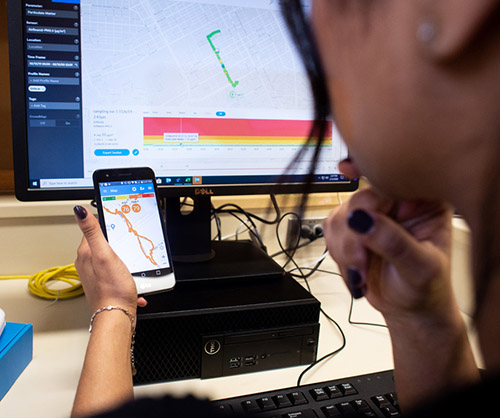
Biomedical engineering Ph.D. students may select the Bioinformatics Track, which is a collaborative effort with the Informatics Institute in the Heersink School of Medicine. Most elective coursework and the dissertation research will be in the area of bioinformatics.
Back to BME Ph.D.
All of the following items are due by the application deadline.
Online Application
Complete and submit an online application. Applicants can monitor the status of their application in the online application system to see when all components have been received. Transcripts uploaded to your application have to be reviewed and verified before they will be marked as "received," and this review is typically done one to three business days after application submission.
Personal Statement
Use this component to tell the admissions committee about yourself, your research experience, the area of research you are interested in, why you want a PhD, which researchers at UAB you are interested in, etc. This is also the place to address any gaps or inconsistencies in your timeline. Upload directly to your application.
Resume or Curriculum Vitae
Include relevant research experience, publications, presentations, awards, etc. Upload directly to your application.
Three Letters of Recommendation
In your application, you will enter the email addresses of those providing your letters of recommendation. Letters should be from professionals who are in a position to provide appropriate input on the applicant’s suitability to be successful in a research-intensive PhD program. Letter writers will receive an email with a link to upload their recommendation directly to the application system. Letters must be received by the application deadline. After you submit your application, you will see a checklist in the application portal showing if letters have been received.
Transcripts
Please review the Graduate Schools information regarding unofficial and official transcripts.
Domestic Applicants: https://www.uab.edu/graduate/admissions/domestic-applicants
International Applicants: https://www.uab.edu/graduate/admissions/international-applicants
English Proficiency Scores (International Applicants)
Please review the Graduate School’s information regarding English Proficiency Scores.
https://www.uab.edu/graduate/admissions/international-applicants
Application Fee
Domestic Applicants*: Free before priority application deadline; $50 after
Some domestic applicants may qualify for a fee waiver. For more information, visit https://www.uab.edu/graduate/admissions/domestic-applicants
*The application must be in complete status (all required materials properly uploaded) by the priority deadline in order to receive free application.
International Applicants: $60
All of the following items are due by the application deadline.
Online Application
Complete and submit an online application. Applicants can monitor the status of their application in the online application system to see when all components have been received. Transcripts uploaded to your application have to be reviewed and verified before they will be marked as "received," and this review is typically done one to three business days after application submission.
Personal Statement
Use this component to tell the admissions committee about yourself, your research experience, the area of research you are interested in, why you want a PhD, which researchers at UAB you are interested in, etc. This is also the place to address any gaps or inconsistencies in your timeline. Upload directly to your application.
Resume or Curriculum Vitae
Include relevant research experience, publications, presentations, awards, etc. Upload directly to your application.
Three Letters of Recommendation
In your application, you will enter the email addresses of those providing your letters of recommendation. Letters should be from professionals who are in a position to provide appropriate input on the applicant’s suitability to be successful in a research-intensive PhD program. Letter writers will receive an email with a link to upload their recommendation directly to the application system. Letters must be received by the application deadline. After you submit your application, you will see a checklist in the application portal showing if letters have been received.
Transcripts
Please review the Graduate Schools information regarding unofficial and official transcripts.
Domestic Applicants: https://www.uab.edu/graduate/admissions/domestic-applicants
International Applicants: https://www.uab.edu/graduate/admissions/international-applicants
English Proficiency Scores (International Applicants)
Please review the Graduate School’s information regarding English Proficiency Scores.
https://www.uab.edu/graduate/admissions/international-applicants
Application Fee
Domestic Applicants*: Free before priority application deadline; $50 after
Some domestic applicants may qualify for a fee waiver. For more information, visit https://www.uab.edu/graduate/admissions/domestic-applicants
*The application must be in complete status (all required materials properly uploaded) by the priority deadline in order to receive free application.
International Applicants: $60
Jane Allendorfer
Neurology
Sofia Beas
Neurobiology

Nicole Bentley
Neurosurgery

Mark Bolding
Radiology
Jake Chen
Genetics

Rita Cowell
Neuroscience
Scott Cruikshank
Neurobiology

Kirstie Cummings
Neurobiology
Jeremy Day
Neurobiology

Alan Eberhardt
Biomedical Engineering
Lloyd Edwards
Biostatistics

Dean Fang
Radiology
Paul Gamlin
Ophthalmology

Timothy Gawne
Optometry

Chris Girkin
Ophthalmology and Visual Sciences

Matthew Goldberg
Neurology
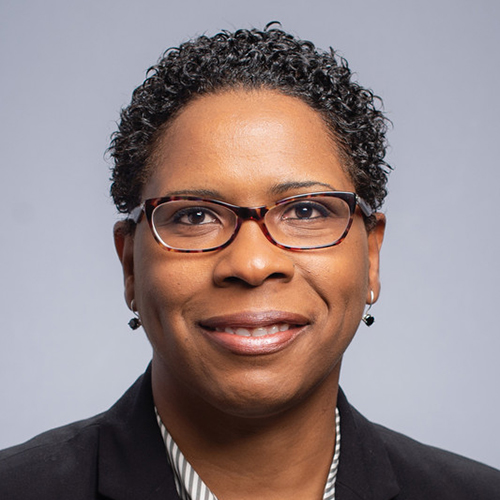
Michelle Gray
Neurology

Alecia K. Gross
Neurobiology

Mohammed Haider
Electrical and Computer Engineering
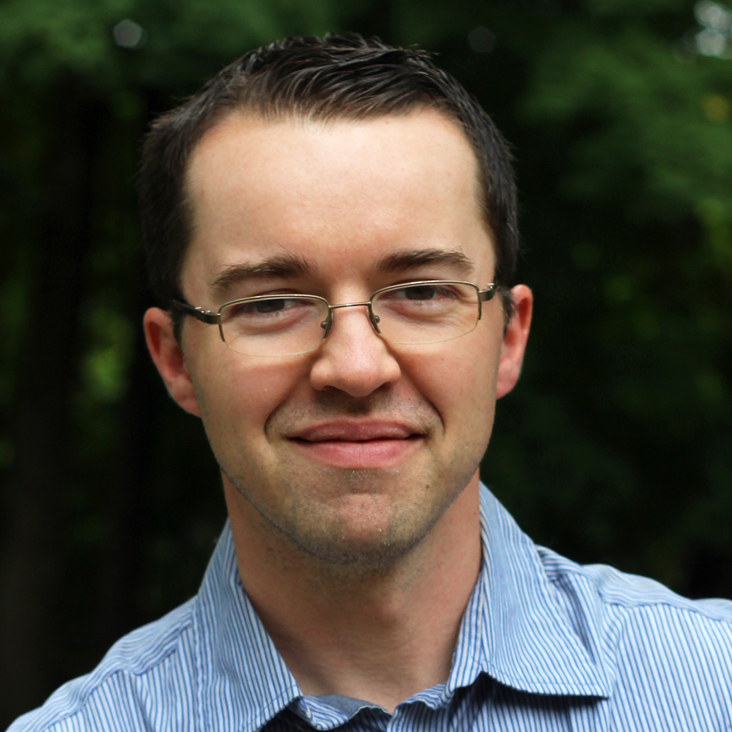
Andrew Hardaway
Psychiatry and Behavioral Neurobiology
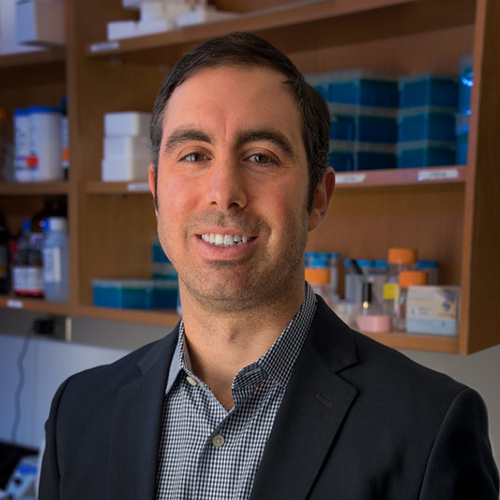
Jeremy Herskowitz
Neurology

Zachary Irwin
Neurosurgery
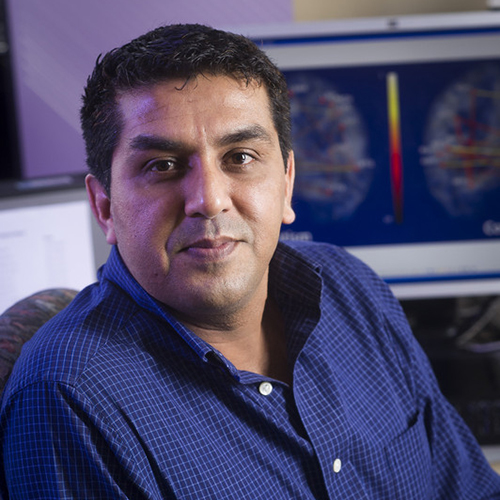
Rajesh Kana
Psychology
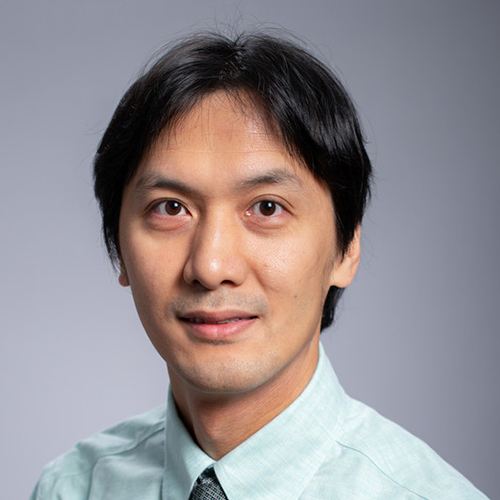
Shinichi Kano
Psychiatry and Behavioral Neurobiology
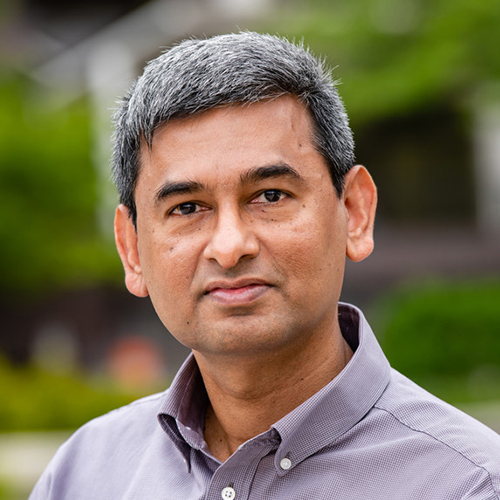
Roy Koomullil
Mechanical Engineering

Adrienne Lahti
Psychology and Behavioral Neurobiology

Junghee Lee
Psychiatry and Behavioral Neurobiology

Farah Lubin
Neurobiology
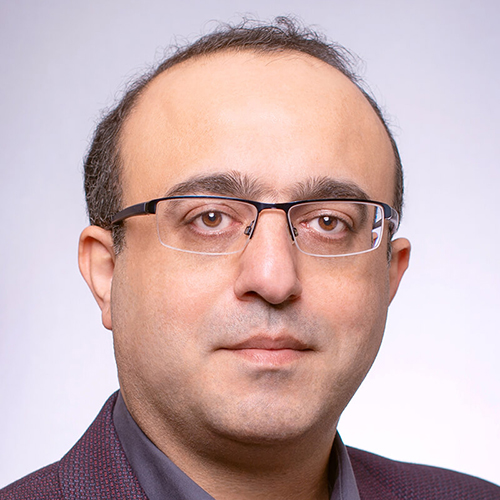
Abdollah Mirbozorgi
Electrical and Computer Engineering
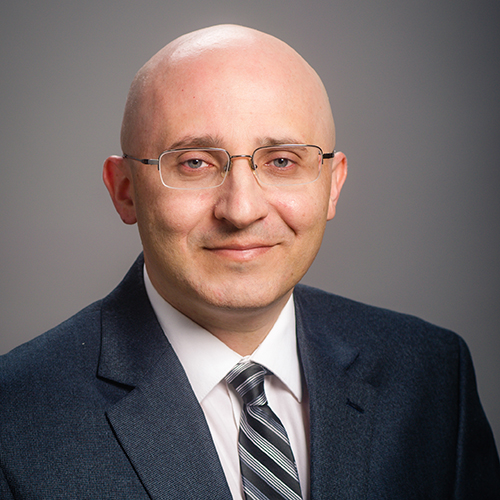
Arie Nakhmani
Electrical and Computer Engineering
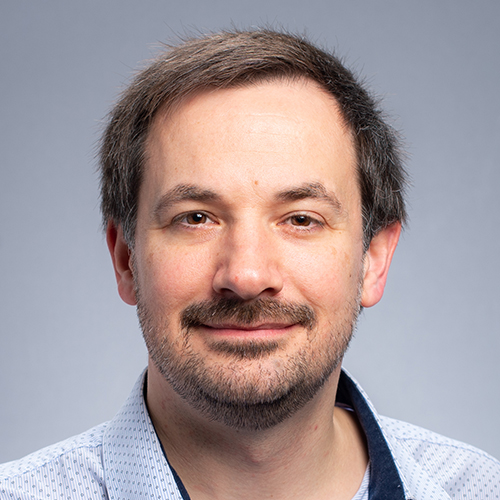
Matthew Nelson
Neurosurgery
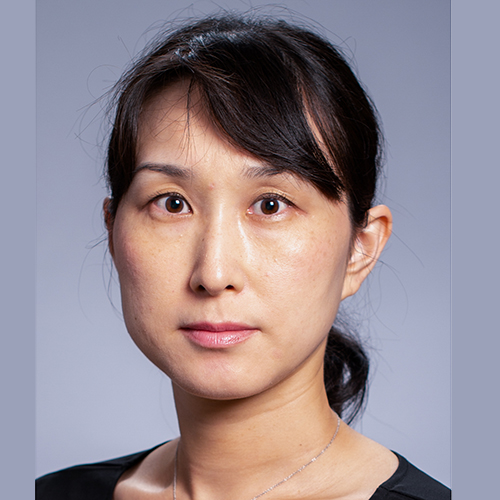
Minae Niwa
Psychiatry and Behavioral Neurobiology
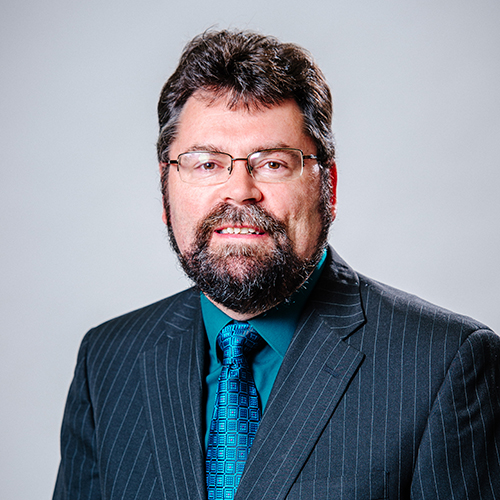
William Reed
Physical Therapy
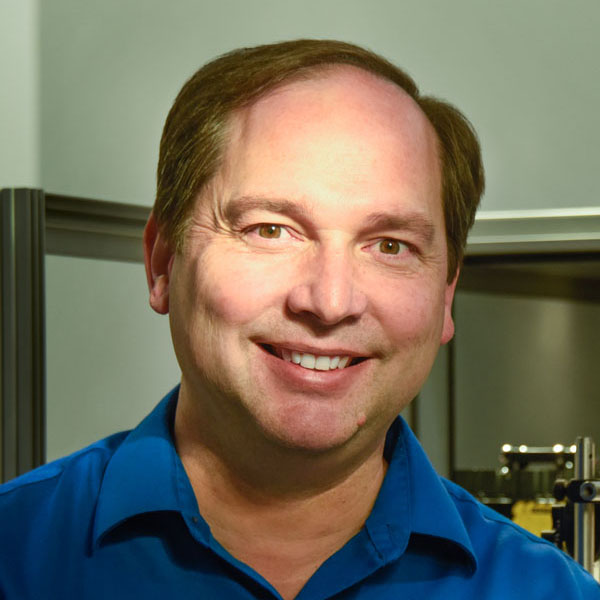
Lawrence Sincich
School of Optometry

Rachel June Smith
Electrical and Computer Engineering
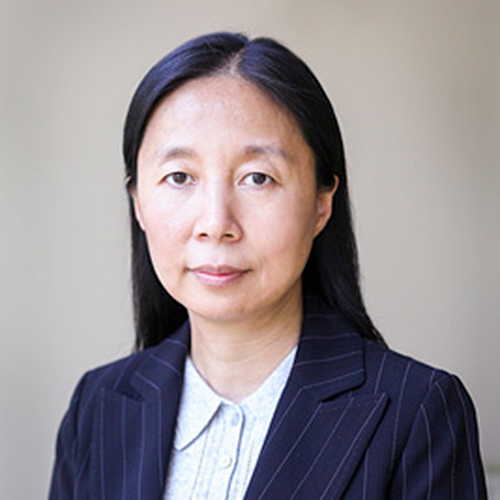
Yuhua Song
Biomedical Engineering
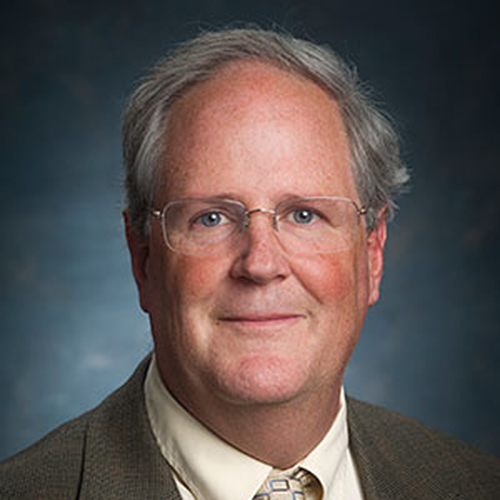
David Standaert
Neurology
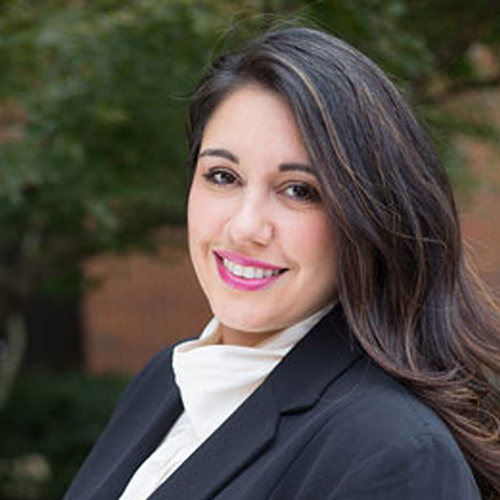
Despina Stavrinos
Psychology

Jerzy Szaflarski
Neurology

Manoj Tanwar
Neuroradiology
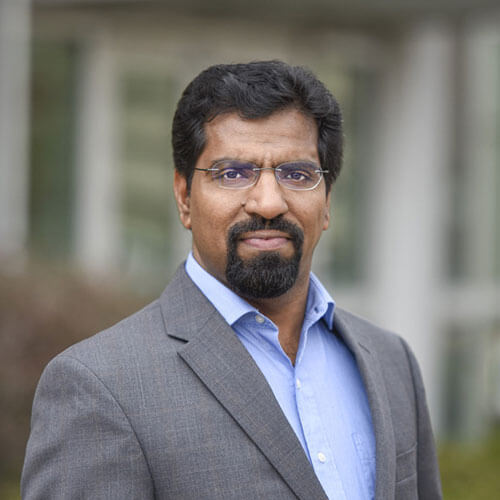
Vinoy Thomas
Materials Science and Engineering

Larry ver Hoef
Neurology

Kristina Visscher
Neurobiology

Laura Volpicelli-Daley
Neurology

Linda Wadiche
Neurobiology
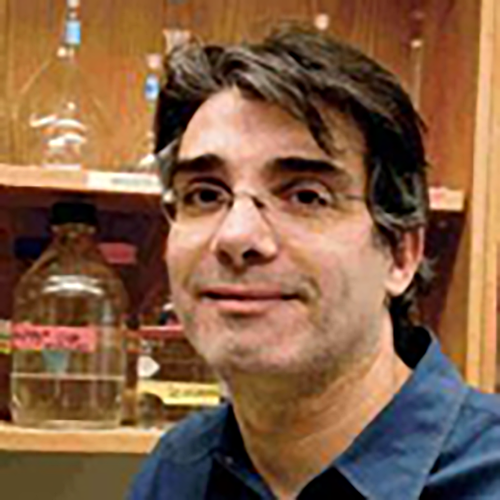
Jaques Wadiche
Neurobiology
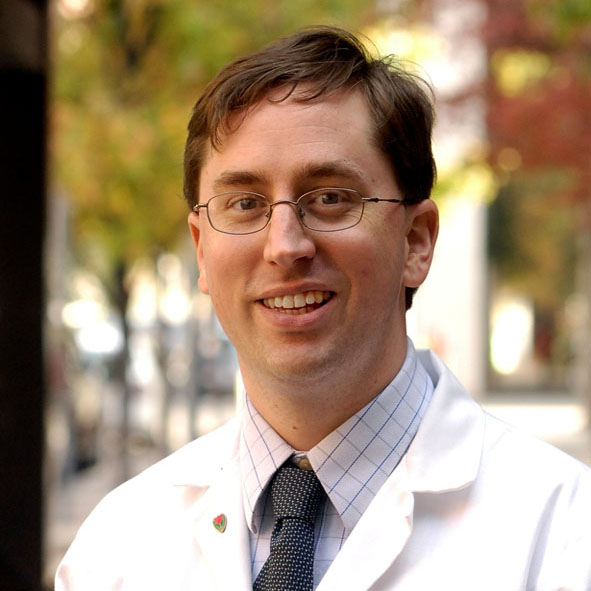
Harrison Walker
Neurology
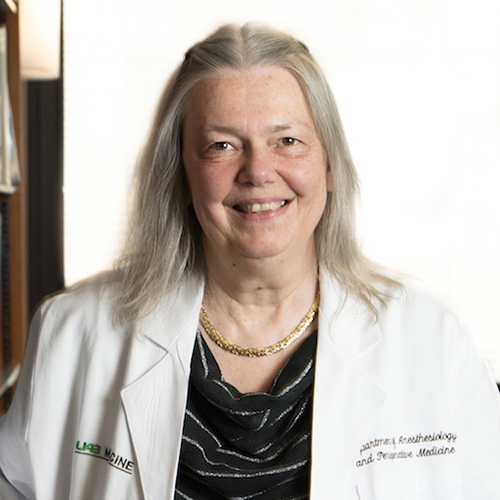
Ursula Wesselmann
Anesthesiology and Perioperative Medicine
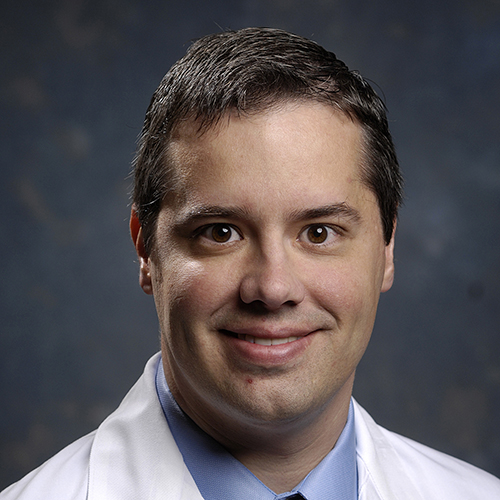
Christopher Willey
Radiation Oncology

Chengyi Xu
Mechanical and Materials Engineering
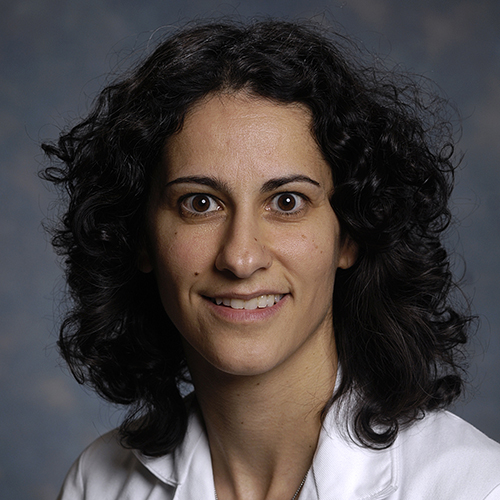
Talene Yacoubian
Neurology
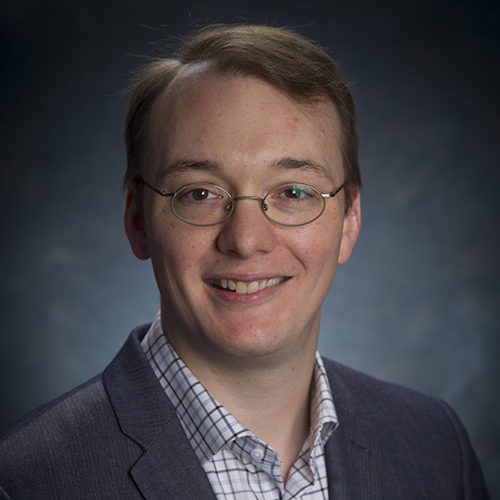
Jarred Younger
Psychology
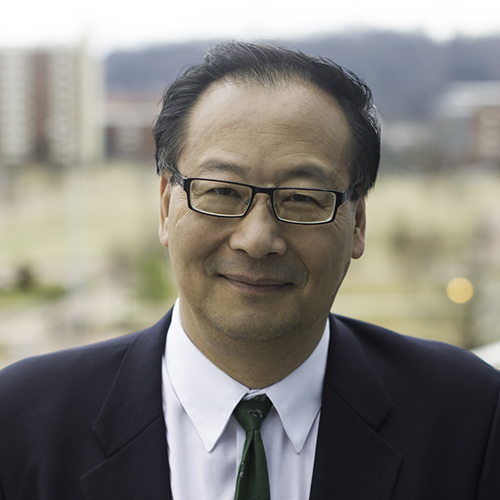
Jianyi "Jay" Zhang
Biomedical Engineering
Michael Lipscomb
March 25, 2022
11 a.m.
Interdisciplinary Engineering
Ph.D. Public Defense
Friday, March 25, 2022, at 11:00 a.m.
Education & Engineering Complex, Room 256 (or join by Zoom, using passcode 992667)
Candidate for Doctor of Philosophy in Neuroengineering
Committee:
Leon Jololian
John Dantzler
Donna Slovensky
Murat Tanik
Karthik Lingasubramanian
Jeffrey Walker
"A Value-Based Framework for Process Alignment in Complex Provisioning Systems"
ABSTRACT:
This research regards provisioning systems, the activities of which are directed toward providing something of value to another entity. Objects of exchange may include objects, services, and information. The research is limited to complex, decentralized systems in which agents act beyond central control. Efforts included investigating the role of interdisciplinarity and designing models of the subject system from different theoretical perspectives. The research goal was to develop a framework for improving information and value exchanges in the subject systems.
Jaret Alan Langston
Interdisciplinary Engineering Ph.D. Public Defense
Tuesday, March 24, 2020, at 1:00pm
Presentation to be made online via teleconference:
Jaret Alan Langston
Candidate for Doctor of Philosophy in Interdisciplinary Engineering
Committee:
Dale Callahan, Chair
Dalton Nelson
Ernest Rigney
Lauretta Gerrity
Joseph Popinski
"Facial Recognition with Image Signaling:
Efficacy of Two Factor Authentication Utilizing a Single Image Input Mechanism on a Smartphone"
ABSTRACT:
Smartphones contain a high concentration of sensitive information like PII, banking information, and medical information. Single factor authentication (SFA) is used to secure these smartphones and is insufficient protection for the sensitive data they contain. This research presents how to use images for submitting authentication factors, how to measure and score the security and usability of this approach as compared to standard multi-factor authentication (MFA) input methods, and if users find this approach more usable than the standard MFA input methods. The main objective of this research is to determine if using an image to input two factors of authentication (2FA), specifically a new process called Facial Recognition with Image Signaling (FRIS), is a viable alternative to traditional MFA options on smartphones in terms of security and usability.