Department faculty, staff, fellows and residents gathered on the evening of Thursday, May 23, in celebration of fellows, residents and trainees in the Department. The annual event was held at B&A Warehouse, near Railroad Park adjacent to downtown Birmingham, from 6 to 8 p.m., where attendees enjoyed dinner and an awards ceremony.
Opening remarks by James Hackney, M.D., Director of the Pathology Residency Program, were followed by comments from George Netto, M.D., Robert and Ruth Anderson Endowed Chair in Pathology.
This year's outgoing Chief Residents David Dorn, M.D., Anatomic Pathology, and Erin Baumgartner, M.D., Clinical Pathology, presented faculty awards. The Leonard H. Robinson Award for Resident Education in Anatomic Pathology went to Thomas Winokur, M.D., Professor, Anatomic Pathology. The Shu T. Huang Award for Excellence in Laboratory Medicine Excellence was given to Sixto Leal, M.D., Ph.D., Assistant Professor, Laboratory Medicine.
View all of the photos from the event here.
On June 3, the Department welcomed two new faculty to the Division of Anatomic Pathology, directed by Cristina Magi-Galluzzi, M.D., Ph.D.
Deepti Dhall, M.D., joins the UAB Department of Pathology as Professor, Anatomic Pathology.
Paul Benson, M.D., Forensic Pathologist and Medical Examiner, joins the department as Associate Professor, Anatomic Pathology.
Dr. Deepti Dhall received her medical school education at Grant Medical College in Mumbai, India, graduating in 1994. She then completed her residency training in pathology at the same institution in Mumbai before joining a pathology residency training program at Robert Wood Johnson University Hospital, New Jersey, in 2000. Dr. Dhall undertook fellowship training in Oncologic surgical pathology (2004–2005) and Gastrointestinal pathology at Memorial Sloan Kettering Cancer Center (2005–2006) under the mentorship of Dr. David Klimstra, initiating her interest in gastrointestinal tumors, particularly neuroendocrine tumors.
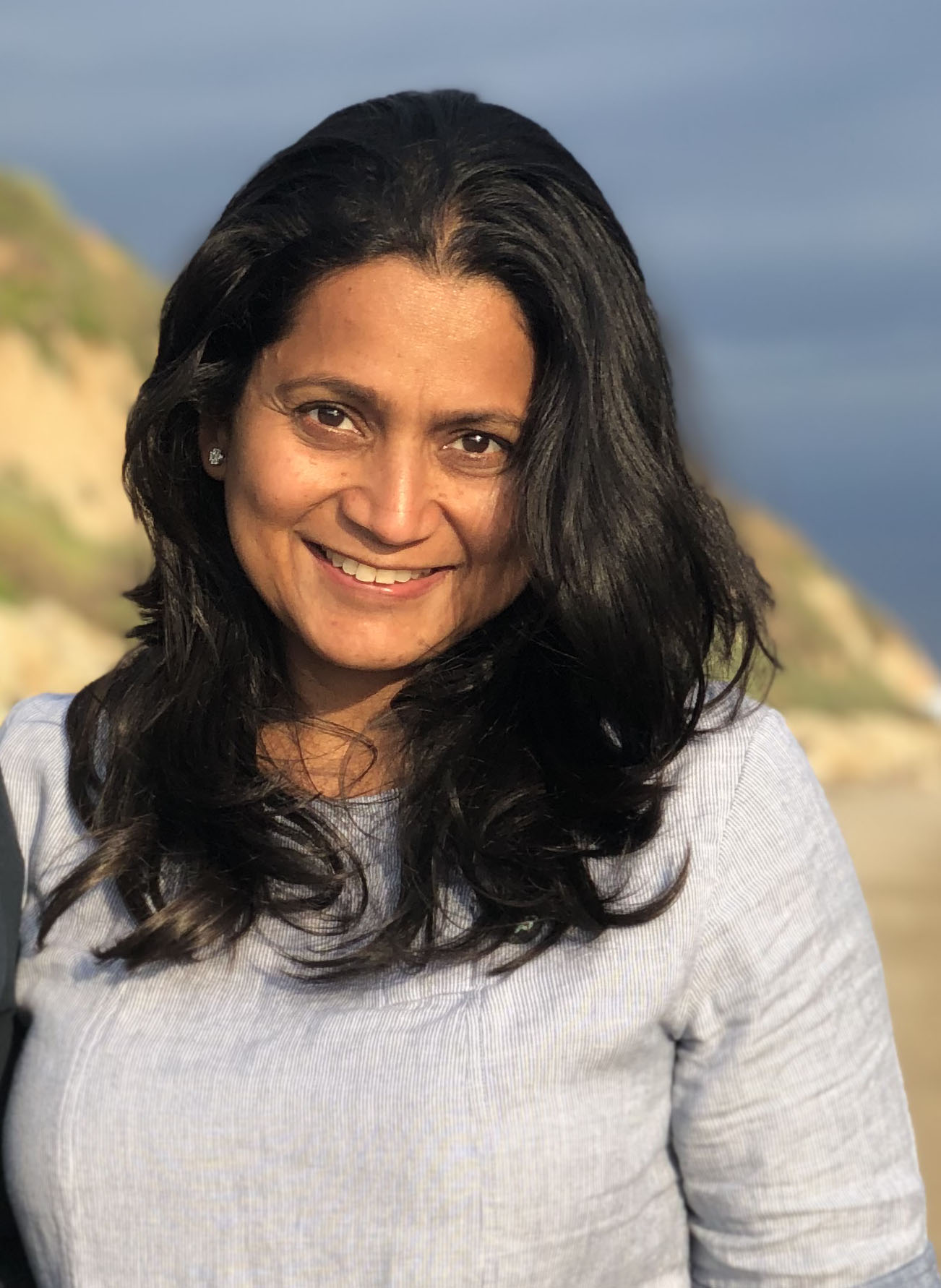
After completing her fellowship training, Dr. Dhall joined Cedars Sinai Medical Center in Los Angeles in 2006, where she practiced as an Attending Pathologist for more than 12 years. She was promoted to Associate Professor, Cedars professorial series, in 2014.
Dr. Dhall’s area of expertise is gastrointestinal and gynecologic pathology, with research interest in neuroendocrine, gastrointestinal and pancreato-biliary tumors.
Dr. Dhall is a member of the Rodger C. Haggitt Gastrointestinal Pathology Society (GIPS), Pancreatobiliary Pathology Society (PBPS) and North American Neuroendocrine Tumor Society (NANETs). She is the recipient of the “Golden Apple” teaching award, presented by the Cedars Sinai Medical Center pathology residents in 2016, and outstanding mentorship award in 2014, presented by the Department of Pathology.
Dr. Paul Benson earned his Doctor of Medicine from The Medical College of Ohio at Toledo before serving as a preliminary intern in Internal Medicine at the University of Maryland Medical System. He completed residency training in Anatomic and Clinical Pathology at the University of Virginia, and is board certified in Anatomic and Clinical Pathology. After a fellowship in Forensic Pathology at the Office of the Chief Medical Examiner in Richmond, Virginia, Dr. Benson became board certified in Forensic Pathology.
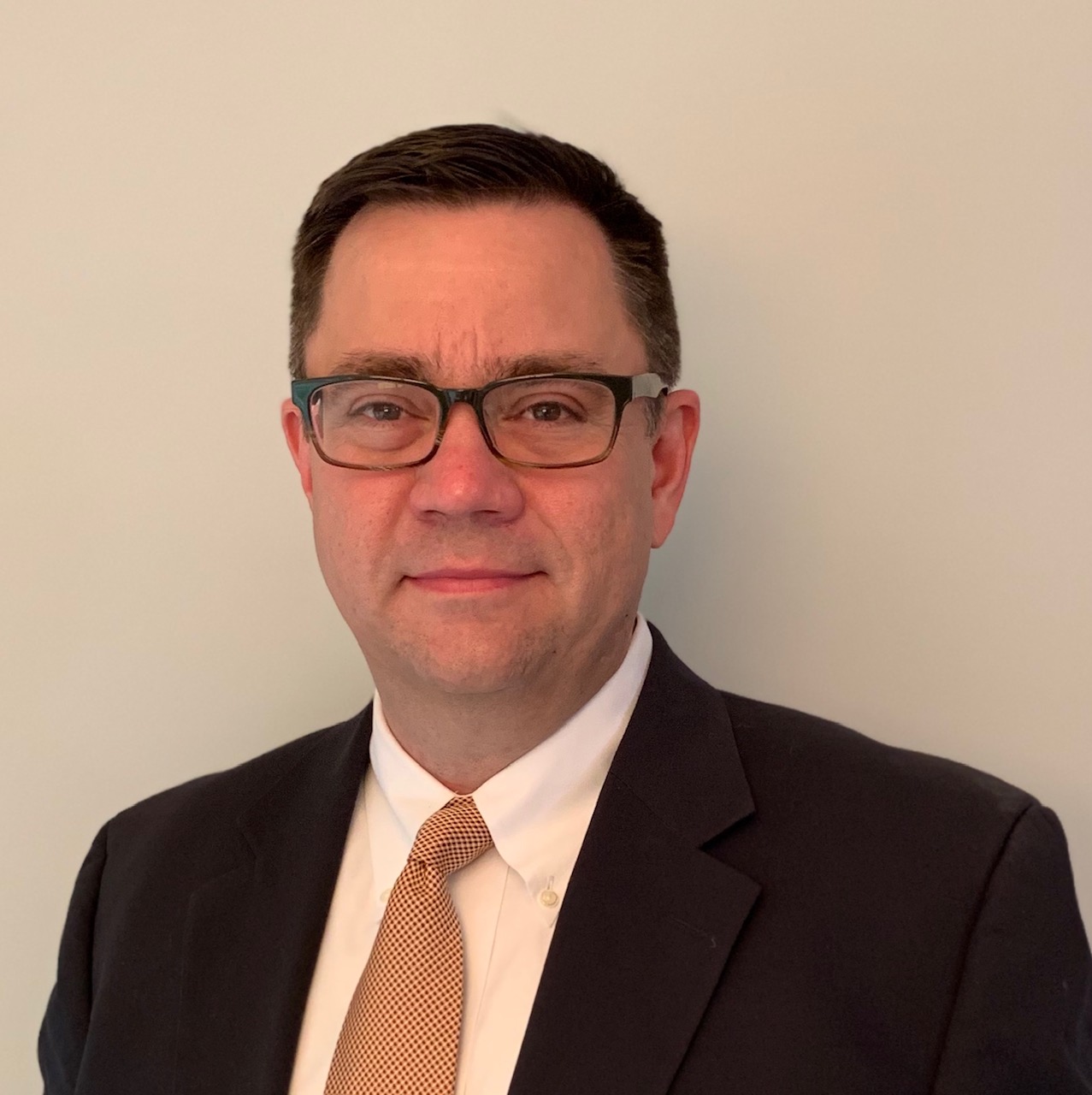
Benson taught autopsy and forensic pathology as Assistant Professor at The Quillen College of Medicine at East Tennessee State University for two years before returning to Virginia as Assistant Chief Medical Examiner for the Office of the Chief Medical Examiner in Roanoke, where he practiced forensic pathology for six years with teaching appointments at The Edward Via College of Osteopathic Medicine, Blacksburg, Virginia, and the Medical College of Virginia, Richmond, Virginia. In 2014, Dr. Benson was appointed Assistant Professor in Forensic Pathology and Assistant Medical Examiner for Shelby County, Tennessee, at the University of Tennessee Health Science Center (UTHSC) in Memphis. As Program Director of the UTHSC Forensic Pathology Fellowship, he reinstated the Forensic Pathology Fellowship in Memphis. Benson has performed approximately 4,000 autopsies and testified in state and federal courts more than 100 times as an expert witness in Forensic Pathology. Dr. Benson’s current interests are primarily in teaching autopsy and forensic pathology.
By Adam Pope
Researchers at the University of Alabama at Birmingham and the University of Kansas Cancer Center have identified four hallmarks of cancer metastasis — when cancer has spread to different parts of the body from where it started. Metastasis is believed to be the cause of up to 90 percent of cancer deaths.
Douglas Hurst, Ph.D., assistant professor in the UAB Department of Pathology, and Danny Welch, Ph.D., associate director of Education at the KUCC, conducted a literature review of more than 10,000 publications on metastasis, and published their findings in Cancer Research, from the American Association for Cancer Research.
Metastasis can be very difficult to treat. Virtually any cancer type can form metastatic tumors. The most common sites for cancers to metastasize include the brain, bones, lungs and liver. Other areas include the adrenal gland, lymph nodes, skin and other organs.
By defining the unique properties of metastatic cancer cells, Hurst says, he hopes to provide a conceptual framework to accelerate the discovery of treatment strategies.
“Our attempts to identify the underlying first principles of the metastatic process hopefully provide a means for simplifying the processes that are essential for all metastases to develop,” the authors said in the review.
Hurst and Welch identified four hallmarks of metastasis:
- Motility and invasion
- Modulation of the microenvironment
- Plasticity
- Ability to colonize
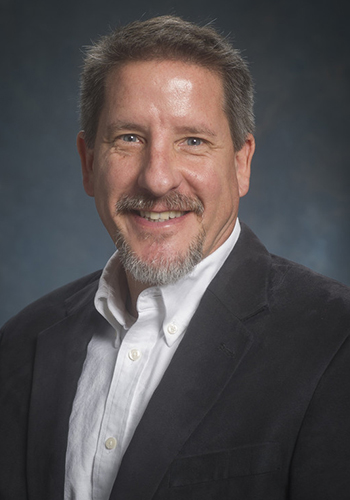 Douglas Hurst, Ph.D.Defining the hallmarks of metastasis has been complicated by both heterogeneity among tumor cells, and the myriad interactions with other molecules and cells throughout the process, according to the authors.
Hurst and Welch say they hope that refining definitions and bringing together diverse data will identify vulnerabilities that metastasis researchers can exploit in the quest to treat cancer metastasis.
Hurst, who also serves as an associate scientist at the O’Neal Comprehensive Cancer Center at UAB, explains why metastasis is hard to understand.
“Metastasis is a highly complex pathological process,” Hurst said. “Increased specificity in defining the underlying principles is important to better understand and interpret the literature to move forward in the development of therapeutic interventions.”
The Hurst lab has been funded by grants from the American Cancer Society, METAvivor Research and Support, Inc., and the Elsa U. Pardee Foundation, as well as the Department of Pathology.
In May, the American Cancer Society posted an episode of its "TheoryLab" podcast to iTunes, featuring Drs. Hurst and Welch speaking about their research. Listen here.
Alex M. Dussaq, M.D., Ph.D., was awarded the William Boyd Medal at the School of Medicine Awards Ceremony on Friday, May 17. The Boyd Medal is given every year to the medical student whose performance in all aspects of their pathology education has been most outstanding.
 Peter Anderson, DVM, PhD, Professor, Pathology, with Dr. Alex Dussaq on receiving the award.
Dr. Dussaq, a native of Reno, Nevada, came to Birmingham to join the Medical Scientist Training Program (MD-PHD) at UAB. His research centered around developing innovative bioinformatics approaches to solve clinical problems. He worked in the UAB Department of Pathology Division of Genomics Diagnostics and Bioinformatics as well as studied with Christopher Willey M.D., Ph.D. from the UAB Hazelrig Salter Radiation Oncology Center. Dussaq has accepted a position in the Pathology Residency Program at Stanford University.
Page 104 of 120