The American Society for Matrix Biology (ASMB) holds its biennial meeting October 14-17 in Las Vegas, Nevada. Joanne Murphy-Ullrich, Ph.D., Professor, UAB Department of Pathology in the Division of Molecular and Cellular Pathology as President of ASMB is involved in the programming and organization of this meeting. In addition to Plenary and Concurrent Platform Sessions and Poster Sessions, the ASMB meeting also supports Special Interest Sessions led by students and trainees. Shyram Bandari, post-doctoral fellow of MCP Division Director, Ralph Sanderson, Ph.D., will be organizing and leading a trainee-led session at the meeting on “Extracellular vesicles: the next SMALL thing.”
“This is a unique opportunity for students and postdocs to gain leadership experience in organizing and chairing scientific sessions and to gain exposure for their scientific specialty,” says Murphy-Ullrich. At the 2016 ASMB meeting, Kurt Zimmerman, a past UAB Pathology graduate student, chaired one of the trainee sessions. In addition, there are two mentoring breakfasts focused on career development and issues pertaining to women scientists.
Murphy-Ullrich serves as 2017-18 president of this international organization dedicated to promoting basic, translational, and clinical research on the extracellular matrix (ECM), cell-ECM interactions, and ECM-based therapies and devices, and to support the growth and professional development of the ECM research community. She previously served as Secretary/Treasurer and as President-elect 2015-16 and as Chair of the 2016 ASMB meeting in St. Petersburg, FL. She will chair the ASMB-sponsored workshop at the upcoming Matrix Biology Europe 2018 Conference in Manchester, UK, in July.
“We hope the meeting will attract attendees not only from ASMB and related matrix-centric societies, but also from related disciplines,” she says. Extracellular matrix is critical for development and plays major roles in directing stem cell differentiation, normal and dysfunction tissue remodeling in wound healing, fibrosis, aging, and in cancer, and it is emerging as a significant factor in immunity and inflammation and regenerative medicine.
The 13th Annual Department of Pathology Trainee Research Day took place on Wednesday, May 2, in the Hill University Center on the campus of the University of Alabama at Birmingham.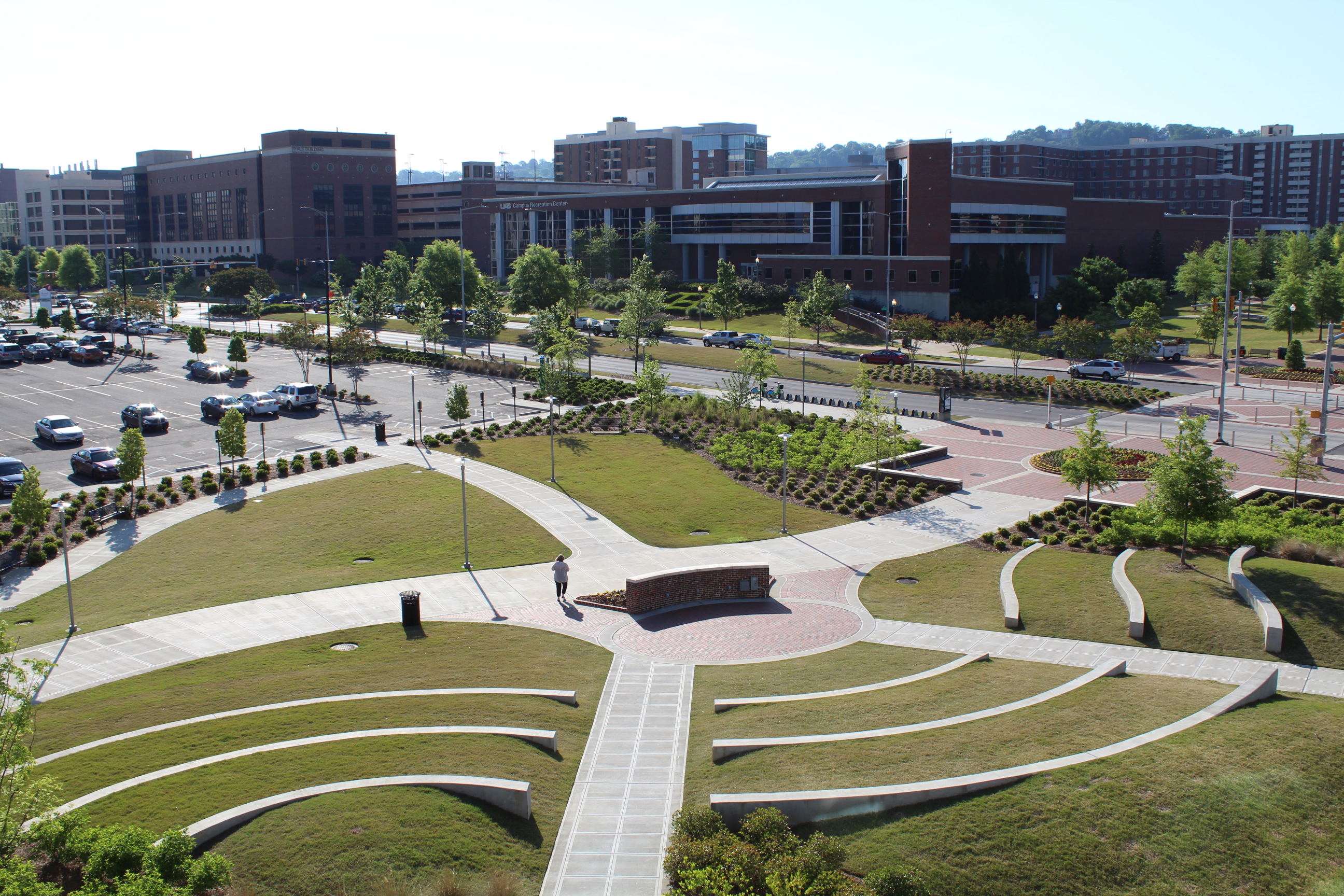

The event is run by a committee of trainees who assist in its planning and execution, which this year included:
Manoja Brahma, Gobinath Shanmugam, Ann Hanna, Dominque Hinshaw, Tshering Lama-Sherpa, Ashish Kurundkar, Jianhua Zhang, Lijia Yu, Shyam Bandari, and Joo Lee and Helen Collins, who also served as event emcees. The event is organized by Rajeev Samant, Ph.D., Professor, Pathology, with support from the Division of Molecular and Cellular Pathology administrative staff Cindy Brown and Kathy Coleman.
This exciting event featured:
- Morning and afternoon poster sessions
- Oral presentations by Department trainees
- A Data Blitz of six five-minute presentations
- Keynote Speaker Laurie Harrington, Ph.D., Associate Professor, Department of Cell, Developmental, and Integrative Biology, on "My Life with T Cells"
Funding Opportunity Request for Applications
Grant proposals to the General Endowment Fund (GEF) of the UAHSF are now welcome.
The HSF-GEF grants are intended to enhance the infrastructure of Academic Health Center’s Patient-Oriented and Laboratory Research efforts, Clinical Care Program Development, and Medical Education Initiatives and for university-wide projects by providing funding from the Health Services Foundation’s General Endowment Fund.
Funding Opportunity Request for Applications
The UAB School of Medicine invites applications for seed funding to move a one-R01 investigator to a two-R01 investigator. The PI of the application must have a primary appointment in a department within the School of Medicine and a record of substantial accomplishment in the subject area. One of the criteria for eligibility is having a currently funded R01 that has two years remaining in its current funding cycle. Intents to submit must be submitted online via the SOM research funding website.
Page 119 of 120