Department of psychiatry and behavioral neurobiology

UAB researchers have identified a new communication pathway in which extracellular vesicles from T cells influence neural activity and improve social behavior, offering insights into mental health disorders.

A UAB researcher studied how tiny molecules could influence groups of genes responsible for how brain cells communicate, adapt and respond to stress.

The Alabama Department of Public Health has awarded UAB a $426,000 grant to support people during the vulnerable period after hospital discharge.

UAB researchers will explore whether using a fentanyl strip test before ingesting a substance can prevent overdosing.
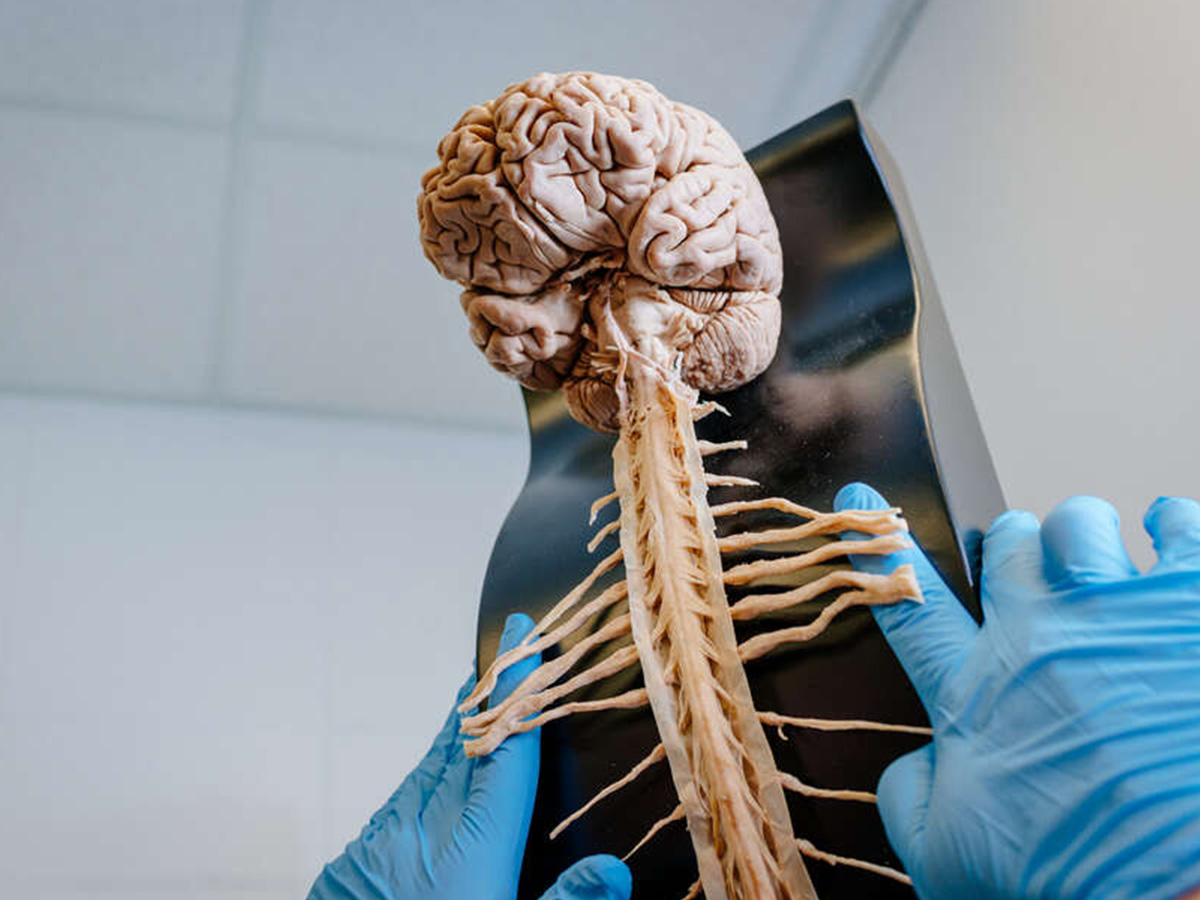
Taking time to clean your mind can help organize tasks, clarify values, improve sleep and create mental clarity.

Biology and lifestyle play a role in determining the severity of jet lag, but preparing in advance can help adapt quicker.
Clinical trial shows psilocybin, a natural compound, coupled with psychotherapy, is a safe and effective treatment for cocaine use disorder.

Storm anxiety can affect people physically, emotionally and cognitively, manifesting as rapid heart rate, sweating, dizziness and chest discomfort.

Adolescents are analyzed through a period of transition into adulthood to help paint a better picture of how digital media use contributes to memory decline and suicide attempts, and shares how parents can mitigate these effects.

Justin Thomas, Ph.D., says red light is less likely than other types of light to reduce melatonin levels, but it does not encourage melatonin production.

Feeling tired may not mean it is time for sleep, and misunderstanding the difference could be fueling insomnia and fatigue.

Mindfulness, putting boundaries around media consumption and taking small actions can help cope with stress caused by global events, according to a UAB expert.

The study will enroll 240 adults with HIV and insomnia, randomly assigning them to one of two treatments to evaluate how each approach affects sleep and cognitive health.
Functional neurological disorder, an often-misunderstood condition, affects brain-body communication, causing involuntary seizures, movement difficulties and speech problems.
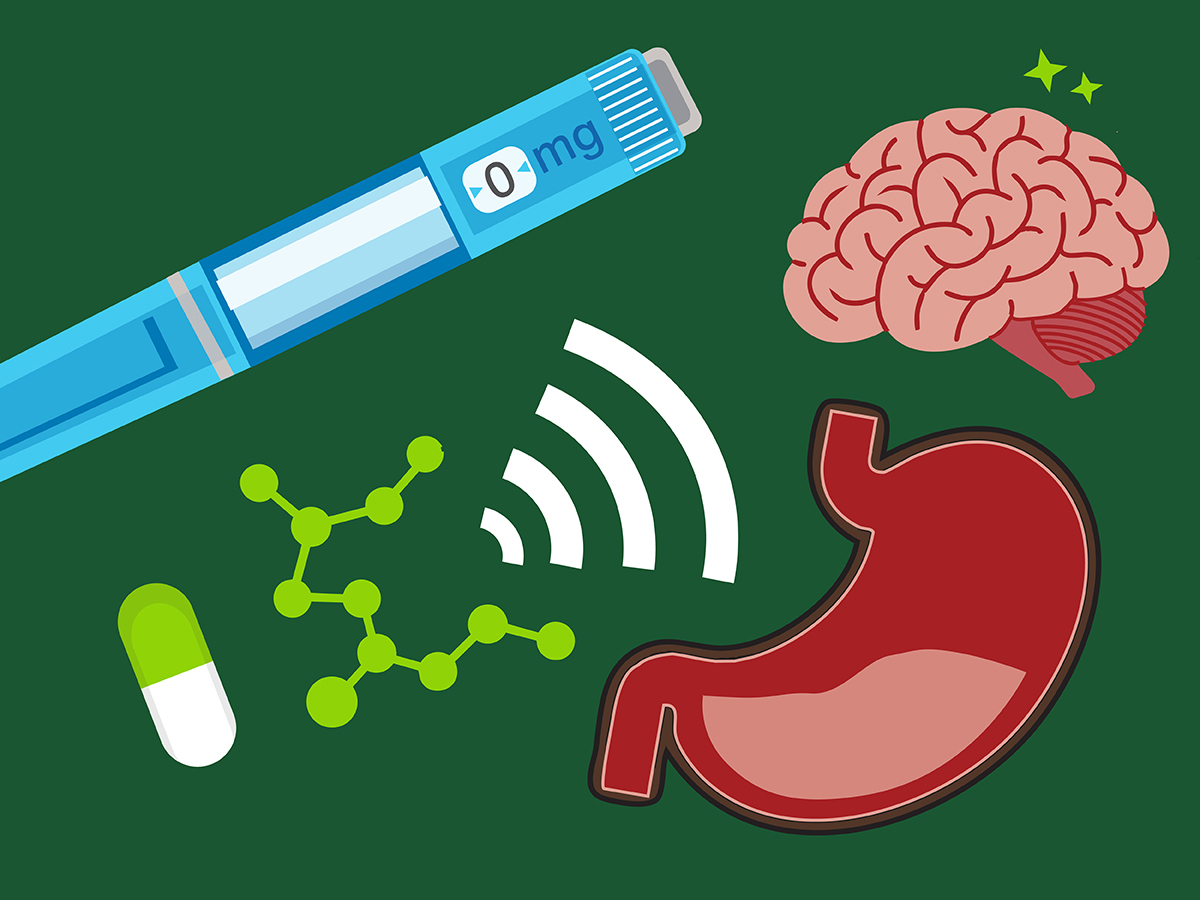
As UAB researchers continue to study how these drugs work and what comes next, their findings are helping move the conversation beyond hype, while working toward a clearer understanding of one of the most significant medical breakthroughs of the past decade.
IncRNAs act like “switches,” turning off functionality for more than 3,000 genes that are essential for healthy brain functioning.
The clinical trial represents a major step forward in finding new solutions for people living with treatment-resistant depression.

New clinical services and specialty programs are expanding access to high-quality care in Birmingham and throughout Alabama.

Burnout does not have to ruin the holiday season. One UAB expert recommends five ways to stay refreshed this holiday season.

A UAB expert provides recommendations on how to drink responsibly during the holidays.