Oneal comprehensive cancer center

A multi-institutional, UAB-led study found that pathologists can reliably distinguish the spectrum of HER2-negative breast cancer subtypes, strengthening the evaluation of how HER2-targeted therapies can improve patient treatment.
The treatment is designed to redirect a patient’s own immune system to attack cancer cells, potentially opening a new chapter in ovarian cancer treatment.

Researchers at UAB found that the experimental drug SRI-42127 suppresses HPV-driven cervical cancer by reducing key viral cancer proteins, restoring the tumor-suppressor protein p53 and enhancing the effectiveness of chemotherapy in preclinical models.

Researchers showed how neuroblastoma cells change as the cancer spreads, helping them grow, survive treatment and escape the body’s immune defenses.

A UAB researcher is working to establish how artificial intelligence can be used to better understand one of cancer’s most-faced questions.

A UAB-led study found that a simple automated phone coaching program helped rural Alabama residents become significantly more physically active.
UAB researchers are investigating the origin recognition complex, a key component of DNA replication, to better understand how cancer develops and identify potential new targets for treatment.
This landmark investment will strengthen the UAB O’Neal Cancer Center’s nationally recognized clinical trials program and expand access to innovative cancer therapies for patients across Alabama and the Southeast.
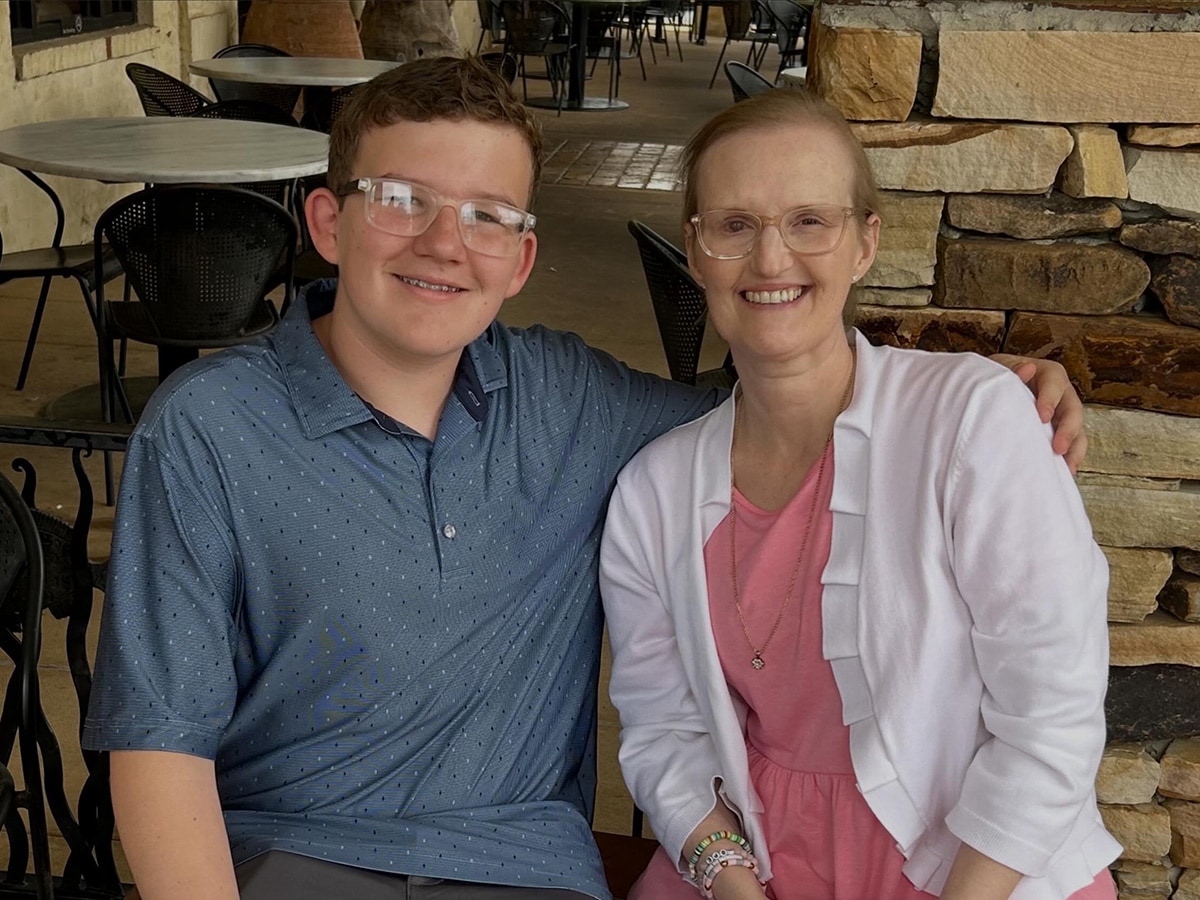
Rebecca Hall was diagnosed with leptomeningeal metastasis and was weeks from passing, until she enrolled as the first patient in a clinical trial.
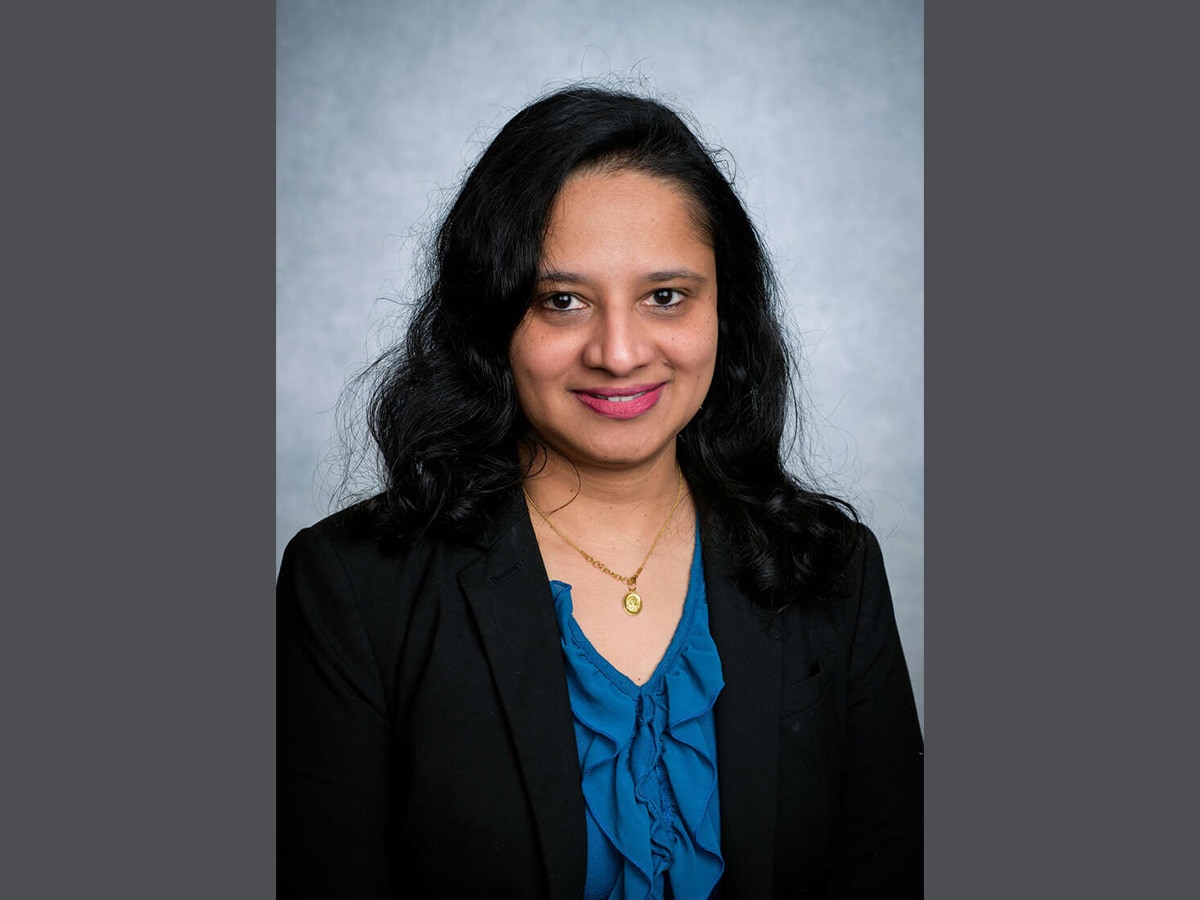
The study provides doctors and researchers with a more accurate way to identify patients at the highest risk of early relapse and may help guide earlier use of newer immunotherapies.

Without intervention, physician Edwin Villarreal’s prognosis was 100 percent mortality; but he is alive and well after receiving treatment for an often-fatal condition, HLH.

The projects represent an investment in neighborhood revitalization and community well-being.

UAB researchers report Phase 1 trial results showing a novel immunotherapy was well-tolerated and doubled the progression-free survival time in glioblastoma patients, offering new optimism for improving survival and quality of life.
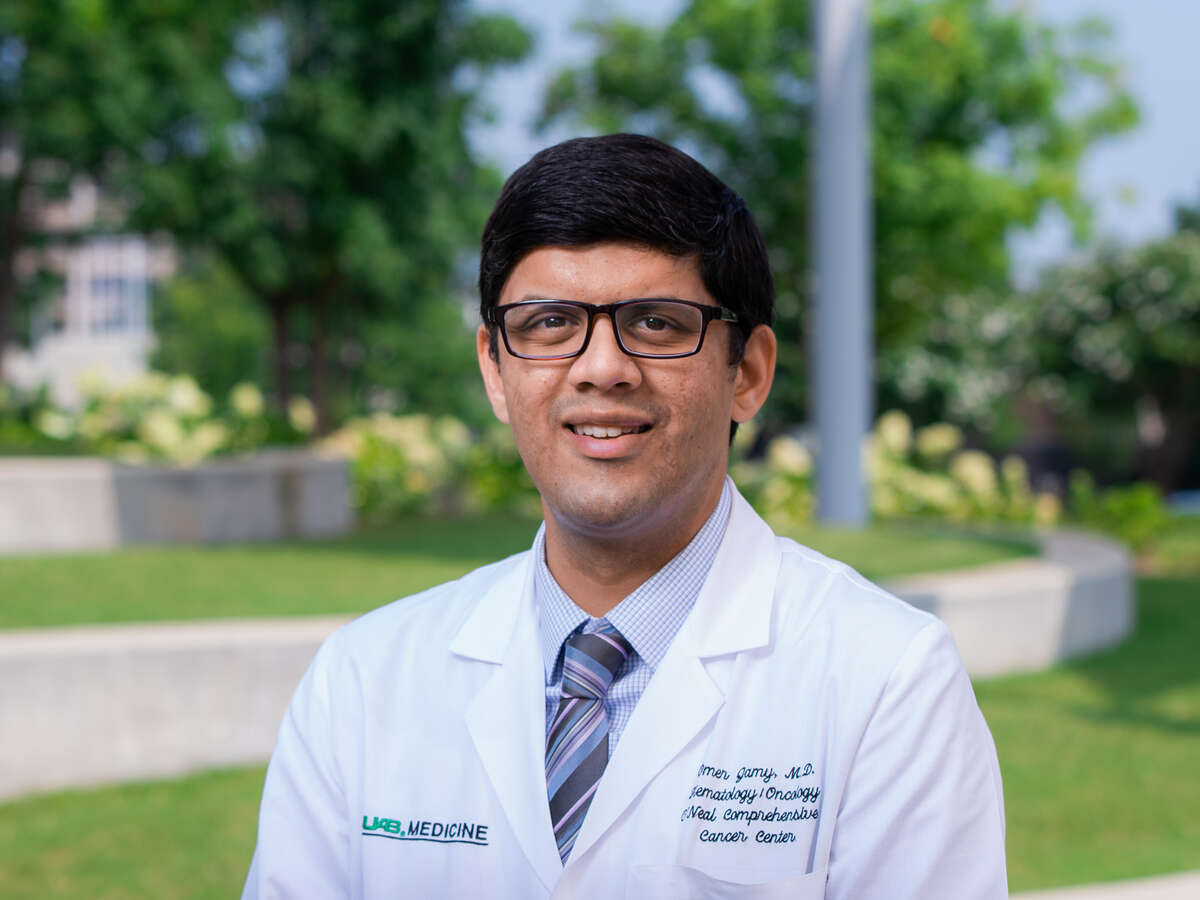
Few centers in the Southeast offer this procedure, and the national allocation system does not typically prioritize patients with colorectal metastases — meaning extended waits on the transplantation list for these patient populations.
The transplant offers a new treatment option for the more than 18,500 Americans yearly who are diagnosed with blood cancers and need a bone marrow transplant.

A $2 million investment will allow patients to enjoy greater scheduling flexibility, fewer treatment delays and better support for complex diagnoses.

The AMPLIFY Diet intervention helps older survivors of obesity-related cancers achieve meaningful weight loss and improvements in key health outcomes without in‑person visits, coaching calls or live counseling.
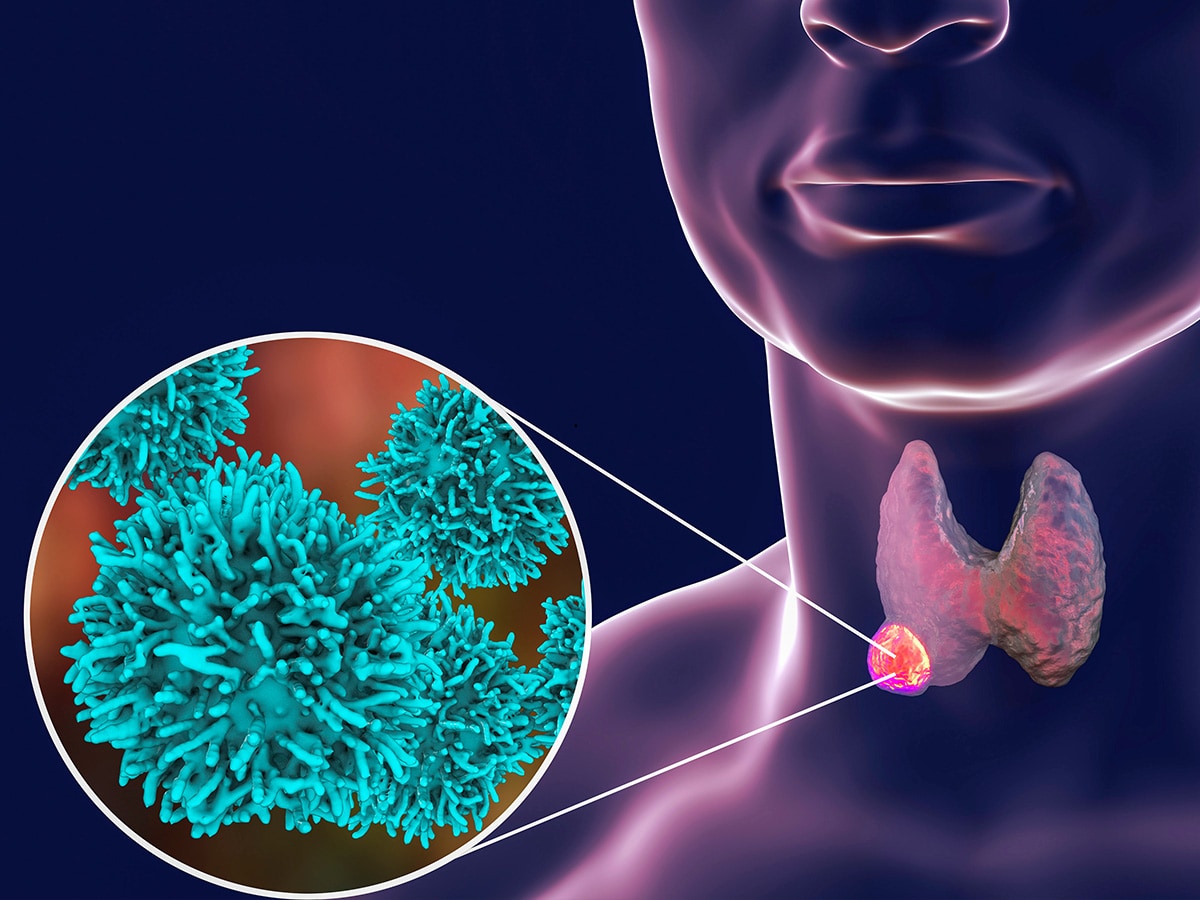
A UAB professor leads a new discovery that could change how an aggressive thyroid cancer with limited treatments is approached and treated.
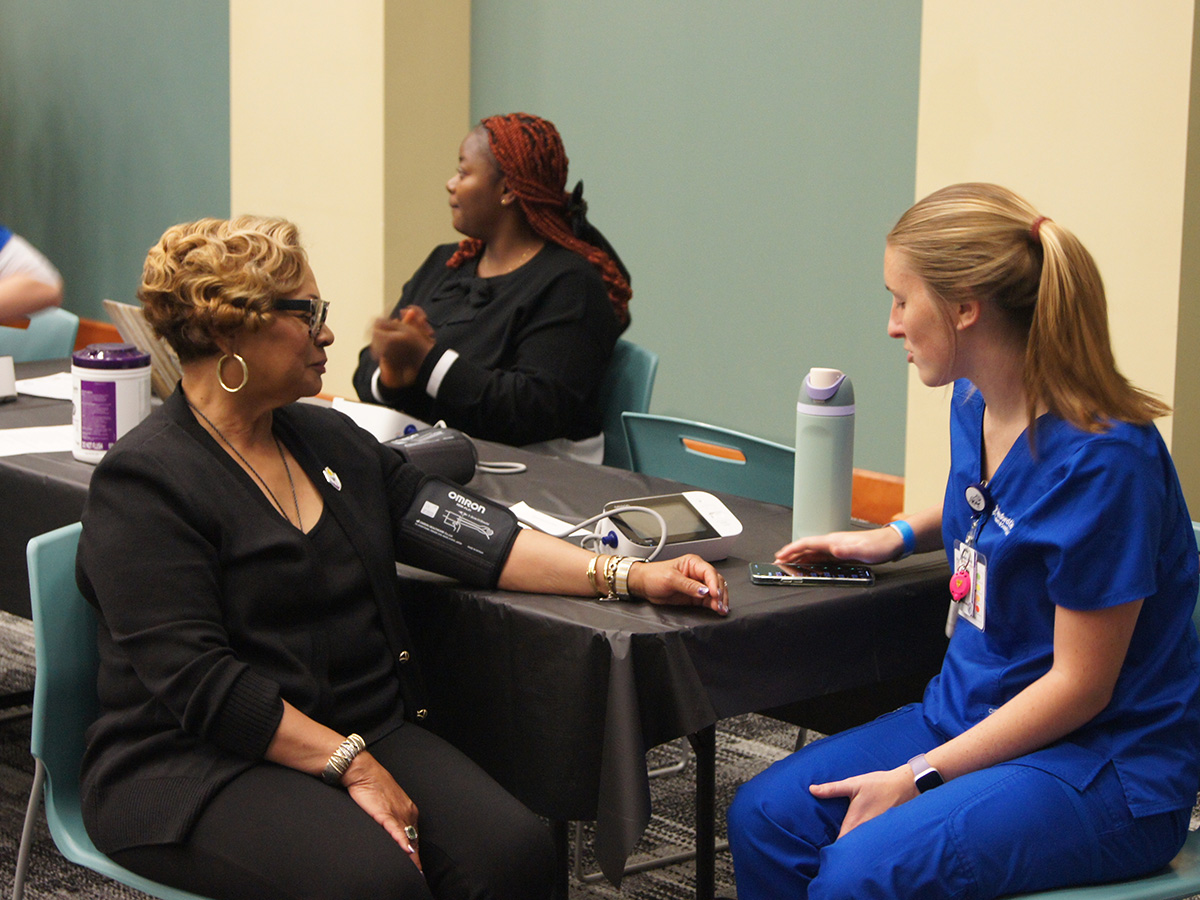
Participate in a health screening, learn about community resources, and engage with health care professionals at this year’s Regional Wellness Day.
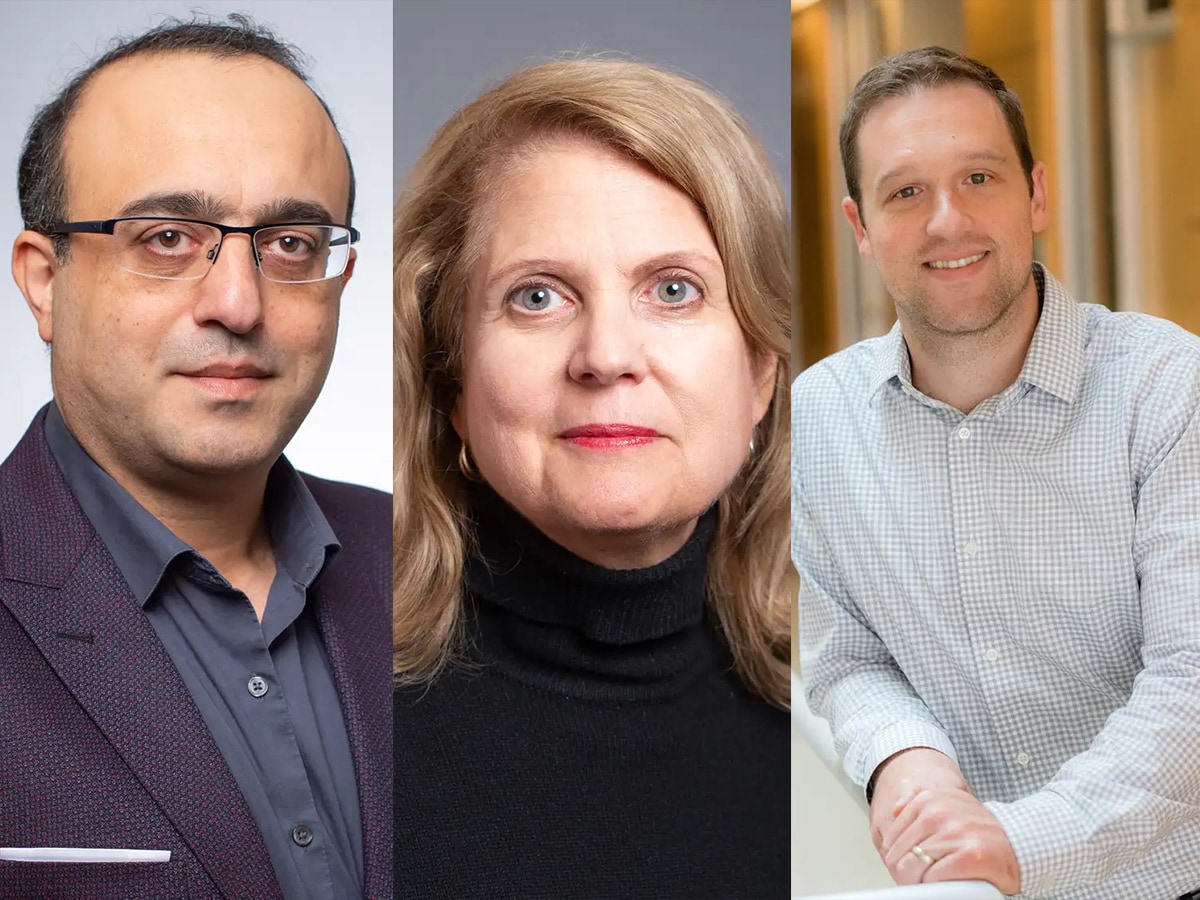
UAB researchers are advancing cancer prevention and treatment through lifestyle-based survivorship care, adaptive molecular therapies and precision biomedical engineering.