 by Hannah Buckelew
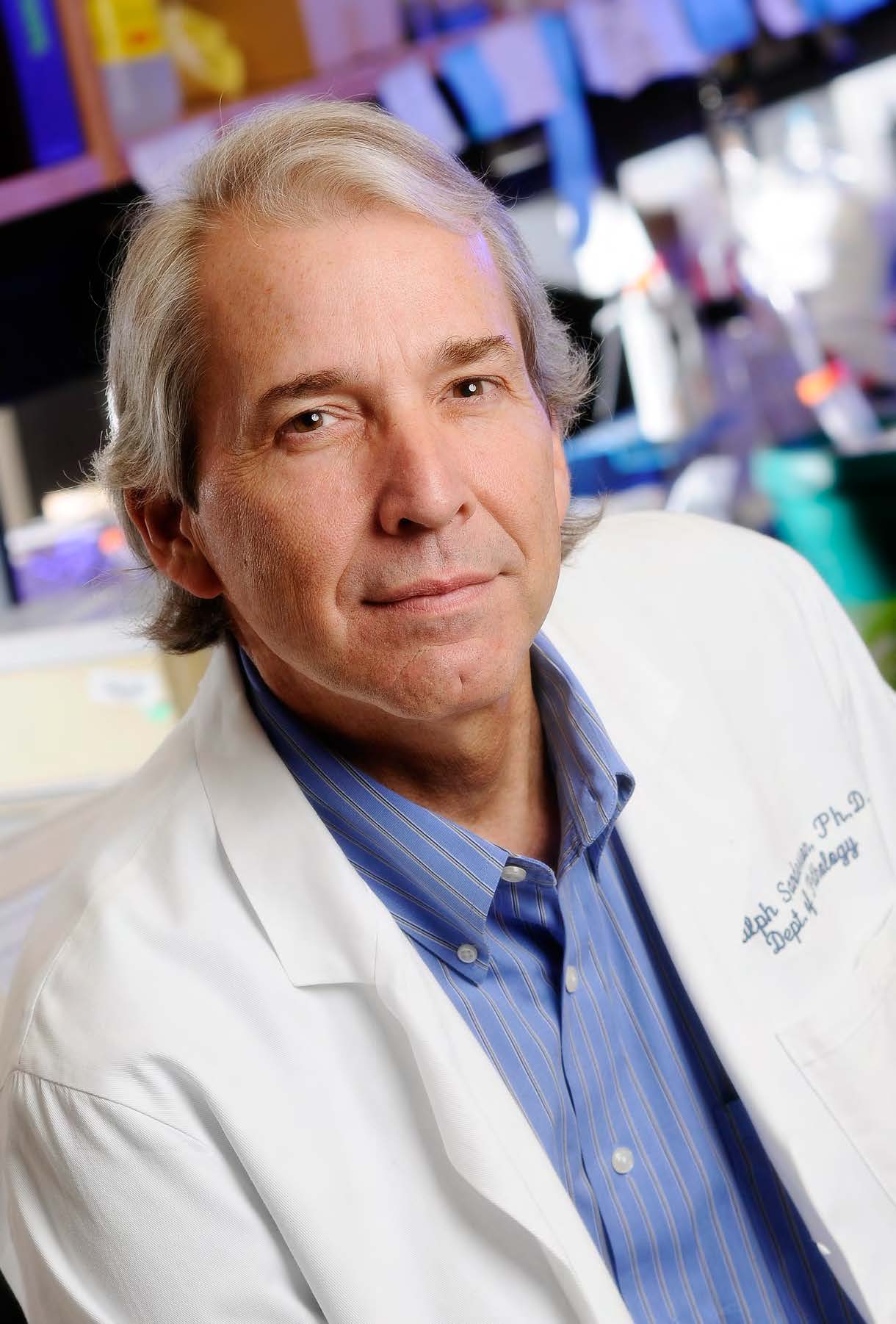
Ralph Sanderson, Ph.D., Professor, Molecular and Cellular Pathology, will retire August 31, 2023, after 17 years of service at UAB and 34 years in the field of pathology.
Sanderson earned his Bachelor of Science in Biology from the University of Alabama in 1975 and his Ph.D. in Cell Biology from UAB in 1986. He became a postdoctoral scholar at the Stanford University School of Medicine’s Department of Pediatrics before joining the faculty as assistant professor of pathology at the University of Arkansas for Medical Sciences (UAMS) in 1989. Sanderson became an associate professor in 1995 and the Director of the Division of Experimental Pathology in 1998. In 1999, he became both a senior scientist at the UAMS Myeloma Institute for Research and Therapy and the Director of Basic Research in the Arkansas Cancer Research Center. Sanderson was promoted to professor of pathology, neurobiology and developmental sciences in 2000 before being named the Drs. Mae and Anderson Nettleship Endowed Chair in Oncologic Pathology in 2002.
by Christina Crowe
Kenneth “Ken” Fallon, M.D., Associate Professor, will retire from his position in the Division of Neuropathology at the same institution where he did his fellowship in this unique specialty, effective August 31, 2023.
Fallon’s career was highlighted by his love of teaching trainees, he says.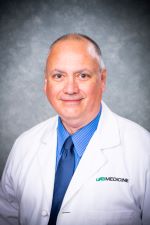
“Overall, it has been the opportunity to participate in resident/fellow education that I have found to be the most rewarding experience throughout my time here at UAB,” Fallon says. “I am fortunate to have had the chance to provide teaching sessions to, to exchange ideas with, and most importantly, to listen to all of our residents and fellows throughout the years. Their unfailing collegiality has meant a lot to me, and I am hopeful that all of the teaching has provided some benefit to them.”
by Christina Crowe
The UAB Department of Pathology is pleased to announce the appointment of Selvarangan Ponnazhagan, Ph.D., Professor of Pathology and Endowed Professor in Experimental Cancer Therapeutics, as interim Vice Chair for Research for the Department of Pathology, effective September 1, 2023. Ponnazhagan (Pons) takes over the role from Rakesh Patel, Ph.D., who moved into the role of Division Director, Molecular & Cellular Pathology, effective July 1.
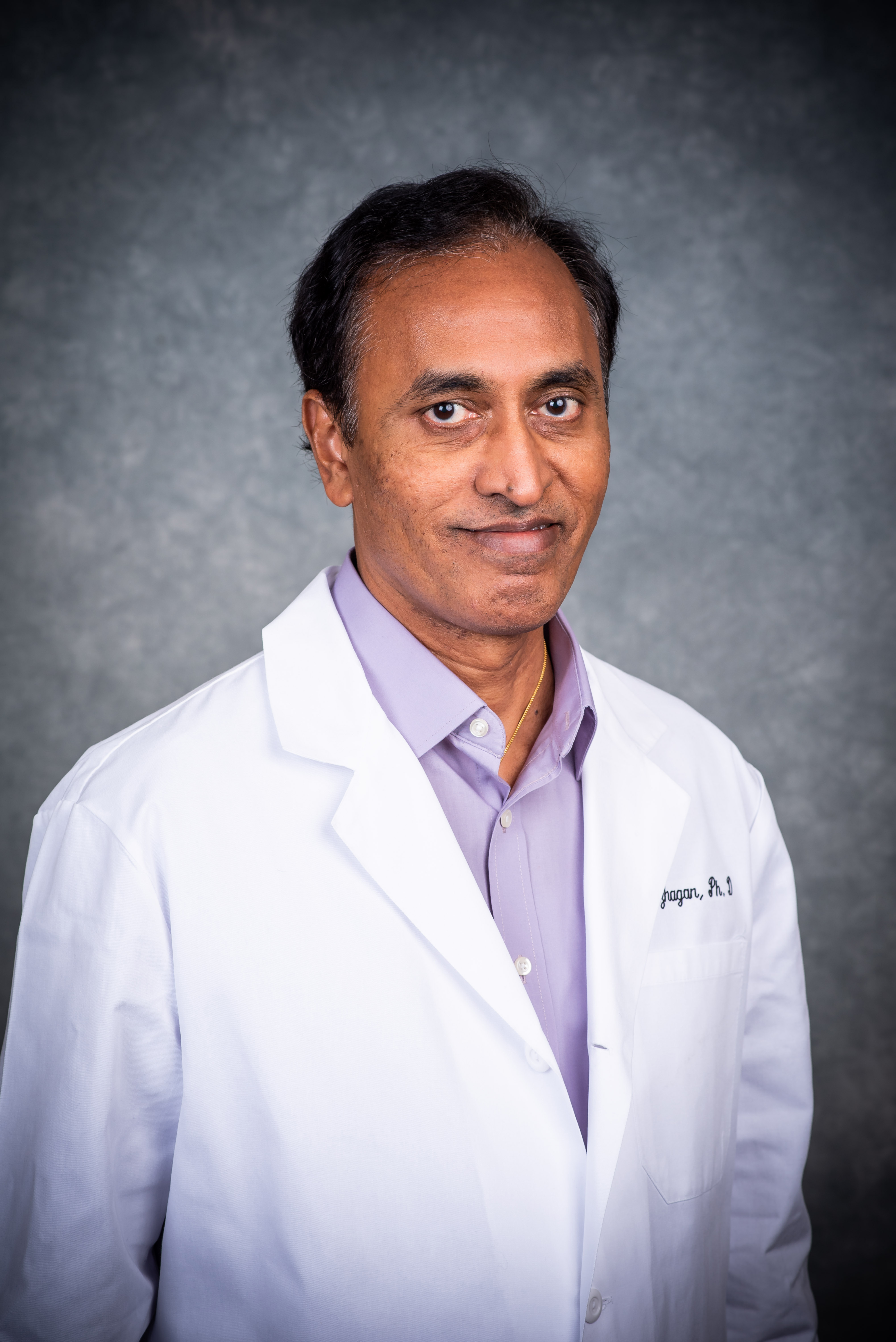
Ponnazhagan has been a faculty member in Pathology since 1999. His research, focused on breast and prostate cancers, has been supported by industry, the UAB O’Neal Comprehensive Cancer Center and the NIH, including a recent R01 award entitled, “Mechanisms and Therapeutic Targeting of Osteoimmune Functions of RANKL in Breast Cancer.”
At UAB Ponnazhagan is a senior scientist with the Cystic Fibrosis Research Center, the Center for Biophysical Sciences and Engineering, the Comprehensive Diabetes Center, the Nephrology Research and Training Center, the Comprehensive Arthritis, Musculoskeletal, Bone and Autoimmunity Center, the Global Center for Craniofacial, Oral and Dental Disorders, and the O’Neal Comprehensive Cancer Center. He is co-director of the Pathobiology, Pharmacology, and Physiology (P3), one of eight graduate program themes within the UAB Graduate Biomedical Sciences Doctoral Training Program.
by Christina Crowe
Yabing Chen, Ph.D., the Jay M. McDonald Endowed Chair in Laboratory Medicine and Vice Chair of Faculty Development and Education, has received two R01 awards amounting to more than $5 million to bolster her research program on vascular aging and dementia.
With an overarching goal to understand vascular health in depth, Chen and her team delve into exploring the role of smooth muscle cell phenotypic modulation and reprogramming, and their links to vascular diseases and aging. The first R01, a $2.2 million award from the National Institute on Aging, funds their research on the “Novel Regulation of Vascular Dementia”. The second R01, a $2.86 million award from the National Heart Lung and Blood Institute, funds their cardiovascular research on “Protein Arginine Methylation in Vascular Smooth Cell Phenotypic Modulation and Calcification.” Both grants will run through 2027.
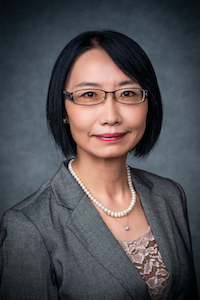
Together, these grants support Chen’s ambitious goal of better understanding vascular health to potentially identify a target for diagnosis and drug discovery—research she has dedicated her career to.
“We’re trying to understand how the vascular cells function and change during the aging process,” Chen says. “Our research program investigates what controls the regulation of the vascular cell function and how this impacts the development of cardiovascular disease and vascular dementia.”
Page 31 of 120