Written by Christina Crowe
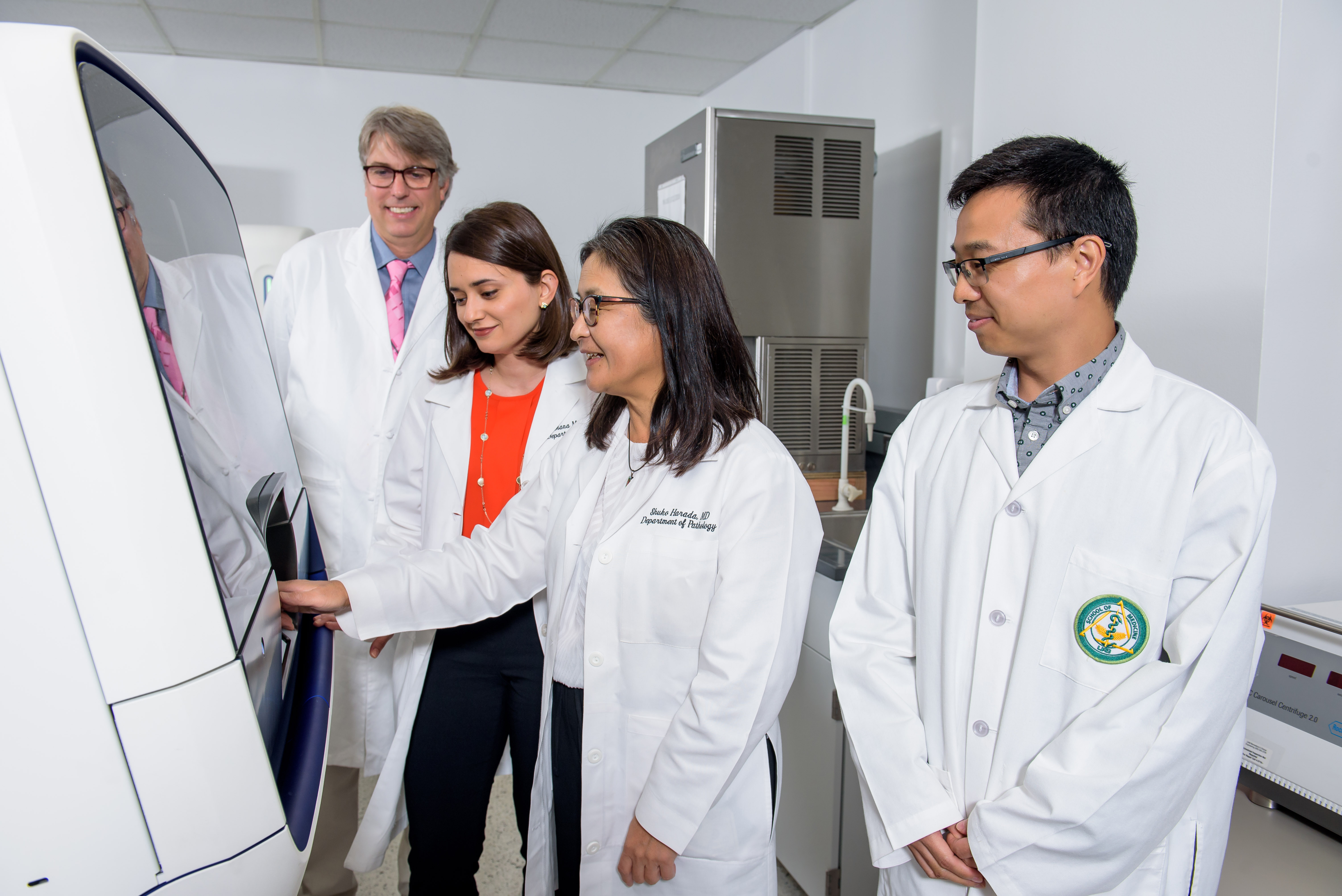 Genomic Diagnostics and Bioinformatics facultyinclude (left to right): Craig Mackinnon, M.D., Ph.D., Diana Morlote, M.D., Shuko Harada, M.D., director, Molecular Diagnostics Lab, and Yulong Fu, M.D., director, Medical Genomics Lab.
UAB Pathology and the Division of Genomic Diagnostics and Bioinformatics are pleased to announce a new, state-of-the-art Next Generation Sequencing (NGS) Cancer Assay, now available in the UAB Clinical Molecular Diagnostics Laboratory.
The Oncomine Precision Assay (OPA) uses a streamlined workflow to analyze both DNA and RNA extracted from formalin fixed, paraffin embedded (FFPE) solid tumor tissues. Important features of OPA are the ability to test small tissue samples (e.g., biopsies), and very fast turnaround time (e.g. 3-5 days upon receipt in the molecular lab). OPA detects single nucleotide variants (SNVs), insertions and deletions (INDELs), copy number variations (CNVs), and gene fusions in actionable, cancer-related genes.
“UAB was one of the first academic medical centers to gain access to this instrument—the Ion Torrent Genexus—and implement it,” says Alexander “Craig” Mackinnon, Jr., M.D., Ph.D., Division Director. “It represents the latest technology for in-house, next generation sequencing using amplicon-based targeted sequencing.”
Written by Christina Crowe
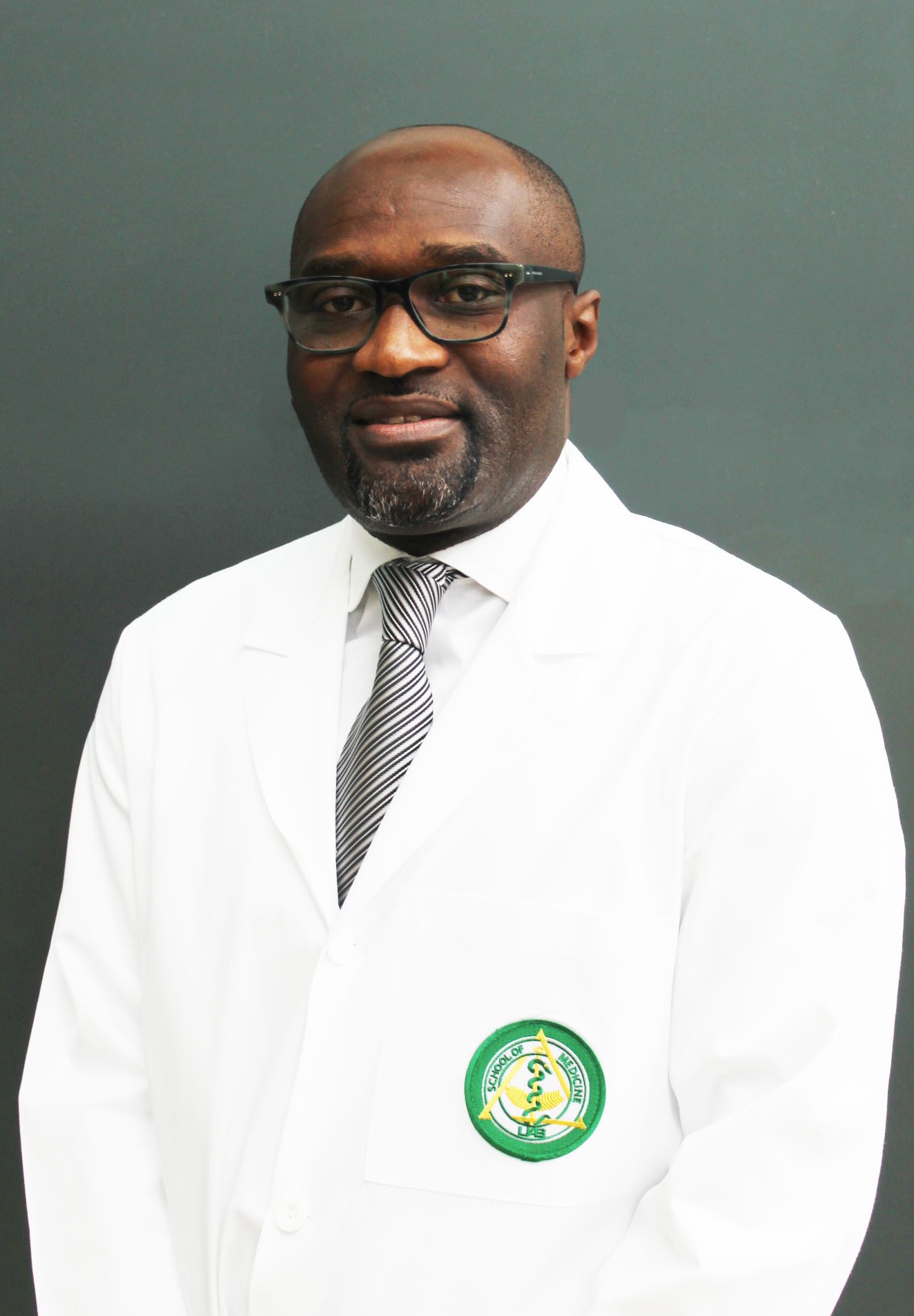
UAB Pathology Resident Denis Nouboussie Fondjie, M.D., Ph.D., PGY3, previous chief resident, Clinical Pathology, learned recently that he scored among the highest in the nation of the Resident In-Service Examination, or RISE. Fondjie scored in the greater than 99th percentile on the Clinical Pathology component of the exam as compared to other PGY3s nationally taking the test.
The RISE is required of all residents as an annual assessment of their medical knowledge and help them (and the program) track their progress throughout their training. This examination is a standardized way to assist trainees when preparing for their careers and future board examinations. Although it is not used to determine academic progression for individual residents, overall performance on this examination is helpful to the program when assessing the medical knowledge competency for each resident as well as the value of our curriculum.
Fondjie will be sitting for his American Board of Pathology Clinical Pathology examination this spring, and starting a fellowship in Transfusion Medicine at University of North Carolina. Of note, Denis also had a submission accepted for this year's Academy of Clinical Laboratory Physicians and Scientists annual meeting that has also been awarded the Paul E. Strandjord Young Investigator Award as one of the top 20 scoring abstracts.
"Denis’s scores on this exam are truly impressive, and come as little surprise to those of us who have worked with him for the past three years at UAB Pathology," says Brandi McCleskey, M.D., Pathology Residency Training Program Director. "His professionalism, expertise, and dedication to clinical pathology are among the reasons he was selected to serve as chief resident. He has been a pleasure to have as a trainee and colleague, and we congratulate him on this achievement."
Written by Christina Crowe
A 2021 article written by a collaborative team of UAB researchers has been awarded the American Journal of Physiology-Heart and Circulatory Physiology's 2022 Impact Award. "Racial and socioeconomic disparity associates with differences in cardiac DNA methylation among men with end-stage heart failure," authored by Mark Pepin, M.D., Ph.D., Humboldt postdoctoral fellow at the Institute for Experimental Cardiology at Heidelberg University; Bertha Hidalgo, Ph.D., M.P.H., Associate Professor, School of Public Health; Adam Wende, Ph.D., Associate Professor, UAB Pathology, and Selwyn Vickers, M.D., Office of the Dean and Senior Vice President for Medicine, UAB Heersink School of Medicine, received the honor.
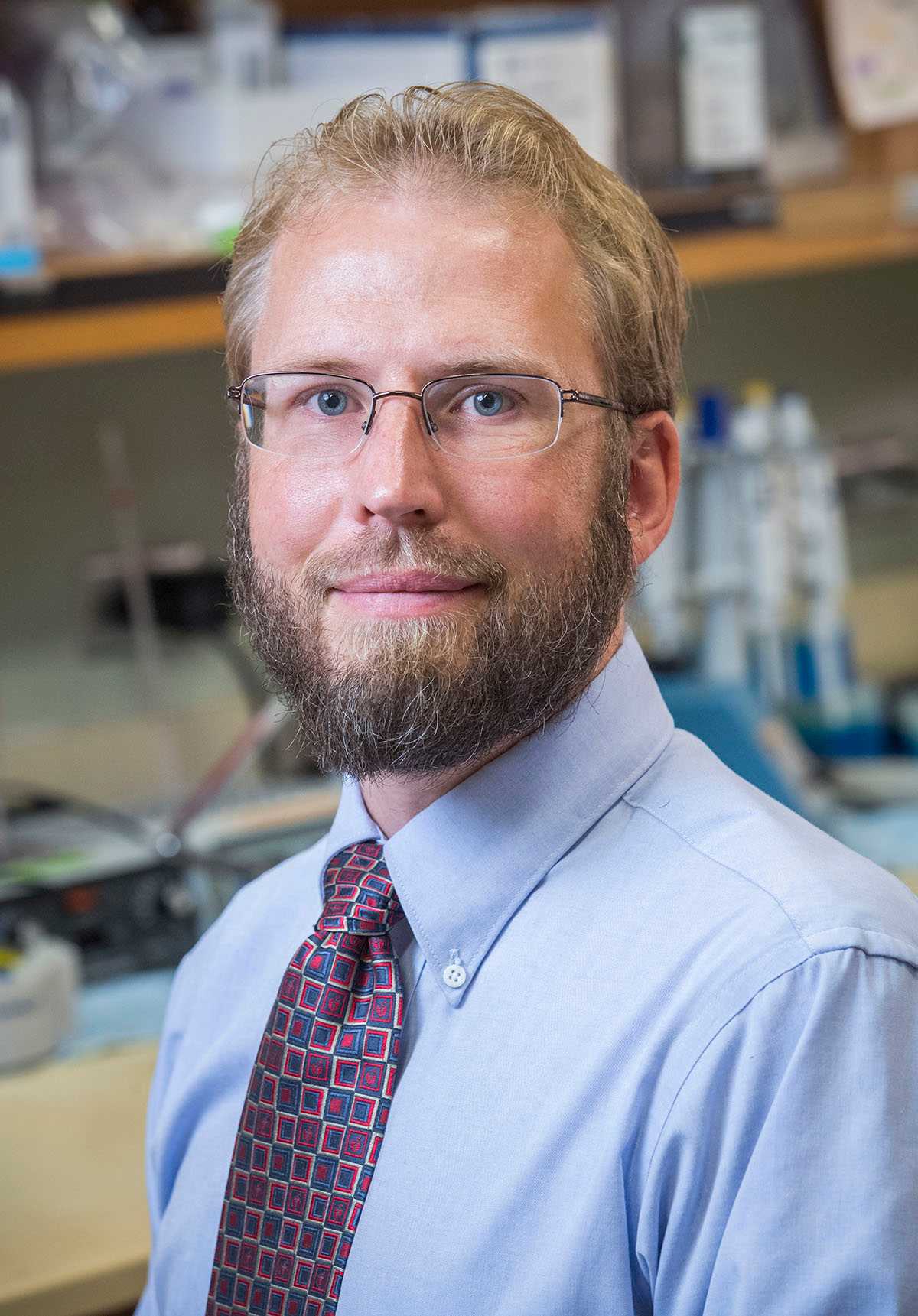
The AJP-Heart and Circ Impact Award is based on the Altmetric Score for the article (241) and the total online article usage (2,800+ abstract/full text/PDF downloads). The article was picked up by eight news outlets, including UAB News, and tweeted over 250 times. In addition, the episode “Racial & Socioeconomic Determinants of the Cardiac Epigenome” of the The AJP-Heart and Circ Podcast about the work has been downloaded over 350 times.
This is the fourth year for this award, which was announced at the American Physiological Society Cardiovascular Section Banquet at Experimental Biology 2022 in Philadelphia, PA.
Dean Vickers interviewed Wende about the study on his podcast, "The Checkup."
Other UAB collaborators on the article include, Chae-Myeong Ha, Luke A. Potter and Sayan Bakshi, Division of Molecular and Cellular Pathology, UAB Department of Pathology; Joseph P. Barchue, Ayman Haj Asaad, Steven M. Pogwizd and Salpy V. Pamboukian, Division of Cardiovascular Disease, UAB Department of Medicine,
The study, of end-stage heart-failure patients, found that cytosine-p-guanine, or CpG, methylation of the DNA in the heart has a bimodal distribution among the patients, and that race — African American versus Caucasian — was the sole variable in patient records that explained the difference. A subsequent look at the census tracts where the patients lived showed that the African American subjects lived in neighborhoods with more racial diversity and poverty, suggesting that the underlying variable may be a socioeconomic difference.
Written by Christina Crowe
A multi-institutional paper on COVID autopsies published in Archives of Pathology and Laboratory Medicine was awarded the United States and Canadian Academy of Pathologists' L.Clark Jr. and Elaine F. Stout Award for best Anatomic Pathology paper in 2022.
UAB Pathology faculty authors include Paul Benson, M.D., Associate Professor; Stephanie Reilly, M.D., Associate Professor (retired), and Silvio Litovsky, M.D., Professor. Benson is director of the Autopsy Section, taking over for Litovsky in the role in 2020.


The paper, titled, "A Postmortem Portrait of the Coronavirus Disease 2019 (COVID-19) Pandemic: A Large Multi-institutional Autopsy Survey Study," was published in the May 2021 issue of Archives.
Page 56 of 120