Traducción al español/Spanish Translation
Welcome to a series of educational modules exploring the process of genetic counseling and how it can support healthcare professionals in the care of patients with cystic fibrosis. These modules were created by genetic counseling student Maddie Buhl with support from the International Cystic Fibrosis Training Network, Katie Church, MS, CGC, Staci Self, LICSW, and Dr. Hector Gutierrez, MD.
You are encouraged to complete the modules in the order presented. You may pause and return to the modules as needed.
If you have questions about the module content, technical difficulties accessing the materials, or concerns regarding participation, please contact Maddie Buhl at
Disclaimer: These modules were developed in the context of CF care in Latin America, specifically Chile, and may not be fully applicable to other healthcare systems, populations, or cultural groups. The modules were created and published in July 2026; therefore, information published after this date is not included. Modules were created by Maddie Buhl.
Module 1: What is Genetic Counseling
Module 2: The Clinical Profile of Cystic Fibrosis
Module 3: Screening Diagnosis and Management
Module 4: Genetic Counseling After Diagnosis
Module 5: Clinical Scenarios and Case Based Learning
Asesoramiento genético para la fibrosis quística
Te recomendamos que realices los módulos en el orden en que se presentan. Puedes hacer una pausa y volver a los módulos cuando lo necesites.
También estamos evaluando si los módulos modifican los conocimientos y la confianza de los profesionales sanitarios chilenos a la hora de mantener conversaciones sobre temas genéticos con pacientes con fibrosis quística y sus familias. Le rogamos que complete las encuestas previas y posteriores si es usted un profesional sanitario que trabaja en Chile.
Si tiene alguna pregunta sobre el contenido de los módulos, dificultades técnicas para acceder a los materiales o dudas sobre la participación, póngase en contacto con Maddie Buhl en
Aviso legal: Estos módulos se han desarrollado en el contexto de la atención de la FQ en América Latina, concretamente en Chile, y es posible que no sean totalmente aplicables a otros sistemas sanitarios, poblaciones o grupos culturales. Los módulos se crearon y publicaron en julio de 2026; por lo tanto, no se incluye información publicada después de esta fecha. Los módulos fueron creados por Maddie Buhl y traducidos al español por Mohana Shulls, traductora certificada y hablante nativa de español.
Antes de comenzar los módulos, le rogamos que rellene esta encuesta previa para evaluar sus conocimientos iniciales y ayudarnos a valorar la eficacia de este programa formativo.
Módulo 1: ¿Qué es el asesoramiento genético?
Módulo 2: El perfil clínico de la fibrosis quística
Módulo 3: Cribado, Diagnóstico y Manejo
Módulo 4: Asesoramiento genético tras el diagnóstico
Módulo 5: Escenarios clínicos y aprendizaje basado en casos
Una vez completados todos los módulos, te rogamos que rellenes esta encuesta final Se abre en un nuevo enlace.para evaluar los conocimientos adquiridos y dar tu opinión sobre tu experiencia de aprendizaje.
Program Outcomes
Board Exam Pass Rates
- First-time test taker pass rate classes of 2024 - 2026: 18/24=75%
- All test takers classes of 2024-2026: 24/33=72.7%
- All attempts: 95/117=81.2%
- All first-time test takers: 84/98=85.7%
Attrition
2024-2026: 0%
Graduation Rate
2024-2026: 100%
Job Placement
Job Placement within 12 months of graduation, all graduates: 97/100=97%
Program Accreditation
The Genetic Counseling program at UAB is fully accredited by the Accreditation Council for Genetic Counseling (ACGC). The UAB Genetic Counseling Program received provisional accreditation in 2009 for the ACGC and admitted its first class in 2010. UAB received full, new program accreditation in 2013 and was re-accredited in 2019 for the maximum period of eight years.
Welcome to a repository of children's books discussing genetic conditions! These books were compiled to aid genetic counselors in supporting families and individuals with genetic conditions. This list was made possible by Ryan Brown-Ezell BS, Ashley Cannon MS, PhD, CGC, and R. Lynn Holt, MS, CGC along with contributions from many genetic counselors.
DISCLAIMERS: This list of children's books is not comprehensive and is representative of scoping reviews in addition to contributions by experts. More information can be found in Repository Methodology. The last update was the initial review with searches finalized on December 17, 2023. These resources have not been screened for accuracy. Inclusion on this list is not an endorsement by the authors of the resource for clinical use. It is recommended that any resource accessed from this list be reviewed for relevancy and accuracy prior to providing the resource in a clinical setting.
View Repository
-
22q deletion syndrome
Title/Author Publishing Info # of Pages Type of Book Relationship with Affected Individual Reading Level Year Added The abilities in me: 22q deletion, by Gemma Keir and Adam Walker-Parker Independently published, 2019 32 Story Main character 5th 2023 22Q at the Zoo by Manda Jenkins Betty and AL Books, 2015 32 Story Individuals with 22q 4th 2023 -
48 XXYY syndrome
Title/Author Publishing Info # of Pages Type of Book Relationship with Affected Individual Reading Level Year Added Kyle and his Extra X and Y by Arlie Colvin CreateSpace Independent Publishing, 2014 32 Story Main character 4th 2023 -
Albinism
Title/Author Publishing Info # of Pages Type of Book Relationship with Affected Individual Reading Level Year Added Uniquely Made: Stories from Children Living with Albinism by Alecia Abrahams Independently published, 2022 60 Story Main character 5th 2023 -
Alpha-1-Antitrypsin Deficiency
Title/Author Publishing Info # of Pages Type of Book Relationship with Affected Individual Reading Level Year Added Inside Hudson Pickle by Yolanda Ridge Kids Can Press, 2017 265 Chapter Main character 5th 2023 -
Angelman syndrome
Title/Author Publishing Info # of Pages Type of Book Relationship with Affected Individual Reading Level Year Added Genetic Gems by Abigail Turnwald MS CGC and Jessica Duis MD, MS Independently published, 2022 47 Story Sibling 6th 2023 Getting to Know You by Abigail Turnwald, Dr. Jessica Duis, Kelly Noris MS CGC Independently published, 2022 46 Story Sibling Unknown 2023 -
Apert syndrome
Title/Author Publishing Info # of Pages Type of Book Relationship with Affected Individual Reading Level Year Added A Day at the Beach by Letesha Wynette Martina Publishing Inc., 2022 24 Story Main character 5th 2023 The Monster Truck Park by Letesha Wynette Martina Publishing Inc., 2022 27 Story Main character 4th 2023 Apert Like Me by Letesha Wynette Martina Publishing Inc., 2023 40 Story Main character 4th 2023 -
Beckwith-Wiedemann syndrome
Title/Author Publishing Info # of Pages Type of Book Relationship with Affected Individual Reading Level Year Added A Different Story by Maya Grant and Anne D. Thompson CreateSpace Independent Publishing, 2017 28 Story Main character 5th 2023 -
CHARGE syndrome
Title/Author Publishing Info # of Pages Type of Book Relationship with Affected Individual Reading Level Year Added Hiya Moriah by Victoria Nelson Moriah and Friends, 2019 44 Story Main character 4th 2023 -
Chromosome differences
Title/Author Publishing Info # of Pages Type of Book Relationship with Affected Individual Reading Level Year Added Chromosome Kids Like Me by Annette Fournier Independently published, 2018 24 Story Not found Not found 2023 -
Collagen 6 deficiency (UCMD)
Title/Author Publishing Info # of Pages Type of Book Relationship with Affected Individual Reading Level Year Added Violet's Village: The Journey of a One-In-A-Million Girl by Kimberly Holmes Chalfant Eckhert, 2021 34 Story Main character 6th 2023 -
Congenital Disorders of Glycosylation
Title/Author Publishing Info # of Pages Type of Book Relationship with Affected Individual Reading Level Year Added A.Z.'s Adventures to the Sugar Tree Forest by Nara Garibyan Amour Science Foundation, 2022 32 Story Not found Not found 2023 -
Cystic Fibrosis
Title/Author Publishing Info # of Pages Type of Book Relationship with Affected Individual Reading Level Year Added No One Dies in the Garden of Syn by Michael Seidelman Chewed Pencil Press, 2016 276 Novel Main character 7th/8th 2023 The CF Warrior Project: 65 Stories of Triumph against Cystic Fibrosis by Andy C. Lipman BookLogix, 2019 214 Short stories Main character 6th 2023 The CF Warrior Project Volume 2 by Andy C. Lipman BookLogix, 2023 490 Short stories Main character, parent, other Highschool 2023 My CF Book by Michelle Bowers Independently published, 2023 25 Story Not found Not found 2023 Terry’s Journey to CF Land: Navigating the Adventures of Cystic Fibrosis by Terry Gene Wright Clovercroft publishing, 2021 32 Story Main character Not found 2023 Having Cystic Fibrosis is a Lot Like Being a Super Hero by Dr. Kelsey M. Finn Independently published, 2020 26 Story Main character 6th 2023 My DNA Diary: Cystic Fibrosis by Lisa Mullan Capman and Neil Dinky Press, 2018 56 Story Individuals with Cystic fibrosis 4th 2023 My DNA Diary: Sickle Cell Anemia by Lisa Mullan Capman and Neil Dinky Press, 2019 58 Story Individuals with Sickle Cell Disease 4th 2023 Salt in My Soul: An Unfinished Life by Mallor Smith Random House, 2019 320 Novel Main character 7th 2023 -
Down syndrome
Title/Author Publishing Info # of Pages Type of Book Relationship with Affected Individual Reading Level Year Added I Am Connor by Connor Rodriguez, Fred Rodriguez, and Marian Tinnelly Independently published, 2020 32 Story Main character 4th 2023 Prince Noah and the School Pirates by Solke Schnee Plough Publishing House, 2016 32 Story Main character 5th 2023 My Sister Has Down Syndrome by Stephanie Bentley Independently published, 2021 40 Story Sibling 5th 2023 47 Strings: Tessa’s Special Code by Becky Carey Little Creek Press, 2015 40 Story Daughter, for sibling 5th 2023 Nonverbal by Peggy Moffitt Earnest Independently published, 2019 239 Novel Sibling, child of narrator 6th 2023 The Abilities in Me: Down Syndrome by Gemma Keir Independently published, 2020 34 Story Main character 5th 2023 In My World: Down Syndrome by Gabriella Llano AuthorHouse, 108 108 Story Main character 4th 2023 Katie Can: A Story About Special Needs by Erin Palmer Ready readers, 2018 24 Story Main character 4th 2023 What’s Inside You is Inside Me, Too: My Chromosomes Make Me Unique by Deslie Wibb Quinby Deslie Quinby, 2014 28 Story Main character Not found 2023 Eli, Included by Michelle Sullivan Independently published, 2019 36 Story Main character 5th 2023 Why Are You Looking At Me?: I Just Have Down Syndrome by Lisa Tompkins AuthorHouse, 2013 32 Story Main character Not found 2023 Hannah’s Down Syndrome Superpowers by Lori Leigh Yarborough One Three Nine Inspired Press, 2019 40 Story Main character 4th 2023 Up and Adam by Debbie Zapata Kids Can Press. 2022 32 Story Main character 4th 2023 -
Duchenne Muscular Dystrophy (DMD)
Title/Author Publishing Info # of Pages Type of Book Relationship with Affected Individual Reading Level Year Added Big H and Little h Dog by Victoria Smith Bongtree Books, 2021 36 Story Main character 5th 2023 The Abilities in Me: Duchenne Muscular Dystrophy by Gemma Keir Independently published, 2021 37 Story Main character 5th 2023 The Muscle Ouchies by Ryan A. Nieves Independently published, 2020 61 Story Main character Not found 2023 Dan and DMD by Joseph Yasmeh CreateSpace Independent Publishing Platform, 2016 34 Story Main character 4th 2023 -
Fabry disease
Title/Author Publishing Info # of Pages Type of Book Relationship with Affected Individual Reading Level Year Added Can I Play If I Have Fabry? by Dawn A. Laney CreateSpace Independent Publishing, 2019 44 Story Child of narrator 4th 2023 The Mystery of the Smashed Statue: A Fabry Teen Camp Adventure by Dawn A Laney Createspace Independent Publishing, 2015 70 Story Main character 5th 2023 -
FOXG1 syndrome
Title/Author Publishing Info # of Pages Type of Book Relationship with Affected Individual Reading Level Year Added Joyfully Josie by Nicole Johnson Foxg 1 Research Foundation, 2023 44 Story Main character 6th 2023 -
Fragile X syndrome
Title/Author Publishing Info # of Pages Type of Book Relationship with Affected Individual Reading Level Year Added Fragile X Fred by Julia Bassell, Jayne Dixon Weber, and Jeannie Visootsak MD CreateSpace Independent Publishing, 2015 34 Story Not found Not found 2023 -
Hereditary Pheochromocytoma and Paraganglioma syndrome (HPPS)
Title/Author Publishing Info # of Pages Type of Book Relationship with Affected Individual Reading Level Year Added Emily Goes to the Doctor; Helping young kids understand Hereditary Pheochromocytoma and Paraganglioma Syndrome by Georgina Schlub, Sian Greening, Ashley Crook,; Jane Fleming, Kristine Barlow-Stewart, and Kathy Tucker Georgina Schlub, 2021 36 Story Main character 3rd 2023 -
Huntington's disease
Title/Author Publishing Info # of Pages Type of Book Relationship with Affected Individual Reading Level Year Added Grandma Has Huntington's Disease and It's Okay by Kelsea Finn Independently published, 2020 26 Story Grandmother 4th 2023 -
Kabuki syndrome
Title/Author Publishing Info # of Pages Type of Book Relationship with Affected Individual Reading Level Year Added I am Lucy by Chuck Neighbors Independently published, 2020 25 Story Main character 4th or lower 2023 -
Klinefelter syndrome (47, XXY)
Title/Author Publishing Info # of Pages Type of Book Relationship with Affected Individual Reading Level Year Added X-tra Special Me: a book about little boys with Klinefelter Syndrome (47XXY) by Pam Winters Independently published, 2023 33 Story Main character 4th or lower 2023 Gregory and his Extra X by Arlie Colvin CreateSpace Independent Publishing, 2014 32 Story Main character 4th 2023 -
Jacob's syndrome (47, XYY)
Title/Author Publishing Info # of Pages Type of Book Relationship with Affected Individual Reading Level Year Added Jack and his Extra Y by Arlie Colvin CreateSpace Independent Publishing, 2014 32 Story Main character 4th 2023 -
Li-Fraumeni syndrome
Title/Author Publishing Info # of Pages Type of Book Relationship with Affected Individual Reading Level Year Added The Hope of Elephants by Amanda Rawson Hill Charlesbridge, 2022 480 Novel Main character Unknown 2023 LFS and Living My Best! (pdf) by Emily A. Quinn, MS, CGC, Rose B. McGee, MS, CGC, Eliza Courtney,; Mencius, FHGSA (Gen Couns), Kami Wolfe Schneider, MS, CGC LFS Association's Genetic Counseling Advisory Group, 2021 24 Booklet Individuals with LFS 5th 2023 Emily Goes to the Doctor: Helping young kids understand Li-Fraumeni Syndrome by Georgina Schlub, Sian Greening, Ashley Crook,; Jane Fleming, Kristine Barlow-Stewart, and Kathy Tucker Georgina Schlub, 2021 36 Story Main character 3rd 2023 Robot Music: A Story for Kids with Li-Fraumeni Syndrome and Other Cancer Predispositions by Amy Peasgood Tellwell Talent, 2019 50 Story Main character 5th 2023 -
Lynch syndrome
Title/Author Publishing Info # of Pages Type of Book Relationship with Affected Individual Reading Level Year Added Mommy Has Lynch Syndrome and here's What That Means: A Guide for Kids by Dr. Kelsey M. Finn Independently published, 2020 24 Story Mother Unknown 2023 -
Lysosomal Storage disease
Title/Author Publishing Info # of Pages Type of Book Relationship with Affected Individual Reading Level Year Added Transitions: Managing Your Own Healthcare: What Every Teen with a LSD Needs to Know by Dawn A Laney MS CGC, Carol Ogg BS, Nadia Ali PhD Createspace Independent Publishing, 2013 48 Workbook Individuals with LSD 6th 2023 -
Marfan syndrome
Title/Author Publishing Info # of Pages Type of Book Relationship with Affected Individual Reading Level Year Added Brooke's Marvelous Journey: Embracing Differences with Mighty Brooke and Friends by Melody Lorenzo Independently published, 2023 27 Story Main character Not found 2023 -
Morquio A
Title/Author Publishing Info # of Pages Type of Book Relationship with Affected Individual Reading Level Year Added The Morquio A Quest by BioMarin BioMarin, 2021 16 Story Main character Not found 2023 -
Mucopolysaccharidosis
Title/Author Publishing Info # of Pages Type of Book Relationship with Affected Individual Reading Level Year Added Kendra's Lemonade by Kendra Gottsleben Ken Imagine, 2014 32 Story Main character, son Unknown 2023 -
Multiple contitions
Conditions included: Osteogenesis imperfecta, Fragile X syndrome, Sanfillipo, Down Syndrome, Mowat-Wilson syndrome, Moebius syndrome, Albinism, Achondroplasia, Muscular Dystrophy, Goldenhar syndrome, CHARGE, and KAT6A
Title/Author Publishing Info # of Pages Type of Book Relationship with Affected Individual Reading Level Year Added The ABCs of Inclusion: A Disability Inclusion Book for Kids by Beth Leipholtz Independently published, 2023 40 Picture Book Main character 5th 2023 -
Muscular Dystrophy
Title/Author Publishing Info # of Pages Type of Book Relationship with Affected Individual Reading Level Year Added Having Muscular Dystrophy is a Lot Like Being a Rockstar by Dr. Kelsey M. Finn and Francesca Mendenhall Independently published, 2020 25 Story Main character Unknown 2023 -
Neurofibromatosis type 1
Title/Author Publishing Info # of Pages Type of Book Relationship with Affected Individual Reading Level Year Added Living with Neurofibromatosis by Kirsty Ashton M.B.E. New Generation Publishing, 2014 322 Story Main character Not found 2023 My Life Beyond Neurofibromatosis: A Mayo Clinic Patient Story by Hey Gee and G.W. Page Mayo Clinic Press Kids, 2022 36 Comic Main character 7th/8th 2023 Just for Teens: Living with NF1 (pdf) by Ashley Dietrich BS, Heather Radtke MS CGC CTF and Children's Hospital of Wisconsin, 2015 16 Guidebook Individuals with NF1 6th 2023 Moxie and Sparx explain NF1 (pdf) by Children’s Tumor Foundation Children’s Tumor Foundation. 2019 6 Comic Main character 4th 2023 A Guide for Those Living with NF1: Diagnosed with Neurofibromatosis Type 1 (NF1) (pdf)by Children’s Tumor Foundation Children’s Tumor Foundation, 2021 32 Guidebook Individuals with NF1 7th 2023 Talking About Neurofibromatosis: A Guide For Teens (pdf) by St. Lois Children’s Hospital St. Lois Children’s Hospital, 2013 12 Guidebook Individuals with NF1 7th/8th 2023 Mary’s Brown Spots (pdf) by Roberto Montenegro MD, PhD and David H. Viskochil MD, PhD Neurofibromatosis Reference center and The University of Utah, 2013 22 Story Main character 5th 2023 The Girl with The “Café au Lait” Spots by Sonia N. Melandez and Jamaly Jimenez Independently publsihed, 2023 28 Story Main character Unknown 2023 -
Neurofibromatosis type 2
Title/Author Publishing Info # of Pages Type of Book Relationship with Affected Individual Reading Level Year Added Understanding NF2 (pdf) by Vanessa Shealy Children's Tumor Foundation, 2020 10 Comic Main character 7th/8th 2023 -
Noonan syndrome
Title/Author Publishing Info # of Pages Type of Book Relationship with Affected Individual Reading Level Year Added Anna's Big Week: A Story About Living with Noonan Syndrome by Rene Pierpont PhD CreateSpace Independent Publishing, 2018 40 Story Main character 4th 2023 -
Pompe disease
Title/Author Publishing Info # of Pages Type of Book Relationship with Affected Individual Reading Level Year Added Super Pompe Powers by Dawn A. Laney, Jennifer J. Propost, Eleanor G. Botha CreateSpace Independent Publishing, 2013 50 Story Main character 5th 2023 -
RUNX1-FPD
Title/Author Publishing Info # of Pages Type of Book Relationship with Affected Individual Reading Level Year Added RUNX-101: An Adolescent's Guide to Understanding and Communicating about RUNX1-Familial Platelet Disorder (FPD) (pdf) by National Institute of Health National Institute of Health, 2022 50 Guide Reader 7th/8th 2023 -
Severe Combined Immune Deficiency
Title/Author Publishing Info # of Pages Type of Book Relationship with Affected Individual Reading Level Year Added House of Robots by James Patterson, Chris Grabenstein Jimmy Patterson, 2015 326 Chapter Main character 6th 2023 -
Sickle cell disease
Title/Author Publishing Info # of Pages Type of Book Relationship with Affected Individual Reading Level Year Added Super Cells by Princess Walls Princess publishing, 2019 26 Story Main character Not found 2023 My Friend Jen: The Check Up by Jenica Leah JLG Publishing, 2020 24 Story Friend 4th 2023 A Sickle Cell Coloring Book For Kids by Elle Cole Cleverly Changing Press, 2020 60 Coloring Reader 5th 2023 ABC’s of Sickle Cell Disease by Elle Cole Cleverly Changing Press, 2021 56 Story Individuals with Sickle Disease Not found 2023 The Ultimate Sickle Cell Activity Book by Elle Cole Cleverly Changing Press, 2021 110 Story Individuals with Sickle Cell Disease 5th 2023 My Friend Jen: A Little Different by Jenica Leah JLG Publishing, 2016 24 Story Friend of main character 3rd/4th 2023 Cai's ABC's of Sickle Cell by Stoudemire and Richon Badger Cai Strong, 2023 60 Story Main character 5th/6th 2023 My Life Beyond Sickle Cell Disease: A Mayo Clinic Patient by Hey Gee and Golden Ella Mayo Clinic Press Kids, 2023 40 Story Main character Not known 2023 Why Me? by Jalen Jackson-Brown and Rick McCormick Quill and Company, 2023 40 Story Main character 5th 2023 -
Treacher Collins
Title/Author Publishing Info # of Pages Type of Book Relationship with Affected Individual Reading Level Year Added Normal: One Kid's Extraordinary Journey by Magdalena Newman, Nathan Newman Clarion Books, 2021 336 Story Main character 6th 2023 -
Trisomy X
Title/Author Publishing Info # of Pages Type of Book Relationship with Affected Individual Reading Level Year Added Elizabeth and her Extra X by Arlie Colvin CreateSpace Independent Publishing, 2014 36 Story Main character 4th 2023 -
Tuberous Sclerosis Complex
Title/Author Publishing Info # of Pages Type of Book Relationship with Affected Individual Reading Level Year Added Princess Katie the Brave: A Story About Living with TSC by Jennifer Flinn CreateSpace Independent Publishing, 2014 32 Story Main character 5th 2023 -
Turner syndrome (45, X)
Title/Author Publishing Info # of Pages Type of Book Relationship with Affected Individual Reading Level Year Added Today I became a Turner Syndrome Butterfly!: The Basics of Having Turner Syndrome-Kid Version, by Amy Jo Tihlarik Independently published, 2019 35 Story Main character 7th/8th 2023 Tina Talks Turner's: a Girl's Guide to Living with Turner Syndrome by Turner Syndrome Foundation Lulu Press, Inc., 2019 36 Story Not found Not found 2023 -
Usher syndrome
Title/Author Publishing Info # of Pages Type of Book Relationship with Affected Individual Reading Level Year Added Shine Brighter by Julianne Schmid 2 Little Princes, 2019 24 Story Main character Not found 2023 -
Williams syndrome
Title/Author Publishing Info # of Pages Type of Book Relationship with Affected Individual Reading Level Year Added Life with Williams Syndrome by Amy Miller Independently published, 2022 31 Story Main character 3rd/4th 2023 The Boy Who Loved Too Much: A True Story of Pathological Friendliness by Jennifer Latson Simon and Schuster, 2017 304 Novel Main character, son 7th 2023 Elise with the Great Smile: A First Look at Williams Syndrome by Kristen Cagadas Kristen Cagadas, 2022 32 Story Main character 4th 2023 -
Wolf-Hirschhorn syndrome
Title/Author Publishing Info # of Pages Type of Book Relationship with Affected Individual Reading Level Year Added Dancing with Daddy by Anitra Rowe Schulte Two Lions, 2021 40 Story Main character 5th 2023 -
X-linked lymphoproliferative disease
Title/Author Publishing Info # of Pages Type of Book Relationship with Affected Individual Reading Level Year Added One in a Billion: The Story of Nic Volker and the Dawn of Genomic Medicine by Mark Johnson, Kathleen Gallagher Simon and Schuster, 2016 256 Novel Main character 7th/8th 2023
*Reading grade level was estimated by using the Flesch Kincaid grade level calculator in Microsoft Word. Reading levels may not be accurate due to genetic terminology.
Repository Methodology
If a book was included in the original review process, “2023” was placed in the “when book was added column.” The original review process is outlines below. All other books were submitted by experts and added to the repository after the review was complete. Experts are defined as medical professionals who work in genetics such as genetic counselors and geneticists.
-
Book Identification
A book to explain and disclose genetic conditions to a child was defined as a book written to disclose a genetic condition to a child, educate the child about their condition, or inform them about a condition in general. Relevant books were found by searching Google, Amazon, the electronic database PubMed, and receiving books from genetic counselors.
Gray literature searches were primarily utilized due to a preliminary search that identified more books could be found through gray literature than identified by searching electronic databases of scientific and medical literature. Gray literature is defined as “information produced by government agencies, academic institutions, and also the for-profit sector that is not typically made available by commercial publishers.” ("What Is Gray Literature? How Do I Search for It?")
-
Search Strategy
Grey literature searches included the Google search engine and Amazon online retailer. Searches occurred between November 12 2023 and December 17, 2023. Identical search terms were used for all grey literature searches. It was identified that after the first 25 sites found on Google searches and 75 books from Amazon searches, saturation was reached.
A database of peer-reviewed published literature, PubMed, was also searched. Medical Subject Headings (MeSH) terms were used in the search string. Additional databases were not utilized due to inaccessibility of books using this method. Article timeframe was limited to January 1, 2013-December 12 2023 and all articles were recorded. If books were embedded in the article or could be easily accessed in supplemental material they were recorded, if not they were excluded. If a site or book provided a link to, mentioned, or cited a book reference, snowball searching was used to find the resource. Snowball searching is defined as “a way of tracking down related works by using the bibliography or reference list at the end of an article as a starting point.” (Searching: what is the snowball search method?, (2023).)
Correspondences with practicing genetic counselors revealed most children’s book knowledge came from colleagues. Therefore, the primary author (RBE) notified individuals about the research during her genetic counseling graduate school internship rotations and curricula. Genetic counselors volunteered their book knowledge of their own volition. Additionally, an email was sent to the UAB genetic counseling program Alumni requesting information about children’s books related to genetic conditions they have utilized in practice.
-
Screening Process
Books identified by the searches and provided by genetics experts for the project were exported to Covidence [Veritas health Innovation, Melbourne, Australia], an online software utilized for managing systematic and scoping reviews. Any duplicates detected by the software were automatically removed. Books were independently screened by two investigators and discrepancies were resolved by a third investigator. Books met inclusion criteria if they
- Explained or disclosed a genetic condition,
- targeted children ages 0-17,
- were written in English,
- were published between January 2013-December 12 2023, and
- met the set definition of “book” (a resource that has a back and front cover with material between).
-
Data Extraction
Data extraction of the books that passed through screening phases (97 books). The protocol was adapted from the Joanna Briggs Institute’s template for data extractions (Aromataris & Munn, 2020). Data extraction included genetic condition discussed, title of the book, author names, publisher, year published, number of pages, type of book, the relationship of the narrator with the individual affected, book access, reading level, and link to the book. If possible, the reading level was assessed by placing a minimum of 100 words from the book into Microsoft Word and utilizing the automatic Flesh-Kincaid grade-level test. If not possible, the book was still included but without an estimated reading level. Extracted data was collected in Microsoft Excel [Microsoft Corporation, Redmond, WA, USA].
-
Limitations
The data review that was used to compile this list only identified books that were published between the dates January 2013 and December 12, 2023. The list only includes books that have been published in English. Therefore, this list is not all inclusive of all children’s books related to genetic conditions.
-
References
- Aromataris, E., & Munn, Z. (2020). JBI Manual for Evidence Synthesis. In. JBI.
- “Searching: What Is the Snowball Search Method?” [RE]SEARCH Tips, Ghent University, 1 September 2023.
- “What Is Gray Literature? How Do I Search for It?” Welch Medical Library.
UAB Genetic Counseling Program Open House 2026
Join us for a virtual Q&A about the UAB GC Program on Wednesday, October 14 from 12:30-1:00 pm CST. After the Q&A, prospective students can participate in a CV Workshop where they can meet one-on-one with a faculty member to share a working copy of their CV for feedback.
Register for Open House Q&A and/or the CV Workshop Link opens in new window
Interested in genetic counseling?
Let us know how we can help. Complete the prospective student interest form below.
Shadowing
Shadowing a genetic counselor is a great way to learn more about the genetic counseling field. Learn more about shadowing opportunities at UAB and surrounding areas.
-
UAB Genetic Counseling Shadowing
Shadowing opportunities at UAB can be limited. Shadowers will be allowed to observe in two different clinics that are typically one-half day in length. Available clinics include: cancer genetics, prenatal genetics, pediatric genetics, and some specialty clinics.
UAB Genetic Counseling Clinics shadowing opportunities are limited to May-August and select weeks in November and December. Currently, no shadowing opportunities are available until summer 2027. Shadowers must have completed their sophomore year of undergrad by the time they are scheduled to shadow.
Shadowing Requirements
TB Skin Test Flu Shot Other Vaccinations Documentation of a negative TB skin test from within the past 6 months. Documentation will be requested one month prior to scheduling shadowing dates. Documentation of a flu shot received in the past year. Documentation will be requested one month prior to scheduling shadowing dates. Documentation of immunization or have titers drawn for: varicella, measles, and hepatitis B. HIPAA Training Student Interest Form Previous Shadowing Experience Complete UAB HIPAA training and provide certificate of completion. If you have a UAB email address and password, sign in here. Email This email address is being protected from spambots. You need JavaScript enabled to view it. if you are not affiliated with UAB for instructions.Complete the student interest form. Provide a brief summary of any previous genetic counseling shadowing experience to date. You can include this information when you submit requirements using the link below. A separate document is not required. - Year in School - Must be a rising junior or senior at an undergraduate institution or graduated from an undergraduate institution
- TB Skin Test - Documentation of a negative TB skin test from within the past 6 months
- Flu Shot - Documentation of a flu shot received in the past year
- COVID-19 Vaccination - Documentation of COVID-19 vaccination card. At least two doses are required.
- Other Vaccinations - Documentation of immunization or have titers drawn for: varicella, measles, and hepatitis B.
- HIPAA Training - Complete UAB HIPAA training and provide certificate of completion. If you have a UAB email address and password, follow this link. Email
This email address is being protected from spambots. You need JavaScript enabled to view it. if you are not affiliated with UAB for instructions. - Student Interest Form - Complete the student interest form.
- Resume or CV - Submit a resume or CV that includes educational background and any volunteer or work experiences.
- Previous Shadowing Experience - Provide a brief summary of any previous genetic counseling shadowing experience to date. You can include this information when you submit requirements using the link below. A separate document is not required.
Use the link below to submit shadowing requirements. All requirements except for TB skin test and flu shot documentation should be met when completing this form. Once the form is received, you will be added to a waiting list and contacted once shadowing opportunities are available.
-
Regional Genetic Counseling Shadowing
- HudsonAlpha Institute for Biotechnology, Huntsville, AL - Email Meagan Cochran at
This email address is being protected from spambots. You need JavaScript enabled to view it. if you are interested in shadowing. HudsonAlpha also offers a variety of summer internships, including an internship in genetic counseling. - Clearview Cancer Institute, Huntsville, AL - Email
This email address is being protected from spambots. You need JavaScript enabled to view it. to make a shadow request. Provide name, year in school, and potential dates of interest. CCI has shadowing paperwork that needs to be filled out before the shadow date, but that will be sent to the shadower once a date is confirmed. - Spencer Cancer Center, Opelika, AL - Reach out to Cindy Darby to learn more about shadowing opportunities. Her email is
This email address is being protected from spambots. You need JavaScript enabled to view it. and her phone number is 334-528-1261. - Mitchell Cancer Institute, Mobile, AL - Email Cassie Gurganus at
This email address is being protected from spambots. You need JavaScript enabled to view it. to learn more about shadowing opportunities. - University of Mississippi Medical Center, Jackson, MS - Email or call Glenda Hicks to learn more about shadowing at the University of Mississippi Medical Center. Glenda’s email is
This email address is being protected from spambots. You need JavaScript enabled to view it. , and her phone number is 601-984-1900.
- HudsonAlpha Institute for Biotechnology, Huntsville, AL - Email Meagan Cochran at
-
InformedDNA Shadowing
InformedDNA provides clinical telehealth genetic counseling services in all 50 states. Our genetic counselors provide care in a wide variety of specialties. If you are a prospective genetic counseling student interested in virtual shadowing opportunities, please reach out to InformedDNA at
This email address is being protected from spambots. You need JavaScript enabled to view it. . -
Alternatives to Shadowing
Check out our suggestions for ways to supplement and/or enhance knowledge of genetic counseling.
Interview a Genetic Counselor
Aim to interview genetic counselors in different areas of the field (cancer, pediatric, prenatal, industry, other). You can find a genetic counselor by going to www.nsgc.org and clicking on ‘Find a Genetic Counselor.’
Read the Literature
We suggest the Journal of Genetic Counseling and Genetics in Medicine as two clinically focused primary genetics literature sources.
Podcasts/Online Video Content
Search ‘genetic counseling’ in your favorite podcast streaming service or online video content provider.
Attend an Information Session
Reach out to genetic counseling programs you are interested in and ask when they will be having an information session.
Search Professional Organization Websites
- National Society of Genetic Counselors
- Accreditation Council of Genetic Counselors
- American Board of Genetic Counseling
- Minority Genetics Professional Network Resources
UAB Online Shadowing Series
Replace the link that is currently in this box with: ‘The Virtual Shadowing Case Series is currently only available to research study participants. We invite you to participate in the research study.
Virtual Shadowing Case Series
The virtual case series includes 8 simulated cases of varying complexity. Cases cover the main genetic counseling clinical specialties of pediatrics, prenatal, cancer, and adult genetics.
Assistant Professor Assistant Professor Academic Advisor III, Biomedical Sciences Data Analyst, Health Physics Program Credentialed Course Instructor Professor Instructor Assistant Professor Program Manager II Instructor Professor, School of Medicine Professor, School of Medicine Director of Research, Associate Professor, Department of Clinical and Diagnostic Sciences Adjunct Professor Vice President of Scientific Platforms, Southern Research
Director of Licensing & New Ventures, Bill L. Harbert Institute for Innovation and Entrepreneurship, University of Alabama at Birmingham
Associate Professor Biotechnology Regulatory Affairs Specialist Biotechnology Regulatory Affairs Specialist Assistant Professor Program Manager II Assistant Professor Program Director, Biotechnology Associate Professor, Biotechnology Program Manager II Program Manager II Assistant Professor Interim Chair, Department of Clinical and Diagnostic Sciences, Program Director, Medical Laboratory Sciences Program Director, Physician Assistant Studies Program Co-Director, Biomedical and Health Sciences Program Co-Director, Biomedical and Health Sciences Instructor Assistant Professor Program Director, Health Physics Assistant Professor Assistant Program Director, Assistant Professor Program Director, Genetic Counseling Instructor, Biomedical and Health Sciences Program Coordinator II Assistant Professor, Adjunct Faculty Emerita Assistant Program Director, Genetic Counseling Assistant Professor Assistant Professor Assistant Professor, Clinical Coordinator Assistant Professor Assistant Professor Associate Medical Director, Assistant Professor Co-Director of Clinical Education, Assistant Professor Assistant Professor, Research Project Coordinator Assistant Professor Medical Director, Physician Assistant Studies Medical Director, Nuclear Medicine and Molecular Imaging Sciences Associate Professor, Biomedical Sciences Assistant Professor Assistant Professor Associate Professor, Medical Director Genetic Counseling Instructor Clinical Coordinator Director of Didactic Education, Assistant Professor Credentialed Course Instructor
Assistant Professor Associate Professor Assistant Professor Professor Assistant Professor Credentialed Course Instructor, Assistant Professore Emeritus Administrative Supervisor Associate Professor Professor, Program Director, Biomedical Sciences Program Manager II Program Manager II Communications Specialist Academic Advisor III, Biomedical Sciences Program Manager II, Biomedical Sciences Program Academic Advisor III, Biomedical Sciences Program Director
Joshua Hayes, PhD, NRRPT
SHPB 421B
719-661-0858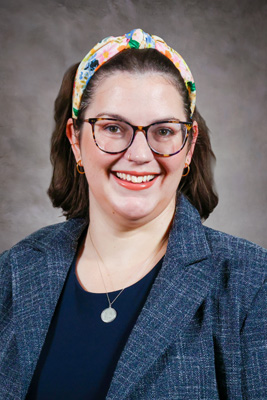
M. Gracie McGuire, MSPAS, MPH, PA-C
SHPB 466
205-996-2157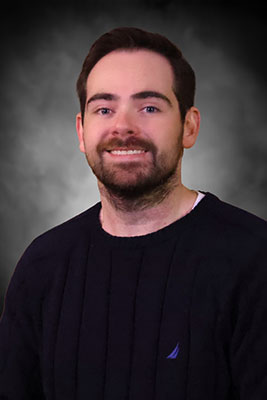
Brett Hurst
SHPB 424A
205-996-6789
Joshua Collins, MS
SHPB 421A 
Zachariah C. Tribbett, CHP, CLSO, MA

Pamela Hanson, PhD
SHPB 450
205-975-4966
Katelynn Perry, MS, MLS (ASCP)
SHPB 140
205-975-5178
Jeff Caudill, MS, MBA, CHP, RRPT
SHPB 447
205-934-1274
Jazmyn Wright, MPA
SHPB 481
205-934-2429
Bobby Jones, PhD
SHPB 425
205-934-4863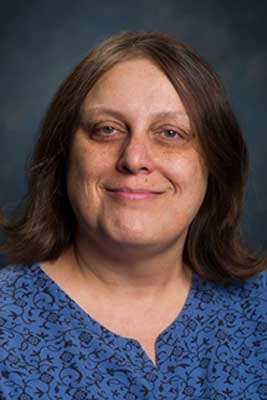
Catherine Fuller, PhD
Laurie Harrington, PhD

Keith McGregor, PhD

Asim K. Bej, PhD
CBSE 207
Corinne Augelli-Szafran, PhD

Karthikeyan Gopalakrishnan, PhD
205-975-9443

Cameron Sheeler, PhD
CBSE 214
205-975-1219
Dina Avery, DHSc
Assistant Professor
CBSE 200
205-975-4237
Kimberly McCall, PhD
Assistant Professor
CBSE 210
205-934-3378
Stephanie Moore, PhD
CBSE 205
205-934-8082
Sharney Logan
Biotechnology Programs
CBSE 209
205-934-3632
Joseph Garner, PhD
CBSE 207
205-934-7222
M. Tino Unlap, PhD
Professor
SHPB 443
205-934-7382
Kathy Nugent, PhD
SHPB 431
205-975-3111
Klaressa F. Washington
SHPB 438
205-996-9921
Christopher Smith, EdD
MS Biotechnology Program
SHPB 436
205-996-4942
David Wood, MSPAS, PA-C
SHP 484
205-934-4432
Floyd Josephat, EdD, MLS (ASCP), AHI(AMT)
Professor
SHPB 478
205-934-1348
M. Tosi Gilford, MD, PA-C
Assistant Professor
SHPB 483
205-934-6941
Michael J. Herr PhD
Associate Professor
Department of Cell, Developmental and Integrative Biology
School of Medicine
VH 617
205-975-0021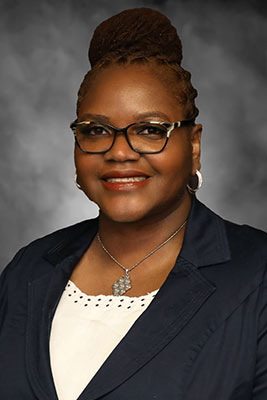
Mamie Coats, PhD
Associate Professor
SHPB 455
205-996-0270
Shanequa Roscoe
SHPB 142
205-975-5178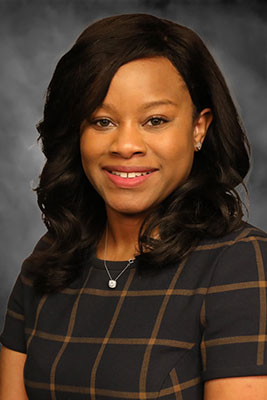
Tera Webb, MS, MLS(ASCP)CM, PhD
SHPB 477
205-934-5985
Emily A. Caffrey, PhD, CHP
SHPB 445
541-250-1975
Charles A. Wilson IV, PhD, CHP, CSP, CLSO
SHPB 447
225-329-8278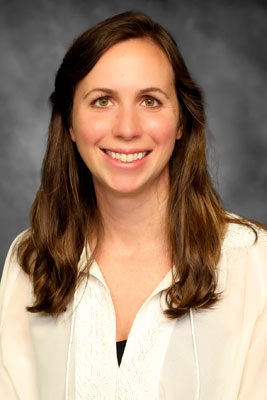
Jessica Denton, MS, CGC, PhD
Assistant Professor
SHPB 448
205-934-6940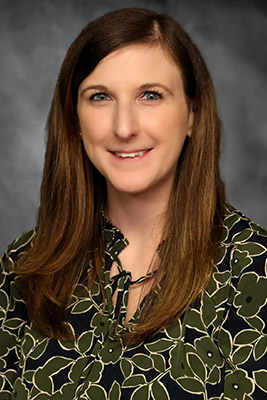
Kristen Bowen, M.Ed.
SHPB 453
205-975-7639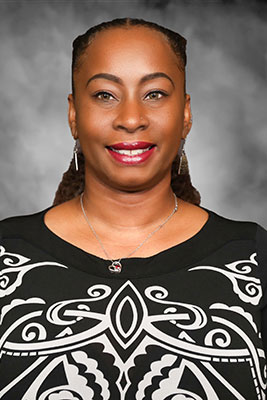
Tina Gunn
Physician Assistant Studies
SHPB 489
205-934-2004
R. Lynn Holt, MS, CGC
SHPB 441
205-975-2922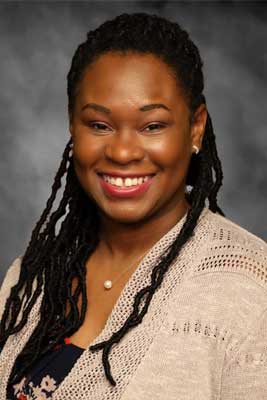
Alicia Gomes, MS, CGC
Director, Industry Genetics and Genomics Certificate
Assistant Professor
SHPB 444
205-934-7299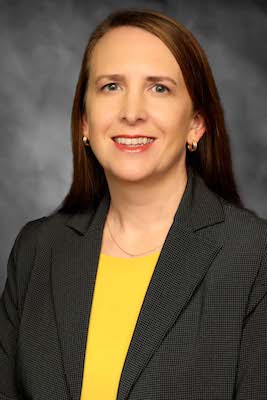
Allison Litton, DrPH
SHPB 460
205-934-4432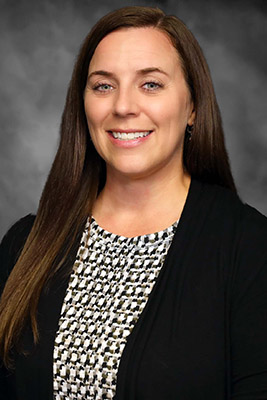
Brianna Miller, MS, MLS(ASCP)CM
SHPB 477
205-934-5995
Katie Church, MS, CGC
Genetic Counseling
SHP 449
205-934-6942
Fallon Lotson, DHSc, PA-C
SHPB 485
205-934-3781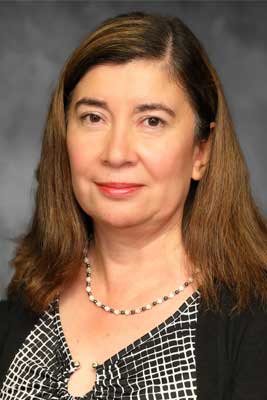
Liliana Navarrete, MS
SHPB 435
205-975-2924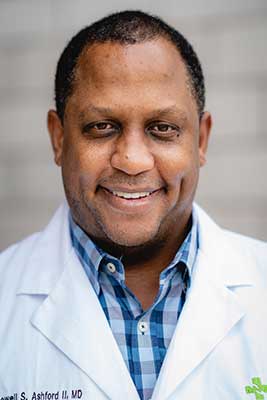
Rowell Ashford, II, MD
SHPB 432
205-934-5994
Heather F. Neighbors, MSPAS, PA-C
SHPB 487
205-975-0342
Christina B. Hurst, MS, CGC, CHC

Remo George, PhD
SHPB 452
205-934-7378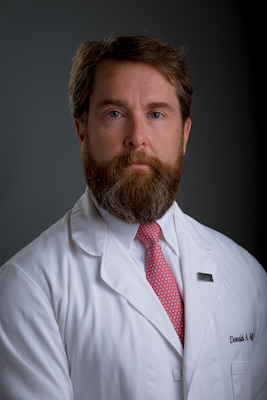
Donald Reiff, MD
KB 110
205-975-3030
Jon Baldwin, D.O., MBS
JT 775
205-934-1388
Victoria K. Gibbs, PhD
SHPB 473
205-934-7384
Matthew Ward PhD, MS, RT(MR), CNMT
SHPB 471
205-934-3425
Erin Dorman, MSPAS, PA-C
SHP 489
205-975-2328
Anna Hurst, MD, MS
VH VH1L
205-934-4983
Krystle W. Glasgow, MIS, CNMT, NMTCB(CT), NMAA, FSNMMI-TS
SHPB 442
205-996-6597
W. Cody Black, PhD, MHS, PA-C
SHPB 482
205-934-7563
Rachel Nichols, MS, CHP
Tyler Wright, PhD
SHPB 474
205-934-5987
Samantha Giordano-Mooga, PhD
SHPB 668
205-996-1399
Jarren Oates, PhD
Biomedical and Health Sciences
SHPB 451
205-934-9245
Wei Li, PhD
SHPB 424B
205-996-2656
Christine Loyd, PhD
SHPB 462
205-934-9625
Norman Bolus, MSPH, MPH, CNMT, FSNMMI-TS
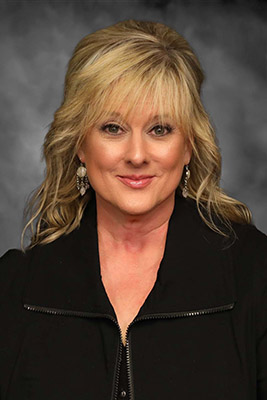
Tina Moore
Chair's Office
SHPB 432
205-934-5994
N. Robert Estes II, PhD
SHPB 424D
205-934-7222
Ted Bertrand, PhD
SHPB 687
205-934-1374
Stephanie Rudolph
CLS Program
SHPB 462
205-934-3783
Dustin Shaw
HP & NMMIS Programs
SHPB 451
205-934-1785
Taylor Stewart
Chair's Office
SHPB 434
205-934-4605
Jenny Duckworth
SHPB 424C
205-996-1689
Adam Pinson
SHPB 436
205-996-0867
Catlin Carter, PhD
SHPB 424E
205-996-6006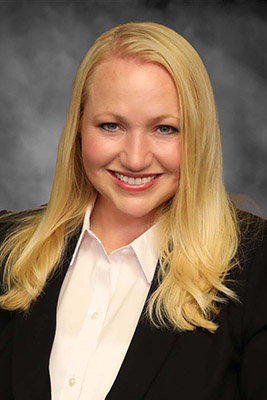
Amy Brady, MAED, CNMT
Assistant Professor
SHPB 446
205-934-3427
The UAB Genetic Counseling Program is fortunate to partner with experts across campus and across the country to deliver up to date, clinically relevant curriculum, unique clinical training opportunities, and access to cutting edge genetic and genomic research.
Partners/collaborations include faculty from:
-

Julia Allen
Julia Allen is from Godfrey, Illinois, in the St. Louis metro area. She graduated from Western Kentucky University in May of 2024 with a Bachelor of Science in Molecular Biotechnology. She then moved to Birmingham to work as a Genetic Counseling Assistant where she gained experience across a variety of clinical specialties and worked closely with patients, families, and genetic counselors. Through this experience, she developed a deeper understanding of the many roles genetic counselors play in patient care.
While working as a GCA, Julia also completed a Graduate Certificate in Industry Genetics and Genomics at UAB. Her coursework further strengthened her interest in genetics, particularly in the interpretation of genetic variants and the ways genetic information can be translated into meaningful information for patients. She also volunteered as a Rape Response Advocate with the Birmingham Crisis Center, where she developed a passion for listening to and supporting people during difficult times. Outside of genetic counseling, Julia enjoys needlepointing, taking dance classes, and reading.

Meghan Courtney
Meghan Courtney is originally from Harvest, Alabama. She graduated summa cum laude from the University of Alabama at Birmingham in May 2026 with a Bachelor of Science in Biomedical Sciences, a Master of Science in Multidisciplinary Biomedical Sciences with a concentration in Genetics and Genomic Sciences, and a minor in Public Health. During her time in university, she shadowed genetic counselors at Clearview Cancer Institute and served as an AmeriCorps VISTA for two service terms. While serving as an AmeriCorps VISTA, she pursued her passions of community service and healthcare through organizing a health literacy intervention at UAB’s PATH Clinic. During this intervention, Meghan was able to assess underserved patients for health literacy levels, provide a space for patients to communicate their needs in healthcare settings, and create educational materials for providers to practice health literacy-sensitive care. Outside of work and class, Meghan enjoys spending time at the various parks and rivers around Birmingham, practicing piano, hanging out with friends, and relaxing at home with her cat.

Lindsay Evermon
Lindsay is from Auburn, Alabama and attended Auburn University for her undergraduate degree. She graduated summa cum laude in May 2025 with a Bachelor of Science in Applied Biotechnology and a minor in Psychology. During her undergraduate, Lindsay enjoyed volunteering with organizations that support the disability community such as the Miracle League and Exceptional Foundation. She also gained crisis counseling experience while volunteering at Women’s Hope Family Center. Lindsay spent a summer as a genetic counseling intern through HudsonAlpha’s BioTrain program. While there, she shadowed over 40 counseling sessions and completed a retrospective chart review for patients seen for hypermobile Ehlers-Danlos Syndrome. She presented her findings in a research poster, which has been used as educational material for patients and accepted to the 2025 ACMG Annual Clinical Genetics Meeting.
After graduation, Lindsay moved to Birmingham and worked as a genetic counseling assistant at the UAB Medical Genomics Laboratory. There, she worked alongside a laboratory team to provide genetic information to patients and referring physicians and coordinated genetic testing and results. While working as a GCA, Lindsay pursued a Graduate Certificate in Industry Genetics and Genomics at UAB. In her free time, Lindsay enjoys reading and developing new sourdough recipes.

Julia Henderson
Julia Henderson is from Marietta, Georgia. She graduated from the University of Georgia in 2025 with a degree in Genetics and a minor in Human Services. As an undergraduate, Julia gained exposure to genetic counseling through an internship with the cancer genetic counselors at Piedmont Hospital, where she shadowed hereditary cancer counseling sessions. Julia also spent three years working with ESP, an organization serving individuals with disabilities and their families, where she developed skills in advocacy, communication, and building meaningful relationships. Additionally, she served as a peer mentor through UGA’s Destination Dawgs Program, supporting students with disabilities on campus and in their day-to-day living. During her gap year, Julia worked as a Genetics Coordinator at a genetics clinic, where she gained hands-on experience with ordering genetic testing, collecting patient and family history, making referrals, and communicating genetic test results. These experiences strengthened her passion for genetic counseling and patient-centered care. In her free time, Julia loves reading, going to concerts, going on long walks, trying new coffee shops, and traveling to visit friends.

Mary Jones
Mary Jones is from Cumming, Georgia and graduated from Tulane University in 2025 with a Bachelor of Science in Neuroscience and a minor in Public Health. As an undergraduate, she worked as a research assistant at LSU Health Sciences Center, studying cellular and molecular mechanisms of homeostasis and aging in the brain. This experience, along with her coursework, sparked her interest in neurodegenerative diseases and the role genetics play in disease risk. During this time, she also shadowed the genetic counseling team at Children’s Hospital of New Orleans and participated in a summer internship with Gateway Domestic Violence Center. Both experiences strengthened her passion for advocacy and equitable access to care.
After graduation, Mary moved to Huntsville, Alabama, to work as a genetic counseling assistant at The Smith Family Clinic for Genomic Medicine at HudsonAlpha. In addition to supporting clinical workflows, she helped facilitate appointments for HudsonAlpha’s HOPE-AD Alzheimer’s research study. This experience was particularly meaningful as it was the first time she was able to conduct clinical research, and she gained valuable experience helping families navigate Alzheimer’s disease.
Outside of school, Mary enjoys cooking, getting lost in a craft project, and traveling to visit friends.

Kendall Warwick
Kendall Warwick is from Knoxville, TN and graduated from the University of Tennessee, Knoxville in May 2023 with a Bachelor of Science in Neuroscience and a minor in Hispanic Studies. Following graduation, she started her role as a Patient Flow Coordinator at UT Medical Center’s Breast Center where she supported the High-Risk Breast Management clinic and helped coordinated genetic testing services offered through the facility. In 2025, she transitioned into her role as a Genetic Counseling Assistant at UT Medical Center’s Cancer Institute where she was able to build upon her previous clinical experience. Her responsibilities included processing referrals, scheduling appointments, conducting chart preparation, constructing pedigrees and family letters, and supporting the genetic counselor in clinic. Additionally, she has served as a Patient Advocate Leader for the FORCE organization and volunteered at a local food pantry in her community. These opportunities not only provided her with a deeper understanding of genetic counseling but also valuable hands-on experience within the field. In her free time, Kendall enjoys reading, travelling, collecting vinyl records, and playing Catan with friends and family.

Tabitha Wilson
Tabitha is from Chattanooga, Tennessee, and earned her bachelor’s degree in Pre-Professional Biology with a minor in Chemistry from the University of Tennessee at Chattanooga. Before beginning her training at UAB, she completed a post-baccalaureate internship with ClinGen at the University of North Carolina at Chapel Hill, where she primarily coordinated expert panels and gained experience with variant curation. Her interest in genetic counseling began with a fascination with how genetics explains some of the quirks that make each of us unique. Through genetic counseling shadowing at UNC, virtual shadowing, mentorship programs, crisis counseling, and adaptive aquatics volunteering, she became drawn to the field’s combination of science, teaching, and hearing people’s stories. She chose UAB because of the program’s strong commitment to serving and contributing to the community. During her training, she looks forward to advocating through clinical rotations and learning from the variety of patients and experiences they provide. Outside of school, Tabitha enjoys all things aquatic and spending time with her three bunnies.

Faith Wix
Faith Wix is from Orlando, Florida. She graduated summa cum laude from Auburn University in May 2026 with a Bachelor of Science in Genetics and a minor in Psychology. She graduated with the Honors Scholar Distinction and received the Dean’s Medal for Biological Sciences, Dean's Award for Academic Excellence, and Alpha Gamma Delta Laverne Taylor Flanagan Volunteerism Award. As an undergraduate, Faith worked as a Peer Tutor and Tutor Mentor, helping peers through difficult classes in chemistry, biology, and statistics. She also worked as a research lab assistant in the College of Veterinary Medicine, studying the prevalence of pathogens in ticks.
Outside of the classroom, she served as a Recruitment Counselor for Auburn Panhellenic and Vice President of Education for her sorority. She also served as Vice President of Advancement for Auburn University Dream Makers, helping raise funds and awareness for children’s healthcare. She volunteered in the NICU at East Alabama Medical Center, engaging with families and offering emotional support. These experiences fostered her interests in science, patient-centered care, teaching, and connecting with others, leading her to pursue a career in genetic counseling. In her free time, Faith enjoys reading, cooking, dancing, and spending time with friends.
-

Mary James Bridges
Mary James Bridges is originally from Auburn, Alabama. She graduated summa cum laude with University Honors from The University of Alabama, earning a Bachelor of Science in Microbiology with a minor in Global Health. Her undergraduate research on genetic polymorphisms in fish modeling autism spectrum disorder, combined with her experience serving as Head Recruitment Counselor for the Alabama Panhellenic Association, cemented her passion for science and teaching. These passions lead her to pursue the field of genetic counseling. She also served on the executive council for the Alabama Student Genetics Association, which served to educate her peers on current events and career opportunities related to genetics.
Following graduation, she moved to Birmingham, Alabama to work as a genetic counseling assistant at The University of Alabama at Birmingham. While in this role, she actively participated in pediatric, cancer, adult, and specialty clinics, such as those for metabolic disorders and Neurofibromatosis. Her responsibilities included placing clinical test orders, triaging referrals, and assisting with sample collection. This opportunity also provided a plethora of hands-on experience with patients, solidifying her commitment to the profession. Outside of work, Mary James enjoys travelling and scrapbooking her adventures!

Maddie Buhl
Maddie Buhl is from Colleyville, Texas. She graduated from the University of Alabama in May 2025 with both a bachelor's and master's degree in biological sciences with a minor in global health. During her time at UA, Maddie served as the lab manager for a research group investigating the genetic basis of aging in fruit flies, which provided her the opportunity to present at regional, national, and international conferences. Additionally, she served as the president of Beta Beta Beta biology honor society, which created community for students studying biology. Maddie was actively involved in student support programs, working as a peer advisor in the Capstone Center for Student Success and mentoring out-of-state students through the UA First office. Beyond campus, she volunteered as a front office aide at Good Samaritan Clinic, assisting uninsured individuals in West Alabama. In her free time, Maddie enjoys reading and practicing yoga.

Carley Chin
Carley Chinn is from Roswell, Georgia. She graduated from the University of Georgia in May of 2025 with a Bachelor of Science in Genetics and a minor in Biology. As an undergraduate, she volunteered at the University Cancer and Blood Center in Athens, GA, where she supported cancer patients as a genetic counseling assistant. In this role, she documented family histories, coordinated appointments, and tracked genetic test results, gaining valuable exposure to a wide range of hereditary cancer syndromes.
Carley also spent a summer as a Student Instruction and Behavior Assistant at Pattison’s Academy, where she provided one-on-one support to students with genetic conditions and disabilities. There she focused on helping students develop life skills and achieve personal goals, while collaborating with a healthcare team to meet daily medical and behavioral needs. Together, these experiences deepened her passion for genetic knowledge, precision medicine, and patient-centered care, and prepared her well for a career in genetic counseling. In her free time, Carley enjoys playing pickleball, visiting friends, baking, and spending time with her cat, Pickles.

Gabi Fitzjarrell
Gabi Fitzjarrell is from Aurora, Colorado. She graduated magna cum laude from Iowa State University in December 2023 with a Bachelor of Science in Genetics. During her undergraduate career, she took part in a Cancer Research Fellowship through The University of Colorado studying how CAR-T cell therapy can be used in the treatment of melanoma and shadowed a genetic counselor through UCHealth. After graduating, Gabi completed a genetic counseling assistant training program through Johns Hopkins University and has been working as an administrative assistant and receptionist at a private family practice in Highlands Ranch, Colorado. In her free time, she volunteers as a crisis counselor at the Crisis Text Line. These opportunities and exceptional experiences confirmed her passion in pursuing a career in genetic counseling which led her to applying to UAB. Outside of work and school, Gabi enjoys baking or cooking new things and spending time with friends and family.

Jared Murray
Jared is from Georgetown, IN. He holds a Bachelor of Science in Biology with a minor in Chemistry from Indiana University Southeast. Following his graduation in 2023, Jared joined The Cancer Prevention and Genetics Clinic at Community Health Network in Indianapolis, IN, as a genetic counseling assistant. Outside of the clinical and clerical duties involved with supporting the team of five oncology genetic counseling, Jared offered administrative support for the clinic’s Young Adult Social Support group, a support group designed for young adults with a current or previous history of cancer, and led the team of genetic counseling assistants in the clinic’s ongoing efforts increase access to sample collection for genetic counseling patients across the network.
In addition to his degree in biology, Jared holds a Bachelor Degree in Cello Performance from the University of Louisville, and continues to maintain an active schedule of teaching, freelancing, and performing throughout Kentuckiana. Across both disciplines, Jared has demonstrated a passion for teaching, mentoring, collaboration, and leadership, all of which being aspects that drew him to the profession of genetic counseling. In his free time, Jared enjoys cooking and baking, gaming, riding Peloton, and spending time with his family and friends.

Caroline Nelson
Caroline Nelson is from Spanish Fort, AL and attended the University of Alabama at Birmingham. She graduated summa cum laude with high distinguished honors in 2025 with a Bachelor of Science in Genetics and Genomic Sciences and minors in German and STEM Education. During undergrad, Caroline spent a summer working in college ministry in Germany as well as a semester student-teaching ninth grade biology at a local high school, which allowed her to practice teaching to students of incredibly diverse backgrounds. Caroline also worked as a Supplemental Instructor for three years, creating additional instructional materials and leading peer tutoring sessions for UAB’s Intro to Genetics class.
During that same time, she volunteered with the Civitan Autism and Neurodevelopmental Research Project where she assisted with diagnostic evaluations, administered the BOT-2 motor proficiency assessment, performed literature reviews for multiple studies, and befriended many children with neurodevelopmental differences and their families. She was also heavily involved in her sorority and served on UAB’s Panhellenic Executive Board for a year. When she isn’t busy studying, Caroline loves to read, explore Birmingham’s many parks, try new recipes, and spend time with her friends and cats.
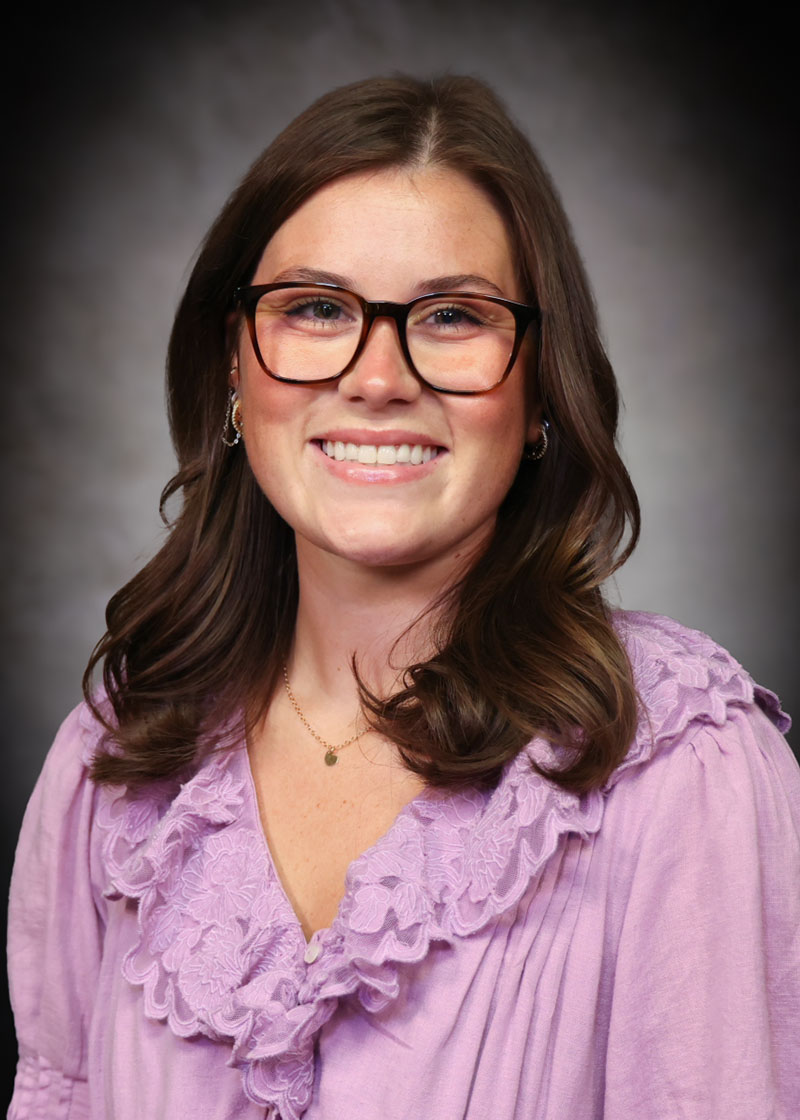
Patti Anne Smith
Patti Anne Smith is from Moulton, Alabama. She graduated summa cum laude from the University of Alabama in May of 2025 with a Bachelor of Science in Biology and minor in Social Innovation and Leadership. As an undergraduate, Patti Anne worked for UA as a biology tutor for student-athletes, served as a volunteer crisis counselor with Crisis Text Line, and volunteered with service organizations addressing needs like food insecurity and health literacy. She was also a member of the Dr. Robert E. Witt University Fellows program—a cohort-based Honors program specializing in community engagement and social impact.
As a student, Patti Anne also spent time working as an undergraduate researcher studying the effects of early-life environmental complexity on learning and problem-solving abilities. During her last semester of college, she completed her coursework asynchronously and accepted a genetic counseling assistant position at the Smith Family Clinic for Genomic Medicine on the HudsonAlpha campus in Huntsville, Alabama. In this role, she had the opportunity to interact with a wide variety of patients and immerse herself in the field of genetic counseling. In her free time, Patti Anne enjoys spending time at Smith Lake and going to concerts with friends and family.

Trevor Turner
Trevor Turner is from Baton Rouge, Louisiana. He graduated magna cum laude from the University of Alabama at Birmingham in 2025 with a Bachelor of Science in Genetics and Genomic Sciences and a Master of Science in Multidisciplinary Biomedical Sciences, with a concentration in genetics and genomic sciences. During his undergraduate years, Trevor served as an honors Resident Assistant in both freshman and upperclassman residence halls. This role sparked his passion for mental health advocacy and helped him develop strong leadership and crisis management skills.
Trevor also volunteered at the 1917 Clinic, where he worked directly with patients living with HIV, providing education on diagnosis and treatment, assisting with health technology, and promoting sexual health in a compassionate and accessible way. He served as president of the Student Association of Genetic Counseling and founded the Community Health Initiatives Association, which helped connect fellow students with shadowing and volunteer opportunities in Birmingham. Outside the classroom, Trevor enjoys discovering new coffee shops, exploring the local food scene, and binge-watching the latest murder mystery series.



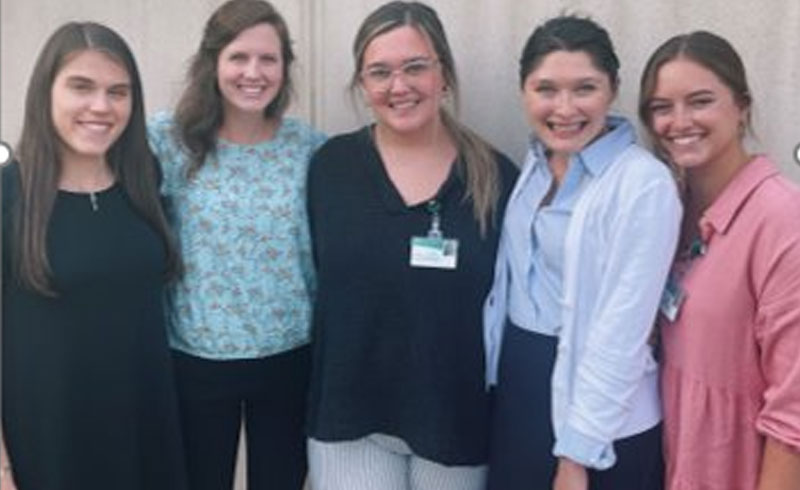
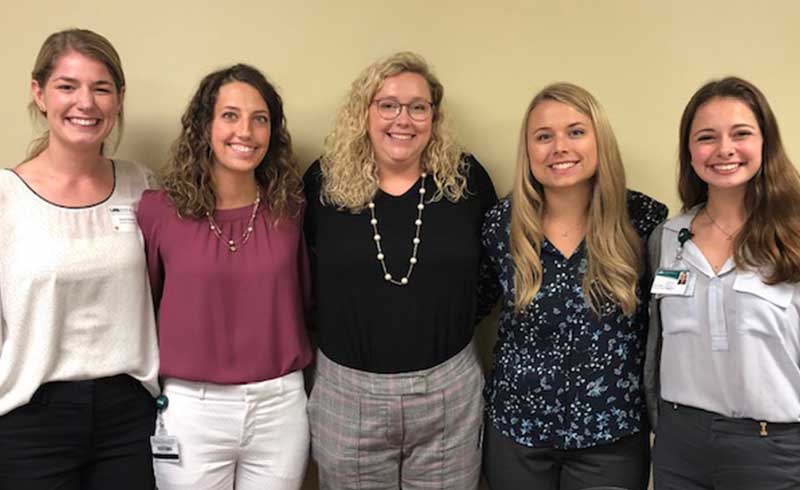
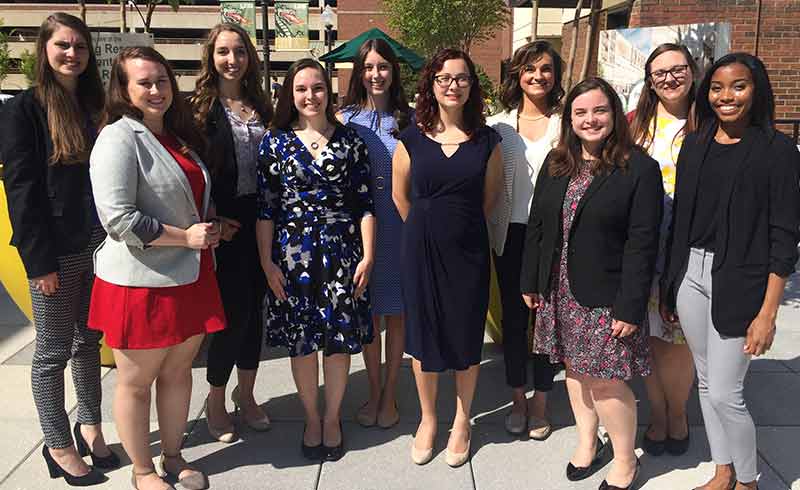
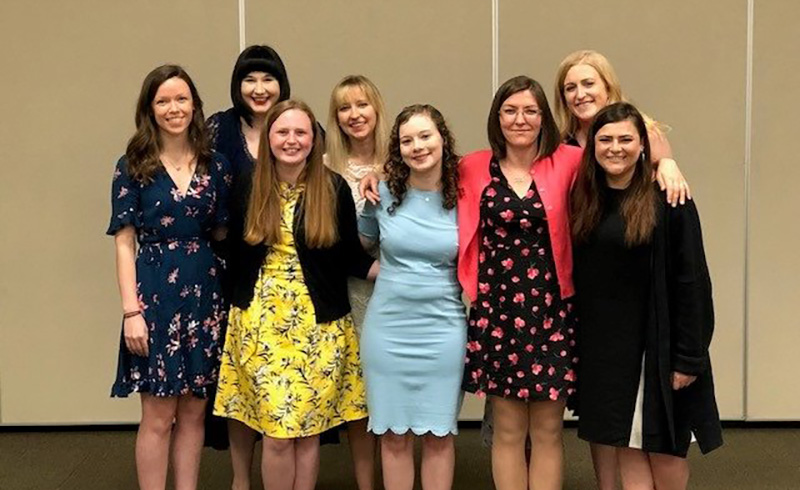
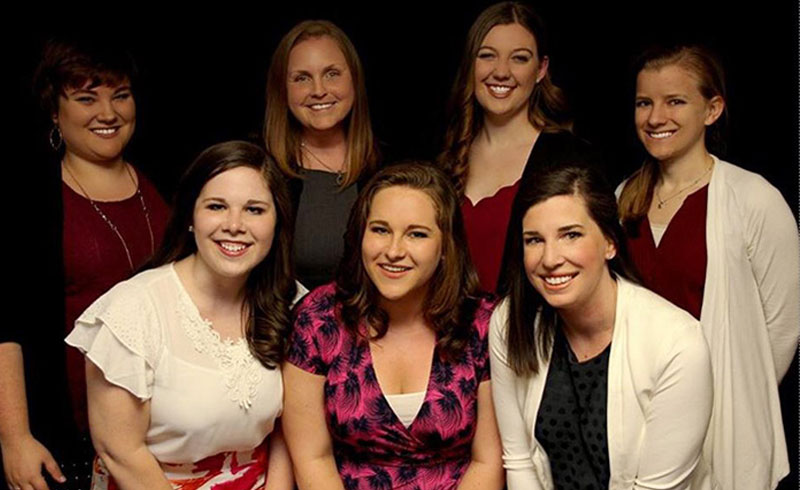
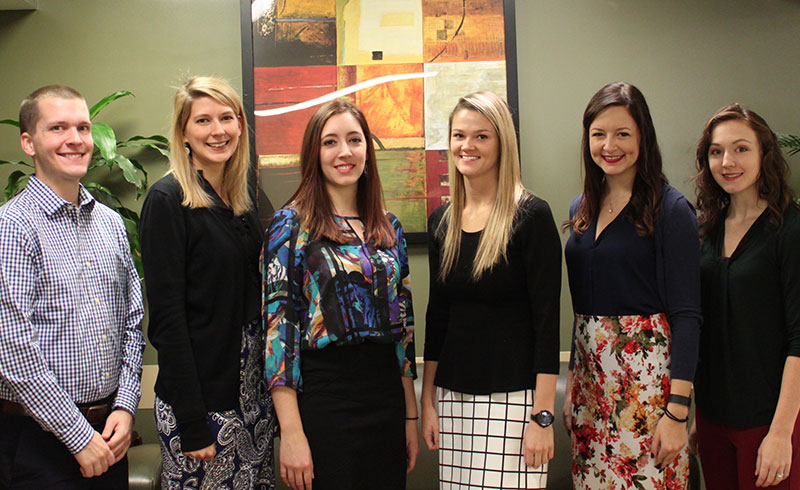
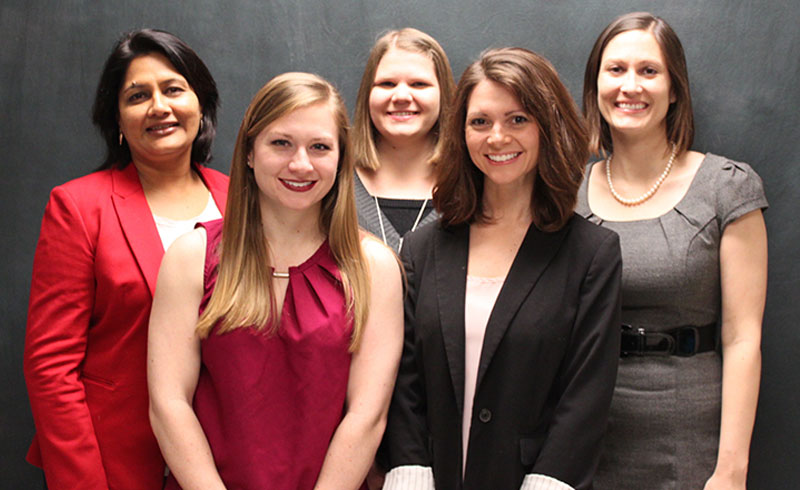
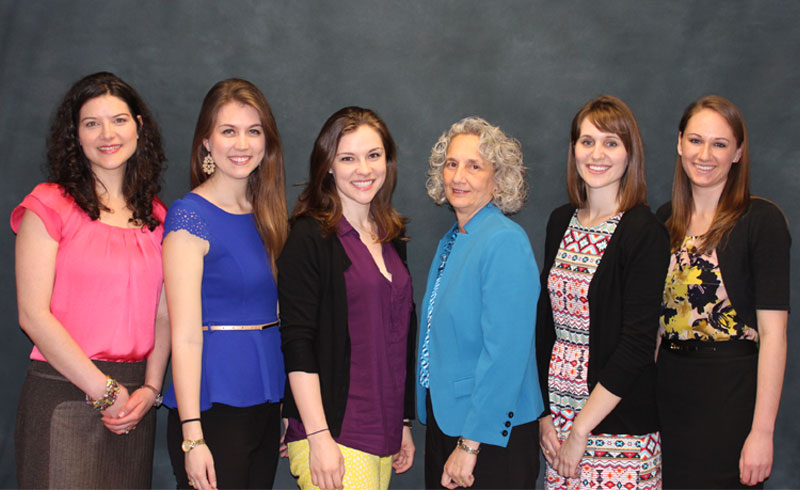
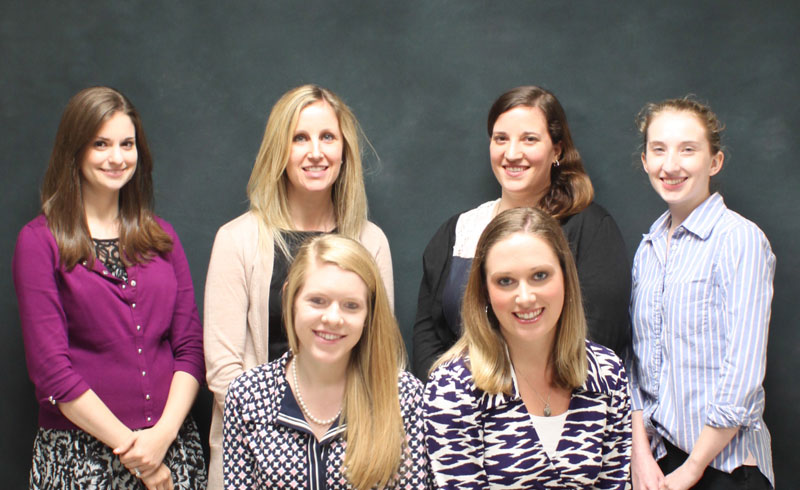

At the UAB Genetic Counseling training program, students complete a Plan II graduate project. This is completed during our two-year master degree program. As you can see, our students work in a variety of areas and contribute to the knowledge base of our field in many ways. These titles and abstracts are updated annually.
Key:
~ Selected for presentation at UAB Graduate Research Day
§ Awarded prize at UAB Graduate Research Day
† Selected for presentation at National Conference
# Resulted in a publication
Ω Awarded other campus competition or research award
^ Selected for platform presentation at National Conference
$ Awarded grant funding
Projects
-
Novel Inborn Errors of Metabolism Course: A Pilot Study†
Inborn Errors of Metabolism (IEMs) are a group of genetic conditions that often affect patients in the neonatal period and require a rapid care response to prevent or mitigate serious health problems. Many providers have significant gaps in their knowledge of IEMs and how to manage them, which could lead to poor outcomes for these patients. To address this gap, this pilot study created an online, asynchronous educational course consisting of four different modules, each focused on a category of IEM: amino acidopathies, lysosomal storage diseases, fatty acid oxidation disorders, and organic acidemias. Each module consisted of a pre- and post-module survey assessing a variety of factors, such as participants’ comfort in identifying the management, features, and appropriate workup for particular IEMs, a 15-20 minute lecture, and a feedback survey. Twenty-seven participants completed at least one course module. Kappa statistical analysis of data from the pre-and post-module surveys showed an average of ≥19% increase in confidence in identifying the appropriate steps to take when encountering a patient with an IEM across all four modules. Participants’ confidence in approaching the diagnostic workup involved in diagnosing an IEM increased by ≥18%. Feedback surveys assessing participants’ satisfaction with the modules revealed that an average of 84% found the course material valuable and an average of 85% of participants would recommend the module to others. The results of this pilot study will be used to guide further iterations of this project with the ultimate goal for this educational resource to prepare healthcare providers to encounter patients with IEMs.
Educational counseling approaches used by genetic counselors for patients with visual impairments: an exploratory mixed-methods study†#
Despite 285 million individuals worldwide having some level of visual impairment, limited research has been done into the efficacy of educational tools and practices in the healthcare setting for this patient population. In genetic counseling, visual aids are the primary tool used for patient education, which may not be accessible for those with visual impairments. The purpose of this explanatory sequential mixed-method study was to investigate genetic counselors' current educational tool use and practices with patients who have blindness or low vision. A 24-question survey assessing patient education practices and tool use was emailed to genetic counselors via NSGC and ABGC listservs. A subset of respondents completed a follow-up interview; analyzed with inductive content analysis. Of all survey respondents (N=72), 92% used verbal-only explanations to educate patients with visual impairments. Genetic counselors working in ophthalmology were more likely than those in other specialties to use verbal explanations (p=0.025), unmodified visual aids paired with assistive technology (p=0.037) and were more likely to source educational tools from professional networks (p=0.025) or general online search or support organizations (p=<0.001). Those who frequently counseled patients with visual impairments were more likely to use educational tools from online sources (p=<0.001) and less likely to create their own tools (p=0.007) compared to those who rarely saw this patient population. Whereas participants with graduate coursework specific to counseling patients with visual impairments were more likely to create their own educational tools (p=0.003). The 19 interviewed participants discussed the limited guidance on counseling patients with visual impairments and concerns about accessibility and the practicality of using educational tools for this population. Participants expressed a desire to improve educational techniques when working with those with visual impairments. Increasing genetic counselor awareness of existing educational tools and additional training and guidance on accessible educational counseling could help improve patient care.
Patient Education Intervention Improves the Knowledge and Attitude of Patients and Caregivers with Sickle Cell Disease†
Background: Sickle Cell Disease (SCD) is an autosomal recessive, monogenic blood disorder causing chronic and acute complications. Gene therapy (GT) is a novel treatment for SCD but is currently only available through clinical trials. Previous studies have shown that patients or their caregivers have limited knowledge of GT, including its benefits and limitations, and this has been associated with negative or uncertain attitudes. This study aims to determine whether providing a patient-centered educational intervention can increase participants’ knowledge and attitudes towards gene therapy.
Procedure: A 10-minute educational video on GT was developed, incorporating its benefits and limitations. Adults with SCD and/or their caregivers completed pre- and post-surveys using Likert scales to assess changes in participants’ knowledge, beliefs, and attitudes towards gene therapy following video engagement.
Results: Of the 12 participants, 60.5% showed an increase in knowledge of GT after the educational intervention, with an average perceived pre-knowledge score of 4.8 and a post-knowledge score of 7.8. There was a 24.4% increase in perceived safety of GT, from a pre-safety score of 4.8 to a post-safety score of 6. There was an 18% increase in perceived likelihood that GT can cure SCD, from 6.5 to 7.7.
Conclusion: These findings demonstrate that the educational intervention successfully improved knowledge and attitudes regarding GT among SCD patients. These results indicate that targeted education can meaningfully influence understanding and perceptions of new therapies and should be included to inform about potential outcomes.
Physician Associate Attitudes About Genetics Education in Clinical Care and its Utilization in Clinical Practice†
Introduction: The exponential growth of the field of genetics necessitates that non-genetics health providers assist genetics professionals in the provision of genetics services. Given the expertise to do so, Physician Associates (PAs) can support the genetics workforce. This single site study investigated the expectations of PA students and experiences of PA alumni regarding the utility of genetics in their clinical practice.
Methods: PA students who completed a genetics course between 2019-2023 were given a pre-course survey assessing genetics knowledge, expected clinical relevancy of genetics, and course expectations. Alumni of this same program were recontacted via email and asked multiple-choice questions including demographics, identical knowledge and relevancy questions, and questions regarding continuing education.
Results: Frequency statistics for alumni revealed their desires for future continuing education in genetics. Comparative statistics revealed differences between students’ and alumni’s genetics knowledge were statistically significant with a p-Value of 0.0209 and relevancy of genetics to clinical practice ratings held a p-Value of <0.0001. Comparative statistics for the alumni survey revealed statistical differences between specialty group and referral number (p= 0.0008) and prior genetics continuing education (p= 0.0121). Thematic analysis of the student survey revealed 7 themes and the most common was Broadening Clinical Skills and Understanding.
Discussion: PA students and alumni differed on their expectations and experiences of genetics utility in clinical practice. Different specialties reported varying levels of genetics usage, suggesting that each specialty has different genetics needs. Creation of a continuing education course for PAs could provide information for practicing PAs regarding use of genetics in their specialty.
Assessing outcomes following inpatient genetic counseling consults at a major hospital system in the Southern United States†
Rapid whole genome sequencing (rWGS) is a genetic test that sequences a person’s entire genome with a turnaround time of approximately two weeks. This technology is increasingly used in neonatal intensive care units (NICUs) to inform healthcare management for infants. Genetic counselors often meet with caregivers of NICU patients to discuss the medical and psychosocial implications of rWGS testing. However, there is limited research exploring how caregivers reflect upon the genetic counseling (GC) process. In this study, we aimed to understand how caregivers feel about the inpatient GC experience and rWGS in a single NICU setting. We conducted semi-structured interviews with 10 caregivers of patients who received GC for rWGS while admitted to the NICU at Ochsner Baptist in New Orleans, Louisiana. Interview questions focused on participants’ experiences receiving GC and their feelings about rWGS. Interview transcripts were analyzed and coded using reflexive thematic analysis. Most participants (70%) identified as Black or biracial and female (90%) and had not obtained an undergraduate degree. Seventeen themes and twelve subthemes were identified. Many caregivers felt motivated to undergo rWGS to investigate possible health risks for their child. They felt anxious about the initial GC session and relieved by rWGS results. They developed a positive relationship with the genetic counselor and highlighted the importance of communication and education during the session. Caregivers also experienced competing medical priorities in the NICU and felt overwhelmed by information and emotions. This study improves understanding of how GC helps caregivers understand rWGS testing and results in a NICU setting. These findings can help genetic counselors better educate and care for these patient families in the future and provide insights into an underrepresented population in genomic research.
Disease Conceptual Model for Mucopolysaccharidosis Type II
Background: Mucopolysaccharidosis Type II (MPS II) is a lysosomal storage disorder affecting multiple organ systems, including skeletal, respiratory, musculoskeletal, and neurological symptoms. The most severe form, neuronopathic MPS II, was historically fatal in early life; however, advancements in treatment have enabled more patients to survive into adolescence. While many clinical features are well documented, less is known about the lived experiences of affected adolescents and their caregivers
Methods: Six caregivers of adolescents with neuronopathic MPS II participated in 90-minute semi-structured interviews exploring patient and family experiences. Interview transcripts were coded and analyzed to identify symptoms, associated impacts on individuals and caregivers, and patterns of co-occurrence. Findings were compared to a targeted literature review to develop a disease concept model.
Results: Caregivers described a broad range of symptoms, with disinhibition, intellectual disability, mobility restrictions, and speech delay referenced in all six interviews. Emotional symptoms, including anxiety and irritability, emerged as salient features that are not widely described in existing literature. These symptoms were often coded in the context of pain or health impacts to individuals. Caregivers report functional impacts for affected individuals, including educational challenges, limitations in social participation, and dependence on assistance for activities of daily living. Cognitive symptoms co-occurred with educational impacts in all 6 interviews, while musculoskeletal symptoms co-occurred with impairments in daily functioning in 5/6 interviews. Caregiver impacts included increased effort required for caregiving, frequent medical appointments, reduced ability to work, financial strain, and emotional stress.
Conclusions: This study expands current understanding of the lived experiences of adolescents with neuronopathic MPS II by highlighting the most salient symptoms and impacts. Future therapies, clinical trials, and care models should prioritize reducing pain, mobility limitations, and appointment burden while enhancing financial support and respite resources for caregivers.
Reproductive decision making in the Neurofibromatosis type 1 community: a novel survey of adults in the US†
Neurofibromatosis type 1 (NF1) is an autosomal dominant condition with variable expressivity and phenotype progressivity leading to psychosocial and medical implications that may impact reproductive decision making (RDM). Prior studies exploring RDM in the NF1 community have been limited by small sample sizes and conducted in non-U.S. populations. This quantitative study assesses factors influencing RDM among individuals with NF1 in the United States. A 32- question survey was developed based on previously identified factors influencing RDM and was distributed via the Children’s Tumor Foundation registry. Eligible participants were adults (≥18 years) residing in the United States who were affected with NF1, a reproductive partner of, or a parent of an individual with NF1. Chi-square analyses were used to assess associations between demographic variables and RDM factors measured on Likert scales. Associations were found between several RDM factors including clinical severity, stigma, access to medical care, cost of medical, and interpersonal influences. Older participants (≥41 years), those identifying with a religious tradition, participants without children, and participants without a child with NF1 significantly rated reproductive factors like recurrence risk and access to reproductive technologies, as less influential than their inverse demographic groups. This finding is consistent with previous literature finding that these factors are considered by affected individuals, however, this study clarified which affected individuals are most affected by those factors. Participants who attended genetic counseling did not score reproductive factors differently than those who did not, but they had higher NF1 knowledge scores. Finally, reproductive partners were identified as the most significantly influential stakeholders across demographic groups. In conclusion, RDM among individuals with NF1 in the United States is influenced by demographic, psychosocial, and access-related variables. These findings highlight the importance of individualized, context-specific genetic counseling that considers a patient’s reproductive stage, values, and support teams to optimize patient care.
Development and Content Validation of a Theory of Planned Behavior-Based Survey to Measure Awareness, Interest, and Knowledge of Genetic Counseling Among Prospective Students†
Limited awareness of the genetic counseling (GC) profession remains a significant barrier to entry for prospective students, with many individuals reporting first exposure to the field late in their academic careers. Although outreach initiatives have demonstrated success in increasing awareness and interest, their effectiveness has primarily been evaluated using non-validated survey instruments, limiting comparability, reproducibility, and generalizability of findings across studies. Other healthcare professions have addressed this gap by developing theory-based, validated tools to assess career interest. The research question guiding this study was: Can a theory-driven survey grounded in the Theory of Planned Behavior (TPB) and the National Society of Genetic Counselors (NSGC) definition of genetic counseling demonstrate strong content validity for measuring awareness, interest, and knowledge among prospective students? We hypothesized that a survey developed using these frameworks would achieve established thresholds for content validity through expert consensus.
Methods: The survey instrument was developed to target prospective genetic counseling students, with items assessing awareness and interest mapped to TPB constructs (attitudes, subjective norms, perceived behavioral control, and behavioral intentions). Knowledge items were grounded in the three components of the NSGC definition: risk assessment, education, and counseling. Content validity was evaluated using a Delphi methodology with an expert panel (N=15) of genetic counselors and TPB experts with experience in education, admissions, and research. Panelists rated each item’s clarity and relevance using a 4-point scale across iterative rounds and provided qualitative feedback to guide revisions. Survey items were revised, retained, or removed based on consensus criteria, including Item-level Content Validity Index (I-CVI ≥0.78), Scale-level Content Validity Index (S-CVI/Ave ≥0.90), and perceived relevance to the genetic counseling field. Modified kappa statistics indicated strong agreement beyond chance across items, supporting expert consensus and validity of the survey content.
Results: Panelists consisted of (87%) female, (80%) white, representing all regions across the United States. (80%) of expert panelists had >5 years of experience working with prospective students. (73%) of expert panelists had experience in TPB, survey development, and/or research. Across iterative rounds, survey items were refined based on both quantitative thresholds and qualitative feedback. All final survey items met acceptable I-CVI criteria (≥0.78), indicating strong agreement on item clarity and relevance. The overall survey demonstrated excellent content validity, with S-CVI/Ave values exceeding recommended thresholds (≥0.90). Modified kappa statistics indicated strong agreement beyond chance across items.
Conclusion: This study demonstrates that a theory-driven survey grounded in TPB and the NSGC definition can achieve strong content validity for assessing prospective students’ awareness, interest, and knowledge of genetic counseling. This validated instrument addresses a critical gap in the field by providing a standardized, reproducible tool to evaluate outreach and recruitment initiatives. Future research will include cognitive interviews with the target population and large-scale psychometric validation to assess reliability, construct validity, and generalizability across diverse student populations. The final validated survey will be available for program-use, outreach efforts, and future research.
-
Candidate Gene Curation for Schwannomatosis: a Systematic Literature Review†
Schwannomatosis is a complex tumor predisposition syndrome that is associated with germline pathogenic variants in SMARCB1, LZTR1, and NF2. Even so, the genetic etiology for approximately 70% of sporadic schwannomatosis and 20-30% of familial schwannomatosis cases remains unknown. Previous studies suggest there are candidate genes for schwannomatosis that have yet to be identified. Identification of candidate genes could assist in guiding genetic testing strategies for individuals with schwannomatosis and, in turn, could lead to increased understanding of the condition’s underlying mechanisms. This systematic literature review was completed to identify potential candidate genes for schwannomatosis. Publications that met inclusion criteria were used in data extraction and were analyzed using two different published candidate gene curation approaches. Upon completion of data analysis, it was determined DGCR8, CDKN2A, and PTCH2 met candidate gene criteria for this study. These genes demonstrated increased frequency in individuals with schwannomatosis and provided compelling data that was further validated by both curation protocols. While further studies are warranted to gain a deeper understanding of each gene’s contribution to schwannomatosis, identification of these genes through a comprehensive and holistic curation protocol serves as a starting point to facilitate future research to investigate their contribution to schwannomatosis.
What Patients Want to Know: The Effect of Fetal Risk Status on Prenatal Genetic Testing Preferences†
Introduction: Prenatal genetic testing offers critical information that can identify genetic conditions, guide medical management, and support informed decision-making during pregnancy. Despite these benefits, patients often face challenges navigating this information due to insurance limitations, variable genetic literacy, and the complexity of incidental or uncertain results. Previous studies have shown that attitudes toward prenatal testing are shaped by clinical, sociodemographic, and psychological factors. However, limited research has examined how these attitudes differ based on fetal risk status. Understanding how patients with high- and low-risk pregnancies approach prenatal genetic testing may help providers better tailor counseling and support informed, values-based decision-making.
Purpose: This study aimed to assess how fetal risk status impacts pregnant individuals’ interest in different types of genetic information and their subsequent decisions to pursue diagnostic testing. Additionally, this research highlights how genetic counselors can support diverse informational needs during prenatal care.
Methods: Pregnant individuals receiving prenatal care completed a survey assessing their interest in eight categories of potential genetic results (e.g., fatal congenital conditions, adult-onset conditions, physical traits) and reasons for interest or disinterest in that information. Participants were retrospectively classified as high-risk based on abnormal genetic screening or ultrasound findings; others were categorized as low-risk. A chart review of the high-risk group was conducted to examine whether diagnostic testing was offered and accepted, and to evaluate pregnancy outcomes. Chi-square tests were used to compare result preferences and testing decisions across groups.
Results: A total of 895 participants were enrolled (low-risk: n = 776; high-risk: n = 119). The majority (88.5%) expressed interest in receiving information about fatal congenital conditions, while the least desired category was physical characteristics (39.3%). The most commonly cited reason for desiring genetic information was preparation—financial, medical, or emotional. Preferences were largely consistent across risk groups, except for two categories: fatal conditions (p = .022) and physical characteristics (p = .017), where statistically significant differences were observed. High-risk patients showed greater interest in learning about fatal conditions, while low-risk patients showed slightly more interest in physical characteristics. Among the high-risk group, 67 were offered diagnostic testing, but 82.0% (n = 55) declined. No significant differences in informational preferences were found between those who chose prenatal testing and those who later opted for postnatal testing.
Conclusions: Pregnant individuals, regardless of fetal risk status, value medically relevant genetic information primarily as a means of preparation. Fetal risk status may have influenced decision-making, especially in relation to fatal congenital conditions, though many high-risk patients still declined prenatal diagnostic testing. These findings highlight the nuanced and emotionally complex nature of prenatal decision-making. Genetic counselors play a critical role in meeting the diverse informational and emotional needs of patients by tailoring discussions to individual preferences, contextualizing risk, and supporting informed decision-making throughout the prenatal process.
The Current State of Spanish Language Resources for Patients with Rare Genetic Disease: Qualitative Expert Stakeholder Interviews~#
Background: Patients with a rare genetic disease face unmet needs deepened by the traditional American healthcare system. Social, educational, and financial support resources help address some of these challenges; however, for patients who are Spanish speaking, the language barrier makes it more difficult to attain such resources. This compounds with already existing healthcare disparities faced by the Latino/Hispanic community. This study explores the current state of resources available for patients who are Spanish speaking with a rare genetic disease and identify specific areas for improvement.
Methods: Eleven expert stakeholders who work with either rare genetic disease, patients who speak Spanish, or both, completed 1-hour online audio-only semi-structured interviews. Interviews focused on the current state of resources for this population and ideas for improvement. Transcripts were analyzed using reflexive thematic analysis.
Results: A lack of sufficient access to Spanish speaking medical staff and interpreters prevents patients from accessing social support and the healthcare system. Additionally, digital or educational resources in Spanish are rarely accessible to patients. When resources are available they tend to be of high quality, but the implementation of such resources is inconsistent. This lack of accessible resources creates an undue burden for both patients and providers.
Significance: This study identified that the resources that currently exist are often high quality, however most patients and providers cannot easily access them. To improve quality of care and reduce provider burden, organizations need to focus on increasing Spanish language access through staff that speak Spanish and consistent, high-quality, Spanish language resource implementation.
Read article in the Journal of Genetic Counseling
Pharmacogenomic testing for Prader-Willi syndrome: A mixed methods analysis of caregiver experiences and utilization†~Ω#
Introduction: Pharmacogenomic (PGx) testing can determine if an individual has genetic changes that affect drug metabolism, allowing for increased medication efficacy. PGx testing is well studied in the general population, but its impact in specific rare disease populations is not well understood. Prader-Willi syndrome (PWS) is a rare genetic condition characterized by various medical and behavioral features, including infantile hypotonia, failure to thrive, hyperphagia, developmental delay, and mental health conditions in adulthood. Those with PWS require multiple medications to manage these symptoms and could be ideal candidates to benefit from PGx information as they frequently use a “trial and error” approach to find effective treatments. A previous study conducted by the authors investigated caregivers’ interest in and planned utilization of PGx testing for their child with PWS. Most participants believed PGx would increase the effectiveness of drugs their child takes or may take in the future. Almost all of the participants planned to share the PGx findings with their child’s healthcare providers, but only about half reported they were very confident in the providers using the PGx report.
Purpose: The goal of this study was to better understand the utility of PGx testing for the PWS population utilizing the same participants as the previous study after they received PGx results.
Methods: Individuals with PWS received PGx testing, and their caregivers were surveyed 1-month after receiving results (n=42) and 6-months after receiving results (n=38). Statistical analysis for the surveys included frequency statistics and within group comparison tests, including ANOVA, chi-square, paired t-test, and z-test. A subset of respondents (n=9) also participated in qualitative interviews. Reflexive thematic analysis was performed from interview transcripts.
Results: After receiving the PGx results, only 1 participant (2.27%) reported their healthcare provider made medication changes based on the report. Interview participants discussed how the report still gave them reassurance or verification of their current medication regimen. The majority of participants (80.00%) stated the most valuable aspect of the PGx results was the information it provided about future medications their child may need. Most caregivers planned to share the PGx results with their child’s providers, however, only 36.59% did share results. Reasons participants did not share their PGx report included because nothing had come up (such as new symptoms) to prompt them to do so, or they believed providers would not use it. Participants that did share PGx results were motivated to share with their child’s prescribing providers, which resulted in a discussion about results, or the information was just filed in their child’s records.
Conclusions: PGx results are valuable to the PWS population as it validated their current medication regimen and increased confidence for when new medications may be needed in the future.
Read article in Pharmacogenomics
Assessing the Impact of Diagnostic Rates on Patient Outcomes for Neonates with Congenital Hydrocephalus† ~
Background: Hydrocephalus is diagnosed when the cerebral ventricles dilate due to an imbalance in cerebrospinal fluid absorption and synthesis. It can be isolated or non-isolated, depending on additional birth defects. Genetic testing is recommended, as approximately 40% of congenital hydrocephalus (CH) cases have an underlying genetic cause. Recent advancements in genetic technologies offer new insights into CH, improving NICU management.
Methods: This single-center retrospective cohort study examined neonates diagnosed with CH at Children’s Mercy Hospital (CMH) between January 2018 and July 2024. Data was collected via chart review, focusing on demographics, prenatal history, genetic testing, and NICU outcomes.
Results: Of 65 neonates with CH, 46% received a genetic diagnosis. Non-isolated hydrocephalus was present in 63.1%, and isolated hydrocephalus in 36.9%. Prenatal complications, including ventriculomegaly, were found in 83% neonates. NICU outcomes showed 64.6% patients had shunt placements, and 52.3% exhibited neurological deficits at discharge. Neonates with a genetic diagnosis were more likely to require home health services.
Conclusion: This chart review highlights the importance of genetic testing in diagnosing CH and its potential impact on clinical care. Comprehensive genetic testing could improve diagnostic yields, guide clinical decisions, and streamline care, ultimately benefiting developmental outcomes for affected neonates and their families. Given that recurrence risk and survival outcomes are similar between isolated and non-isolated cases, all patients should receive comprehensive genetic testing to ensure appropriate diagnosis and management.
Genetic Counseling as a Method to Prevent Type 2 Diabetes in At-Risk Children^#
Background: Family history is a strong, non-modifiable risk factor of T2D, but little research has examined if parents with T2D are aware of their child’s risk and appropriate prevention strategies. Genetic counselors have been identified as adept health professionals to communicate risk for multifactorial disease and provide counseling on management and prevention strategies. However, the impact of genetic counseling on educating parents about their young children’s risks for T2D is unknown. This study evaluates the effect of a genetic counseling intervention on parental risk perception towards T2D, knowledge of prevention strategies, and implementation of prevention strategies for their at-risk children.
Methods: A prospective, cross-sectional feasibility study was conducted with 37 parents with T2D randomized into an intervention (n=18) or control (n=19) group. Participants in the intervention group received a structured genetic counseling session included: (1) an educational video covering T2D incidence, risk factors with a focus on family history, and prevention strategies for childhood T2D. The session also included a (2) personalized risk assessment and (3) a discussion of prevention strategies participants could feasibly implement. Surveys measuring risk perception, knowledge of prevention strategies, patient empowerment, and health behaviors were administered pre-intervention, immediately post-intervention (intervention group only), and one-month post-intervention.. Risk perception was assessed using the Risk Perception Survey for Developing Diabetes (RPS-DD), knowledge of prevention strategies was measured using a 15-question survey developed for this study, and behavioral changes related to child dietary and activity habits were evaluated using the Child Feeding Questionnaire (CFQ) and Family Eating and Activity Habits Questionnaire (FAEHQ). The Genomics Outcome Scale (GOS) was also used to assess patient empowerment following the intervention. Changes within the intervention group across the three time points, as well as comparisons between the control and intervention groups at 1-month post-survey were analyzed using SAS version 9.4 software.
Results: Parents in the intervention group demonstrated a significant increase in knowledge of prevention strategies (p=0.0020) and risk knowledge (p=0.0185) compared to the control group. The intervention group also reported higher engagement in monitoring child dietary behaviors (p=0.0334), specifically in the CFQ monitoring subscale, which is associated with healthier child dietary habits. Additionally, the intervention group had higher patient empowerment scores compared to the control group (p=0.0378). However, overall risk perception and broader family eating and activity habits were not significantly different between the intervention and control groups.
Conclusions: These findings suggest that genetic counseling could be an effective method to increase parental knowledge and engagement in child-specific preventive behaviors for T2D. More research is needed to determine how genetic counseling impacts risk perception and family-wide health behaviors. These findings support the role of genetic counseling in diabetes prevention efforts, particularly in providing targeted education and personalized risk assessments to parents for their at-risk children. Genetic counseling interventions may be a promising strategy for empowering parents to play an active role in their child's health, and further research is needed to optimize interventions that promote sustainable, family-wide behavioral change.
Read article in Journal of Community Genetics
An escape room increases interest and knowledge of the genetic counseling career among diverse students†#
Introduction: Despite significant growth of the genetic counseling field, there is still a lack of racial and ethnic diversity among the genetic counseling workforce. Research is limited regarding best practices for increasing awareness of the genetic counseling profession among individuals from these underrepresented groups. Increasing racial and ethnic diversity in the genetic counseling profession can only happen if underrepresented groups are informed about genetic counseling as a career choice.
Purpose: The purpose of this study was to determine if implementation of an interactive educational program including an escape room was an effective way to educate and interest a group of students from diverse racial and ethnic backgrounds in the genetic counseling profession.
Methods: This cross-sectional study consisted of a 90-minute educational presentation, including the escape room activities, designed to educate high school and undergraduate students about the genetic counseling profession. Participants completed a pre- and post-survey including questions about demographics, career interests, and their interest in and knowledge of the genetic counseling profession. Differences in responses from before and after the educational program were compared using paired t-tests and McNemar Bowker tests. Differences in responses between demographic groups were analyzed using unpaired t-tests and chi-square tests.
Results: Of the 90 participants, 85.56% identified as Black, Indigenous, and People of Color (BIPOC). Participants indicated that the most important factor when selecting a career is personal satisfaction and the least important is research opportunities. Males valued prestige significantly more than females (p=0.0091), females valued helping others significantly more than males (p=0.015), and participants identifying as BIPOC valued flexible location significantly more than participants identifying as White (p=0.019). After the educational program, familiarity with, interest in and knowledge of the genetic counseling profession increased significantly overall (p<0.0001, p=0.0001, and p<0.0001 respectively) regardless of gender or race/ethnicity.
Conclusions: This interactive educational program is one example of an effective method to increase knowledge and interest in the field, specifically amongst individuals in diverse racial and ethnic groups. Future efforts should continue to explore how and when individuals make career choices to better recruitment efforts of diverse individuals.
Read article in Journal of Genetic Counseling
Perspectives On Pharmacogenomics in the Fragile X Syndrome Community: Insights from a Quantitative Survey^
Introduction: Individuals living with Fragile X syndrome (FXS) often require multiple medications to manage the varied symptoms associated with the condition. Pharmacogenomics (PGx) has demonstrated utility in tailoring medication regimens and reducing adverse side effects in both the general population and in individuals living with rare diseases. Understanding the perspectives of the FXS community on PGx is essential to ensuring that testing meets patient and family needs while optimizing service delivery.
Aim: This study aimed to assess the FXS community’s perspectives, prior knowledge, perceived barriers, and interest related to PGx testing.
Methods: Members of the FXS community including individuals living with FXS, caregivers, or individuals living with the FXS premutation completed an online quantitative survey. Recruitment was supported by the National Fragile X Foundation (NFXF) through their research portal and social media accounts. Recruitment was active from September 2024 through January 2025.
Results: A total of 18 surveys were evaluable using frequency statistics. The majority of participants expressed interest in learning more about PGx testing (88.9%) and all participants were interested in pursuing PGx testing (100.0%). Additionally, participants reported concerns related to the cost and practical application of results. Prior knowledge of PGx was primarily limited to participants working in healthcare and clinical research.
Conclusions: While interest in PGx testing is high within the FXS community, genetic counselors must address concerns related to barriers and clinical utility of PGx testing for successful implementation. Future research with larger sample sizes and broader recruitment strategies is necessary to expand on knowledge related to PGx in the FXS community.
-
Pediatric Neurofibromatosis Type 1 Disclosure: Paired Caregiver and Child Resources†#
Disclosing a genetic diagnosis to a child is challenging for parents and caregivers. They report the process to be “daunting,” “distressing” and “anxiety producing.” A previous study exploring parent experiences disclosing a diagnosis of neurofibromatosis type 1 (NF1) to a child revealed a need for resources to support caregivers during this process. Based on these research findings, a caregiver disclosure guide and paired children’s book to aid both caregivers and children was created in collaboration with genetic counselors, a genetics bibliotherapy expert, the Children’s Tumor Foundation, a child psychologist, caregivers of people with NF1, and an illustrator. The caregiver disclosure guide, titled Telling Your Child About NF1, is informed by previous research identifying understanding of illness and heredity according to Piaget’s developmental stages. Additionally, the perspectives of caregivers who have children with NF1 and research into disclosure guides about other genetic conditions enhanced the resource. The guide includes directions for disclosure preparation, advice on disclosure conversations, and important developmental milestone considerations. The children’s book, called Super Emerson, was created to support the NF1 disclosure process from a child’s perspective. The proven components of bibliotherapy, or the use of books to learn about or cope with a situation or condition, are implemented throughout. Research-backed genetic counseling specific bibliotherapy and specific concerns from caregivers of children with NF1 support creation. The book follows Emerson, a six-year-old with NF1 as they discuss communicating with adults and going to the doctor. The story highlights their superpowers, among other topics. The caregiver guide and children’s book were created as a pair to provide optimum disclosure support. The goal is for these resources to not only provide aid to caregivers and children with NF1, but to also serve as a model for future disclosure resources for other genetic conditions.
Parent Resource and Children’s Book
Repository of Children’s Books to Facilitate Genetic Diagnosis Disclosure†
Bibliotherapy is the therapeutic use of books and stories to help someone understand, cope with, and learn from a situation or problem. This therapeutic approach's effectiveness has been proven in the medical field and genetic counseling practices. Research concluded that not only were children able to learn about their condition in a stress-free environment, but caregivers felt relieved and supported. With the goal of expanding the identified bibliotherapy benefits to other genetic conditions, a repository of currently available children’s books about genetic conditions was created. A review of children’s resources published between 2013-2023 was performed. Books were collected via Google, Amazon, and PubMed searches curated with help from an expert librarian. Measures such as utilizing an incognito browser and cutting off customization settings were taken to eliminate bias. Books were also directly contributed by genetic counselors. A scoping review protocol was modified from Arkey and O’Malley’s work, and Joanna Briggs Institute guidance to only include the most up-to-date and useful books in the final compilation. 491 books were reviewed independently by two investigators to determine if they fit the set inclusion criteria of (1) explaining or disclosing a genetic condition, (2) targeting children ages 0-17, (3) containing content that is written in English, (4) published in 2013 or later, and (4) meet the set definition of “book.” Ties were broken by a third investigator. 96 books met inclusion criteria spanning 53 conditions. A repository of the books was created and includes page number, who in the book has the genetic condition, estimated reading level, location of the book, and other descriptors. The University of Alabama at Birmingham’s Genetic Counseling research page houses the repository which is organized in alphabetical order by condition for searching ease. The list only includes books that have been published in English. Therefore, this list is not all inclusive. The books on this list have not been reviewed for medical accuracy. Inclusion on this list is not an endorsement by the authors of the resource for clinical use. This repository is freely available to genetic counselors to facilitate genetic condition disclosure and education. The goal is for this repository to provide book identification and support for genetic counselors and caregivers. The potential for continual updates allows for a collection of the most up to date resources.
Children’s Genetic Book Repository
User experience of a hereditary cancer risk assessment tool: Evaluation of usability, satisfaction, trust, perceived credibility, and barriers†
The demand for hereditary cancer genetic counseling is higher than the available workforce. To address this, hereditary cancer risk assessment tools were developed to identify individuals eligible for genetic testing and increase clinic efficiency by prioritizing individuals at the highest risk and collecting necessary information for genetic risk assessment. However, there is limited information about the user experience of these risk assessment tools. This study explored the user experience of a validated hereditary cancer risk assessment tool. Patients referred to the University of Alabama at Birmingham Hereditary Cancer Clinic completed the tool prior to their genetic counseling appointment. They completed a survey assessing usability, trustworthiness and credibility, satisfaction, and barriers to tool completion though the Standardized User Experience Percentile Rank Questionnaire (SUPR-Q) and questions created by the research team. Descriptive statistics were reported for all questions, and associations between demographic factors and user experience variables were analyzed using Spearman’s correlation and Kruskal Wallis tests. 106/129 (82.2%) completed the tool, and 42/106 (39.6%) completed the research survey. Participants ranked usability 4.2/5, trust and credibility 4.19/5, loyalty 4.16/5, and appearance 4.05/5, with an overall SUPR-Q mean score of 4.15/5. Most participants (85%) reported no barriers to completing the tool, and the most reported barrier (9.3%) was not knowing how to answer questions about family history. Participants were satisfied with the risk assessment result (90%) and were able to understand it (90%). The majority (63.4%) reported the risk assessment result increased their desire to attend genetic counseling. Negative associations were identified between age and SUPR-Q score (p=0.001), preparedness to complete the tool (p=0.001), usability (p=0.007), comfort answering questions about personal (p=0.002) and family health (p=0.002) history, and satisfaction (p=0.011) and ability to understand (p=0.001) the risk assessment results. Overall, participants thought the tool was easy to use, trustworthy and credible, and they were satisfied with delivery of the tool and risk assessment results. Increased trust, which is influenced by usability, satisfaction, and credibility, increases compliance of health information. Patient compliance and expanded use of these tools could identify more individuals at risk of having a hereditary cancer syndrome, increasing clinic efficiency and allowing more high-risk patients to be seen.
Rate of completion of hereditary cancer risk assessment tool does not differ by age, race, ethnicity, or cancer history but does vary by insurance type and delivery method†
Background: Hereditary cancer risk assessment tools collect personal and family cancer history and determine if a patient meets criteria for genetic testing efficiently, automatically, and without provider burden. However, the use of digital tools is only beneficial if patients complete the tool.
Aim: We aimed to compare characteristics between individuals who do, and do not, complete the RISE Risk Assessment Module: Hereditary Cancer.
Methods: We performed a retrospective chart review of patients referred to UAB Cancer Genetics Oct. 1st, 2022, to Sept. 12th, 2023. To test associations between completion rates and continuous and categorical variables, the student’s t-test, and chi-squared test were used, respectively. A multiple logistic regression was conducted with tool completion as the dependent variable, and variables found to be significant in the bivariate analyses and key covariates as independent variables.
Results: Most patients (172/241, 71%) completed the digital tool, identified as female (83.0%), non-Hispanic (83.0%), and white (70.0%). Mean age was 45.2 (SD 14.2) and 53.3% of participants had a personal history of cancer. There was no association between completion rate and referral source, clinic association, age, sex, marital status, ethnicity, previous diagnosis of cancer, and having children. In bivariate analyses a higher completion rate was associated with distribution via text message (p=0.002), white race (p=0.003), private insurance (p <0.0001), no active cancer (p <0.0001), genetic testing being ordered (p <0.0001) and attending an appointment (p <0.0001). In multivariate analysis, only method of distribution, insurance type, and appointment attendance were significant. Patients who received the tool by text message had higher rates of completion than those who received it by email (adj-OR = 6.3; p=0.04). Individuals with private insurance (adj-OR = 3.4; p=0.004) or both private and public insurance (adj-OR = 8.8; p=0.05) were more likely to complete the tool. Those who attended their genetic counseling appointment also had higher rates of completion (adj-OR = 5.9; p<0.001).
Conclusion: The lack of association between tool completion and race, ethnicity, age, and cancer status, suggests the tool is acceptable to patients from differing backgrounds. Sending the tool by text and providing further support for those without private insurance may improve completion rates.
Whole exome sequencing in the impatient setting: diagnostic yield for infants with isolated and syndromic congenital heart defects†
Purpose: Exome sequencing (ES) has revolutionized the diagnostic capability for patients with congenital anomalies. However, chromosome microarray is the current standard of care for patients with congenital heart defects (CHDs). Utilizing the most effective genetic testing strategy is paramount for rapid, diagnosis-specific treatment. From preliminary studies, the yield of ES for pediatric inpatient congenital heart defects appears to be between 20% and 50% compared to the 25% diagnostic yield of chromosome microarray.1 This study aims to assess the yield of ES and characterize the clinical outcomes of pediatric inpatients with CHDs.
Methods: Retrospective chart review of 120 inpatients treated at Children’s Mercy Hospital over a 1-year period. Eligible patients were under 3 months of age with persistent CHDs requiring surgical intervention. Study data was collected and managed using the REDCap (Research Electronic Data Capture) tool. Chi-squared, Fisher’s Exact, Wilcoxon Rank Sum, and Logistic regression tests were utilized for statistical comparisons.
Results: ES provided a 28.6% postnatal diagnostic yield while chromosome microarray only had a 12.5% yield. There was no statistical significance between yield of ES and classification of heart defect. The likelihood of diagnosis increased by 50% with each additional extracardiac anomaly. Moreover, we found that if ≥3 body systems were involved, the odds of identifying a genetic diagnosis were 4.2 times higher. Overall, 39 patients received a diagnosis explaining their CHD and 7 patients received an incidental diagnosis. Additionally, 11 patients were identified as carriers of a genetic condition.
Conclusions: ES identified several diagnoses that would have been missed by microarray, indicating an increased utility of ES for patients with CHDs. Patients with isolated CHDs, varying classifications of CHDs, and multiple extracardiac anomalies received diagnoses through ES. Therefore, ES should be considered for all infants with CHDs. Future research may include long-term outcomes for patients with CHDs, surveys on inpatient genetics consultation, and updating the cardiac genotype/phenotype correlation for established conditions.
Cell-free DNA results of mosaic monosomy X of likely maternal origin: Impact on genetic counseling practice and patient experiences†$#
Cell-free DNA (cfDNA) is the most sensitive and specific screening tool for detection of chromosomal aneuploidies in pregnancy. Because this screening is performed on a maternal blood sample, some platforms can detect secondary findings such as mosaic monosomy X of suspected maternal origin. Monosomy X, also known as Turner syndrome, can cause health concerns such as bicuspid aortic valve, horseshoe kidneys, premature ovarian failure, and more. With a mosaic monosomy X finding, symptoms can range from benign to severe depending on the tissues affected. As a result of this broad phenotypic spectrum, many patients may remain unaware of their mosaic monosomy X status. To better understand this cfDNA result, a mixed methods study was conducted. A total of 60 prenatal genetic counselors completed surveys about their experiences with this result, cfDNA consenting practices, and management practices. Results indicated 95% of genetic counselors feel confident counseling on these results. However, responses on current practices varied. Of the genetic counselors surveyed, 62% state their approach to management does not differ if the patient is symptomatic and 63% recommend fetal diagnostic testing. Responses indicated 95% of genetic counselors order a karyotype for maternal diagnostic testing, and 30% order a chromosomal microarray. No statistical differences were identified between the number of years practicing as a prenatal genetic counselor and their management of this result. To supplement the genetic counselor perspective, 5 patients were interviewed who received the cfDNA result of mosaic monosomy X of likely maternal origin. A qualitative, interpretive description study was conducted to gain insight into the patients’ experience with result disclosure and follow up care. Study findings indicated this result causes confusion, surprise, and worry. Based on these findings, we believe professional practices guidelines are needed to establish clear management recommendations, which in turn would hopefully decrease patient and provider stress.
Read article in Prenatal Diagnosis (pdf)
The motivations and methods behind sharing a pediatric Prader-Willi syndrome (PWS) diagnosis†#
Prader-Willi syndrome (PWS) is a genetic condition typically characterized by hypotonia and failure to thrive in infancy, followed by hyperphagia, behavioral challenges, and a varying degree of intellectual disability throughout the lifespan. Once a diagnosis of PWS is established, sharing information about the diagnosis with the affected child can be challenging due to its early age of onset, variability, and cognitive phenotype. While there is literature addressing the challenges of disclosing genetic conditions to children, no research that is specific to PWS exists. This mixed-methods study aims to evaluate how parents and guardians have shared information about a PWS diagnosis with their child and to examine their motivations and influencing factors behind sharing or not sharing diagnosis information. Parents and guardians of children aged at least 5 years with a diagnosis of PWS completed a survey and interview invitations were offered to a subset of parents who fully disclosed, partially disclosed, or did not disclose the PWS diagnosis to their child. A total of 51 surveys and 15 interviews were completed. The majority of parents and guardians (90%) shared their child’s health differences or symptoms with them to some extent. Parents were more likely to disclose if their child was older (p=0.02), had at least 1 sibling (p=0.046), and if the parent felt more knowledgeable about PWS (p=0.004). Interview themes demonstrated that parents had some similar motivations for disclosure, including a desire to be honest with their child, wanting to explain their child’s symptoms, and promoting advocacy and empowerment for their child. Parents’ disclosure conversations were influenced by their child’s cognition, child’s questions, and events and connections within the PWS community. Interview themes also delineated methods for disclosure including using multiple conversations over time, acting as a unified team, using matter-of-fact language, normalizing to others, talking on the way to healthcare appointments, and using encouraging and age-appropriate phrases. Experiences with disclosure were also described through three themes: The diagnosis being characterized as “just a part of life,” parental self-doubt and anxiety, and the child’s response to disclosure. This research compiles parents’ motivations for disclosure, overall strategies, and experiences, providing information and validation for others considering disclosure of PWS or other rare genetic diagnoses to their affected child.
Read article in the American Journal of Medical Genetics (pdf)
Educational intervention increases pre-test genetic counseling provided by pediatric neurology providers in Alabama†
The utilization of genetic testing extends beyond the genetics clinic. Due to the current shortage of genetics providers, subspecialty providers are implementing genetic testing and education themselves. Pre-test genetic counseling is recommended for all patients receiving genetic testing, but it is unclear what is consistently provided to patients in the subspecialty setting. This study explored the pre-test genetic counseling being provided in the pediatric neurology subspecialty and how an educational intervention could improve what was currently offered. Thirty-four pediatric neurology providers in the state of Alabama were invited to participate in an educational session as well as a series of three surveys to assess current practice, anticipated change in practice after the session, and actualized change in practice three months following the intervention. Twenty-six providers participated in the study. Following the third survey, all participants reported compliance in providing pre-test genetic counseling for their patients. The 16 participants who completed the first and third surveys exhibited an increasing trend in the number of topics they include in pre-test genetic counseling discussions. There was not a statistically significant difference in the amount of time spent on pre-test genetic counseling indicating that providers are able to accomplish a more thorough education without hindering the allotted time for a session. Similarly, this intervention elicited a statistically significant improvement in participant confidence providing pre-test genetic counseling, suggesting that further implementation with subspecialty providers can improve the genetic education being provided. Further research can apply this methodology to broader cohorts in a variety of subspecialties to maximize the impact of educational intervention to improve pre-test genetic counseling.
Prenatal genetic counseling challenges with intermediate SMA results†#
Spinal muscular atrophy (SMA) is an autosomal recessive neuromuscular condition with complex genetic etiology. About 95% of individuals affected with this condition have a homozygous deletion of the SMN1 gene. One scenario that complicates risk is when a parent is identified as a possible silent carrier, meaning they have a [2+0] chromosome configuration. This configuration occurs when an individual has two copies of the SMN1 gene on one chromosome and no copies on the other chromosome. It is thought that 3.8-4.0% of the general population is a [2+0] carrier with a higher prevalence in African American and Hispanic populations. The [2+0] configuration makes it more difficult to calculate residual risk because testing cannot determine the difference between [2+0] carriers and [1+1] non-carriers, leading to indeterminate SMA carrier screening results. SMA was added to general population carrier screening in 2017, leading to an increase in the number of patients identified to have indeterminate results. Previous research has not examined how this addition has affected counseling practices involving indeterminate results. The purpose of this research was to gain a better understanding of the practices and challenges in this area, specifically within non-AJ populations. This study analyzed survey responses from 49 prenatal genetic counselors from the United States and Canada and found that genetic counselors face similar challenges when counseling indeterminate SMA results across all regions. These include negative patient emotions and both patient and referring provider misunderstanding, as highlighted in the qualitative data. Three major themes emerged including challenges with patients (1), challenges with referring providers (2), and the effects of the 2017 addition to general population carrier screening (3). This study highlights the need for provider education surrounding indeterminate SMA results, the development of a visual aid, and future research from the patient and referring provider perspective.
-
Pharmacogenomics for Prader-Willi Syndrome: Caregiver Interest and Planned Utilization †#
Background: Pharmacogenomics (PGx), the analysis of how an individual’s genetic variants impact gene-drug interactions, can be utilized to maximize drug efficacy, minimize adverse drug reactions, and reduce the lengthy trial and error process. One subpopulation who could potentially benefit from PGx are individuals with Prader-Willi syndrome (PWS). PWS is a rare, multisystemic genetic condition which can require multiple drugs for medical and behavioral management, with some individuals taking 10 or more drugs. Multiple drugs can increase the chances of adverse drug reactions. Individuals with PWS often require lifelong supervision by caregivers who aid in medical decision making. This study aimed to determine caregiver interest and planned utilization of pharmacogenomic (PGx) results for the person with PWS in their care.
Methods: In a larger study, caregivers of individuals with PWS recruited from the Foundation for Prader-Willi Research and the Global PWS Registry elected to participate in whole genome sequencing and consented to receive PGx testing. In this study, those caregivers completed an online survey assessing interest, planned utilization, and demographics prior to receiving PGx results.
Results: A total of 48 caregivers completed the survey. In the study, individuals with PWS took seven or more drugs (53.2%) and among those taking drugs, most required at least one drug or dosage change in the past two years (74.5%). The majority of caregivers were highly interested (93.8%) in their child’s PGx results, especially for drugs for behavior (89.6%). Caregivers ranked the most important outcome as drug effectiveness for current or future management (47.9%). Most planned to share results with their child’s medical providers (97.9%). However, while most caregivers felt comfortable discussing the report with providers (83.3%), they were less confident their providers would utilize the PGx results (47.9%).
Conclusion: Caregivers are interested in utilizing PGx but are uncertain that providers will use these results in their child’s clinical care. More information about provider comfort with PGx utilization is needed to understand how PGx education would benefit providers and ultimately patients with PGx results.
https://doi.org/10.2217/pgs-2023-0189
A Review of an Ehlers Danlos Syndrome Clinic: Clinical Outcomes and Patient Satisfaction †
Hypermobile Ehlers Danlos syndrome (hEDS) is a multisystemic connective tissue condition with symptoms that overlap with other hypermobility spectrum diagnoses, complicating both diagnostic process and subsequent patient care. A role for clinics specializing in hEDS could be delineating hEDS from other hypermobility spectrum conditions in order to appropriately diagnose and provide care recommendations for patients. This study aimed to describe the University of Alabama at Birmingham (UAB) EDS Clinic by using a retrospective review to characterize referral patterns and diagnostic outcomes as well as a prospective satisfaction survey for current patients attending the clinic. A retrospective review of 158 patient charts found that patients were more likely to be referred to the UAB EDS Clinic by family physicians (n=44, 28%), rheumatologists (n=33, 21%), and internists (n=24, 15%) than other providers. Patients were also more likely to be diagnosed with hypermobility syndrome (n=52, 32%) rather than hEDS (n=21, 14%). Of the patients diagnosed with hEDS (n=21), 24% were referred by family physicians, 19% were referred by rheumatologists, and 19% were referred by internists. Genetic testing was ordered for 33 patients (20%), 75% of which returned negative results. Genetic testing changed the diagnostic outcome for three patients that tested positive, two for other EDS subtypes and one for Loeys-Dietz syndrome. Patients diagnosed with hEDS had an average of eight comorbid diagnoses. These included rheumatoid arthritis (n=11, 52%), pain in various joints (n=8, 38%), and postural orthostatic tachycardia syndrome (n=8, 38%). The patient satisfaction survey had a completion rate of 33%. Overall, patients felt their concerns were taken seriously by the healthcare team (95%) and were satisfied with the care they received (86%). This study was able to provide information about the UAB EDS Clinic framework and patient population, which could be used to improve the patient referral process and assist in establishing hEDS diagnostic expectations for patients and providers.
An Evaluation of a Novel Virtual, Case-based Shadowing Experience for Prospective Genetic Counseling Student ^
Introduction: According to the Association of Genetic Counseling Program Directors, shadowing a genetic counselor is strongly recommended for prospective applicants. Shadowing allows prospective students to appreciate provider/patient interactions, learn more about specific areas of the field, and determine if a career is a good fit. Previous studies have outlined many barriers to shadowing, including a limited number of clinical genetic counselors, socioeconomic disadvantages among certain applicant populations, and visitor-restriction policies. Virtual, self-paced shadowing opportunities could reduce these barriers, but limited information is available concerning the utility of such experiences for prospective genetic counseling students.
Purpose: This research aimed to design and evaluate a virtual, simulated and self-paced shadowing experience for prospective genetic counseling students.
Methods: Four case modules were created and hosted in an online learning channel. Cases included two pediatric and two prenatal indications with varying complexity. Knowledge and reflection questions were included throughout each module. Each module included patient facing and non-patient facing roles of a genetic counselor and followed a patient from pre-test through their post-test counseling sessions. Participants were recruited from the GC Chat Discord© server and had to have, completed one or more case modules. Participants completed a pre-survey, a post-module survey for each module, and a final survey evaluating the case series overall. Module surveys assessed participants’ perceived increase in understanding of the genetic counseling process, the highlighted case indication, and roles of a genetic counselor. Quantitative responses were analyzed using descriptive statistics. Investigators performed deductive analysis of qualitative survey responses.
Results: Participants (n=43) identified as female (93.0%) and approximately half self-reported white ethnicity (55.8%). Many participants (49%) had prior shadowing experiences that were attended either in person or virtually. Mean scores on a Likert scale for each case module showed prospective students increased their understanding of the genetic counseling process (2.71/3), highlighted case indications (2.59/3), and the genetic counselor’s role in patient care (2.58/3). Participants noted the demonstration of non-patient facing roles, including collaborating with a medical geneticist, offered a unique perspective outside of traditional shadowing.
Conclusion: These results demonstrate the potential value of simulated, self-paced virtual shadowing experiences for prospective students to increase their genetic counseling exposure.
Genetics education for non-genetics healthcare providers: a scoping six year review
Due to the workforce shortage of genetics professionals, non-genetics healthcare providers (NGHPs) are increasingly ordering genetic testing and providing counseling about the results. NGHPs have long expressed need for continuing education to fill gaps in their genetic knowledge. The objective of this scoping review was to identify genetics education resources, specifically for post-graduate practicing providers, over the last six years and analyze the gaps in available resources for NGHPs. Relevant studies were identified by searching electronic databases of published literature and a variety of gray literature sources. Thirty-three studies published between January 2017 and December 2022 were included. Resources were most commonly intended for all types of health professionals (n=19), practicing in any specialty (n=13) and were accessible virtually (n=22). Resources were identified for nurses (n=8), pharmacists (n=4), and physicians (n=3). However, there was a lack of resources targeted for other non-genetics healthcare providers that are likely to engage with individuals and families impacted by a genetic condition, such as dentists, physical therapists, occupational therapists, psychiatrists, and psychologists. The most common medical specialties of resources were pharmacogenetics (n=10), general genetics (n=10), and oncogenetics (n=9). Although these areas of genetics are covered more frequently, there is still room for expansion; oncogenetics education needs to expand outside of female cancers, and pharmacogenetics resources for providers outside of pharmacists is needed. Resources dedicated entirely to genetics education in cardiology, ophthalmology, metabolics, and nephrology were scarce (n=1). No genetics resources were identified that covered neurology, hematology, or preimplantation genetics. As genetics continues to expand into different medical specialties, genetics education resources in cardiology, ophthalmology, metabolics, nephrology, neurology, hematology, and preimplantation genetics are vital for informing non-genetics providers about clinical applications of genetics. This review provides an updated compilation of genetics educational resources for NGHPs. We identified opportunities for genetics education to grow amongst different specialties and professions, and we provided suggestions for making an education resource successful.
Turner Syndrome Caregivers: A Supportive Care Needs Assessment †
Providing comprehensive care requires that health professionals address medical indications and the expressed needs of patients and caregivers. Self-reported care requirements are known as supportive care needs (SCNs) and fulfilling these expressed needs has been shown to improve patients’ quality of life. In the rare disease community, individuals’ SCNs are rooted primarily in the low prevalence of their specific condition. Despite their irrefutably crucial role, there is a persistent deficit in knowledge of the SCNs of caregivers in this community. This study aimed to quantitatively describe the SCNs of caregivers of children with Turner syndrome (TS), a relatively prevalent and well described rare disease which requires significant caregiver involvement. Additionally, we aimed to identify features of a child’s TS diagnosis that impact the needs of their caregiver. To assess TS caregivers’ SCNs, a modified version of the validated Parental Needs Scale for Rare Diseases was distributed to via the Turner Syndrome Research Registry (TSRR), the Turner Syndrome Society of the United States (TSSUS), clinics at the University of Alabama at Birmingham, and Facebook TS support groups. A total of 97 eligible responses were received, primarily from the TSRR and TSSUS. TS caregivers reported some level of unmet SCNs across five domains: understanding the diagnosis, working with health professionals, emotional issues, financial needs, and working with educators. Most commonly, caregivers reported financial needs (42%, n = 21) and over a quarter (26%, n = 25) cited a need for financial advising services. Some caregivers reported dissatisfaction in working with health professionals (36%, n = 35), mainly with how much health professionals know about TS (33%, n = 32). Compared to other rare disease parents, TS caregivers reported lower levels of unmet SCNs in understanding the diagnosis and working with health professionals (p < 0.01). These findings indicate that TS caregivers have unique SCNs, rooted primarily in affording care and satisfaction with providers’ knowledge of TS. Given this, medical institutions and advocacy groups should provide TS caregivers with resources for financial support and there should be efforts to improve provider knowledge of TS. Considering that certain features of a TS diagnosis impact caregiver needs, there is potential to proactively provide supportive resources to TS caregivers.
Adherence to Huntington’s Disease Pre-Symptomatic Genetic Testing Guidelines
Huntington’s Disease (HD) is an autosomal dominant, neurological disorder caused by a CAG trinucleotide repeat expansion in the HTT gene. Symptoms present in three areas: motor, cognitive, and psychiatric. There is no cure for HD, but individuals with a positive genetic test result may qualify for clinical trials. Pre-symptomatic genetic testing guidelines for HD were most recently amended by the Huntington's Disease Society of America (HDSA) in 2015. The guidelines outline best clinical practices for testing individuals at risk based on family history for HD by providing critical support no matter the outcome of the test. The HDSA annually certifies Centers of Excellence (COE's) across the United States. Each COE is a multidisciplinary clinic that offers pre-symptomatic genetic testing for HD. In this study we assessed the adherence of the HDSA COE's to the 2015 guidelines across 11 designated components. The self-reported genetic testing protocols of 55 HDSA COE's were analyzed to assess overall and component specific adherence. Overall protocol adherence was 52.2%. For the 11 specified guideline components, 10.1% were unmet and 37.7% of the time data was unclear. Level one and two centers had higher levels of adherence than level three centers. Demonstrating the more resources at a center’s disposal may lead to increased adherence. Genetic counseling and initial contact by telephone components had the highest adherence at 78.2% and 74.5%, respectively. The highest area of nonadherence were components relating to telemedicine (3 and 4) with an average of 40.9%. Telemedicine is utilized frequently at COE’s to continue to provide care for patients that may be at risk for HD despite current guidelines outlining an in-person model. Genetic counselors are part of COE staff frequently but for centers without a genetic counselor the quality of the genetic counseling discussion remains unclear. Some centers may have difficulty onboarding a genetic counselor due to the shortage of genetic counselors in the field. This study demonstrated that centers frequently follow the HDSA guidelines but utilize telemedicine despite recommendations. The pre-symptomatic testing guidelines should match the practices of expert clinician in the area and incorporate telemedicine in future amendments.
Industry Genetic Counselor Workforce Skills: Current Assessment of Non-clinical Genetic Counseling †
Introduction: Given the rapid growth industry genetic counseling has experienced in recent years, there is a need to re-examine the current workforce requirements of industry jobs. Non-traditional genetic counselors utilize a variety of skills in addition to those taught during genetic counseling training, however specific skills used in non-patient facing industry roles and the training methods utilized to learn them have not been well-characterized.
Purpose: The purpose of this study was to delineate skills used in different sectors of industry genetic counseling by measuring associations between job type and the skills required in the workplace.
Methods: An anonymous survey designed to assess the skills used in industry positions was distributed to industry genetic counselors (GCs) (n = 113) via the NSGC Student Research Survey E-blast. Respondents were categorized by job title into non-laboratory industry GCs (65%) and laboratory-based industry GCs (35%). Statistical associations between groups and workforce skills were calculated using Fisher’s Exact test.
Results: Non-laboratory industry GCs were more likely to use skills related to sales/marketing (p = < 0.001), business/entrepreneurship (p = < 0.001), creation of educational materials (p = < 0.001), research (test utilization [p = 0.006], test development [p = 0.011], research design [p = 0.047], research management [p = 0.018]), and recruiting new employees (p = 0.034). Conversely, laboratory-based industry GCs were more likely to perform skills such as variant interpretation (p = < 0.001) and report writing (p = < 0.001). Data trends also demonstrate that recent graduates from GC programs receive more training for clinical-laboratory crossover skills than those who graduated >5 years ago, which could allow recent graduates to transition into industry roles more easily. However, respondents indicated that skills used by non-laboratory industry GCs (tasks related to personnel management, research, sales/marketing, media writing, and business/entrepreneurship) were overwhelmingly self-taught, indicating an educational gap in genetic counseling training for non-laboratory industry positions.
Conclusions: These findings provide the most up-to-date insight into the workplace requirements of industry genetic counseling and could aid the development of non-traditional educational opportunities for individuals interested in industry positions. The data also highlights the increasingly diverse roles occupied by GCs in non-laboratory industry positions and the expansion of genetic counseling roles in industry.
Concurrent use of digital health tools with point-of-care testing improves access to germline genetic testing within a multidisciplinary gastrointestinal cancer clinic ^†#
Background: Germline cancer genetic testing could impact the treatment and screening of cancers for patients and their family members; however, many patients who qualify for testing do not get offered such testing. Individually, digital health tools (DHTs) and point-of-care (POC) genetic testing have improved cancer genetic testing access; however, little research has explored these tools regarding improving access to genetic testing in colorectal cancer clinics.
Aim: To assess whether DHT facilitated POC genetic testing improves identification of patients for genetic evaluation and genetic testing uptake in a multidisciplinary gastrointestinal cancer clinic.
Methods: Before and after study design. Outcomes included the proportion of patients identified for genetic evaluation and consented to genetic testing. In the before group, patients were identified for genetic evaluation by physicians and referred to a genetic counseling clinic to access testing. In the after group, identification and consenting were supported by DHTs, which were administered by genetic counseling assistants, and genetic testing was ordered without referral to a genetic counseling clinic (POC). Data was collected via chart review.
Results: Patients were female (51.8%) with an average age of 61.1 (SD=12.2), white (58.8%) or African-American (39.2%), and non-hispanic/latino (98.0%). In the before group, 6/24 (25%) patients were identified by their care team for genetic evaluation compared to 17/32 (53.1%) patients who were identified by the DHT in the after group (p = 0.03). DHT completion rate was 59.3% (19/32). In the before group, 0/24 (0%) patients consented for genetic testing compared to, 8/32 (25%) in the after group (p= 0.02).
Conclusion: The use of DHTs and a POC genetic testing model improves access to genetic testing within a multidisciplinary gastrointestinal cancer clinic.
-
Parents’ Perspectives on Disclosing Pediatric Neurofibromatosis Type 1 Diagnosis #
Neurofibromatosis 1 (NF1) is a common genetic disorder typically diagnosed in childhood and characterized by cutaneous findings, nerve sheath tumors, skeletal abnormalities, malignancies, and developmental differences. Due to its variability, NF1 is an unpredictable condition that parents have concerns about discussing with their children. While there are publications addressing disclosure of genetic conditions in general, no NF1 specific disclosure literature exists.
To fill this gap, this mixed methods study sought to evaluate the concerns, barriers, failures, or successes parents or guardians have experienced when they have or have not chosen to tell their child(ren) about an NF1 diagnosis. Parents of children between ages 0-17 with a diagnosis of NF1 completed a survey with some respondents selected for an interview invitation. A total of 258 surveys were completed, and 20 parents were interviewed. Interview transcripts were categorized into disclosure and non-disclosure groups. Themes were organized into five categories based on interview questions: disclosure concerns, factors affecting the decision to disclose, approaches to disclosure, desired resources, and recommendations for disclosure. Sentiment analysis was performed on responses about the disclosure discussion itself. Results indicated that most parents (70.5%) disclosed the NF1 diagnosis to their child and overall felt it was a positive experience. Almost one-third of parents (29.5%) had not disclosed the diagnosis. A strong significance was identified between disclosure and severe presentation of NF1 (p=0.0008). Parents in both groups shared similar concerns about discussing the diagnosis and multiple factors influenced the disclosure decision. Most parents approached disclosure as a process and emphasized the need to be honest and supportive of their child. Parents highlighted the need for more educational resources for children and guidance on how to disclose. These findings indicate that additional resources and support for parents would facilitate disclosure and the involvement of genetic counselors in the process would be beneficial.
Genetic Counseling as a Method to Prevent Type 2 Diabetes in At-Risk Children$#
Background: The prevalence of type 2 diabetes in children is dramatically increasing. Most children diagnosed with type 2 diabetes have a family history of diabetes, but few studies have evaluated parental perceptions of their child’s risk to develop type 2 diabetes or their knowledge of strategies to prevent type 2 diabetes in their children. Genetic counselors are effective in providing information to parents about risk for their children to develop hereditary conditions and counseling on management guidelines. However, the utility of genetic counseling for parents whose children are at risk for multifactorial conditions such as type 2 diabetes is yet to be determined.
Objective: This study aimed to evaluate whether genetic counseling for parents with type 2 diabetes impacted perception of their child’s type 2 diabetes risk and knowledge of type 2 diabetes prevention strategies.
Methods: A prospective, cross-sectional study was implemented to recruit participants with type 2 diabetes who had a healthy child between the ages of 2-11. Participants were randomized into a control group or an intervention group that received a genetic counseling intervention via a recorded informational video and a brief in-person session. Surveys were given at the time of recruitment, immediately after the genetic counseling intervention (intervention group only) and one month after recruitment. Differences in risk perception and knowledge of prevention strategies in the intervention group were measured directly after the intervention using paired samples t-tests and over time using one-way ANOVA. Differences in the control group and intervention group were compared at one month post intervention using one-way ANCOVA analyses with pre-test scores as a covariate.
Results: A total of 22 participants, all female and between the ages of 23-43, have participated in the study to date. The intervention group significantly increased their diabetes risk knowledge as measured by the risk perception scale directly after the intervention (p=0.002), and this increase remained significant at one-month post intervention (p=0.022). The intervention group had significantly increased knowledge of prevention strategies directly after the intervention (p less than 0.001) and at one-month post intervention (p less than 0.001). The intervention group did not increase their overall risk perception for their child to develop type 2 diabetes directly after the intervention or at one-month post intervention. At one-month post intervention, there were no statistically significant differences between the control and intervention group for risk perception or diabetes risk knowledge (p=0.075 and p=0.069 respectively), but there were significant differences in knowledge of prevention strategies (p=0.017) and the Child Feeding Score (p=0.039), which represents implementation of prevention strategies. In addition, when asked specifically about how family history impacts their child’s risk to develop type 2 diabetes, the intervention group showed an increased understanding compared to the control group. The genomic outcome scale evaluated the impact of genetic counseling on participants and displayed significant increases in empowerment at one-month post intervention (p=0.035).
Conclusions: This study showed that genetic counseling increased parental knowledge of risk for diabetes, knowledge of how family history impacts risk for their child to develop type 2 diabetes, and knowledge of prevention strategies. It also showed that parents were implementing some of the suggested prevention strategies at one-month post intervention. Genetic counseling for parents whose children are at risk for multifactorial conditions will likely increase in the future, so further exploration on how to provide effective counseling in this area is warranted.
Read article in Journal of Community Genetics
Pilot Project: Online Modules Increase Knowledge of Lysosomal Storage Disorders in Genetic Counseling Students
Introduction: Lysosomal storage disorders are rare inborn errors of metabolism that can lead to progressive deleterious effects, causing significant morbidity and mortality. These conditions are estimated to affect 1 in 7,000 live births. It is essential for health care providers to be able to recognize and diagnose these conditions in order to facilitate early treatment and consequently provide the best possible outcome for the patient.
Methods: To increase knowledge and awareness of lysosomal storage disorders among health care professionals, three online modules were created that included clinical scenarios of patients with mucopolysaccharidosis type 1 (MPS1), Pompe, and Gaucher disease. Each module is approximately 5-10 minutes in length and guided the participant through an initial patient presentation, testing options/results, diagnosis, treatment options, and genetic counseling considerations. A pilot study to assess the effectiveness of these modules was performed with 9 genetic counseling students. Participants answered knowledge-based questions before and after each module. Additional questions were asked to evaluate participants perception of the design and usability of the modules at the conclusion of the modules.
Results: The average pretest scores for the 9 first- and second-year genetic counseling students who participated in the study was 48% compared to the average posttest scores of 96%. Participants overall perception of the design and usability of this resource was positive. Conclusion: Our study demonstrated that these online modules increased knowledge and understanding of lysosomal storage disorders in our pilot group. Due to the small sample size, the relevance of our findings to other health care professionals is limited. However, the initial findings suggest this resource could potentially be an effective resource for other health care professionals to better understand the etiology, clinical manifestations, treatment options, and genetic counseling considerations for patients with lysosomal storage disorders.
Conclusion: Our study demonstrated that these online modules increased knowledge and understanding of lysosomal storage disorders in our pilot group. Due to the small sample size, the relevance of our findings to other health care professionals is limited. However, the initial findings suggest this resource could potentially be an effective resource for other health care professionals to better understand the etiology, clinical manifestations, treatment options, and genetic counseling considerations for patients with lysosomal storage disorders.
Transitional Needs in Patients with a Genetic Condition in a Formal Transition Program
Introduction: The need for transition services from pediatric to adult healthcare increases as the survival rate of individuals with chronic health conditions increases. As young adults with genetic conditions navigate the process of healthcare transition, it is necessary to understand their needs to inform the implementation and improvement of formal transition programs. Currently, there is little research regarding healthcare transition programs for patients with a genetic condition. The purpose of this study was to better understand the impact of a genetic diagnosis on transitioning to adult healthcare, identify areas of need regarding transition in patients with a genetic condition, and assess the effectiveness of a formal transition program for individuals with a genetic diagnosis.
Methods: A mixed methods approach was utilized to obtain both quantitative and qualitative data. Participants with a genetic diagnosis were recruited through a formal transition program that assists young adults aged 18 or older with chronic health conditions transfer from pediatric to adult healthcare. Survey, interviews, and Transition Readiness Assessment Questionnaire (TRAQ) data were analyzed with descriptive statistics and inductive coding to assess the participants healthcare transition experience.
Results: Of the 18 participants that completed a survey, 12 also completed an interview. Participants were found to have varying levels of condition knowledge with an average of 3.89/5 on the survey and expressed a need for more resources (e.g., condition updates, support resources, research information) regarding their genetic condition. The median of the overall TRAQ score (4.6/5) was higher than the average reported level of transition readiness (3.56/5) on the survey. Varying levels of genetic condition impact on the transition process were reported with an average of 2.94/5 on the survey. In the qualitative interviews, ten participants (83.33%) expressed satisfaction with the transition program.
Conclusions: Data from this study supports a formal transition program as an effective healthcare transition intervention for those with a genetic condition, and the implementation of these programs should be considered at other institutions. Based on these findings, healthcare providers should consider referring their patients with a genetic condition to a genetics provider during the transition period. Additionally, formal transition programs should consider including a genetics provider as a member of the multidisciplinary healthcare team.
Factors Associated with Patient Attendance at Disclosure of Germline Results: A Retrospective Chart Review of a Pediatric Cancer Predisposition Clinic
Child, adolescent, and young adult (CAYA) attendance at genetic counseling appointments has the potential to improve their understanding of genetic information and adherence to medical management guidelines. However, the current literature does not describe factors related to this patient population’s attendance to these appointments.
Using a retrospective chart review, demographic and clinical data were extracted for CAYA (ages 8-25) who received care at the St. Jude Children’s Research Hospital Cancer Predisposition Clinic between 2017 and 2019. SPSS univariate and multivariate regression was then used to compare collected variables to CAYA attendance. CAYA patients who attended disclosure appointments were more likely to be older (p=0.03), have fewer first-degree relatives with cancer (p=0.03), and have mental health concerns (p=0.076). Patients scheduled for an in-person appointment (p=/less than 0.001) whose mother did not attend their genetic counseling appointment (p less than 0.001) but their siblings (p less than 0.001) did accompany them to the appointment were also more likely to be in attendance. Families whose disclosure was in-person were more likely to be Hispanic (p=0.001), have fewer first-degree relatives affected with cancer (p=0.005), actively be receiving cancer treatment (p=/less than0.001), and be diagnosed with a blood cancer (p=0.008). These findings demonstrate factors that should be considered when scheduling CAYA patients and when they may be less likely to attend. CAYA may be more likely to attend their results disclosure appointments under certain conditions. In cases where this may not be as likely, a genetic counselor should encourage parents to include their CAYA in their genetic testing results disclosure appointments or at a minimum encourage conversation within the family to ensure they receive full and accurate information regarding their genetic testing results.
-
Assessing the Use of High-Fidelity Simulation to Integrate Cultural Competency Skills in Genetic Counseling Training†Ω
Introduction: Religious and spiritual (RS) beliefs are cultural values that may be central to the way patients cope with difficult information. In accordance with the field’s practice-based competencies, genetic counselors must be trained to sensitively explore RS beliefs to better understand patients’ decision-making and support systems. No studies exist which evaluate the use of high-fidelity simulation (HFS) as a tool for training cultural competency values in genetic counseling training programs.
Purpose: This pilot study aimed to provide insight into the development, implementation, and evaluation of high-fidelity simulation’s effectiveness as a training modality for genetic counseling cultural competence training.
Methods: Participants (n=7) included genetic counseling students at the University of Alabama at Birmingham. The simulation scenario required students to discuss a positive first-trimester serum screen with an outwardly religious simulated prenatal patient. Student perceptions on simulation helpfulness, level of confidence and/or comfort, and overall attitudes related to addressing RS beliefs were assessed using a mixed-method approach through pre- and post-simulation surveys. Paired Likert scaled questions were compared using a two-tailed t-test and open-ended responses were coded in grounded theory methodology.
Results: Following the simulation, students noted a significant increase in comfort related to addressing religious and spiritual beliefs in the future (p = 0.045). Students agreed that the simulation was a safe and helpful way to practice culturally competent counseling skills. Common themes included pre-simulation concerns of upsetting the patient and balancing scientific information with religious beliefs. Post-simulation responses demonstrated students found it challenging to ask follow-up questions related to these beliefs.
Conclusion: This study sets the foundation for future research in high-fidelity simulation training on additional areas of cultural competency and across multiple training programs in the genetic counseling setting. Our study supports the use of HFS as an effective training modality for cultural competency in the genetic counseling setting.
Whole Genome Sequencing in Adults: Experiences and Outcomes Among Probands and Caregivers†
While there is significant research about pediatric proband experience with genome sequencing (GS), little is reported about the adult proband’s experience with GS. This study aimed to explore the adult experience with GS, including psychosocial and psychological impacts with receiving results, and adult’s needs based on this impact. An online survey was distributed to 38 adult participants, which returned 10 survey responses. Follow up semi-structured qualitative interviews were conducted for eight survey respondents, which included one caregiver. All participants had a basic understanding of their result, including their result type and general knowledge of its meaning. A majority (7/8) of interview participants experienced confusion about GS or their result, and disappointment and frustration regarding their result. Additionally, participants often reflected on their own challenges with rare disease when providing reason for the emotions they experienced and reported a general interest in learning more information. All survey (10/10) and interview (8/8) participants reported that they did not experience regret after receiving GS results, indicating low levels of decision regret among adult participants regardless of result type. Overall, these results emphasize the unique challenges for adults that undergo GS and pre- and post-test GS counseling considerations for this unique group. Despite reported low levels of regret, findings of this study show that additional counseling at time of result return – specifically regarding the meaning of a nondiagnostic result in the setting of rare adult disease – may be helpful for adults undergoing GS.
Developing an Informed Intimacy Resource for Individuals with Neurofibromatosis 1†
Neurofibromatosis type 1 (NF1) is an autosomal dominant condition characterized by cutaneous neurofibromas, café-au-lait macules, skinfold freckling, optic gliomas, Lisch nodules, plexiform neurofibromas, learning disabilities, bone deformities, and cancer. The visible features of NF1 are associated with psychosocial distress, significant impacts on self-esteem, and increased sexual self-consciousness, which can affect potential and current intimate relationships for patients. To date, there are no specific intimacy resources for individuals with NF1 available, despite both patients and providers reporting the need for such materials.
The purpose of this study was to better understand the impact of NF1 on intimacy as well as educational and psychosocial information desired by the adult NF1 population on the topic of intimacy in order to develop a patient-centered resource. A qualitative study was performed using semi-structured interviews to explore the impact of NF1 on intimacy and gather suggestions for information to include in an intimacy resource. Participants were recruited through an NF1 patient advocacy organization registry. Participants completed a demographic survey, and 10 were selected to complete semi-structured interviews. Participants were selected to represent diverse backgrounds and relationship experiences. Data from interviews were transcribed and analyzed using thematic analysis. The impact of NF1 on intimacy can be categorized into three distinct themes including psychological, physical, and social impacts. Subthemes included were self-consciousness, low self-esteem, pain related to NF1, concern for negative reactions from others, and challenges initiating romantic relationships. Participants discussed that important topics to include in the resource are how to talk about NF1 and intimacy, appropriate specialists to see, and ways to connect with other NF1 patients. Participant feedback on ways to improve intimacy encompassed personal actions or behaviors and interactions with partners including self-acceptance, communication, and self-discovery. Based on the feedback from these interviews, an informed resource was developed. This resource provides helpful information for providers and patients affected by NF1 on the topic of intimacy and includes potential suggestions for addressing and improving intimacy in relationships.
The Effect of Marfan Syndrome on Reproductive Decision Making among Adult Women†
Marfan syndrome (MFS) is a hereditary condition associated with significant health concerns including aortic dissection. When considering pregnancy, individuals with MFS are confronted with the risk of passing the condition on to their children as well as the increased risk of life-threatening cardiac complications.
This study addressed the understudied question of how a diagnosis MFS impacts reproductive decision making. The hypotheses were that MFS would have an impact on reproductive decision making, individual health would be a greater factor than risk of passing the condition, exposure to genetic counseling would impact decision making, and this population would report an interest in prenatal testing. Women with MFS were recruited via The Marfan Foundation to participate in a survey of open and closed-ended questions concentrated on age at diagnosis, family history of MFS, perception of illness, and reproductive options. Quantitative data was analyzed with descriptive statistics and the Cochran-Mantel-Haenszel method, and qualitative data was analyzed for themes supporting the quantitative data. Forty-six individuals participated. A large majority (98%) reported that MFS had an influence on their decisions to have children. Eighty six percent of participants reported that both the possibility of having a child with MFS and the risk of MFS-related pregnancy complications influenced their reproductive decision making. The perception that MFS has a negative effect on their lives approached a statistically significant correlation with the belief that MFS had an influence on the decision to have children (p=.059). Most participants (74%) reported that they would consider adoption but would not consider other family planning options. Common themes cited in qualitative data were concern about passing the condition to offspring (33%), individual health risks in pregnancy (23.8%), consideration of reproductive options (19%), deciding against having children (19%), and concern about parenting ability (7.1%). The findings demonstrate that MFS has complex and personal effects on reproductive decision making. Genetic counselors should recognize the importance of following up with patients approaching reproductive age to discuss reproductive options and concerns. There is a need for similar studies on other conditions with clinical overlap with MFS, factors impacting uptake of reproductive options, and ways genetic counselors can provide additional support to this patient population regarding reproductive decisions.
Alabama Genomic Health Initiative Community Engagement Outcomes Study Follow Up Interviews†
Population screening allows for identification of genetic contribution to disease risk which can lead to reduced morbidity and mortality with the implementation of screening and management recommendations. As the uptake of population screening expands it is important to assess the medical and psychosocial outcomes. The Alabama Genomic Health Initiative (AGHI) is a genomic research program. Individuals within this study had previously received an actionable result via genotyping through AGHI, completed an outcomes survey assessing participant motivations for testing, satisfaction with testing, and action taken based on result, and agreed to be recontacted for additional research.
This qualitative study assessed actions taken based on population screening results, understanding of results, whether participants shared results with healthcare providers and family members, emotional impact of results, and testing experience feedback. Twenty individuals were recontacted to complete semi-structured phone interviews. Analysis of interview data yielded 13 themes among four question categories: understanding of result, sharing result with healthcare providers and family members, emotional impact of result, and testing experience feedback. Themes for the understanding of result category included: time since receiving result, and occupation/prior knowledge. Themes for the sharing result with healthcare providers and family members category included: patient-provider relationship, value of information, and concern for wellbeing of others. With regard to emotional impact of results, participants felt expectation, surprise, relief, curiosity, and anxiety. Feedback regarding testing experience included the following themes: utility of information, desire for more information, and appreciation of information. Participant action based on results was assessed and determined as positive, neutral, negative, or undetermined based on lack of information. Ten (50%) of individuals took the appropriate action based on result. Of all participants interviewed, there were no negative or harmful actions taken based on result. These findings indicate population genomic screening is not harmful and may have positive outcomes on participants now and in the future, however further research is needed in order to assess clinical utility.
-
The Role of Genetic Counseling Self-Efficacy in Variant Interpretation Discrepancies†
As the cost of genetic testing decreases, specifically whole exome and whole genome sequencing, the number of identified variants is increasing. Genetic Counselors play an important role in variant interpretation as they have access to a patient’s clinical information. However, not all genetic counselors engage in this process. This study explored self-efficacy as a potential barrier to variant interpretation. One-hundred three genetic counselors completed an online survey distributed through the National Society of Genetic Counseling assessing self-efficacy and variant interpretation practices. Five survey participants participated in a focus group to elaborate on survey findings. ANOVA analyses revealed no significant differences in self-efficacy and variant interpretation practices. Thematic Analysis of the focus group transcript revealed four themes: Clinical Judgement, Variant Interpretation Process, Variant Interpretation as part of the Genetic Counseling Scope, and Self-Efficacy. The focus group highlighted the desire for standardized process guidelines for variant interpretation.
Evaluation of Impacts and Outcomes of Pediatric Cancer Genetic Counseling and Testing†
Eight to ten percent of children with cancer are expected to have a genetic predisposition, although such predispositions are not well understood. The Cancer Predisposition Program (CPP) at St. Jude Children’s Research Hospital (SJCRH) is an ideal environment to assess outcomes of genetic testing and surveillance by eliminating cost, expanded panel testing availability, and ability for all oncology patients to receive genetic counseling. Demographics, cancer history, testing results, and surveillance outcomes were investigated in a cohort of SJCRH proband patients seen in the CPP August 2014-December 2018. Demographics, genetic testing results, and surveillance outcomes for family members who underwent cascade testing were examined. 80.3% of the 1,724 cohort proband patients, underwent genetic testing. The overall positive rate (pathogenic variant or clinically relevant result) was 30.38%. Most individuals had at least one family member undergo cascade testing. Proportionally, more VUS results were found when testing wasn’t limited based on patient tumor type. Of the 16 surveillance patients with tumors caught, 11 were stable at time of study, and the two who were deceased cause of death was unrelated to the tumors caught via surveillance. When looking at only traditional cancer predisposition proband testing (single gene, gene panel, and whole exome sequencing) and excluding over-represented RB1 testing, the positive rate was 15.84%. This positive rate result is higher than the 8-10% previously reported. The high VUS rates may be caused by expanded phenotype and is indication of importance of genetic counseling throughout the genetic testing process.
The Impact of Genetic Counseling on Patient Uptake and Satisfaction of Preimplantation Genetic Testing†Ω$
This study aimed to explore how genetic counseling impacts whether patients pursue or do not pursue PGT and how these services impact their overall satisfaction with this healthcare decision. This is an international cross-sectional survey. The survey was posted to six Facebook support groups (see appendix) over a five-month period and members of the private pages were asked to complete a three-section survey exploring their experiences with their most recent cycle of IVF. Survey responses were compared between those who received genetic counseling services and those that did not with descriptive statistics, chi-squared, t tests, and ANOVA statistical analyses. Out of 51 participants who completed the survey, three-fourths (n=38, 74.5%) elected to proceed with PGT while one-fourth (n=13, 24.5%) chose not to pursue PGT. Out of the participants who chose to pursue PGT, 16 (42.1%) received genetic counseling services. Only two participants (15.4%) who chose not to pursue PGT received genetic counseling services. No significant difference was found when comparing participants overall satisfaction with their decision regarding the uptake of PGT between those who received genetic counseling and those that did not; on average, those who received genetic counseling had slightly higher scores on the Satisfaction with Decision (SWD) scale. Participants who chose to pursue PGT have different motives supporting their decision when compared to those who chose not to pursue PGT. Whether or not this population received genetic counseling did not significantly impact their decision regarding the uptake of PGT. While many participants feel they were able to make informed decisions surround the utilization of PGT, those who received genetic counseling had slightly higher average scores regarding the satisfaction with their decision.
Improving Access to Potential Genetic Counseling Students through High School Counselors†
As the field of genetic counseling continues to grow, so does the need for qualified applicants for genetic counseling training programs. A resource that is often utilized by high school students in career decision making is the student’s high school counselor. Prior to this research, no nationwide assessment of school counselor’s understanding of genetic counseling has taken place. This study used a survey distributed by the American Association of High School Counselors, and several state specific school counseling organizations, to assess the knowledge and comfort level that high school counselors have discussing genetic counseling, and to gain insight into their general career counseling practices. Forty-nine (49) survey responses were used in data analysis, the majority of which were female counselors working in public schools in Ohio and New York. Of participants, 14% had never heard of genetic counseling, and 53% had never discussed genetic counseling with a student. Health care careers with similar training levels and work environments, such as nursing, physician’s assistant, and medicine, were seen to be shared often or very often by the majority of participants. This study highlights the deficit in high school counselor knowledge of genetic counseling, and offers strategies from school counselors on the best ways to offer education on health care careers to their field.
Comparing Clinician-Parent Communication Patterns During Genome Sequencing Result Disclosures in a NICU Setting†
Clinical genome sequencing has recently emerged as an effective and feasible tool in the diagnosis of infants with suspected genetic disorders. SouthSeq is a clinical research project exploring a role for training non-genetics professionals to effectively disclose genome sequencing results within the context of neonatal intensive care. This mixed-method study aims to define the parent and provider communication behaviors that comprise the process of post-test genomic counseling in the neonatal setting and to uncover any differences in the pattern and content of communication between sessions led by genetic counselors and non-genetics professionals with the goal of informing theoretical counseling models and future training efforts. A focus on behaviors that facilitate patient engagement is applied in response to recent calls for reformed counseling models. Audio from 20 results disclosure sessions was recorded and transcribed. A content analysis approach was used to quantitatively characterize and compare session content for both provider types. Inductive coding was used to extract key qualitative themes. The analysis showed that clinician facilitative communication behaviors including partnership building and supportive communication correlated positively with parent participation in the disclosure sessions (R = 0.622, p < .005). Clinician facilitative communication did not vary significantly between genetic counselors and non-genetics neonatology providers. Clinician facilitative behaviors included asking question, checking for understanding and prior knowledge, affirming parent expressions of feelings, beliefs, and concerns, and normalizing potential parent feelings and concerns. Most parent participation was clinician prompted. Parents self-initiated participation mostly to clarify causes of symptoms and features, to clarify risks, to share prior experiences and knowledge from self-initiated research, and to confirm logistic details for participation in the research study. This study offers significant insight into how communication behaviors of clinicians and parents interact within the context of a genome sequencing results disclosure session. Future research is necessary to clarify the extent to which clinician engagement strategies and parent participation correlate with outcomes such as measurements of parent empowerment and satisfaction.
Assessment of Cancer Risk Understanding and Motivations for Research Participation in Individuals Receiving Negative Screening Results in the Healthy Oregon Project (HOP)†
Genetic screening programs for hereditary cancer predispositions require more knowledge about the experience of participants and influences on their participation to better prepare resources for participant support in the absence of traditional genetic counseling. The Healthy Oregon Project (HOP), one such program, utilizes an online application to consent, educate, and deliver negative screening results. HOP participants who received negative screening results were invited to complete a survey to assess comprehension of their residual cancer risk and explore their motivations for participating. This survey also inquired about their impression of the app-based protocol for HOP. Eighty-three (83) participants responded to the survey with the majority (n=71, 85.5%) having earned at least an undergraduate degree. Most (n=60, 72.3%) answered at least two of three questions about hypothetical residual risk correctly and predominantly (n=47, 56.6%) reported easily understanding their result report in the absence of genetic counseling. However, few individuals informed or planned to inform family members of their result and many described confusion about the translation of the result into their medical care. Subjects reported family history least impacted their decision to participate. Analyses presented a significant correlation between participant education and desire to contribute to research. Survey responses convey that individuals are more motivated to participate due to personal health and interests which may explain participant confusion in translating this result into their own medical health and understanding its impact on family members. Results from this research suggest the need for development and acquisition of post-screening supportive resources for participants to ensure appropriate understanding of the impact of their screening result and ethical conductance of this genetic screening.
A Case Study of Patients with Molecularly Confirmed Mosaic NF1
Neurofibromatosis type I (NF1) is an autosomal dominant neurocutaneous condition with phenotypic heterogeneity (OMIM: 162200). For around 5% of patients who meet the NIH clinical diagnostic criteria for NF1 a pathogenic variant cannot be identified. Biopsy of affected tissue—specifically neurofibromas (NFs) or café au lait spots (CALs)—has proven effective for identification of a variant not present or detectable in blood for mosaic individuals. Mosaicism presents a challenge in determining reproductive risk, which can range from a 1% to 50% chance of passing on the disease-causing variant in NF1 to any future child. Identification of NF1 variants in CALs or NFs allows for a targeted analysis in reproductive testing, which is a common objective of testing. Eight (8) individuals are reported with previously negative blood-based testing, a confirmed molecular diagnosis of mosaic NF1 from biopsy specimens, and clinical phenotypic information, including known reproductive outcomes for four (4) cases. Comparison of molecular results identified common first-hit mutation types (total gene deletion and protein truncation) in the included cases.
Patient Utilization of Telephonic Genetic Counseling Services†
Telephonic genetic counseling is a popular service delivery model proposed to meet the growing needs the public has for cancer genetic counseling. This study aimed to examine whether appointment and testing outcomes for patients referred to InformedDNA cancer genetic counseling by providers at Siteman Cancer Center differed between patients of different age, sex, race, community type, insurance status and diagnosis. This was a retrospective chart review using the electronic medical record to obtain demographics and a spreadsheet provided by InformedDNA to obtain appointment and testing outcomes for patients referred to telephonic genetic counseling. The study utilized chi-square analysis to compare populations and multinomial logistic regression to identify trends in appointment and testing outcomes following patient referral to telephonic genetic counseling services. Of the three-hundred and ninety-seven (397) patients studied, most were female, white, living in a metropolitan county, possessed commercial insurance, and the average age was 56.1. Appointment outcomes were significantly different based on sex and age. Testing outcomes for individuals deemed appropriate for genetic testing were significantly different based on race. There were significant trends in appointment and testing outcomes based on patient demographics. This study identified several differences and trends in appointment and testing outcomes, suggesting that telephonic genetic counseling might not be equally accessible or preferable to all populations. It is important to continue conducting research into the utility of alternative service models to ensure genetic counselors are providing the best care to the most patients possible.
Assessing Interest in Genetic Counseling for Patients with Immune Deficiencies
Primary Immunodeficiency Disorders, or PIDs, are a class of diseases affecting the inherent, genetically-determined immune system of an individual. Although consultation with a genetic counselor and genetic testing for PIDs is recommended, patient interest in and need for genetic counseling for immune conditions has not been well examined. This study aimed to assess the interest in genetic counseling among families affected by PIDs, and to examine several factors that may influence this desire or need for genetic counseling services. Invitations to an online survey were sent by mail to a list of patients curated by Invitae laboratory, UAB, and Children’s of Alabama. Twenty-six (26) people completed the online survey, which assessed the participant’s knowledge of genetics, understanding of their child’s genetic testing result, satisfaction with a genetic counselor if applicable, or interest in genetic counseling. In general, the interest in genetic counseling was reported as high by the participants who had never seen a counselor. However, ANOVA and Chi-Square analysis determined that there was not a significant association between participant interest or satisfaction with genetic counseling and their understanding of basic genetics and genetic test results. These results indicate that genetic counseling should be made available to patients who are interested in these services, but it may not be necessary for families to have a positive experience with genetic testing for PIDs.
Diverse Career Considerations of Potential Genetic Counseling Applicants†
Despite the immense growth in the field of genetic counseling and diversifying patient population in the past decade, membership diversity has remained stagnant with little heterogeneity. The purpose of this study is to better understand potential reasons for this discrepancy to improve recruitment strategies. This was accomplished by examining the career considerations of potential genetic counseling applicants and the possible relationship with demographic factors such as ethnicity, gender, or finances. An anonymous online survey was distributed among undergraduate students involved in organizations or groups with focuses in science, health professions, and psychology. This survey examined four main categories: demographics, previous knowledge of genetic counseling, considerations when choosing a career, and interests in pursuing a career in genetic counseling. Findings suggest that most students with these study interests are also interested in pursuing a career in genetic counseling after being provided with a description of the field, regardless of ethnicity or gender. Caucasians were the only ethnicity that was more likely to have heard of genetic counseling than to have an actual interest in pursuing it as a career. Many students have an interest in pursuing genetic counseling as a career despite minimal exposure through formal recruitment methods, with the most common introduction to genetic counseling being through word-of-mouth. This interest is highest in individuals of ethnic minorities, which further suggests barriers within the recruitment pipeline. Recruitment strategies should consider these findings by placing greater emphasis on informal promotion of the field, greater community involvement, and earlier introductions to the field.
-
Evaluating the Application and Scope of the Genetic Counseling Intervention Reporting Standards (GCIRS)†
The Genetic Counseling Intervention Reporting Standards (GCIRS) were published in 2017 to satisfy the need for field-specific reporting guidelines, with the goal of promoting publication of high-quality research. We conducted a pre-post analysis comparing the reporting quality of research on genetic counseling before and after publication of the GCIRS with the aim of delineating areas for improvement in reporting practices and the GCIRS itself, as well as providing clarity to the types of studies to which the GCIRS can apply. Eligible studies published in the Journal of Genetic Counseling were divided into “Pre-GCIRS” (Jul 1, 2015-Dec 31, 2016) and “Post-GCIRS” (Jul 1, 2017-Dec 31, 2019) periods and scored for completeness of reporting using the GCIRS checklist. There was a 24.7% increase in overall reporting quality score between the two periods (42.4% Pre-GCIRS, 52.9% Post-GCIRS; p=0.03). GCIRS components that showed the greatest improvement related to counseling duration (p=0.02) and delivery mode (p=0.02).
These results demonstrate that, while the reporting quality of studies involving genetic counseling has increased since publication of the GCIRS, further improvement is needed. Authors who seek to publish studies on patient outcomes of genetic counseling are recommended to adhere to the GCIRS. Furthermore, future modifications to the GCIRS are suggested to increase ease of use and holistic portrayal of genetic counseling.
Genetic Counselor Perceptions and Opinions of Population Genetic Testing†
Increasing use of population-based genetic testing will have an impact on genetics professionals and the delivery of clinical genetic services. The purpose of our study was to gain the unique insight of genetic counselors’ understanding of the benefits and limitations of population-based genetic testing, as well as the educational and counseling needs of patients. Genetic counselors (n=174) completed an electronic survey on current experiences with population genetic testing as well as opinions for how population-based genetic testing would best be implemented. Respondents were asked what categories of genetic testing should be used for all patients versus patients with specific indications, as well as what categories of genetic testing should be ordered direct to consumer versus ordered by a healthcare provider. Factors that impact whether a test should be offered directly to a population were explored in more depth using qualitative questions.
Quantitative data was analyzed by The SAS System, and open-ended questions were thematically analyzed independently by authors. More genetic counselors reported counseling patients on results from population-based testing (50%) than report actually recommending the testing for their patients (36%). Thematic analyses revealed that medical actionability and “infotainment” were key factors in differentiating genetic information that should be available on a population level, as well as what information should be made available directly to a patient or consumer. Ultimately, 55% of genetic counselor respondents predicted that population-based genetic testing will become more common, and genetic counselors will shift to a posttest counseling-only model, when considering the landscape of testing in the next 5-10 years.
The Effect of an Educational Video on Knowledge and Intent in an OB/GYN Population†$
Recent guidelines from the American College of Obstetrics and Gynecology (ACOG) recommend that expanded carrier screening (ECS), which screens for conditions regardless of a patient’s family history or ethnicity, should be offered to every female of reproductive age. The present study aimed to determine if implementation of an educational video in OB/GYN clinics would increase knowledge of ECS and promote informed decision making. Specifically, the study assessed if the video increased knowledge of ECS and impacted intent regarding ECS. Pregnant women (N = 30) were recruited in clinic or through a message sent through the electronic medical record system. Pre- and post-video surveys were utilized to explore participants’ knowledge and views on ECS.
Participants were found to have more correct answers the knowledge-based questions after watching the video (p<0.05). The percentage of participants desiring ECS increased from 53.6% pre-video to 67.9% post-video (p=0.05). The findings suggest that the educational video increased knowledge and influenced intent regarding ECS in this OB/GYN population.
Evaluating the diagnostic odyssey in the ultra-rare NGLY1-CDDG community†
With advancing technology, we are witnessing the emergence of a new category of rare disease. These so-called “ultra-rare” diseases, defined by a prevalence of less than 1 in 50,000 (4) are now recognizable and diagnosable due to advances in genomic testing, such as whole exome and whole genome sequencing (WES/WGS). We do not know how families with newly recognized ultra-rare diseases experience the diagnostic odyssey. The purpose of this study was to explore the experiences, barriers and facilitators of diagnosis, and perceived utility of diagnosis among families of individuals diagnosed with NGLY1-deficiency, a representative ultra-rare disease.
Survey questionnaires were assessed from 16 families representing 17 patients who received an email invitation to participate. Survey responses were evaluated through simple descriptive statistics with representative qualitative responses included in text when thematically distinct from available options. The majority (16/17) of patients were diagnosed through WES, though access to medical care, including WES, was identified as a key barrier to diagnosis. Only 9 of 16 patients reported an immediate impact on treatment, 15 of16 families found the diagnosis to be more helpful than hoped and identified awareness of disease prognosis and cessation of unnecessary testing and benefits. Only one family felt that medical professionals were able to effectively describe the disease at the time of diagnosis and lack of disease awareness was identified as a perceived barrier to diagnosis. Online patient advocacy groups were the primary source of information to which families turned for additional information.
Lost in Translation: Assessing Interpretation in Genetic Counseling Settings†
As the field of genetic counseling grows, so does the likelihood of encountering a patient with Limited English Proficiency (LEP), necessitating the use of an interpreter. Many strategies to assist genetic counselors in mitigating common issues with interpretation have been proposed; however, there is a lack of information and resources available for interpreters working in a genetic or genetic counseling session. We sought to assess interpreter familiarity with genetics terminology and available resources as well as willingness to participate in specialized genetic counseling interpretation training. A 50 item online survey was distributed via email and recruitment postings on discussion boards and social media sites. 146 total responses were analyzed using descriptive statistics, Chi-square, and Fisher’s exact tests.
Overall, 77% of participants scored well on the genetics terminology portion of the survey. Most participants were aware of at least one of the listed resources and identified Interpreter Education Online Webinars as the most helpful. Fifty- eight percent of participants stated that they had previously provided interpretation in a genetic or genetic counseling setting. Of those who had not interpreted in such a setting, 75% said they would be interested in doing so. Furthermore, a remarkable 97% of all respondents indicated that they would be interested in further training, selecting web-based training as the preferred mode. This study reiterates the need and desire for interpreter-focused education for these settings and creation of a continuing education tool is recommended.
A Qualitative Evaluation of Patient Experiences with the UAB Undiagnosed Diseases Program†
Rare diseases affect 1 in 10 Americans, so while individual diseases might be extremely uncommon, when considered as a group, rare diseases have a large impact. Previous studies have investigated experiences of patients prior to being seen or at the beginning of their evaluation by undiagnosed diseases programs. This study provides an in-depth, qualitative evaluation of patient and parent experiences after participation in a unique, fee for clinical service undiagnosed diseases program, allowing for reflection of current practice and patient/parent needs. Methods: Semi-structured interviews were conducted with patients and parents of patients seen by the Undiagnosed Diseases Program (UDP) at the University of Alabama at Birmingham (UAB). Analysis of the interviews was guided by a thematic approach. Results: A total of 11 interviews were completed with parents of pediatric patients (n=3) and adult patients (n=8). Four major themes emerged:
- Diagnostic Odyssey,
- Appreciation,
- Diagnostic Outcome, and
- Communication.
Participants underwent a diagnostic odyssey prior to being seen by the UDP and remained hopeful for a diagnosis. They appreciated the opportunity to be seen by the UDP. However, overall experiences differed based on whether evaluation by the UDP led to a diagnosis. Additionally, while participants were happy with initial communication, they indicated a desire for further follow-up after evaluation. Conclusion: Patients and parents of patients believe that participation in an undiagnosed diseases program is a desirable option for diagnosis. The findings of this study provide a general overview of patient experiences, and highlight strengths of the UAB UDP while also emphasizing areas to focus improvement in order to optimize the impact on patients and families. These findings may also be transferrable to other undiagnosed diseases programs or genetics clinics serving patients in the rare disease community.
Developing a Genetics Educational Intervention for Psychiatry Residents†
The role of genetics in psychiatry continues to be elucidated through the identification of risk-conferring alleles and syndromes that display psychiatric features. However, previous research has shown that psychiatrists do not feel competent to discuss the genetics of psychiatry with their patients. The goal of this study was to assess current psychiatry residents’ understanding of the genetics of mental illness before and after an educational intervention. Pre- and post-intervention surveys were administered to psychiatry residents to evaluate genetics knowledge, familiarity with genetic counseling, and practice patterns related to genetics.
Results indicate that participants feel it is their job to discuss topics of genetics with their patients, but do not feel prepared to do so, as evidenced by reported lack of training in genetics and low genetics knowledge scores. Additionally, residents report unfamiliarity with the field of genetic counseling and few had referred patients to genetics in the past year. Residents demonstrated improved genetics knowledge (p=.01), understanding of genetic counseling (p=.021), and identification of reasons for referral to genetics (p<.001) on the post-intervention survey. This research shows that a short educational intervention has the potential to improve psychiatry residents’ understanding of genetics.
Assessing Cutaneous Neurofibroma Related Intimacy Concerns in the Adult Neurofibromatosis Type I Population†
The purpose of this study is to determine if adults with NF1 experience cutaneous neurofibroma (cNF) related intimacy issues and if this is being addressed by healthcare providers (HCP). Methods: Patient and HCP surveys, adapted from the Dermatologic Intimacy Scale, were used to assess cNF-related intimacy concerns and the HCP experience. Free response questions were utilized in order to gain a deeper understanding of intimacy concerns.
Results: For the adult NF1 population, cNF burden was significantly associated with how often providers asked about intimacy concerns (p = 0.0082). HCP and NF1 patients both indicated that patients infrequently discuss intimacy concerns. However, patients indicated they feel anxious and isolated due to their cNFs. Many HCPs indicated they were uncomfortable with discussing intimacy concerns and would prefer to have support resources. The importance of having a supportive spouse, negative self-esteem due to their cNFs, fear of judgement and rejection, and worry about the progressing severity of cNFs were common themes in the adult NF1 population. For HCPs, lack of time and resources, and the need to discuss other features of NF1 were barriers in clinic. Conclusions: cNF-related intimacy concerns are present in the adult NF1 community and HCPs are not addressing these concerns. Overall, there is a need to discuss intimacy concerns in the NF1 community, although the exact role of providers has yet to be fully explored. The formation and utilization of support resources, whether that be written materials or patient support groups may be a good starting point.
-
Creating an Inclusive Genetic Counseling Workforce: A Local Educational Initiative*†
Expanding and diversifying the genetic counseling workforce is essential in order to meet the growing needs of its changing patient population. However, lack of early awareness of the profession represents a significant barrier to recruitment of students, particularly underrepresented racial/ethnic minorities, into genetic counseling training programs. The purpose of this study was to increase knowledge of and interest in genetics and genetic counseling among high school students participating in a Summer Science Institute at the University of Alabama at Birmingham. Forty-three students were engaged in a 90-minute discussion- and activity-based lesson designed to promote understanding of genetics and genetic counseling principles and practice. Student knowledge and interests were measured prior to and following the lesson using surveys and pre-/post-tests. Students reported little to no prior familiarity with genetic counseling before the educational intervention.
Afterward, more than 90% of students reported an increase in knowledge and understanding of genetics and genetic counseling principles and practice. This self-assessment was further supported by a significant improvement in average pre-to-post-test scores. Just over half of participants reported that the educational intervention increased their interests in pursuing genetic counseling careers. These findings suggest that genetics and genetic counseling educational interventions can reduce a previously identified barrier to student recruitment and stimulate interest in genetic counseling careers. Ongoing efforts to expose underrepresented minority high school students to the profession could help to promote racial/ethnic minority student entry into genetic counseling programs and, ultimately, into the genetic counseling workforce.
Orphan Drug Development: The Process, Outcomes, and Future for the Treatment of Rare Diseases
Rare diseases individually affect a small portion of the population; however, collectively they affect around 8% of the United States population. Most of these diseases do not have a cure, and many have limited or no treatments available. Through the Orphan Drug Act of 1983, there are now incentives in place for those developing treatments for rare disease, such as tax breaks for companies and accelerated approval pathways. The path from research to Food and Drug Administration (FDA) approval for a drug is complex, with many barriers for both common and orphan drugs. Despite this, there are an increasing number of treatments available for rare disease. This paper summarizes the process of drug development, explores barriers, and reviews stakeholders and funding options for orphan drug development. It will provide examples of successful orphan drug development. This paper will also explore future directions of drug development, and the impact of new technologies on the landscape of orphan diseases. As science improves and we learn more about disease mechanism and treatment options, the number of therapies available to those affected by rare diseases will continue to grow.
Health Literacy Effects on Health-Related Needs of Pregnant Women and Their Caregivers †
Increased health literacy and fulfillment of informational needs are associated with improved health outcomes. The objective of this study was to further characterize the needs of pregnant women and their caregivers based on their level of health literacy, in order to better understand how to meet these needs.
This study re-examined data collected from a previous study at Vanderbilt University Medical Center. Pregnant women before 36 gestational weeks seen at Vanderbilt University Medical Center and their caregivers were enrolled. A mixed methodology, cross-sectional study was conducted by collecting information on needs, demographics, and health literacy scores from an interview, questionnaire, and Rapid Estimate of Adult Literacy in Medicine scale (REALM). Data was analysed using a previously validated need taxonomy, Wilcoxon Test and Pearson’s Test, Spearman P2 and redundancy tests, and logistic regression models.
Participants with adequate health literacy were more likely to have their needs met than those of limited or marginal health literacy (x2=4.08 adjusted p-value=0.043) and expressed more needs on average (11.3 v 7.7, p-value=0.04). Although no significant relationship was found between type of need and health literacy, some needs expressed by those with adequate health literacy were not expressed by those with limited or marginal health literacy.
Those with lower health literacy have fewer needs and are less likely to have their needs met. To address these needs, health professionals can ensure that information is provided to the level of the patient’s understanding and can provide a discussion of needs that may have not yet been anticipated.
Information and Support Resources for Whole Exome Sequencing
There has been a lot of research into whole exome sequencing (WES), as it is being increasingly used in clinic populations for complex disease. This study aimed to assess the resources used by patient families for support and information in the WES process. The participants were 26 parents (19% response rate) of pediatric patients from the University of Alabama at Birmingham whose children had undergone WES, and they were sent a retrospective survey about the resources they used. There survey responses were analyzed quantitatively, and free response answers looked for emerging themes. The most common information resource provided was a handout from a laboratory and 58% of participants did not seek further information. Most people did not receive support resources, but still felt supported in the process. Most participants utilized their ongoing support, like family or religion. Genetic counselors were a most utilized support based on availability and knowledge. Patient perception of support and information were strongly correlated (p<0.05) and believed to be markers that synchronize to create an overall positive experience. Genetic counselors should strive to create a dynamic of support and information during the WES process to better serve the patient experience.
Development, Implementation and Evaluation of a Whole Genome Sequencing Clinical Simulation
The increasing clinical implementation of Whole Genome Sequencing (WGS) brings us to the threshold of a genomics revolution, predicted to transform the medical model as it currently exists. In order to properly equip graduates with the skills that will be required of them upon entering workforce, genetic counseling (GC) training programs must address the unique challenges arising from the shift to the genomics era. Lack of access to experts in clinical applications of WGS, as well as a lack of available educational resources on the subject matter, have been cited by program directors as barriers to implementation of WGS-specific curriculum.
In order to address these barriers, a simulation case was developed under the guidance of experts in clinical WGS counseling, GC curriculum development, and simulation design. Learners completed pre- and post-simulation surveys. During the simulation, faculty observers evaluated learners for whether or not each demonstrated behaviors on a checklist specific to WGS results disclosure counseling. Immediately after the simulation, learners were given the same checklist to self-assess his/her performance before engaging in a debrief session with faculty observers.
On average, learners completed 81% of behaviors from the WGS counseling checklist, and each individual behavior was also demonstrated 81% of the time. Ultimately, learners tended to perceive the simulation as being highly realistic, found the resources to be helpful, and felt improved confidence in their abilities to perform WGS results disclosures. This simulation can be utilized in future GC training cohorts to meet the need for a highly impactful resource for WGS-specific curriculum. Replication of this educational tool in other programs, many of which may lack opportunities for exposure to clinical WGS and/or simulation development experts could provide a way to incorporate WGS-specific training into curriculum.
Evaluating a New Online Resource for Patients, Parents, and Caregivers Preparing for Pediatric Cancer Genetic Counseling
Patients and their parents often do not know what to expect or have unrealistic expectations when preparing for a genetic counseling appointment. Because of this, it can create challenges for the genetic counselor to accurately communicate the information that meets the patient’s needs, as well as incorporate psychosocial counseling. Furthermore, lack of clear expectations can cause difficulty coping with the genetic risks received because patients do not fully understand the purpose of the genetic counseling appointment. To attempt to better inform these individuals, a website for the Pediatric Cancer Genetics Clinic was recently created for patients and parents to utilize prior to their session. The purpose of this study was to assess patient, parent, and caregivers’ perceptions of the online resource so the website can be modified to best meet their needs. Moreover, the study also investigated differences in sociodemographic characteristics and habits of online use between website users versus non-users. The results indicated that there were no statistically significant differences between these two groups. Our results show the online resource can be utilized by a wide population and that factors studied do not contribute to the likelihood of individuals utilizing the website. Based on this data and parent suggestions, the website will be modified to include a web page written specifically for pediatric patients, contact information on the home page, and reconfiguring the website layout for easier navigation. Additional investigation is still needed on alternative interventions to best prepare patients prior to genetic counseling appointments.
The Effect of Genetic Counseling Mandates on Patient Choice to Pursue Appropriate Genetic Testing: A General Population Survey §
There is increasing availability of and interest in germline testing for hereditary cancer syndromes. Lynch syndrome is a hereditary cancer syndrome associated with an increased lifetime risk of colon cancer, uterine cancer, and other neoplasms. Knowledge of a germline genetic mutation associated with Lynch syndrome impacts cancer surveillance and treatment and should therefore be accessible to any patient who meets testing guidelines. There are many risks, benefits, costs, and other considerations associated with genetic testing, and improperly ordered, interpreted, or managed genetic testing can have a significant psychosocial and medical impact on patients and countless wasted healthcare dollars. Some health insurance payers have implemented a “genetic counseling mandate” policy requiring affirmation of the appropriateness of germline testing by a genetic counselor or similarly qualified provider prior to coverage of the cost of the testing. It is not clear whether genetic counseling mandate policies achieve their stated goal of eliminating inappropriately ordered germline genetic testing. The purpose of the present study is to investigate characteristics predictive of the likelihood to undergo clinically appropriate genetic testing for Lynch syndrome and the choice to include genetic counseling as part of the genetic testing process under the condition of a genetic counseling mandate.
Coverage by a private health insurance payer was associated with a significantly increased likelihood of undergoing clinically indicated genetic testing for Lynch syndrome. Delay of medical care due to cost was associated with a decreased likelihood to undergo genetic testing, with or without genetic counseling. Coverage by a high-deductible health insurance plan and delay of medical care due to cost were found to be predictive of a decreased likelihood to undergo genetic counseling as part of the genetic testing process. However, previous knowledge of genetic counseling predicted an increased likelihood to pursue genetic counseling. Finally, increasing wait time to an appointment with a genetic counselor is associated with decreasing likelihood to choose genetic counseling under a mandate policy.
-
Performance of the Alabama State Newborn Screening Protocol for Cystic Fibrosis in Racial and Ethnic Minority Populations*†Ω
Newborn screening for cystic fibrosis (CF) is universal in the United States, yet each state establishes its own protocol to maximize sensitivity in a given population. While several states have published data demonstrating reduced efficacy of CF newborn screening among racial and ethnic minorities, none of these states have a population similar in size and composition to Alabama. Therefore, the purpose of the present study is to evaluate the performance of the Alabama newborn screening protocol for cystic fibrosis among racial and ethnic populations in the state.
Data from patients referred to the Children’s of Alabama cystic fibrosis center following positive newborn screening were collected and analyzed via retrospective chart review for the first 7 years of the program (January 1st, 2008 to December 31st, 2015). African American newborns with cystic fibrosis were statistically more likely to have 1 or more CFTR variants not identified by newborn screening when compared to the Caucasian reference group. Additionally, African American newborns with CF were approximately 18 times more likely to be missed by newborn screening (OR 18.5, 95% CI: 1.8-191.2). Such discrepancies in newborn screening detection may serve to further cystic fibrosis related health disparities among racial and ethnic minority individuals. Further research is needed to better characterize CFTR variant spectrums in racial and ethnic minorities in order to more effectively screen these populations for cystic fibrosis. Health care providers need to be aware of such discrepancies in their evaluation of newborns with clinical signs and symptoms of CF, but with negative newborn screening.
Evaluation of Service Learning: A Genetic Counseling Course Experience*†
Service learning (SL) combines the goals of service and learning where they are equally valued and enriched by the other. Benefits of SL include development of a student’s social responsibility, leadership skills, multicultural awareness, communication skills, and dedication to community outreach. The effects of SL as a form of disability training are largely unstudied. The primary purpose of this study was to measure changes in attitudes towards community service and attitudes towards individuals with intellectual disability (ID) by surveying past and present genetic counseling students of the University of Alabama at Birmingham’s training program who did or did not participate in the newly established SL course.
The secondary purpose was to determine if they viewed SL as an effective way of meeting the goals set by the Accreditation Council for Genetic Counseling’s (ACGC) Practice-Based Competencies. In our findings, SL recipients demonstrated a more favorable outlook on the effects of community service and had more positive attitudes towards individuals with disabilities than those who had not experienced SL. Current students also exhibited positive changes in these same measures between pretest and posttest surveys. SL recipients agreed that SL met the standards set by ACGC. Additionally, they rated their experience as excellent and would recommend SL to future students. Recommendations to consider for a SL course were also provided. This research can be used to assess the usefulness of SL as an option for disability training in genetic counseling training programs and to help programs establish their own SL course.
The Duty to Warn At-Risk Relatives—the Experience of Genetic Counselors and Medical Geneticists*†#
Most genetic counselors and medical geneticists will experience patient refusal to warn an at-risk relative. When faced with such a situation, conflicting laws, professional guidelines, and ethical obligations may lead to confusion regarding whether a clinician has a duty to warn their patients’ relatives of genetic risk. Dugan, et al (2003) and Falk, et al (2003) surveyed genetic counselors and medical geneticists, respectively, to examine their clinical experiences with the conflict of duty to warn versus patient confidentiality.
This issue has become increasingly relevant as the actionability and breadth of genetic test results has arguably increased since 2003, and pertinent federal laws have been implemented which did not exist at the time of the publications. Using a merged version of the surveys designed by Dugan and Falk, the current study sought to understand if interim changes in the field of medical genetics have led to shifts in how clinicians are experiencing, and therefore reacting to, patient refusal to inform at-risk relatives. Compared to the majority of clinicians surveyed by Dugan and Falk, only one-third of medical geneticists and genetic counselors believed they had a duty to warn their patients’ relatives of genetic risk. In addition, only 8% (21/259) of participants believed current guidelines effectively address the issue of duty to warn. Similar to the results of Dugan and Falk, the majority of medical geneticists (59% 30/51) and almost half of genetic counselors (46%, 95/206) experienced patient refusal. Yet awareness of federal or state laws which regulate the disclosure of genetic information to at-risk relatives remains surprisingly low. These results suggest that because the conflict of duty to warn remains a common experience among genetics professionals, educational resources are needed to facilitate informed decision making. Furthermore, participants’ opinions of current policies and clinical decisions may guide future policies and professional positions.
An Analysis of State Newborn Screening and Parental Emotional Distress*§
Newborn screening (NBS) is a public health initiative that involves the screening of all newborns for a range of medical conditions. If left untreated, these conditions can cause long-term medical complications. NBS has evolved over more than forty years to become one of the largest genetic screening programs in the United States. This study involved collection of data from medical records of healthy, full term newborns who received false positive newborn screening results in the state of Alabama between January 1st 2015 and November 15th 2016. To assess the distress of parents receiving false positive results, data collection was followed by semi-structured interviews. Interviews were transcribed and coded, revealing several themes. The results of this study support that parents are unaware of the testing occurring and are equally uninformed about the possibility of false positive results.
Similarly, many parents report still feeling uninformed about NBS even after having experienced it. In keeping with previous studies, it was found that false positive NBS results lead to undue emotional distress. Although the amount of emotional distress varied, all parents interviewed expressed some level of distress. This study is the first of its kind to assess the emotional effect on parents of the NBS program in the state of Alabama and provides support for more of an educational and supportive role by obstetricians, pediatricians and genetic counselors. The study results emphasize the notion that there is a great need for evaluation of state NBS programs to educate and support parents through the NBS process.
Assessing Reproductive Risks for Recessive Conditions that Arise from Cancer Panel Testing*§
Several genes on cancer panels are not only associated with cancer predisposition but also with carrier status for recessive conditions. Other than the National Comprehensive Cancer Network’s broad recommendation for genetic counseling on these risks, there are no practice guidelines specifying how, when, or who should be having these discussions. Mets et al. (2016) assessed this by surveying cancer genetic counselors and found inconsistencies in practice.
This study aimed to further examine differences in attitudes and practices among genetic counselors, medical geneticists, and clinical oncologists regarding the best method of communicating these risks to patients. An anonymous electronic survey consisting of 37 items was sent to members of the National Society of Genetic Counselors, the American College of Medical Genetics and Genomics, and the American Society of Clinical Oncology. A majority of respondents had discussed reproductive risks with at least one patient before, generally supported discussion of these risks, and would support a practice guideline on this topic. A majority believed that laboratories should include risk information on both consent forms and results reports for cancer panels, however a survey of labs found that this information is not consistently included. Although the majority selected “genetic counselor” when asked which provider would ideally have responsibility to have these discussions, a majority of genetic counselors selected this choice but just over half of oncologists and exactly half of medical geneticists agreed (p=0.0016). There was a significant difference on whether pre-test or post-test is the best time to address risks, with most physicians choosing pre-test and most genetic counselors choosing post-test (p=0.0008). Attitudes captured here can inform practitioners’ potential considerations when ordering cancer panels or giving results of these tests. These results can potentially be used in the development of a more detailed practice guideline for providers involved in the genetic counseling of patients undergoing cancer panel testing.
Next-generation Sequencing Experience: Impact of Early Diagnosis of Usher Syndrome*†#
Usher syndrome (USH) is a genetic disorder characterized by congenital severe to profound hearing loss and vision loss (due to Retinitis Pigmentosa). The onset of vision loss varies between late childhood and adolescence. Historically, Usher syndrome has been diagnosed via onset of vision loss. Since 2011, genetic testing via NextGeneration sequencing panels, which include genes associated with hearing loss, have led to diagnosis of USH earlier in a child’s life. Genetic testing methods are essentially leading to diagnosis of USH before onset of vision loss. Few studies have assessed the psychosocial implications of a diagnosis of USH for affected individuals. Furthermore, there is a significant gap in the literature on the psychosocial implications to parents of children with USH.
Additionally, there have been no studies to date exploring the impact that diagnosing USH before vision loss onset has on affected individuals or their parents. The aim of this study was to assess the parental psychosocial implications, such as emotions and coping, of earlier diagnosis of USH via genetic testing compared to parents of children who were diagnosed later. Thirty-six participants were recruited through an online posting on the Usher Syndrome Coalition website. Two comparison groups were formed based on the method of diagnosis (i.e. genetic diagnosis vs. ophthalmologic diagnosis). Semi-structured interviews were recorded and transcribed. Comparison, using thematic and statistical analysis, of psychosocial impact on parents of children diagnosed early (genetic testing) and later (ophthalmologic findings) was completed. There were no statistically significant differences in emotions between the two groups of participants, suggesting that earlier diagnosis via genetic testing does not lead to increased anxiety or psychosocial issues for parents. Earlier diagnosis allows parents to process and prepare the child for independence throughout life. Additional themes identified from parent interviews and their application to patient care are described.
-
Rett Syndrome: A Learning Module*
Rett syndrome (RTT) is an X-linked dominant neurodevelopmental genetic condition characterized by regression of developmental milestones, growth abnormalities, partial or complete loss of hand use communication, gait difficulties, and hand stereotypies. RTT occurs in approximately 1/10,000 live births. An early diagnosis can improve quality of life; however, the average age of diagnosis is 4 years. A learning module describing the features and clinical diagnostic criteria of RTT was developed and distributed to pediatric residents. A pre and post-survey was used to determine if the learning module increased residents’ familiarity with RTT. Learning increased for all users despite their year in residency or previous experience with RTT. All participants improved their awareness of RTT features between the pre- and post-survey (p-value 0.0392). Females’ scores improved more than males (p-value 0.0009). This learning module has proven to be an effective tool and hopefully will enable users to make a timely diagnosis in their future practice.
Oncologists’ Awareness, Understanding and Usage of Germline NGS-based Multigene Panel Tests for Heritable Cancer Syndromes in Patients and Their Families*†
Germline NGS based multigene panels that test for hereditary cancer susceptibility are a newer technology that present challenges. Previous surveys of genetic counselors and other healthcare professionals including physicians (not stated to be oncologists) indicated that clinical experience with these tests was limited, and that greater education was necessary on these tests. Experiences or opinions of oncologists with germline NGS based multigene panel tests have not been reported. We conducted a survey of medical oncologists’ to assess their awareness, understanding, and usage of multigene tests.The survey was distributed via email to members of the American Society of Clinical Oncology. Our data suggest that those in practice for a longer duration were more comfortable with ordering NGS-based multigene panel tests and considered them more useful. Our hypothesis was validated in that medical oncologists are generally not prepared to interpret results and counsel patients or family members based on germline NGS-based multigene panel tests. The majority of oncologists (50.7%) were not comfortable making cancer surveillance recommendations for family members of patients when test results were inconclusive. Only 18.8% of participants referred patients for pre and post-test genetic counseling, although approximately two-thirds of participants agreed that patients undergoing testing should have pre-test and post-test counseling. These results suggest a need for better education on NGS-based multigene panel tests, and better access to genetic counseling services.
Do Demographics Influence Parental Interest and Support for Whole Genome Sequencing in the Healthy Newborn Period?*†
Whole genome sequencing (WGS) is a clinical technology that has gained scientific interest and public attention for its ability to reveal an individual’s complete genetic profile. Historically, it has been used as a clinical last resort testing strategy, however some predict the eventual replacement of traditional newborn screening with WGS. Information regarding parental interest in the potential use of WGS in the healthy newborn population is limited. The purpose of this study is to analyze parental interest in use of this technology for offspring in an under represented population and identify demographic factors that might influence parental interest. An educational brochure and paper-based survey were distributed in two high-risk prenatal care clinics in Alabama. Overall interest in WGS, as well as evaluation of the types of health conditions parents would want information on were assessed. Demographic factors were collected and demographic drivers of interest, including socioeconomic status (SES), were analyzed. Of 66 participants, more than 70% of participants were of lower SES. Despite this, overall parental interest in WGS for their healthy newborn was high, with 86.4% of participants either being “somewhat interested” or “very interested”. No statistically significant differences in interest by SES or any other demographic factor were identified. Furthermore, there was no difference in the amount parents would be willing to pay for this technology. Our findings suggest that future participation in WGS for healthy newborns would be high. Furthermore, our findings provide evidence to support that interest is high despite low socioeconomic status, which is contrary to the long-held belief that interest in genetic testing is lower in minorities.
Factors That Influence the Completion of Predictive Testing for Huntington Disease*§†
Huntington disease (HD) is an inherited, adult-onset neurodegenerative condition. Predictive testing for HD is available to identify at-risk individuals that will develop symptoms. Protocols are in place for this testing to assess patient readiness and reduce patient distress. This protocol includes genetic counseling, psychological evaluation, and neurological evaluation. In December 2013, UAB revised the testing protocol to involve less on-site appointments. A chart review and patient survey were used to evaluate completion rates of predictive testing for HD at UAB before and after the protocol change, as well factors that influence testing completion (distance from Birmingham, motivation for testing, etc.). The hypotheses were that the completion rate would be higher in those who initiated testing after December 2013, those who live closer to Birmingham, and those who underwent testing for family planning. The trend was that more people completed the testing before the protocol change, and a higher percentage of those who live >150 miles from Birmingham completed testing. However, there was no significant difference in completion rates based on any of the factors observed. Larger studies are needed to determine the best protocol for predictive testing for HD. Included in this manuscript is a sample data collection form that could be used at other sites to further clarify factors that influence the completion rates.
Incorporation of a Genetics-based Information Module Into Standardized Diabetes Patient Education*§†#
The current prevalence of diabetes is a significant public health issue, and multidisciplinary prevention efforts are warranted. Genetics risk assessment and education is a newly investigated approach to increase understanding of diabetes etiology and inspire behavior modification. This study investigated the effectiveness of an educational module created to improve understanding about the genetics of diabetes. Participants completed a pre-test survey to assess three domains: 1) knowledge about diabetes etiology and genetic testing, 2) motivation to adopt healthy lifestyle behaviors, and 3) interest in genetic testing for diabetes. Participants viewed an educational module, and then completed a post-test survey to re-assess the domains. Participants increased knowledge about the genetics of diabetes (p<0.0001) and testing (p=0.0184), demonstrated motivation to adopt healthy behaviors (p<0.0001), and decreased interest in genetic testing (p=0.0522) after viewing the educational module. The results suggest that the educational module was effective in increasing understanding of diabetes and increasing motivation to adopt healthy behaviors. As the complex interaction of genetics and the environment is further elucidated, genetics professionals will likely play a larger role in risk assessment, genetic counseling, and diabetes education with the goal of facilitating a translational approach to diabetes research, prevention, and management.
-
Clinical and Pathologic Comparison of Sporadic and Familial Renal Cell Carcinoma*§
Renal cell carcinoma (RCC) is the 8th leading cause of cancer and 3% of affected individuals also have a positive family history. In an attempt to identify familial and sporadic cases of RCC, Mayo Clinic’s renal mass registry was queried. Patients with a clinical diagnosis of a syndromic cause of RCC were excluded and familial cases were sequenced to confirm the lack of mutations in syndromic RCC genes. The resulting frequency of nonsyndromic familial RCC in this population was 3.5%.
To determine whether familial cases could be differentiated from sporadic RCC cases, the demographic, clinical, and pathologic features were examined. Comparison of these characteristics failed to exhibit significant differences between groups. This finding may be a consequence of small sample size or shared risk factors among relatives with RCC.
Implementing Service Learning In Genetic Counseling Training
Service learning (SL) has been shown to have a positive impact on students’ personal outcomes, academic learning, career development, and community relationships. Information regarding the integration of SL into genetic counseling training programs is limited.
This study aims to assess the prevalence of SL in genetic counseling training programs as well as program directors’ attitudes towards SL. Approximately 35% of genetic counseling programs that responded to an online survey have SL as part of their curriculum, and 76% consider SL to be very or somewhat important in genetic counseling training.
This data will be used to confirm the relevance of and interest in SL and provide guidance for integrating SL in genetic counseling training curricula.
Planning, Implementation, and Evaluation of a New Clinical Simulation: Psychiatric Disease Case*†
Psychiatric illness is common and has a complex genetic and environmental etiology. Despite the fact that genetic counseling can benefit individuals and family members affected by psychiatric illness, genetic counselors often feel unprepared or unqualified to address these conditions. Therefore, a clinical simulation was created, implemented, and evaluated. The scenario required genetic counseling students to address disease etiology and recurrence risk for a standardized patient with bipolar disorder.
Evaluations were completed before and after the simulation. Post-simulation comfort level increased an average of 65.9% for all participants. Averaged scores on content knowledge reflected no improvement. Overall, experiencing a simulation addressing psychiatric illness increased the comfort level of participants, thereby encouraging them to engage with an underserved population.
Parental Perspectives of ArrayCGH Educational Tool*†§
Array comparative genomic hybridization (arrayCGH) is an advanced genetic test that can uncover many results. However, healthcare providers commonly hesitate to address all possible results with parents before testing children due to the sensitive nature of some potential results. An educational pamphlet describing arrayCGH and a survey were created and distributed to parents of children who had arrayCGH. Parental knowledge and opinions about their experience with arrayCGH were evaluated.
Results demonstrate parents want pre-test knowledge of all potential results and felt prepared for all results by the pamphlet. Overall, the pamphlet appeared to increase parental understanding of arrayCGH.
Taking on Life After Cancer: Assessing the Impact of a Childhood Cancer Survivorship Clinic
Limited information is available regarding the effect of cancer survivorship clinics on survivors’ understanding and perception of their cancer experience.
This study examined the impact of attendance at a survivorship clinic on patient knowledge of diagnosis, treatment, and late effects, as well as patient opinions regarding information provided, severity of treatment, and support resources. Pre-clinic and post-clinic surveys were completed. While no statistically significant changes to patient knowledge or opinions were reported given the small sample size (n=8), insight to patients’ specific understanding and opinions of their cancer diagnosis, treatment, and potential for late effects was provided. These results offer valuable insights regarding the goals of this specific clinic from its teenage clients.
Psychosocial Factors Affecting Uptake of Preimplantation Genetic Diagnosis and/or Screening
Preimplantation genetic diagnosis and screening (PGD/S) are procedures used with in vitro fertilization to test embryos in certain high-risk families before they are implanted. Psychosocial factors such as religious beliefs and previous experience with an affected family member have been shown to alter perceptions of this testing option; however, whether these perceptions affect uptake of PGD/S is unknown.
The present study surveyed patients considering PGD/S to determine whether significant differences exist among psychosocial factors between those choosing for and against pursuing this testing. Religious beliefs, previous experience with an affected family member, and the desire to achieve pregnancy are shown to influence the decision-making process in certain individuals. This knowledge may assist healthcare providers in facilitating decision-making regarding these procedures.
-
The Implementation and Evaluation of a New Undiagnosed Diseases Program at the University of Alabama at Birmingham*
One can imagine that having an illness whose name is eluding physicians can be frustrating. The Undiagnosed Diseases Program (UDP) at the University of Alabama at Birmingham (UAB) was established to provide support to those undiagnosed and to aid in the discovery of new diseases. A survey was created to collect patient and caregiver feedback regarding satisfaction with the application and evaluation process. Feedback was also solicited about their experience of living without a diagnosis and the impact it has had on their lives. The results indicate that respondents were not involved in the UDP application, they were satisfied with their evaluation, and there are unmet needs in this population, which may help inform the development of future programs.
The Implementation of a Multidisciplinary Care Clinic for Von Hippel-Lindau Disease (VHL) at the University of Alabama at Birmingham (UAB)*†
Von Hippel-Lindau disease (VHL) is a tumor susceptibility syndrome characterized by hemangioblastomas, pheochromocytomas, endolymphatic sac tumors, and an increased risk of developing renal cell carcinoma and pancreatic cysts. Based on a review of the literature, we expect that multidisciplinary care will enable more thorough screening for tumors, more timely and appropriate interventions, the identification of at-risk family members, and comprehensive, coordinated care. Here we describe the process of becoming a VHL Clinical Care Center through the VHL Alliance, the approach used to identify specialists for our clinic, and our model for providing care. Our experience may help inform other providers who are looking to establish or improve a similar multidisciplinary clinic, which could be applied to management of various diseases.
Implementation of Crisis Intervention Training in Genetic Counseling Training Programs*§†
Crises in medical settings disrupt coping skills and can lead to depression and even suicide. Genetic counselors, healthcare providers who communicate genetic risk information and provide support, may encounter patients in crisis. The Accreditation Council for Genetic Counseling (ACGC) requires crisis intervention training (CIT) in genetic counseling training programs. However, many programs lack a dedicated CIT curriculum, and content for this training is not specified by guidelines. This study surveyed practicing genetic counselors to inform curricula for CIT in training programs. Over 88% of respondents agreed with the ACGC and supported the addition of dedicated CIT (79% had not received this as part of their training). The most desired format was an in-person class or included in clinical rotations, and the preferred content included how to recognize individuals in crisis or at suicide risk, how to calm or diffuse a patient in crisis, how to develop a suicide safety plan, and how to navigate the referral network within an institution. The majority of participants felt genetic counseling patients were not being adequately referred for mental health counseling. The reported use of CIT skills varied by discipline, with prenatal and laboratory counselors reporting the most frequent use of these skills. These findings may impact program curricula and counseling referrals.
Assessing Speech and Language Outcomes in Children with Cochlear Implants and GJB2 Mutations*§
GJB2 mutations account for about half of all autosomal recessive, nonsyndromic hearing loss (NSHL). The literature is inconclusive in regards to speech and language (SL) outcomes for this population after cochlear implantation. The goal of this study is to correlate GJB2–related NSHL with SL outcomes in our cochlear implant (CI) population. We reviewed records on children with NSHL who received a new CI at Children’s of Alabama before age four years and whose GJB2 status is known. We found that those with GJB2-related HL do show better SL outcomes after cochlear implantation compared to individuals with non-GJB2-related HL. Overall, GJB2-status does impact SL outcomes, although more research is also needed to define the magnitude and impact of other factors, including parental noncompliance.
Finding a Balance in Prenatal Diagnosis: Decision Making, Social Support and Privacy in Prenatal Diagnosis*
The ability to diagnose genetic conditions prenatally has revolutionized reproductive options for couples at risk of having children with genetic conditions. There are many differences among these options; therefore, many personal factors may affect a couple’s decision or preferences regarding prenatal diagnosis. By assessing at-risk couple’s opinions on different testing options, this study found that many factors that play a role in decision making and these factors differ between prenatal testing methods. Additionally, social support and privacy are not unmet needs, however, they are valued when undergoing prenatal diagnosis. These results highlight the importance of informed involvement of health care providers in the decision making process for prenatal testing.
-
Neurofibromatosis Type 1 Patient User Manual*
Neurofibromatosis type 1 (NF1) is an autosomal dominant genetic disorder affecting 1 in 3000 individuals. NF1 manifests with tumor growth in the tissues surrounding nerves. High quality patient education materials can play an effective role in the self-management of a chronic condition. This is especially important for patients who are seeing multiple specialists and sometimes needs to serve as their own advocate for their rare condition. While there are already patient education materials on NF1, there is not one comprehensive product available that is written in patient-friendly language. Our goal was to create a comprehensive, patient-friendly ‘user manual’ for NF1 specific for the patients seen at the University of Alabama at Birmingham Neurofibromatosis Clinic. People who have been affected by NF1 took part in a discussion allowing input from the target audience to be incorporated into the production of the user manual. Data gathered from the discussion was grouped into themes, which was integrated into the manual. The user manual will be made available to patients with NF1 at the UAB NF clinic, and may serve as a template for other clinics.
Contribution of Family History on the Incidence of Spina Bifida*§†
Spina bifida affects 1,500 newborns in the United States each year. The impact of family history on incidence of spina bifida has not been documented since before 1998 – when manufacturers began fortifying wheat products with folic acid. This study evaluates the current impact of family history on incidence of spina bifida, documents maternal exposures, and assesses how many parents have discussed genetics and spina bifida with a healthcare professional. It is hypothesized that there will be an equal contribution of maternal and paternal family history, that exposures will be similar to previous reports, and that parents of younger children will be more likely to have discussed genetics with a healthcare professional. This study recruited members of the Spina Bifida Association of Alabama and parents attending the Spina Bifida Clinic at Children’s of Alabama. From September to December of 2012, 41.2% of recruited parents completed the online survey. Overall, 27.3% of families with one child affected with spina bifida had a positive family history of neural tube defects, with more paternal than maternal history reported. Sixty percent of families had discussed genetics and spina bifida with a healthcare professional. Mothers taking folic acid in the first trimester and anytime after conception were more likely to have a younger child with spina bifida. This study found a higher incidence of family history, particularly paternal family history, than what has previously been reported and is the first of its kind to document frequency of discussions of genetics and spina bifida with a healthcare professional.
Patient Experience with Exome Sequencing*†
Dupuytren’s disease is a rare, progressive disorder that affects the growth and proliferation of fibroblast cells and results in the shortening and thickening of the connective tissue in the hands and feet. While cases of familial Dupuytren’s disease (which seems to follow autosomal dominant inheritance) exist, no single causative gene has been discovered. Exome sequencing is a relatively new test that is currently being used to identify novel genes that are responsible for diseases like Dupuytren’s disease. To date, few studies have been published regarding patients’ experiences with exome sequencing. It is anticipated that their experiences being involved in this type of testing may be unique due to the volume of data generated from the test and the potential for incidental findings. To further investigate this, fourteen individuals from a single family with Dupuytren’s disease were enrolled in an exome sequencing project to identify a causative gene. All participants were interviewed about their experience with exome sequencing. This project included two phases: audio recording of the initial consent process and of a follow-up phone interview. The purpose of this project was to qualitatively analyze the patients’ experiences with exome sequencing to enlighten future exome sequencing studies. It was hypothesized that the participants would be frustrated by the length of the informed consent session, concerned about the potential for incidental findings, and worried about issues related to the privacy of their genetic information. During the informed consent process, some patients did confirm concerns about incidental findings and genetic privacy. Additional unexpected themes also emerged.
After the phone interview, patients’ opinions about the length of the process were mixed. Despite not identifying a causative gene for Dupuytren’s disease, participants were very pleased with their participation in the research project and described various motivations for their participation. It is our hope that information gained from these participants’ experiences will be valuable for other potential participants, researchers, and medical professionals as they design their research studies and informed consent documents.
How to Develop an Educational Tool on Hereditary Breast Cancer for Minorities*§
Women with hereditary breast cancer have a lifetime risk of up to 87% to develop breast cancer. Education is essential for women to be aware of the risk factors and appropriate screening guidelines for hereditary breast cancer. However, traditional forms of education fail to resonate with the African American community.
This study aimed to discover an effective educational strategy to disseminate hereditary breast cancer information to the African American community. Two separate focus groups were conducted with organizations that have prior experience in health education amongst the African American population. One group completed a survey about effective ways to educate the African American community. The focus groups and surveys were analyzed and categorized to reveal frequent recommendations or themes. Participants stated that hereditary breast cancer education is lacking in the African American community. Recommendations for effective education included using personal interactions and interactive activities. Education conducted through a source that is trusted and established in the community was another theme. Partnering with current educational programs was a common suggestion for the purpose of integrating hereditary breast cancer information into current program agendas. Importance was also placed on formulating a simple, clear message that could be adapted to existing forms of breast cancer education for minorities. In order to effectively disseminate hereditary breast cancer information to the African American community, educators should use a personal, interactive approach that conveys a simple message through established community groups and programs. Effective education dissemination has the potential to increase hereditary breast cancer detection in the African American community, which could lead to earlier detection and prevention of cancer.
Metabolic Computer-Based Tutorial for Healthcare Professionals*
Inherited metabolic diseases are individually rare, but together represent a common class of disorders. They have life-threatening consequences if not diagnosed and treated in a timely manner. Newborn screening is a public health initiative aimed at identifying newborns with inherited metabolic disease early in life; however, symptoms can still present before these results are available. Educating healthcare professionals about metabolic conditions can help prevent sequelae from mismanaged or misdiagnosed events. Medical continuing education can be challenging due to hectic schedules and long hours. Computer and web-based methods are helpful as users can learn in any setting and at any pace. A computer-based tutorial was created for healthcare professionals to learn about the presentation, testing, diagnosis, treatment, and management of individuals with metabolic disease and included 10 case presentations. A pre and post tutorial quiz to assess knowledge was completed by 11 individuals, first and second year genetic counseling students. First year students demonstrated a change from pre to post tutorial scores of 1.7 points. Second year students demonstrated a change of 1.3 points. These differences between pre and post tutorial scores for both classes were statistically significant (p=0.013). The average post score was higher than the pre score for both groups. Additional changes can be made to improve the tutorial including expansion of cases and involving more participants from varied healthcare backgrounds. A computer-based tutorial can increase knowledge of inherited metabolic conditions for healthcare professionals. In the future, this tutorial could be used for continuing education in multiple groups.
Vitamin D Receptor Polymorphisms and Non-Melanoma Skin Cancer Risks in an Alabama Population*
The American Cancer Society’s (2012) most recent statistics for non-melanoma skin cancer estimates 3.5 million cases. Gene changes may make an individual more susceptible to isolated non-melanoma skin cancer [which includes basal cell carcinoma (BCC) and squamous cell carcinoma (SCC)]. One of those genes is the vitamin D receptor (VDR). Polymorphisms in the VDR genes are thought to contribute to the level of protection an individual may have against certain types of skin cancer (Denzer, Vogt, & Reichrath, 2011). Few studies have been published about VDR gene polymorphisms and the associated risk for BCCs and/or SCCs (Han, Colditz, & Hunter, 2007; Kostner et al, 2012; Lesiak et al, 2011). The purpose of this study was to discover whether certain VDR gene polymorphisms, Apa1, Bsm1, Taq1, and Fok1, are associated with an increased risk of BCCs and/or SCCs in an Alabama population. Forty-one participants were recruited at the UAB Dermatology Clinics, filled out a questionnaire, and submitted a blood sample. The genotyping results, cancer diagnosis, and demographics were analyzed to detect relationships. The results demonstrated that there was not a statistically increased risk for SCCs or BCCs based on the type of VDR genotype for Taq1. Of note, even with such initial small numbers for our study, our numbers did approach significance (p=0.0671). In comparing our first genotypic results to the literature, the Taq1 results were inconsistent. Two previous studies, Lesiak et al. (2011) and Kostner et al. (2012), revealed an increased risk for BCC for those with certain Taq1 genotypes. While our study did not, there was a trend toward significance. Our finding with this first genotype is encouraging and prompted us to extend enrollment. If we group the non-melanoma skin cancers together (BCC and SCC), the difference of genotype compared to controls is significantly different (p=0.0257). From this study, further analysis and research was supported at UAB.
Also of note, a statistically significant finding for one of the confounding demographic factors we included showed that the use of sunscreen among the participants with SCCs was related to their genotype. For those with SCCs, those that “always” wore sunscreen were most likely to be those with the CC Taq1 genotype. With this exception, there were no other relationships found among cancer diagnosis, genotypes for Taq1, and demographic factors.
-
Potential Determinants of Anxiety After a Positive Maternal Serum Screen Result for Trisomy 21*†
This study aimed to investigate potential determinants of maternal anxiety following a positive screen result for Down syndrome. Studies have been conducted to identify contributing factors to maternal anxiety during the prenatal screening process, such as referral reason and disclosure methods. It was hypothesized those with more experience with the condition would have less anxiety concerning a positive result. Participants completed an anonymous questionnaire concerning demographics and familiarity with Down syndrome as well as the State-Trait Anxiety Inventory, an anxiety measurement tool. Results indicate that those familiar with Down syndrome had a lower state anxiety than those who were unfamiliar with the condition (p = 0.0012). Other factors besides familiarity were assessed. Interestingly, participants who have other children had lower state anxiety on average. Further studies should confirm this data due to small sample size (n=47). A confirmed correlation would enable genetic counselors and others to anticipate patients that may be especially anxious regarding a positive result, and suggests an important role for education about the condition.
Are health care professionals able and willing to incorporate direct-to-consumer genetic test results into patient care?*§
Direct-to-consumer (DTC) genetic testing is any genetic test that is ordered without the involvement of a health care professional. There has been much debate over the past few years on how this new technology is impacting consumers and how to address the challenges it creates. The purpose of this study was to explore the awareness and perceptions of health care professionals at the University of Alabama at Birmingham regarding DTC genetic testing. A total of 761 physicians with medical degrees (M.D.) were invited to complete an online survey that asked questions about three types of DTC test results (disease risk, carrier testing, and pharmacogenetic drug response). There were 122 responses that were used for the final analysis. Approximately two-thirds of respondents (68.9%) were aware of DTC genetic testing. Pharmacogenetic test results were the most likely to be considered clinically useful (48.3%), beneficial to patient care (43.9%), and incorporated into the patient’s medical record (57%). Respondents reported that they were slightly more likely to be able to interpret carrier testing results compared to disease risk and pharmacogenetic test results. The majority of respondents who did not feel confident interpreting a particular test result said that they would refer the patient to another health care professional. This study gives insight into how DTC genetic testing is understood by physicians and integrated into the health care system. It will be important for future studies to investigate the real world application of how DTC genetic test results are affecting patient care.
Genetic Counseling Protocol for Exome Sequencing: Explaining the Unforeseen*
Exome sequencing is an emerging genomic technology with great potential to improve genetic diagnosis, medical management, and expand overall knowledge of disease etiology. Use of genomic technologies is becoming mainstream in research and clinical practice given a steady decline in cost and improved detection rate. Clinical interpretation and utility of exome sequencing results brings unique challenges due to secondary or incidental findings, variants of uncertain significance and other limitations of this technology. In current literature, no published guidelines exist explaining the informed consent and genetic counseling process for exome sequencing. Numerous questions remain unanswered surrounding genomic testing and how this information should be presented to the patient. The objective of this study was to elicit feedback from experts in the field of genetics in reference to key elements of the informed consent prior to exome sequencing. A survey was designed targeting genetic counselors, MDs, and PhD geneticists familiar with exome sequencing. One hundred and seventy three participants completed the open response survey, from which three main focus areas were identified: patient and medical views on exome sequencing, unexpected results, and genetic information and disc1imination. This report of information gathered from experts in the field can aid in an effort to create a comprehensive standardized protocol for genetic counseling that can be used in a setting for exome sequencing.
Characterizing the Unique Needs and Experiences of Adoptive Parents of Children with Cleft Lip and Palate*†#
Oral clefting is one of the most common birth defects worldwide, with an incidence of 1/500 to 1/700 births. Children with a cleft lip or palate face potential complications throughout their lives including issues with feeding, speech, and aesthetics. There are a significant number of internationally adopted children with clefting in the United States. There are numerous reports on the experiences of parents of children with cleft and, separately, of adoptive parents. However, to our knowledge no one has yet studied the combined experience of being an adoptive parent of a child with a cleft. Our pilot study, conducted through the Cleft Lip and Palate (CLP) Clinic at Children’s Hospital of Alabama, seeks to characterize the experiences of adoptive parents of children with clefting. The survey used included demographic as well as open-ended “experiential" questions. Data reveal that the majority of participants’ children were female, from China, had bilateral cleft lip and palate, and had no family history information available. A significant proportion of these children had additional health concerns and/or had been diagnosed with developmental delay. The experiential questions were analyzed for themes including knowledge about clefting, preparedness for raising a child with cleft, and challenges they have faced. Findings suggest that the majority of parents sought out a child with special medical needs and overall felt prepared for raising a child with cleft. Common reported challenges included speech difficulties and the need for additional surgeries, while the International Adoption Clinic and the staff of the CLP Clinic were reported as helpful resources.
A Medical Needs Assessment of Individuals with Ehlers-Danlos Syndrome*
Individuals living with the group of heritable connective tissue disorders known as Ehlers-Danlos syndrome (EDS) must cope with a variety of symptoms ranging from mild to debilitating, many of which require health care from providers that are unfamiliar with the condition. In order to identify areas of needs related to managing symptoms and obtaining adequate medical care, a needs assessment questionnaire was made available to individuals with all types of EDS in the United States and internationally. A total of 388 participants ages 19 and older with self-reported diagnoses of EDS completed a survey. Survey items were chosen to assess satisfaction levels in the categories of pain management, joint stabilization, interactions with health care providers, and access to health care. Results show that 42.4% (n=165) are having problems paying for the medical care they need; 78.6% (n=305) find that prescription medication helps relieve pain; 66.2% (n=257) of participants wished their doctor would take their complaints about pain more seriously; and 24.0% (n=93) are pleased with the resources they receive from their healthcare provider. Perceptions of healthcare provider knowledge varied by specialist type (p<0.0001). Our results show that many individuals with EDS require better informational resources, and more referrals to specialists who are knowledgeable and comfortable managing EDS.
Genetic Counseling
Please click on a link below to open a PDF version of the program handbook that corresponds with the chosen year.
UAB Genetic Counseling Program
Supervisor Website
Thank you for serving as a supervisor for a UAB Genetic Counseling student. This website is designed to provide ongoing access to information you may find helpful as a supervisor.
This page has three sections:
- UAB Supervision Training Videos: short videos on topics specific to the UAB clinical training experience and more broad topics related to supervision.
- Other Training and Resources for Supervisors: additional videos, readings and documents to expand your supervision training and knowledge.
- Forms and Documents: items to help plan and execute a successful rotation.
The Accreditation Counsel for Genetic Counseling (ACGC) requires clinical supervisors to engage in 1 hour of clinical supervision training per year. This 1 hour must include at least 0.5 hours of supervision training specific to diversity, equity, inclusion, and justice (DEIJ). This means, at minimum each supervisor needs to have 0.5 hours general supervisor training and 0.5 hours DEIJ specific supervisor training.
-
UAB Supervision Training Videos
Below are several videos for supervisors to learn specifics about the UAB Genetic Counseling Program rotations and supervision strategies in general. Watching these videos can be used to satisfy the ACGC general supervisor training requirements.
Clinical Rotations Overview
- UAB clinical training design and objectives
- Review of clinical training that occurs in Y1 and Y2 of the program
- Rotation types, length and structure
- Clinical sites and site selection
- Rotation schedule
FERPA
- Definition of the Family Educational Rights and Privacy Act (FERPA)
- What information about a student do you need permission to share
- How FERPA applies to students on rotation
- How to uphold FERPA
- What to do if FERPA is violated
All Things eValue
- Logging in
- Documenting Supervisor Training
- Signing off on cases
- Completing evaluations
Student and Supervisor Expectations
- Importance of setting expectations for a rotation
- Who notifies students/supervisors of their expectations
- Overview of student expectations
- Overview of supervisor expectations
Orienting Your Student to Clinic
- Rotation orientation checklist
- Components of a rotation syllabus
- Components of a rotation schedule
- Clinic information to share with a student
- Institution/City information to share with a student
- Overview of supervision styles
- Student/supervisor communication
Case Requirements and Benchmarks
- Definition of a participatory and non-participatory case
- ACGC Standards for case logbooks
- What information is recorded in case logbooks
- Case nuances
- UAB specific case benchmarks
Goal Setting
- Importance of goal setting
- How to set goals with a student
- Resources for goal setting
- Types of goals
- Goal tracking
- Definition of a SMART goal
Feedback
- Times when supervisor provide feedback
- Effective and ineffective feedback strategies
- UAB feedback definitions used on evaluations
- Example feedback scenarios
Rotation Assignments
- Benefits of assignments
- Clinic prep assignments
- Assignments to enhance the rotation experience
- Administrative assignments
- Rubrics
- Assignment feedback
Evaluations
- Evaluations completed by students
- Evaluations completed by supervisors
- Details of evaluating clinic performance, eValue case logs, midpoint and final performance
- Components of the midpoint and final rotation evaluations
- Resources for evaluating students
- Tips for evaluating students
- How to use the UAB feedback definitions in student evaluations
- Rotation grading
- Components of the site and supervisor evaluations
Remediation
- What constitutes remediation
- Notification of remediation
- Types of clinical remediation
- Outcomes of remediation
Supporting Students and Boundaries
- Why do students need support
- Student resources available through UAB
- Resources supervisors can provide to students
- Importance of boundaries
- When to discuss boundaries
- UAB specific boundaries
- Common boundary conundrums
- Additional resources of boundaries in supervision
Additional Resources for Supervisors
- Benefits of supervision
- How to further develop as a supervisor
- Print resources for supervision
- Training resources for supervision
Summer 2024 Supervision Recording: Giving Effective Feedback
Summer 2025 Supervision Recording: Using Effective Questioning
-
Other Training and Resources for Supervisors
Accreditation Standards Required Supervision Training
The Accreditation Council for Genetic Counseling (ACGC) Accreditation Standard A2.6.1 requires supervisors to complete one (1) hour per year of training/coursework related to fieldwork supervision; including at least 0.5 hour of training/coursework related to principles of diversity, equity, inclusion, and justice.
Resources for DEIJ Supervisor Training may include NSGC webinars, NSGC annual conference, and regional/local conferences or supervisor trainings. Available trainings include, but are not limited to:
- The UAB GC Program’s summer supervisor training
- Recordings from the 2022 NSGC Webinar series One Concrete Step Towards Culturally Engaged Supervision or J.E.D.I. Initiatives and Considerations for Genetic Counseling Student Lab/Industry Rotations
- Recordings from the ACGC DEIJ Considerations Guide Videos
Supervision of Genetic Counseling Students: How and Why
This training series was developed by members of the Association of Genetic Counseling Program Directors (AGCPD). It consists of short lectures and learning activities. Below is a summary of the content.
Introduction to Clinical Supervision:
- Paying it Forward: Training the Next Generation
- The Student-Supervisor Relationship
- From GC Student to GC Clinical Supervisor: Effective Supervision
Basic Concepts and Tasks:
- Goal Setting in Genetic Counseling Supervision: Basic Concepts and Skills
- Providing Feedback
- Clinical Evaluation Tools
Structure of Clinical Supervision:
- Teaching Clinical Skills
- Supervision of Psychosocial Skill Development
- Specific of Live Supervision
AGCPD Clinical Supervision Training
- Entrustment Video |
 Entrustment Slides
 - Goal Setting Video | Goal Setting Slides
- Feedback Video | Feedback Slides
- Psychosocial Skills Video | Psychosocial Skills Slides
- Care for Supervisors Video | Care for Supervisors Slides
Supervision Forms and Worksheets
-
Be Proactive: Reflect and Set Your Goals as a Supervisor Using This Form
-
Supervisor Strategies
-
Supervisor Emphasis Rating Form
Additional Reading on Supervision
-
Systematic Review of GC Supervision Training in North America
-
Genetic Counseling Supervision - A Call to Action
-
Games in Clinical GC Supervision
-
GC Supervision Competencies Results of Delphi Study
-
GC Supervision Strategies: A Elaboration of the Reciprocal Engagement Model
-
The Impact of Supervision Training on GC Supervisory Identity Development
-
Boundary Issues and Multiple Relationships in Genetic Counseling Supervision
-
Training the Millennial Learner
- The textbook A Guide to Genetic Counseling by Baker, Schuette, and Uhlmann (see their great chapter on Student Supervision)
- Zahm, K.W. "Professional Development: Reflective Genetic Counseling Practice." IN: LeRoy, B.S., McCarthy Veach, P., Bartels, D. M. (Eds). (2010). Genetic Counseling Practice: Advanced Concepts and Skills. New York: John Wiley and Sons. p. 353-380.
-
Forms and Documents
Planning Documents
To Use in Sessions and Case Sign Off
Evaluation/Grading
- Student Progress Goals and Feedback Definitions
-
Grading Rubric for Clinic Notes
-
Grading Rubric for Presentations
-
Midpoint Evaluation,
Final Rotation Evaluation,
Evaluation of Rotation Site, and
Anonymous Evaluation of the Supervisor (Note: these are housed in eValue and are available here for your reference)
Continuing Education Credits
Remember that supervisors can get CEUs for supervision! Claim CEUs by following the instructions as outlined by the American Board of Genetic Counseling (ABGC) for the PAC credits. UAB will provide a letter to all primary supervisors documenting supervision efforts each summer.
Contact Information:
UAB’s Genetic Counseling Program
Katie Hutto, MS, CGC
Assistant Professor and Clinical Coordinator
Email:This email address is being protected from spambots. You need JavaScript enabled to view it.
www.uab.edu/msgc