 When clinical standards are updated, they do more than reflect new research – they influence how dentistry is practiced, taught, and evaluated for years to come.
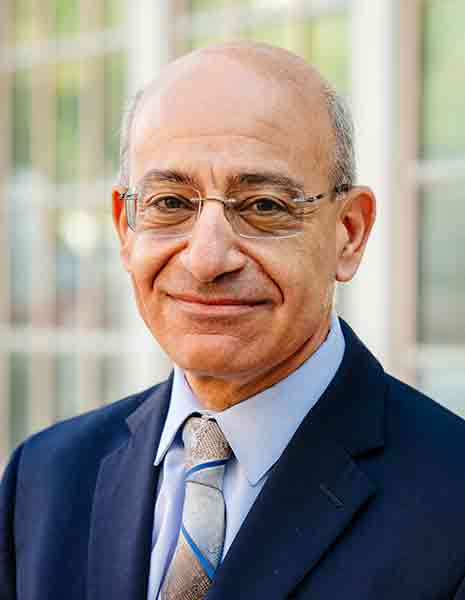
That responsibility recently brought Ashraf Fouad, professor and chair of endodontics at the UAB School of Dentistry, into national and international efforts to update evidence-based clinical guidance in two key areas of care: dental radiography and vital pulp therapy.
Serving on an expert panel of the ADA’s Council on Scientific Affairs, Fouad contributed to updated guidance on the use of dental radiography and cone beam computed tomography (CBCT), revising recommendations that had not been comprehensively updated since 2012. Advances in imaging technology, changes in diagnostic needs, and a growing body of evidence made a reassessment both timely and necessary.
“These updates are about helping clinicians make better decisions, using the right imaging at the right time, for the right reason, while keeping the patient exposure to the minimum that permits adequate diagnosis and treatment,” Fouad said. “That has implications for patient safety, diagnostic accuracy, and responsible use of technology.”
Fouad also participated in an international consensus process through the International Association of Paediatric Dentistry. This effort addressed vital pulp therapy, a treatment approach that can preserve natural tooth structure with a vital, healthy pulp, and improve long-term outcomes when appropriately applied. The consensus synthesizes current evidence to guide clinical decision-making across a range of practice settings.
Guideline and consensus development differs from traditional research publication. Rather than presenting new findings, these efforts translate existing evidence and expert judgment into shared standards that inform everyday clinical decisions.
Fouad’s work builds on a longer history of UAB School of Dentistry faculty contributing to national standards-setting efforts, including service by both Fouad and Mia Geisinger as chair of the American Dental Association Council on Scientific Affairs.
For UAB, this continued presence in guideline development reflects professional trust and leadership, not only advancing research, but helping define how evidence is applied in real-world care.