Faculty
-
Chemoprevention of Breast Cancer
Chemopreventive agents must be administered on a long-term basis to healthy individuals; hence, emphasis must be placed not only on efficacy but also on a high level of safety. In addition, cancers develop through a multistep process in which molecular and biochemical alterations accumulate in target cells over long periods of time, the end result of which is a clinically apparent malignancy. Development of effective chemopreventive agents, or combinations of agents requires identification of the points in this process in which intervention with a pharmacologic agent or changes in diet through consumption of natural botanicals or modification of diet-related components could inhibit, reverse and/or delay development of invasive and/or metastatic cancers and a knowledge of their mechanisms of action.
-
Chemoprevention of Colorectal Cancer
Led by Dr. Greg Kennedy, these research efforts are focused on chemoprevention of colon and rectal cancer. His funded laboratory uses genetic models to better understand how chemicals prevent tumor formation and what genetic pathways are responsible for their effects. The ultimate goal is to identify targeted agents that are better tolerated by patients in hopes of preventing colon and rectal cancer.
-
Chu, Daniel I., M.D., MSPH, FASCRS
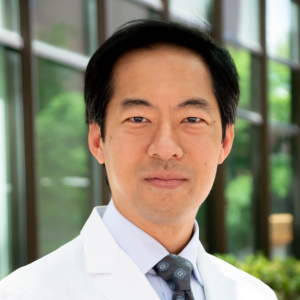
Professor
Division Director of GI Surgery
Selwyn M. Vickers, M.D., F.A.C.S. Endowed ChairAreas of Interest
colorectal cancer, inflammatory bowel disease, diverticular disease and anorectal pathology, health care disparities research, Enhanced Recovery After Surgery (ERAS), microbiome research -
Corey, Britney, M.D., MACM
Associate Professor
Program Director, General Surgery Residency
Marshall Urist, M.D., Endowed ProfessorAreas of Interest
minimally invasive GI surgery, foregut and anti-reflux, abdominal wall hernias, surgical education -
Galli, Aurelio, Ph.D., D.Sc.
Professor
Vice Chair, Basic Research
Director for Gastrointestinal Biology Research
Champ Lyons Endowed Chair in General Surgery
Distinguished Professor in the Heersink School of MedicineAreas of Interest
brain development and plasticity, neurotransmitters, substance abuse -
Gibson, Quince, M.D., MBA
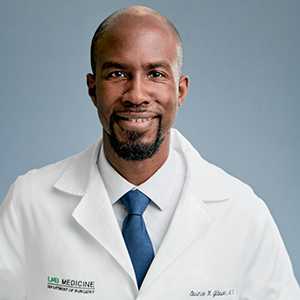 Assistant Professor
Primary Practice Location: Whitfield Regional Medical Center, DemopolisAreas of Interest
global surgery, rural surgery, health informatics, genetic epidemiology -
Giri, Bhuwan, MBBS
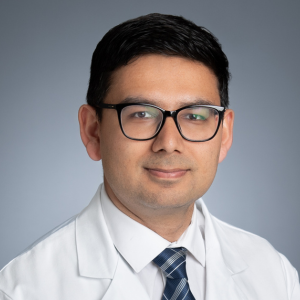 Assistant Professor
Areas of Interest
progression from immune homeostasis that leads to permissive dysplasia in colitis-associated cancer and novel avenues for its prevention, diagnosis, and treatment -
Gleason, Lauren Theiss, M.D., MSPH
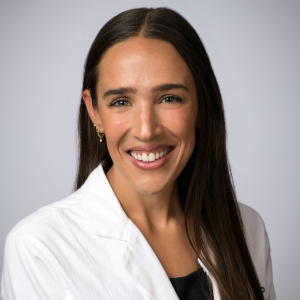 Assistant Professor
Co-Director, Women in SurgeryAreas of Interest
colon, rectal, and anal cancer; surgical management of Crohn's disease and ulcerative colitis; diverticulitis; benign anorectal disorders; robotic and minimally invasive surgery -
Grams, Jayleen M., M.D., Ph.D.
Professor
Vice Chair, VA Affairs
Associate Chief of Staff, VA Surgical Services
Director, Minimally Invasive Surgery at Birmingham VA
Assistant Program Director, Minimally Invasive Surgery FellowshipAreas of Interest
foregut and bariatric surgery, achalasia, gastroesophageal reflux disease, hiatal or paraesophageal hernias, morbid obesity and metabolic syndrome, role of the microbiome in obesity, outcomes research -
Hanney, Richard, M.D.

Professor
-
Hardiman, Karin M., M.D., Ph.D.
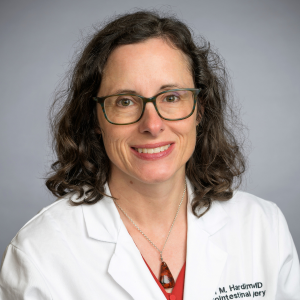
Professor
Associate Vice Chair, Basic Research
Program Co-Director, Future Surgeons and Scientists Investigating Oncology (FUSSION)
Associate Director, Physician Scientist Development Office (PSDO)
Assistant Program Director for Resident Research, General Surgery Residency Program
Strange Family Endowed Professorship in Surgical Sciences ResearchAreas of Interest
colon and rectal surgery, intestinal surgery -
Hollis, Robert H., M.D., MSPH
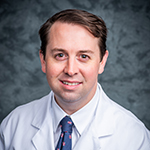
Assistant Professor
Member, Institute for Cancer Outcomes & Survivorship
Leader, Colorectal Cancer Management Team for the O’Neal Cancer Service Line
Co-Director, Short-Term Research Experiences Advancing Medical Students (STREAMS)Areas of Interest
clinical interests include colon, rectal, and anal cancer; hereditary colorectal cancer syndromes (i.e. Lynch syndrome, familial adenomatous polyposis); surgical management of inflammatory bowel disease (ulcerative colitis and Crohn’s disease); pelvic pouch surgery; diverticulitis; rectal prolapse; benign anorectal disorders; enterocutaneous fistula; minimally invasive surgery; re-operative surgeryresearch interests include hereditary colorectal cancer; ostomy care; health inequities; quality of care
-
Kaushik, Manu, M.D.
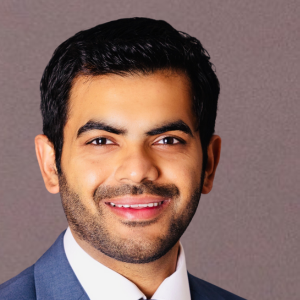 Assistant Professor
Areas of Interest
gastrointestinal surgery, general surgery, outcomes research -
Morris, Melanie S., M.D., FASCRS
Professor
Vice Chair, Perioperative Services
Chief of General Surgery, Birmingham VA Hospital
Associate Chief Quality Officer, UAB MedicineAreas of Interest
minimally invasive colorectal surgery, colon and rectal cancer, inflammatory bowel disease (Crohn’s and ulcerative colitis), diverticulitis, and rectal prolapse -
Mustian, Margaux, M.D., MSPH
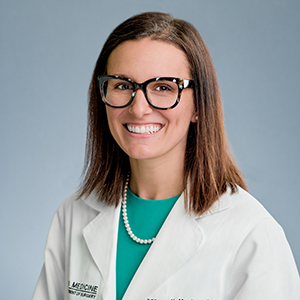 Assistant Professor
Course Director, UAB Department of Surgery ClerkshipAreas of Interest
gallbladder disease, abdominal wall hernias, health services research, surgical education, and bariatric surgery -
Neuroendocrine Cancer
Neuroendocrine (NE) tumors are the second most common cause of isolated hepatic metastases. These tumors often cause debilitating symptoms due to excessive hormonal secretion which characterize these NE lesions. Besides surgery, there are limited curative and palliative treatments available to patients with NE tumors, emphasizing the need for development of other forms of therapy. Notch1 is a multi-functional transmembrane receptor that plays an important role in cellular differentiation in the gastrointestinal (GI) tract. Similar to its role in developing nervous tissues, Notch1 signaling is thought to mediate a process called lateral inhibition within the GI tract. During GI development, multipotent cells destined to differentiate into enteroendocrine cells express the Notch1 ligand, Delta. Delta then binds to Notch1 receptors on neighboring undifferentiated cells. This triggers activation of Notch1 within the undifferentiated cells, leading to a cascade that inhibits the expression of pro-endocrine genes. Thus, the overall effect is to limit the number of cells which can differentiate into enteroendocrine cells. The lab has recently shown that over expression of Notch1 in GI carcinoid cells as well as in medullary thyroid cancer cells causes a dramatic reduction in hormone production accompanied by growth suppression. His group is currently developing animal models of GI carcinoid and medullary thyroid tumor progression to investigate the possible role of Notch1 in suppressing hormone production by these tumors. This group is also initiating clinical trails with Notch1 activating compounds.
-
Novitski, Katie, M.D., MPH
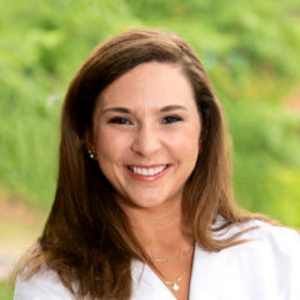 Clinical Assistant Professor
Primary Practice Location: Riverview Medical Center GadsdenAreas of Interest
robotic surgery, bariatric surgery outcome improvement, patient education -
Overstreet, Demario S., Ph.D.
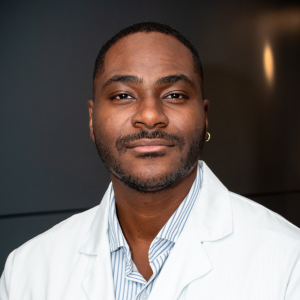 Assistant Professor
Areas of Interest
Biological, psychological and social mechanisms of pain, acute-to-chronic pain after surgery, precision-focused prediction and prevention of post-operative pain, quantitative sensory testing & pain phenotyping, gastrointestinal pain (IBD & colorectal cancer), and population-level differences in health outcomes -
Parmar, Abhishek, M.D.
 Associate Professor
Areas of Interest
Complex abdominal wall hernias, including ventral hernias, groin hernias, flank hernias, recurrent hernias, core abdominal wall health, chronic groin pain, and mesh-related complicationsPediatric Solid Tumors
Cell survival signaling with the focus on focal adhesion kinase and its relation to other signaling molecules such as I2PP2A and PIM with the goal to develop novel therapeutics for neuroblastoma and other pediatric solid tumors. Basic science including in vitro and in vivo work.
Richman, Joshua, M.D., Ph.D.
Associate Professor
Areas of Interest
health services research, biostatisticsRomine, Matthew, M.D.
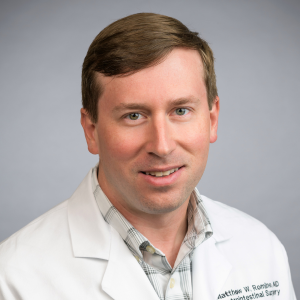
Assistant Professor
Areas of Interest
laparoscopic and robotic minimally invasive general surgery, including foregut, bariatric surgery, and complex abdominal wall herniasSahawneh, James, M.D.
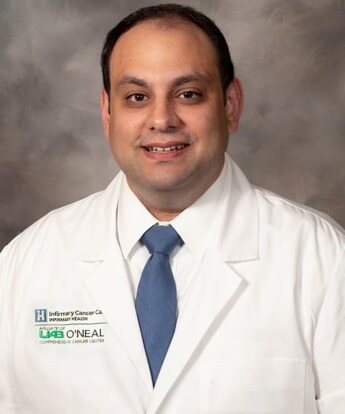
Clinical Assistant Professor
Primary Practice Location: Mobile InfirmaryAreas of Interest
colon cancer, rectal cancer, anal cancer, endoscopic treatment of colonic diseaseStahl, Richard D., M.D.
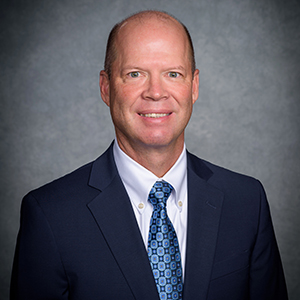
Professor
Medical Director, Bariatric Surgery
Program Director, Minimally Invasive Surgery FellowshipAreas of Interest
surgical treatment of obesity and metabolically related diseases; minimally invasive and open gastric bypass surgery, adjustable gastric banding, and sleeve gastrectomySwenson, Lacey, M.D.

Clinical Assistant Professor
Primary Practice Location: Russell Medical Center, Alexander CityAreas of Interest
Robotic minimally invasive surgery, abdominal wall inguinal and hiatal hernia repairs, gallbladder disease, colon and rectal cancer and diverticulitis, skin and soft tissue procedures and endoscopyVickers, Selwyn M., M.D.
 President & CEO, Memorial Sloan Kettering Cancer Center
Voluntary Professor, UAB Department of SurgeryAreas of Interest
gastrointestinal surgery, pancreatic cancer, hepatobiliary tumors, health disparities, hernia surgeryWnt Signaling in Cancer
This lab looks at the role that Wnt plays in the early transformation of a cancer into a metastasis. Also trying to understand the role of pancreaticogenic diabetes in the pathogenesis of pancreatic cancer.
Wong, Kristen, M.D.
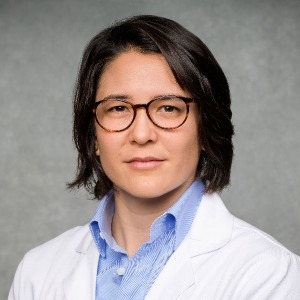
Assistant Professor
Areas of Interest
minimally invasive surgery, bariatric surgeryYoung, Rebecca, M.D.
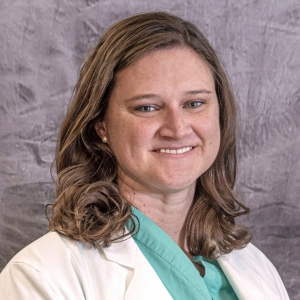
Clinical Assistant Professor
Primary Practice Location: Russell Medical Center, Alexander CityZanella, Daniele, Ph.D.
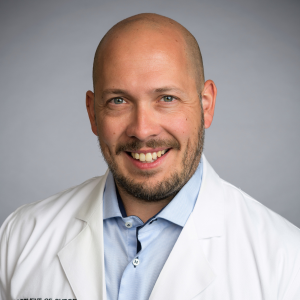
Instructor
Areas of Interest
Membrane physiology, dopamine and gut-brain axis, bile acids and neurotransmission, neuromodulation