School of medicine

UAB launches GRIT with a $10 million gift from the Goodrich family to expand rural Alabama healthcare, training and retaining primary care physicians, strengthening clinics, and improving access, outcomes and long-term community health.

Stevan Fairburn became the first graduate of a degree program that did not even exist a few years earlier. A program built around the belief that the future of medicine will require clinicians who understand both people and technology, both compassion and innovation.

Fireworks accidents are a leading factor in eye injuries during the month of July.
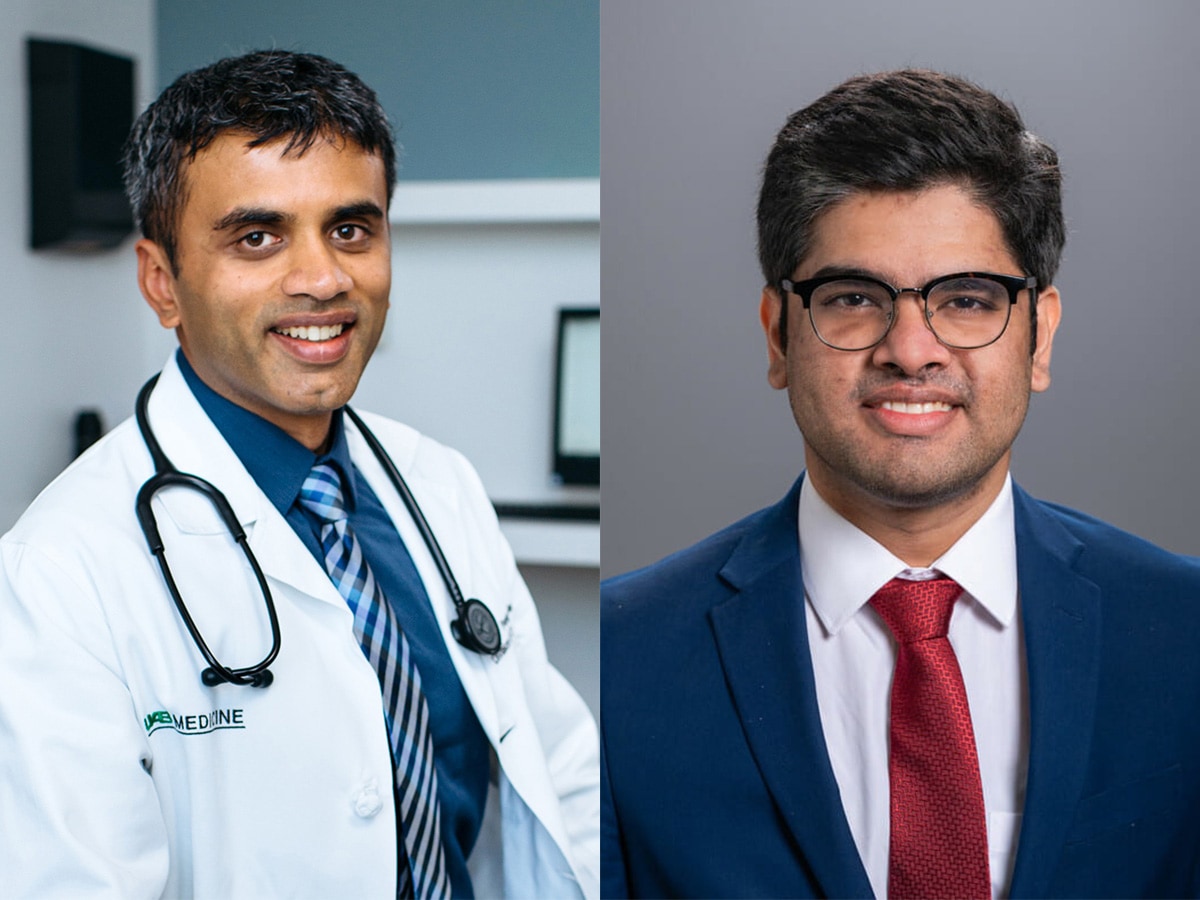
The largest genetic study of NT-proBNP uncovers nine new genomic regions and reveals how common and rare DNA variations shape levels of a key heart hormone across diverse populations.

Communicating with a care team in advance and managing side effects can help radiation therapy patients during summer travel.

UAB OB/GYN takes a deep dive into common misconceptions surrounding women’s health.

The renamed Frances Gorrie Alzheimer’s Disease Center at UAB will accelerate research, expand clinical trials, strengthen specialist training and improve dementia care across Alabama.

A $2.9M NIH grant aims to provide comprehensive genomic medicine consultations to healthcare providers in Alabama and Tennessee, helping integrate genetic and genomic insights into routine patient care.

A UAB urologist clarifies common misconceptions about male infertility and offers tips to improve chances of conception.

Former UAB basketball player Trey Jemison’s journey from college athlete to the NBA highlights the importance of eye safety, early detection and protective eyewear, guided by UAB Eye Care experts who helped him manage myopia and prevent sports‑related eye injuries.

Jacob Smith is continuing his recovery two years after a car fell on his head while he was working on it, causing a severe traumatic brain injury, and he is making steady progress in rehabilitation with support from his family and the UAB medical team.

A UAB rehabilitation expert and quadriplegic wheelchair user shares practical, accessibility‑focused tips to help people living with disabilities prepare for severe weather.

Drowning is the leading cause of death for children ages 1 to 4, making prevention one of the most important steps families can take during warmer months.
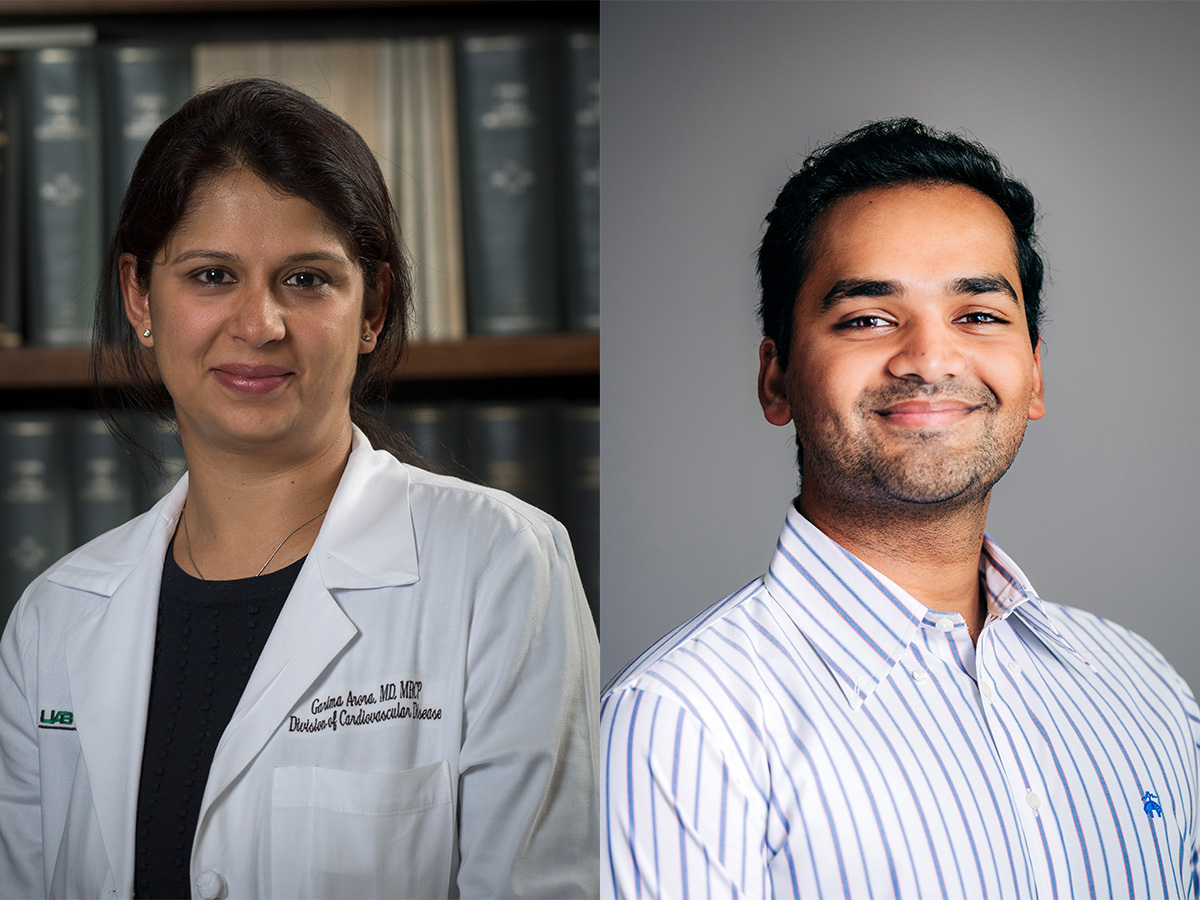
Heart-healthy habits like exercising, eating a healthy diet and avoiding tobacco and alcohol consumption during pregnancy can benefit both women and their babies.

UAB researchers will explore whether using a fentanyl strip test before ingesting a substance can prevent overdosing.

Taking time to clean your mind can help organize tasks, clarify values, improve sleep and create mental clarity.

Research reveals that moderate to vigorous physical activity measured by wearable fitness trackers is associated with lower rates of adverse cardiovascular events in people with genetic variants linked to cardiomyopathy.

A three-year grant awarded to Ariel Salas, M.D., and his team at UAB will fund innovative research in early milk nutrition in preterm infants.

Few centers in the Southeast offer this procedure, and the national allocation system does not typically prioritize patients with colorectal metastases — meaning extended waits on the transplantation list for these patient populations.

Biology and lifestyle play a role in determining the severity of jet lag, but preparing in advance can help adapt quicker.