School of medicine
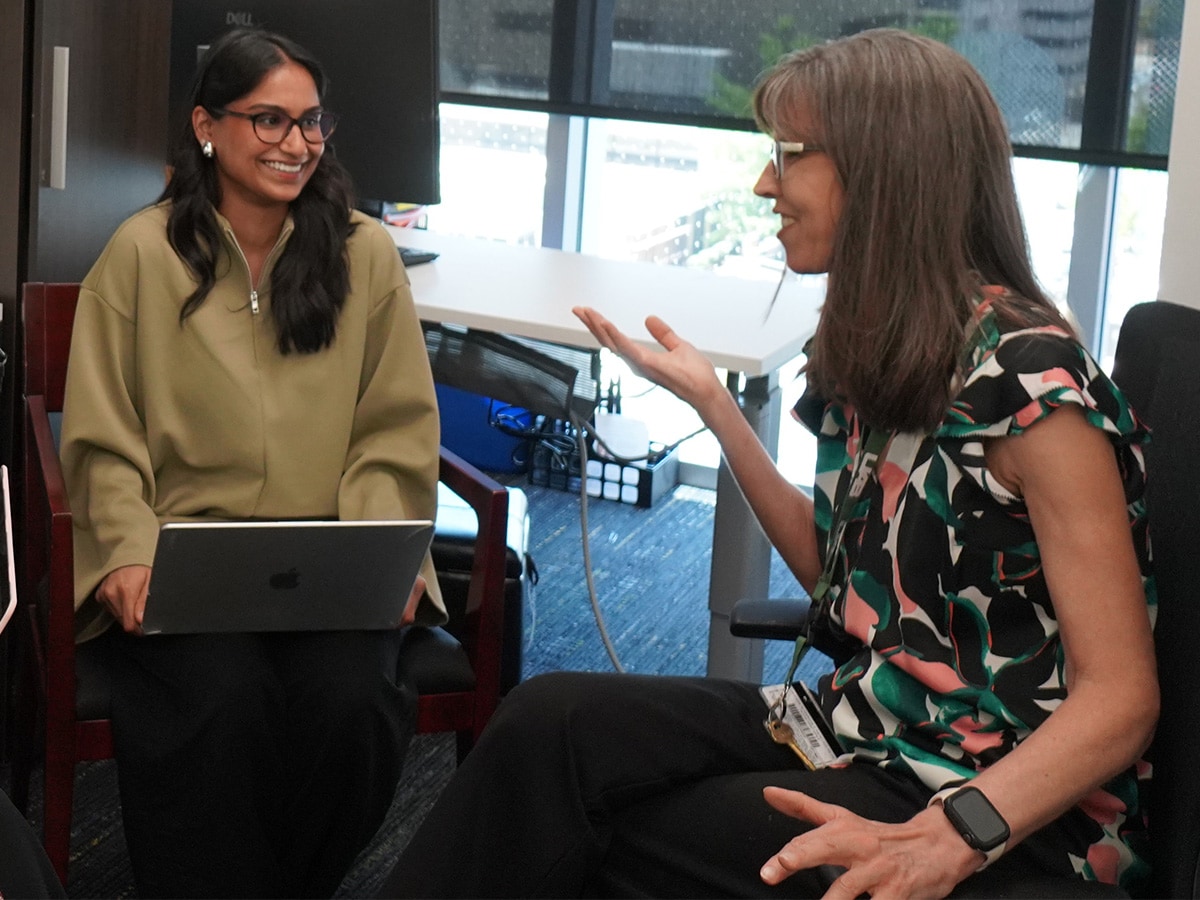
As the inaugural participant in the Heersink Student Mobility Program, McMaster University graduate student Dua Khan spent 10 weeks at UAB exploring community health, cancer disparities research and clinical medicine, gaining a broader understanding of how research, patient care and community engagement intersect to improve health outcomes.
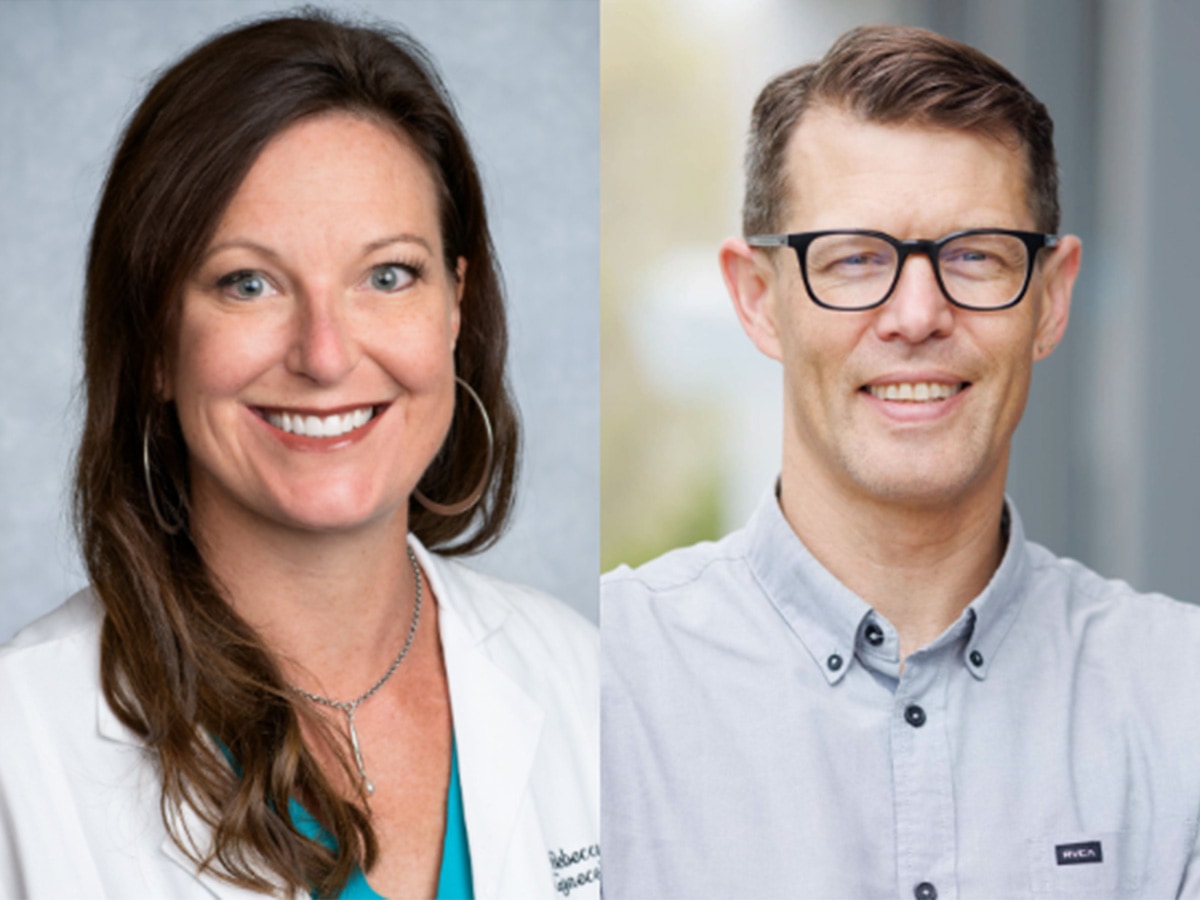
The treatment is designed to redirect a patient’s own immune system to attack cancer cells, potentially opening a new chapter in ovarian cancer treatment.

Researchers at UAB found that the experimental drug SRI-42127 suppresses HPV-driven cervical cancer by reducing key viral cancer proteins, restoring the tumor-suppressor protein p53 and enhancing the effectiveness of chemotherapy in preclinical models.
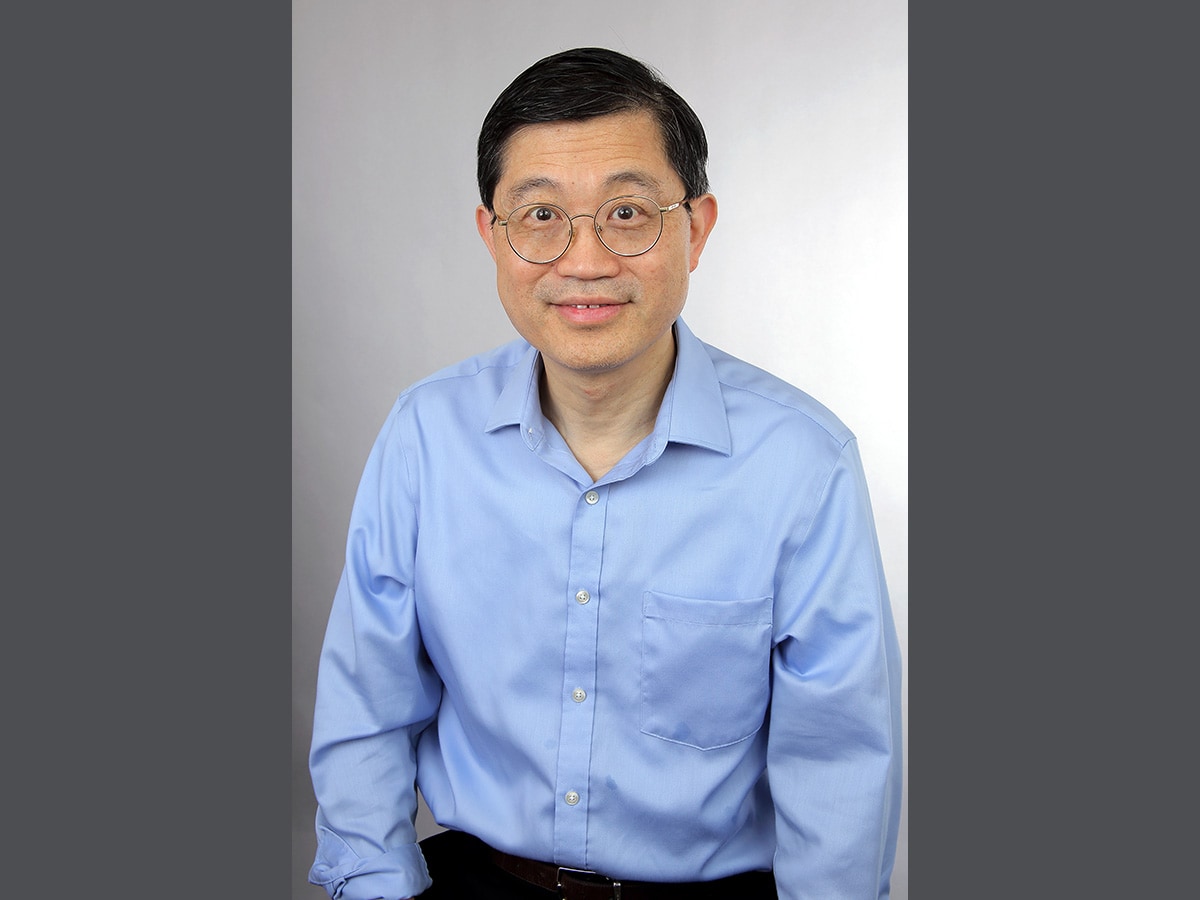
Researchers showed how neuroblastoma cells change as the cancer spreads, helping them grow, survive treatment and escape the body’s immune defenses.
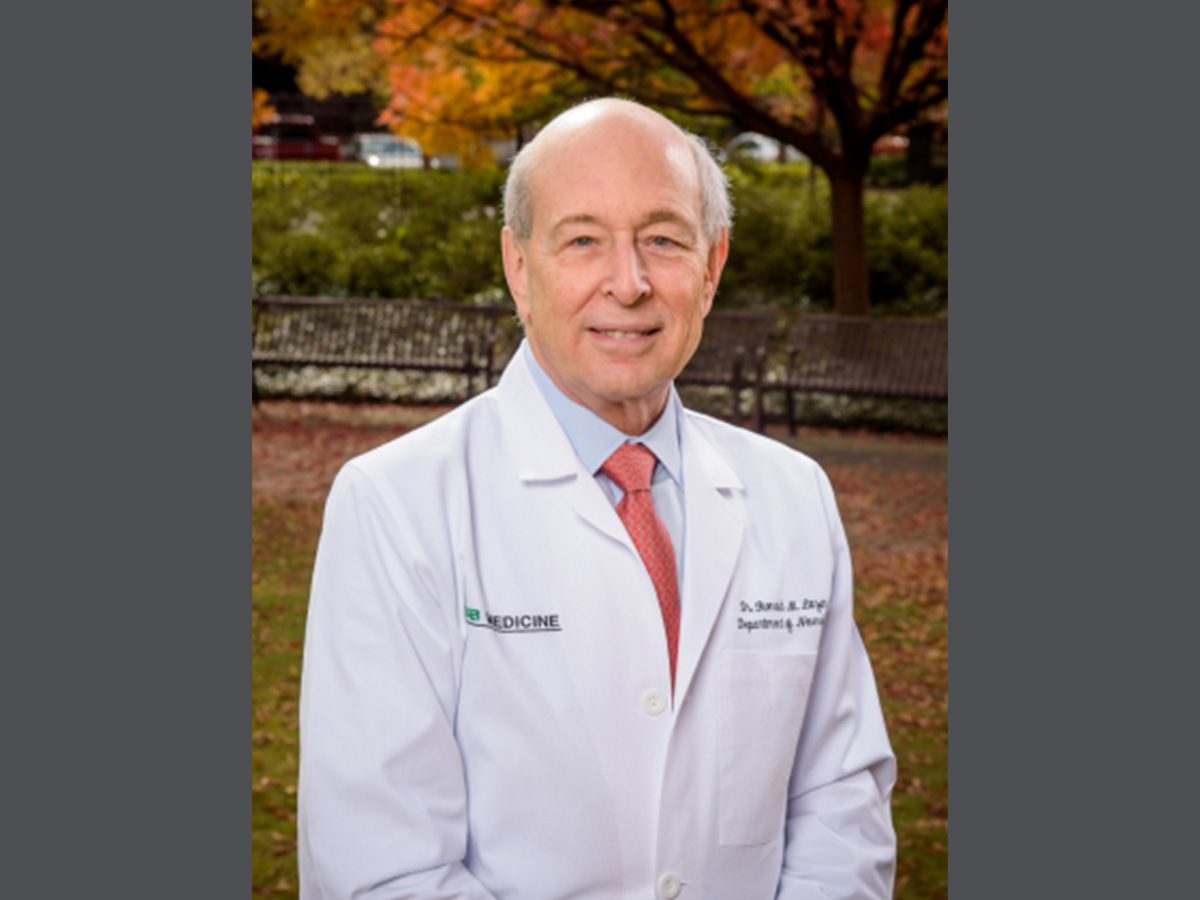
A landmark UAB-led trial found that restoring blood flow through carotid revascularization does not improve cognition in patients with asymptomatic carotid artery stenosis, providing important insights for stroke prevention and patient care.
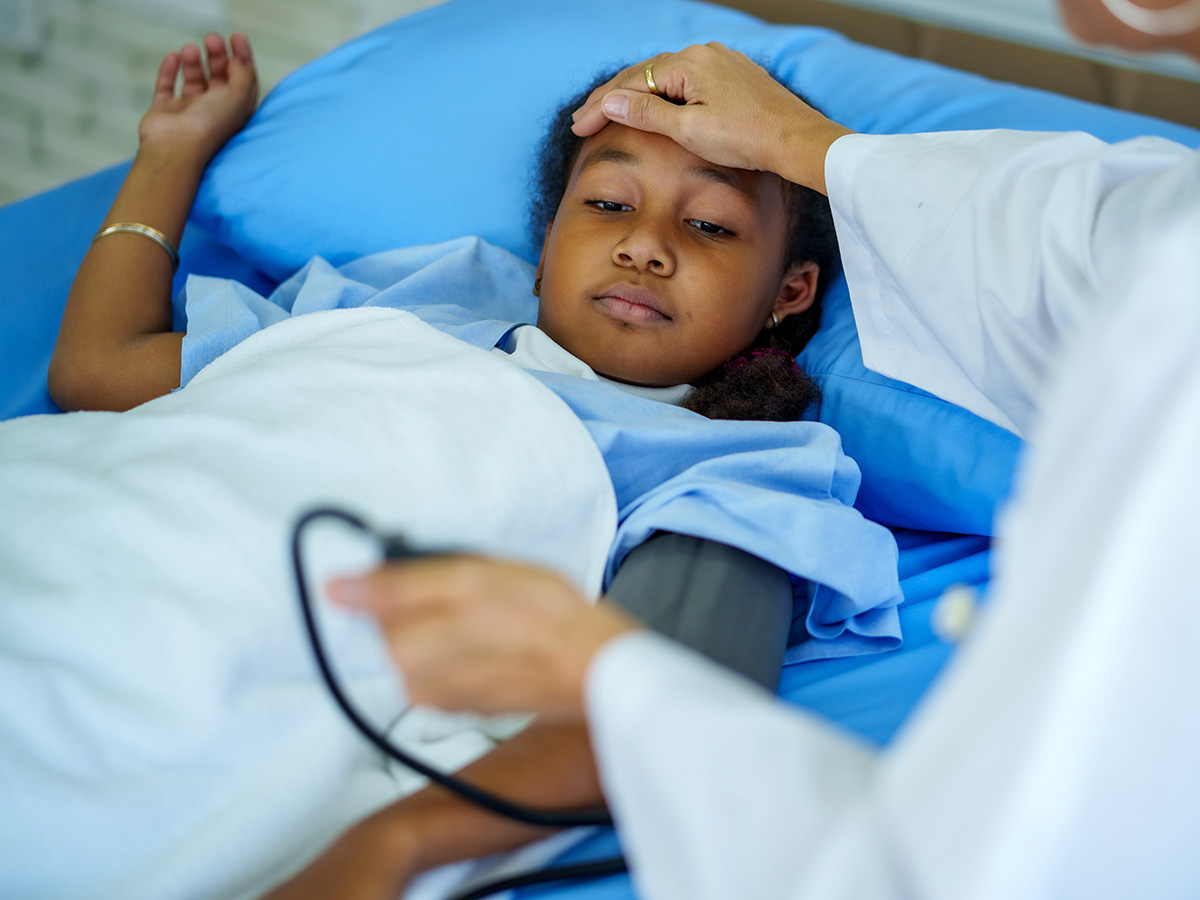
Current blood pressure thresholds may miss vital signs of dangerous instability in children due to pediatric reference values that were not designed for young patients who have experienced trauma.
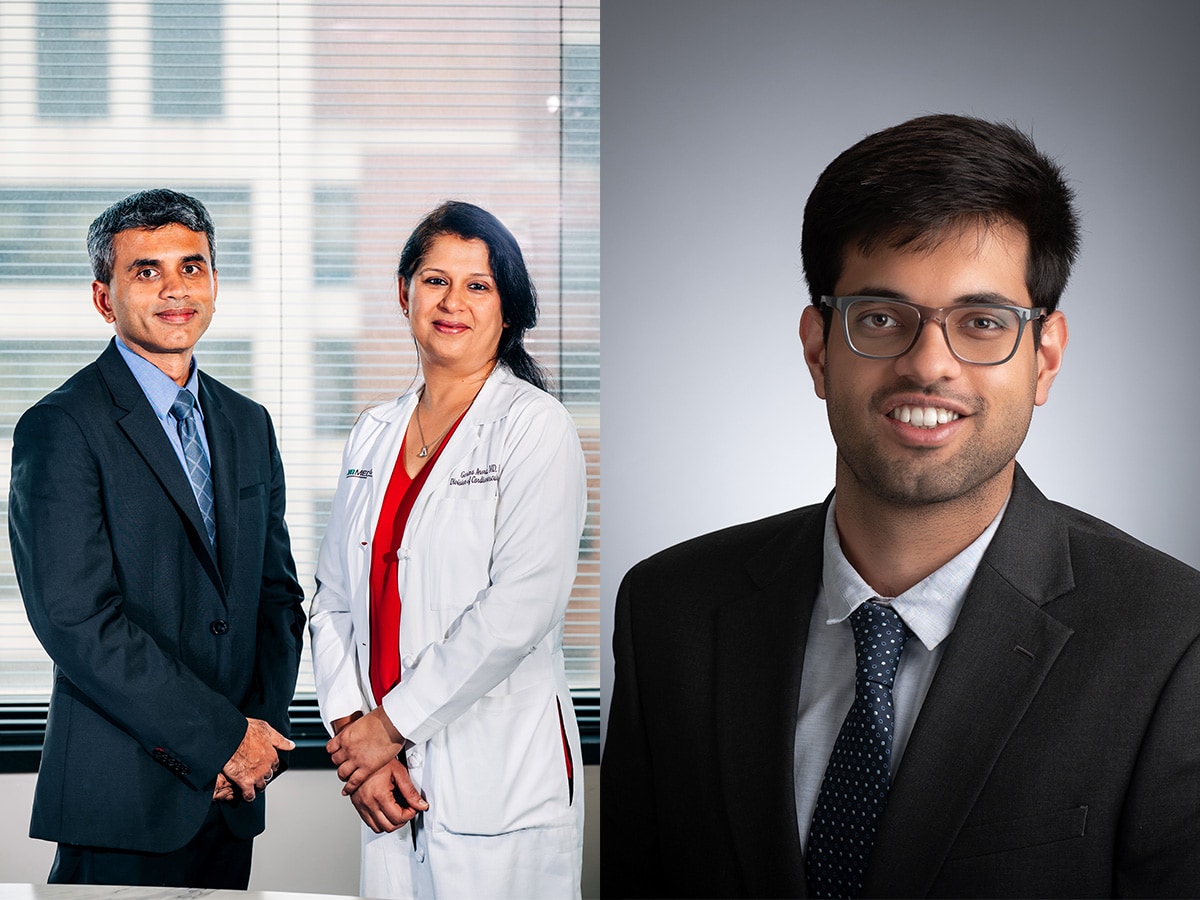
UAB researchers and collaborators built a multi-ancestry genetic risk score for hypertrophic cardiomyopathy that sharpens risk prediction across diverse populations, identifying people at markedly higher risk of developing the disease and of suffering complications, including those whose standard genetic tests are inconclusive.

The funding will be used for specific initiatives, including direct engagement with families and youth, mental and behavioral health support, and support for children and adolescents with special healthcare needs.
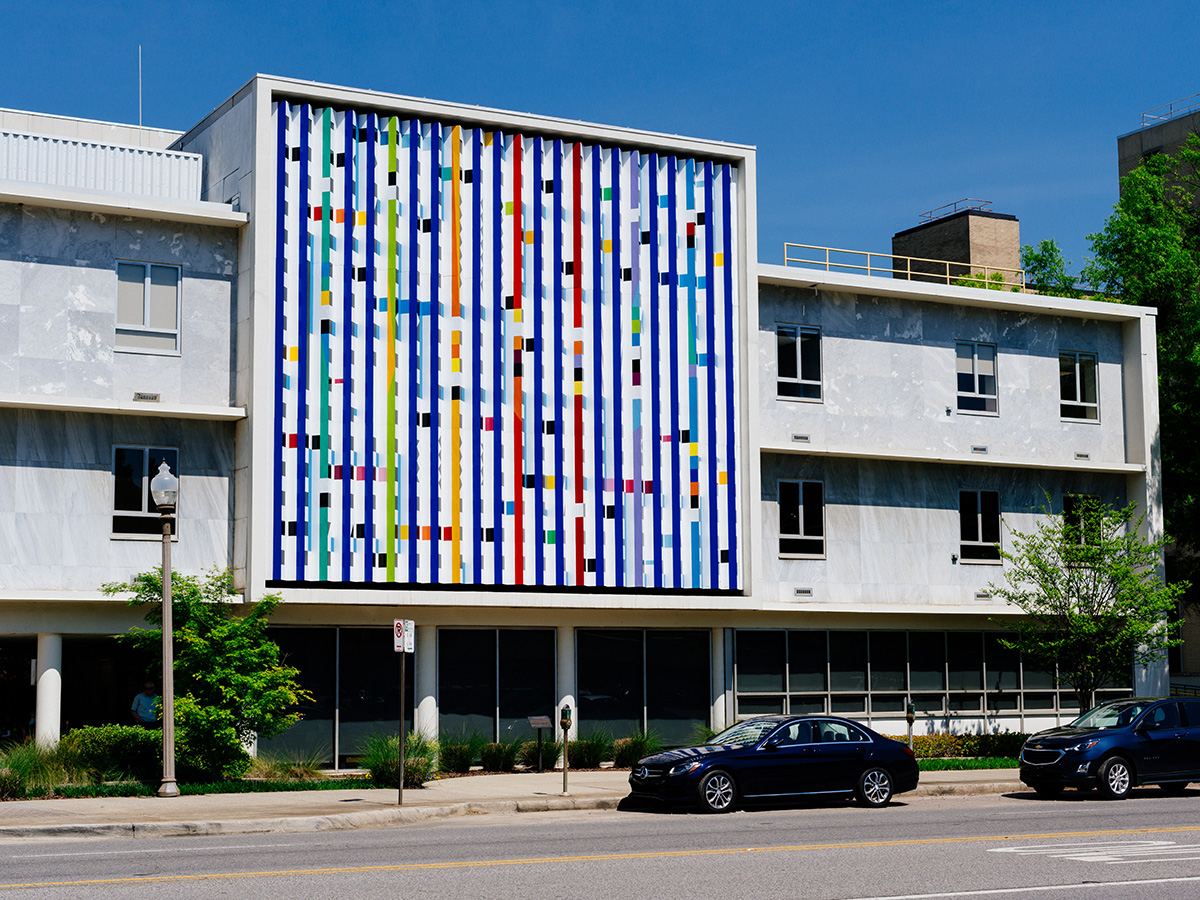
UAB Hospital-Callahan Eye Urgent Care is a “no appointment needed,” walk-in clinic for urgent eye concerns.
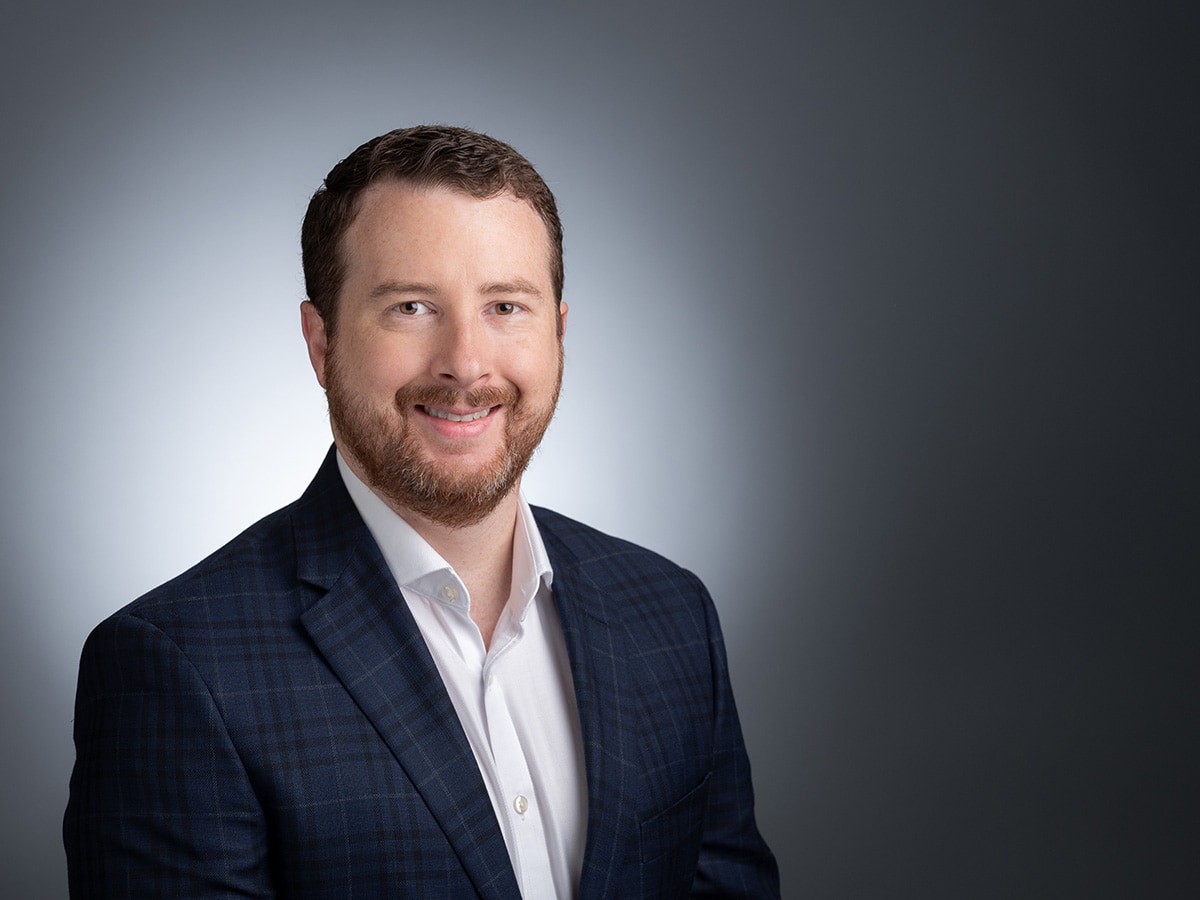
A UAB researcher is working to establish how artificial intelligence can be used to better understand one of cancer’s most-faced questions.
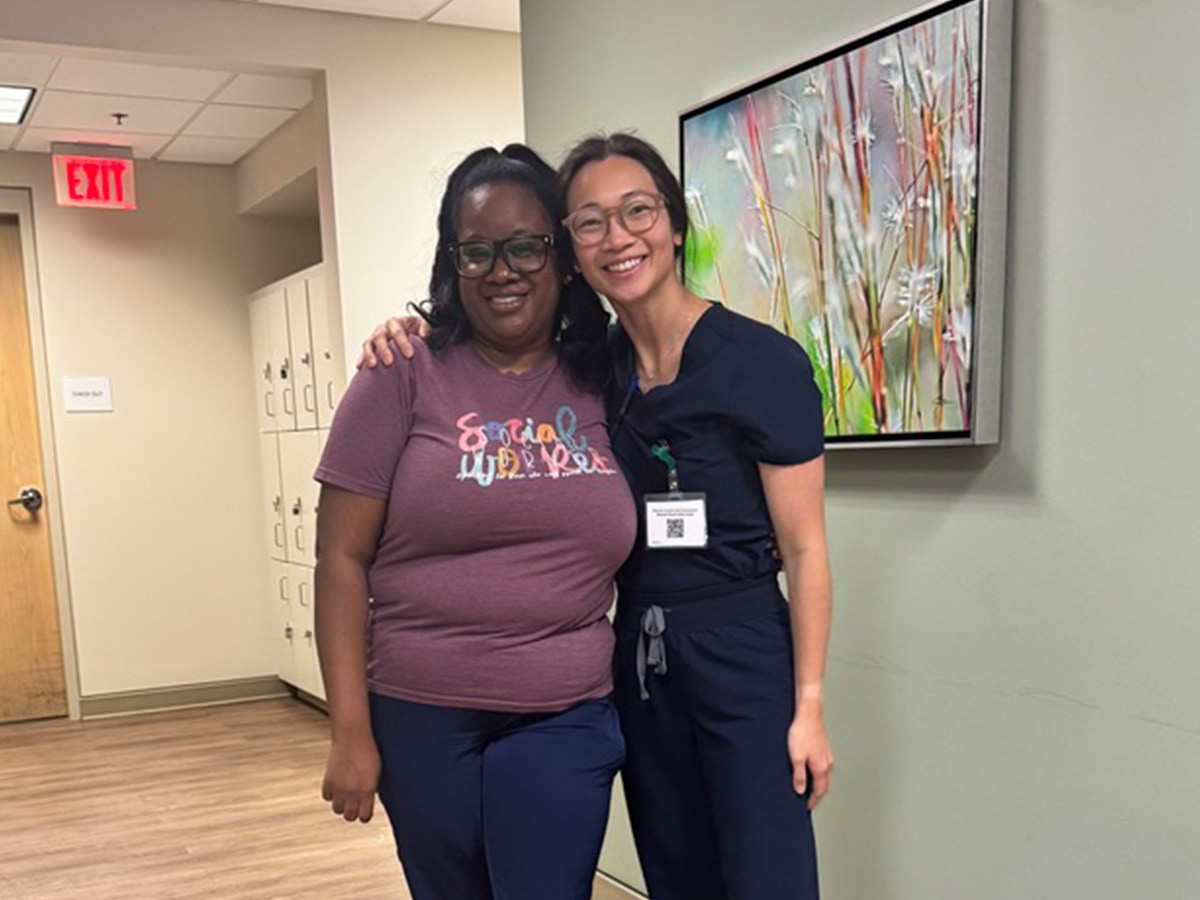
UAB’s new Granulomatous Mastitis Steroid Injection Service reshapes the course of treatment and research with its first patient, Laterica Williams.
UAB researchers have identified a new communication pathway in which extracellular vesicles from T cells influence neural activity and improve social behavior, offering insights into mental health disorders.

UAB expert provides professional insight on daycare illnesses and tips on how to reduce the spread of germs.
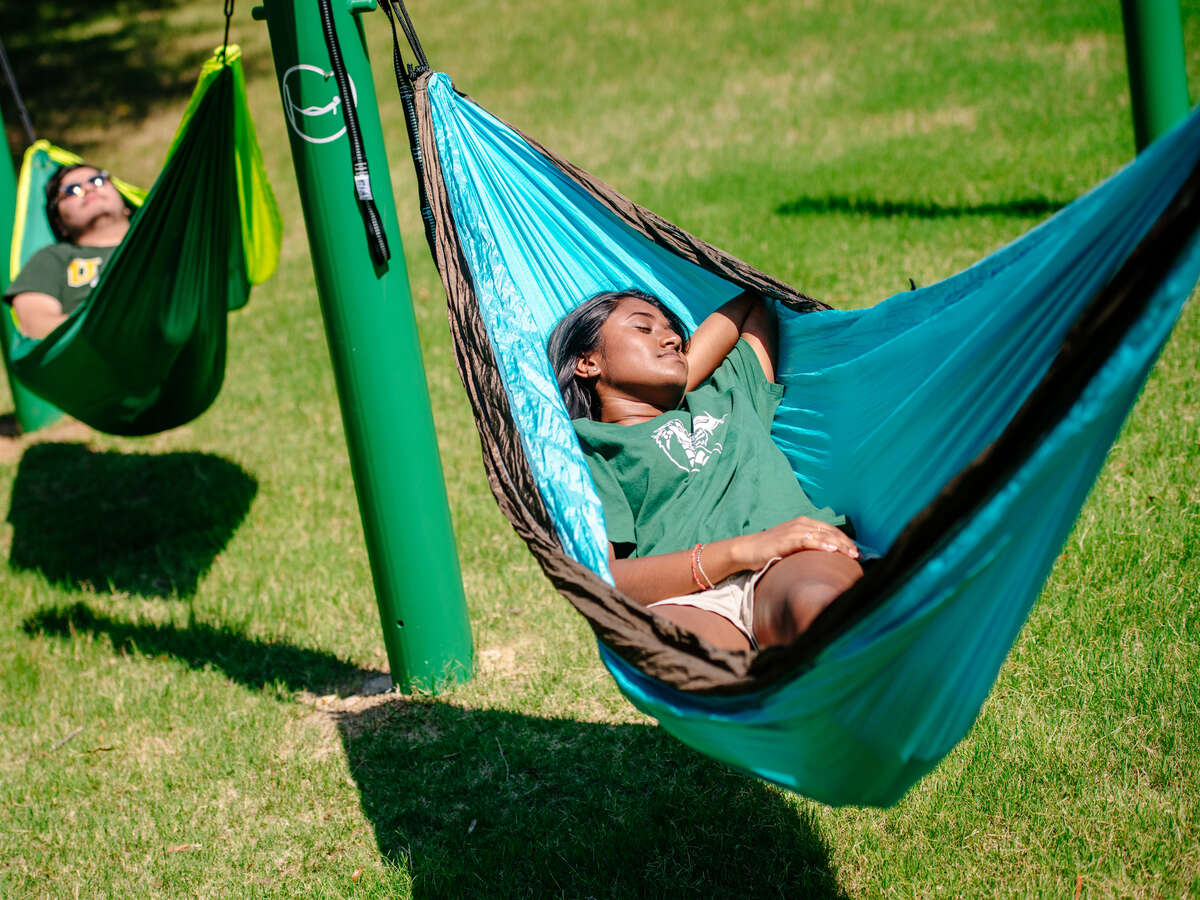
A UAB researcher says resilience to warming temperatures starts at the smallest scale.
UAB researchers developed a novel RNA-based molecular test that more accurately distinguishes active C. diff infection from colonization, improving diagnosis of hospital-acquired illness and helping reduce missed cases and unnecessary antibiotic treatment.
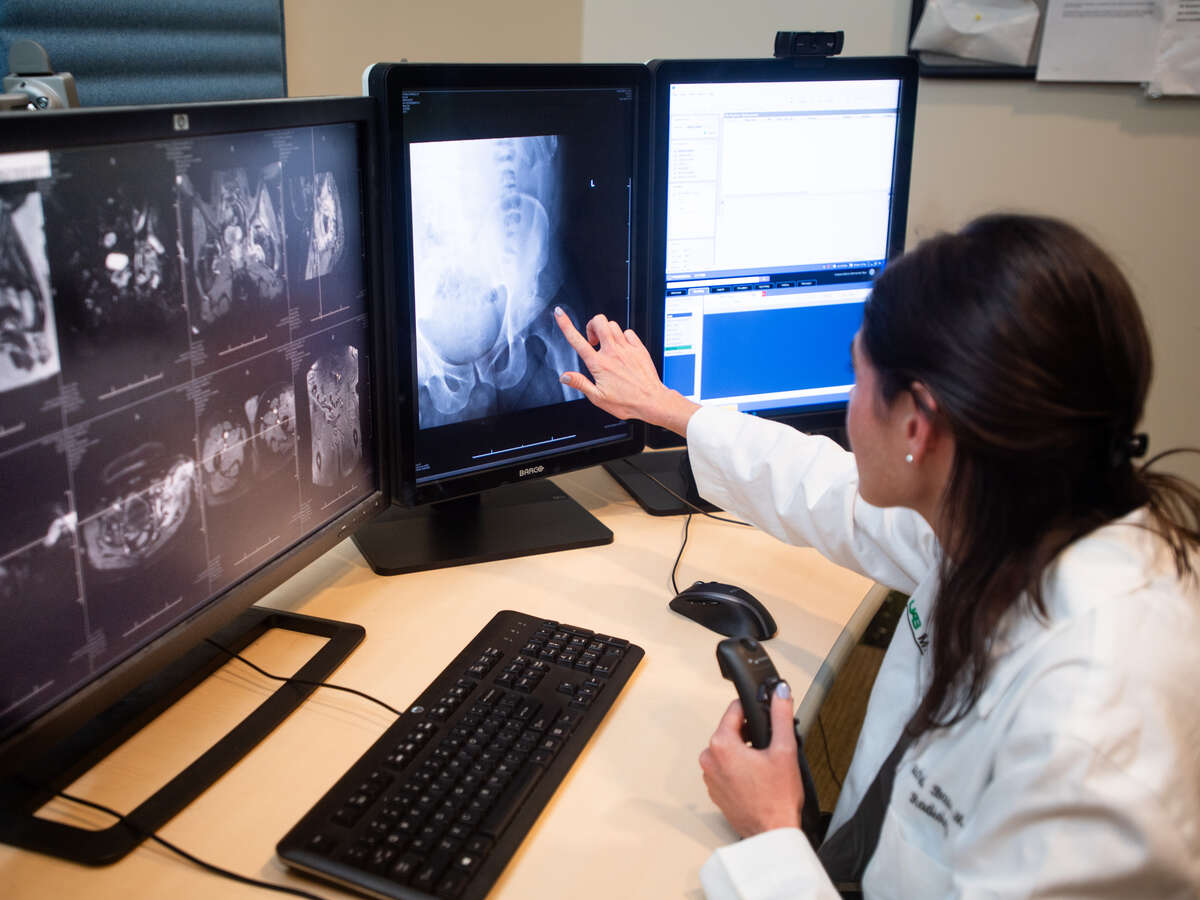
Though radiologists work almost entirely behind the scenes, their interpretations guide countless clinical decisions and influence almost every patient’s care journey.

UAB sports medicine and nutrition experts are sharing guidance on injury-prevention, safe conditioning, hydration and nutrition to support performance and well-being.
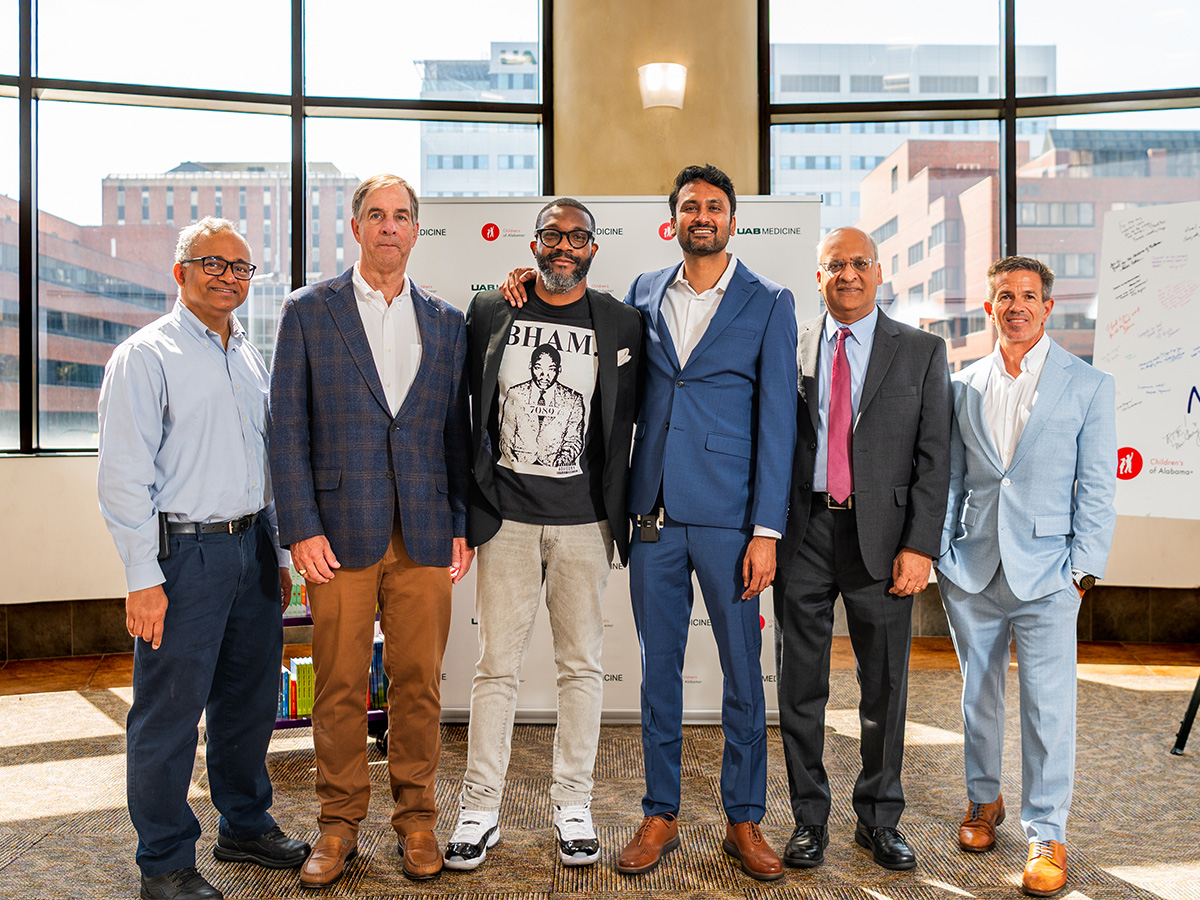
This year, City of Birmingham Mayor Randall Woodfin joined employees at UAB and Children’s of Alabama to celebrate the five-year anniversary of the NICU Bookworms program and recognize all that has been accomplished since its establishment.

Why do some people suddenly feel old? A UAB aging expert explains the biological and lifestyle factors behind aging, common triggers such as stress and illness, and practical strategies to maintain strength, resilience, independence and quality of life.

Researchers at UAB and Cincinnati Children’s Hospital Medical Center have uncovered that supplemental indigo light may effectively reduce the progression of myopia.