Latest from NORC
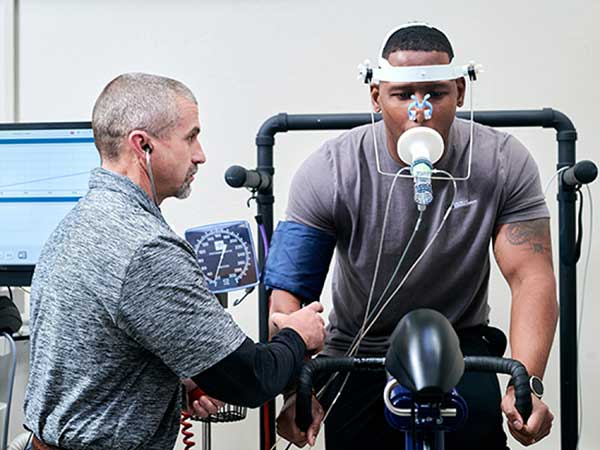
Researchers want to know what happens in your body at the molecular level when you exercise. In the largest exercise research program of its kind, researchers at the University of Alabama at Birmingham are part of a National Institutes of Health effort to collect and turn data from nearly 2,600 volunteers into comprehensive maps of the molecular changes in the body due to exercise.

The University of Alabama at Birmingham is now recruiting cancer survivors in Alabama, Mississippi, North Carolina and Tennessee for two new, web-based healthy lifestyle trials.

Many Americans are playing it safe and practicing social distancing and self-isolation as they try to limit the spread of germs during the COVID-19 pandemic. But being cooped up at home may mean that eating, especially eating snacks and junk food, is the way many people will occupy the time they work from home or spend with loved ones.
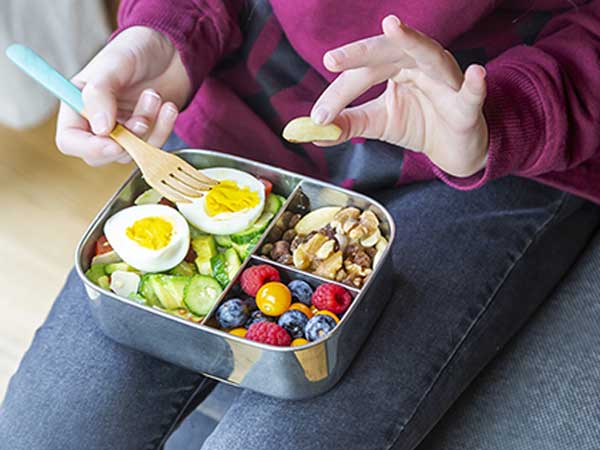
A new study from researchers with the University of Alabama at Birmingham’s Department of Nutrition Sciences suggests consumption of a moderately carbohydrate-restricted diet may result in decreased fatty liver tissue, as well as improvements in body composition and insulin resistance, in adolescents with non-alcoholic fatty liver disease.

People who spent all of their childhood and early adulthood in the Stroke Belt are more likely to develop cognitive impairment later in life compared to those who did not, according to a new study led by researchers at the School of Public Health at the University of Alabama at Birmingham.

Hot sauce may burn the tongue, but the inner fire of inflammation brings real damage.

On Jan. 10, three wellness experts from the University of Alabama at Birmingham answered questions about setting goals, sticking to them and more through UAB News’ first Twitter Q&A session of 2020.

Gattadahalli M. Anantharamaiah, Ph.D., professor in the University of Alabama at Birmingham School of Medicine, has been elected as a 2019 National Academy of Inventors fellow.
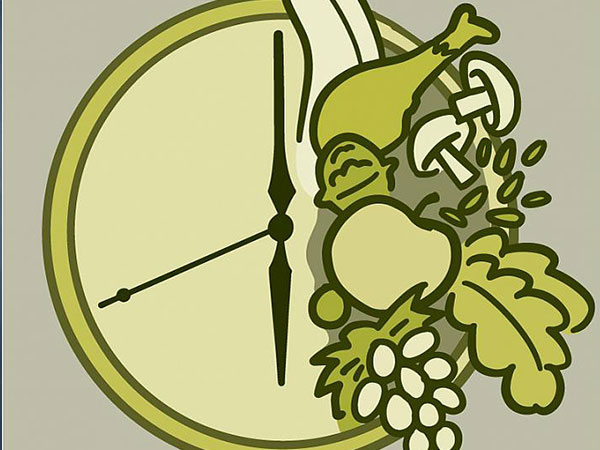
What you eat matters. Many studies have shown that the types of food you eat affect your health. But what about the timing? Scientists are just beginning to understand that when you eat may also make a difference.