Latest from NORC

A series of studies recently published in the Journal of the American College of Cardiology by University of Alabama at Birmingham researchers describes the reasons behind low levels of natriuretic peptides in obese individuals. NPs are beneficial hormones produced by the heart that are responsible for the regulation of blood pressure and the overall cardiovascular and metabolic health of humans. This study also addresses how the disturbance of an individual’s day-night, or diurnal, rhythm of these hormones contributes to poor cardiovascular health in obese individuals.
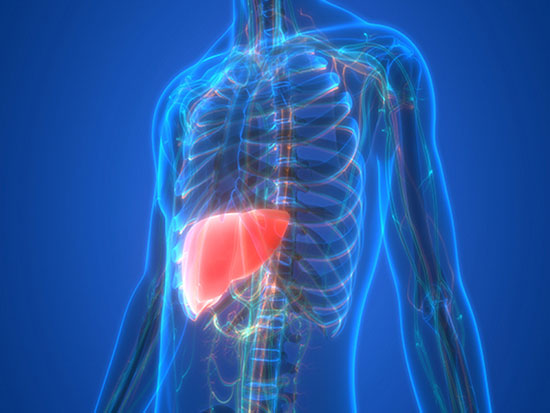
Amy Goss, Ph.D., assistant professor in the University of Alabama at Birmingham’s Department of Nutrition Sciences, has received a $3 million R01 grant to implement a family-based diet intervention to treat fatty liver disease and obesity in adolescents.

Jennifer Pollock, Ph.D., professor in the Division of Nephrology in the Department of Medicine, School of Medicine at the University of Alabama at Birmingham, is the new president of the American Physiological Society. Pollock was elected by APS membership and takes office April 30, 2021.

A new study published in the Journal of Molecular and Cellular Cardiology by University of Alabama at Birmingham researchers shows that an increase in the consumption of branch chain amino acids later in the day could result in a negative effect on cardiovascular health.

The National Institutes of Health National Institute of Diabetes and Digestive Diseases has awarded Jayme Locke, M.D., MPH, director of the University of Alabama at Birmingham Comprehensive Transplant Institute and Division of Transplantation, a five-year R01 grant amounting to approximately $3.2 million.

One of the most pronounced health disparities in the United States may also be one of the most visible: Black women are more likely than any other segment of the population to be obese. According to the Centers for Disease Control and Prevention, 38% of European Americans, male and female, are obese. The rate is 37% for African American men. For African American women: 55%.

Ceren Yarar-Fisher, Ph.D., an associate professor in the Department of Physical Medicine and Rehabilitation at the University of Alabama at Birmingham School of Medicine, received the Junior Chamber International 2020 Ten Young Outstanding People of Turkey in Academic Leadership and Accomplishment Award.

For decades, Americans have fought a losing battle with obesity. Between 1960 and 2010, the prevalence of adult obesity in the United States nearly tripled, to 36% from 13%, according to the Centers for Disease Control and Prevention. It isn’t as if many Americans don’t recognize the problem. According to 2018 data from the National Health and Nutrition Examination Survey, just under half of adults in the United States (49.1%) tried to lose weight in the prior 12 months. Nevertheless, according to CDC data, the obesity rate that year rose to a record 42.4%.

In a recent study published in the Journal of the American Heart Association by University of Alabama at Birmingham researchers, findings indicate that among patients with heart failure, obesity is associated with a higher risk of heart failure hospitalization or death due to cardiac causes. However, achieving biomarker-based treatment goals in heart failure improves the prognosis for patients irrespective of their obesity status.