Latest from NORC
After heart attack injury, several fatty-acid-derived bioactive molecules — including one called resolvin D1 — play an essential signaling role to safely clear inflammation and help repair heart muscle. The mechanism of how this resolution occurs is not well-understood.

In a recently published study in the Obesity Society’s peer-reviewed journal, Obesity, University of Alabama at Birmingham health disparities researchers have explored how understanding inequalities in wealth is important to addressing health disparities in health and obesity.
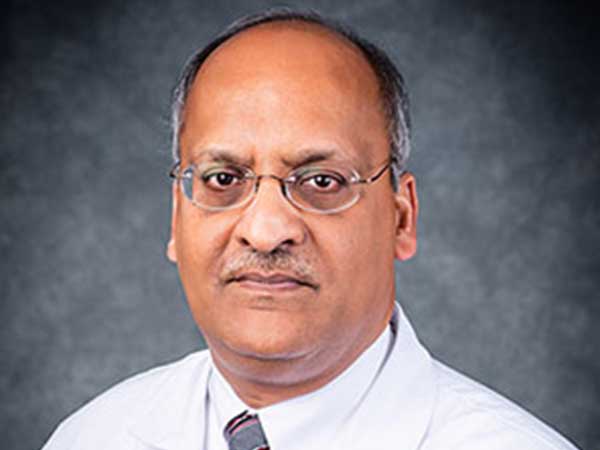
Anupam Agarwal, M.D., will become the next president of the American Society of Nephrology on Jan. 1, 2020, for a one-year term. The organization is made up of more than 20,000 health professionals from 131 countries.
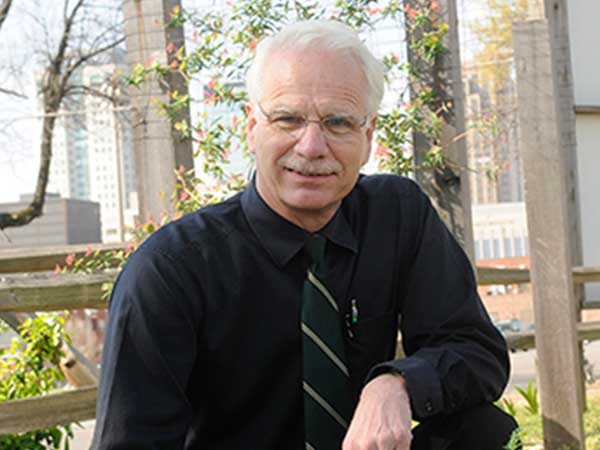
Mike Wyss, Ph.D., professor in the University of Alabama at Birmingham’s Department of Cell, Developmental and Integrative Biology, has received the 2019 Presidential Excellence Awards in Science, Mathematics and Engineering for Mentoring.
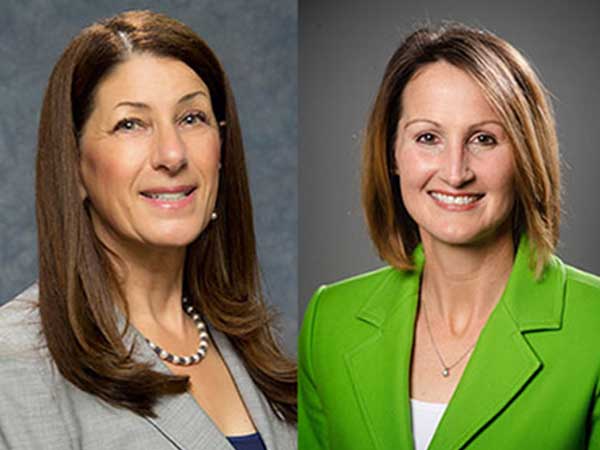
The University of Alabama at Birmingham’s Kristi Menear, Ph.D., and Sue Feldman, Ph.D., recently completed the Higher Education Resource Services program, a leadership development and research organization dedicated to women in higher education.
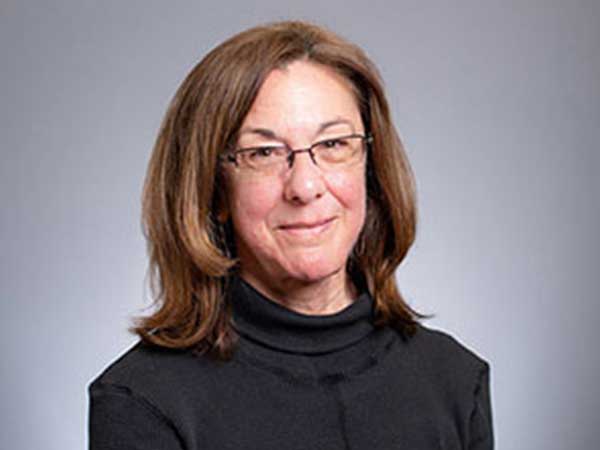
UAB is a unique place, says Barbara Gower, Ph.D., professor and vice chair for Research in the School of Health Professions Department of Nutrition Sciences. But not just because the university brought in nearly $300 million in NIH funding this past year, or because our orthopaedic surgeons offer total knee replacements without an overnight hospital stay for some patients.
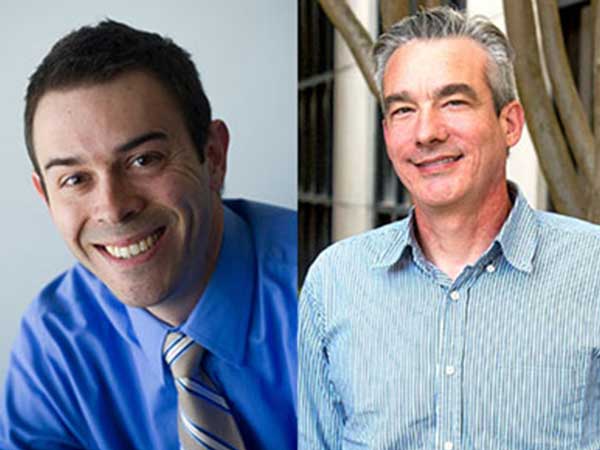
Will weighing yourself every day help you lose weight? Researchers at the University of Alabama at Birmingham received a $2.7 million R01 grant to study middle-aged adults to see if daily self-weighing will help them lose or manage their weight.

Jeralyn Langford, was awarded the title of first place winner for Health Sciences research presentation in the 25th Annual SAEOPP McNair/SSS Scholars Research Conference for her oral presentation entitled, “Association of Dietary Pattern with In-vitro Fertilization (IVF) Outcomes.”
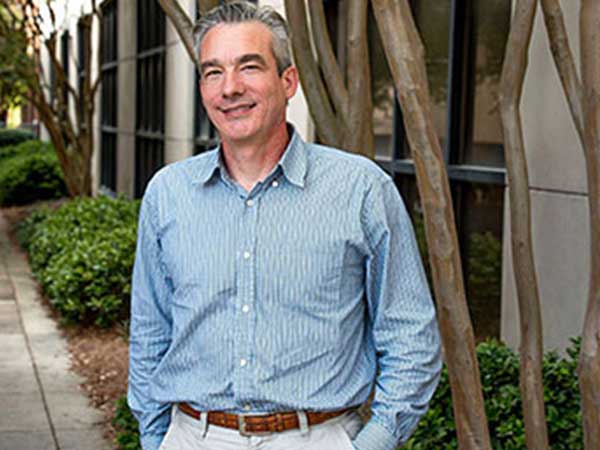
Dr. Kevin Fontaine, Professor, and Chair, in the Department of Health Behavior, and Dr. Gareth Dutton, Associate Professor in the Department of Medicine, were awarded a Research Project Grant (R01) of $2.7 million from the National Institute of Diabetes and Digestive and Kidney Diseases (NIDDK).