
Program Information
Objective:
The Orthodontic Department has as its objective the education of excellent, ethical, compassionate, and versatile practitioners in the art and science of orthodontics. In addition, the program will provide a basis of graduates to pursue an academic career if they so desire.
Type of Program:
The Postdoctoral program is CODA accredited, it extends over a period of 30 months and leads to a certificate in Orthodontics. Those applicants wishing to pursue a Master’s Degree will be admitted to the Graduate School, where in addition to completing the didactic courses offered, the student will be required to complete a thesis, based on original research. On successful completion of requirements of the program and defense of a thesis, the candidate will be awarded a Master’s Degree in Dentistry as well as a Certificate in Orthodontics.
General Description of Program:
The Postdoctoral program is designed to educate and train dentists while meeting the standards of the American Dental Association Commission on Dental Education for Advanced Education Programs in Orthodontics. The program extends over two and a half academic years (30 months) and combines laboratory and clinical work with didactic courses. Successful completion of the program leads to a specialty certificate.
For the Certificate (non-degree) Program, there will be tuition/fees of approximately $13,000 per academic year (Tuition/fees may change as they are updated prior to the start of each academic year). Since students may also be enrolled in the Graduate School, additional fees will have to be paid for various prescribed courses in the graduate program.
Each student will be required to purchase instruments, a camera, laptop computer, books and other supplies as specified by the Department. The total costs of these items could amount to approximately $15,000.
All students are required to carry acceptable health insurance and furnish proof to this effect. Upon notification of acceptance either by telephone or letter, a deposit of $850.00 must be remitted by Cashier’s Check. This is not refundable under any circumstance but is applied against the tuition charges at the time of matriculation. At time of enrollment students must present certification of vaccination for, or immunity to, Hepatitis B.
The Orthodontic program is a participate in the PASS (Postdoctoral Application Support Service) central application service sponsored by the American Association of Dental Schools. Interested applicants should apply through PASS. Completed applications and supporting documents must be received in this office by August 15 in order to be considered for the program beginning the following summer. PASS applications can be requested online at their website address, www.ADEA.org.
This program is also a participant of the National Matching Program. The administration of the matching program, including the performance of the match, is carried out by the National Matching Services, as an independent contractor. If there are any questions regarding the matching program prior to application, applicants should contact the following office:
National Matching Services
595 Bay Street
Suite 301
Toronto, Ontario
CANADA M5G 2C2
Telephone: (416) 977-3431
Fax: (416) 977-5020
(It is the responsibility of the applicant to forward their match number to our office at UAB School of Dentistry-
The deadline for receipt of completed applications is August 15, 2026. Formal interviews by the Selection Committee will be scheduled on October 8-9, 2026.
New students report July 1st for orientation. Students will be required to obtain and maintain appropriate professional liability insurance, which is obtained through the UAB Medical Liability Trust Fund.
For first, second and third year students, there may be limited financial support, if available, in the form of scholarship and/or teaching assistantship. Teaching responsibilities will be required of all students regardless of availability of funding.
Pre-Clinical Course:
A planned pre-clinical course is given prior to treating patients and will include various aspects of orthodontic technology. This section of the course will include wire bending exercises, soldering, and orthodontic appliance fabrication.
The student will also be required to be proficient in taking complete orthodontic records which include history, intraoral scans and/or study casts, intraoral/extraoral photos, cephalometric radiographs, panoramic radiographs as well as CBCT. Photographic and imaging techniques will be taught prior to beginning patient treatment. Orthodontic diagnosis and treatment planning will be an ongoing teaching process to be continued in conjunction with didactic courses, lectures, seminars and patient treatment that includes but is not limited to comprehensive orthodontics, clear aligner therapy, early treatment, adjunctive orthodontics, multidisciplinary care, orthognathic surgery, cleft lip and palate treatment, as well as management of craniofacial syndromes and temporomandibular disorders.
Patient Treatment:
The major technique taught will be an edgewise technique using pre-angulated pre-torqued brackets. A number of patients, however, will be treated using removable and other appliances including clear aligners. Many new patients will be started by the incoming students. In addition, a number of transfer patients will be assigned to the students.
As mentioned earlier, students will also have the opportunity of interacting with other departments ,where orthodontic treatment will form part of the treatment procedure such as in orthognathic surgery, cleft palate, periodontal and prosthodontic patients etc. Orthognathic surgery plays a significant role in the orthodontic program and occupies an appropriate amount of time. A portion of the clinic program is devoted to the management of temporomandibular joint disorders.
Early orthodontic treatment or interceptive guidance of orthodontic patients is also taught.
Didactic Courses, Seminars and Assignments:
The following didactic courses are currently being offered. The list is subject to periodic alterations:
- Anatomy of the Head and Neck
- Advanced Oral Pathology
- Advanced Craniofacial Growth
- Genetics
- Evidence Based Orthodontics
- Applied Statistics Research
- Research Methodology in Orthodontics
- Craniofacial Syndrome Series (Includes Cleft Lip and Palate)
- Multidisciplinary Seminars
- Translational Literature Reviews
- ABO Literature
- Orthodontic Biomechanics
- Wire Bending
- Clear Aligner Therapy
- Surgical Orthodontics
- Dentofacial Esthetics
- Temporomandibular Disorders
- Photography and Cephalometrics
- 3D Imaging
- 3D Printing
- Temporary Anchorage Devices
- Excellence in Orthodontics (Case-Based Learning)
- Seminar Topics (Contemporary Straight Wire Systems, Dentofacial Orthopedics, Critical Evaluation of Industry Devices, Damon System,KL Owen,DIBS,MBT Appliance System etc.)
- Special Topics (Early Orthodontic Treatment, Obstructive Sleep Apnea, Ethics and Jurisprudence, Biomaterials, Psychology, Pharmacology, Practice Management, History of Orthodontics, Oral Physiology, Concepts of Occlusion etc.)
Students will also be required to attend other selected courses and lectures by invited speakers. Some courses are offered only bi-annually or every third year.
Seminars are held daily to cover various aspects of orthodontics. These will include topics prepared by the students with one or more faculty members in attendance. The seminars will embrace orthodontic diagnosis, treatment planning, visual treatment objectives, case presentations as well as literature reviews of current and selected scientific papers and other pertinent material.
Selected seminars are also conducted for students by invited clinicians and teachers. In addition, students may be required to attend weekend continuing education courses in subjects pertinent to their interests and must register for them, at a very minimal cost, at the Continuing Education Office. Students are also expected to attend the Annual Alabama Orthodontic Alumni Meeting.
Attendance Time:
The program commences July 1 and ends 30 months later. The students have a full five-day schedule from 8:00-5:00 unless earlier lectures are scheduled. Should the School of Dentistry, or any other department, present a weekend course which would relate to their education or be of orthodontic interest, the students may be required to attend.
The students are expected to familiarize themselves with the departmental manual and to abide by all rules contained therein.
Time Off:
During the scheduled holidays, it is the policy of the department to allow each student adequate time off. Some emergency clinic coverage will be necessary.
Each student may take time to attend dental meetings, or state board examinations of his/her choice. Financial support for attendance at selected meetings may be available. At no time may all postgraduate students be absent at the same time; except when the department is officially closed.
Facilities:
The Department of Orthodontics has its own facility within the main clinic building a the School of Dentistry. This clinic has 17 newly equipped operatories. Facilities also include two conference rooms with projection equipment, laboratory, computer/video imaging room, study room, digital radiology equipment, CBCT imaging systems and departmental office space. The clinic also has digital photography, computer patient check-in and appointment, and digital charts. Intraoral scanners and 3D printers are used on a daily basis
Disclaimer:
The contents of this prospectus represent the most current information available at the time of publication. It is possible that changes may be made with respect to this information without prior notice. The provisions of this prospectus are not to be regarded as an irrevocable contract between the school and the student.
Full-Time/Regular Faculty Members:
Professor and Chair
Chung How Kau, BDS, MScD, MBA, PhD, MOrth, FDS, FFD, FAMS **
Associate Professor and Post-Doctoral Program Director
Christos C. Vlachos, DMD, DDS, MS **
Associate Professor and Research Director
Ejvis Lamani, DMD, PhD **
Assistant Professor
Navdeep Bhusri, BDS,M.Sc.D.,M.S.
Part-Time Faculty Members:
Professor Emeritus
Lionel Sadowsky, BDS, DMD, MS **
Adjunct Professors
- Luther T. Cale, Jr., DMD, PhD **
- David Sarver, DMD, MS **
Adjunct Associate Professors
- Richard Bryant, DMD, MS **
- Nada M. Souccar, DMD, DDS, MS **
Adjunct Assistant Professors
- Barry Benton, DMD, MS **
- John Benton, DDS **
- Elvin Bhaskar, BDS, MS *
- David Bowen, DMD, MS *
- Christopher Canales, DMD, MS **
- Terpsithea (Teti) Christou, DMD, DDS, MS **
- Ryan Cox, DMD, MS **
- Matthew Davis, DMD, MS*
- André Ferreira, DMD, MS **
- William Harrell, DMD **
- Katie Haynie, DMD, MS **
- Roberto Hernandez, DDS, MS **
- Shane Langley, DMD, MS*
- Greg Rape, DDS, MS **
- Lew Sample, DMD, MS **
- Corey Shook,DMD,MDS **
- Don Spillers, DDS, MS *
- Trey Spillers, DMD, MS **
- Paul Sproul,DMD,MS **
- Jared Teeples,DDS,MS *
- Timothy Trulove, DMD, MS **
- Mark Yanosky, DMD, MS **
** Diplomate, American Board of Orthodontics
* Board Eligible
International Faculty Members
Visiting Professors
- Letizia Perillo, DDS, PhD
- Peter Borbely, DDS, MS
- Benedict Wilmes, DMD, MS
- Hiro Ishikawa, DDS, MS
Updated June 2026
Application Details
For more application details and to apply, visit the American Academy of Craniomaxillofacial Surgeons (AACMFS) Match website.
Please submit CV, letter of intent, and two letters of recommendation (one from your department chair or program director) to: Brian Kinard, DMD, MD.
Application close date: February 1
The University of Alabama at Birmingham offers a 12-month Fellowship in Orthognathic and Temporomandibular Joint Surgery. Candidates must have a dental and/or medical degree from an accredited institution(s), have successfully completed a residency program from a CODA-accredited oral and maxillofacial surgery program, and must be eligible for a dental and/or medical license in the state of Alabama.
The fellowship encompasses comprehensive diagnosis and treatment of those with dentofacial deformities including clarification of a patient’s occlusion needs, facial aesthetic concerns, and possible upper airway obstructions. The fellow will have the opportunity to gain further experience in the treatment of complex temporomandibular joint disorders including surgical arthroscopy and TMJ total joint replacement. The fellow will participate in the initial patient assessment, preoperative planning, surgical treatment, and postoperative management. The fellow is also to participate in the UAB dentofacial deformities treatment planning conference as well as act as a resident mentor in orthognathic surgery. Research and other scholarly activity are highly supported with the fellow publishing at least one original research article.
Program Details
Number of positions available each year: 1
Fellowship runs: July 1st to June 30th
Questions: Email Dr. Brian Kinard;
Program Faculty
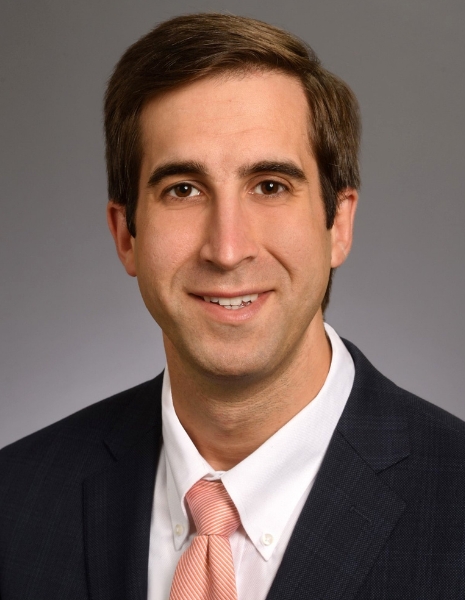
Brian Kinard, DMD, MD, FACS
Dr. Kinard has extensive training in orthognathic surgery, completing an Orthognathic Surgery Fellowship under the guidance of renowned surgeon Dr. Jeffrey Posnick, preceded by earning his dental degree from Harvard University as well as his medical degree and Oral and Maxillofacial Surgery residency at Emory University. His professional focus centers on correcting skeletal disharmonies, cleft jaw disharmonies, and obstructive sleep apnea. He serves as the Fellowship Director in addition to serving as Associate Professor in the Departments of Oral and Maxillofacial Surgery and Orthodontics.

Patrick Louis, DDS, MD
Dr. Louis is Chair of the Department of Oral and Maxillofacial Surgery at UAB. He is a professor and holds the Charles A. McCallum Endowed Chair. He earned his dental degree from Louisiana State University, followed by his medical degree from the UAB School of Medicine. He completed a residency in Oral & Maxillofacial Surgery at UAB. Throughout his over 30 years as faculty at UAB, he has mentored numerous residents and has actively contributed to advancements in the field, especially in TMJ and reconstructive surgery, through his many publications and lectures.

Brendan Squier, DMD, MD
Dr. Squier’s clinical practice centers on temporomandibular joint disorders and orthognathic surgery. He was appointed as Assistant Professor after completing the UAB Orthognathic and Temporomandibular Joint Surgery Fellowship. Prior to this, he graduated from the University of Louisville School of Dentistry and then completed his medical school and oral and maxillofacial surgery residency training at UAB. He utilizes advanced arthroscopic and surgical techniques to enhance patient care at UAB. His clinical and research focus is on dentofacial deformity reconstruction and its relationship to temporomandibular joint disorders.
2026-2027 Fellow
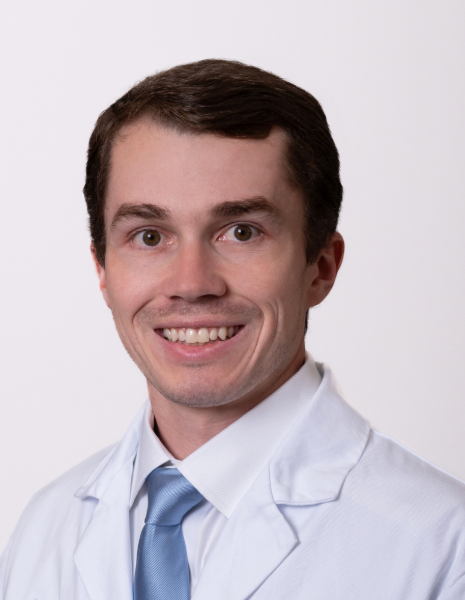
David Hatfield, DMD
Dr. Hatfield is the 2026-2027 UAB Orthognathic and TMJ Surgery Fellow. He earned his undergraduate degree in microbiology from Clemson University in 2018 and received his Doctor of Dental Medicine from the Medical University of South Carolina (MUSC) in 2022. He then completed his residency in oral and maxillofacial surgery at MUSC, where he cultivated a strong passion for the specialty and a deep commitment to patient-centered care. Dr. Hatfield is excited to continue advancing his clinical knowledge and surgical skills as a fellow at UAB, with the goal of providing the highest quality care to his patients.
2025-2026 Fellow
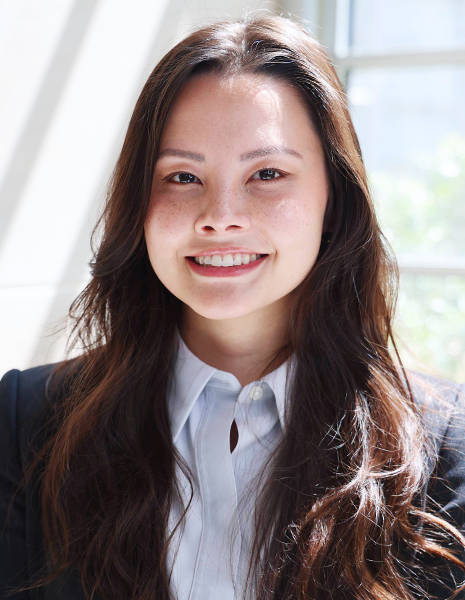
Meagan Brown, DDS, MDent (OMFS), FRCDC
Dr. Brown is the 2025-2026 UAB Orthognathic and TMJ Surgery Fellow. She completed her DDS degree at New York University College of Dentistry followed by a one-year General Practice Residency at the Bronx Veterans Affairs Hospital. She then went on to complete her Oral and Maxillofacial Surgery residency at the University of Manitoba, Canada and was awarded the Dean's prize for outstanding achievement and leadership. Dr. Brown is dedicated to advancing her expertise with UAB, maintaining an unwavering commitment to clinical excellence and compassionate patient care.
2024-2025 Fellow

Mahdi Zakeri, DDS, FICOI, M.Dent (OMFS)
Dr. Zakeri graduated with honors from the Faculty of Dentistry at the University of Toronto, where he received multiple awards. He completed a Fellowship in Implantology at the Nobel Biocare Center of Excellence in Toronto, gaining extensive expertise in implant placement and restoration. He then pursued OMFS Internship at the University of Michigan before completing his OMFS residency at the University of Manitoba in Canada. Motivated by a strong commitment to education, mentorship, and research, Dr. Zakeri went on to complete advanced fellowship training in Orthognathic and Temporomandibular Joint Surgery at UAB. Dr. Zakeri is now appointed as an Assistant Professor in the Department of Oral and Maxillofacial Surgery at the University of North Carolina at Chapel Hill. He is committed to applying the advanced surgical skill set he developed during his fellowship to manage complex dentofacial deformities and TMJ pathologies using evidence-based approaches at UNC.
2023-2024 Fellow

Brendan Squier, DMD, MD
Dr. Squier graduated from the University of Louisville School of Dentistry and then completed his medical school and oral and maxillofacial surgery residency training at UAB. Dr. Squier's dedication to patient care and surgical excellence propelled him to pursue fellowship training, where he became the inaugural fellow in the UAB Orthognathic and TMJ Surgery Fellowship. Now appointed to a full-time faculty position at UAB OMFS, he is prepared to utilize his expertise to advance patient care in orthognathic and TMJ surgery at UAB.
Advanced Education Program in Orthodontics
Application Deadline
August 15
The Advanced Education Program in Orthodontics extends over a period of 30 months and leads to a Certificate in Orthodontics. This postdoctoral program encompasses the study of basic sciences and other relevant areas by combining laboratory and clinical work with didactic courses. It is designed to meet the standards of the American Dental Association Commission on Dental Education for Advanced Education Programs in Orthodontics and to satisfy the American Board of Orthodontics and Dentofacial Orthopedics requirements.
While there may be some advantages to applicants having at least one year of postdoctoral education following graduation from dental school, this does not preclude the acceptance of individuals who have graduated from dental school during the year for which they apply for admission.
Certificate with Master of Science Option
Applicants may choose to combine the certificate program with a Master of Science in Dentistry. In addition to providing an opportunity to engage in research, this option also provides a basis for graduates to pursue an academic career if they so desire. In addition to completing the didactic courses offered, each candidate will complete a thesis based on original research. Upon successful completion of requirements of the residency program and defense of a thesis, the candidate will be awarded a Master’s of Science Degree in Dentistry as well as a Certificate in Orthodontics.
Application
The Certificate in Orthodontics Program participates in the Postdoctoral Application Support Service (PASS), (i.e., the central application service sponsored by the American Dental Education Association). Interested applicants should apply through PASS. Application materials can be obtained through PASS or by contacting:
PASS
Suite 600
1625 Massachusetts Avenue, N.W.
Washington, DC 20036-2212
Telephone: (202) 332-8795
Application Fee: Pay the $25 postdoctoral application processing fee online.
Acceptance
An $850 non-refundable deposit is due upon acceptance. Please pay this deposit ONLY when directed to do so by the School of Dentistry.
Residents
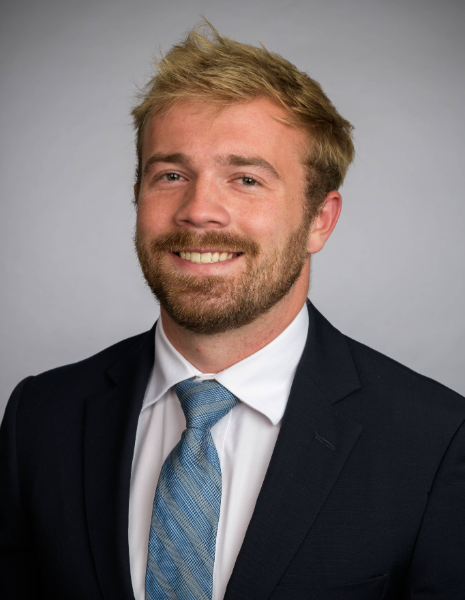
Brice Bennick
B.S., D.M.D.2029 Resident
Auburn University, B.S. in Biomedical Sciences
University of Alabama at Birmingham School of Dentistry, D.M.D.
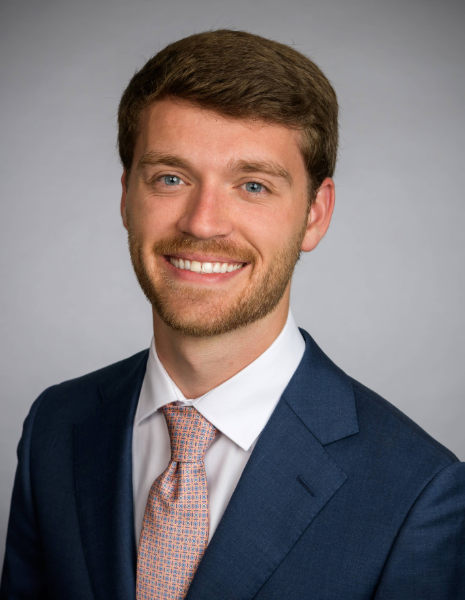
Daniel Bobbitt
B.S., D.M.D.2029 Resident
Auburn University, B.S. in Biomedical Sciences
University of Alabama at Birmingham School of Dentistry, D.M.D.
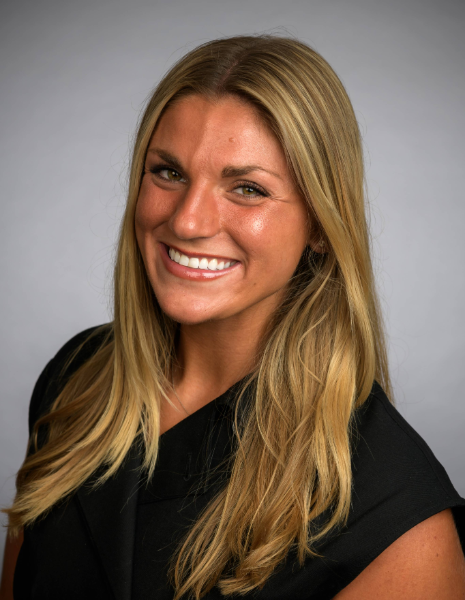
Maggie Mitchell
B.S., D.M.D.2029 Resident
Samford University, B.S. in Biology
University of Alabama at Birmingham School of Dentistry, D.M.D.
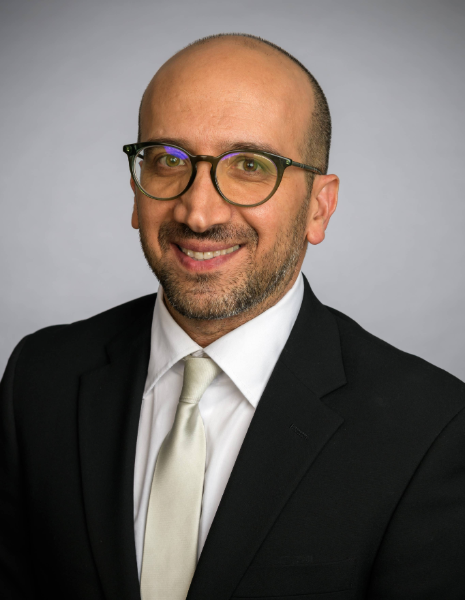
Milad Motamedi
D.D.S., M.S.D.2029 Resident
Shiraz University of Medical Sciences, D.D.S
Shiraz University of Medical Sciences, M.S.D in Prosthodontics
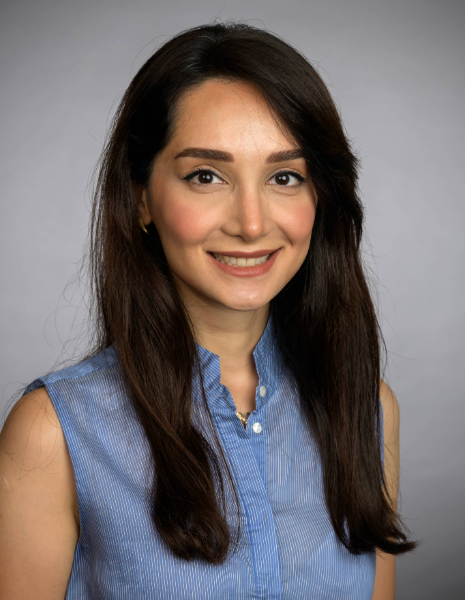
Melika Savoj
D.M.D.2029 Resident
University of Alabama at Birmingham School of Dentistry, D.M.D.
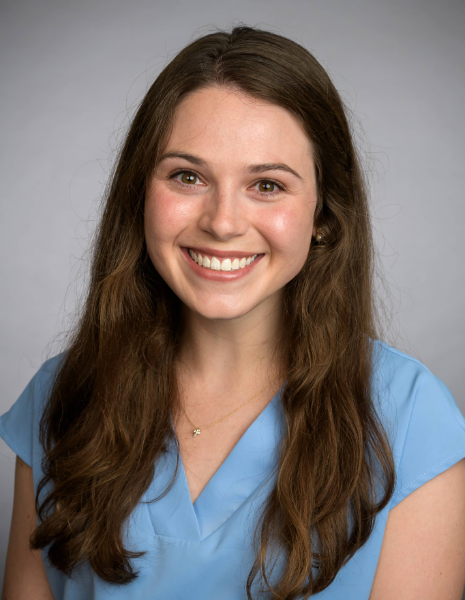
Emily Summers
B.S., D.M.D.2029 Resident
The University of Georgia, B.S. in Biological Sciences
The Dental College of Georgia at Augusta University, D.M.D.
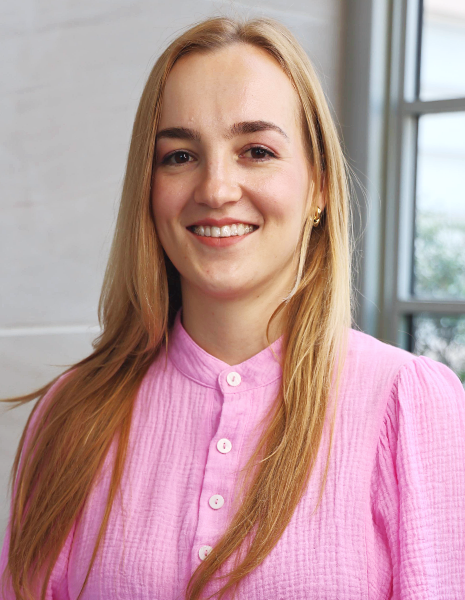
Tereza Bokal
D.D.S.2028 Resident
University of Ljubljana Faculty of Medicine, D.D.S.
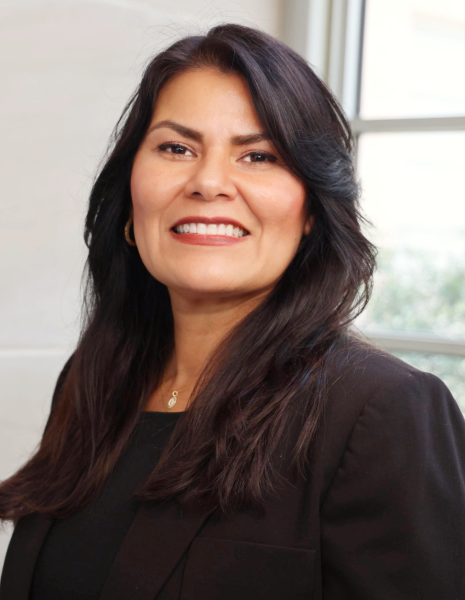
Karla Claros Campos
D.D.S.2028 Resident
University of El Salvador, D.D.S.
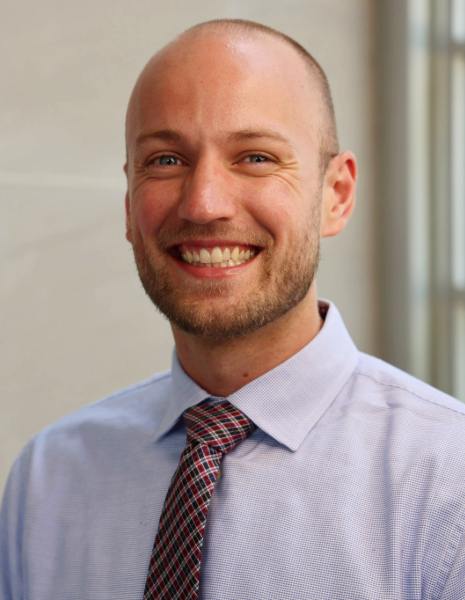
Andrew Jensen
B.S., D.M.D.2028 Resident
Brigham Young University, B.S. in Microbiology
University of Utah, D.D.S.
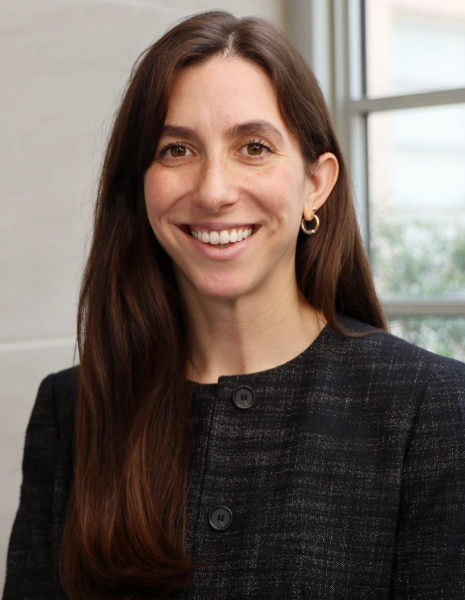
Anna Marie Ronderos
B.S., D.M.D.2028 Resident
Birmingham Southern College, B.S.
University of Alabama at Birmingham School of Dentistry, D.M.D.
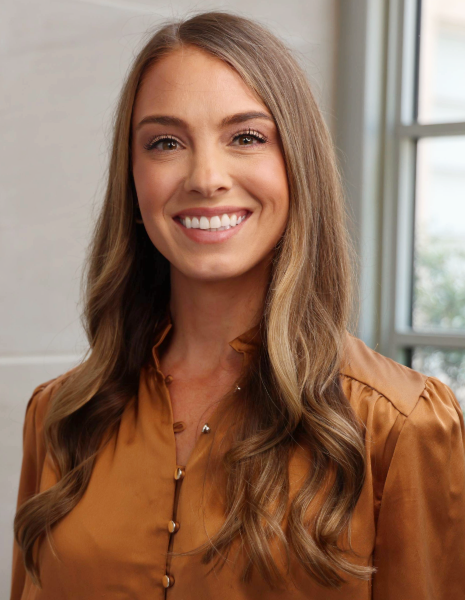
Emily Szoch
B.S., M.D.S.2028 Resident
The University of Georgia, B.S. in Biology, B.S. in Psychology
Dental College of Georgia at Augusta University, D.M.D.

Maryam Baghizadeh Fini
D.D.S., M.S.c2027 Resident
Tehran University of Medical Sciences, D.D.S.
Oklahoma State University, M.S.c
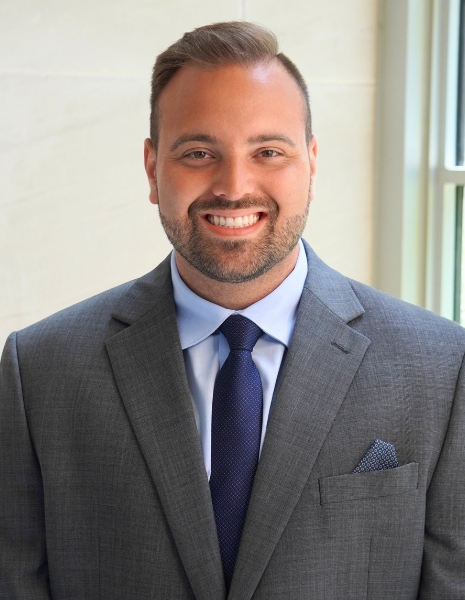
Vincenzo Giovannitti
D.M.D.2027 Resident
University of Pittsburgh School of Dental Medicine, D.M.D.

Akanksha Mangal
B.D.S., M.D.S.2027 Resident
Manipal University, India, B.D.S.
Pacific Dental College and Hospital, India, M.D.S. in Orthodontics
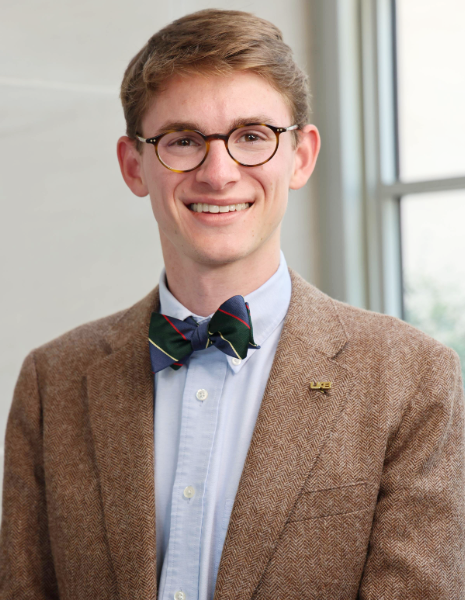
Heath Padgett
B.S., D.M.D.2027 Resident
Samford University, B.S. in Biology
University of Alabama at Birmingham School of Dentistry, D.M.D.
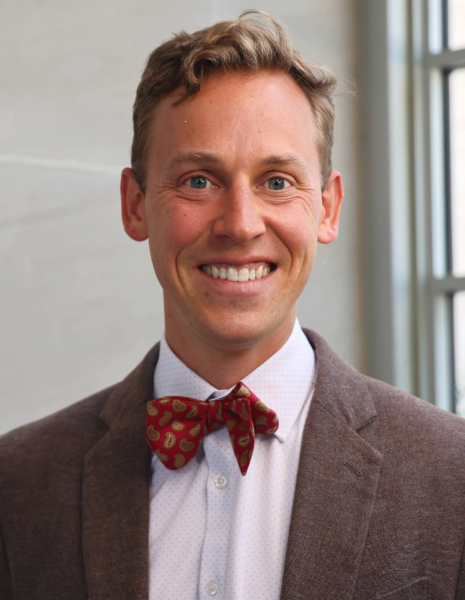
Jeff Vincent
D.M.D.2027 Resident
University of Alabama at Birmingham School of Dentistry, D.M.D.
International Non-US trained Dentists are eligible to apply for the International Pediatric Dentistry Certificate.
The intent of this program is to provide an intensive 36-month program of study to International dentists who desire to enhance their knowledge in the field of Pediatric Dentistry. The educational content of this program is same to the one offered to US/US trained Dentists. However, this International graduate program requires a Master of Science Degree.
Curriculum
The program will include lectures, seminars, patient care and research. Emphasis will be placed on providing a strong foundation in the areas of clinical, theoretical and research aspects of Pediatric Dentistry.
Admission
Applicants who possess a foreign D.M.D./D.D.S./B.D.S. or equivalent or are not US Citizen are eligible to apply (i.e., are not eligible for the stipend program). Documentation of official transcripts from all colleges/universities attended and GRE or ADA National Board Part 1 are required. Furthermore, candidates that do not speak English as first language will be required to provide documentation of having passed TOEFL (Test of English as a Foreign Language). Applicants must comply with all UAB international student requirements including, but not limited to, an affidavit from their financial sponsor; bank statement from sponsor’s financial institution, and applicable visa. Students are required to carry health insurance, furnish proof of health insurance and present certification of vaccination for, or immunity to, Hepatitis B. Students are not eligible for financial aid. Up to two applicants will be notified of acceptance in the program by January of each year through the AAPD Matching Program. The program begins July 1 but there is a mandatory orientation which begins the last week in June.
Length of Program
The International Certificate Program extends over a period of three years and leads to a Certificate in Pediatric Dentistry. In addition, the student is required to complete a 30 credit hour master’s degree in Clinical Dentistry through the Graduate School, of which, 12 hours will be transferred to the Graduate School from the School of Dentistry. In addition to completing didactic courses, students admitted to the Graduate School are required to complete a thesis based on original research. On successful completion of the requirements of the program and defense of a thesis, the candidate will be awarded a Master's Degree in Clinical Dentistry as well as a Certificate in Pediatric Dentistry.
Tuition & Fees
For this certificate (non-degree) program, there will be tuition/program fee of $60,000 per year which will include dental school tuition and fees. In addition, students will be charged applicable Graduate School tuition and fees. There are some scholarship funds available for the graduate program which may be applied for but not guaranteed. Dental school and graduate school tuition and all program fees are subject to change annually. The Department of Pediatric Dentistry will provide a scholarship not to exceed $5,000 per year to support tuition/fees.
Each student will be required to purchase a laptop computer that can be encrypted to secure confidential student and patient information, instruments, camera, books, and other supplies as specified by the department. The total costs of these items could amount to approximately $5,000.
Upon notification of acceptance a deposit of $15,000 must be remitted. This is not refundable under any circumstances but is applied against the tuition charges at the time of matriculation.
This program must be completed in a 3 year period of time. Students needing additional time to complete the program will be required to register, pay all applicable SOD certificate program and/or Graduate School tuition and all applicable fees.
Required Application Materials
The processing fee, when applying through PASS, is $25 and undergraduate transcripts should be sent to the UAB Post-grad Admissions Office. International applicant, TOEFL score no more than 2 years old is required also. The processing fee should be paid by credit or debit card.
Additional Information
Program Director:
Dr. Janice G. Jackson
(205) 934-7016
Length of Program: 2 (Certificate) / 3 (MS) years
Match Participant: Yes
Pass Participant: Yes
Certificate Awarded: Yes
Degree Awarded: Optional, M.S. in Clinical Dentistry
Stipend Available: None
Tuition/fees: $60,000 / per year
International Students Accepted: Yes
Application Deadline: September 15th
Program Start Date: July 1st
Completion Rate: 100%
Non-US trained Dentists are eligible to apply for the International Orthodontic Program.
The educational content of this 36-month orthodontic program is identical to the one offered to US-trained Dentists. Enrollment to the graduate program leading to a Master of Science Degree, however, is mandatory for those applicants accepted to the International program.
Curriculum
The program includes lectures, seminars, patient care and research. Emphasis is placed on providing a strong foundation in the areas of clinical, theoretical and research aspects of orthodontics. (See list of courses in previous section-Didactic courses, seminars and assignments).
Admission
International Orthodontic Program applicants should
- Applicants must possess a D.M.D./D.D.S. or equivalent and should have successfully completed an accredited dental program in a country other than the United States or Canada.
- Official transcripts from all colleges/universities attended are required. Furthermore, candidates will be required to provide documentation of having passed TOEFL (Test of English as a Foreign Language).
- Applicants must comply with all UAB international student requirements including, but not limited to, an affidavit from their financial sponsor; bank statement from sponsor’s financial institution, and applicable visa. Students are required to carry health insurance, furnish proof of health insurance and present certification of vaccination for, or immunity to, Hepatitis B. Students are not eligible for financial aid.
- International applicants must have passed the NBDE part 1 exam before acceptance into the international Orthodontic program.
- In addition, each applicant must successfully complete a mini-residency of 2 months
- During this time, mini-residents carry out procedures to ensure competencies equivalent to those of a US dental school graduate. Procedures include:
- Study of the textbook, “Introduction to Orthodontics”
- A 43 question exam (41 MCQ and 2 written) based on the textbook
- Wire-bending skills taught and tested
- Diagnostics (pouring study models, taking pictures, lab work, etc.) conducted and skills assessed
- Communication skills
- Mini-residents attend faculty lectures during which time faculty can get to know them.
- Each mini-resident is assigned to a resident mentor who will give valuable feedback back to the department.
- Applications to the International Program must be made by August 15.
- Candidates for the International Program will need to attend an interview of the Department Admissions Committee.
- Final selections of the International residents are made by the Department Admissions Committee.
- The program will begin In January of the following year.
Length of Program
The International Orthodontic Program extends over a period of three (3) years. In addition to training leading to a Certificate in Orthodontics, the student is required to complete a 30 credit hour master’s degree through the Graduate School, of which, 12 hours will be transferred to the Graduate School from the School of Dentistry. In addition to completing didactic courses, students admitted to the Graduate School are required to complete a thesis based on original research. On successful completion of the requirements of the program and defense of a thesis, the candidate will be awarded a Master of Science Degree in Dentistry.
Tuition & Fees
Tuition and fees for the International Orthodontic Program is $60,000 per year. In addition, students will be charged applicable Graduate School tuition and fees. Graduate school tuition and all program fees are subject to change annually. The Dental School certificate tuition/program fee is subject to change for incoming students only and is fixed for the duration of the program once admitted. The Department of Orthodontics will provide a scholarship not to exceed $5,000 per year to support tuition/fees.
Each student will be required to purchase a laptop computer that can be encrypted to secure confidential student and patient information, instruments, camera, books, an articulator, and other supplies as specified by the department. The total costs of these items could amount to approximately $15,000.
Upon notification of acceptance, a non-refundable deposit of $30,000 must be remitted. This deposit is applied against the tuition charges at the time of matriculation. You have the option of paying online through the link below, or by cashiers check to:
UAB School of Dentistry
Office of Postrgaduate Admissions
1720 2nd Avenue South, SDB #124
Birmingham, AL 35294-0007
This program must be completed in a 3-year period of time. Students needing additional time to complete the program will be required to register, pay all applicable program fees as well as Graduate School tuition and fees.
Pediatric Dentistry
Application Deadline
September 15
Our Advanced Educational Program is designed to prepare future leaders in Pediatric Dentistry by providing a comprehensive education and training experience. The program is specifically designed to position students for careers in community practice or academia, and board certification status in pediatric dentistry. With a focus on dentistry for children and individuals with developmental disabilities, residents can gain clinical expertise and a deep understanding of the field.
This course of study is designed to provide an educational background and developmental atmosphere necessary for training the future clinical and academic leaders in Pediatric Dentistry. Advanced education in Pediatric Dentistry helps provide the student with an in-depth understanding of, and clinical expertise in the practice of dentistry for children and people with developmental disabilities. Pediatric dentistry is a specialty of an age group rather than a specific technique; therefore, an extensive knowledge concerning normal growth and development, behavior management, and all phases of dentistry in healthy and compromised patients is required. The programs in Pediatric Dentistry are designed to prepare students for a career in community practice and/or academics.
Each program may be tailored to fulfill the needs and interests of each student and satisfy the qualifications for certification by the American Board of Pediatric Dentistry. Two programs are available including:
- Certification Program. This program is designed to allow an individualized training experience which will propel graduates into leadership roles as clinicians. Successful completion of this program leads to a certificate in Pediatric Dentistry.
- Certification/Degree Program. This comprehensive program is designed to allow an individualized training experience which will propel graduates into leadership roles either as clinicians or academicians. Successful completion of this program leads to a certificate in Pediatric Dentistry and a Master's of Science Degree in Dentistry.
Both programs involve the development of expertise in providing total patient care for pediatric patients involves extensive clinical experiences in behavior management, outpatient sedation, medical management, dental trauma, and comprehensive treatment of malocclusions. A four-week anesthesia training with pediatric anesthesiologists at The Children's Hospital is accomplished the first year. Students also participate in weekly pediatric dentistry seminars, oncology rounds, orthodontic clinical sessions, and pediatric medicine grand rounds. Patient care includes involvement in special clinics for the Hemophilia Team, Cleft Lip and Palate Team, and Craniofacial Genetics Program (GC-CODED). The availability of a large clinic population allows all students to benefit from direct clinical experience and patient care in all fields.
During the first year, each student selects either a clinical or basic science research problem with the assistance of the program director and Pediatric Dentistry faculty. Extensive clinical research opportunities exist which will benefit future practitioners in their educational and clinical skills. Didactic and clinical training continue during the second year while the student prepares a research protocol and selects a preceptor for his/her research project. A strong clinical component of the second year allows the student to achieve excellence in the areas of hospital dentistry and rendering patient care with the aid of general anesthesia and outpatient conscious sedation. The third year is spent completing the research project for those choosing the master’s degree tract and developing an acceptable thesis, while continuing to maintain a continuity of patient care in the clinical setting. The development of advanced clinical skills is accomplished during this third year through the treatment of complex restorative and behavioral cases, in addition to long-term comprehensive treatment of malocclusions and medically compromised individuals.
Curriculum
- Handicapped Dentistry
- Interceptive Orthodontics
- Medically Compromised Dentistry
- Cariology
- Scientific Method in Biomedical Research
- General Anesthesia
- Biostatistics/Epidemiology
- Oral Microbiology and Immunology
- Research
- Clinical Sciences
- Pharmacology
- Head and Neck Anatomy
- Special Topics in Pediatric Dentistry
- Human Genetics
- Fundamentals of Pediatric Dentistry
- Literature Review
General Information
Stipends ranging from $12,000 to $26,000, depending upon availability of funds, for U.S. Citizens/permanent residents enrolled in the Postgraduate Program who graduated from an ADA accredited U.S. dental school. The stipends are subject to external funding and vary from year to year. Interested students should contact the Program Director for more information on availability of stipends.
Tuition/fees to The University of Alabama School of Dentistry is approximately $13,042.00 per academic year. These tuition/fees are subject to increase. Prevailing fees for the Graduate School will also be paid by the student. At time of enrollment, students must present certification of vaccination for, or immunity to, Hepatitis B. In addition, each student must obtain and maintain acceptable health hospitalization insurance as well as professional liability insurance.
Additional expenses to students range upward from $2,000.00. This may include costs for books, instruments, photography equipment, computer, professional liability insurance, student health fees, parking, supplies, expenses related to research activities and thesis preparation, etc.
Each student is expected to be on duty from 8:00 a.m. to 5:00 p.m. Monday through Friday of each week. In addition, students will be expected to attend meetings, seminars, etc., which do not fall within the hours listed above. All students in the advanced programs will have night, weekend, and holiday "on call" duties for patient emergencies. "On call" duties are divided among the first and second year residents. Third year residents are generally free of this responsibility.
Participation in the Postdoctoral Pediatric Dental Program requires concentrated full-time effort on the student's part. Consequently, each student should plan his or her other obligations accordingly.
All students are allowed 10-15 time-off days per year depending on their training status of certificate or Master's Program. Students receive 7 holidays (New Year's, Independence Day, Labor Day, Thanksgiving Day, Christmas Day, Martin Luther King's Birthday, and Memorial Day) each year.
Required Application Materials
Pay the pediatric dentistry program application fee. The fee for PASS application is $25.00 (please select the Applied through PASS option). In addition, undergraduate transcripts should be sent to the UAB Post-grad Admissions Office. If international applicant, a TOEFL score no more than two years old is also required.
Acceptance Deposit Fee
If accepted into the program a $100 deposit is required to hold your position. Please pay this deposit only when directed to do so by the School of Dentistry.
Additional Information
Program Director:
Dr. Janice G. Jackson
(205) 934-7016
Length of Program: 2 (Certificate) or 3 (MS) years
Match Participant: Yes
Pass Participant: Yes
Certificate Awarded: Yes
Degree Awarded: Optional, M.S. in Clinical Dentistry
Stipend Available: Yes (US Citizen/Perm. Residents with US Dental Degree)
Tuition/fees: Approximately $10,983.00 per year
International Students Accepted: Yes
Application Deadline: September 15th
Program Start Date: July 1st
Completion Rate: 100%
Endodontics
Application Deadline
July 1
The Mission/Role of the Advanced Dental Education (ADE) Program in Endodontics is to optimize the well-being and oral health of people through excellence in our program of education, research and service. This mission is consistent with the mission of the School of Dentistry and impacts the people of our state and region. National and international communities are affected by program graduates who teach, perform research, and practice endodontics.
Program Goals Include:
- To assure that residents who are completing the Advanced Dental Education Program in Endodontics are clinically competent.
- To graduate individuals whose knowledge is evidence based.
- To produce graduates who can critically evaluate and apply evidence based knowledge and who are capable of generating and disseminating new knowledge in basic and clinical sciences pertaining to endodontics.
- To graduate compassionate individuals with a strong sense of professionalism and social sensitivity.
Available Residency Programs
Our Advanced Dental Education Program in Endodontics offers the residents a broad-based clinical and didactic experience that prepares them for the study and practice of endodontics in an academic or practice setting. There are two different tracks:
- Endodontics Certificate Track - 24 months: This program provides didactic and clinical training designed to prepare the resident for the professional practice of clinical endodontics and to meet the eligibility requirements of the American Board of Endodontics certification examination.
- Endodontics Certificate + Master of Science degree - 27 months, up to 2 candidates will be accepted: The Master’s degree program includes all of the requirements of the certificate and meets other requirements to receive a Master's degree from the Graduate School.
We strive to create a collaborative working environment and look for residents who are seeking the highest levels of excellence in clinical and didactic learning environments.
Residency - Clinical Experience
Our endodontic clinic serves the needs of a large and diverse population. As residents progress through their clinical training they have the opportunity to treat and interact with a vast number of patients who present with a wide range of endodontic problems. These problems often require complex diagnoses, treatment plans, referrals and various consultations.
Residents will provide treatment in a clinic that is equipped with the latest technology which includes microscopes, digital radiography units and a Cone Beam CT (CBCT) which allows the clinician to view three dimensional images of potentially challenging diagnostic and treatment conditions. The clinic also provides the residents with a private seminar room. Each resident’s treatment room has a fully equipped operatory and workstation which allows them to explore a variety of endodontic and surgical techniques.
Didactic Education
A major portion of the didactic education occurs during the first year of the program. The courses consist of interdepartmental and intradepartmental didactics. The Endodontics Seminar courses focus on extensive reading and analysis of current and historical literature in endodontics as well as clinical case presentations.
Research Experience
Research is an important part of professionalism. A resident should be able to communicate verbally and in writing regarding discoveries made in daily clinical practice. Residents become familiar with elements of case reports and research findings as communicated through the dental literature. Research funding is available from a department endowed support fund provided by former residents and friends. Other funding is available from the American Association of Endodontists Foundation. More extensive research is needed for the Master’s program.
Resident research projects begin with identifying an important health problem, related to Endodontics, and conducting a comprehensive literature review. This ensures that the project has not been done and acquaints the resident with all germane data. The department has a form for such proposals. Completion of this form basically gives the resident the material needed to write the Introduction and Material & Methods sections of his or her paper. The UAB Lister Hill Medical Library is a valuable resource in this respect.
Before beginning a project appropriate approvals from the human studies oversight committee or animal study committee must be obtained. Approval is required even for extracted tooth projects.
The resident research project must be compiled in a format suitable for publication to an appropriate journal. Such format should become second nature from the large volume of classic and contemporary literature that forms the base for learning at the graduate level.
Courses
-
PG 611. Fundamentals in Endodontics
This course prepares incoming residents to see patients at the level of endodontic specialists, by providing an intensive didactic course coupled with preclinical exercises for 3 weeks after matriculation in the program.
-
PG 585. Historical Endodontic Seminar and Current Endodontic Seminar - Advanced Endodontic Seminar I
July - December
SDB 401A
Y1 and Y2Review of Historical and current Endodontic topics and their clinical implications
Course Director: Dr. Ashraf F. Fouad
-
PG 546. Biochemistry of Connective Tissue & Bone
August - December
SDB 601
Y1To introduce basic aspects of biochemistry and function of connective tissue proteins
Course Director: Dr. Javed
-
PG 710. Advanced Oral Pathology
July - August
SDB 301A
Y1 and Y2 (offered in odd years)Current review of Oral Pathology
Course Director: Dr. Tilashalski
-
PG 527. Surgical Implants in Dentistry
August - November
SDB 601
Y1 and Y2 (offered in odd years)An overview of the basic, applied and clinical science aspects of surgical implants in dentistry
Course Director: Dr. Givans
-
PG 588. Practice Management/Case Review Seminar
Year Round
SDB 401A
Y1 and Y2Weekly review of residents cases with constructive criticism
Course Director: Dr. Ashraf F. Fouad
-
PG 501. Head & Neck Anatomy
August – November
SDB 301A
Y1To enhance the student’s knowledge of the anatomical structures of head and neck and their clinical implications
Course Director: Dr. Vlachos
-
PG 589. Conscious Sedation
July - August
SDB 301A
Y1An overview of conscious sedation history, law, pharmacology, anesthesia, conscious sedation techniques and emergency medicine
Course Director: Dr. Louis
-
PG 511. Physical Diagnosis
July - September
SDB 301A
Y1Introduction to history taking, physical diagnosis and systems review
Course Director: Dr. Somsak
-
PG 586. Advanced Endodontic Seminar II
January - June
SDB 401A
Y1 and Y2Review of Historical and current Endodontic topics and their clinical implications
Course Director: Dr. Ashraf F. Fouad
-
PG 525. Design & Analysis in Clinical Dental Research
January - April
SDB 809
Y1Interpret the medical or dental literature from a quantitative perspective
Course Director: Dr. Litaker
-
PG 569. Oral Microbiology and Immunology
April - June
SDB 301A
Y1To introduce current concepts of oral disease
Course Director: Dr. Fujihashi & Dr. Wu
-
PG 753. Multidisciplinary Seminars
January – May
SDB 501
Y1Interaction with and learning from other disciplines
Course Director: Dr. Vlachos
-
PG 609. Multidisciplinary Seminars II
January – May
SDB 501
Y2Interaction with and learning from other disciplines
Course Director: Dr. Vlachos
-
PG 610. Endodontics Research Seminar
The resident will be able to write and publish a paper supported by Endodontic Resident's Research. Support is provided by the faculty at the UAB School of Dentistry and the medical center.
Course Director: Dr. Ashraf F. Fouad
-
PG 502. Pharmacology & Therapeutics for Dentistry
January - April
SDB 501
Y1 and Y2To provide a foundation for approaching the dental care of a pharmacologically complex patient. To provide the tools to reduce risk and therefore control the liability related to the use of medications in the dental practice. To provide guidelines for the continual evaluation of medication used in dentistry.
Course Director: Dr. John Galdo & Dr. Amjad Javed
-
PG 798. Clinical Endodontics
Prepares the resident in the clinical skills required for the practice of Endodontics, including non-surgical root canal treatment, retreatment of failing previously treated cases, surgical endodontics, vital pulp therapy, and regenerative endodontics.
Course Director: Dr. Ashraf F. Fouad
Course offerings subject to change
-
Application Process
Application process for:
Endodontics Certificate Track:
- Review the application requirements which are listed on the ADEA PASS APPLICATION WEBSITE.
- Complete the application for the UAB Department of Endodontics on the ADEA Pass registration portal by July 1, during the year preceding matriculation.
- Pay the $25 Postdoctoral Processing Fee for Endodontics online.
Endodontics Certificate + Master of Science degree :
- For the M.S. degree, you must be accepted into the UAB Graduate School, as well as meet the application requirements which are listed on the ADEA PASS APPLICATION WEBSITE.
- Apply to the UAB Graduate School and complete all the requirements needed for the UAB Graduate School. (Please contact the UAB Graduate School with any questions regarding their application process.) Application to the UAB Graduate School can be made after acceptance into the Endodontics Residency Program.
- Complete the application for the UAB Department of Endodontics on the ADEA Pass registration portal by July 1 of the year preceding matriculation.
- Pay the $25 Postdoctoral Processing Fee for Endodontics online.
- NOTE: All complete applications that are received by July 1 will be reviewed. In order for an application to be complete, the preceding items must be received prior to July 1 of the year preceding matriculation. Interviews usually begin in the second week of July and continue until all spots are filled for the next matriculation date. Selections will be made after the deadline date. Acceptance into the M.S. degree program requires being admitted into the Graduate School.
After offers are made to the applicants to enter the residency program, the selected applicants will need to pay a $2,000 Acceptance Deposit Fee for the Postdoctoral Program in Endodontics.
If you have questions regarding the application process, please do not hesitate to contact Dr. Ashraf F. Fouad at (205) 934-5373, or our administrative associate Ms. Wynde Winter at
This email address is being protected from spambots. You need JavaScript enabled to view it. or (205) 934-5373. -
Requirements
A complete list of application requirements can be found on the ADEA PASS PROGRAM FINDER. If you have questions regarding the application process, please do not hesitate to contact Dr. Ashraf Fouad at (205) 934-5373, or our administrative associate Ms. Wynde Winter at
This email address is being protected from spambots. You need JavaScript enabled to view it. or (205) 934-5373. -
Tuition & Fees
Estimated Annual Cost of the Endodontics Residency Certificate Track: $15,000 (subject to change)
For the M.S. + Certificate track there will be additional cost due to the extended length of the program and cost associated with the UAB Graduate School.
-
Financing Success
A small stipend is available for some 2nd year residents (subject to change). For other questions about financing your education you may contact the UAB Office of Student Financial Aid/One Stop Student Services at (205) 934-4300.
100% of our recent graduates successfully completed the certificate program and immediately began working as endodontist in private practices of clinical endodontics.
Residents
-
Year 2

Tanner Brock
DDS
University of Missouri-Kansas City School of Dentistry (DDS)
University of Kansas (BS, Neurobiology)
R. Martin Bryant III
DMD
University of Alabama at Birmingham School of Dentistry (DMD)
Troy University, Troy, AL (BS, Biomedical Sciences)
Oliver Chan
DDS
Columbia University, New York, NY (DDS)
Columbia University, New York, NY (BS, Applied Mathematics)
Samantha Smalley
MS, DMD
University of Alabama at Birmingham School of Dentistry (DMD)
University of Notre Dame (BA, MS) -
Year 1
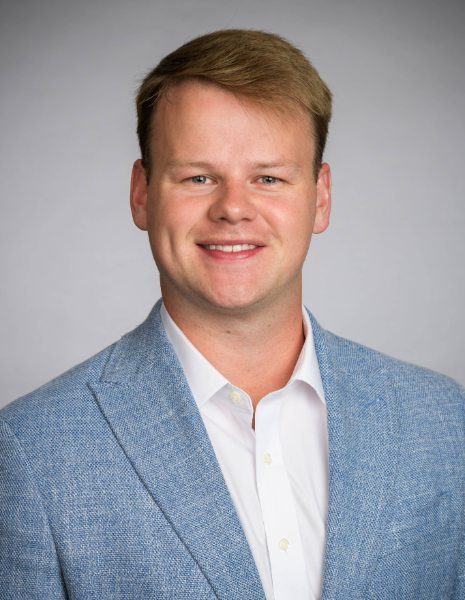
Bryce Black
DMD
Foundry Dental Center (Advanced Education in General Dentistry)
University of Alabama at Birmingham (DMD)
University of Alabama at Birmingham (BS, Industrial Distribution)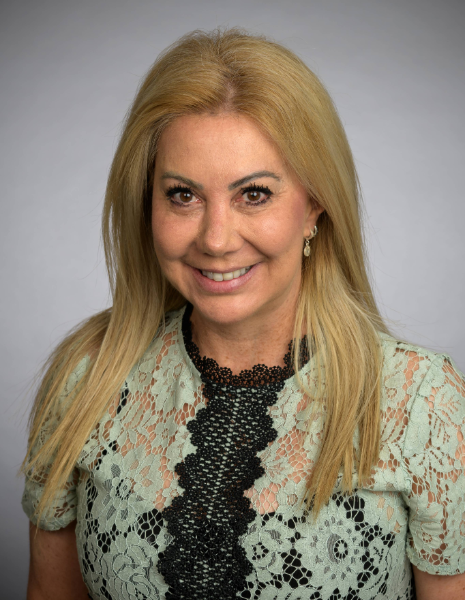
Renata Grazziotin
DDS, Dip. Endo, MSc, PhD
Federal University of Santa Maria, Brazil (DDS)
Brazilian Society of Dental Surgeons (Diploma in Endodontics)
Lutheran University of Brazil (MSc in Endodontics, PhD in Endodontics)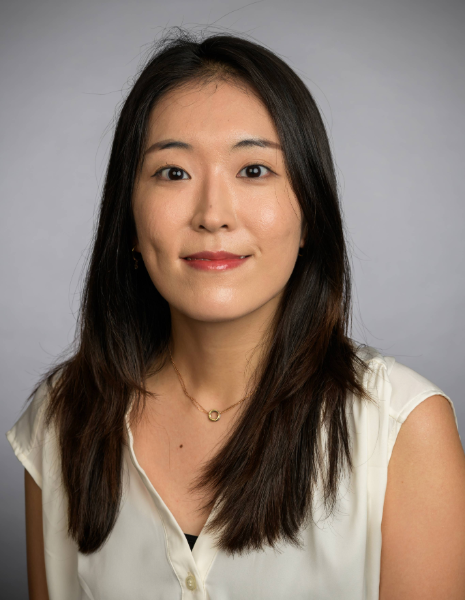
Christine Kim
DDS, BS
Woodhull Medical Center (General Practice Residency)
New York University College of Dentistry, NY (DDS)
McGill University, Montreal, QC (BS in Cell Biology and Anatomy)
Dalia Nashed
DMD
East Carolina University School of Dental Medicine (2-year Advanced Education in General Density)
East Carolina University School of Dental Medicine (DMD)
East Carolina University (BS in Biochemistry, BA in Chemistry, Math Minor)
General Practice Residency (GPR)
Application Deadlines
GPR-UH - September 15
Although each program has a separate accreditation by the American Dental Association, its six residents are functionally integrated into a single general dental residency. The program focuses on ensuring competence in providing advanced comprehensive care to the dental patient who has complex medical diagnoses and/or special needs. The General Dental Residency also provides dental care for UAB Hospital inpatients and interacts with multiple hospital medical departments that are seeking dental consultation. The main clinical activity for the combined program occurs in the Hospital Dental Clinic in the UAB Hospital. This program also takes responsibility for most of the oral medicine components of the D.M.D. curriculum.
-
GPR University Hospital Program Information
Program Director:
Dr. Christine Blass
(205) 934-4178Length of Program: 1 year
Match Participant: No
Pass Participant: Yes
Certificate Awarded: Yes, (2) 1 - hospital, 1 - dental school
Degree Awarded: No
Stipend Available: Yes
Tuition/fees: None
International Students Accepted: Canada Only
Application Deadline: September 15
Program Start Date: July 1 (mandatory 1 week prior to start date)
Application Materials Required:
- Applicants must apply through PASS only. Direct applications through the Dental School are not accepted. Dean's Letter, 2 Letters of Recommendation, Dental School Transcripts.
Application Fee: Pay the $25 postdoctoral application processing fee online.
-
GPR Prospectus
General Practice Residency (GPR)
Co-Sponsored by the University of Alabama School of Dentistry and
The University of Alabama Hospital
University of Alabama at Birmingham
Birmingham, AlabamaThe General Practice Residency (GPR) and the Advanced Education in General Dentistry (AEGD) merged in July of 2023 to form a single GPR program with six residents. All 6 GPR residents rotate in OMFS for 6 weeks; Emergency Medicine for 2 weeks; 2 weeks in Otolaryngology; 2 weeks in Anesthesia; 1 week in Maxillofacial Prosthetics; and 1 week in hospital based OMFS. We believe this merger emphasizes the goals and objectives of the program and provides a clear identity going forward. At the successful completion of the GPR program each resident will receive a GPR certificate.
Purpose
The General Practice Residency (GPR) Program is a postdoctoral educational program designed to provide essential skills, attitudes, and abilities related to the contemporary practice of advanced general dentistry, with emphasis on total patient care. The program provides the recent graduate the opportunity to augment his/her knowledge of oral disease and his/her diagnostic and therapeutic skills in dentistry. Treatment of oral disease in the medically complex patient and/or hospitalized patient is emphasized. A private practice environment is maintained throughout the program to assist the recent dental school graduate in the transition from academics to “real world dentistry”.
Goals and Objectives
The formal goals and objectives are:
- Act as primary care provider for individuals and groups of patients. Provide emergency and multidisciplinary comprehensive health care; providing patient focused care that is coordinated by the general practitioner and directing health promotion and disease prevention.
- Plan and provide multidisciplinary oral health care for a wide variety of patients including those with special needs.
- Manage the delivery of oral health care by applying concepts of patient practice management and quality improvement that are responsive to a dynamic health care environment.
- Function effectively and efficiently in the hospital and other health care environments and personnel.
- Apply scientific principles to learning and oral health care. This includes using critical thinking evidence or outcomes-based clinical decision-making and technology-based information retrieval systems.
- To utilize the values of professional ethics, lifelong learning, patient centered care, adaptability and acceptance of cultural diversity in professional practice.
- Understand the health needs of communities and engage in community service.
Specific Program Objectives
- Operative dentistry: Restore intra and extra coronal defects in primary and permanent teeth, including endodontically treated teeth, with a range of materials and methods.
- Replacement of teeth: Treat the partially edentulous patient with fixed, removable and/or implant supported prostheses; treat the completely edentulous patient with removable and/or implant supported prostheses.
- Periodontal therapy: Phase I Periodontal treatment from diagnosis to reevaluation in mild to moderate periodontal disease using non-surgical and surgical methods and evaluating the results of periodontal treatment. Manage advanced periodontal disease and periodontal maintenance.
- Endodontic therapy: Diagnose and treat pain of pulpal origin by performing non-surgical endodontic therapy in the primary and permanent dentition.
- Oral surgery: Perform non-surgical and surgical extractions. Function efficiently in an operating room environment.
- Dental emergencies: Evaluate and treat patients with dental emergencies, including post-operative complications from dental treatment, pain, infection and/or trauma.
- Pain and anxiety control: Provide control of pain and anxiety in the conscious adult and pediatric dental patient through the use of behavior management techniques and pharmacological techniques (local anesthesia, oral/nitrous oxide anxiolysis).
- Medical emergencies: Recognize, diagnose and provide initial treatment for medical emergencies that may occur in the dental office.
- Oral mucosal diseases: Diagnose and manage common oral medicine and oral pathologic conditions.
- Temporomandibular disorders, orofacial pain and occlusal disorders: Diagnose and manage temporomandibular disorders, orofacial pain and occlusal disorders.
- Ethics: Apply the principles of ethical reasoning, ethical decision making and professional responsibility as they pertain to patient care, and practice management.
- Practice management: Apply the principles of practice management to everyday dental practice.
Residency Program
The GPR Program co-sponsored by the University of Alabama-Birmingham School of Dentistry and the UAB Hospital consists of 12 months of advanced dental education in clinical dentistry and is conducted primarily within a hospital environment. An optional second GPR year is available on a competitive basis. This latter position is generally limited to one position per year and is dependent upon qualifications.
PG1 (1st Year) Goals and Objectives:
Goal 1: Act as a Primary Health Care Provider at a level more advanced than a GPR Level 1 resident.
Provide multidisciplinary comprehensive dental care to a wide variety of patients by pursuing training in advanced dental clinical fields of interest including but not limited to:
- Implant Dentistry
- Prosthodontics
Goal 2: Obtain more advanced didactic training in both medicine and dentistry.
They will be offered graduate level courses in the following areas:
- Surgical Implants in Dentistry
- Postgraduate Oral Pathology
- Advanced Treatment Planning
Goal 3: Complete medical/dental rotations not offered to Level 1 residents.
These may include:
- Postdoctoral Periodontology
- Postdoctoral Endodontics
- Pediatric Dentistry
- Internal Medicine
Program Dates
The program begins July 1st and concludes June 30th. In general, entering residents are required to report approximately the 20th of June for UAB Hospital orientation and help in patient transition (date to be provided after acceptance to the program).
Assignments
- University Hospital Dental Clinic (GPR) | 35 Weeks
Residents spend approximately 35 weeks at the University Hospital Dental Clinic (UHDC) where the majority of time is spent providing hands-on patient treatment. The 35 weeks are spread out during the entire year to assure continuity of care. During this time residents gain a wide variety of experiences by providing complex dental treatment for both hospitalized and ambulatory patients. The concept of comprehensive care is stressed, with an emphasis on considering the "whole" patient. Opportunities exist for providing comprehensive dental care, including fixed and removable prosthodontics (implant restoration), rotary endodontics, periodontics (implant placement), oral surgery, and advanced esthetic operative dentistry. Residents also gain extensive experience in evaluating hospital patients and providing dental consultations. - Oral Surgery (GPR) | 6 Weeks
During the 6-7 week oral surgery rotation, residents perform numerous outpatient oral surgery procedures at the Oral Surgery Clinic located in the School of Dentistry. Routine and complex exodontia, pre-prosthetic surgery, and conscious sedation techniques are emphasized. The three-week rotations are scheduled evenly throughout the year to allow for comprehensive care of restorative patients. - Anesthesia (GPR) | 2 Weeks
During this rotation, residents actively participate in the care of surgery patients via assignment to the Department of Anesthesiology at the University of Alabama Hospital. Residents receive experience in physical evaluation of the pre-anesthetic patient, starting and maintaining intravenous lines, oral and nasal intubation, monitoring vital signs, maintaining optimum airways, utilizing various equipment/instrumentation for monitoring the anesthetized patient, and patient recovery. - Emergency Room (GPR) | 2 Weeks
During this two-week rotation, residents actively participate in the care of patients presenting to University Hospital Emergency Room and Walk-in-Clinic. University Hospital ER serves as a trauma center; thus residents are exposed to a wide variety of emergency medical situations, from sprained ankles to major trauma. The GPR residents are often assigned to an Emergency Medicine physician to maximize their rotation. - Otolaryngology (GPR) | 2 Weeks
This two-week rotation is spent on service with division of Otolaryngology. The GPR resident will be primarily assigned to the head and neck cancer team. They will follow patients undergoing multidisciplinary management for head and neck cancer. Time will be spent in radiation oncology and medical oncology. - Hospital Based OMFS (GPR) 1 week
This one-week rotation is spent on service with Oral and Maxillofacial Surgery. During the week, the resident will present for morning rounds and be assigned to OMFS cases in the operating room. Cases could consist of trauma, head and neck cancer, extractions, and any other indicated procedures. During this week residents will function as a PGY1 OMFS resident.
Didactics
Formal postgraduate courses taken with other post-graduate dental students include Physical Diagnosis, Conscious Sedation, and Graduate Implantology I and II. A portion of most Thursday mornings is set aside for resident seminars that range from formal lectures to treatment planning sessions. At these sessions other issues are discussed relating to the clinic practice (scheduling, emergencies, etc.). All GPR residents, including those on rotation, are required to attend these sessions. Space permitting, continuing education courses offered by the School of Dentistry are available for a minimal fee to postgraduate students. Approximately 30 courses are offered each year at UAB.
Research
Although not required, opportunities for research are available for the interested resident. Time is limited, but several motivated residents have successfully participated in a variety of research endeavors. The program director can provide additional information.
Facilities
University Hospital Dental Clinic
The University Hospital Dental Clinic is a 13-chair dental facility located in the UAB Hospital. Each operatory is appropriately equipped. Digital radiography is available throughout the clinic. There are three front-office staff, four dental assistants and one hygienist assigned to the GPR clinic full-time. Inpatient and outpatient needs are readily served by the clinic's convenient location. Convenient parking for patients is available.University Hospital
The University of Alabama Hospital is a major teaching and service facility with a capacity of over 900 beds and educates 900+ medical/dental residents. This well-respected tertiary care hospital serves patients regionally, nationally, and internationally. It is particularly well known for clinical care and research relating to cardiac surgery, cancer therapy, organ transplantation, and rheumatology. The University Hospital is consistently ranked as one of the best health science center hospitals in the United States.
Call
Residents participate in after-hours call throughout the year. They are on pager call while assigned as the consult resident. They triage patients of record and generally respond via telephone. Residents are required to live within 30 minutes of UAB Hospital in case they are needed for emergency management. The most common emergencies seen in the Emergency Room are stabilization of avulsed and partially avulsed teeth.
Application Process
Selection of the residents is based on the following criteria:
- Class standing and GPA.
- Letters of recommendation.
- Applicant essay.
- Interview
The GPR Admissions Committee is comprised of one full-time faculty, two part-time faculty and a current GPR resident. Applicants must be a graduate of a fully accredited North American Dental school. Alabama state licensure is not required for admission. All application forms must be received by September 15 of every year.
UAB Equal Opportunity
As an institution of higher education and in the spirit of its policies of equal employment opportunity, UAB hereby reaffirms its policy of equal educational opportunity. All applicants for admission will be considered without regard to an applicant’s race, color, sex, sexual orientation, age, natural origin, disability unrelated to program performance, disabled veteran status, or Vietnam-era veteran status.
PASS Application
Participation in the PASS application program is mandatory for all applicants. PASS applications should be complete by September 15 of every year. Late applications will not be reviewed. Application materials can be obtained from your dental school or by writing:
PASS
655 K Street N.W., Suite 800
Washington, D.C. 20001
Telephone: (202) 289-7201Financial Information
Stipend
Each resident of the General Dental Residency Program receives stipend support as determined yearly by the administration of the University Hospital. The stipend compares favorably with those of other programs. Specific information is available from the program director. UAB provides disability insurance and offers a reduced rate for medical insurance utilizing Viva UAB.
Deposit
Individuals accepted for matriculation in the GPR program will be requested to forward a $250.00 deposit. This deposit will be refunded upon entering the program.
Health Policies
All newly-appointed residents must undergo a hospital sponsored pre-employment physical examination. All newly appointed residents will be TB tested at no cost by Employee Health with in the first month of arrival. All newly-appointed residents are also screened for immunization of hepatitis-B and childhood diseases as part of the physical.
Disclaimer
The contents of this prospectus represent the most current information available at the time of publication. It is possible that changes may be made with respect to this information without prior notice. Thus, the provisions of this prospectus are not to be regarded as an irrevocable contract between the school and the student.
Additional Information
For information concerning application status, or requests for application materials, or additional information about the University Hospital General Practice Residency and Advanced Education in General Dentistry Programs please contact:
Christine Blass, DMD
Assistant Professor and Program Director, Hospital Dentistry
University of Alabama School of Dentistry
B50 Russell Wing
1813 6th Avenue South
Birmingham, AL 35242
This email address is being protected from spambots. You need JavaScript enabled to view it.
Office: (205) 934-4178
Prosthodontics
Application Deadline
September 1
The Advanced Education in Prosthodontics residency provides fifteen residents specialty training in the study of prosthodontics, occlusion, implants and clinical applications of biomaterials with emphasis on detection, diagnosis, prevention and treatment of complex restorative therapies. The clinical activities are located on the fourth floor of the school with additional laboratory space on the third floor. This program can be paired with a Master of Science.
-
Overview
Thank you for visiting our web site, and for your interest in prosthodontics! This is one of the fastest growing specialties in dentistry, and one of the most rewarding.
The goal of this program is to train prosthodontists who will be able to effectively rehabilitate patients who present with severely compromised oral conditions. Clinical treatment of patients is exemplified by excellence in three areas: planning, precision, and performance. Residents should exemplify these qualities by the end of the residency program. The primary goals of the didactic program are to provide a literature base of the best available evidence from which to make sound clinical decisions, to train residents in the use and evaluation of literature to solve clinical problems, and to present a foundation of sound prosthodontic principles on which the resident can build in future years. The primary goals of the clinical program are to supply a breadth of experiences for residents to develop the clinical skills necessary for effective patient treatment in all aspects of prosthodontics.
While laboratory procedures are a necessary part of any prosthodontic program, the program utilizes lab support within the school as well as commercial dental labs to meet the needs of our patients. The latest digital workflows are constantly being utilized and improved and the residents are active in planning and designing restorations and implant position as well as radiographic and surgical guides. All of our residents design, assist, and place implants, and many with an interest in this area develop considerable surgical experience.
Our program is clinically oriented, and we are fortunate to have an extensive patient base and demand for prosthodontic services. Because of this, we are able to offer multiple clinical experiences in oral rehabilitation, esthetic dentistry, implant reconstructions, surgical implant placement, and removable and fixed prosthodontics. We also interface with the Maxillofacial Prosthetics program helping patients with cancer, trauma and craniofacial anomalies.
We look forward to reviewing your application and meeting you at UAB.
Chin-Chuan Fu, DDS, MS, Interim Program Director
Diego Ardenghi, DDS, MA, MSc, Dip. Pros, PhD, FRCD, Associate Program Director
UAB Graduate Prosthodontics
1919 7th Ave South
Birmingham, Alabama 35294
Phone: (205) 934-1072
This email address is being protected from spambots. You need JavaScript enabled to view it. -
Facilities
The AEP program employs a modern 13 chair clinical area which is shared with the Maxillofacial Prosthetics program. The clinical area is specifically oriented to fixed, removable and implant prosthodontics. There is an associated laboratory with work and storage space assigned to each resident.
Our clinical area is currently under renovation to accommodate the latest in digital dentistry to support advanced prosthodontic treatment. Updated images will be posted soon.
-
Applications
Please see the prospectus for specific admissions requirements for the Advanced Education in Prosthodontics program. For questions regarding the admissions process or status of your application, please contact our School’s Admissions Office:
Admissions Office, Graduate Programs
UAB School of Dentistry
Phone: (205) 934-5470The application deadline for our program is September 1.
As part of a national effort to make the application process less time consuming for the applicant, this Prosthodontics program is a participant in the PASS (Postdoctoral Application Support Service) central application service sponsored by the American Dental Education Association.
Application materials can usually be obtained from your dental school or by writing:
PASS
Suite 600
1625 Massachusetts Avenue, N.W.
Washington, DC 20036-2212
Telephone: (202) 332-8795Admission to any program is a complicated equation, involving dental training, recommendation letters, grades, personal statements, interviews, and other such items. Our AEP program receives many applications which are reviewed by the program director and invite selected applicants to visit the school in the early fall for a formal interview. The AEP program participates in the MATCH process and notification of acceptance through MATCH is typically by mid-November. We accept foreign applicants as about half of our residents were trained outside the US. Specific information regarding applications and procedures can be found on the UAB Dentistry web site.
We are pleased to have visitors at UAB, and we invite you to come and see our clinic in person. However, please call or email to let us know when you are coming. It is helpful to have your PASS application on file before the time of your visit. A number of 3rd year dental students visit our program and we look forward to this early opportunity to meet prospective applicants.
Prospective students should fly in Birmingham International Airport (BHM, 20 minutes from school by hotel shuttle). The Hilton Birmingham at UAB hotel gives discounted rates, so mention this when booking a room.
-
Prospectus
Advanced Education in Prosthodontics Program
University of Alabama School of Dentistry
The University of Alabama at Birmingham
Advanced Education in ProsthodonticsThe advanced program in Prosthodontics is designed to meet the needs of the graduate dentist seeking preparation for the specialty of prosthodontics. In order to meet these needs, the program includes instruction in fixed, removable and implant prosthodontics and dental occlusion as well as exposure to maxillofacial prosthetics. Selected basic science courses and research opportunities are included to augment a well-founded background for the practice of prosthodontics, research or teaching. Additionally, our program offers a solid program in the surgical placement of dental implants and associated procedures.
Types of Programs Available
The program in prosthodontics is accredited by the Commission on Dental Accreditation [CODA], a specialized accrediting body recognized by the Council on Postsecondary Accreditation and the United States Department of Education. Upon successful completion of study, the candidate will be “educationally qualified” and receive a Certificate in Prosthodontics. All graduates of the program will be eligible for examination by the American Board of Prosthodontics to be “Board Certified” in the specialty of Prosthodontics
An additional optional choice includes a graduate course of study leading to a Master of Science in Dentistry degree. This program is available through the UAB Graduates School and requires the approval of the AEP program director in order to enroll.
Description of Programs
The Post Graduate Program: AEP
This is a three-year Advanced Education in Prosthodontics certificate program designed for those who wish to become qualified to practice the specialty of prosthodontics and to eligible for board certification. The curriculum includes core courses in fixed, removable, and implant prosthodontics; dental occlusion and articulation; applied basic sciences, and dental biomaterials. The residents participate in departmental seminars, treatment planning seminars, patient treatment presentations, review of the literature, and applications of the related sciences.
Emphasis is placed on patient care. Clinical training is in the broad field of prosthodontics, covering accepted prosthetic procedures. All students will experience patient management in complete dentures, fixed and removable partial prosthodontics, implant prosthodontics, and temporomandibular disorders.
The Graduate Program Option: Master’s Degree
In order to earn the optional Master of Science degree in Dentistry, the candidate must fulfill the requirements of the Graduate School of the University and those of the School of Dentistry. Additionally, approval of the Program Director is mandatory.
This program is designed for those who wish to prepare themselves thoroughly for prosthodontic practice, research and scholarship. It is in addition to the AEP Program and requires that the candidate must design and conduct an original research project and successfully complete a written thesis dissertation and an oral examination.
Admission to the UAB Graduate School is provisional. This status remains in effect until the student has been in the AEP program for one academic year and has demonstrated potential competence by completing nine semester hours of clinical and six hours of basic science study. The candidate should anticipate 36 months or more for completion of the program.
Specific Qualifications for Admission to the AEP Program
Applicants must be a graduate of an accredited US or Canadian school of dentistry. All foreign trained applicants are evaluated by the program director and/or the AEP program selection committee.
All applicants must complete a PASS application and register with the MATCH program. Selection for this program is based on scholarship (particularly at the professional school level), motivation, aptitude, character, experience, and a sincere desire to participate in the program. The prescribed PASS application and supporting documents must be on file before consideration can be given to an applicant.
Interviews are by invitation after review of the application. Applicants who are strong candidates will be invited for personal interviews prior to final selection. Foreign applicants must document their abilities in the English language by presentation of an acceptable score on the TOEFL (Test of English as a Foreign Language) examination and usually can be considered only if they are able to financially support themselves and possess the appropriate US Visa – see UAB International Office.
Individuals accepted for advanced education programs at the University of Alabama School of Dentistry and who are eligible to obtain State of Alabama dental licensure are encouraged to do so because of matters related to professional liability and third party pay patients.
Participation in advanced dental education programs is considered to require concentrated full-time effort on the resident's part. Consequently, each resident should plan his or her other obligations and responsibilities accordingly.
The program begins July 1st. Applications should be filed through PASS and candidate selection is managed by MATCH as defined elsewhere in this website.
Fees, Stipends and Insurance
Tuition/fees for the certificate (non-degree) program is approximately $15,000.00 per academic year or $45,000 for the 3-year program. This does not include a UAB compatible laptop computer, a clinical camera, clinical magnification glasses and textbooks.
A overall estimate of expenses ranges from $57,000 - $60,000 for the 3 year program with a greater expense in the first year for items mentioned above. This does not include living expenses, food, clothing etc.
There are several opportunities available for financial support:
- The AEP Program does not have a “stipend” program or funds.
- There are no funds directly under the control of the program director for this purpose.
- The UAB School of Dentistry Department of Restorative Sciences currently employs second- and third-year AEP residents who teach in the pre-doctoral program for pre-clinical [PCD] and clinical dentistry [DMD] respectively Compensation from this activity is approximately $6,000 -$6,500 per year or around $12,000 total. This activity is based on available department funds on a year to year basis and may or may not be available for any year of residency.
- Career candidates from the Armed Forces, Veterans Affairs and Public Health Service are eligible for acceptance.
- Applications may be submitted for residency stipends from other various foundations, associations or governments which support advanced dental education for U.S. or foreign students.
The student is required to have or to acquire health insurance (available from the University), and the student must be capable of meeting financial responsibilities while in residence. Before registration all students must present verification of vaccination for (or immunity to) Hepatitis B and other diseases.
Professional liability insurance is required of all students and faculty of this institution. It is available through the UAB Medical Malpractice Liability Trust Fund at the time of matriculation.
General Information – AEP Program
Program Orientation
The advanced education in prosthodontics program is primarily clinic oriented. Emphasis is on patient examination with history and record accumulation to formulate an adequate diagnosis, sound treatment planning and utilization of modern instrumentation and technology to successfully treat the patient. Residents will be instructed in the utilization of several implant systems. Dental Implantology includes all aspects including the surgical placement of dental implants. Seminars and clinical instruction are related to theory and practice of the various concepts and instrumentation of gnathology, to the understanding and utilization of materials science, and utilization of the library and laboratory resources for expansion of knowledge and skills in prosthodontics.
Clinical Activity
The primary clinical activity is within the graduate prosthodontic clinic. The student is assigned patients selected by the appropriate department faculty to give increasingly more challenging treatment concepts. Also, specific treatment problems are assigned to demonstrate a particular concept. During the course of residency training, the resident may be assigned for rotation through the Maxillofacial Prosthetics Clinic and may be assigned for specific teaching responsibilities with the undergraduate programs in the School of Dentistry. Residents in the graduate prosthodontic program have the opportunity to surgically place implants.
Interdepartmental Relationships
There is a close liaison between the clinical departments in the School of Dentistry. All residents participate in interdisciplinary consultation and/or patient management. Particularly close relations exist among the various advanced education programs.
Continuing Education
The University of Alabama School of Dentistry offers an extensive range of Continuing Education courses. Prosthodontic residents are required to attend those primarily related to fixed, removable and implant prosthodontics and are encouraged to attend others which may be of interest or value. Tuition costs for continuing education courses may be provided by the Department of Restorative Sciences.
Service Responsibilities
The clinical activities are based on treatment of patients admitted to the School of Dentistry or affiliated hospitals and clinics of the University of Alabama at Birmingham. Residents in the advanced education programs are expected to perform ethical, supervised and approved treatment for only those patients assigned to them by the appropriate faculty.
Restrictions
- Students are specifically forbidden by the Program Director to perform services for any patient not assigned by the faculty.
- Unauthorized absences from program assignments will not be permitted.
These measures are intended to protect the student from interference with a projected, planned program of graduate or postgraduate study.
Disclaimer
The contents of this prospectus represent the most current information available at the time of publication. It is possible that changes may be made with respect to this information without prior notice. Thus, the provisions of this prospectus are not to be regarded as an irrevocable contract between the school and the student.
-
Gainful Employment Disclosure
Interim Program Director: Chin-Chuan Fu, DDS, MS, Interim Program Director
(205) 996-5110Associate Program Director: Diego Ardenghi, DDS, MA, MSc, Dip. Pros, PhD, FRCD
(205) 934-1072Length of Program: 3 years
Match Participant: Yes
PASS Participant: Yes
Certificate Awarded: Yes
Degree Awarded: Optional, M.S. in Clinical Dentistry
Stipend Available: No
Teaching – 2nd/3rd year – if department funds availableTuition/fees: Approximately $15,000.00 per year
International Students Accepted: Yes
Application Deadline: September 1
Program Start Date: July 1
Application Materials Required:
- PASS Application completed, Dean's Letter, 2 Letters of Recommendation, Dental School Transcripts. Financial Statement (if international applicant) and TOEFL Score (if international applicant).
Application Fee: $25 - applying through PASS. Pay the application fee.
Acceptance Deposit Fee: A $300 deposit is due upon acceptance to and is non-refundable. Please pay this deposit ONLY when directed to do so by the School of Dentistry. Pay the acceptance deposit fee.
Maxillofacial Prosthetics
Application Deadline
August 31
This program offers intra-oral, extra-oral and facial reconstruction including prosthetic noses, eyes, and ears to one or two residents each year who have completed a CODA-approved advanced education in prosthodontics program. The program is housed on the fourth floor of the school and it is a valued service to the UAB health enterprise.
-
Overview
The American Academy of Maxillofacial Prosthetics provides a description of the sub-specialty:
Maxillofacial Prosthetics is a subspecialty of Prosthodontics that involves rehabilitation of patients with defects or disabilities that were present when born or developed due to disease or trauma. Prostheses are often needed to replace missing areas of bone or tissue and restore oral functions such as swallowing, speech, and chewing. In other instances, a prosthesis for the face or body may be indicated for cosmetic and psychosocial reasons. Prosthetic devices may also be created to position or shield facial structures during radiation therapy. Patients that typically desire prosthetic care are those that have been in an accident, have had surgical removal of diseased tissues, or have a neuromuscular disorder from ALS or a stroke. Children can also be born without full development of ears, teeth, or palate and need specialized care. Maxillofacial Prosthodontists are accustomed to working cooperatively with ENTs, oral surgeons, general and specialty dentists, plastic surgeons, neurologists, radiation oncologists, speech pathologists, anaplastologists and various ancillary personnel. The overall goal of all maxillofacial prosthetic treatment is to improve the quality of life.
Applicants for this program should have completed or are in their final year of completion of an Advanced Education in Prosthodontics program. Examples of prostheses fabricated by maxillofacial prosthodontists can include extra-oral prosthetics replacing the eye, ear, nose, and other facial structures. Somatic prosthesis may be made to replace a body part such as a finger, while radiation shields are fabricated to protect structures during radiation therapy. Intraoral prosthetics may include surgical, interim, and definitive obturators that cover missing parts of the palate to help mastication, swallowing, and speech. Prosthetics to move the soft palate or to replace a portion of the mandible can also be constructed.
-
Prospectus
University of Alabama School of Dentistry
The University of Alabama at Birmingham Advanced Specialty Program
Advanced Education in Maxillofacial Prosthetics ProspectusThe Advanced Education in Maxillofacial Prosthetics fellowship program is designed to provide comprehensive training and experience in the clinical management of patients requiring prosthetic treatment of orofacial defects.
The program is primarily clinically oriented, utilizing a team, or multidisciplinary concept, and is hospital based through its affiliation with the Dental Service of the University of Alabama Hospitals.
Didactic training consists of participation in conferences, seminars, and special lectures of Departments of Surgery, Oral and Maxillofacial Surgery, Radiation Oncology, Prosthodontics and Biomaterials, Speech and Hearing and the Dental Oncology Service of the Department of Pathology as they relate to diagnosis, treatment planning and treatment of orofacial defects. If more than five years have elapsed since the completion of the candidate's previous specialty training, selected review courses in basic sciences related to prosthodontics may be assigned, at the discretion of the program director. (It is the responsibility of the applicant, to provide to the UAB School of Dentistry Admissions Office, the necessary paper work asked for in the application and prospectus.)
Clinical training is accomplished through a comprehensive, practical, and direct approach to patient management.
- The Fellow will attend oncology conferences and participate in diagnostic information exchange.
- The Fellow will participate in activities of the Departments of Oral and Maxillofacial Surgery, Radiation Oncology, Surgery, in seminars, ward rounds and patient treatment where it involves maxillofacial defects.
- The Fellow will be assigned specific rotations in those departments participating in maxillofacial treatment.
- The Fellow will receive instruction in, and be expected to perform, laboratory procedures necessary to fabricate the various prosthetic appliances utilized in patient treatment.
- The Fellow may participate in on-going departmental research or can initiate an original research project.
Upon completion of the twelve months of training, the Fellow will have completed a sufficient number and variety of prosthetic restorations and will have had sufficient opportunities for interdisciplinary responsibilities to be proficient in all phases of maxillofacial prosthetic treatment.
The program in Maxillofacial Prosthetics is accredited by the Commission on Dental Accreditation, a specialized accrediting body recognized by the Council on Postsecondary Accreditation and the United States Department of Education. A Master's Program can be obtained. However, while these two programs may begin concurrently, it is expected that the Master's Program will take an additional year to complete.
Type of Program
The program of advanced study is offered to graduate dentists who have completed a CODA accredited Advanced Education in Prosthodontics program and are qualified for examination for certification by the American Board of Prosthodontics. Successful completion of this program leads to a Certificate in Maxillofacial Prosthetics. Applicant interviews are highly recommended and will be required and arranged at the discretion of the program director. All foreign applicants are required to take the TOEFL examination before they can be considered for a fellowship position.
Tuition Costs, Fees, Instruments and Stipends
- The program is supported by the University of Alabama Hospitals Graduate Medical Education Program
- The Fellow is paid a stipend by the University of Alabama Hospitals GME Program. Accordingly, this program is coordinated through the GME Office, and carries with it the rules and regulations established by that office. A manual is furnished to each resident.
- The fellow is required to provide professional liability insurance, health insurance, and must be capable of meeting financial responsibilities while in the program. Liability and health insurance are purchased from the University.
- The fellow is not required to furnish instruments or supplies but is encouraged to supply any particular personal instruments that are helpful in performing tasks. The fellow is required to have a camera for intraoral photography.
- Uniforms and laundry are provided by the University Hospitals. Meals are not furnished, but adequate and inexpensive in-house cafeteria facilities are available.
- Before registration all fellows must present certification of vaccination for (or immunity to) Hepatitis B.
- Foreign “Fellows” may not receive a stipend if he/she is financially supported by their government or do not have the appropriate VISA documentation. All foreign “Fellows” must co-ordinate their on-boarding process with the UAB International Office and GME office.
General Information
Program Orientation
The program responsibilities encompass the various clinical programs of the affiliated hospitals and clinics. Participation in advanced dental education programs is considered to require concentrated full-time effort on the student's part. Consequently, each student should plan his or her other responsibilities accordingly.
Clinical Activity
The primary clinical activity is within the UAB School of Dentistry Prosthodontic Clinic, UAB Kirklin Clinic and UAB University Hospital. The fellow will participate in activities at the various related departmental clinics or wards as needed.
Continuing Education
The Schools of Medicine and Dentistry offer a variety of Continuing Education courses. The fellow is required to attend those of particular pertinence and encouraged to attend others which may be of interest. Tuition for Continuing Education courses at the School of Dentistry is waived.
The program begins July 1st. Applications should be filed by the preceding November 15. Applications are reviewed following December 1, with notifications of acceptance or rejection before January 15.
Restriction
Residents are specifically forbidden by the Program Director to perform services for any patient not approved or assigned by the faculty. These measures are intended to protect the resident from interference with a projected, planned program of graduate or postgraduate study.
Facilities
- The Maxillofacial Prosthetics Treatment is part of the UAB School of Dentistry Prosthodontic Clinic on the fourth floor. Two fully equipped and modern dental operatories are reserved for the Maxillofacial Prosthetic program and a fully equipped dental prosthetic laboratory oriented to maxillofacial procedures is located on the 3rd floor.
- The University Hospitals have outstanding surgical in-patient and out-patient facilities which are utilized in the ongoing programs. These include surgical oncology clinics, the oral and maxillofacial surgery clinic, the ENT clinic and the plastic surgery clinic. The University Hospital also has an outstanding radiation therapy facility and biocommunication laboratories.
Application Procedure
A program-specific application forms may be obtained and should be returned to the Office of the Director of Advanced Dental Education:
University of Alabama School of Dentistry
Postdoctoral Admissions Office
1720 2nd Avenue South
SDB #124-E
Birmingham, Alabama 35294-0007See link below to complete the application online:
Application
See Processing fee Payment link below:
Make PaymentFor additional details regarding the application deadline, materials, and fee, see our Gainful Employment Disclosure.
Disclaimer
The contents of this prospectus represent the most current information available at the time of publication. It is possible that changes may be made with respect to this information without prior notice. Thus, the provisions of this prospectus are not to be regarded as an irrevocable contract between the school and the student.
-
Gainful Employment Disclosure
Interim Program Director:
Dr. Chin-Chuan Fu DDS, MS, FACPThis email address is being protected from spambots. You need JavaScript enabled to view it.
(205) 996-5110Clinical and Assistant Director:
Michael Kase, DMDThis email address is being protected from spambots. You need JavaScript enabled to view it.
(205) 934-5334Length of Program: 1 year
Match Participant: No
Pass Participant: No
Certificate Awarded: Yes
Optional M.S. in Clinical DentistryDegree Awarded: No
Stipend Available: Yes
Foreign fellows may not qualify for StipendTuition/fees: None
International Students Accepted: Yes for graduates of an USA-CDN CODA accredited -Advanced Education in Prosthodontic Program.
Application Deadline: October 1
Program Start Date: July 1
Application Materials Required:
- Alabama Direct Application, Dean's Letter, 2 Letters of Recommendation, Dental School Transcripts.
Application Fee: Pay the $50 application fee online.