Research & Innovation
A UAB study reveals that limited access to automated external defibrillators in Birmingham neighborhoods at highest risk for out-of-hospital cardiac arrest may affect survival outcomes and provides a model for improving emergency preparedness in communities beyond central Alabama.
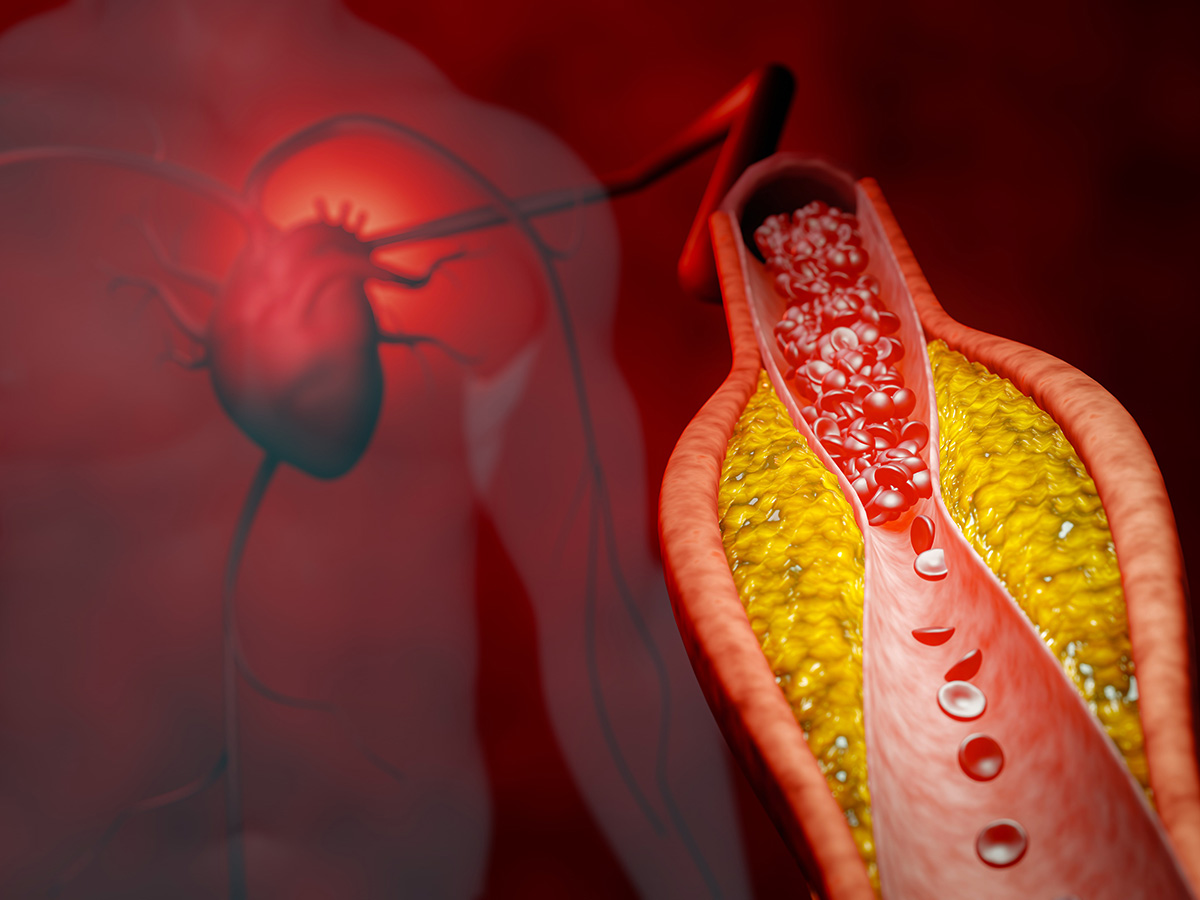
A national study found that many Americans with known heart disease were not receiving enough cholesterol-lowering treatment before being hospitalized for a heart attack or unstable angina, highlighting a major opportunity to prevent future cardiac events.

Researchers at UAB are investigating how chronic facial pain develops in the trigeminal nervous system. A renewed NIH-funded project aims to uncover pain mechanisms and identify new therapeutic targets for treating debilitating orofacial pain conditions.

UAB researchers have developed a new clinical trial combining medication, peer support, telehealth and ongoing recovery navigation to assist opioid overdose survivors.
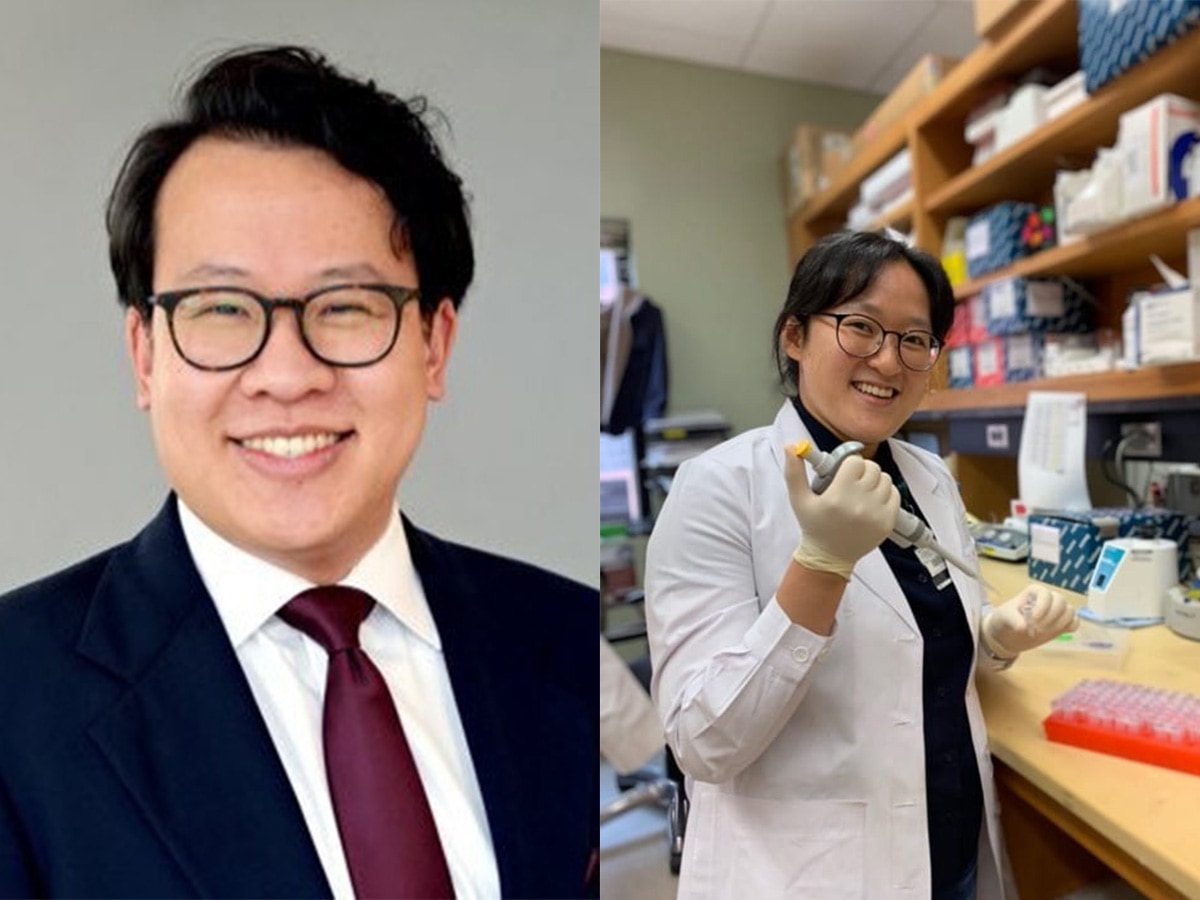
UAB researchers discovered that the heart may retain a biological “memory” of past high blood sugar, increasing vulnerability to future cardiac stress even after glucose levels return to normal. The findings provide new insight into diabetes-related heart disease risk.
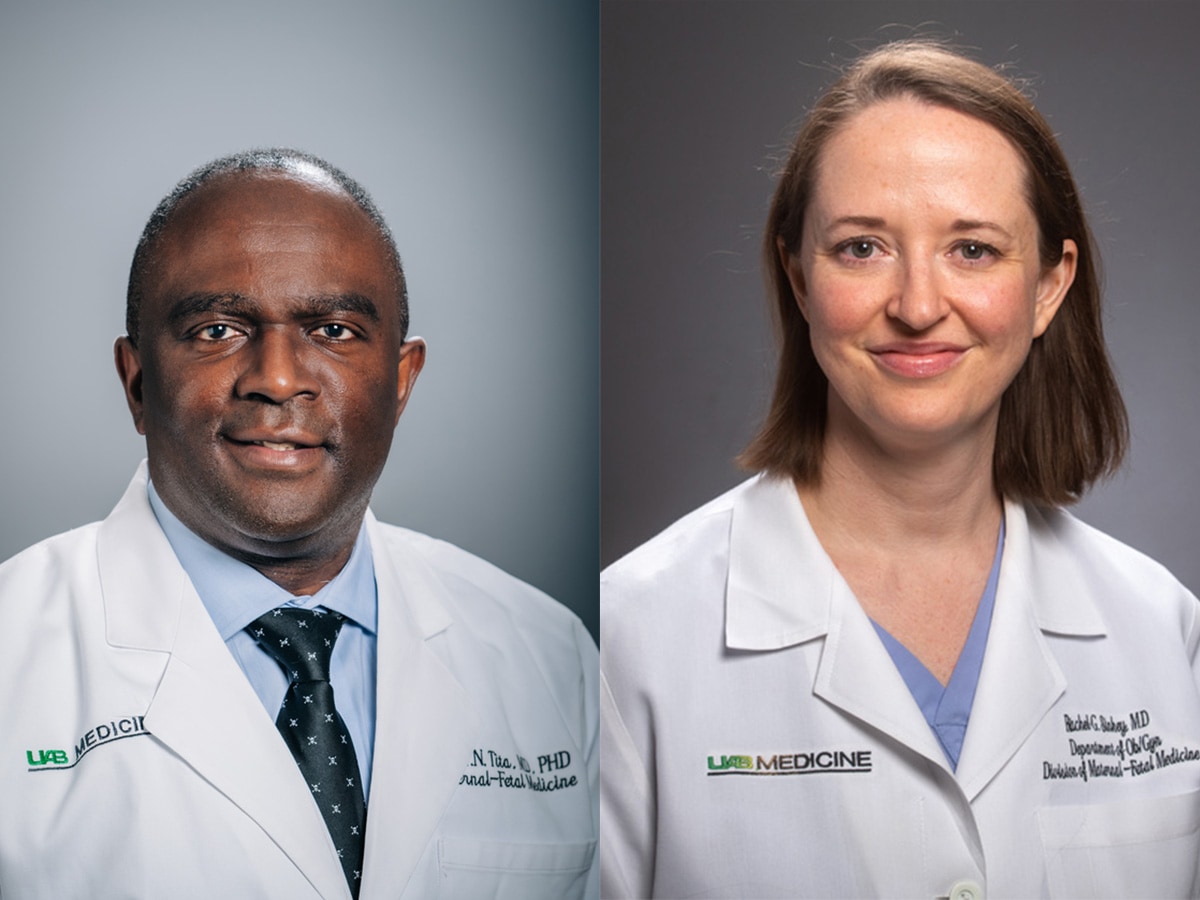
UAB has been awarded funding for GLOBal PPCM, the largest global study for peripartum cardiomyopathy. The trial will test whether a widely available drug can save the lives of women with this condition.

ARL is the leading and most prestigious association of academic and research libraries in North America, and membership places UAB among distinguished company.

UAB researchers are developing an AI-assisted digital twin platform for building retrofit planning.
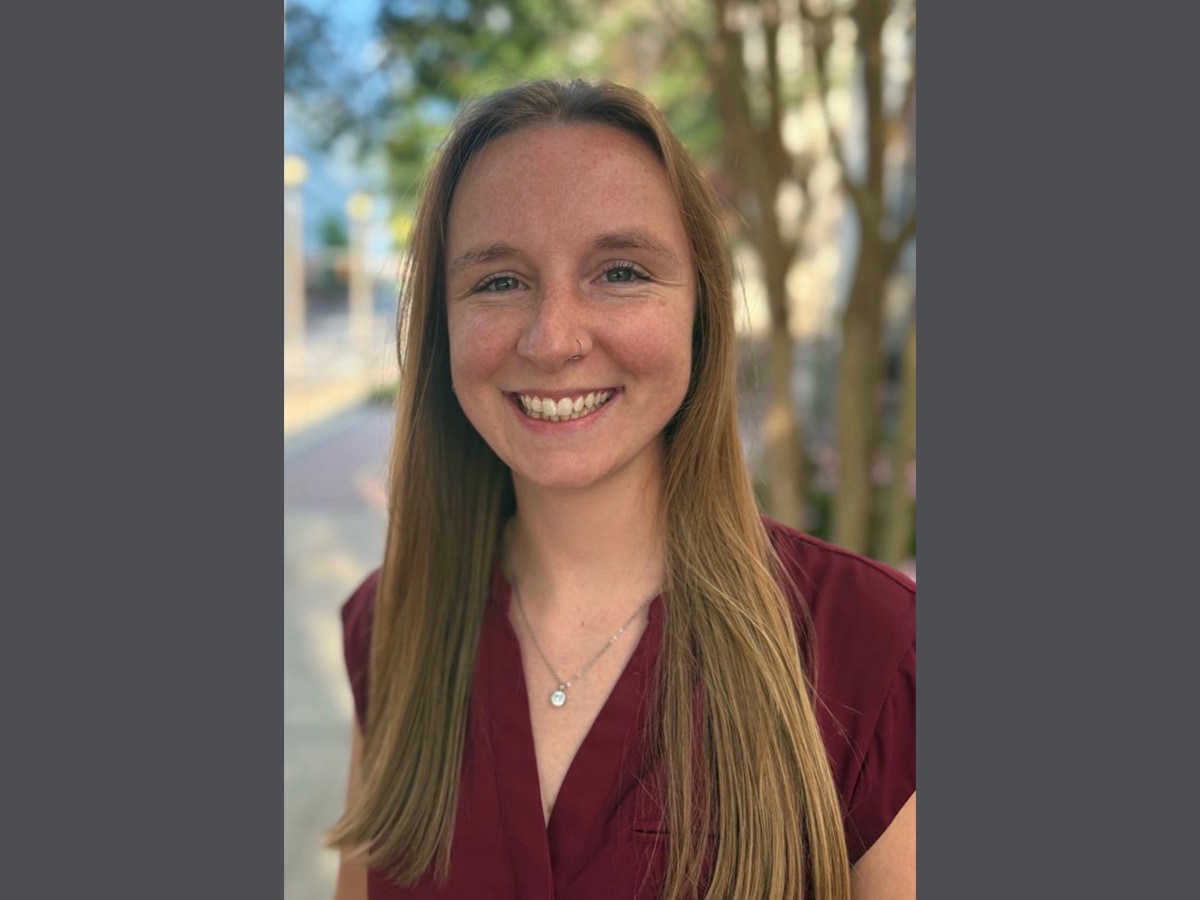
UAB researchers have received a $3.3 million NIDA grant to investigate a newly identified brain cell population linked to opioid addiction, relapse risk and genetic influences, advancing potential treatments for opioid use disorder.
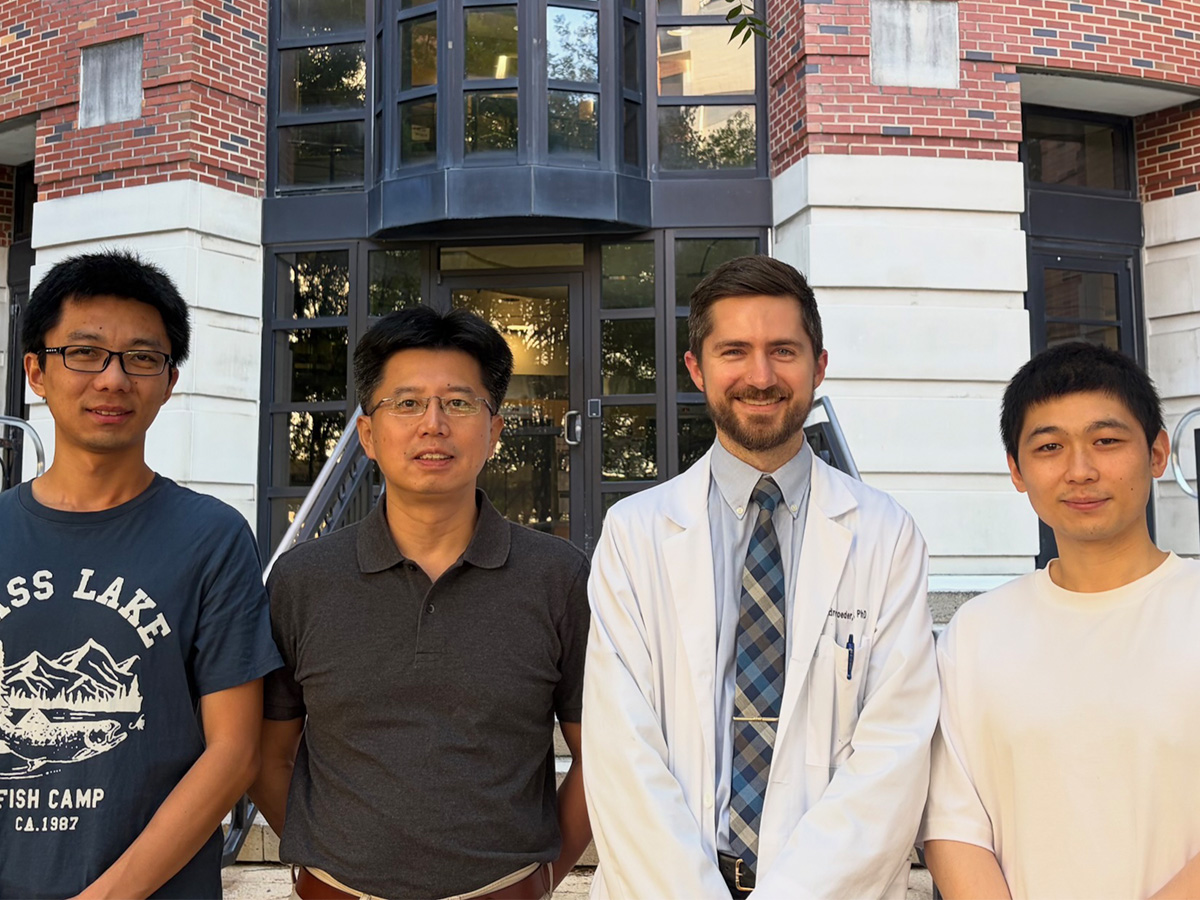
UAB researchers discovered a fundamental immune system mechanism that helps CD4+ T cells balance antibody and cellular responses to infection, a finding that could improve vaccine design, advance immunology research, and deepen understanding of autoimmune and immune deficiency diseases.
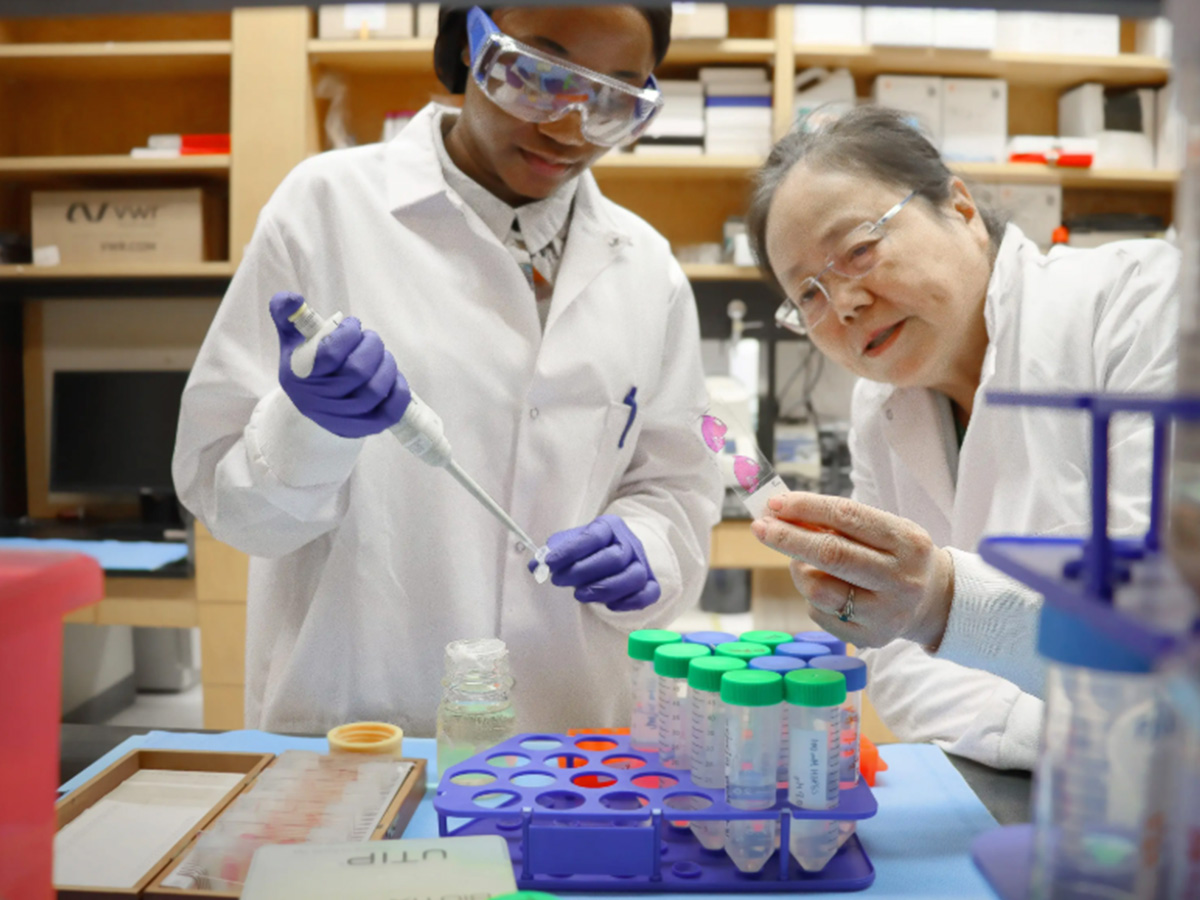
Jenny Yang, a senior scientist at the O’Neal Cancer Center and professor in UAB’s Department of Medicine, is advancing protein-based molecular MRI technologies designed to detect disease-related biomarkers and distinguish cancer subtypes through multicolor imaging.
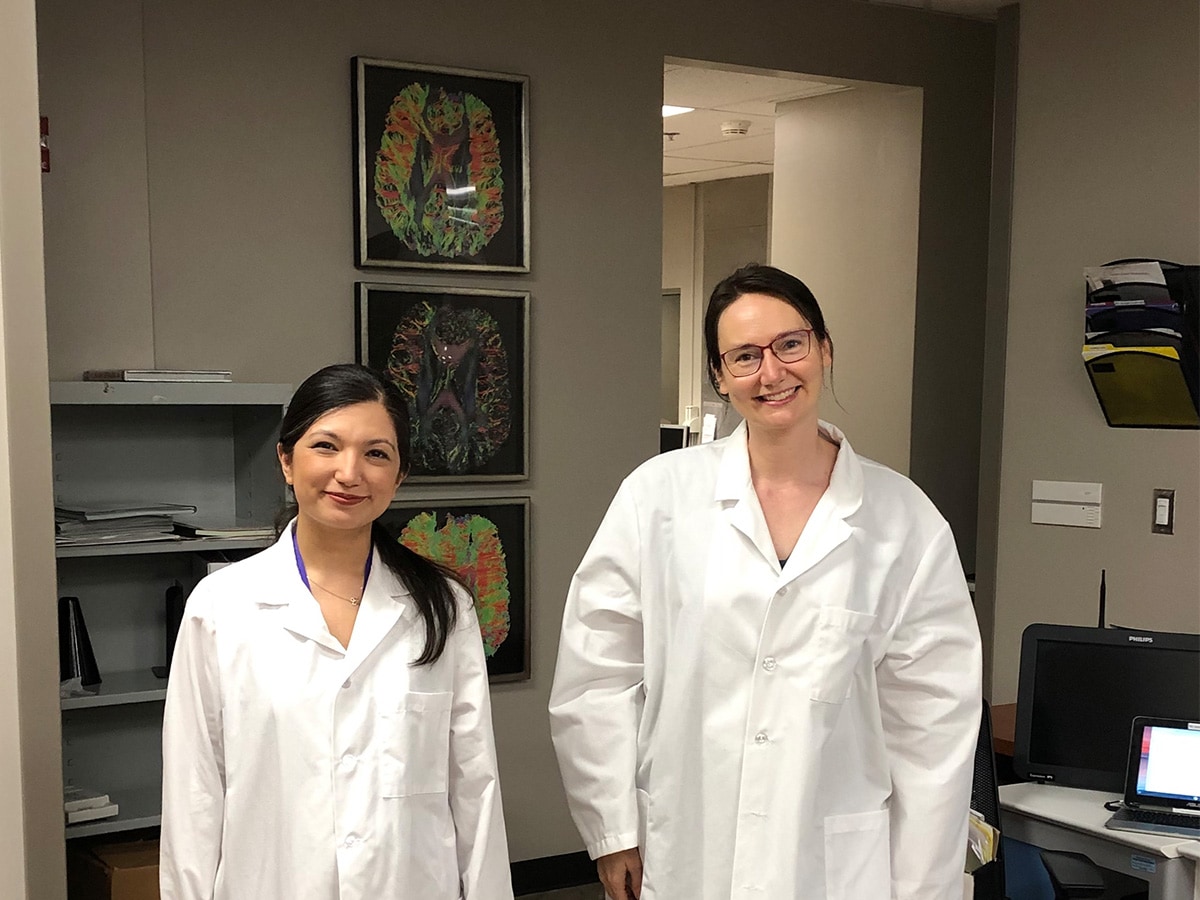
A UAB study found that brain regions used for attention-heavy tasks develop uniquely individualized connections, revealing how experience shapes neural wiring and offering new insights into brain plasticity, vision loss adaptation and personalized rehabilitation.

UAB researchers have received a five‑year NIH grant to investigate how genetic differences in natriuretic peptide biology shape salt sensitivity. The study pairs large‑scale genomic discovery with a genotype‑guided clinical trial to uncover mechanisms behind salt‑sensitive hypertension and support more personalized prevention and treatment.

UAB researchers are investigating the causes of rising childhood myopia using sensor-enabled glasses to study visual environments, aiming to improve early detection, prevention and personalized treatment of nearsightedness.
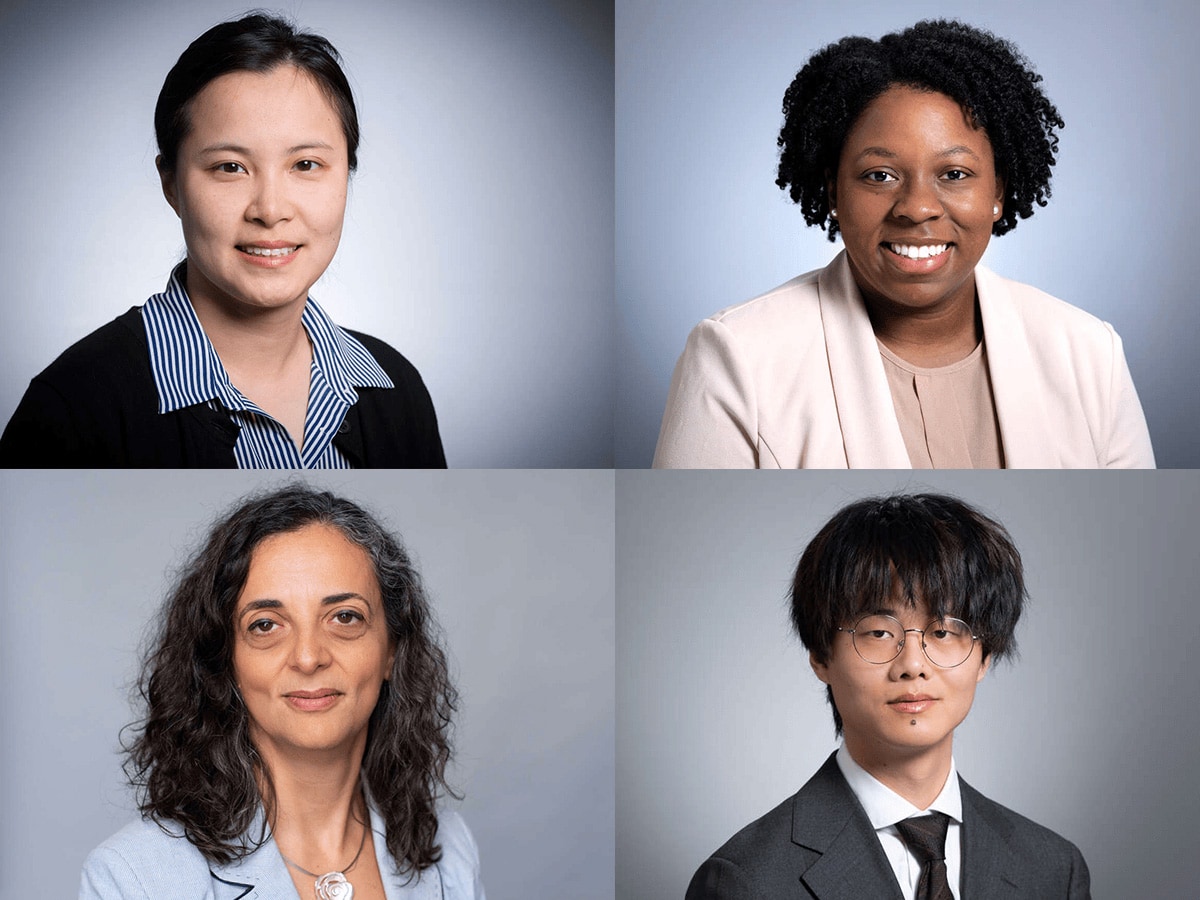
The UAB CARES Center awarded four pilot projects addressing tobacco cessation, indoor air quality, physical activity and financial hardship to reduce cancer disparities in Alabama.

The 2026 Blazer Bridge Fund winners include seven innovative projects from across UAB.
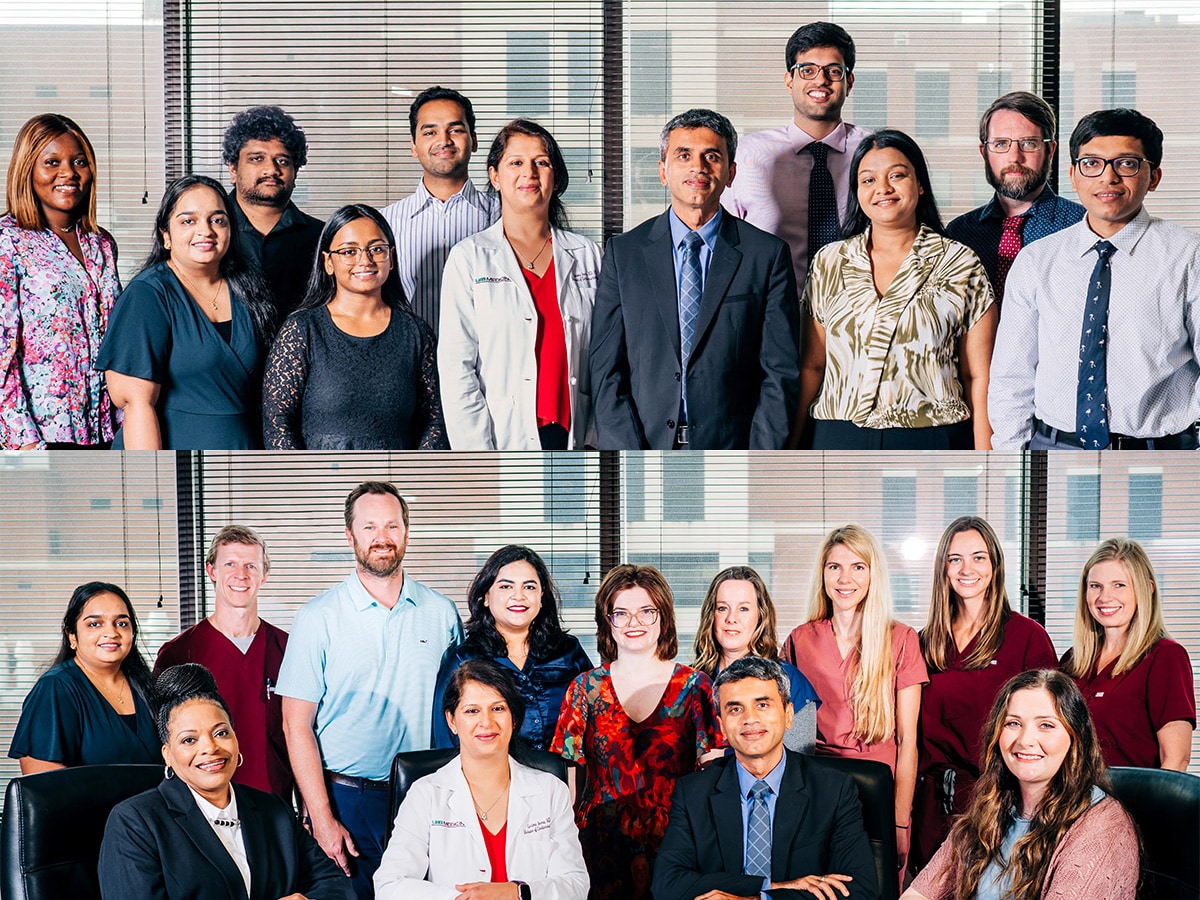
UAB researchers and collaborators are conducting an innovative first-in-human clinical trial, dosing the world’s first patient with an investigational gene therapy designed to advance research and healthcare for individuals with inherited, BAG3-associated dilated cardiomyopathy.
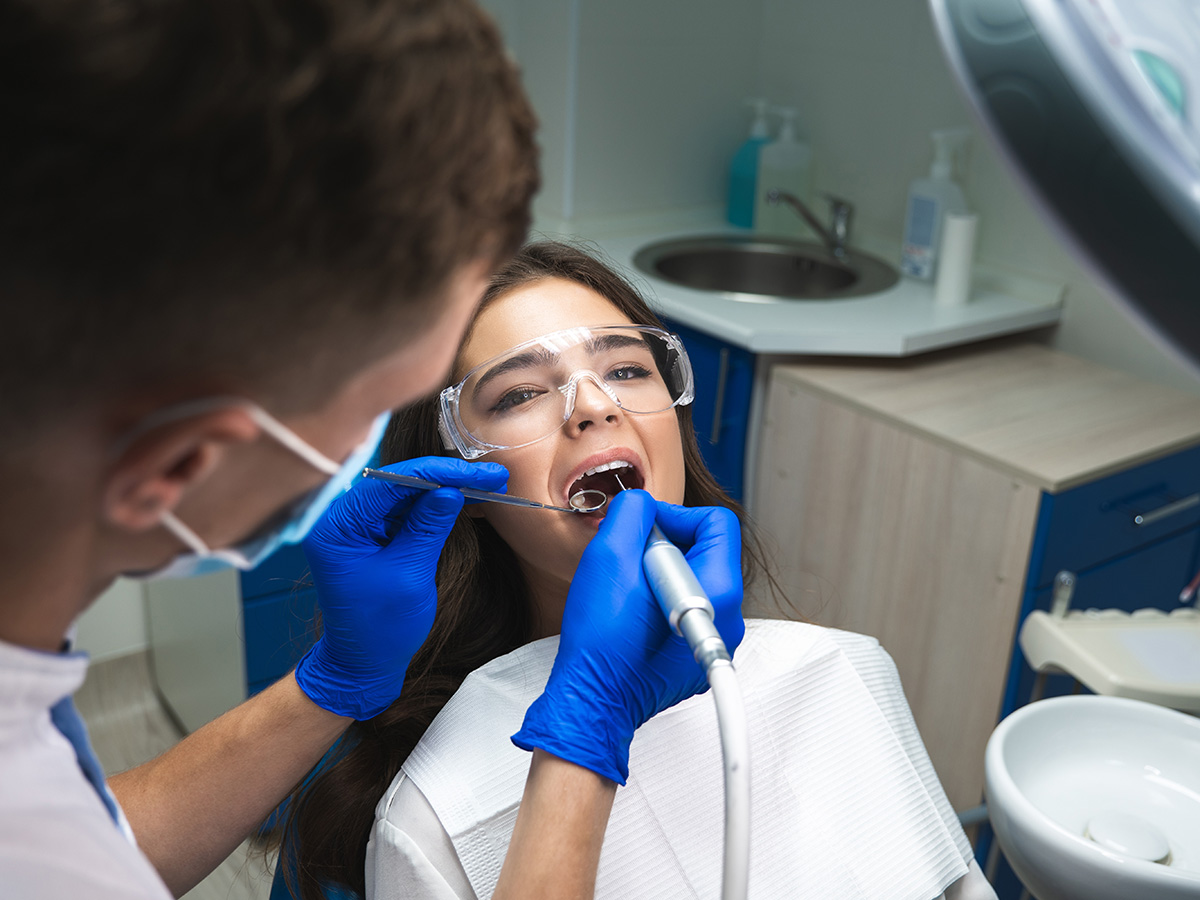
UAB awarded grant to co-lead national center to train dental providers in tooth-preserving procedure
The NIH-funded National Dental Practice Training Center will be led by researchers from the University of Alabama at Birmingham School of Dentistry and the University of Texas at San Antonio School of Dentistry, focusing on pulpotomy treatment.

A multi-institutional, UAB-led study found that pathologists can reliably distinguish the spectrum of HER2-negative breast cancer subtypes, strengthening the evaluation of how HER2-targeted therapies can improve patient treatment.
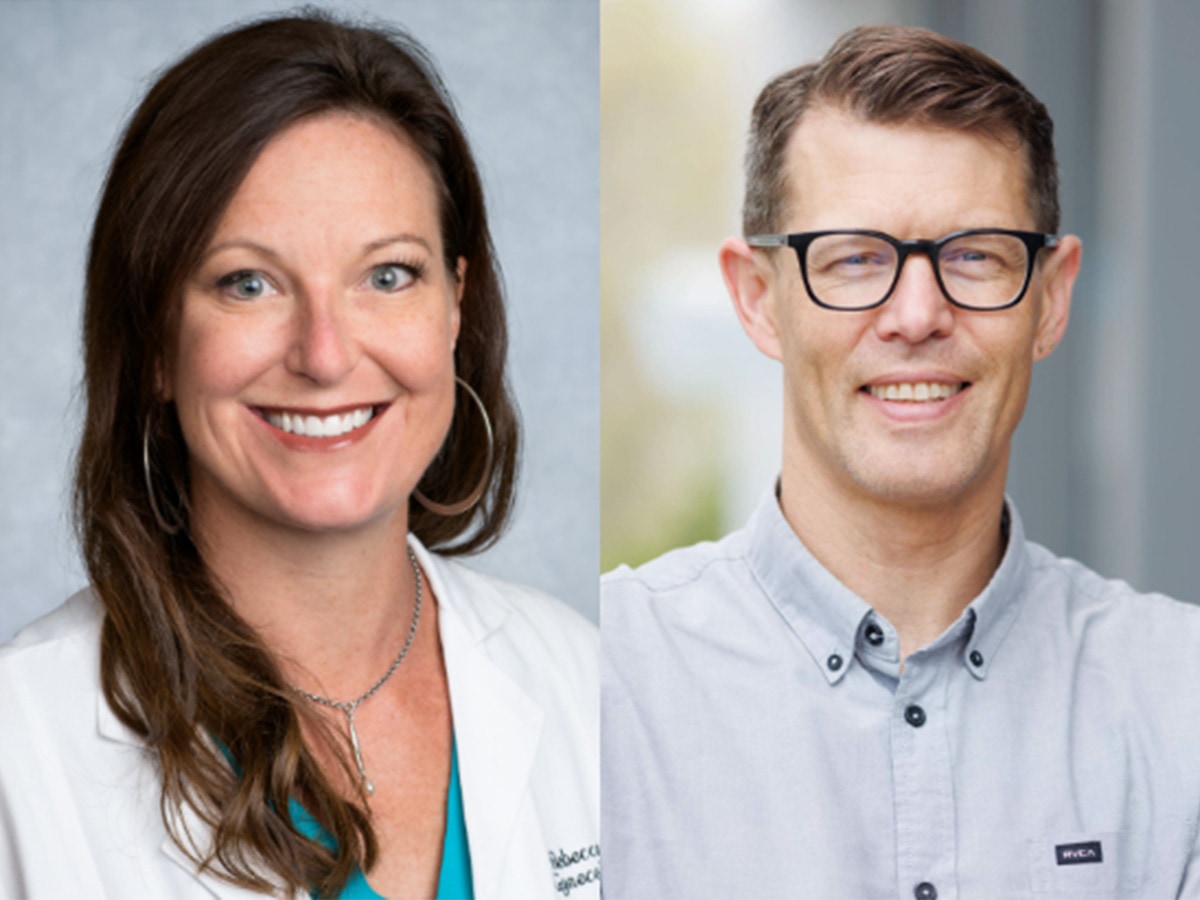
The treatment is designed to redirect a patient’s own immune system to attack cancer cells, potentially opening a new chapter in ovarian cancer treatment.

Researchers showed how neuroblastoma cells change as the cancer spreads, helping them grow, survive treatment and escape the body’s immune defenses.
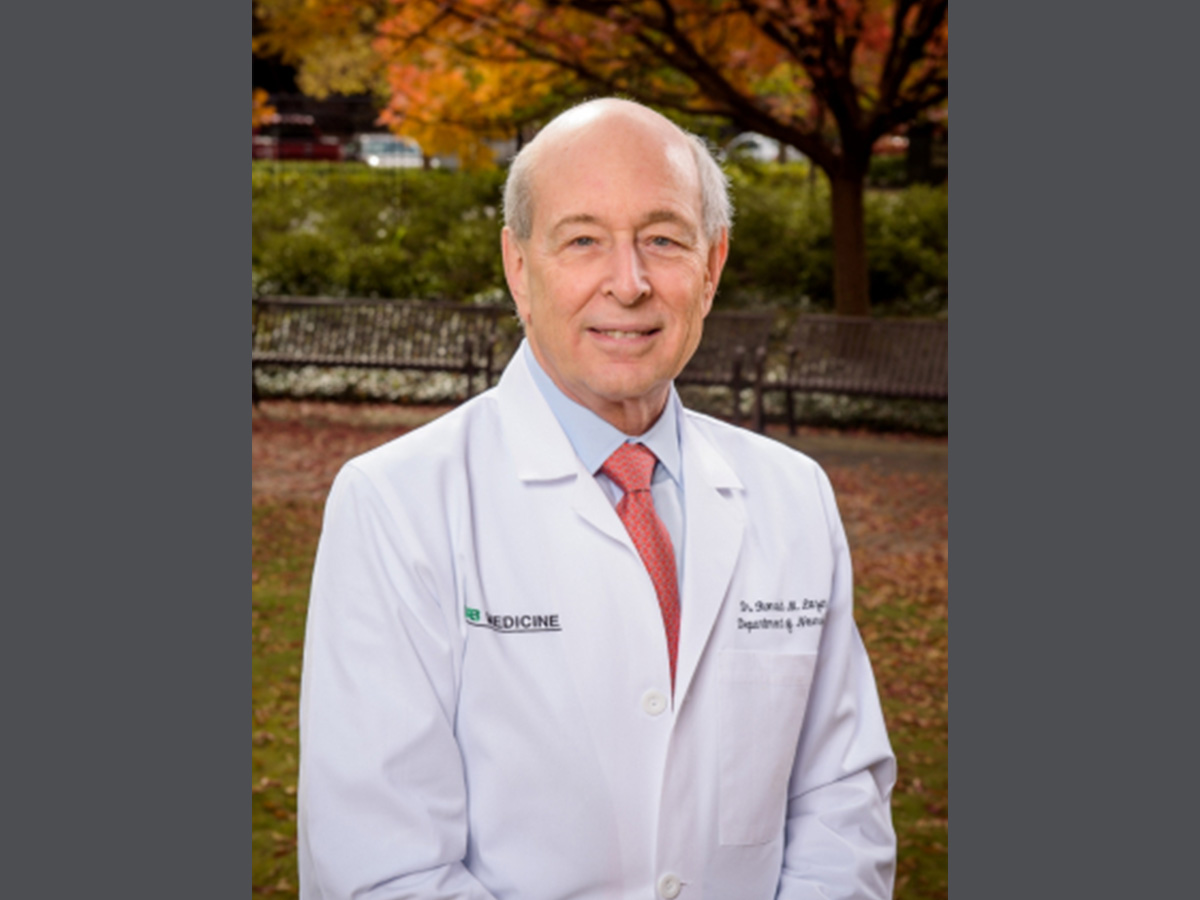
A landmark UAB-led trial found that restoring blood flow through carotid revascularization does not improve cognition in patients with asymptomatic carotid artery stenosis, providing important insights for stroke prevention and patient care.
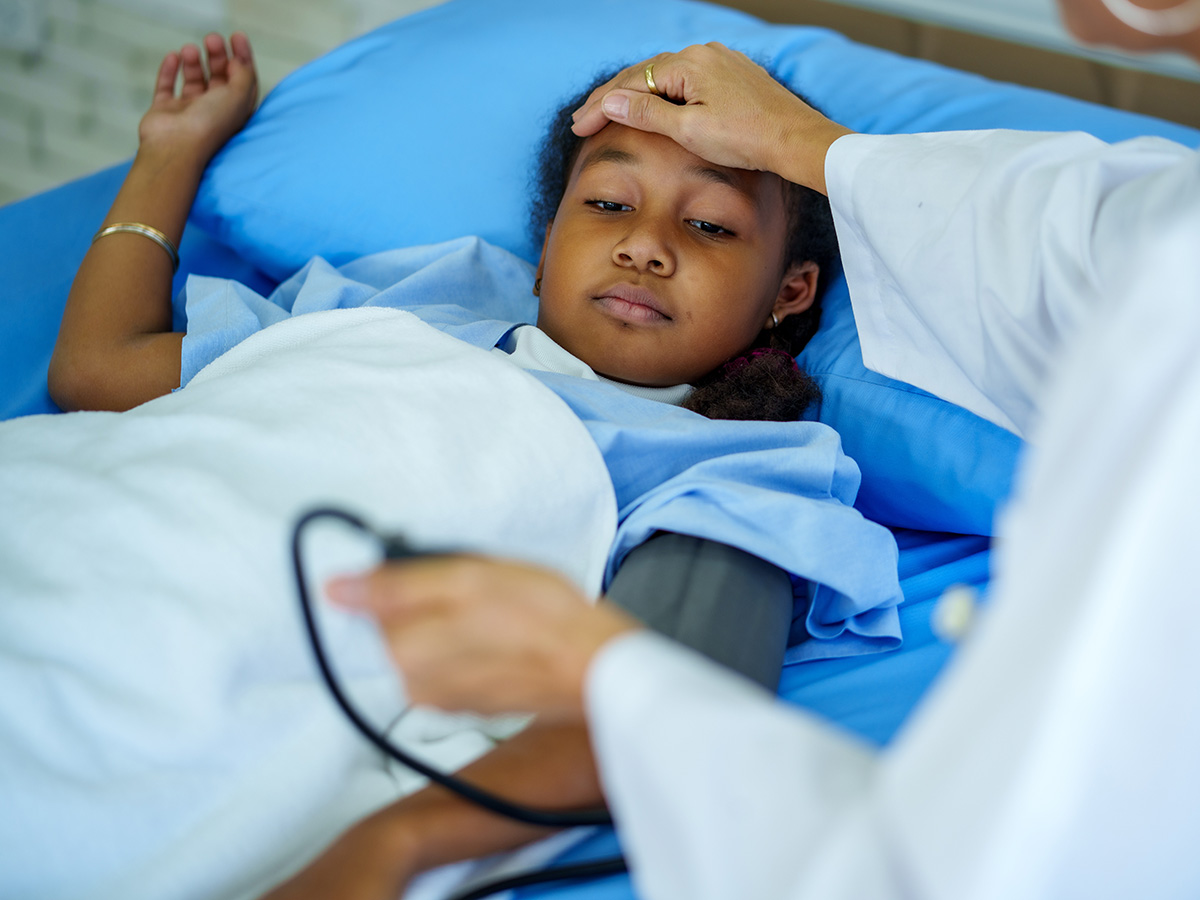
Current blood pressure thresholds may miss vital signs of dangerous instability in children due to pediatric reference values that were not designed for young patients who have experienced trauma.

UAB researchers and collaborators built a multi-ancestry genetic risk score for hypertrophic cardiomyopathy that sharpens risk prediction across diverse populations, identifying people at markedly higher risk of developing the disease and of suffering complications, including those whose standard genetic tests are inconclusive.

Southern Research will retain ownership of its modern, flagship 150,000-square-foot research building that supports its Station 41 drug discovery accelerator and start-up incubator.

A UAB researcher is working to establish how artificial intelligence can be used to better understand one of cancer’s most-faced questions.
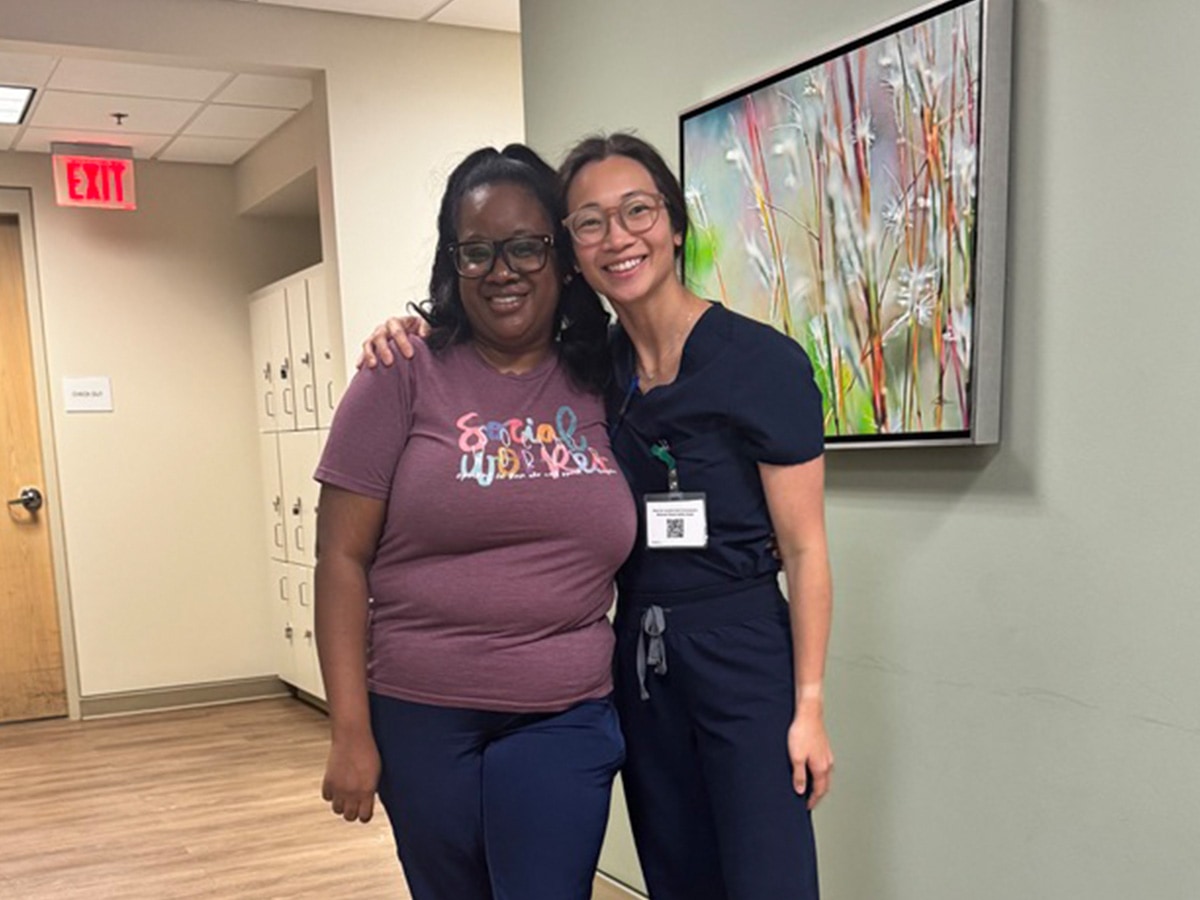
UAB’s new Granulomatous Mastitis Steroid Injection Service reshapes the course of treatment and research with its first patient, Laterica Williams.
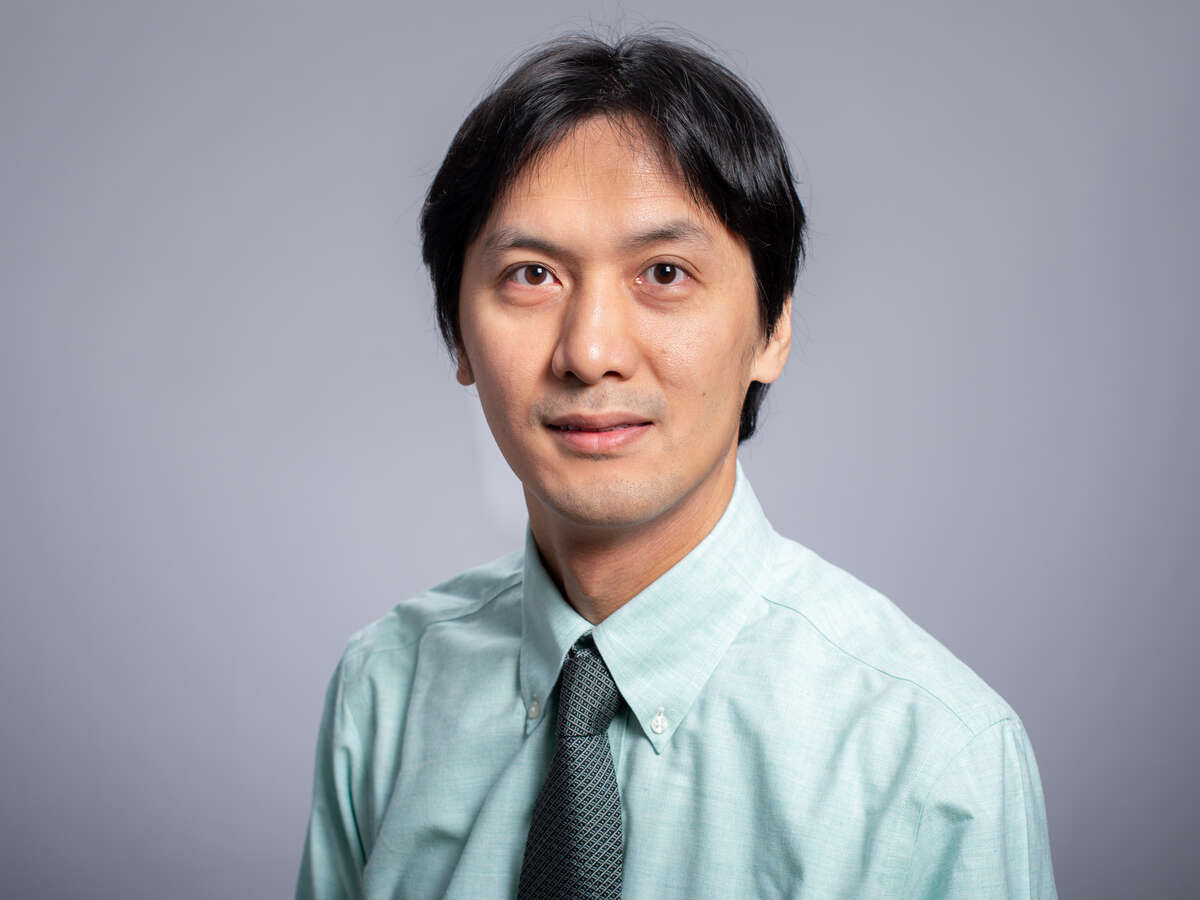
UAB researchers have identified a new communication pathway in which extracellular vesicles from T cells influence neural activity and improve social behavior, offering insights into mental health disorders.

UAB researchers found that blocking sortilin binding significantly improves progranulin gene therapy for frontotemporal dementia, boosting protein delivery, reducing brain inflammation and advancing potential treatments for a disease with no cure.
UAB researchers developed a novel RNA-based molecular test that more accurately distinguishes active C. diff infection from colonization, improving diagnosis of hospital-acquired illness and helping reduce missed cases and unnecessary antibiotic treatment.