Nurses have a unique perspective of the social and economic factors that impact health and well-being. Nurses spend more time with patients than any other health care professional, especially when hospitalized, which should provide them with a platform to make recommendations on how to streamline health care delivery, improve patient care, quality and safety, enhance patient outcomes and advance nursing practice and education.
The UAB School of Nursing Health Policy Initiative encompasses a yearlong Health Policy Fellowship designed to help Fellows understand how to use the platform inherent to the profession to help create change. The Fellowship, whose initial members are UAB School of Nursing Faculty, has a long-term goal to expand its reach to doctoral students, undergraduate honors students and community nurses so they understand what advocacy means and how to make logical and compelling arguments to facilitate change and create widespread impact. Alumni of the Fellowship will serve as future mentors in subsequent years of the Fellowship.
The UAB School of Nursing Health Policy Initiative has six strategic areas of focus:
- Advocacy training and mentoring for Health Policy Fellows in furtherance of faculty, students and nurses in the community.
- Education through year-round health policy focused professional development opportunities, with select seasonal sessions and forums.
- Discovery of nursing workforce research collaboratives that focus on scope of practice, workforce planning, health literacy and health equity.
- Policy development on the local, state and national level.
- Dissemination of information through publications, presentations and the media.
- Sustainably aligning areas of discovery with grant funding sources.
Leadership
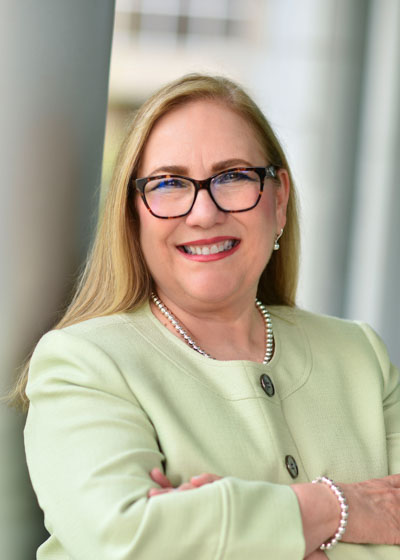 Director, Dean and Fay B. Ireland Endowed Chair in Nursing
Maria Shirey
PhD, MBA, MS, RN, NEA-BC, ANEF, FACHE, FNAP, FAAN
Director, Dean and Fay B. Ireland Endowed Chair in Nursing
Maria Shirey
PhD, MBA, MS, RN, NEA-BC, ANEF, FACHE, FNAP, FAAN
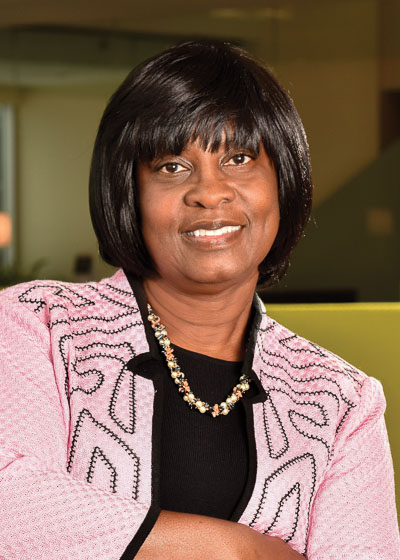
Prior to becoming Dean June 1, 2022, Shirey was the School's Associate Dean for Clinical and Global Partnerships and inaugural holder of the Jane H. Brock-Florence Nightingale Endowed Professorship in Nursing. She also previously chaired the Department of Acute, Chronic and Continuing Care. Shirey, who is board certified in advanced nursing executive practice and health care management, is an internationally recognized nurse scholar in leadership science and health services outcomes research, as well as an expert in sustainable interprofessional collaborative practice models advancing access to care for urban and rural vulnerable populations with chronic diseases. She was recognized in 2019 for her career contributions to advancing leadership and health systems science with the American Organization for Nursing Leadership Nurse Researcher Award. Her collaborative leadership work also has been recognized. In 2018, the UAB Nursing Partnership, between the School and UAB Health System, received the American Association of Colleges of Nursing's New Era for Academic Nursing Award and in 2020 two of the interprofessional collaborative practices with UAB Medicine received the Creativity in Practice and Education Award from the National Academies of Practice.
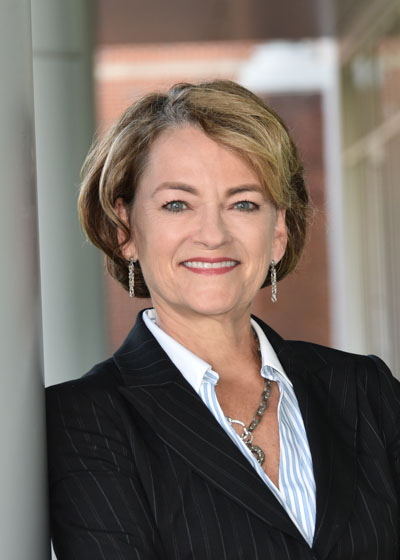 Co-Director, Health Policy Partnerships; Associate Professor
D'Ann Somerall
DNP, MAEd, CRNP, FNP-BC, FAANP, FAAN
Co-Director, Health Policy Partnerships; Associate Professor
D'Ann Somerall
DNP, MAEd, CRNP, FNP-BC, FAANP, FAAN
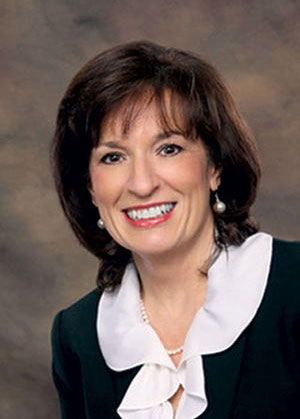
Dr. Somerall rejoined the School of Nursing in 2024 after retiring in 2017. Her passion for health policy emerged through sustained efforts to improve the nurse practitioner practice environment in Alabama. She has held multiple leadership roles within the Nurse Practitioner Alliance of Alabama (NPAA), the state's professional organization representing approximately 10,000 nurse practitioners. As a family nurse practitioner with a longstanding commitment to caring for underserved populations, Dr. Somerall possesses a deep understanding of the regulatory and systemic barriers that limit nurse practitioner practice. During her tenure as President of NPAA, she led statewide policy initiatives that advanced practice standards and strengthened the professional practice environment for nurse practitioners across Alabama.
2023-2024 Fellows
The UAB School of Nursing Health Policy Fellows began with its inaugural class of eight Fellows in September 2023, of which seven completed the fellowship. These mid-to senior-level faculty engage in both didactic and experiential learning, developing a deep understanding of policy, advocacy and communication techniques, as well as negotiation skills, through in-person interactions with health care executives and elected officials. They learn to foster collaborative and innovative relationships to drive policy change leading to improved patient outcomes. They also completed an advocacy project to demonstrate understanding of the advocacy and policy-making process.
Criteria for selection of Fellows includes documentation of leadership activities, previous experience in policy and advocacy, as well as the number and quality of the outcomes of those they had mentored. Fellows were faculty at the Assistant Professor rank or above.
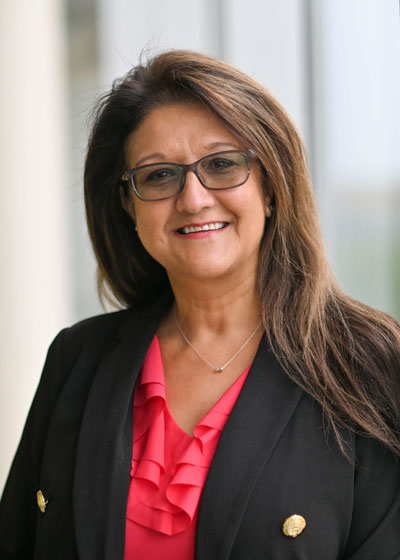 Adjunct Assistant Professor
Grace Grau
DNP, CRNP, ACNP-BC, AACC, FAAN
Adjunct Assistant Professor
Grace Grau
DNP, CRNP, ACNP-BC, AACC, FAAN
Title: Empowering Nursing Advocacy Through Civic Engagement
Objective: Implement a nonpartisan initiative in Alabama to educate nurses and nursing students on civic engagement, resulting in voter registration for all participants.
Problem: Although nurses are the largest healthcare workforce, they remain underrepresented in health policy and have the lowest voter turnout among health professions. Only 20–30% engage in policy activities, citing limited knowledge, time constraints, and lack of mentorship, often viewing advocacy as outside their professional role. This limits nursing’s influence on healthcare and public health policy.
Plan: Nonpartisan voter registration efforts were integrated into Alabama nursing programs using synchronous and asynchronous strategies and the Free VotER QR code tool.
Outcome: 181 new nurse voters registered, with ongoing advocacy continuing to expand participation.
 Associate Professor; Co-Coordinator, Emergency Nurse Practitioner Subspecialty
Melanie Hallman
DNP, CRNP, FNP-BC, ACNP-BC, ENP-C, CEN, TCRN, FAEN, FAANP, FAAN
Associate Professor; Co-Coordinator, Emergency Nurse Practitioner Subspecialty
Melanie Hallman
DNP, CRNP, FNP-BC, ACNP-BC, ENP-C, CEN, TCRN, FAEN, FAANP, FAAN
Co‑authored project with Loretta Lee
Title: Transforming Prelicensure Nursing Students’ Understanding of Health Policy and Advocacy
Objective: Integrate dynamic health policy and advocacy (HPA) modules across the UAB School of Nursing undergraduate curriculum.
Problem: Many nurses lack understanding of the importance of policy engagement in improving health outcomes. The AACN 2021 Essentials require nursing students to demonstrate competency in HPA, highlighting the need for intentional, innovative policy education in prelicensure programs.
Plan: Policy content aligned with the 2021 AACN Essentials was embedded into prelicensure didactic courses using a gamified learning platform. A customized escape room provided an immersive HPA experience in which students solved progressively challenging puzzles to advance and complete the activity.
Outcome: Pre- and post-surveys demonstrated that students found the experience informative, engaging, and enjoyable. Findings are guiding future HPA instructional strategies to further strengthen students’ policy knowledge. Seven of eight Fellows completed the year-long Health Policy Fellowship: two combined complementary projects, expanding impact while streamlining development efforts.
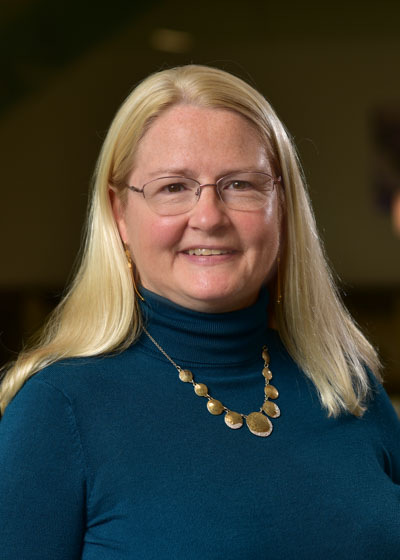 Associate Professor; Director, MSN Nurse-Midwifery Pathway
Sharon Holley
DNP, CNM, FACNM, FAAN
Associate Professor; Director, MSN Nurse-Midwifery Pathway
Sharon Holley
DNP, CNM, FACNM, FAAN
Title: Expanding Alabama Medicaid Telehealth Coverage for Certified Nurse-Midwives
Objective: Secure Alabama Medicaid approval for Certified Nurse-Midwives (CNMs) to receive reimbursement for telehealth services through a rule change.
Problem: Alabama has among the highest maternal and infant mortality rates in the nation, earning an “F” on the 2024 March of Dimes report card. Although evidence shows CNMs improve maternal outcomes—particularly for Black women—they remain underutilized, with only 53 CNMs statewide. Barriers include exclusion from Medicaid’s telehealth provider list, and limited role recognition
Plan: Pursue a Medicaid rule change by engaging the Alabama Medicaid Office and working directly with the State Medicaid Commissioner.
Outcome: Policy Change (2024): CNMs approved as Medicaid telehealth providers for prenatal care. Improved Access: Expanded CNM services to underserved communities. Enhanced Integration: Increased recognition and visibility of CNMs. Stronger Collaboration: Ongoing stakeholder partnerships. Maternal Health Impact: Broader access to CNM care to improve maternal and infant outcomes. State Leadership: Selection to serve on Alabama’s Maternal Health Disparities Workgroup.
 Associate Professor; Director, Nurse Family Partnership of Central Alabama
Candace Knight
PhD, RN, FAAN
Associate Professor; Director, Nurse Family Partnership of Central Alabama
Candace Knight
PhD, RN, FAAN
Title: Stakeholder Education: Advancing Maternal and Child Health Models in Alabama
Objective: Lead a statewide initiative to coordinate obstetrical services and reduce maternal morbidity and mortality in Alabama.
Problem: Alabama ranks among the worst states for maternal and infant outcomes, with the nation’s highest maternal mortality rate and second-highest preterm birth rate. Gaps in prenatal and postpartum care—particularly in rural areas—force many women to travel long distances for care, increasing risks of undiagnosed conditions, preventable complications, and adverse birth outcomes.
Plan: Collaborated with stakeholders statewide to educate communities, providers, and policymakers on maternity care deserts and promote evidence-based solutions, including nurse home visitation, expanded certified nurse-midwifery services, and telehealth for prenatal and mental health care in rural populations.
Outcome: Established strong engagement with legislators and leaders across all Alabama state agencies. Partnerships with HRSA, Alabama Medicaid, the Alabama Department of Public Health, Alabama Coordinated Health Networks, Blue Cross and Blue Shield of Alabama, and community organizations resulted in commitments to expand and sustain funding and access to Nurse-Family Partnership home visitation and related maternal health programs.
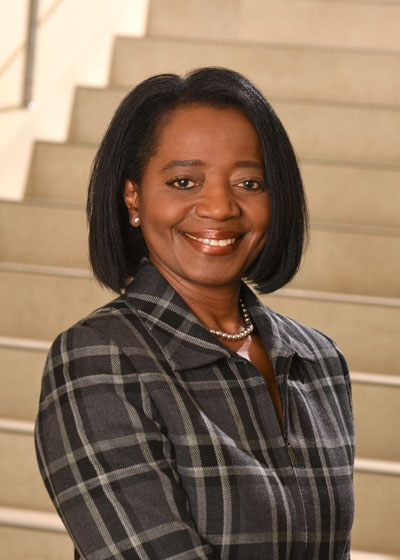 Professor; Vice Chair, Department of Family, Community and Health Systems
Loretta Lee
PhD, CRNP, FNP-BC, CNE, FNAP, FADLN
Professor; Vice Chair, Department of Family, Community and Health Systems
Loretta Lee
PhD, CRNP, FNP-BC, CNE, FNAP, FADLN
Co‑authored project with Melanie Hallman
Title: Transforming Prelicensure Nursing Students’ Understanding of Health Policy and Advocacy
Objective: Integrate dynamic health policy and advocacy (HPA) modules across the UAB School of Nursing undergraduate curriculum.
Problem: Many nurses lack understanding of the importance of policy engagement in improving health outcomes. The AACN 2021 Essentials require nursing students to demonstrate competency in HPA, highlighting the need for intentional, innovative policy education in prelicensure programs.
Plan: Policy content aligned with the 2021 AACN Essentials was embedded into prelicensure didactic courses using a gamified learning platform. A customized escape room provided an immersive HPA experience in which students solved progressively challenging puzzles to advance and complete the activity.
Outcome: Pre- and post-surveys demonstrated that students found the experience informative, engaging, and enjoyable. Findings are guiding future HPA instructional strategies to further strengthen students’ policy knowledge. Seven of eight Fellows completed the year-long Health Policy Fellowship: two combined complementary projects, expanding impact while streamlining development efforts.
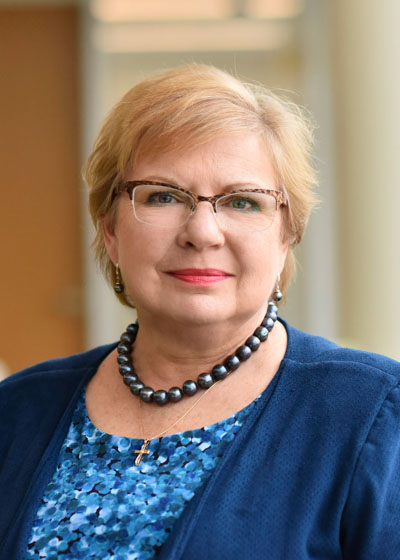 Professor
Patricia Patrician
PhD, RN, FAAN
Professor
Patricia Patrician
PhD, RN, FAAN
Title: Working on the Human Margin: Addressing Hospital Nurse Mental Health in Alabama
Objective: Address the critical mental health needs of hospital nurses across Alabama.
Problem: Nurse burnout in Alabama predates COVID-19, with 2018–2019 data showing 87% reporting moderate to high burnout due largely to staffing shortages. The pandemic intensified these challenges, marked by unsafe workloads and low perceived support. While conditions have modestly improved, more than half of nurses in critical care settings still feel unsupported.
Plan: Design, implement, and evaluate a statewide nurse wellness conference.
Outcome: The conference engaged 191 participants (103 in person, 88 virtual) and received exceptional evaluations. All respondents reported applying strategies learned, including peer support (44%), wellness rounds (41%), wellness rooms (41%), workload-reduction initiatives (37%), and leadership-supported wellness activities (29%). The conference was highly successful and lead to the implementation of a conference planned for 2025.
 Professor; Assistant Dean, Clinical Innovation
Shea Polancich
PhD, RN, FAAN
Professor; Assistant Dean, Clinical Innovation
Shea Polancich
PhD, RN, FAAN
Title: Post-COVID Telehealth: Advocating for Continued and Expanded Access in Alabama
Objective: Increase awareness of the value of sustaining telehealth beyond the pandemic.
Problem: As pandemic-era telehealth flexibilities expire, lawmakers, providers, and payers are debating its future. Nurses and voters—key stakeholders in access to care—are often excluded from these discussions. Without informed advocacy, policy changes risk limiting access, particularly for underserved populations.
Plan: Implement a telehealth policy dialogue to educate Alabama voters on the importance of telehealth and the current federal and state legislative landscape.
Outcome: The project launched through a Health Policy Summit attended by approximately 185 participants. Post-event evaluations averaged >4.0 (out of 5) across all metrics. Notably, 95% of respondents supported continued access to and reimbursement for telehealth services. The 2025 Policy Summit will continue advocacy efforts to advance telehealth access for Alabama residents.
2023-2024 Mentors
UAB School of Nursing Health Policy Fellows have in-house mentors with expertise and experience in advocacy who work with them to engage with elected officials and influential leaders and health care executives. The mentors also guide Fellows as they choose and develop their advocacy projects.