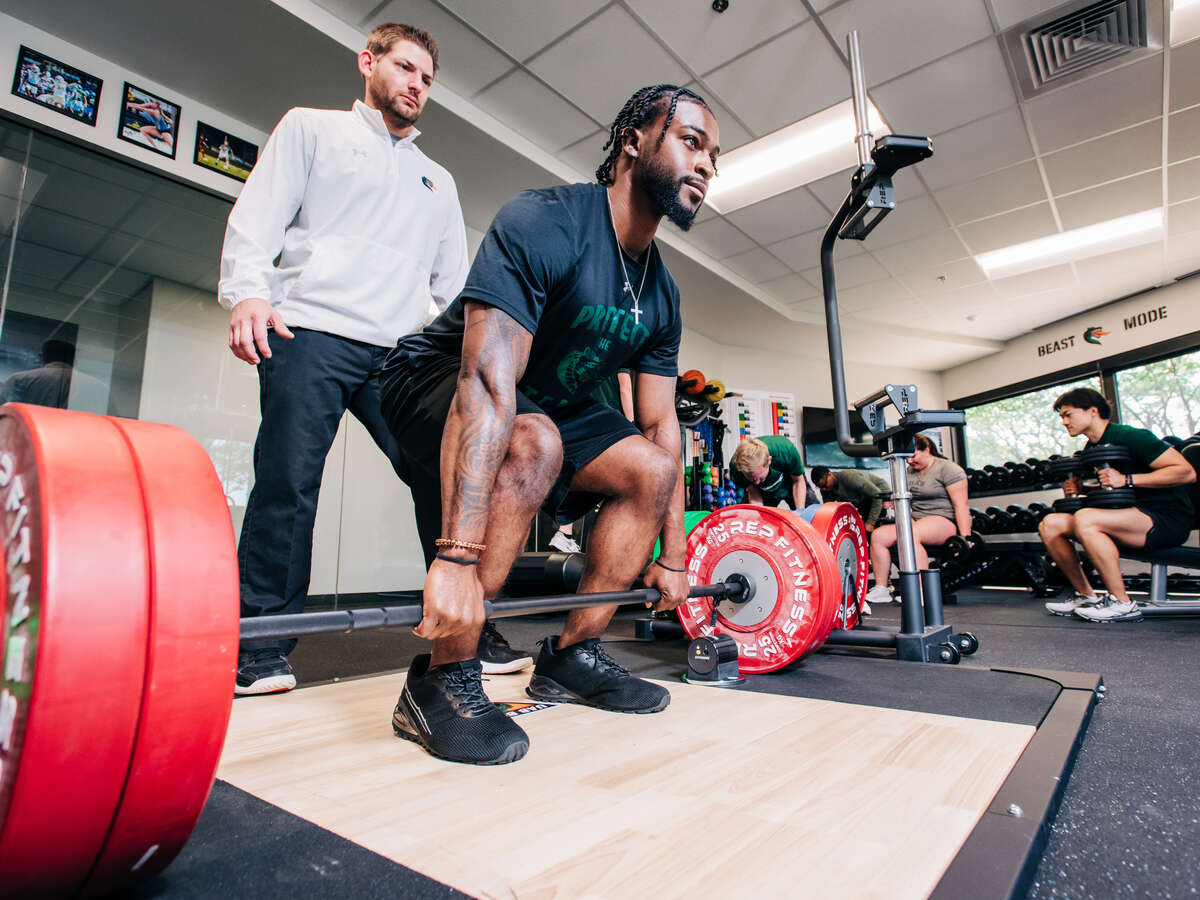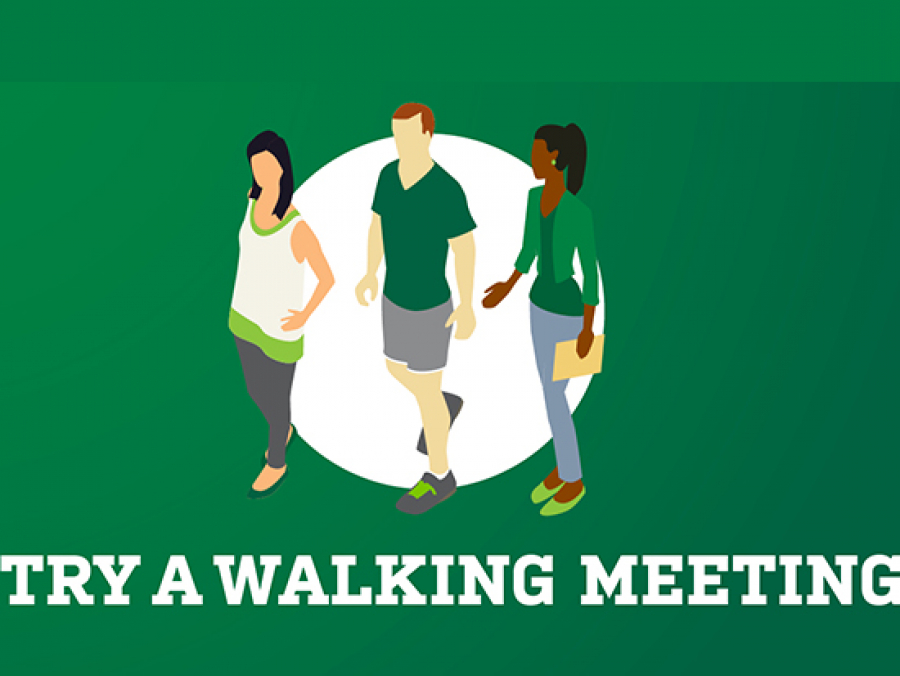
It might look like someone stepping outside for a quick walk before the day begins, a group laughing together during a game or a quiet stretch between meetings after sitting too long. These moments don’t always register as exercise, but they are often where movement lives—in the rhythms of everyday life.
“We were born to move, play and connect,” said Sandra Sims, PhD opens a new website, professor in the UAB Department of Human Studies and director of the Physical Education Teacher Certification program. For Sims, that instinct is still there. It just gets buried. “Movement is more than exercise; it is a biological and emotional need that supports our overall wellbeing,” she said. “When movement is joyful, it becomes sustainable in everyday life.”
Research continues to reinforce what Sims describes as both essential and achievable. According to the Physical Activity Guidelines for Americans opens a new website (2nd ed.), “some physical activity is better than none,” a reminder that even small moments count. “Movement does not need to be perfect, intense or lengthy to provide meaningful health benefits,” Sims said. That idea shifts the focus away from ideal routines and toward consistency and enjoyment. Instead of asking people to do more, she encourages them to notice what they are already doing and build from there.
“Every movement of any duration contributes to your overall health,” she added.
The Benefits of Physical Movement
At its most visible level, movement supports physical health. Walking, dancing, stretching or recreational sports can improve strength, endurance, flexibility and cardiovascular health. According to the Centers for Disease Control and Prevention opens a new website, regular physical activity helps strengthen muscles and bones, improve blood pressure and aerobic fitness, maintain healthy blood sugar levels, support a healthy body weight and reduce the risk of chronic diseases. But for Sims, the more meaningful shift happens internally.
“Wellness should not feel like another obligation added to an already demanding schedule,” she said. “Joyful movement removes the pressure.”
Movement also strengthens cognitive wellness. Activities that involve play and engagement support creativity, adaptability, communication and problem-solving. These skills carry into both personal and professional life. “A quick ‘brain booster’ activity acts as a wake-up call to your brain cells,” Sims said. “Just a little movement can make a big difference in your mental performance.”
That same principle extends into emotional health. “Joyful wellness involves intentionally creating opportunities for meaning, connection, laughter and positivity within daily life,” she explained. Movement shifts from being just physical and becomes a way to reduce stress, restore energy and reconnect with others. “If you prefer team sports and group activities, the benefits multiply,” Sims said. “These experiences boost confidence, self-esteem and personal growth while cultivating empathy, compassion and patience.”
Simple ways to bring more joyful movement into your day include:
- Take short breaks to stand, stretch or walk between tasks.
- Choose activities that feel enjoyable, such as dancing, walking or playing a game.
- Use movement as a mental reset after prolonged periods of focus.
- Build connection through group activities or shared movement.
- Focus on consistency rather than intensity or perfection.
A More Sustainable Path Forward
For Sims, the goal is intention. “Choosing activities you genuinely love will support your physical, cognitive, emotional and social wellness,” she said. That perspective also applies beyond individuals. Communities and workplaces play a role in shaping whether movement feels accessible or encouraged.
“Organizations and communities can promote wellness by intentionally creating cultures that value movement, laughter, connection and play,” Sims said.
In high-demand professions, those moments are crucial. Taking time to move, even briefly, can help restore focus, improve mood and reduce the strain that builds throughout the day.
“Joyful wellness helps restore energy, compassion and a sense of balance,” Sims said. Getting started, she emphasized, does not require a major shift or a perfect plan.
“Your movement journey does not need to begin with perfection,” she noted. “It begins with one enjoyable moment at a time.”
That moment could be walking with a friend, stretching between meetings or simply choosing to move instead of remaining still. Over time, those small decisions begin to shape habits that are both sustainable and meaningful.
“Find activities that make you smile, help you connect with others and leave you feeling energized,” Sims said. Often, those activities are simple, familiar experiences—a walk before the day begins, a stretch between meetings or a chance to laugh and connect with others. “We were born to move, play and connect,” she reiterates. It’s something already woven into the way we live; and over time, those small moments start to feel less like something you must think about and more like part of your day.